We may earn money or products from the companies mentioned in this post. This means if you click on the link and purchase the item, I will receive a small commission at no extra cost to you ... you're just helping re-supply our family's travel fund.

For seasoned travelers, an airport can shape the entire journey. The world’s best airports do more than move people efficiently; they reduce stress, spark curiosity, and sometimes become destinations themselves. Based on consistent traveler feedback, operational performance, and experiential value, these eight airports stand out globally. Each combines scale with smart design, strong passenger satisfaction, and memorable details that flyers repeatedly praise. From seamless security flow to world-class dining and intuitive layouts, these airports redefine what modern air travel can feel like when everything works as it should.
1. Singapore Changi Airport (SIN)

Singapore Changi Airport consistently tops traveler favorites by turning transit into an experience. Handling over 68 million passengers annually across 4 terminals, it spans roughly 1,300 hectares and connects to 400+ cities worldwide. Travelers praise its near-perfect cleanliness scores, sub-10-minute average immigration clearance, and quiet efficiency. Highlights include the 40-meter indoor Rain Vortex, butterfly gardens, movie theaters, and free rest zones. Despite its size, wayfinding remains intuitive. Changi’s retail revenue per passenger is among the world’s highest, yet the airport never feels commercial first; it feels calm, precise, and remarkably human.
2. Hamad International Airport, Doha (DOH)
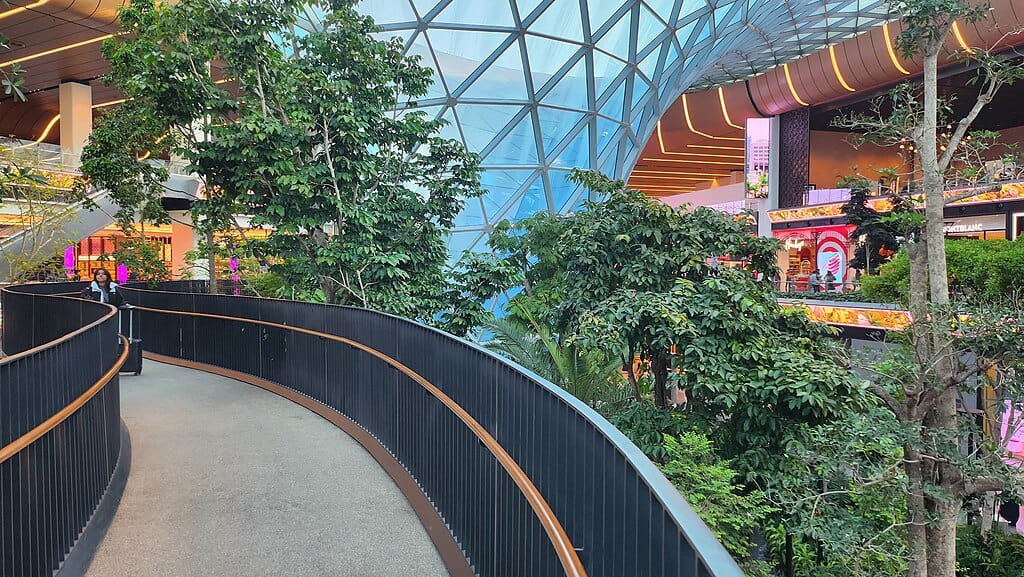
Hamad International Airport blends luxury with logic in a way few mega hubs manage. Serving around 45 million passengers per year, the airport covers 22 square kilometers and operates 2 long-haul runways designed for the A380. Travelers consistently cite its wide corridors, quiet acoustics, and generous seating density. The airport features over 40,000 square meters of retail and dining, museum-grade art installations, and some of the highest-rated business-class lounges globally. Even during peak transfer waves, average connection times remain under 60 minutes, making long layovers surprisingly comfortable.
3. Tokyo Haneda Airport (HND)
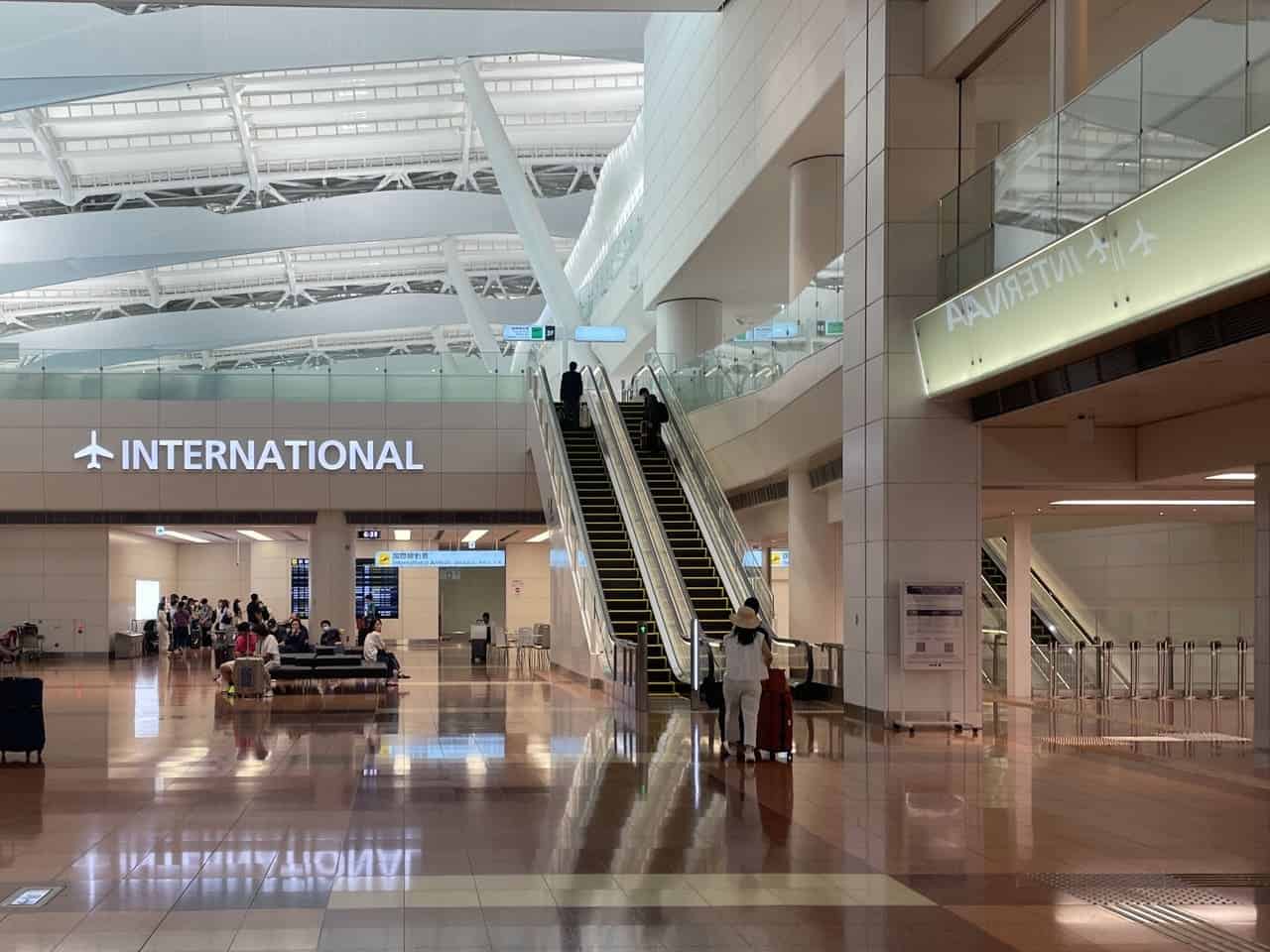
Tokyo Haneda stands out for precision rather than spectacle. Handling nearly 85 million passengers annually, it is among the busiest airports in the world while remaining exceptionally punctual. Spread across 3 terminals, Haneda operates with average departure delays of less than 5 minutes, a figure travelers deeply appreciate. Cleanliness scores routinely exceed 95% satisfaction in surveys. Its proximity is just 15 km from central Tokyo, making arrivals and departures unusually fast. Dining focuses on authentic Japanese cuisine rather than chains, reinforcing a sense of place without overwhelming travelers.
4. Incheon International Airport, Seoul (ICN)
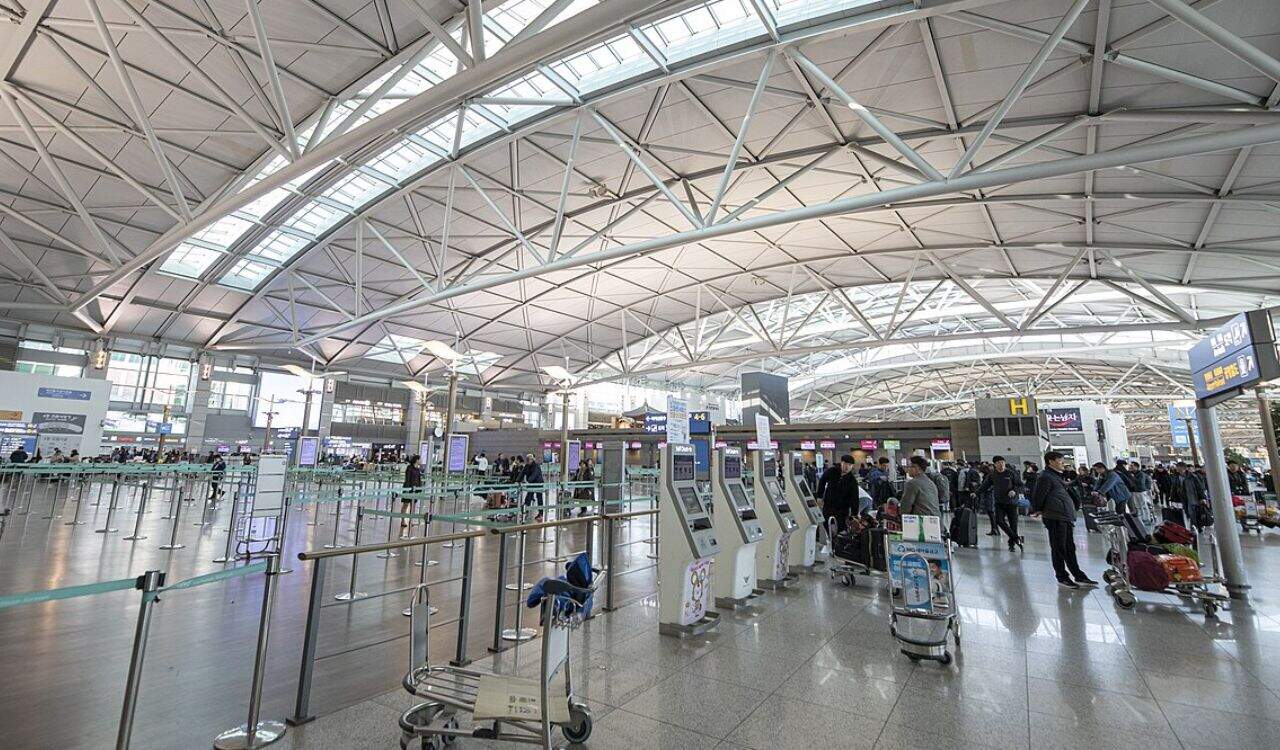
Incheon International Airport balances scale and warmth with remarkable consistency. Handling approximately 70 million passengers annually, it spans 5,600 hectares and connects to 180+ global destinations. Travelers frequently mention smooth security processing times averaging under 15 minutes, even during peak hours. Cultural performances, indoor gardens, ice-skating rinks, and quiet nap zones soften the vast layout. Incheon also ranks among the world’s top airports for baggage handling accuracy. Despite its size, the airport feels thoughtfully paced, allowing travelers to move efficiently or linger comfortably without feeling rushed.
5. Istanbul Airport (IST)
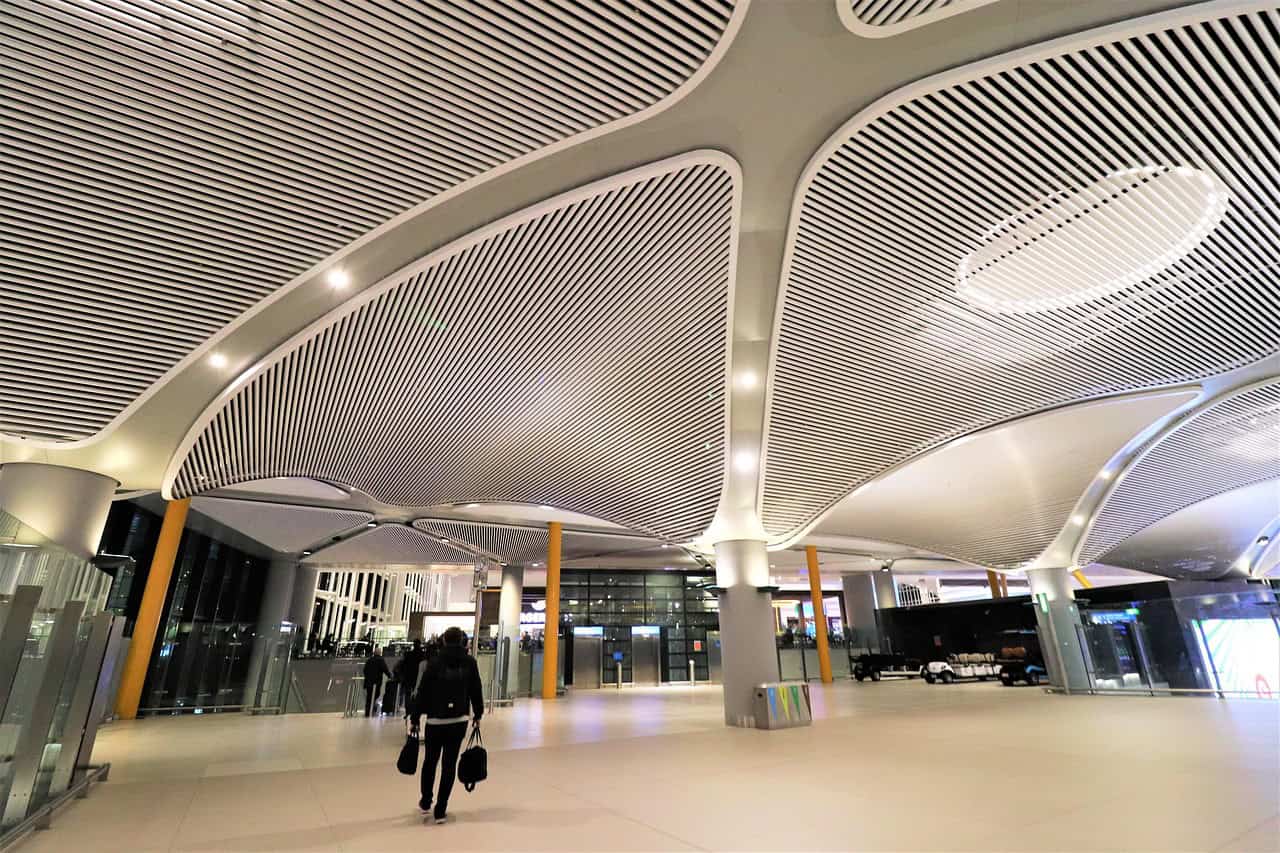
Istanbul Airport impresses travelers with its sheer ambition and clarity of design. Opened in 2018, it already serves over 75 million passengers annually, with a planned capacity exceeding 200 million. Covering 76.5 square kilometers, it is one of the largest airports ever built. Despite its scale, signage clarity and terminal flow earn high marks. Natural light, high ceilings, and strong dining representation of Turkish cuisine enhance the experience. Average walking distances are mitigated by efficient people movers, helping transfers remain manageable even in this massive space.
6. Zurich Airport (ZRH)
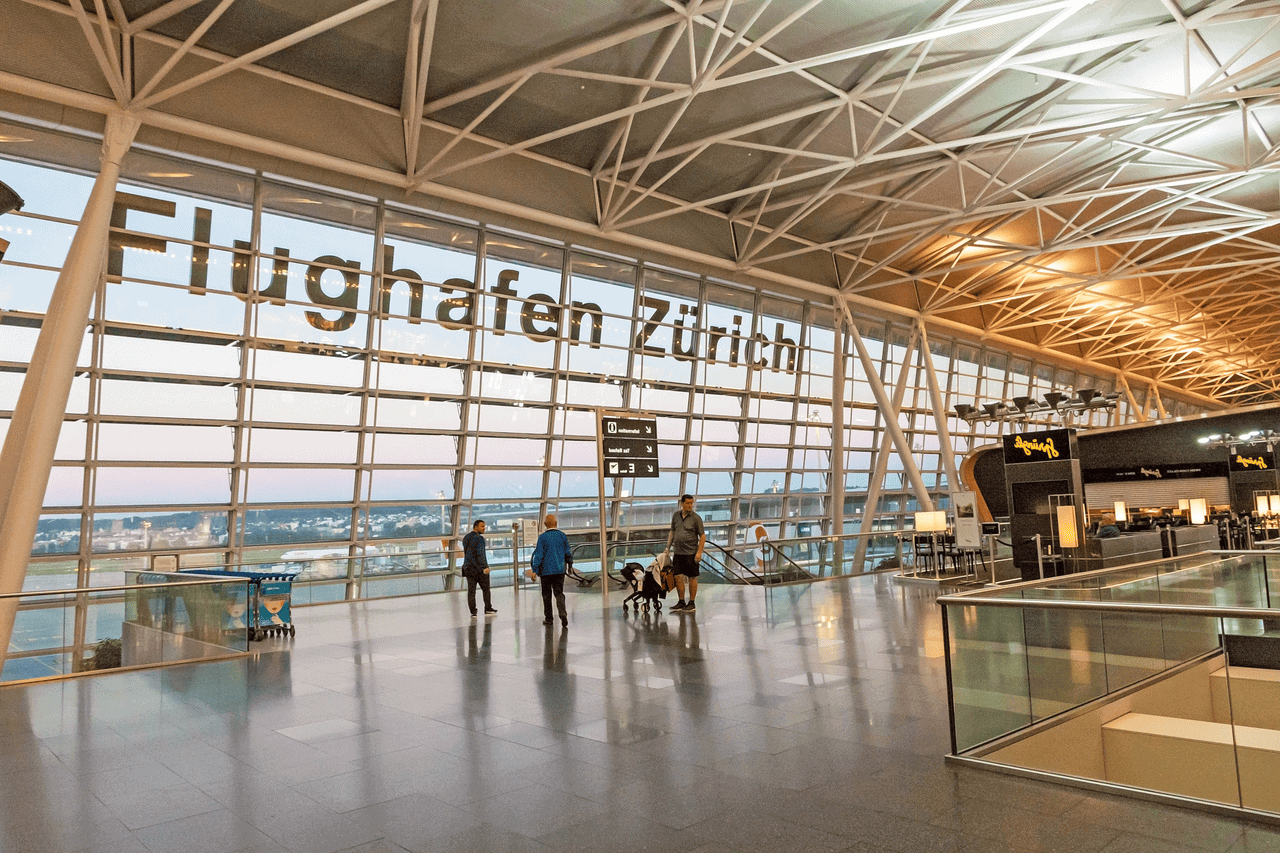
Zurich Airport earns loyalty through reliability and restraint rather than spectacle. Serving about 31 million passengers annually, it operates 3 runways with some of Europe’s best on-time performance metrics. Average security wait times often stay below 10 minutes, and rail integration allows travelers to reach central Zurich in under 12 minutes. Travelers appreciate the calm atmosphere, natural light, and well-zoned terminals. Retail and dining are present but never overpowering. Zurich’s strength lies in how effortlessly everything works, making it especially popular with frequent business travelers.
7. Munich Airport (MUC)

Munich Airport blends Bavarian hospitality with high operational standards. Handling roughly 48 million passengers per year, it operates 2 parallel runways and serves as a major European hub. Travelers often highlight its spacious layout, intuitive signage, and relaxed pacing. The airport features over 150 shops and restaurants, including a full-scale airside brewery. Average connection times are among the shortest for large European hubs, and passenger satisfaction scores consistently exceed 90%. Munich feels efficient without being sterile, striking a balance that many travelers remember fondly.
8. Sydney Kingsford Smith Airport (SYD)
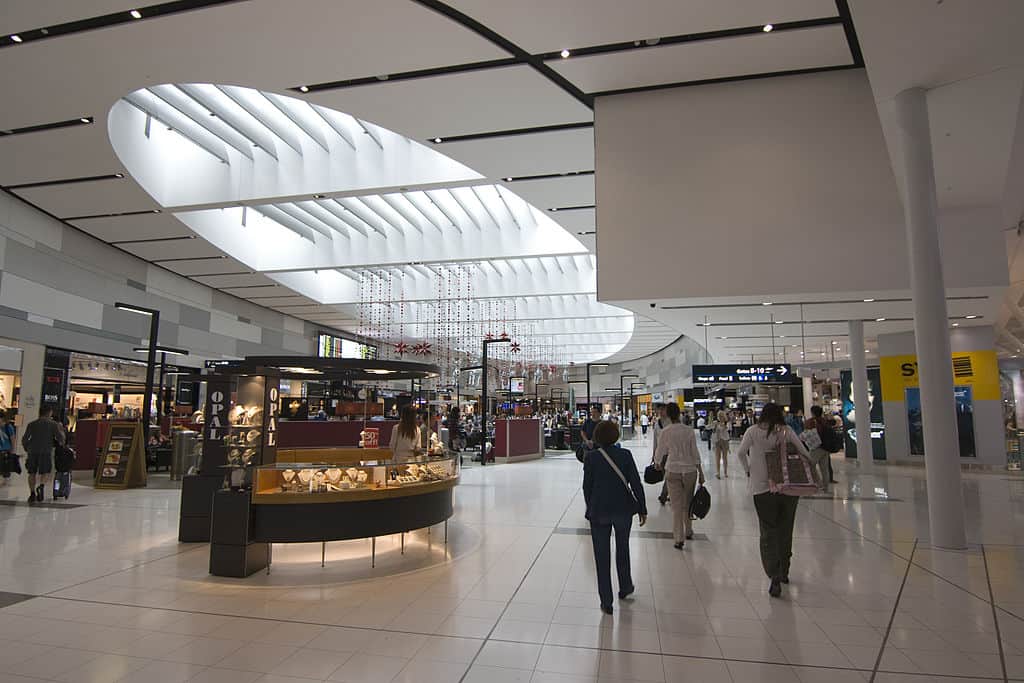
Sydney Airport stands out for its setting and simplicity. Handling around 44 million passengers annually, it operates 3 runways just 8 km from the city center. Travelers value the quick access to downtown and harbor views visible during arrival and departure. Terminal layouts are straightforward, minimizing confusion for international visitors. While not the largest hub, Sydney scores highly for friendly staff interactions and efficient customs processing. Dining emphasizes Australian produce and local brands, giving arrivals a clear sense of place from the moment they land.