We may earn money or products from the companies mentioned in this post. This means if you click on the link and purchase the item, I will receive a small commission at no extra cost to you ... you're just helping re-supply our family's travel fund.
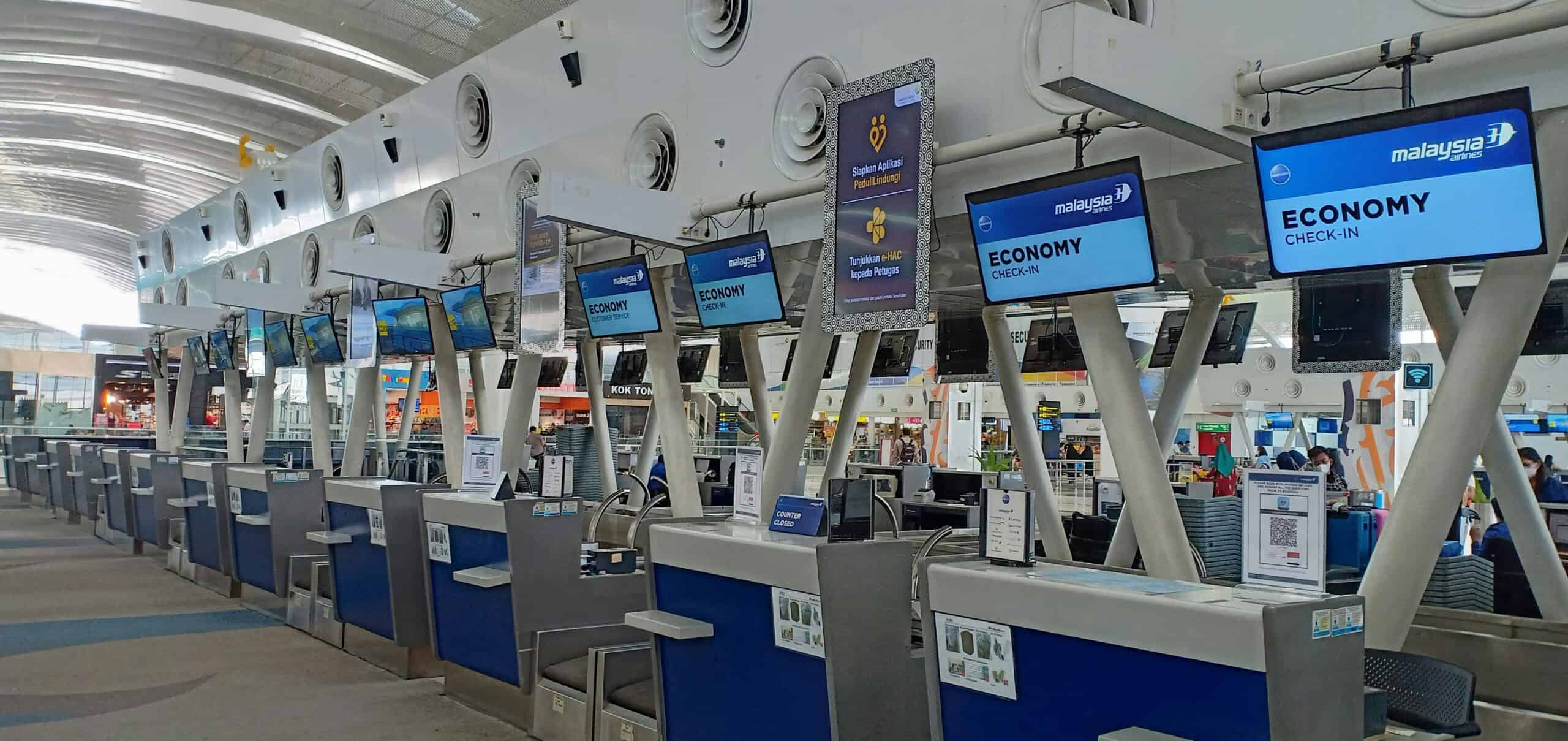
Air travel in 2026 looks familiar until the rules around it tighten. IDs are checked more strictly, borders are getting more biometric, and airlines face clearer standards when a trip is canceled, delayed, or reshaped. Meanwhile, planes are still running full, which makes rebooking harsher when one late connection knocks a day off course. The themes are consistency and verification: more checks before boarding, more data at borders, and clearer definitions of what an airline owes when plans fall apart.
REAL ID Enforcement And TSA ConfirmID (U.S.)
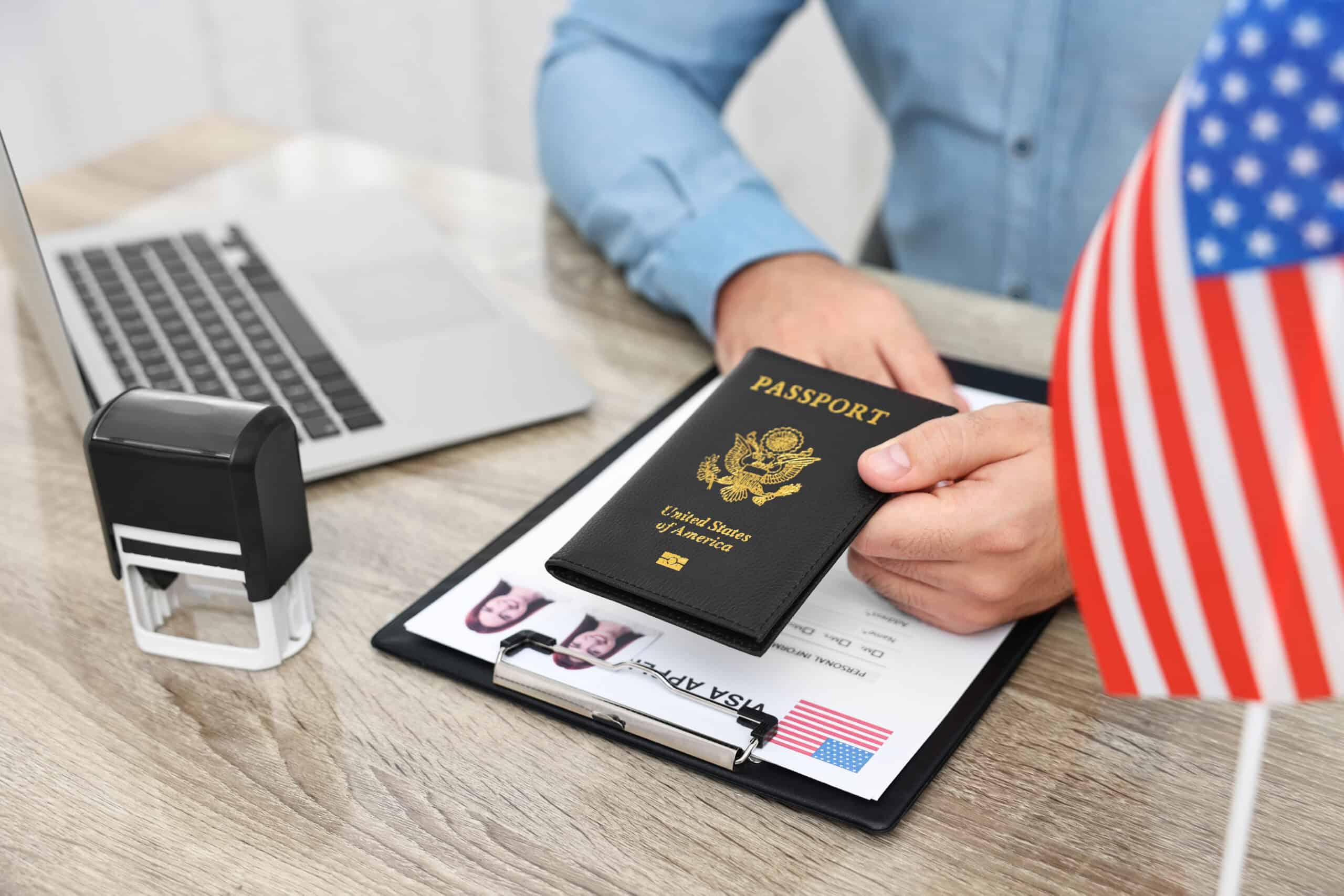
In the U.S., TSA is enforcing REAL ID for domestic flights, so a noncompliant state ID can send a traveler into a slower verification path at the checkpoint while the regular line keeps moving. Starting Feb. 1, 2026, TSA says TSA ConfirmID may be available for $45 when acceptable ID is missing, but it warns there is no guarantee the identity check will succeed, and additional screening may follow. Because outcomes can differ by airport and staffing, a backup such as a passport, Global Entry card, or other federal ID is often the simplest way to avoid a missed cutoff at the gate.
UK Electronic Travel Authorisation Becomes A Gate Check
The UK is expanding its Electronic Travel Authorisation for many visa exempt visitors, shifting checks to the start of a trip instead of the border desk. Official guidance states that from Feb. 25, 2026, eligible travelers without an approved ETA may be refused boarding, so a missed application can end a journey at check in. Because the ETA is tied to a passport, last minute renewals, dual passports, and name mismatches can create friction, and carriers are building the requirement into apps, kiosks, and agent scripts so a boarding pass is not issued when the status is missing.
Schengen Entry/Exit System Adds Biometrics At External Borders
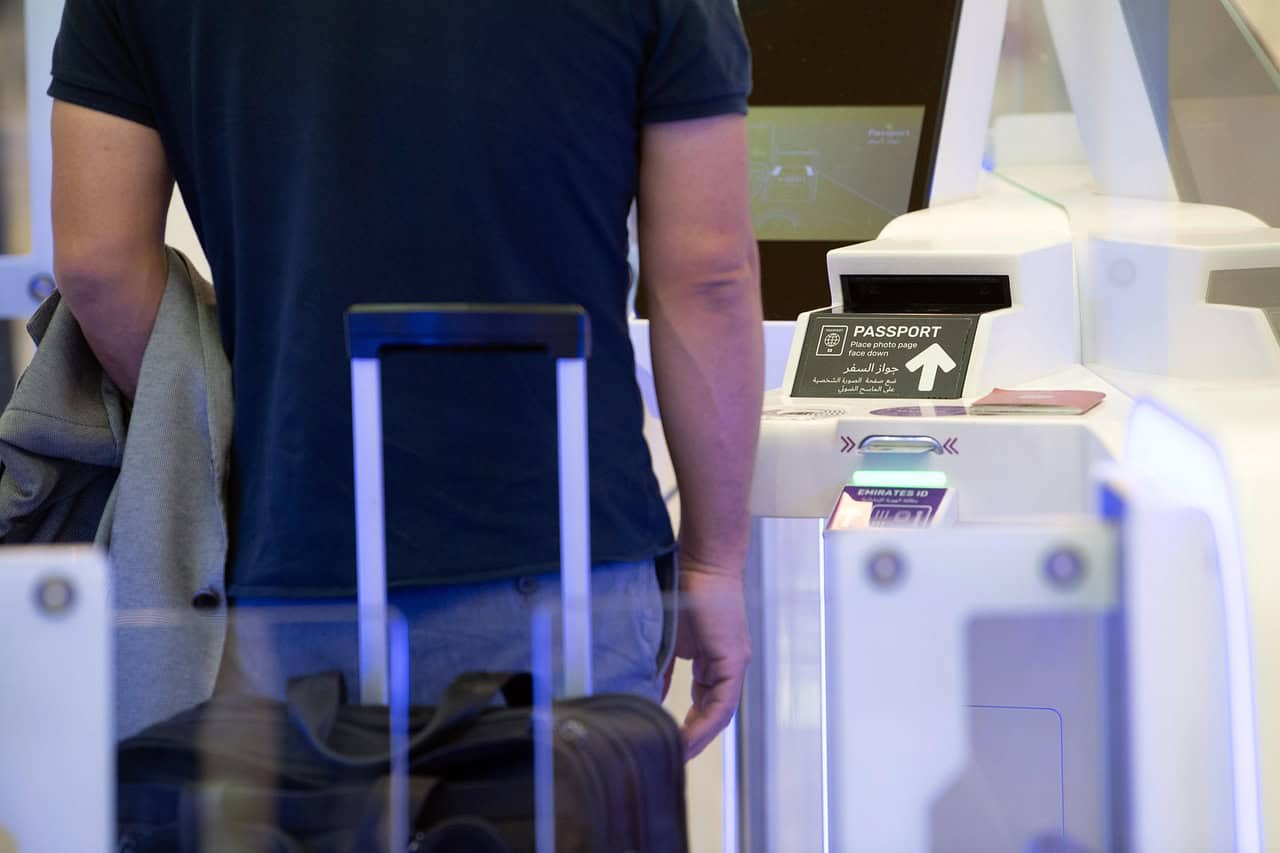
Schengen external borders are moving away from passport stamps toward the Entry/Exit System, which records entries and exits digitally and captures biometric data for many third country travelers. EU guidance describes EES rolling out from Oct. 12, 2025, with the Commission indicating manual stamping ends by Apr. 10, 2026, which can lengthen first time processing at busy airports and ferry ports. Once a traveler is enrolled, repeat crossings can be faster and the 90-days-in-180 rule becomes easier to track, reducing the guesswork that used to hang over short stays and tight return dates.
ETIAS Still Not Live, But Late 2026 Planning Matters

ETIAS is not a visa, but it will add a pre travel authorization step for many visa exempt passports heading to the Schengen Area once it begins operations. The official ETIAS site says the system is expected to start in the last quarter of 2026 and stresses there is nothing to apply for until an EU start date is announced, which matters for families and groups booking far ahead. When disruptions force a reroute through Schengen, an authorization requirement can complicate an improvised connection, so airlines will treat ETIAS like a boarding prerequisite rather than a detail handled at arrival.
Liquids Rules Stay Simple, And Still Catch People
/Freepik
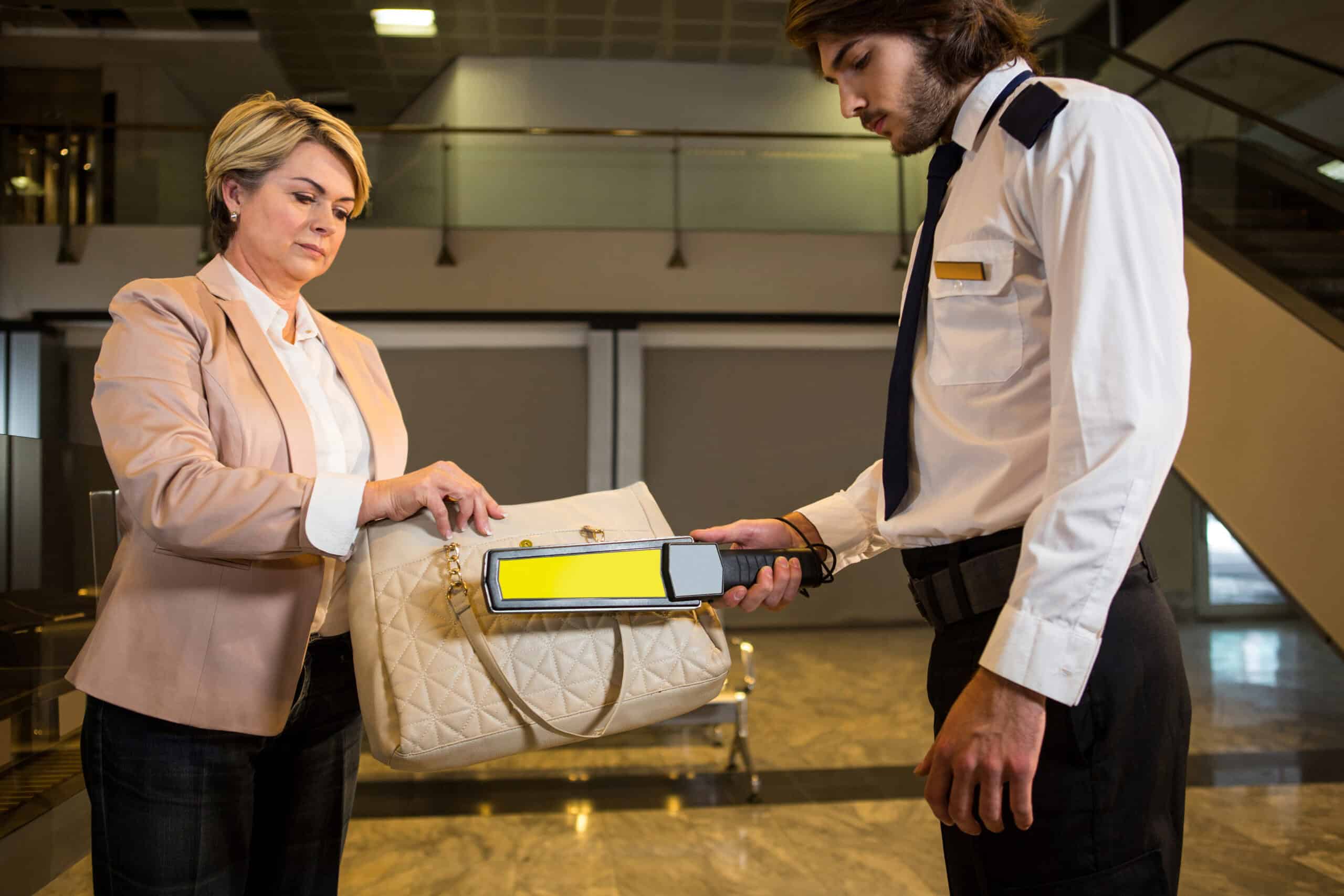
The 3-1-1 liquids rule still trips up travelers because it stays simple and unforgiving: 3.4 oz containers, one quart size bag, one bag per passenger. Even where newer scanners exist, enforcement can vary by airport and lane, and peak travel periods often push screeners back toward strict interpretation, so full size sunscreen and pricey skincare are frequent casualties. Packing as if every checkpoint is strict, with liquids easy to reach, prevents frantic bin shuffles, avoids abandoned bottles at the belt, and keeps security from becoming the reason a boarding group is missed.
Power Banks And Lithium Batteries Get Treated Like Safety Gear
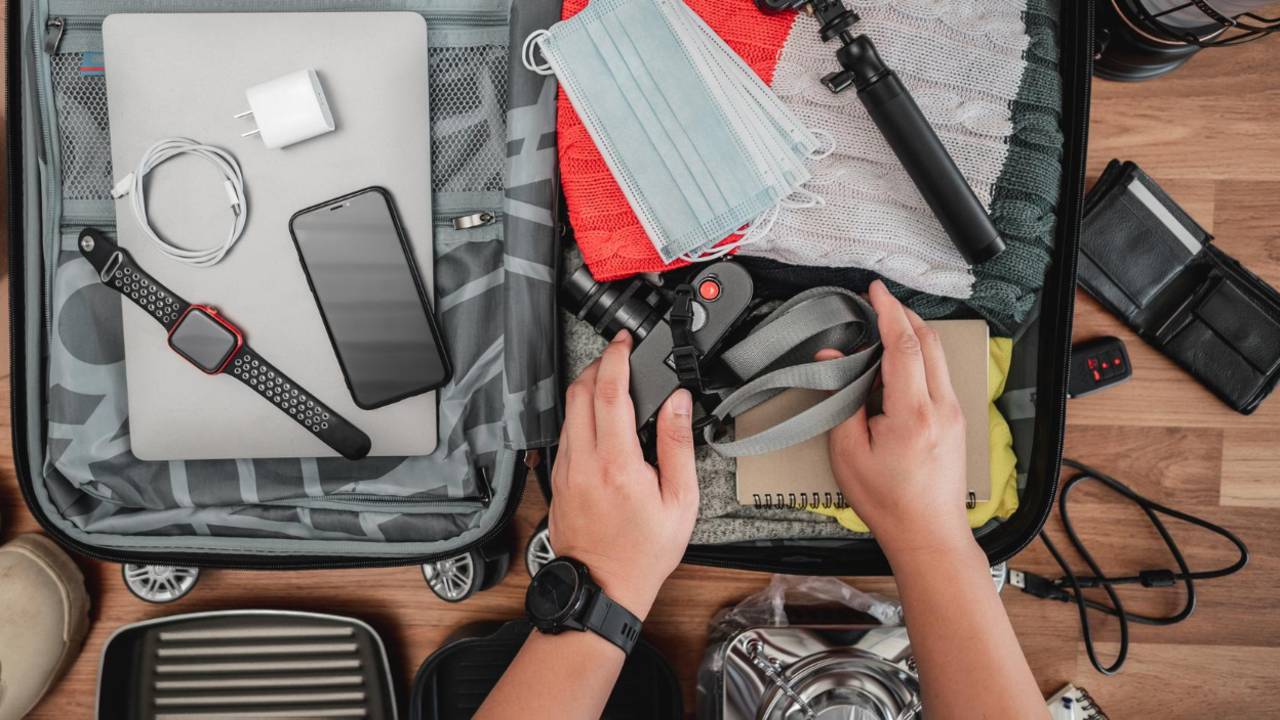
Portable chargers are increasingly treated as safety items because lithium battery fires are harder to manage when they happen out of sight in a cargo hold. TSA guidance keeps power banks and spare lithium batteries in carry on bags, not checked luggage, so a crew can respond quickly, and some countries are tightening further with restrictions tied to certification marks or recalls. The result is uneven enforcement by route and carrier, so watt hour limits, visible labels, and current recall news can matter as much as the boarding pass when security is scanning bags under pressure.
Airport Biometrics Spread Beyond Passport Control
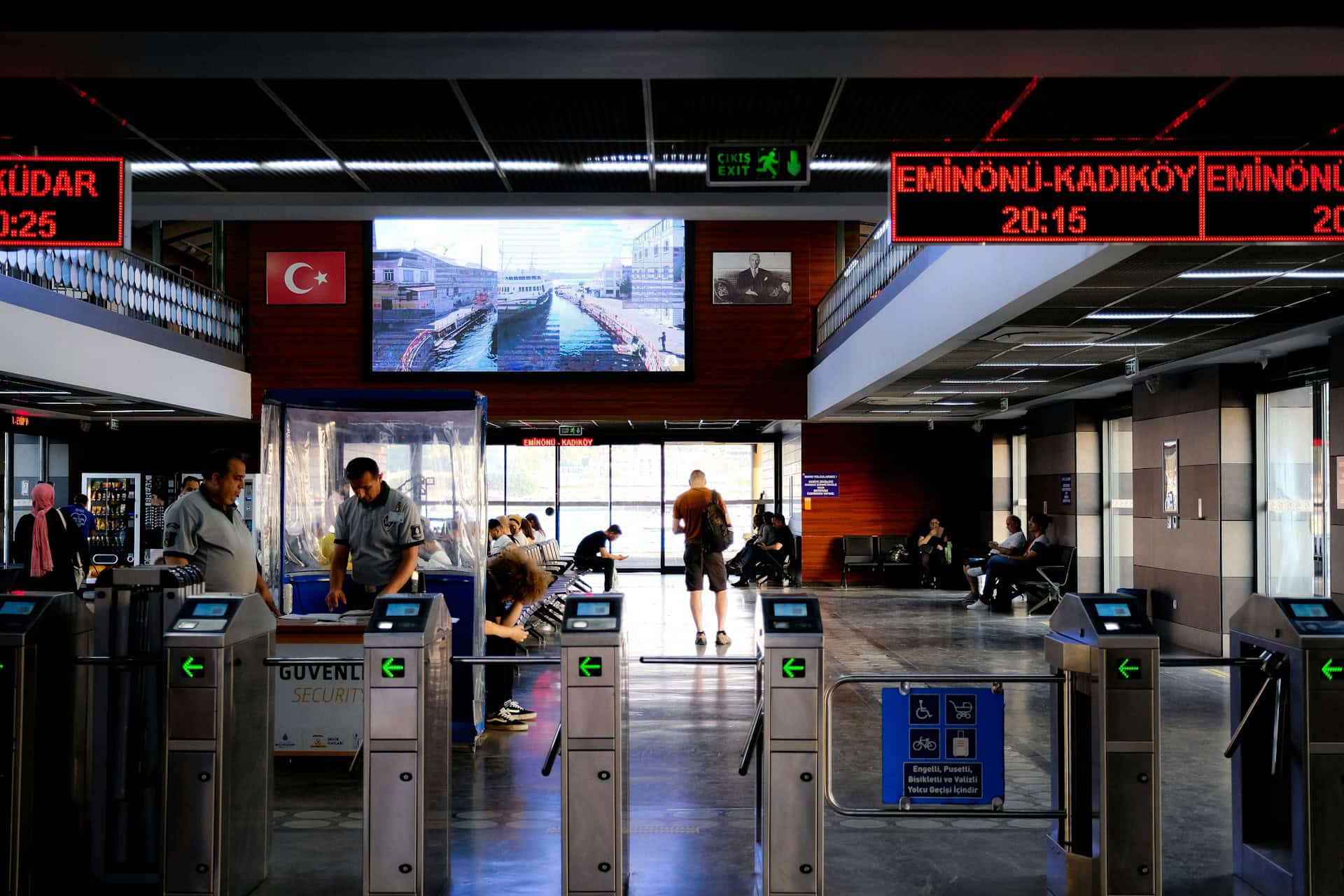
Facial comparison is becoming routine in airports, used to confirm identity with fewer document handoffs at kiosks, boarding gates, and some customs touchpoints. U.S. Customs and Border Protection says biometric processing compares a live photo to the photo in travel documents at entry and exit points, which can shorten interactions but also increases reliance on clean data and current passport photos. When the match fails, manual checks return and the line slows, so the speed gains are real but uneven, especially on peak days when lighting, crowds, and rushed scans create more false alarms.
Automatic Refunds In The U.S. Are More Defined
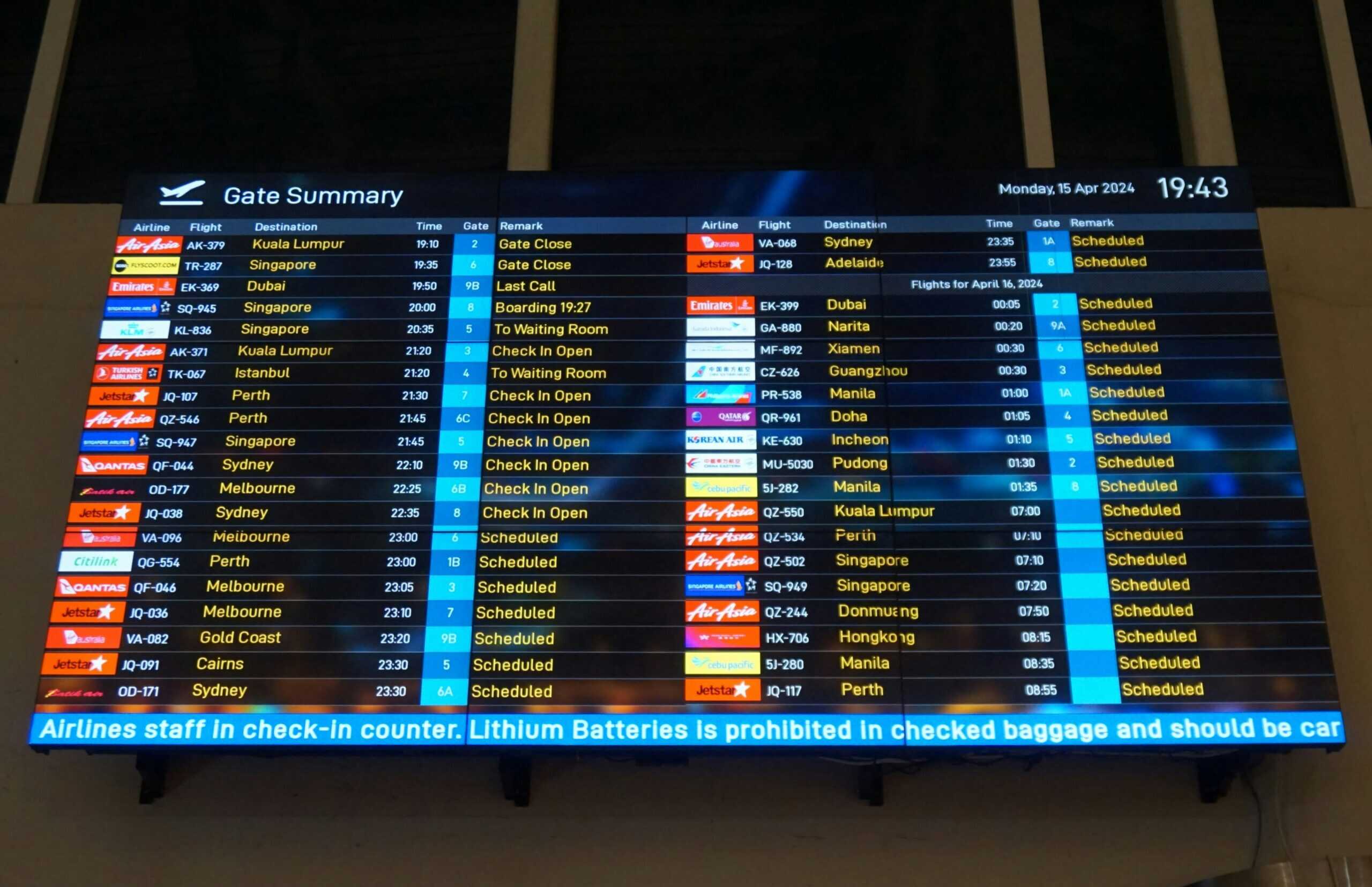
Refund arguments are less subjective now because DOT’s automatic refund rule requires airlines to issue refunds when a flight is canceled or significantly changed and the passenger rejects the offered alternative. DOT guidance defines a significant time change as 3+ hours for domestic flights and 6+ hours for international flights, and it also covers certain airport changes, added connections, downgrades, and paid extras not provided. Clear thresholds help consumers push back when a carrier offers only a credit, but records still matter, so saving notifications and receipts often turns a messy dispute into a clean outcome.