We may earn money or products from the companies mentioned in this post. This means if you click on the link and purchase the item, I will receive a small commission at no extra cost to you ... you're just helping re-supply our family's travel fund.

Travel has a way of magnifying expectations. Glossy photos and viral videos often promise flawless escapes, yet reality can feel heavier, louder, hotter, or more crowded than imagined. That emotional gap is where disappointment quietly forms. The nine destinations below aren’t failures by any measure; they are simply places where preparation matters deeply. With millions of annual visitors, complex local dynamics, and intense tourism pressure, these spots frequently leave travelers overwhelmed instead of inspired.
1. Venice
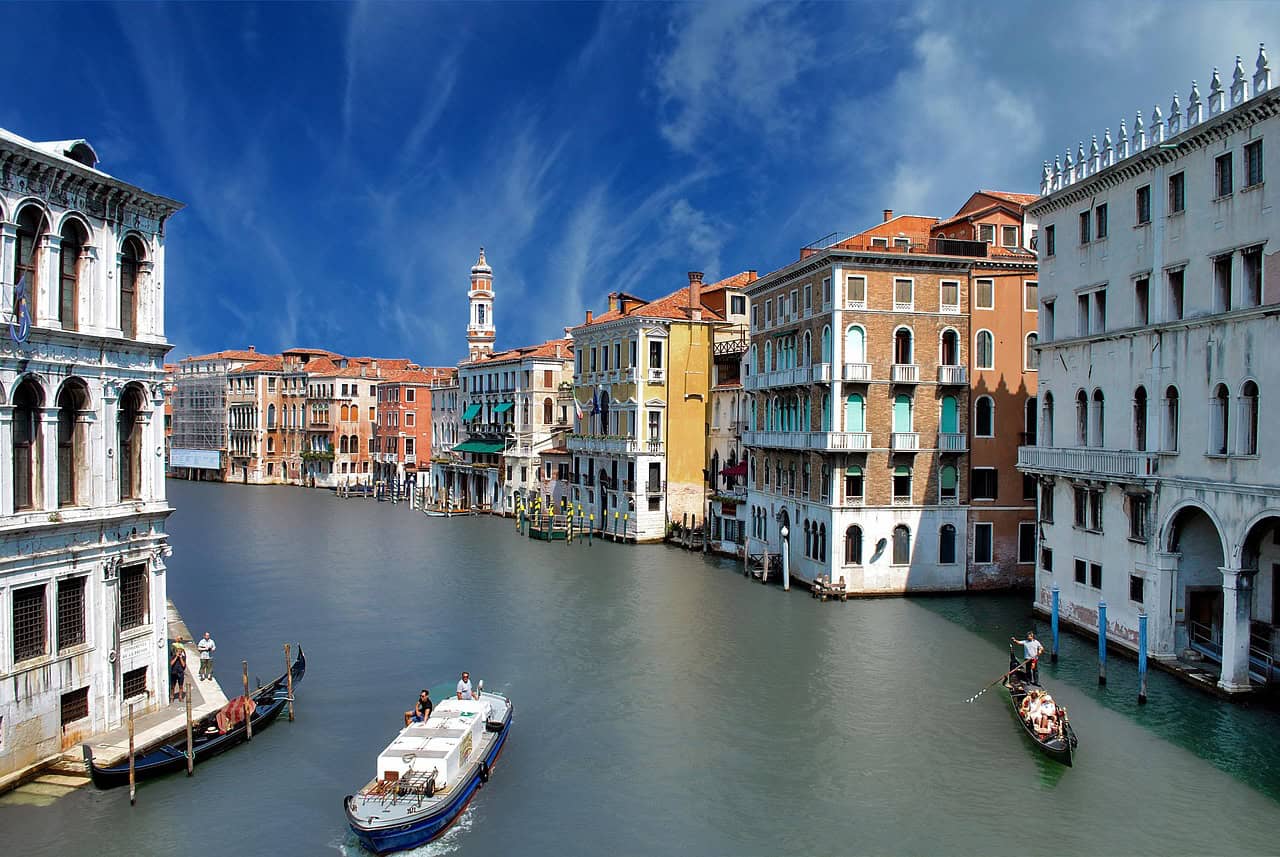
Venice welcomes roughly 20 million visitors each year, yet fewer than 50,000 residents live in the historic center. That imbalance becomes obvious the moment cruise ships dock and narrow alleys turn into shoulder-to-shoulder corridors. Prices near St. Mark’s Square can exceed €25 for a simple lunch, and summer humidity often rises above 80 percent. Seasonal flooding, called acqua alta, can temporarily submerge walkways. The architecture is breathtaking, but overtourism and fragile infrastructure frequently overwhelm first-time guests.
2. Cairo
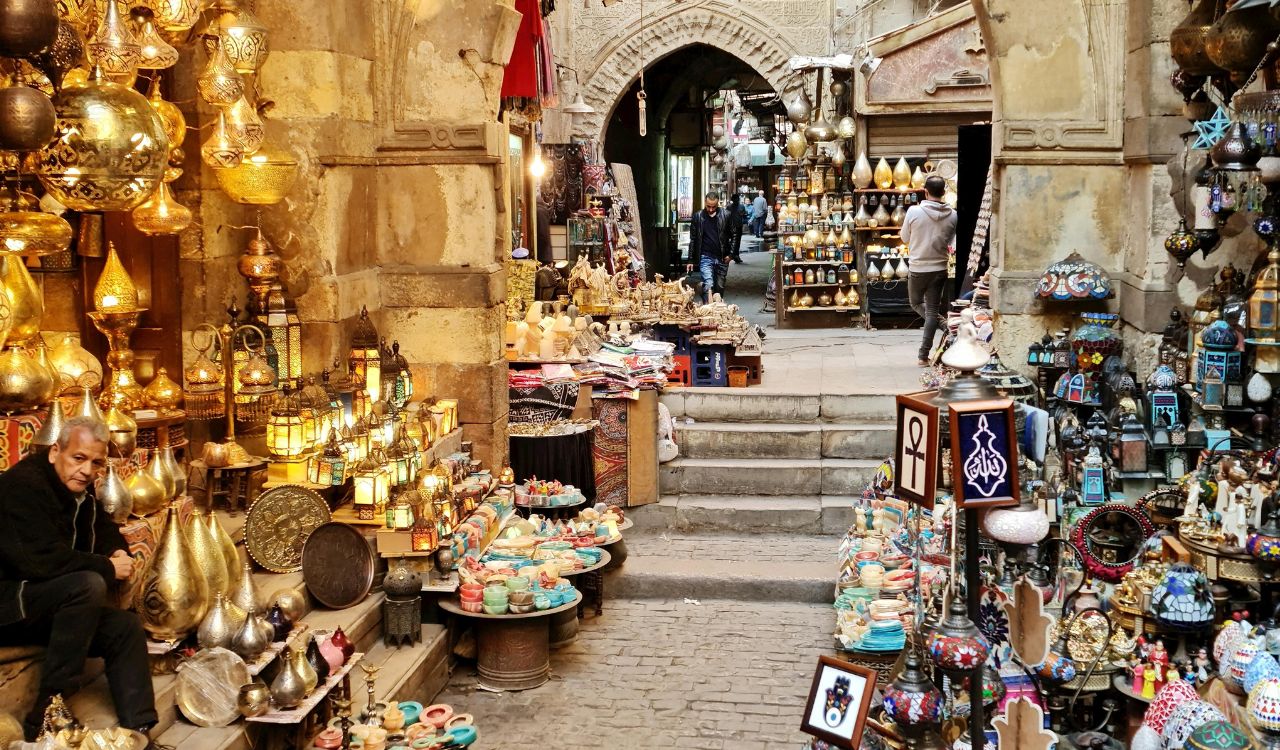
Greater Cairo’s population surpasses 22 million people, creating relentless traffic and dense urban energy. Summer temperatures regularly exceed 38°C, and air quality can dip during peak congestion. Around the Pyramids of Giza, unofficial guides and vendors approach tourists persistently, sometimes charging inflated rates. The city’s noise levels rarely pause, even after midnight. While Egypt’s 4,500-year-old monuments inspire awe, the sensory overload, aggressive bargaining, and intense heat often leave unprepared visitors emotionally exhausted.
3. Bali
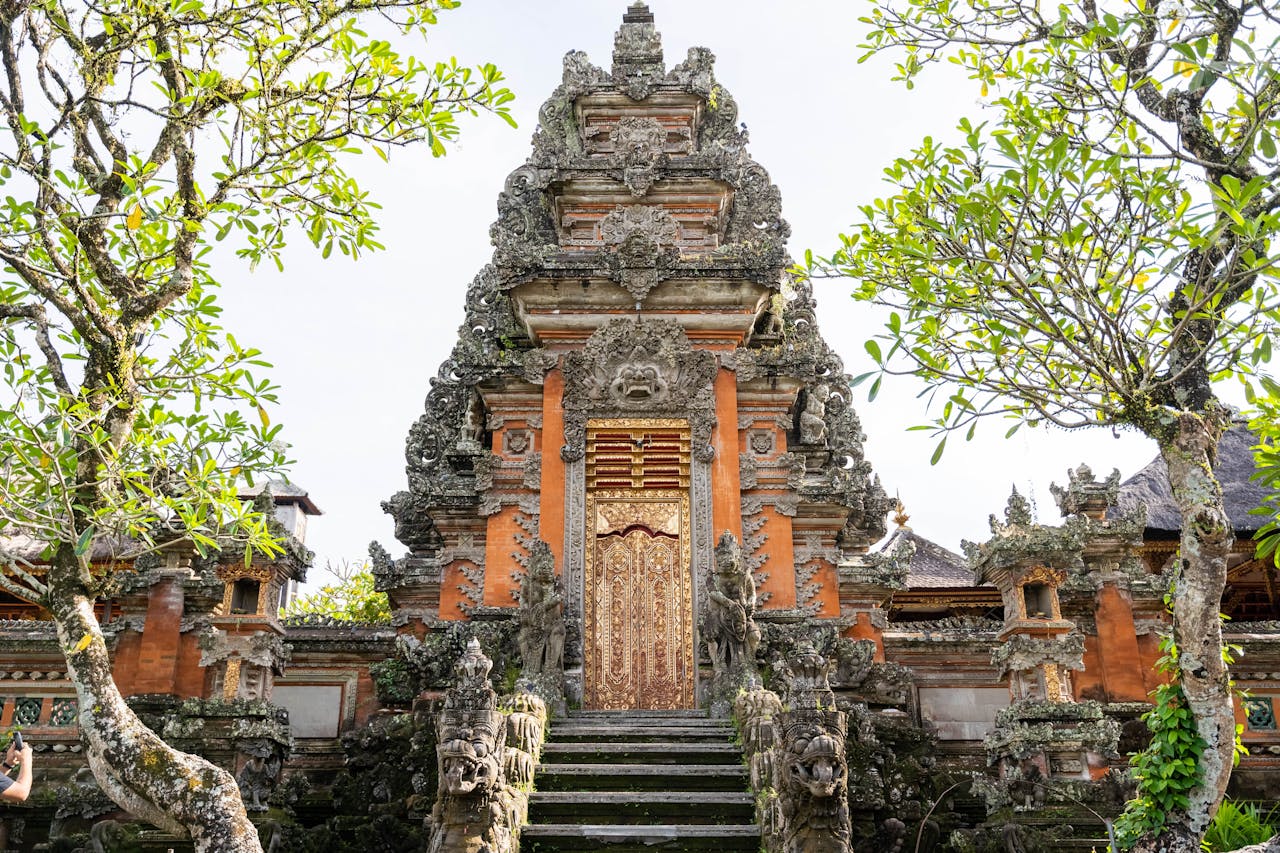
Bali attracts more than 6 million international visitors annually, yet its road network remains narrow and frequently gridlocked. A 10-kilometer drive in areas like Canggu can take over 60 minutes during peak season. Heavy rainfall between November and March pushes plastic debris onto certain beaches. Water shortages occasionally affect inland communities as resort demand rises. While temples and rice terraces remain stunning, overcrowding and infrastructure strain sometimes clash sharply with expectations of serene island solitude.
4. Paris
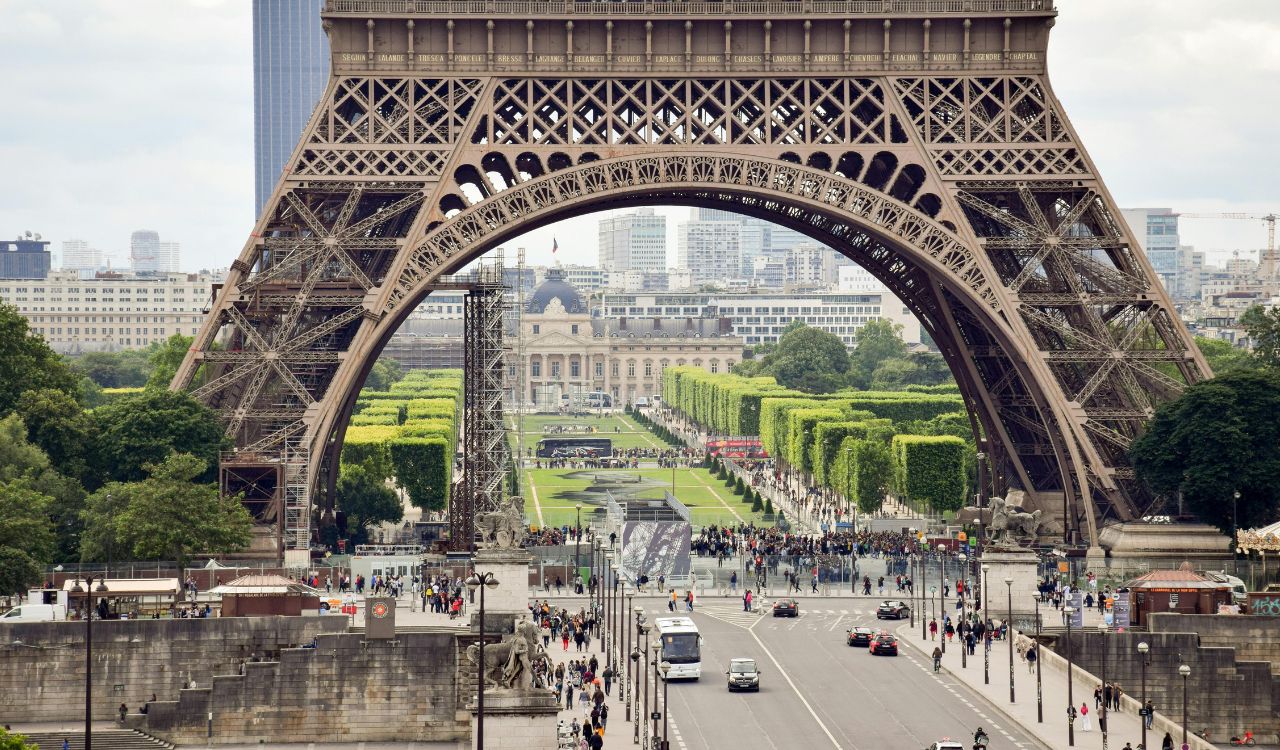
Paris receives about 30 million visitors each year, and iconic landmarks draw enormous queues. Wait times at the Eiffel Tower can exceed 2 hours in summer, and museum entries may sell out days in advance. Pickpocketing reports cluster around transit hubs and major attractions. Dining near tourist zones often costs 20 to 30 percent more than neighborhood bistros. The city’s beauty is undeniable, yet inflated expectations and urban realities occasionally lead travelers to feel disillusioned.
5. Phuket
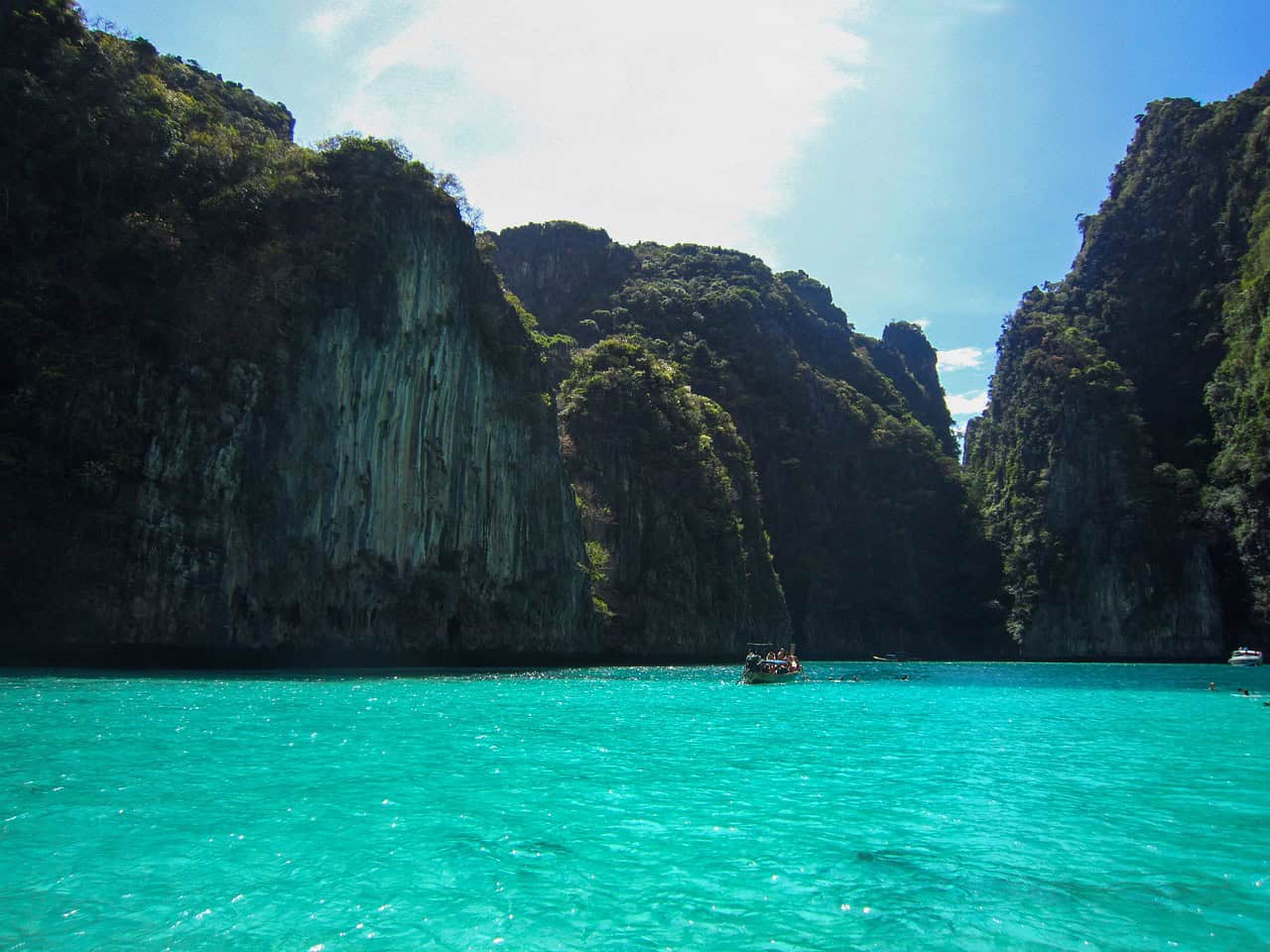
Phuket welcomes nearly 10 million tourists annually, and Patong Beach alone can host tens of thousands on busy days. Nightlife districts operate until early morning, with sound levels exceeding 70 decibels in peak areas. Jet ski disputes and inflated taxi fares are common complaints among visitors. Monsoon season between May and October brings strong rip currents, causing dozens of rescues each year. For those seeking calm tropical retreat, commercialization and crowds often overshadow natural beauty.
6. Los Angeles
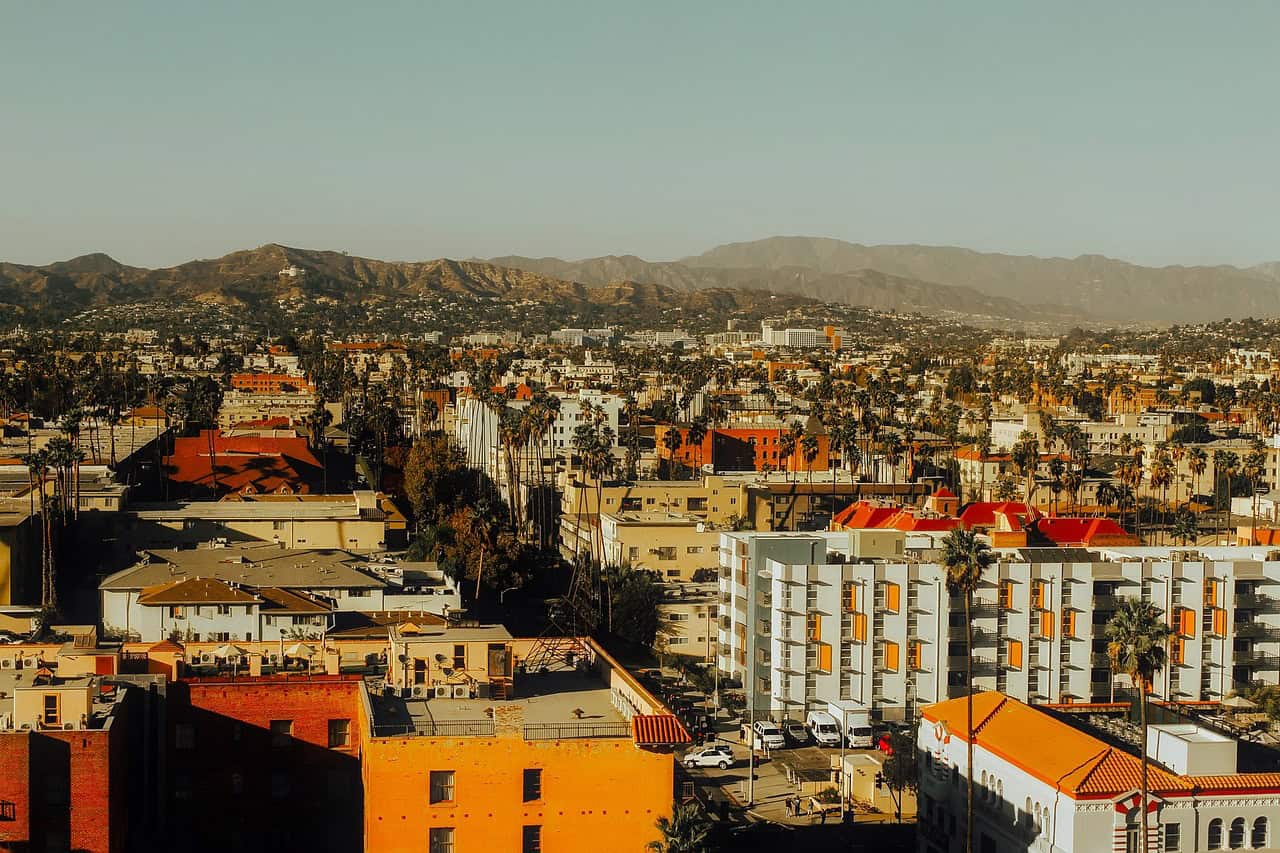
Los Angeles spans over 1,200 square kilometers, making distances far greater than many expect. Average commuters spend nearly 100 hours per year stuck in traffic, and visitors without cars often struggle to connect major attractions. Hotel taxes can exceed 15 percent, increasing accommodation costs significantly. Areas around Hollywood Boulevard sometimes reveal stark homelessness statistics exceeding 40,000 countywide. The entertainment aura remains powerful, yet the contrast between fantasy and urban complexity can unsettle newcomers.
7. Dubai
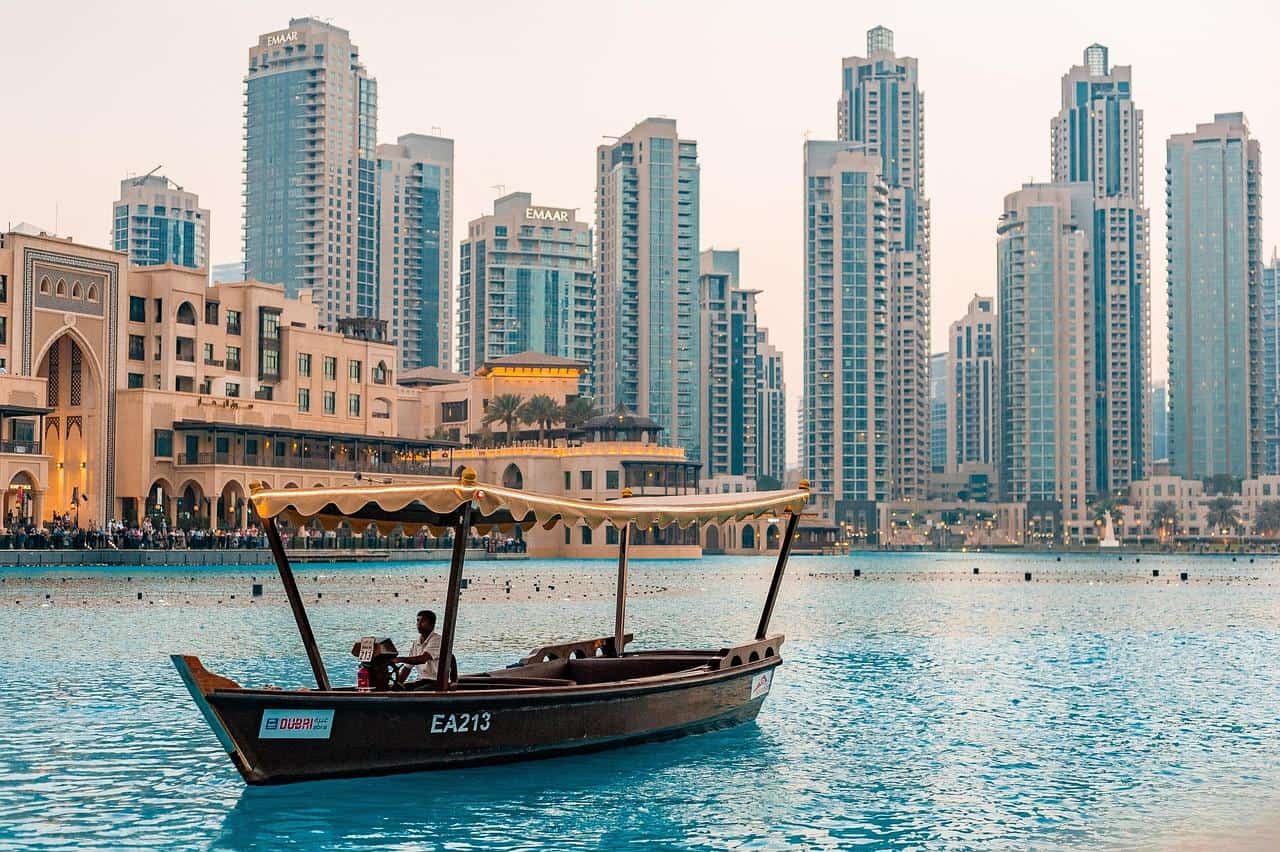
Dubai’s summer temperatures frequently surpass 42°C, with humidity pushing perceived heat even higher. The city recorded over 17 million international visitors in a recent pre-pandemic year, intensifying competition for premium attractions. Strict public conduct laws can result in fines exceeding 2,000 AED for violations. Outside luxury districts, cultural depth may feel less visible to short-term guests. While architectural feats dominate the skyline, extreme climate and rigid regulations sometimes temper traveler enthusiasm.
8. Marrakech
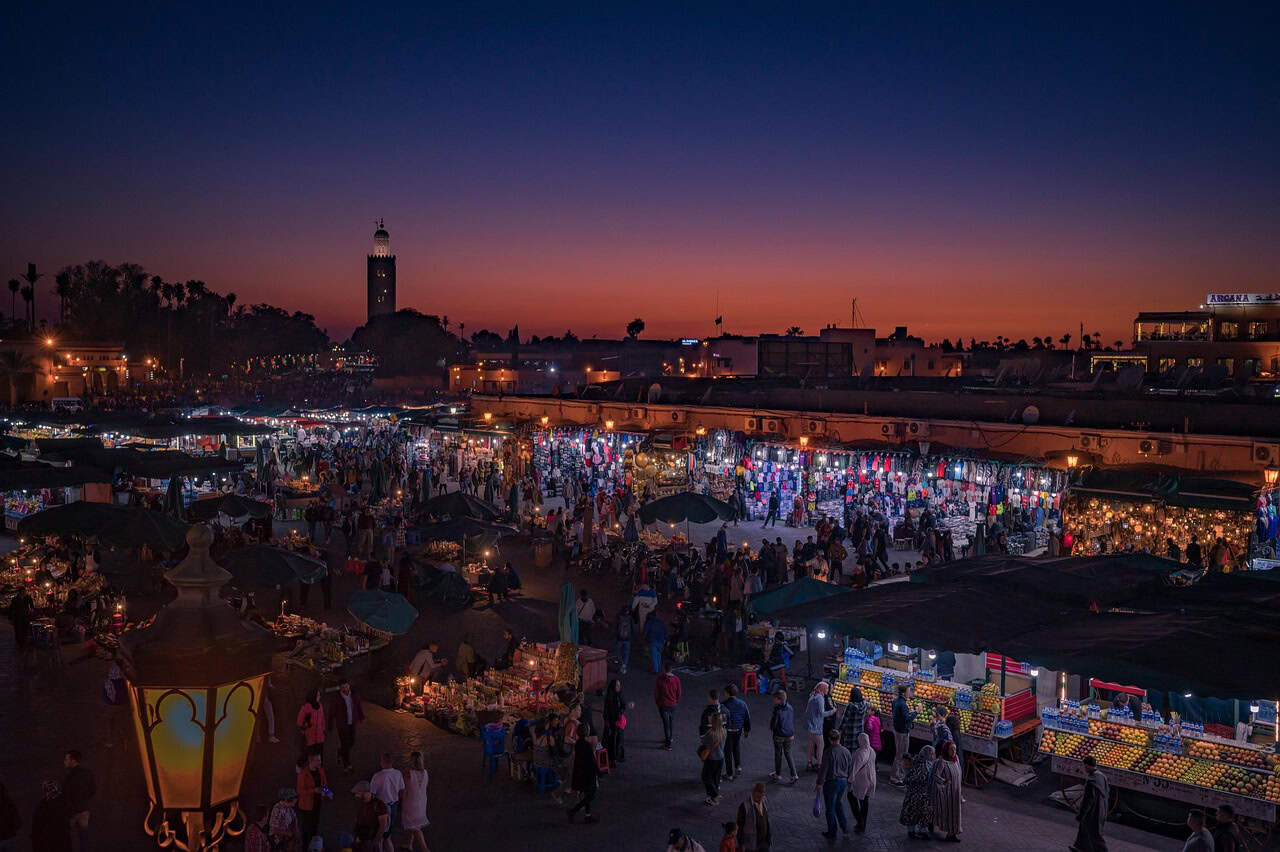
Marrakech draws over 3 million tourists annually, many heading straight into the medina’s labyrinth of more than 9,000 narrow alleyways. Vendors may quote prices two or three times higher before negotiation. Summer temperatures regularly exceed 40°C, amplifying fatigue while exploring Jemaa el-Fnaa square. Unlicensed guides occasionally request unexpected payment for directions. Though vibrant colors and aromas enchant the senses, persistent bargaining and heat can overwhelm travelers unfamiliar with the pace.
9. Mount Everest
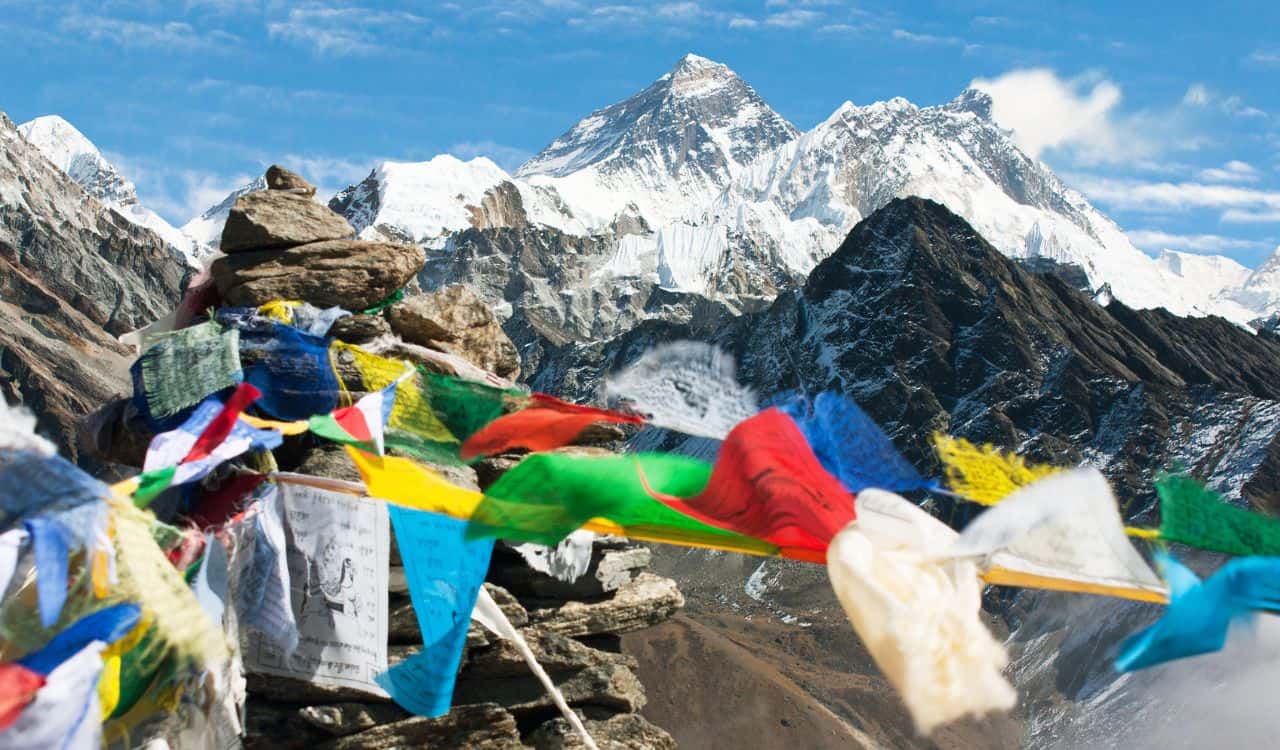
Mount Everest’s South Base Camp sits at 5,364 meters above sea level, where oxygen levels drop to roughly 50 percent of what most people breathe at sea level. More than 40,000 trekkers attempt the journey annually, and altitude sickness affects a significant portion. Night temperatures can fall below −10°C even in peak season. Limited facilities and unpredictable weather demand physical resilience. The achievement feels monumental, yet the harsh conditions often push visitors to emotional limits.