We may earn money or products from the companies mentioned in this post. This means if you click on the link and purchase the item, I will receive a small commission at no extra cost to you ... you're just helping re-supply our family's travel fund.

Travel often starts with excitement and careful planning, yet small oversights can quietly shift the entire experience. In 2026, rising prices and tighter travel systems mean those mistakes carry more weight than before. What seems minor in the moment can lead to extra costs, delays, or unnecessary stress. These patterns show up again and again, across different destinations and budgets. The difference usually comes down to awareness. A few thoughtful choices early on can prevent issues that would otherwise follow the journey from start to finish.
Booking Flights Too Late

Waiting too long to book flights often leads to noticeably higher prices and fewer choices. As departure dates get closer, fares tend to climb while convenient options disappear. Travelers may end up with long layovers or awkward timings that affect the entire trip. What feels like flexibility at first can turn into a costly compromise. Planning even a few weeks ahead gives more control over both price and schedule, helping the journey start on a smoother and more predictable note.
Ignoring Baggage Rules
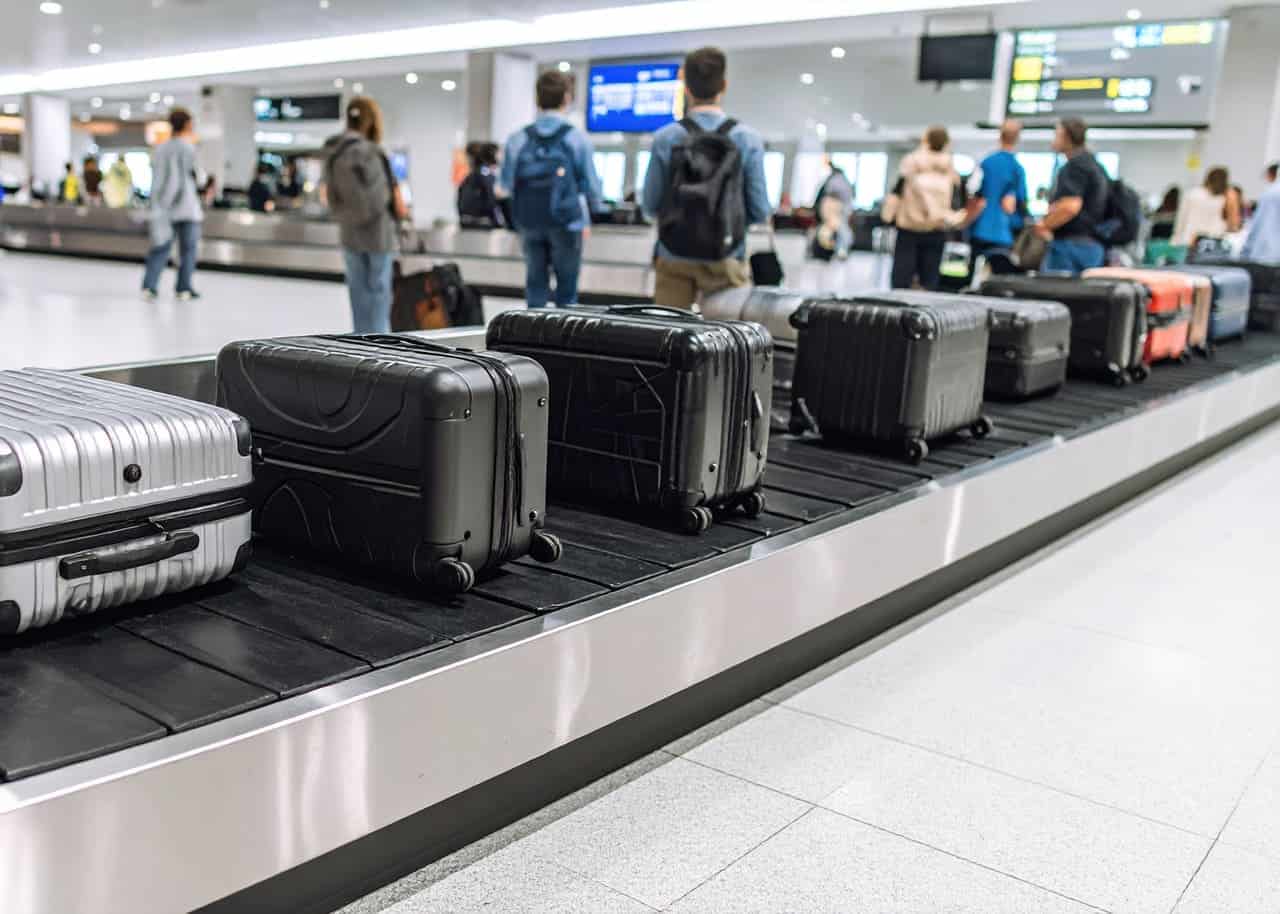
Baggage policies vary more than many expect, and ignoring them can lead to quick and avoidable costs. Weight limits, carry-on sizes, and airline-specific rules create small gaps that catch travelers off guard. A bag that worked before may not meet the requirements this time. At the airport, those details turn into added fees and delays. Taking a few minutes to check the rules before packing helps avoid last-minute adjustments that rarely feel worth the expense or stress.
Skipping Travel Insurance

Travel insurance often gets overlooked, especially when everything seems straightforward. The problem shows up when plans shift due to cancellations, delays, or unexpected health issues. Without coverage, those moments become expensive and harder to manage. What felt like an unnecessary add-on can quickly prove its value. A simple policy does not remove risk, but it creates a safety net that keeps small disruptions from turning into larger financial setbacks during the trip.
Using Airport Currency Exchange
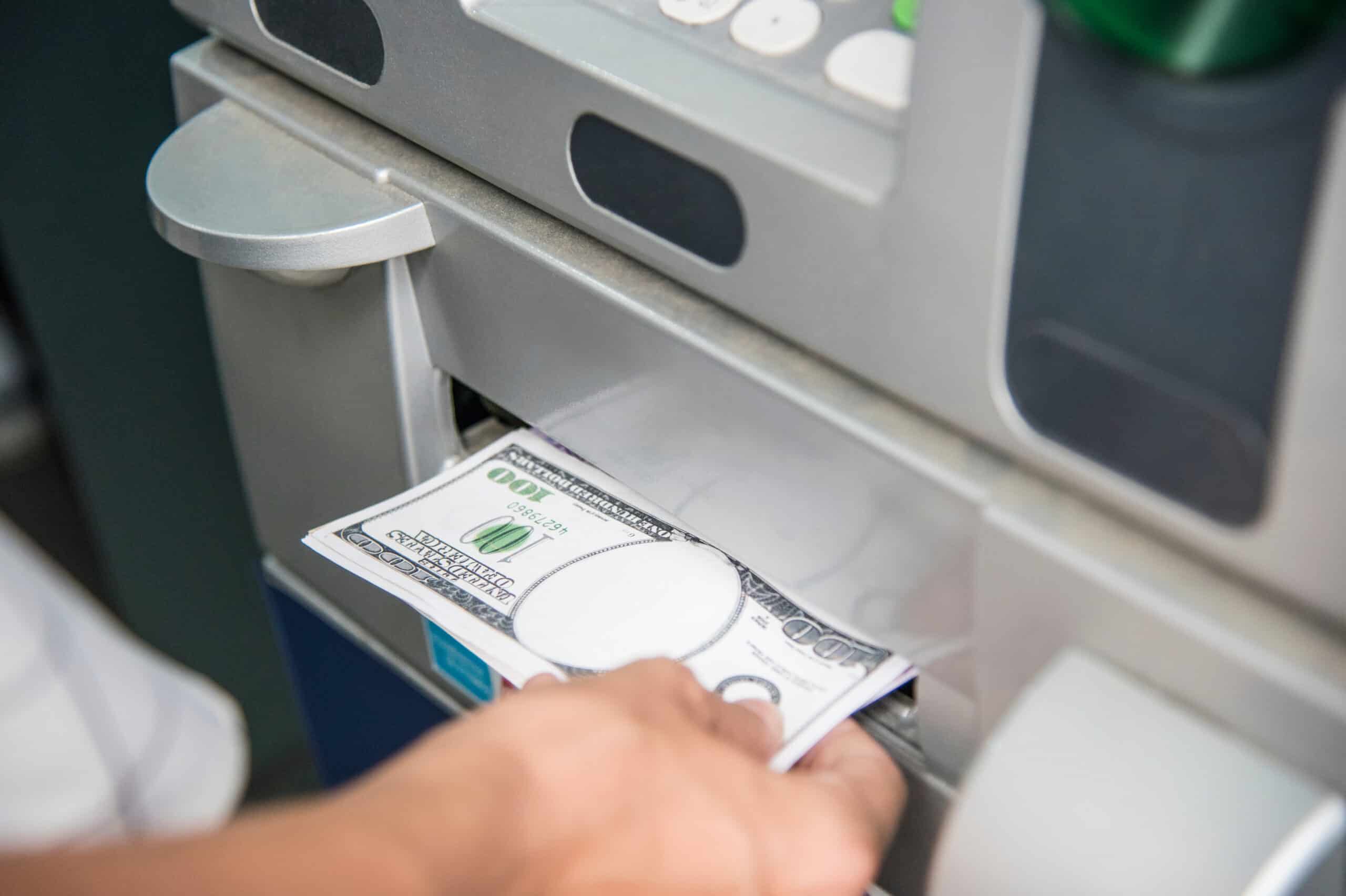
Airport currency exchange counters offer convenience, but that ease usually comes at a higher cost. Exchange rates tend to be less favorable, and service fees often add another layer that is easy to miss. Travelers in a hurry accept the trade-off without thinking much about it. Over time, those small differences add up. Using local ATMs or cards with lower foreign transaction fees often provides a better option without sacrificing access to needed cash.
Overpacking For The Trip

Packing more than necessary creates a chain reaction of small problems throughout the journey. Heavier bags often lead to extra fees, slower movement, and less flexibility when plans change. Many items go unused, yet still take up space and effort. The attempt to prepare for every situation ends up adding friction instead. A more focused approach, built around versatile essentials, keeps things lighter and allows the trip to feel more fluid from one place to the next.
Not Checking Visa Requirements

Visa rules are easy to overlook, yet they carry real consequences when missed. Some destinations require advance approval, while others have specific entry conditions that must be met before arrival. Missing a detail can lead to denied boarding or long delays at immigration. These situations are not only stressful but often expensive to fix. A quick check before departure keeps the process clear and avoids complications that are difficult to resolve once travel has already begun.
Relying Only On Cards
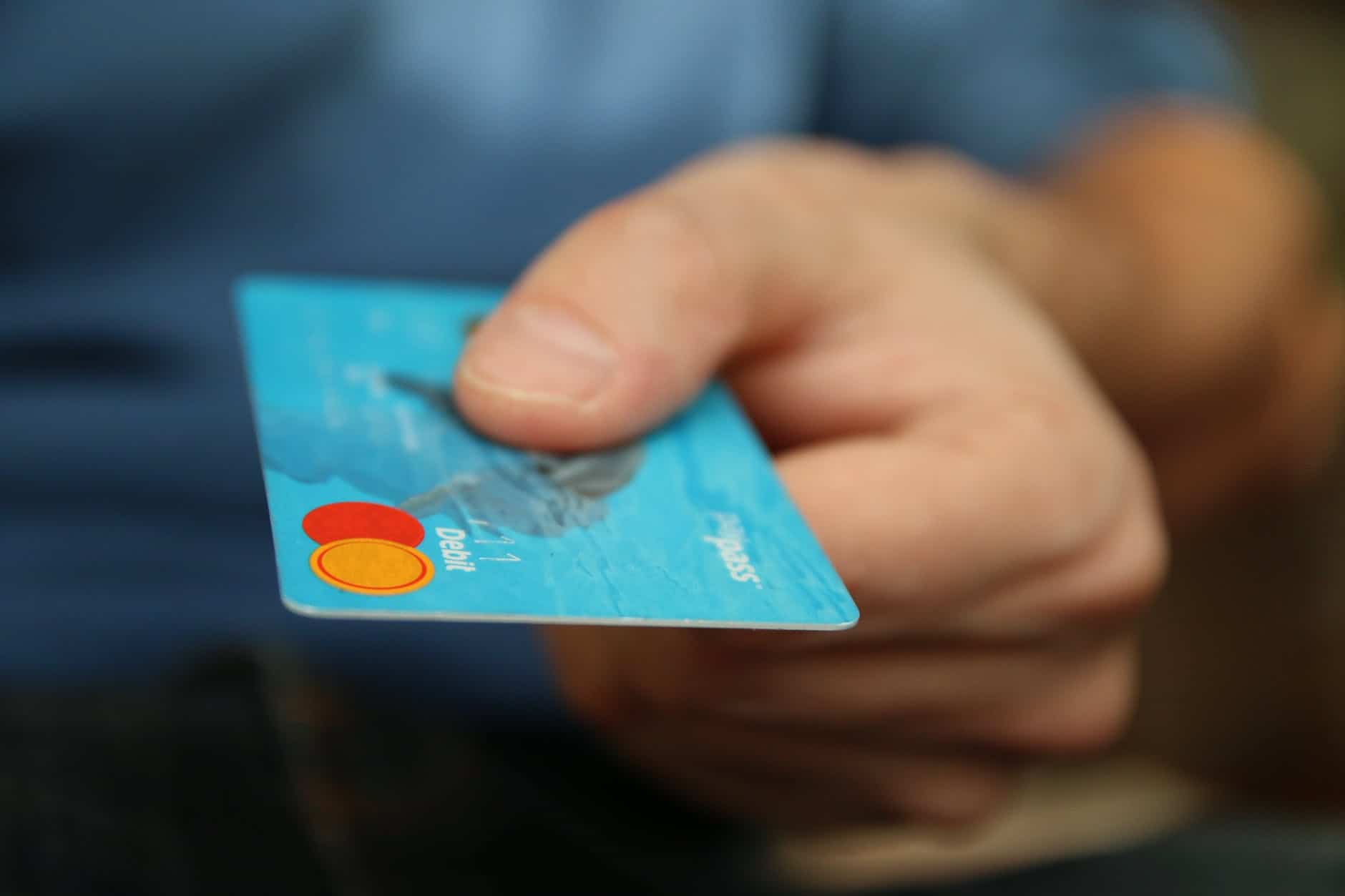
Cards work in many places, but relying on them entirely can create gaps at the wrong moment. Smaller shops, local markets, or rural areas may still depend on cash. Payment systems can also fail or be temporarily unavailable. Without a backup, options become limited quickly. Carrying a small amount of local currency adds flexibility and keeps simple transactions from turning into unnecessary complications during the trip.
Booking In The Wrong Location

A hotel may look affordable at first, but location often shapes the real cost of a stay. Being far from key areas adds daily transport expenses and takes time out of the experience. Safety and accessibility also influence how comfortable a place feels. What saves money upfront can lead to more spending later. Choosing a well-connected area, even at a slightly higher rate, often creates a smoother and more efficient travel rhythm.
Ignoring Local Transport Options

Many travelers rely on taxis or ride services without considering local transport systems. In cities with strong metro or bus networks, this choice leads to higher daily costs. Public transport often moves faster through traffic and connects key areas efficiently. Skipping it limits both savings and exposure to how the city actually works. Learning the basics of local transit can shift the experience, making movement easier and more grounded.
Not Planning For Peak Seasons
Traveling during peak seasons without preparation affects nearly every part of a trip. Flights cost more, hotels fill quickly, and popular attractions become crowded. Last-minute decisions tend to be expensive and limited. Timing plays a bigger role than many expect. Even small adjustments to travel dates can ease pressure on both budget and schedule, allowing the trip to unfold with more space and fewer compromises.