We may earn money or products from the companies mentioned in this post. This means if you click on the link and purchase the item, I will receive a small commission at no extra cost to you ... you're just helping re-supply our family's travel fund.
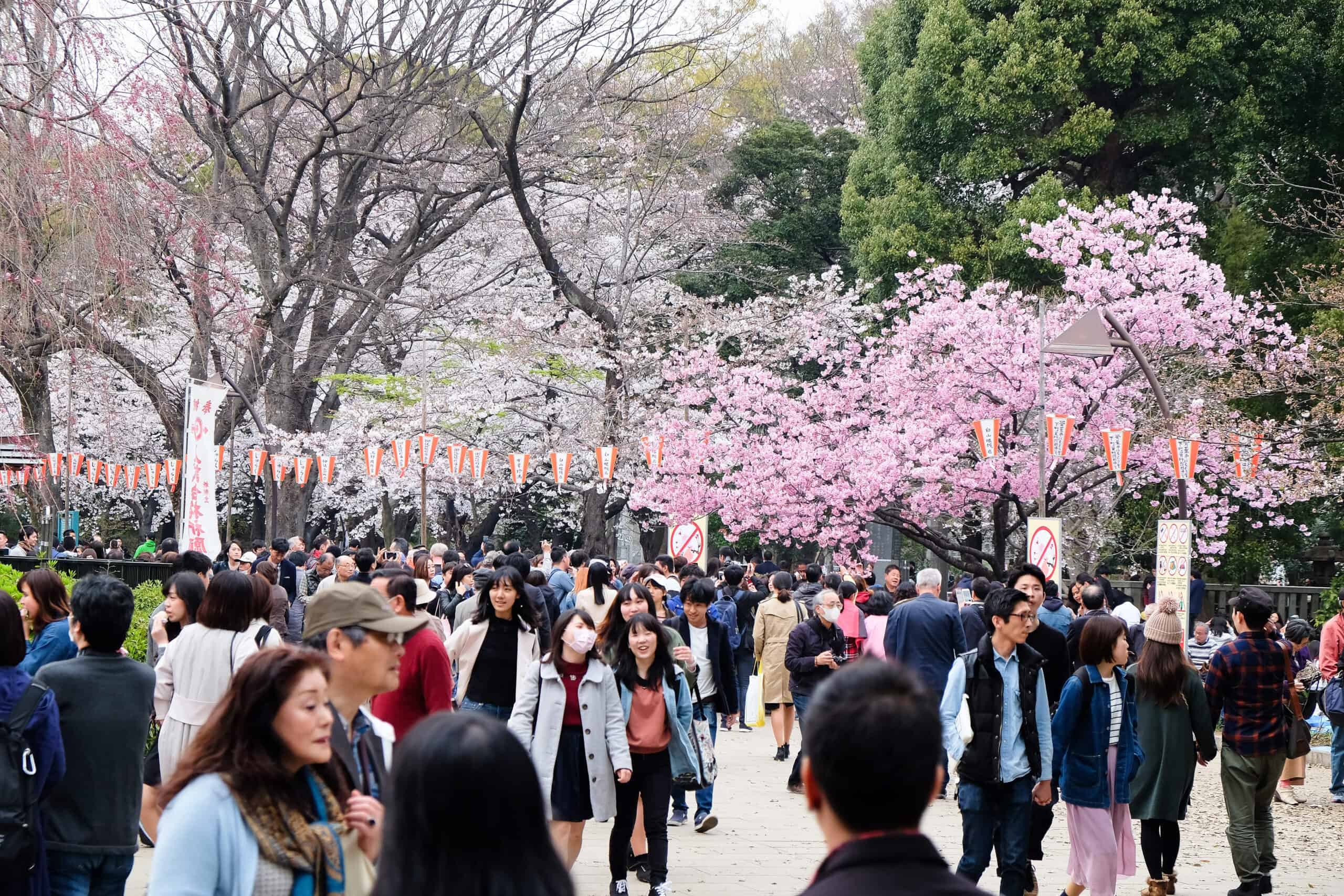
Calling Japan the least welcoming spot in Asia is too blunt to work as a measured ranking, but it does capture a real shift in mood. The country welcomed a record 36.87 million visitors in 2024, and many of the places most romanticized online are now openly managing access, behavior, and crowding. What travelers still imagine as effortless and intimate increasingly arrives through fees, gates, reservation systems, etiquette reminders, and neighborhoods tired of being treated like living film sets.
The Boom Itself Has Changed The Temperature
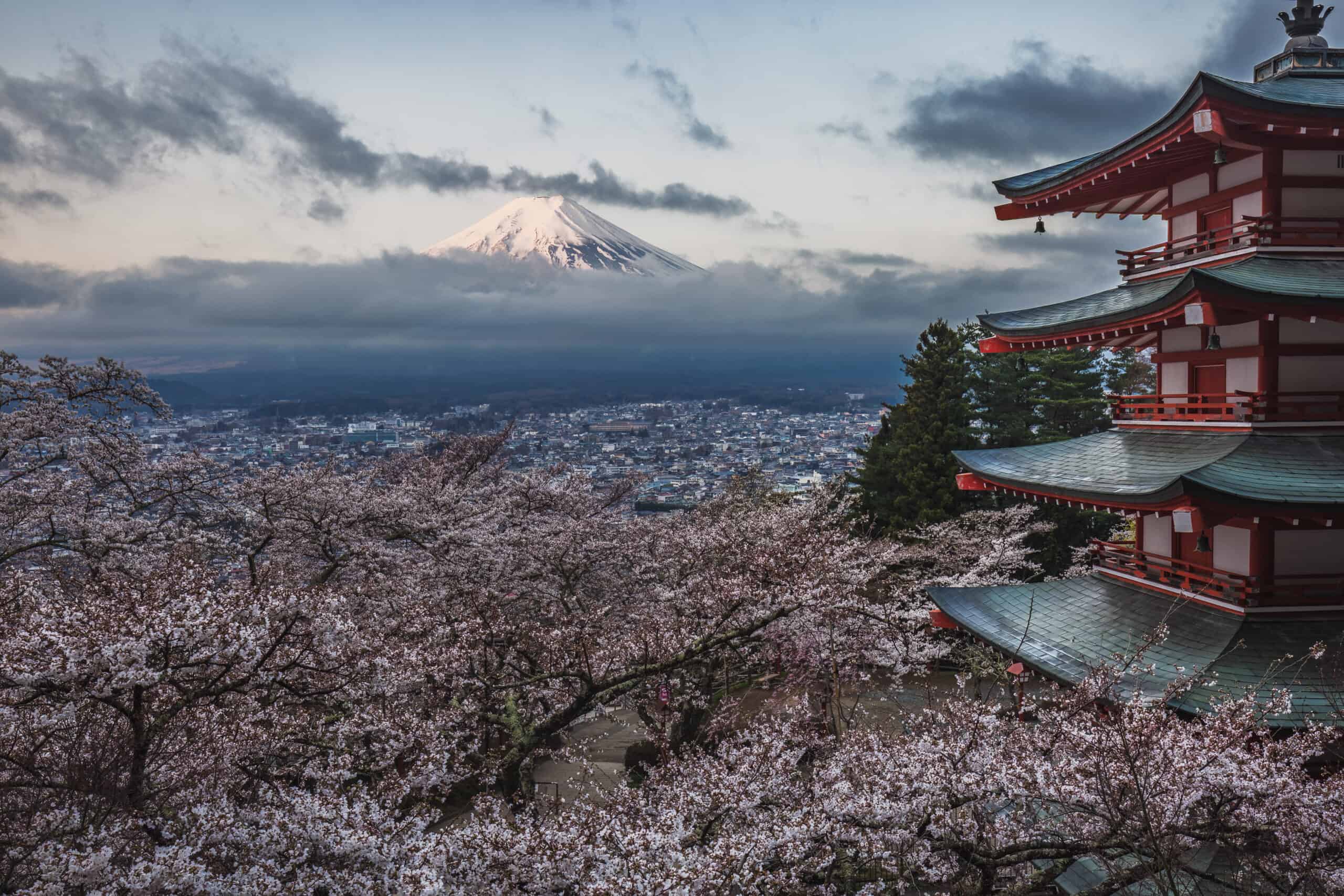
Japan’s tourism surge has been astonishingly fast, and the emotional texture of a destination changes when visitor numbers move at that scale. Reuters reported 3.49 million arrivals in Dec. 2024 alone, the highest monthly figure on record, part of a year that beat the old pre-pandemic high by a wide margin. In that atmosphere, even ordinary acts like boarding a bus, walking through a temple district, or finding a quiet dinner table start to feel less like discovery and more like negotiating a crowd that already got there first.
Kyoto Now Plans Around Tourist Gridlock
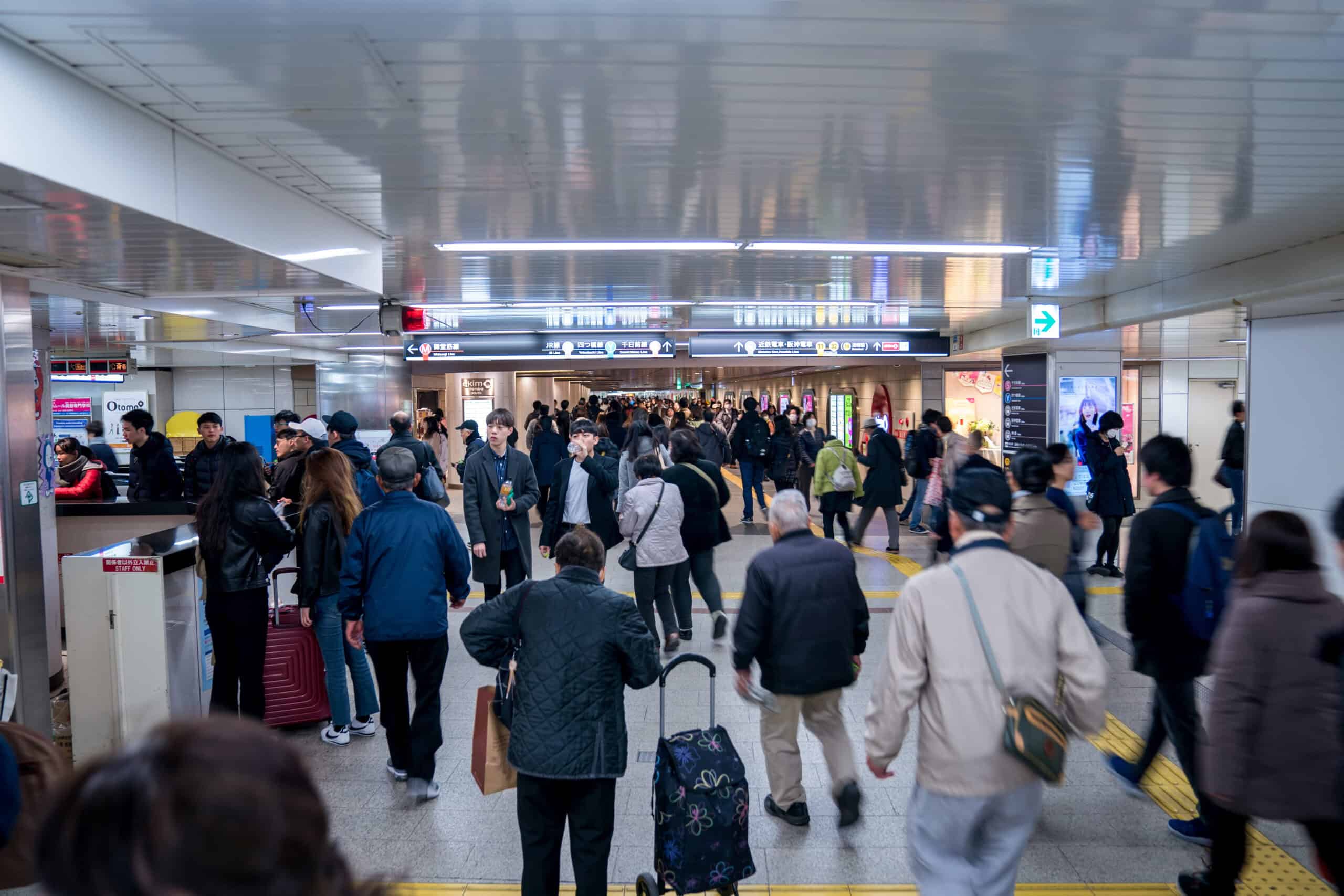
Kyoto’s official tourism site is unusually direct about what happened once travel came roaring back. The city says it introduced a new bus timetable on June 1, 2024, specifically to reduce crowding, and its own tourism analysis notes that locals were missing buses because sightseeing routes were already jammed with visitors carrying large luggage. That detail says a lot. When a city has to redesign public transport so residents can simply get home, the welcome starts sounding more conditional, even if nobody says it out loud.
Gion Is Protecting Itself From “Authenticity” Chasing
Few places show the tension more clearly than Kyoto’s Gion district, where the global hunger for something “real” has pushed visitors into deeply private space. Kyoto’s official guidance warns travelers not to enter temples, shrines, or private property without permission, and notes that trespassing can be punished by up to three years in prison or a fine of up to 100,000 yen, while property damage can bring even steeper penalties. A place once marketed through mystery and refinement now has to explain its legal boundaries in plain language.
Mount Fuji Has Become A Managed Entry Experience
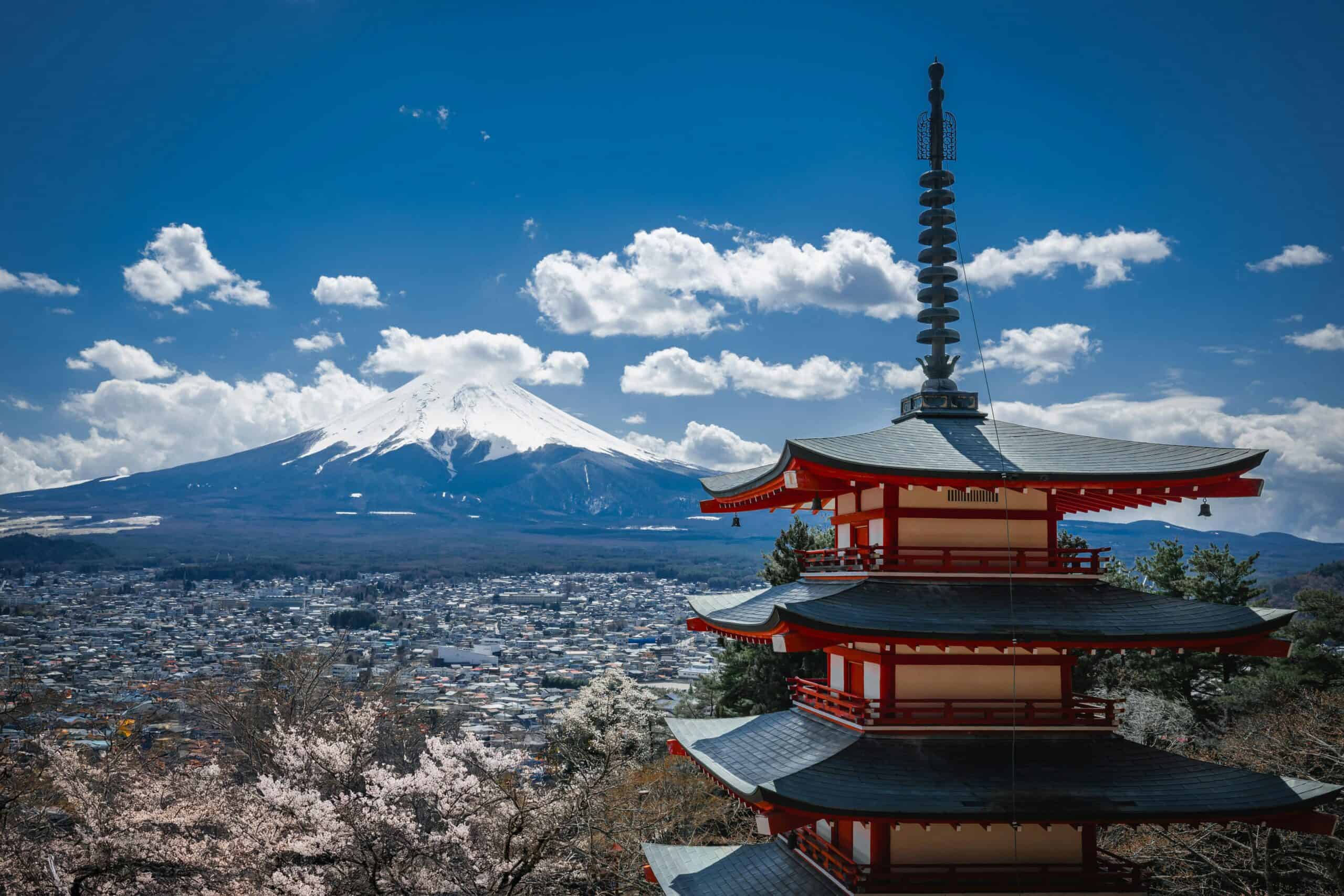
Mount Fuji still carries a near-mythic pull, but the climb is no longer a loose expression of freedom and grit. Official guidance for the Yoshida Trail says climbers must pay a 4,000 yen fee, cannot pass the gate from 2 p.m. to 3 a.m. without a mountain hut reservation, and may be blocked once the daily limit of 4,000 people is reached. Shizuoka’s trails also require a 4,000 yen entry fee. These rules make sense for safety and preservation, yet they also reveal how far Japan has moved from the fantasy of spontaneous access.
Shibuya Is Actively Policing The Party Version Of Tokyo
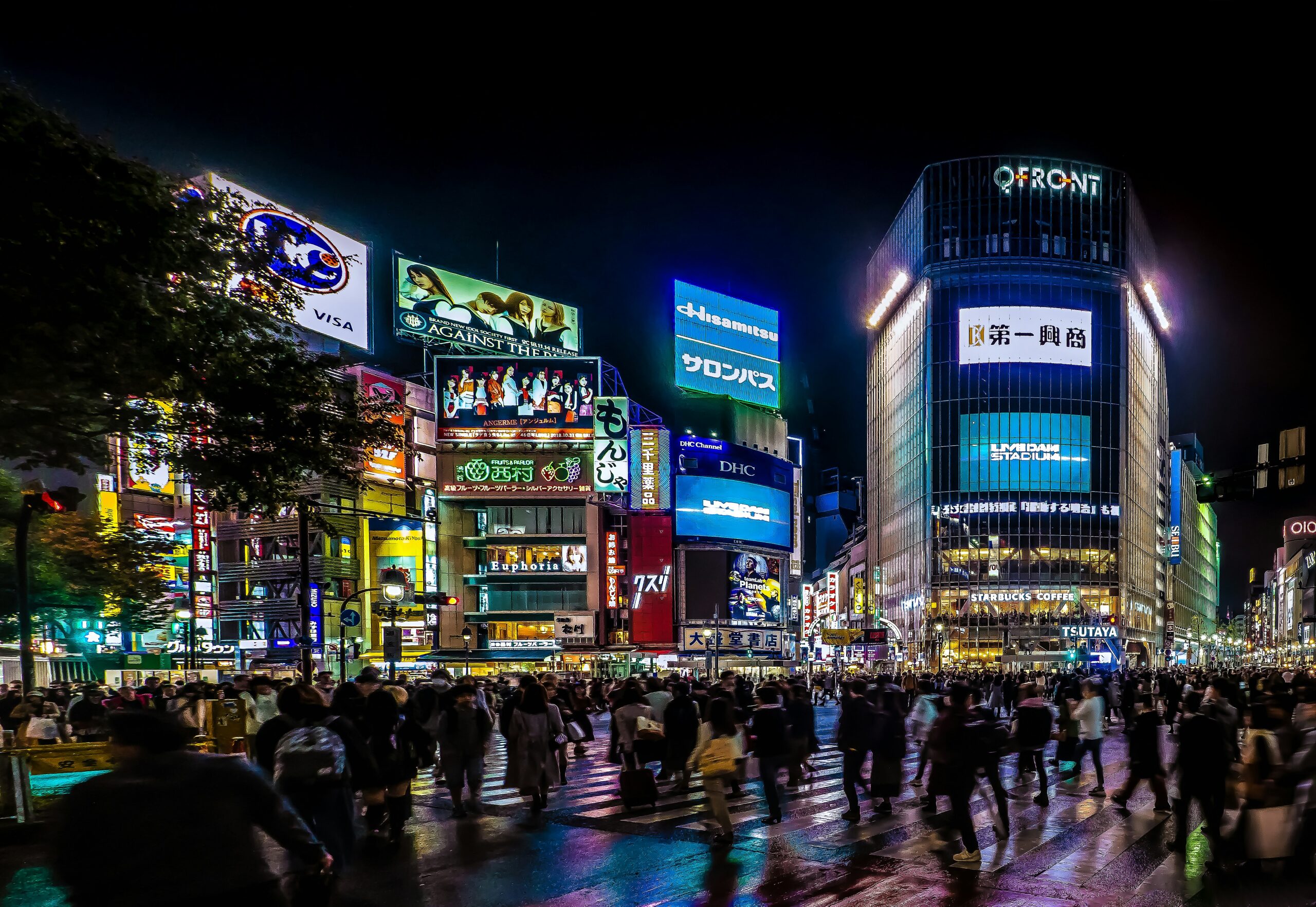
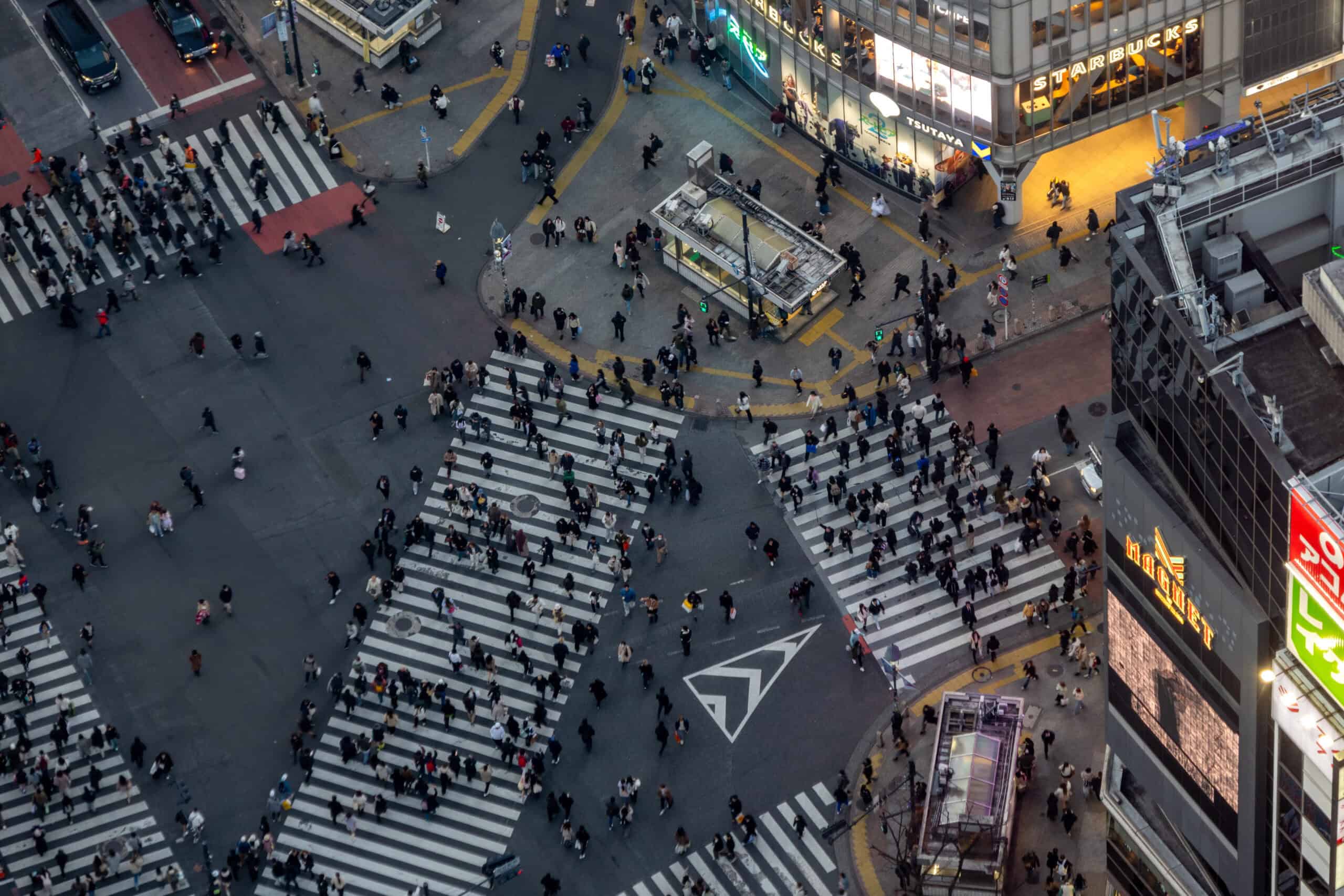
Tokyo still sells nightlife to the world, but Shibuya’s recent posture is less invitation than containment. In a Dec. 6, 2024 press release, Shibuya City said it would cancel the official New Year’s countdown again to tackle overcrowding and public safety risks, and it reinforced a permanent ban on nighttime street drinking enacted in October. The message is not anti-visitor so much as anti-chaos, but that distinction may not matter much to travelers who arrived expecting the district’s old anything-goes street energy.
Even The Bill Feels Less Gentle Than The Fantasy
bignai/123rf
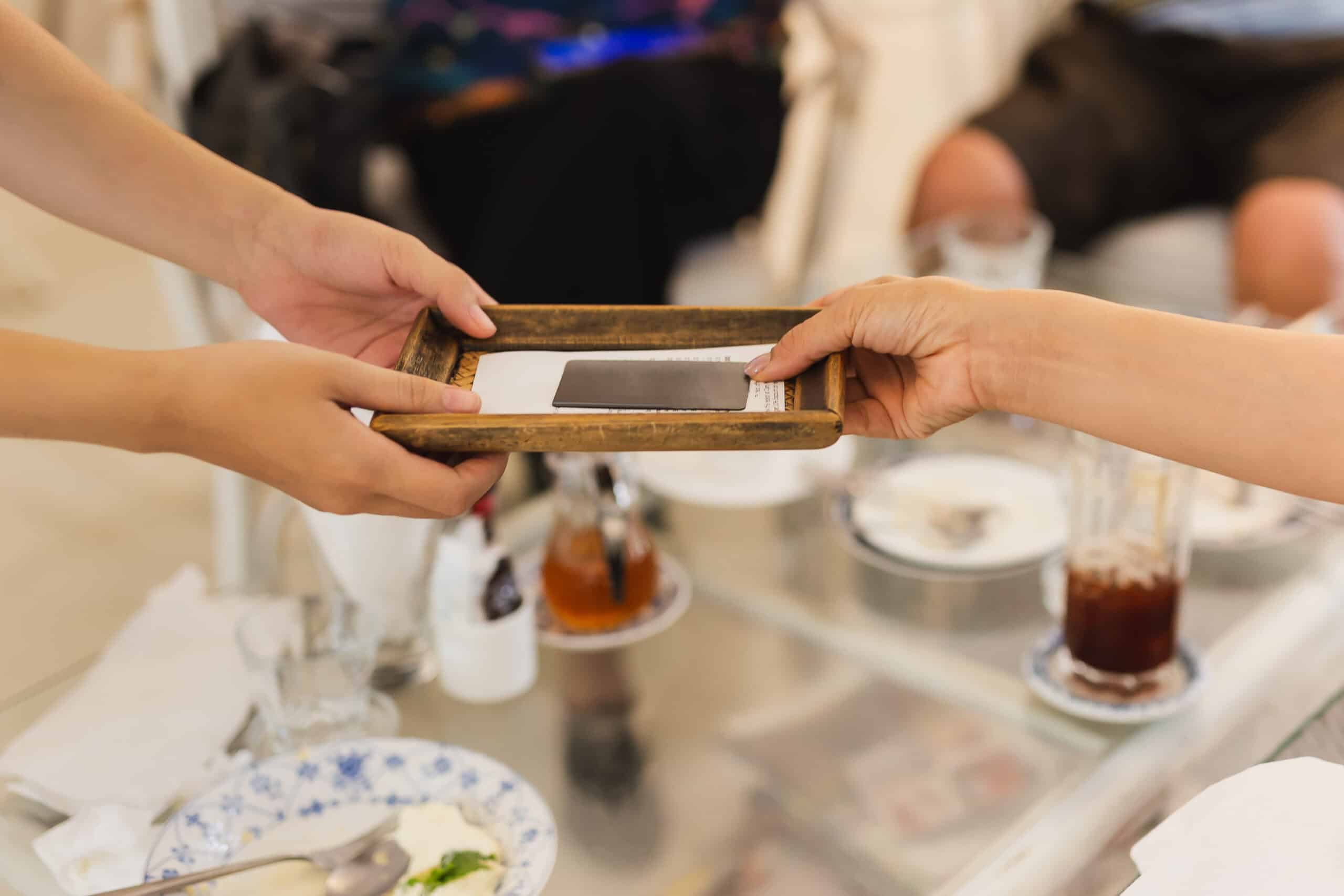
Part of Japan’s appeal has long been the feeling that the country, while polished and precise, still delivered strong value once the flight was paid for. That calculus is getting thinner. JNTO says visitors pay a 1,000 yen departure tax, accommodation is subject to 10% consumption tax, some cities add their own lodging tax, onsen properties often charge a bathing tax, and first-class hotels may also impose a 10 to 15% service charge. None of these costs are outrageous alone, but together they chip away at the idea of easy, uncomplicated hospitality.
Japan’s Etiquette Is No Longer Background Noise
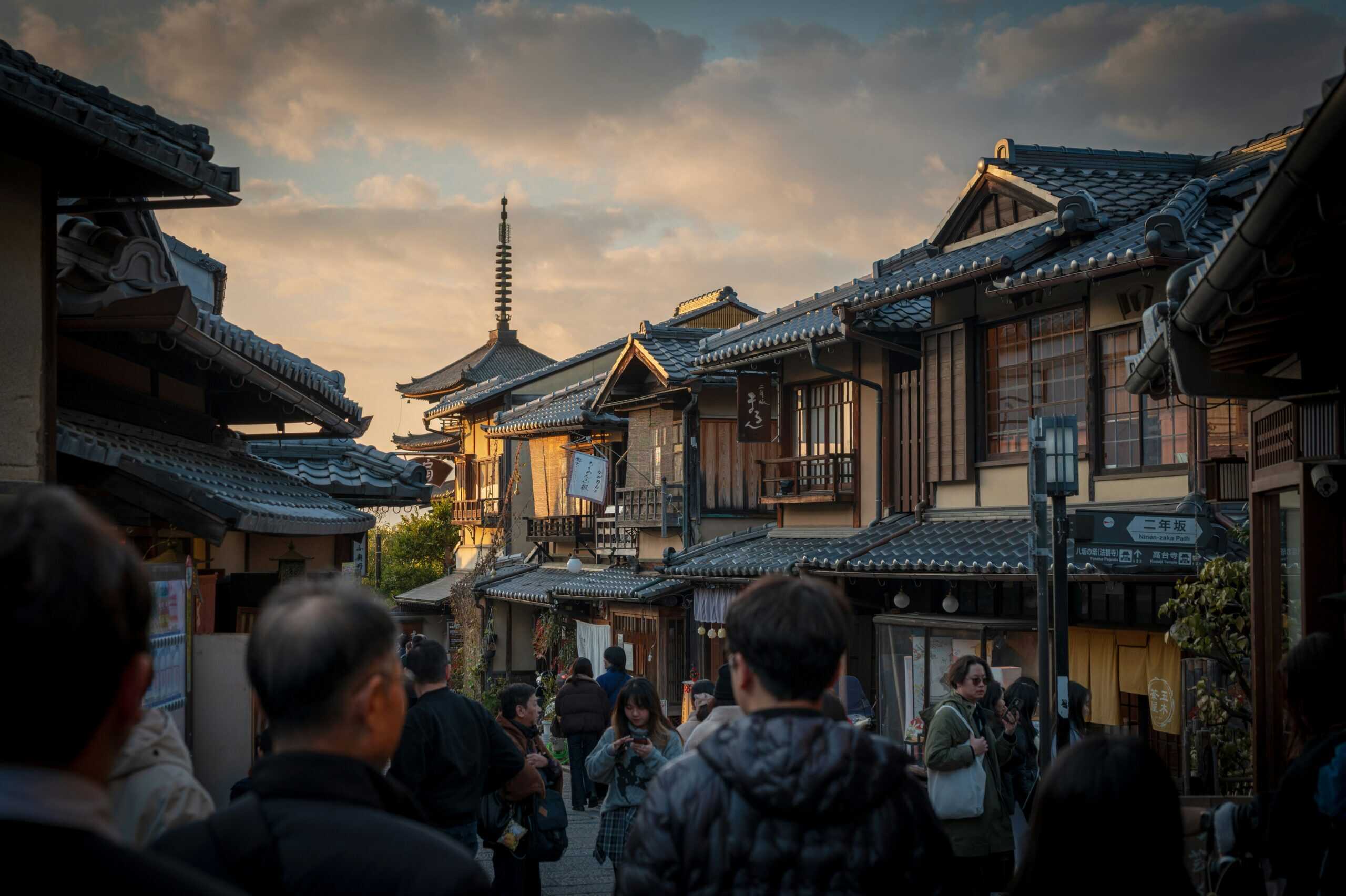
What many travelers call “authenticity” in Japan is often really an encounter with highly visible social discipline. JNTO’s own etiquette guidance tells visitors to understand how to greet people, when to remove shoes, and how to behave on public transportation, while its responsible-travel page stresses quiet voices, limited eating on commuter trains, and avoiding behavior that inconveniences others. None of this is hostile. But it does mean Japan can feel less forgiving than destinations where tourists are allowed to be noisier, looser, or more oblivious without immediate social friction.
Oversized Luggage Has Turned Into A Social Offense
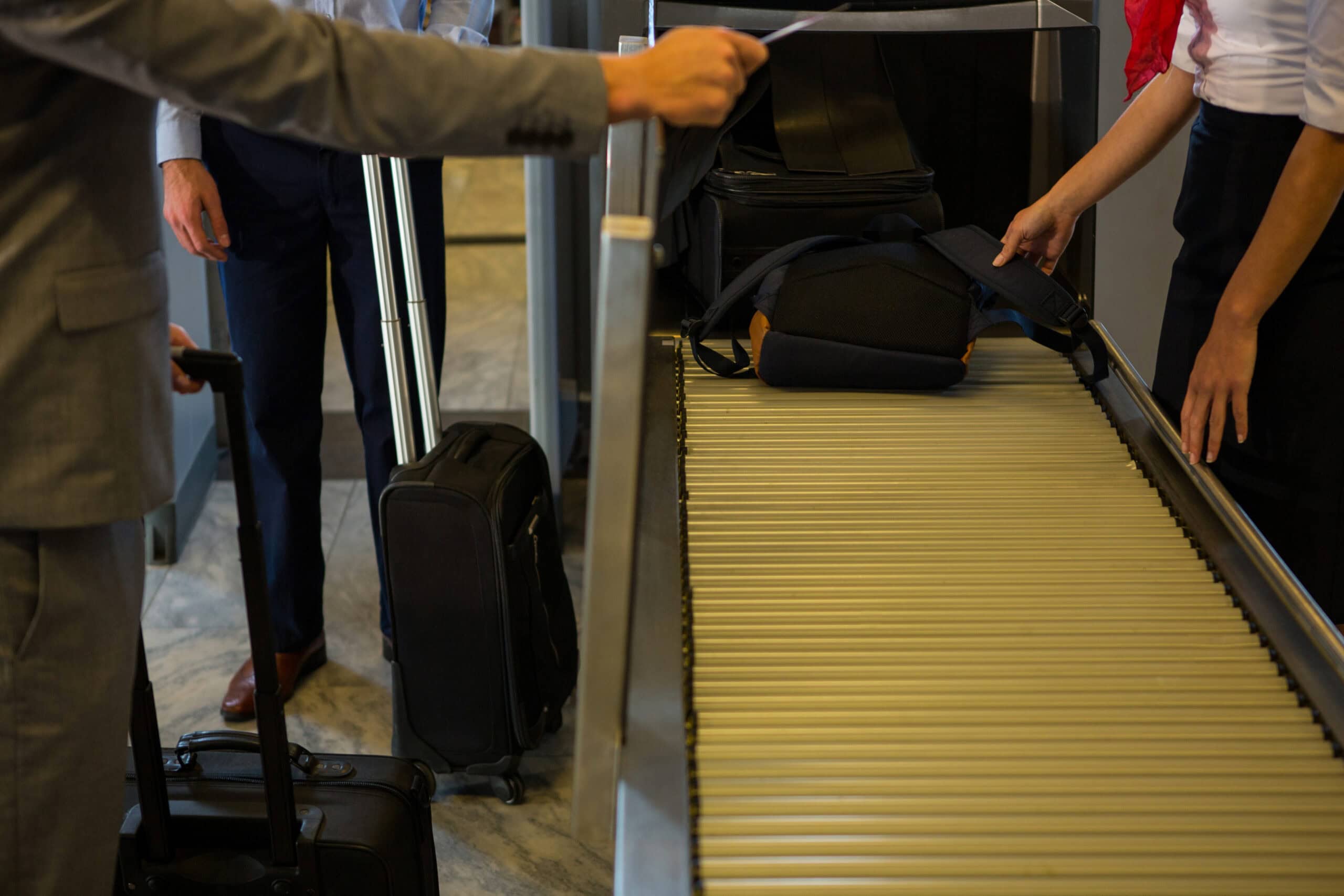
One of the clearest signs of local strain is how often official tourism advice now talks about bags. JNTO says big suitcases create problems on crowded trains and buses, recommends luggage forwarding, warns that some convenience stores in the busiest sightseeing areas may suspend bag-holding services or restrict size and quantity, and notes that some shinkansen services require reserved space for large baggage. What used to read as a minor travel inconvenience now looks more like a moral one: a visible test of whether a visitor understands the pressure already being placed on shared space.
The Best Experiences Now Often Demand Reservations

Japan’s dream image still suggests hidden alleys, tiny counters, temple visits, and chance encounters that reward wandering. The official travel guidance points in a different direction. JNTO says many attractions, trains, buses, and restaurants now depend on reservations, some popular tickets go on sale at exact times, some bookings require deposits or later confirmation, and lateness can mean denied entry or lost value. What that really means is simple: the most satisfying version of Japan increasingly belongs to the organized traveler, not the romantic drifter.
Even The Ski-Town Escape Story Is Getting Harder To Believe
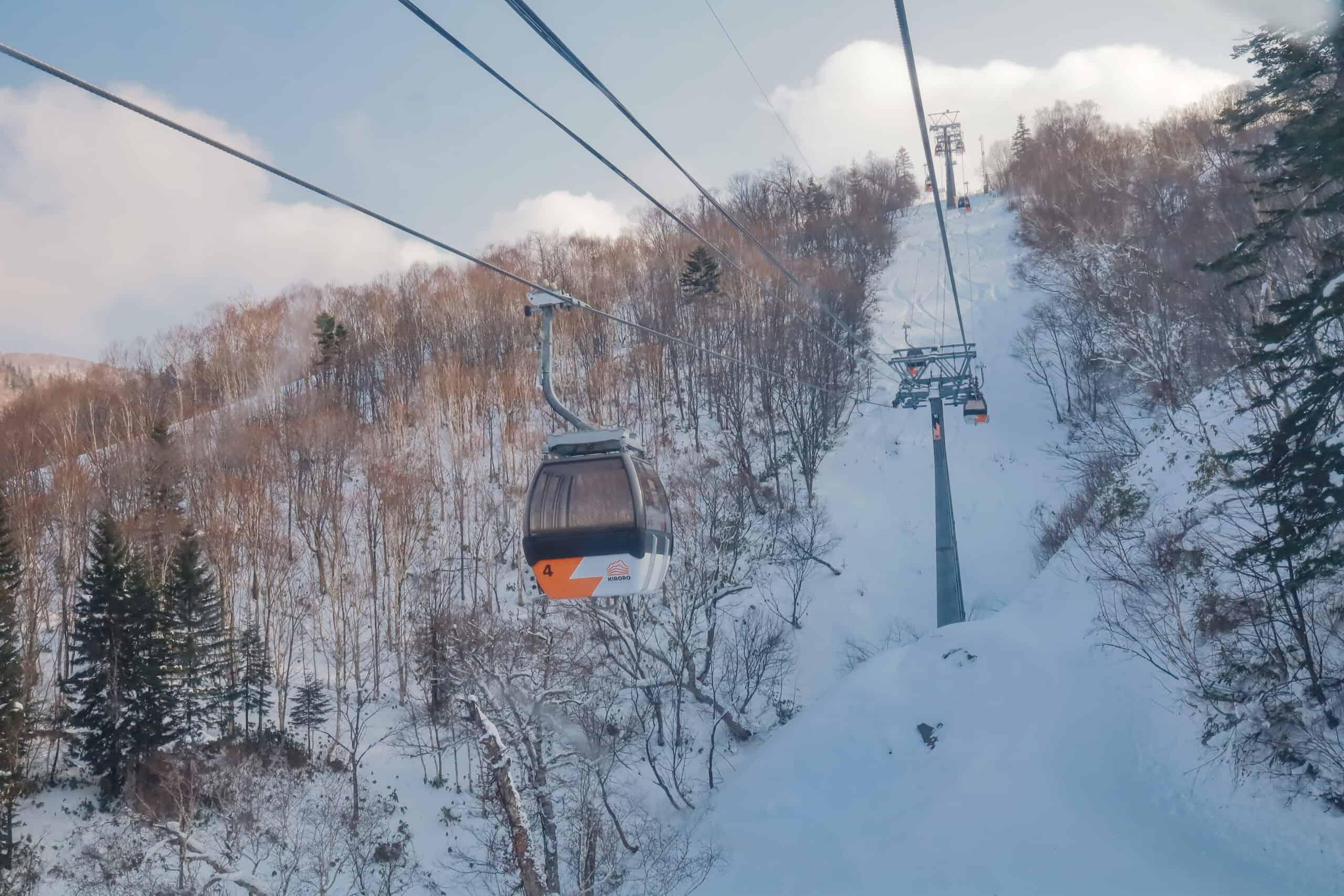
The stress is not confined to Kyoto and Tokyo. Reuters reported in March 2025 that many residents in Myoko see the tourism boom and foreign investment as a double-edged sword, threatening overdevelopment, higher prices, and the erosion of traditional culture, while some foreign-owned businesses operate only in winter and leave the town largely dark in summer. The city is even considering new regulations for larger projects from fiscal 2027. That is a different kind of unwelcoming feeling, quieter but just as real: the sense that the postcard version of place is beginning to price out the life beneath it.