We may earn money or products from the companies mentioned in this post. This means if you click on the link and purchase the item, I will receive a small commission at no extra cost to you ... you're just helping re-supply our family's travel fund.
Tourism is accelerating in 2026, but the biggest jumps are not limited to the usual headline cities. UN Tourism’s “World Tourism Barometer” counted more than 1.5 billion international trips in 2025, with arrivals up 4% worldwide, a pace edging back toward the pre-pandemic average of about 5% a year. Europe still draws the most visitors, yet the fastest growth is showing up in places that feel distinctive and newly accessible. New museums, better flight links, and careful crowd management are turning emerging destinations into the year’s surprise winners, and curiosity is doing the steering. That shift is reshaping plans worldwide.
Europe Still Leads, But The Center Is Moving
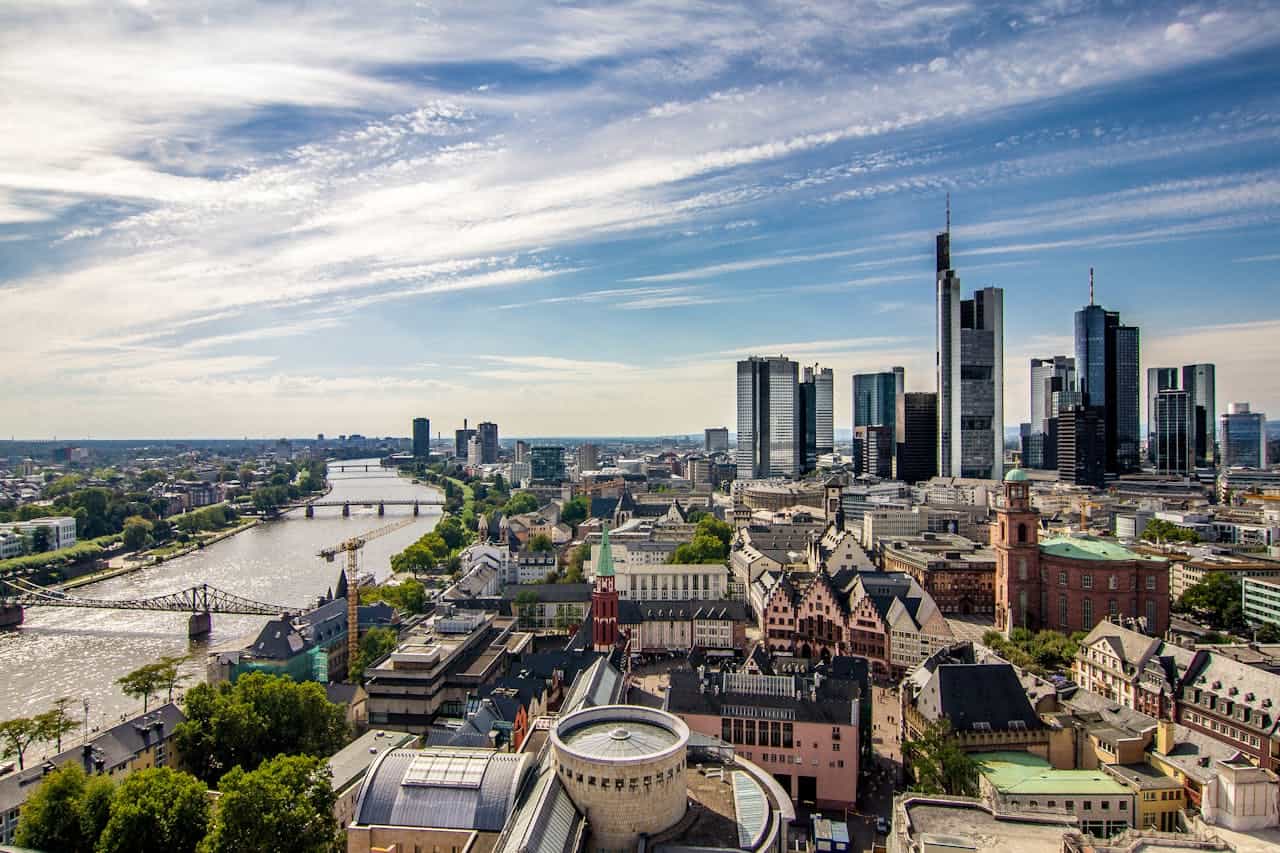
Europe remained the world’s most visited region, welcoming nearly 800 million arrivals and growing 6% over 2024. That scale still matters, but it no longer tells the full story of where momentum is building. As global arrivals climbed 4% in 2025, the steepest percentage gains shifted away from the familiar magnets and toward countries that pair recognizable heritage with breathing room. Travelers are chasing distinctive culture and landscapes, not just checklists, and access is improving in more corners of the map. The result is a rebalancing where the next big season can belong to places that are no longer niche, but not yet saturated.
High-Identity Places Are Winning Attention

Many of the fastest growers fit a clear profile: high-identity destinations with strong stories and workable connections. Advisers note that these places sit in a sweet spot, beyond niche status, yet still far from the crowds that can dull a visit. Growth is being powered by travelers who want to feel discovery again, whether through food, architecture, wildlife, or ritual. For tourism boards, the challenge is to welcome the surge without losing local trust, by spreading visitors across seasons, protecting cultural sites, and keeping revenue visible in nearby communities. Done well, identity stays intact while the local economy gains depth.
Egypt’s Museum Moment Resets Demand
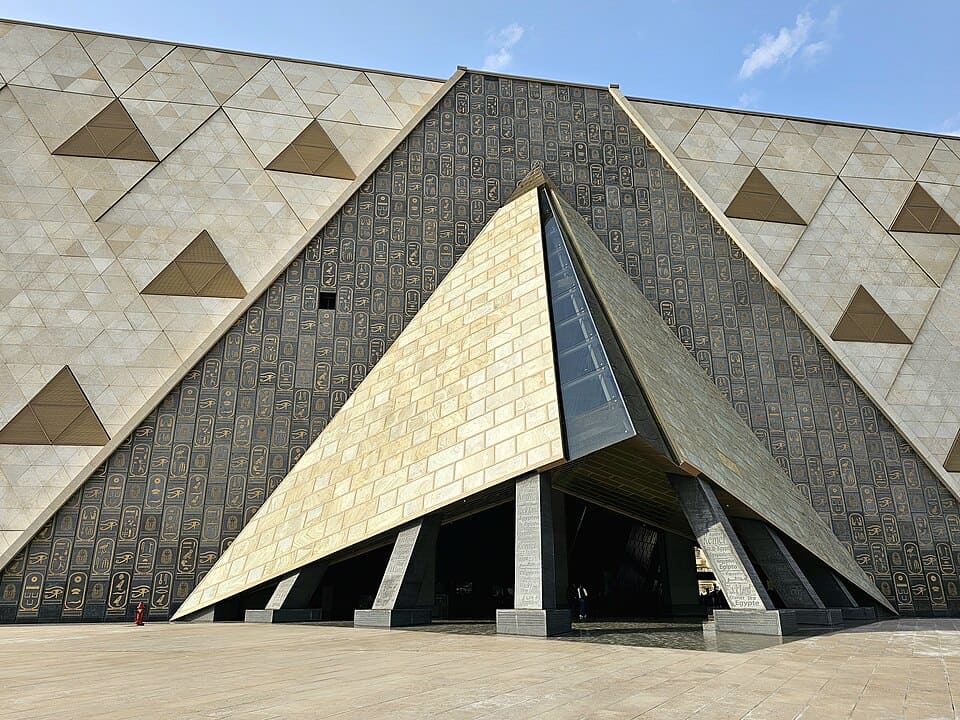
Egypt posted a 20% jump in international arrivals in 2025, standing out as one of the Middle East’s strongest performers. Tour operators widely point to the long-awaited opening of the Grand Egyptian Museum near the Pyramids of Giza as the spark. After years of shifting timelines, two groups are now traveling at once: those who visited earlier and felt they missed the main event, and those who waited for certainty. Booking data reflects the rush, alongside a rising sense of safety that is bringing more families with young children and more female solo travelers. Interest is also building early for the 2027 solar eclipse visible from Egypt.
Slow Nile Travel Becomes The Smarter Choice
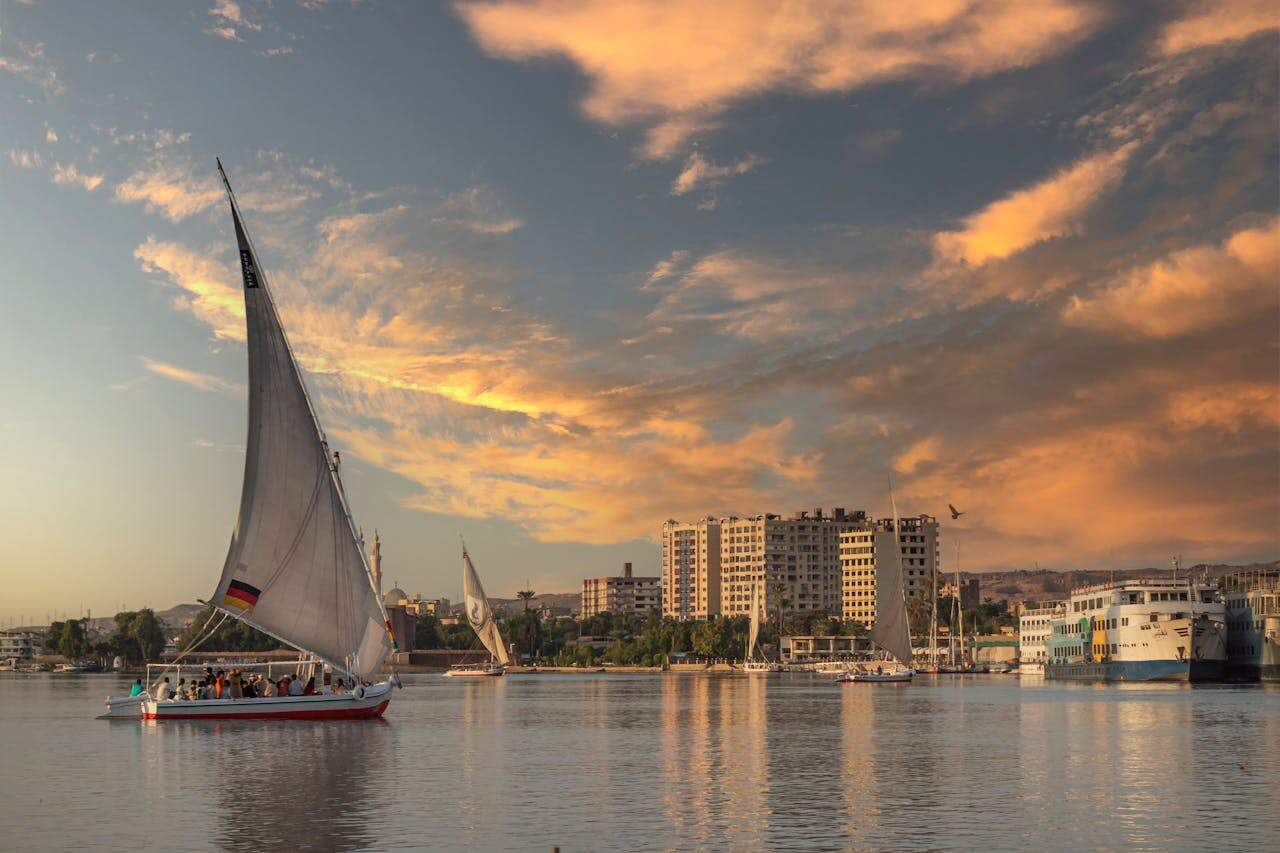
To keep iconic sites enjoyable as demand rises, many Egypt operators are pushing slower, more curated itineraries. Small dahabiyas, traditional wooden sailboats on the Nile, are promoted as an alternative to large cruise ships, making it easier to reach quieter temples and move at a human pace. New formats are adding range as well. Boat Bike Tours, known for decades of trips in Europe, launched its first Egypt and Nile itinerary, pairing village rides through date groves with Egyptologists who turn the route itself into the lesson. Active travel is surging, and cycling is still new here, letting monuments land without the crush.
Brazil’s 37% Rise Follows A Playbook
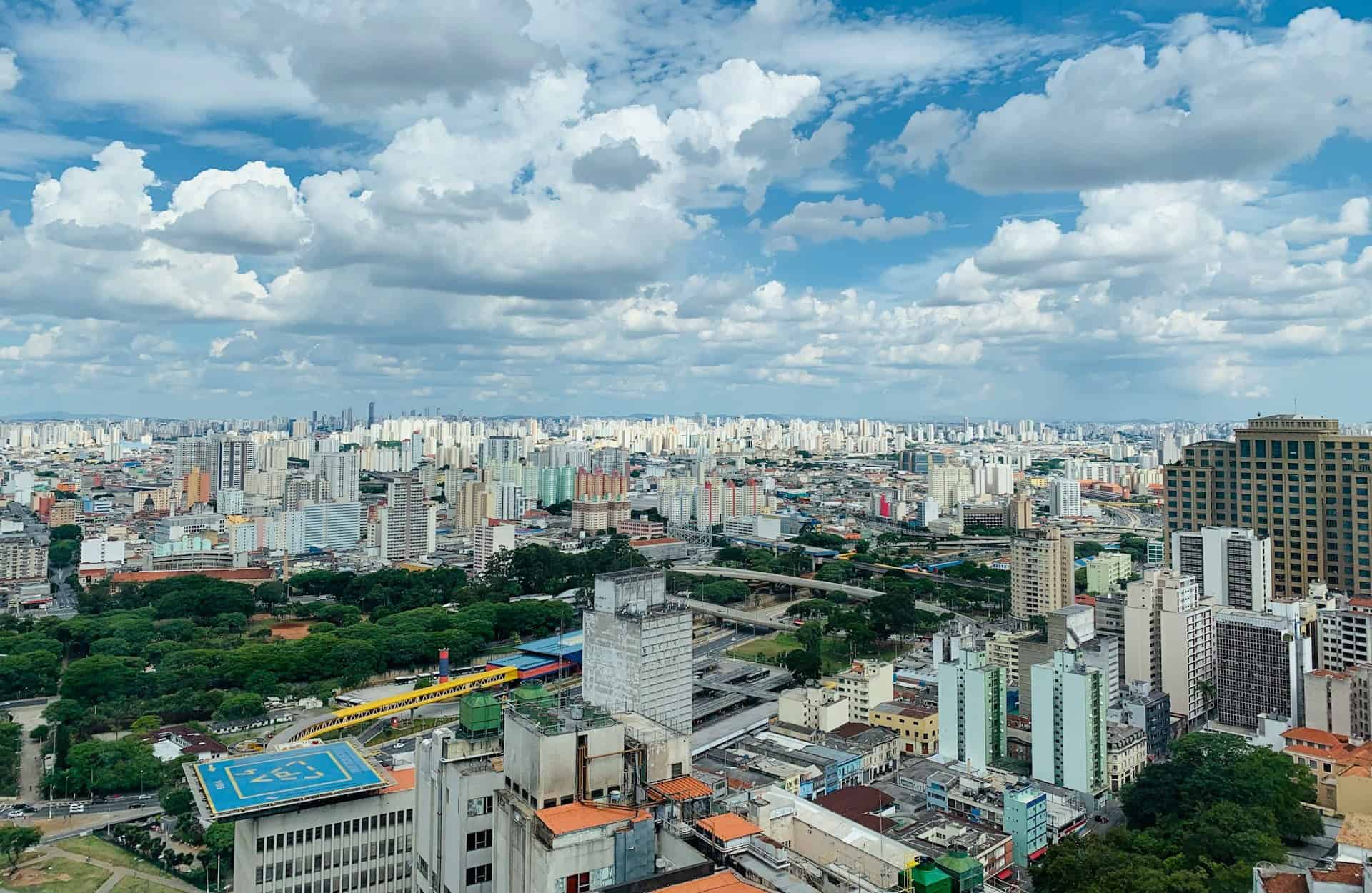
Brazil led the surge, with international arrivals up 37% in 2025. Embratur’s 2024 program courted new international flights through public-private partnerships with airlines and airports, subsidizing promotion for new routes. Leaders argue air connectivity is the hinge, because curiosity cannot convert without direct flights or short connections at competitive prices. Awareness has grown through major events, while São Paulo’s culture, music, and dining scene keeps demand steady. A competitive exchange rate and a rise in conscious luxury travelers are extending stays and spending. Many now want local community time alongside nature.
Brazil Spreads Travel Beyond The Biggest Names
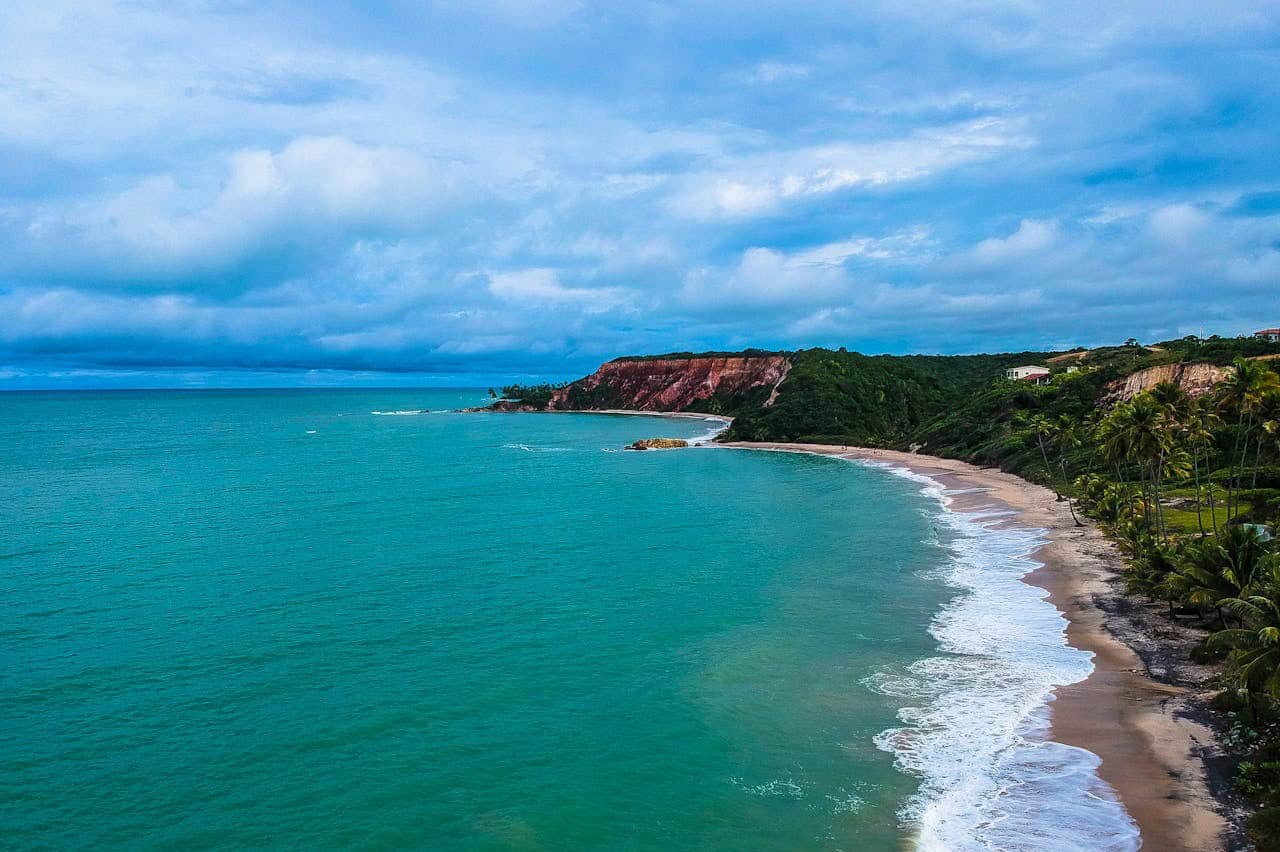
Brazil’s size changes the overtourism conversation. With more than 9,000 km of coastline and a vast interior, pressure can be eased by guiding travelers beyond Rio de Janeiro and São Paulo before bottlenecks harden. Industry leaders describe a more segmented approach, promoting destinations and experiences that keep community benefit front and center. Belém is one example, where the open-air Ver-o-Peso Market and an emerging food scene built on Amazonian ingredients are drawing international attention. Visiting two Brazilian cities can reveal entirely different Brazils. From edible ants to rare spices, the flavours show the country’s range.
Ethiopia’s Return Builds On Confidence And Access
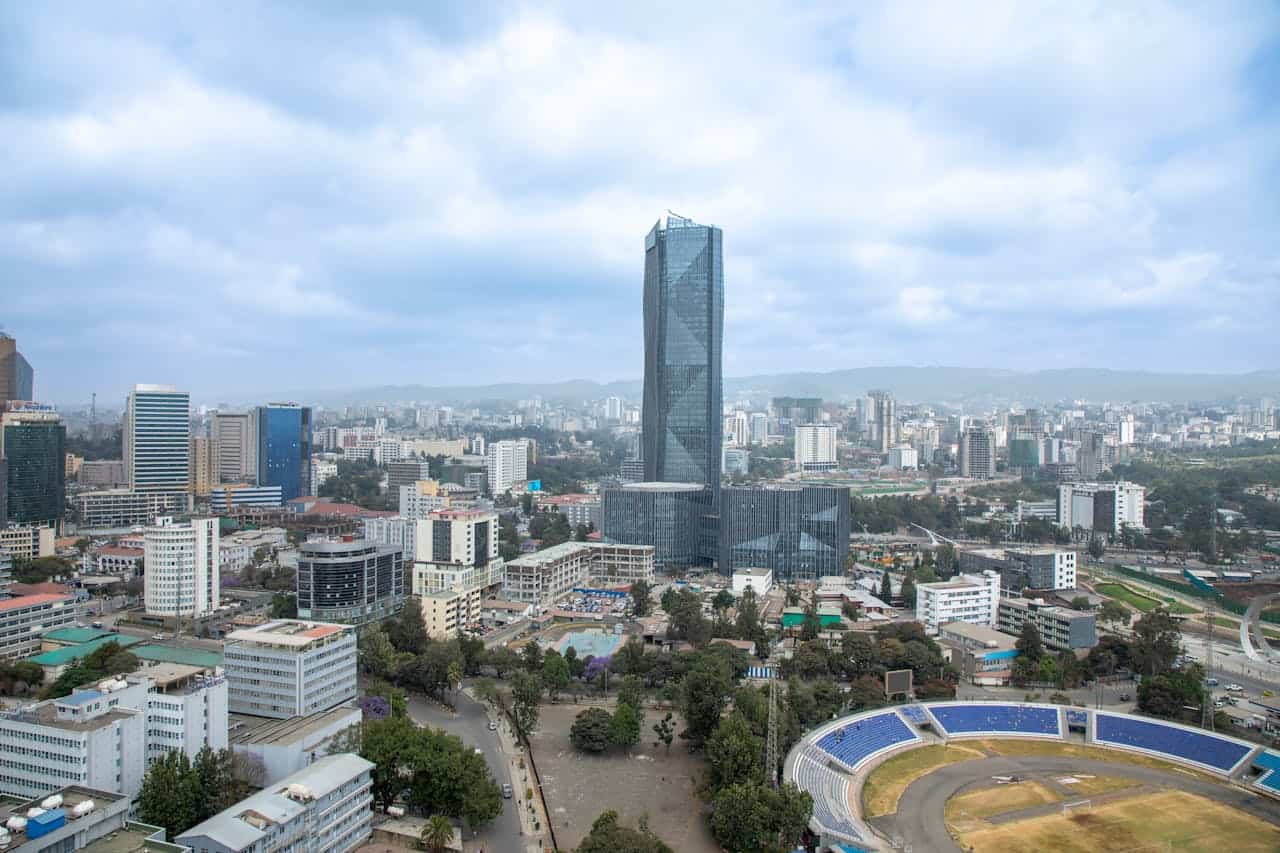
Ethiopia recorded a 15% rise in international arrivals in 2025, helping drive Africa’s 8% regional gain, the strongest growth noted in the barometer. The rebound follows several lean years linked to conflict in the Tigray region. Flights in the north resumed in 2023, and investment since then has focused on access and confidence, including the launch of the Visit Ethiopia platform in 2025, plus new hotels and upgraded services. Operators report postponed trips finally rebooking, fresh interest from younger travelers seeking outdoor-focused travel, and larger groups returning as safety perceptions improve. Demand is rising and standards count.
Ethiopia’s Depth Rewards Longer Stays
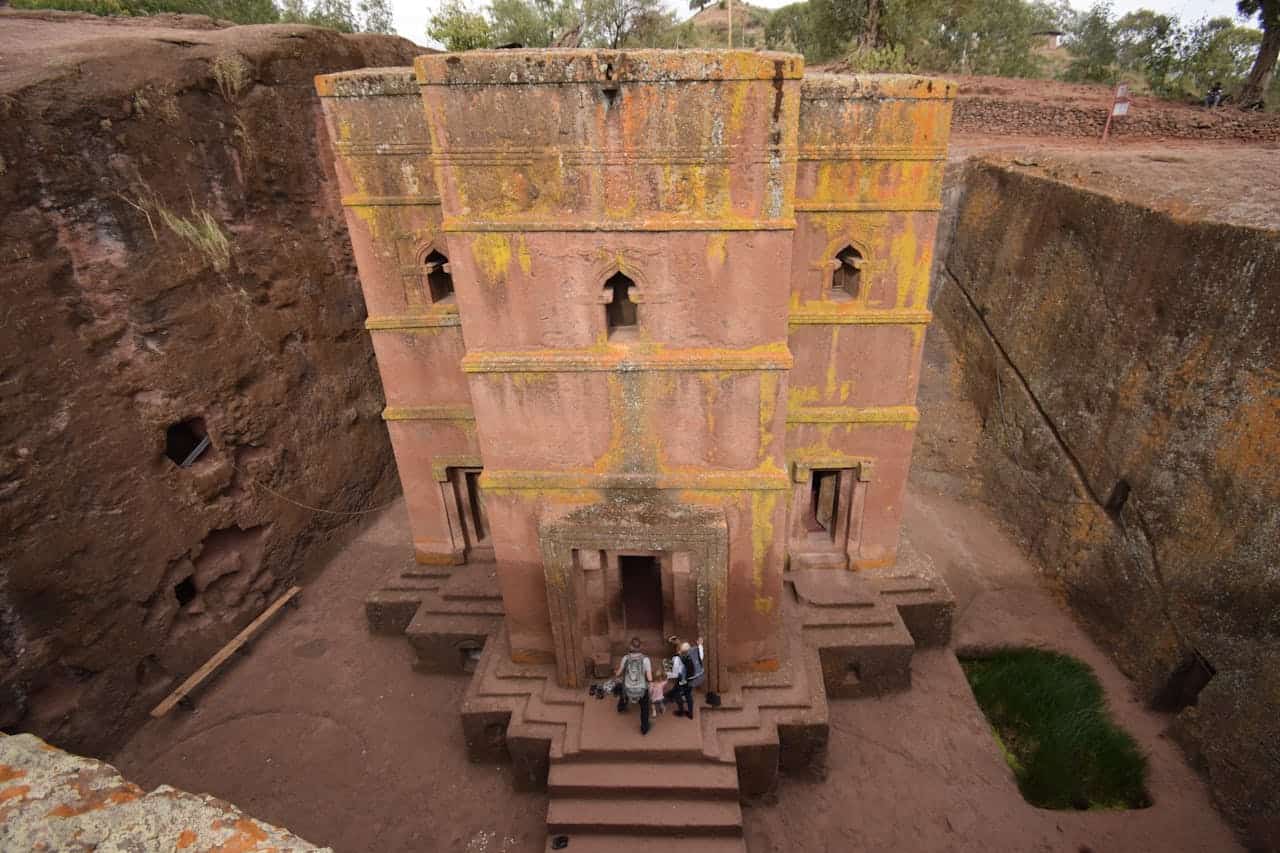
Ethiopia rewards travelers who slow down because its highlights are layered, not clustered. Guides point to the Axumite legacy in the north, the rock-hewn churches of Lalibela, and the medieval architecture of Gondar as a living timeline. The Simien Mountains add drama, with jagged peaks and close wildlife encounters, including the rare gelada monkey found nowhere else. Farther south, the Omo Valley holds communities that have maintained distinct cultural traditions for centuries, offering a sense of continuity that feels increasingly hard to find. Many call it a rich place for archaeology, anthropology, and natural history at scale.
Seychelles Moves Beyond Honeymoon-Only
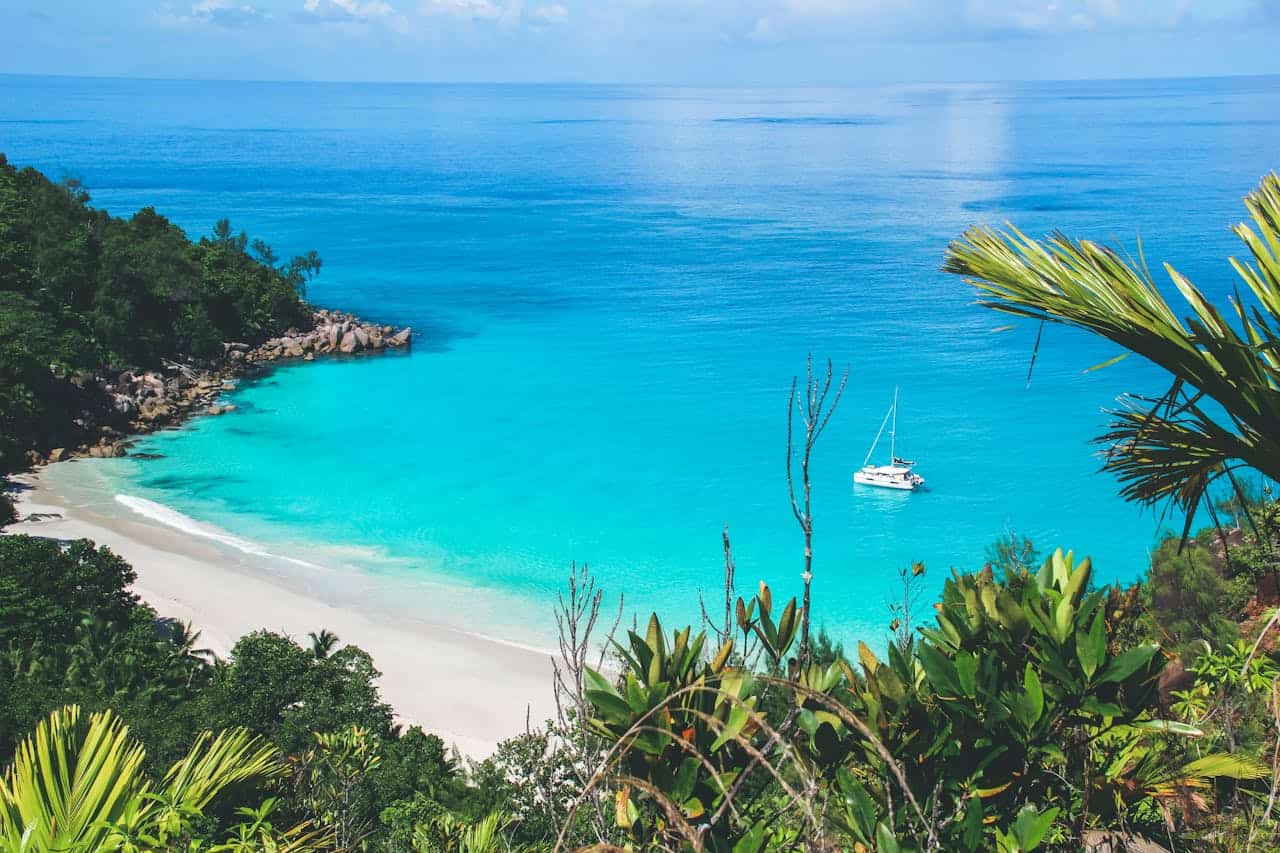
The Seychelles rose 13% in 2025 arrivals, with officials crediting tight public-private coordination, targeted marketing, and a focus on quality. Its appeal is broadening beyond honeymoon travel, as families and wellness-minded visitors mix beach time with hikes to waterfalls, snorkeling, and creole cooking. The islands also lean into stewardship, protecting 30% of ocean territory, and they emphasize openness: there are no private beaches anywhere in the archipelago. Operators encourage spending with local makers, from eco-farms to small workshops, so the barefoot-luxury mood stays grounded in everyday life. That balance is part of the draw.
Bhutan Grows While Keeping Guardrails

Bhutan’s arrivals climbed 30% in 2025, even as the kingdom keeps tourism intentionally restrained. Growth is guided by a nightly Sustainable Development Fee, currently $100 per night, designed to fund infrastructure and services for residents and visitors. Officials frame tourism as cultural exchange, not a numbers contest, echoing the country’s wider focus on Gross National Happiness. Operators say Bhutan attracts travelers seeking depth, with quieter moments carrying the weight: a private blessing with a senior monk, time with a textile weaver, or a meal in a remote valley farmhouse. Motorcycle routes and hikes amplify the solitude.