We may earn money or products from the companies mentioned in this post. This means if you click on the link and purchase the item, I will receive a small commission at no extra cost to you ... you're just helping re-supply our family's travel fund.
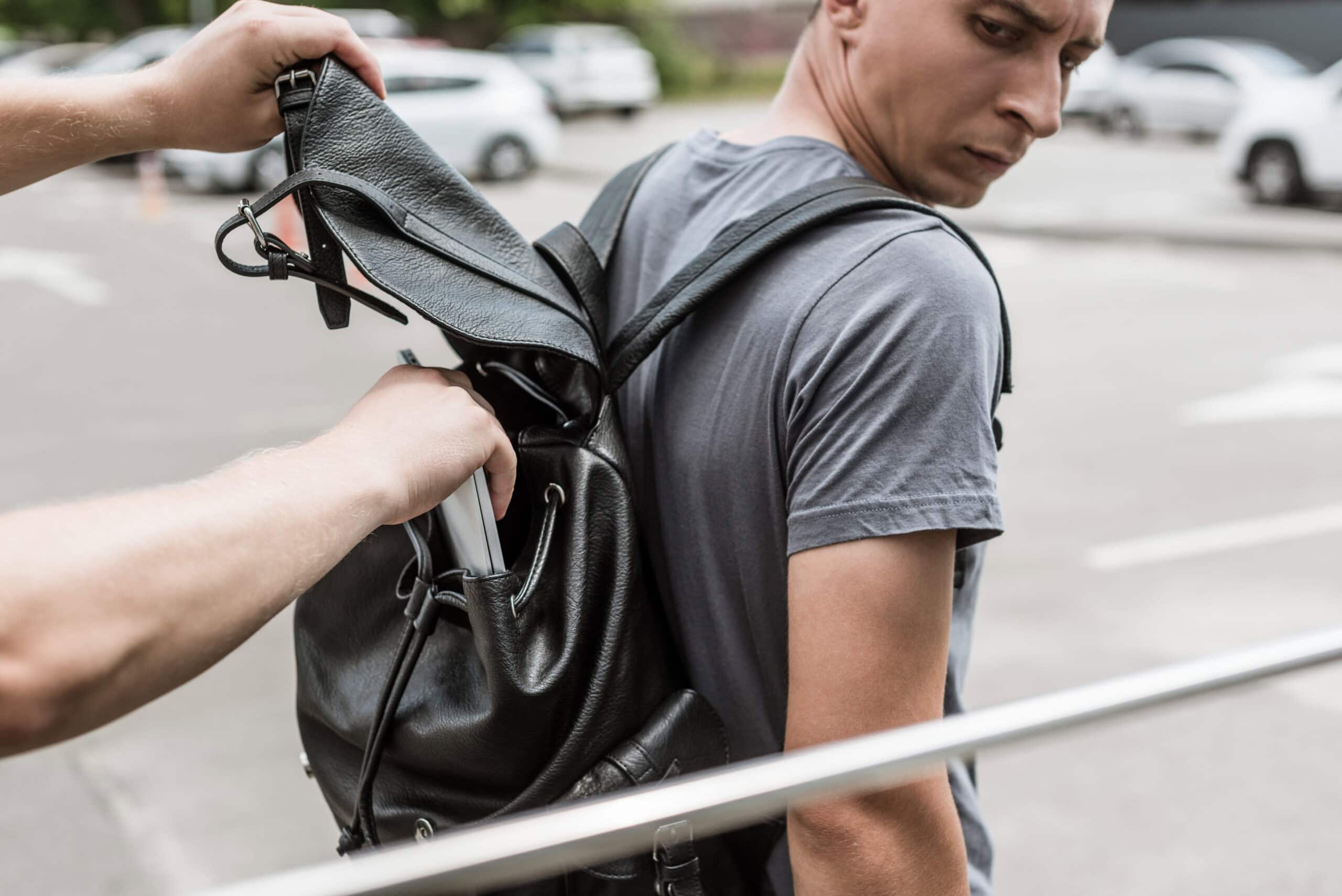
Travel opens people up in subtle ways. There is curiosity, movement, and a constant pull toward new experiences, and that shift in attention often creates small gaps in awareness. Pickpockets do not rely on luck. They watch behavior, wait for patterns, and act in moments that feel ordinary to everyone else. Most incidents happen quietly, without force or confrontation. The difference usually comes down to awareness. A few small habits, repeated consistently, can turn a distracted traveler into someone far less easy to target.
Carrying Valuables In Back Pockets
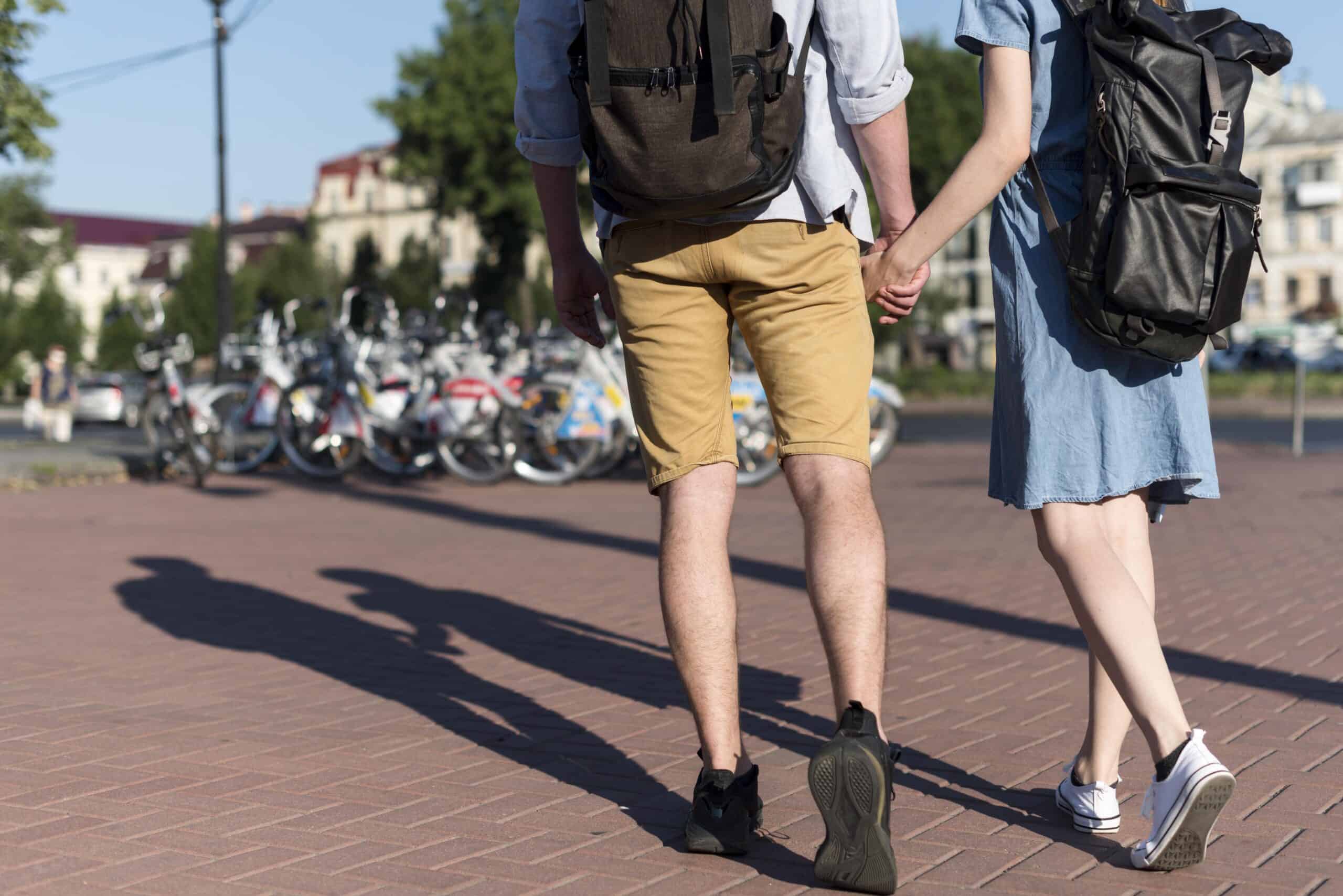
Back pockets sit completely outside natural awareness, which is exactly why they are targeted so often. In a crowded street or on public transport, it takes only a brief moment of contact for a wallet or phone to be removed without notice. There is rarely any dramatic movement, just timing and proximity. Shifting valuables to front pockets or inner compartments brings them back into view and control. That small change removes the easiest opportunity and forces any potential attempt to become far more difficult.
Using Open Or Unsecured Bags
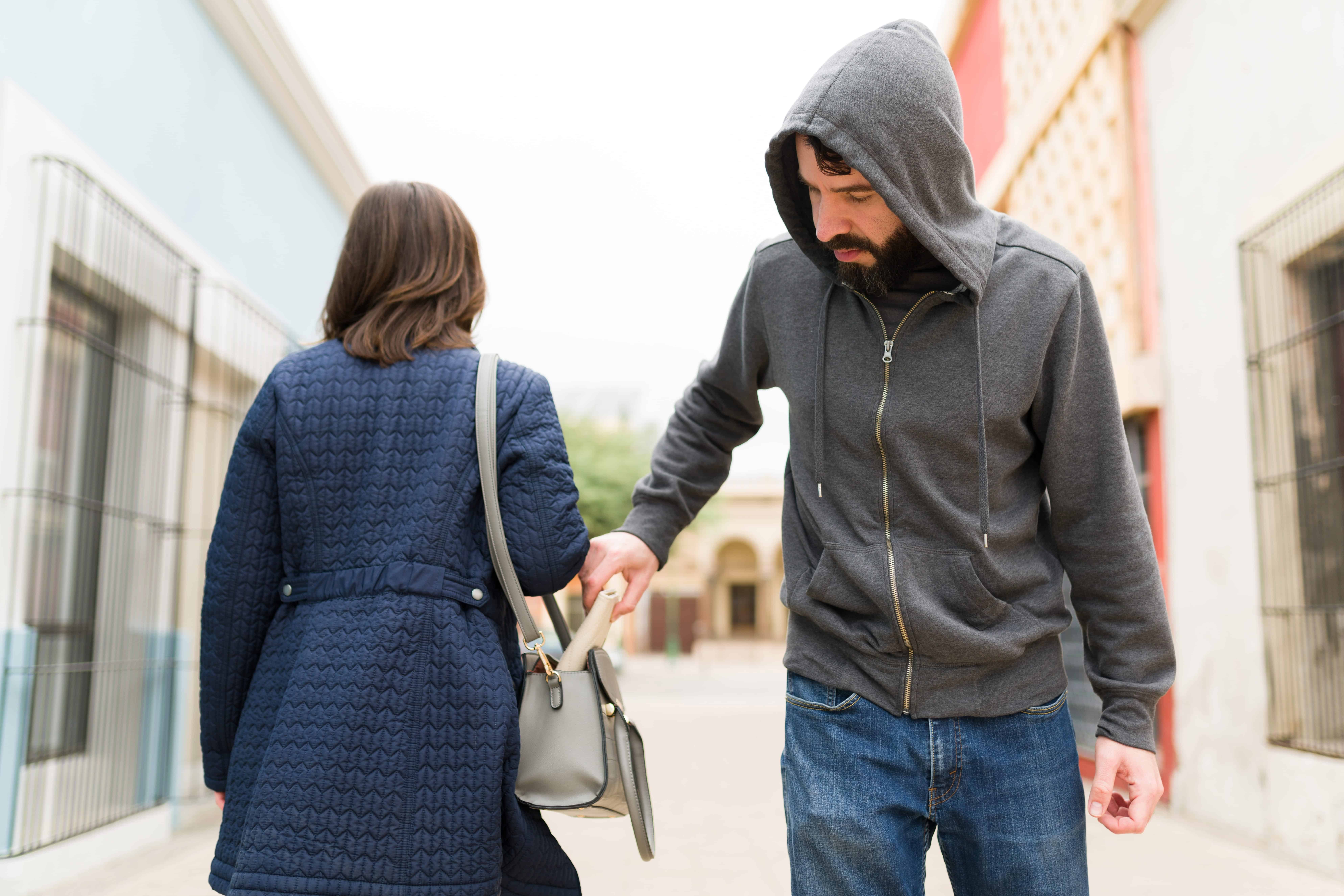
An unzipped backpack or loosely carried tote creates an easy opening in busy environments. Movement, noise, and distraction work together to hide small actions, making it simple for someone to reach inside without being noticed. Most people assume they would feel it, but in reality, they rarely do. Closing zippers fully and keeping bags positioned where they can be seen changes the dynamic. Even resting a hand on the bag signals awareness and removes the sense of easy access that pickpockets rely on.
Displaying Expensive Items Publicly
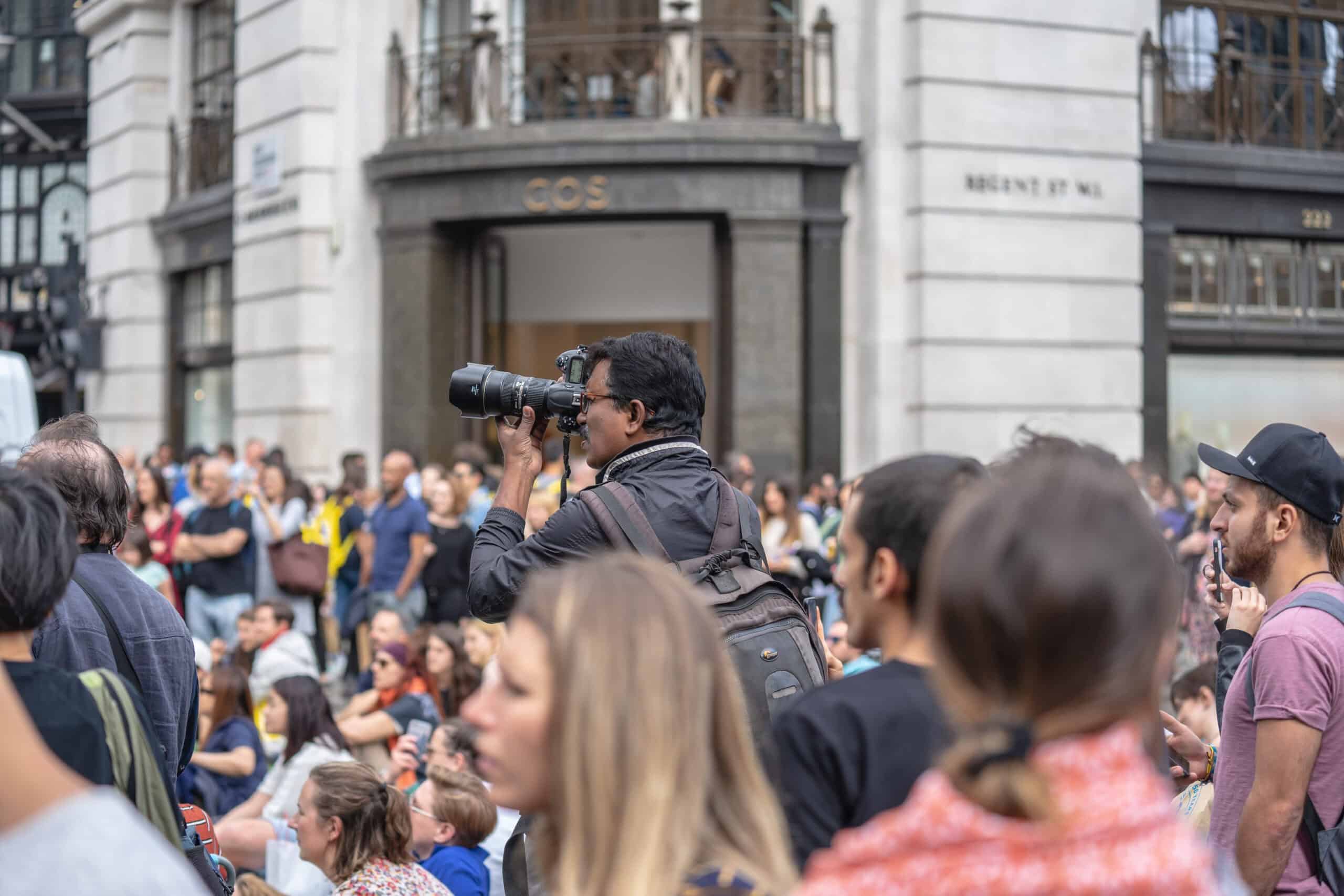
Visible valuables tend to draw attention before anything else does. Phones held loosely, cameras hanging without grip, or watches worn openly in crowded areas can signal opportunity. Pickpockets often observe first, choosing moments when attention shifts elsewhere. The goal is not to hide everything, but to reduce unnecessary exposure. Using devices briefly, keeping a firm hold, and avoiding display in dense crowds makes a noticeable difference. It shifts attention away and removes the immediate signal of value.
Carrying Too Much Cash At Once

Keeping large amounts of cash in one place increases both risk and impact. If something goes missing, the loss is immediate and often difficult to recover from. Many experienced travelers divide cash across different pockets or store a portion separately. This approach reduces pressure and limits damage in a worst-case scenario. It also creates a sense of control, where one mistake does not affect everything. Small adjustments like this quietly shift the balance in favor of staying prepared.
Trusting Strangers Too Quickly

Most interactions while traveling are genuine, but some are carefully timed distractions. A simple question, a request for help, or an unexpected situation can pull attention away just long enough for someone else to act. These moments rarely feel suspicious at first. They feel normal, even friendly. Maintaining a calm but measured response helps keep control without closing off human connection. Awareness, not suspicion, is what makes the difference in how these situations unfold.
Leaving Bags Unattended

Even a brief moment of separation can be enough for something to disappear. Public places like cafes or waiting areas often create a false sense of pause, where people relax their attention. Pickpockets move quickly in these situations, blending into movement without drawing notice. Keeping belongings within reach or physically connected through a strap removes that window of opportunity. It is a simple habit, but one that consistently prevents avoidable loss.
Wearing Backpacks On The Back In Crowds
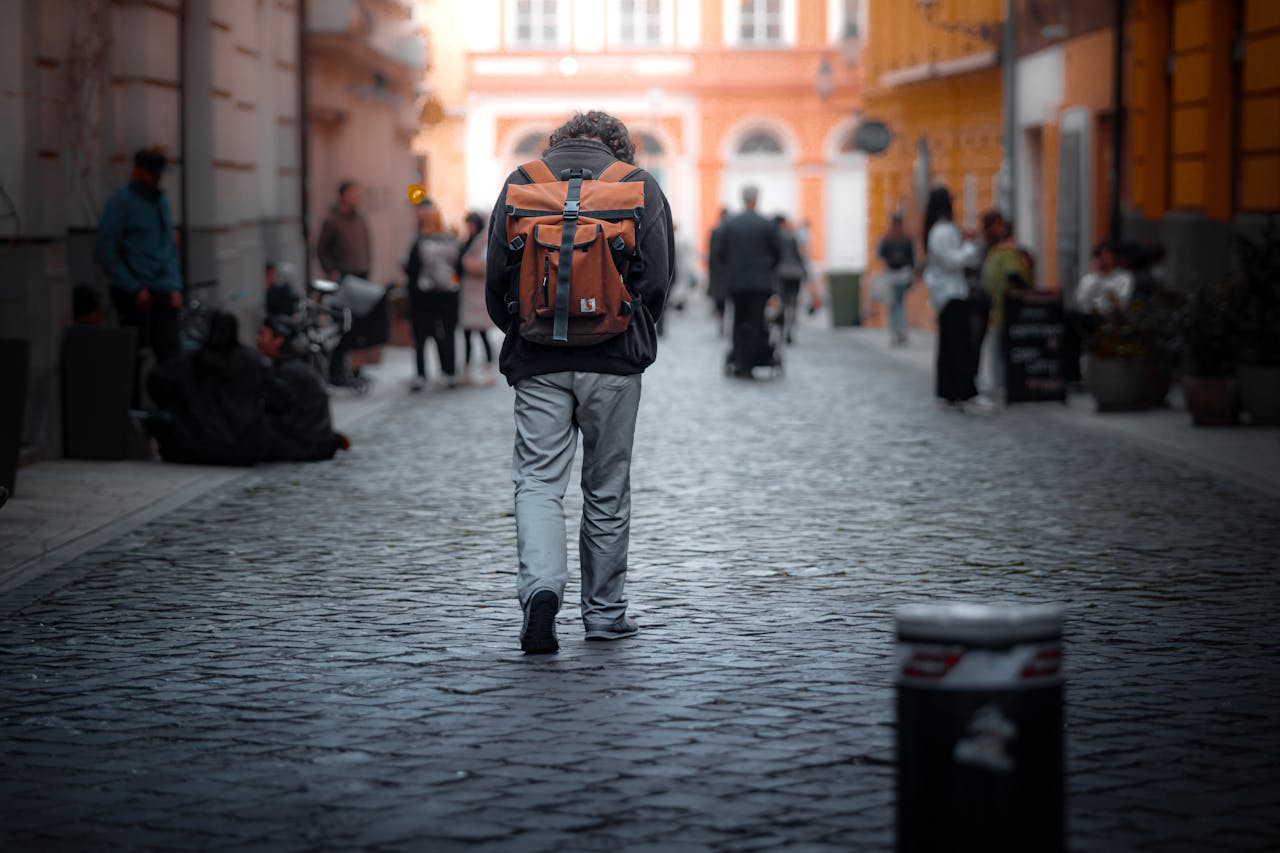
Backpacks worn on the back create a blind spot in crowded environments. Small movements, like a zipper opening, often go unnoticed when attention is focused ahead. Shifting the backpack to the front in dense areas brings everything into view and reduces that vulnerability. It also signals awareness to those nearby. This is not about fear, but about control. A small adjustment in position can remove the easiest path for someone looking for an opportunity.
Not Using Anti-Theft Accessories

Basic protective tools are often overlooked until they are needed. Lockable zippers, hidden pouches, and money belts add small layers of resistance that slow down quick attempts. Pickpockets prefer speed and simplicity, and anything that disrupts that flow often pushes them to move on. These tools do not need to be complicated. Even a single added barrier changes the situation, making belongings less accessible and far less appealing as a target.
Appearing Lost Or Overly Distracted
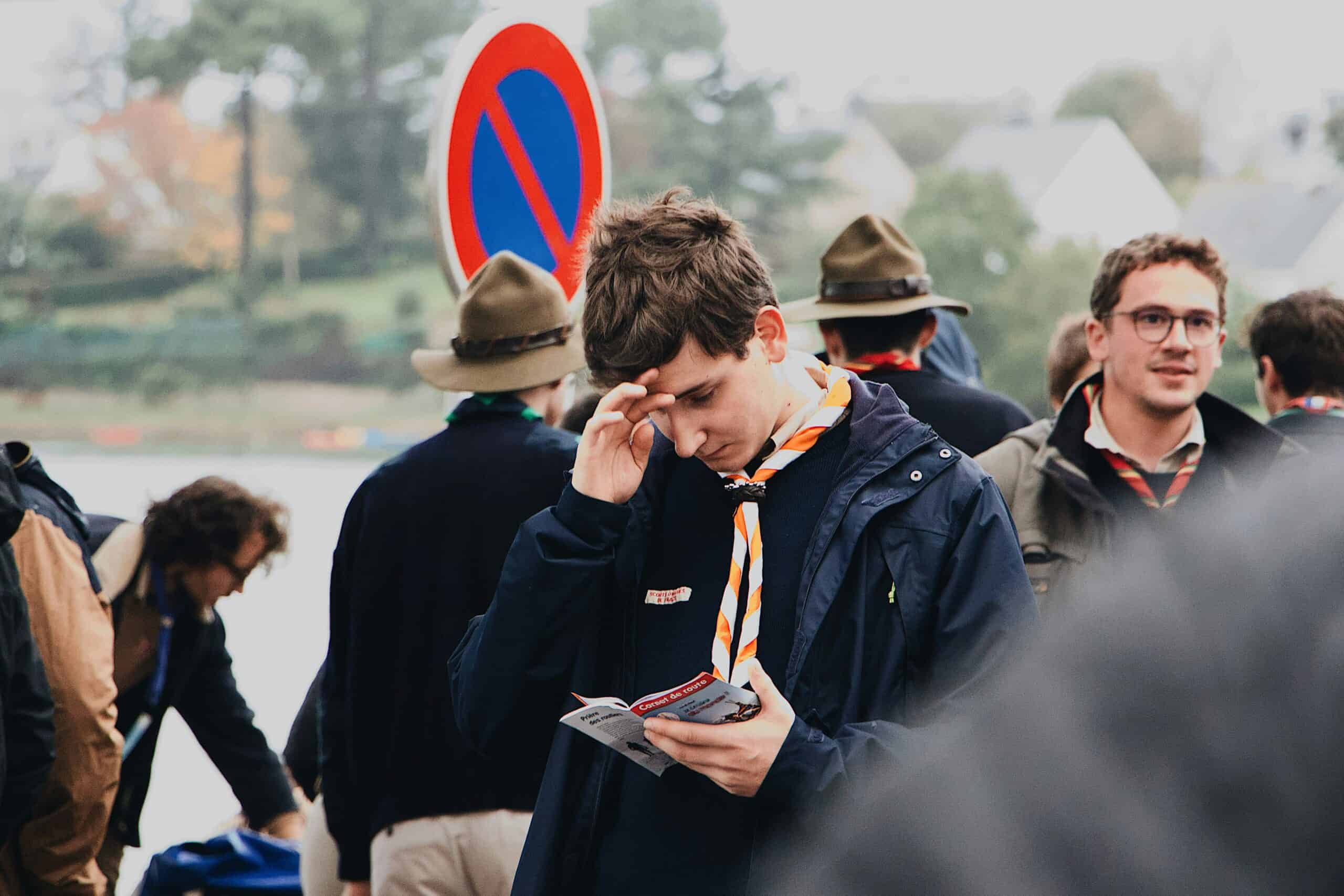
Looking lost or stopping suddenly in busy areas can signal vulnerability more clearly than anything else. Focusing entirely on a phone or map creates a moment where awareness drops completely. Pickpockets watch for this shift because it offers timing and predictability. Stepping aside, pausing in a controlled space, or quickly scanning surroundings before focusing elsewhere keeps awareness intact. It allows exploration to continue without turning attention into an easy opening.