We may earn money or products from the companies mentioned in this post. This means if you click on the link and purchase the item, I will receive a small commission at no extra cost to you ... you're just helping re-supply our family's travel fund.
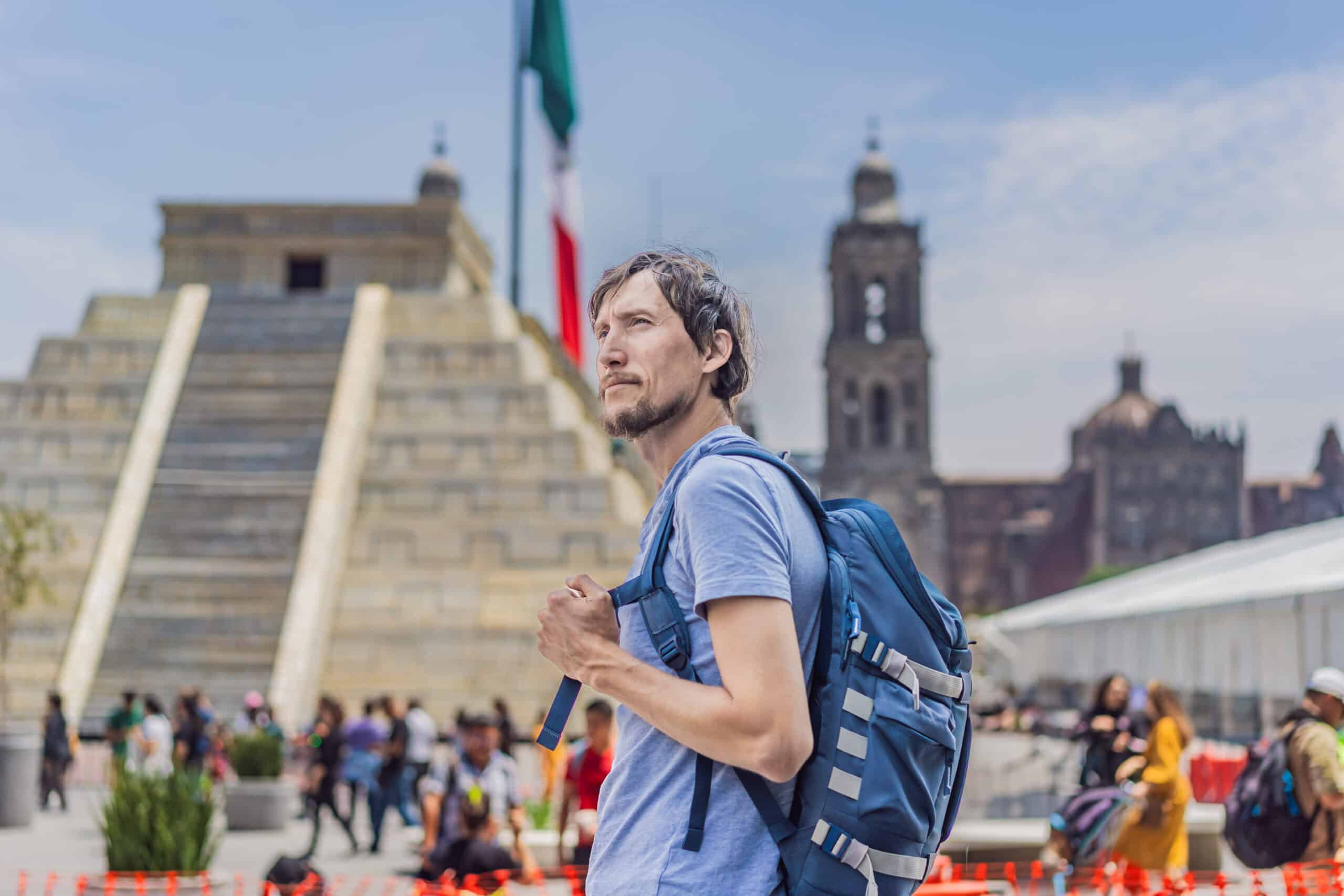
Mexico reveals itself slowly, through everyday rituals, layered history, and a rhythm that does not rush to accommodate outsiders. Its cities, coastlines, and towns each carry their own pace, shaped by culture and community. Visitors who arrive with curiosity tend to settle into that flow, while those who move too quickly often miss what matters. Small choices, how someone speaks, observes, or reacts, shape the entire experience. Respect and awareness do more than prevent mistakes, they open the door to something far more real and memorable.
Ignoring Local Customs and Social Norms

Courtesy is not a formality in Mexico, it is part of how daily life works. Skipping greetings, speaking abruptly, or treating interactions as purely functional can come across as cold. A simple buenos días or a brief pause before making a request sets a different tone entirely. Conversations tend to begin with acknowledgment before moving into purpose. Visitors who match that rhythm find exchanges smoother and more genuine. It is not about following strict rules, it is about showing basic respect in a way that feels natural to the people who live there.
Drinking Tap Water Without Checking
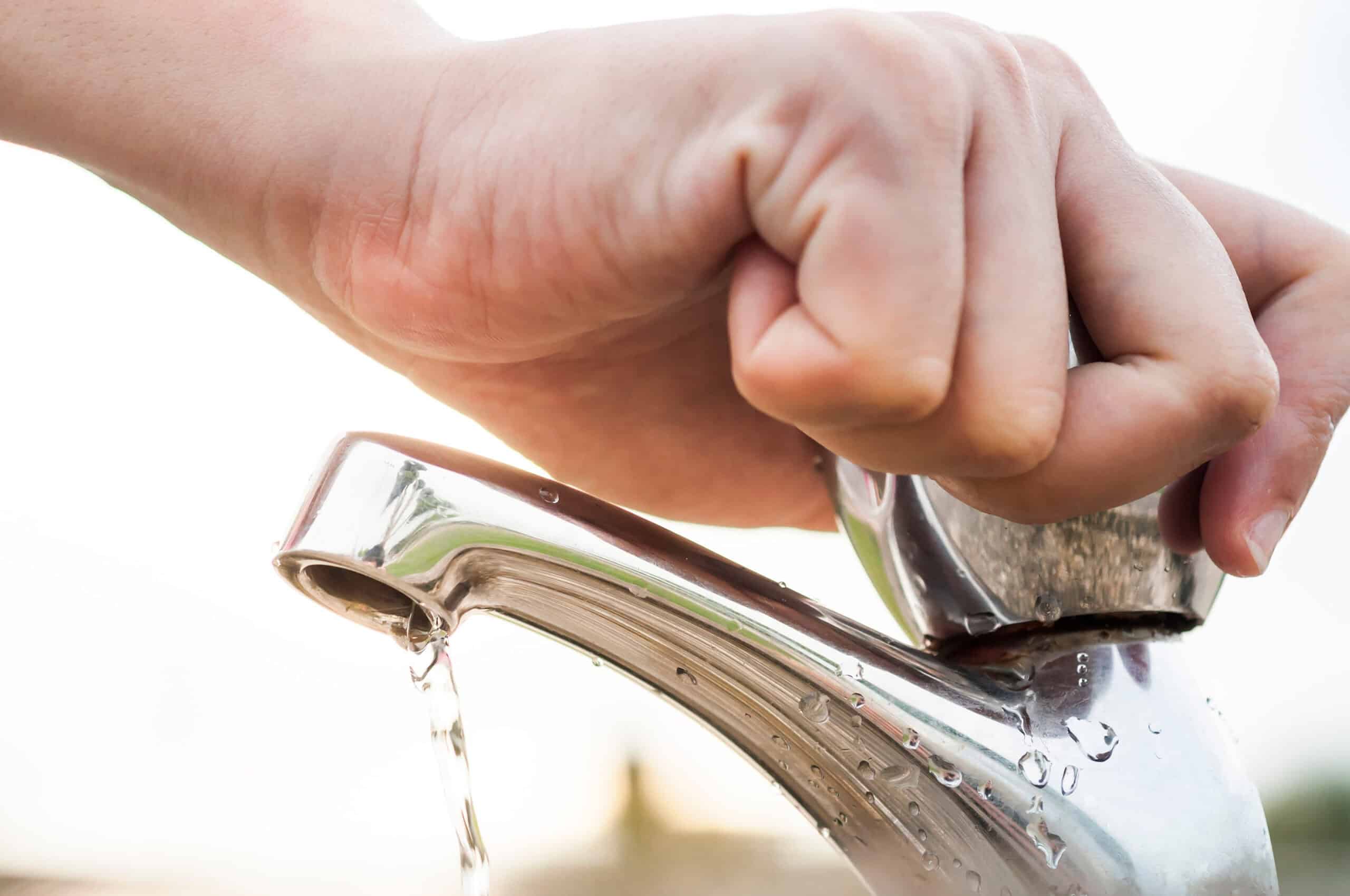
Water safety depends heavily on location, and assuming it is the same everywhere can lead to avoidable problems. In many areas, tap water is not treated for direct consumption, even if it looks clear. Ice, raw produce, or brushing teeth with untreated water can sometimes cause discomfort for travelers. Bottled or filtered water is widely available and easy to rely on. Paying attention to what locals use is often the simplest guide. A small adjustment here prevents disruptions and keeps the focus on enjoying the experience rather than recovering from it.
Disrespecting Religious and Cultural Sites
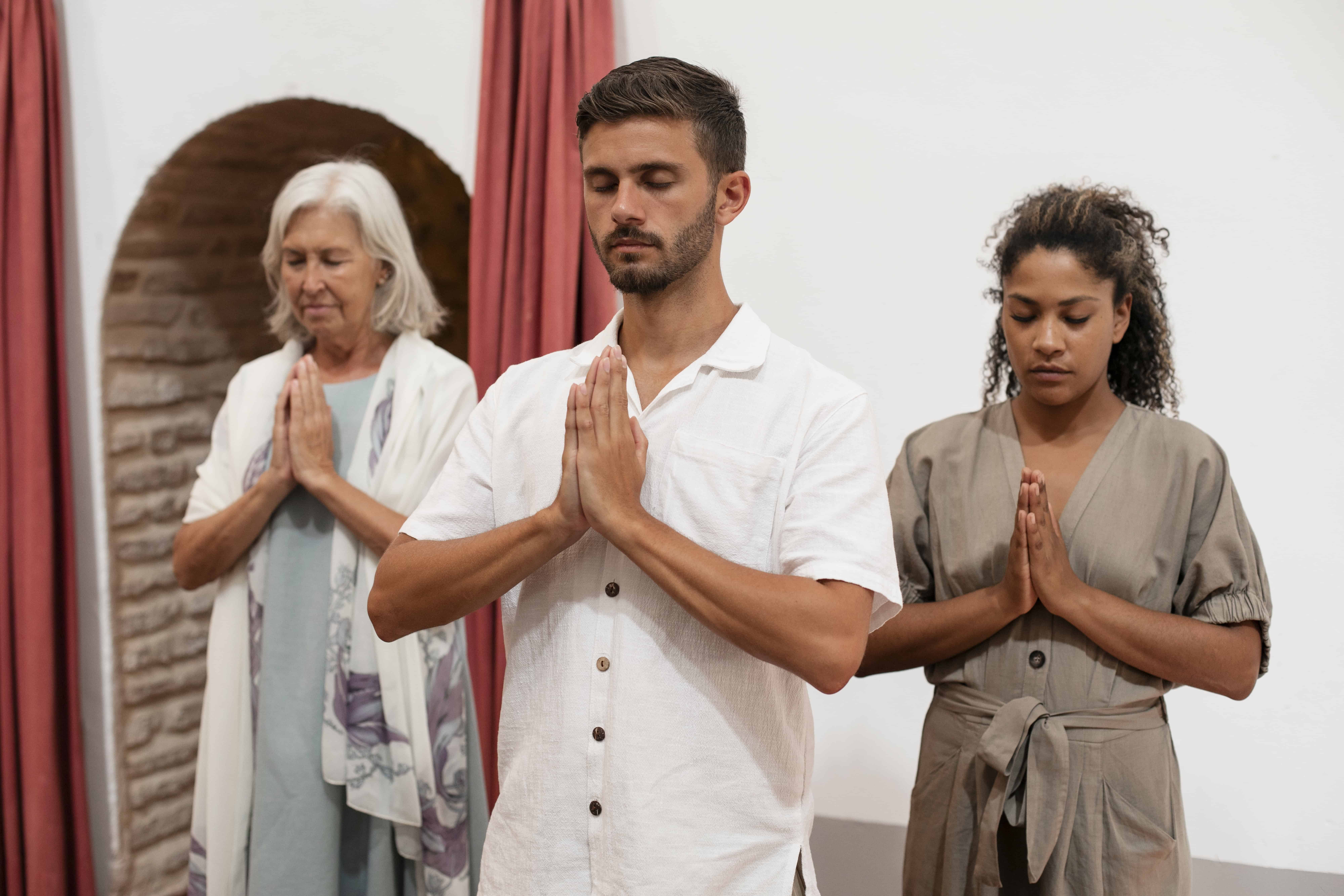
Sacred places carry meaning that goes beyond their appearance, whether in small churches or historic landmarks like Chichén Itzá. Loud behavior, ignoring posted rules, or treating these spaces as casual photo spots can feel intrusive. Many are still active centers of worship or identity, not just attractions. Respect shows in small ways, how someone dresses, moves, and observes boundaries. These places do not require silence, but they do require awareness. When approached with care, they offer a deeper sense of connection than any quick visit can provide.
Assuming Everyone Speaks English
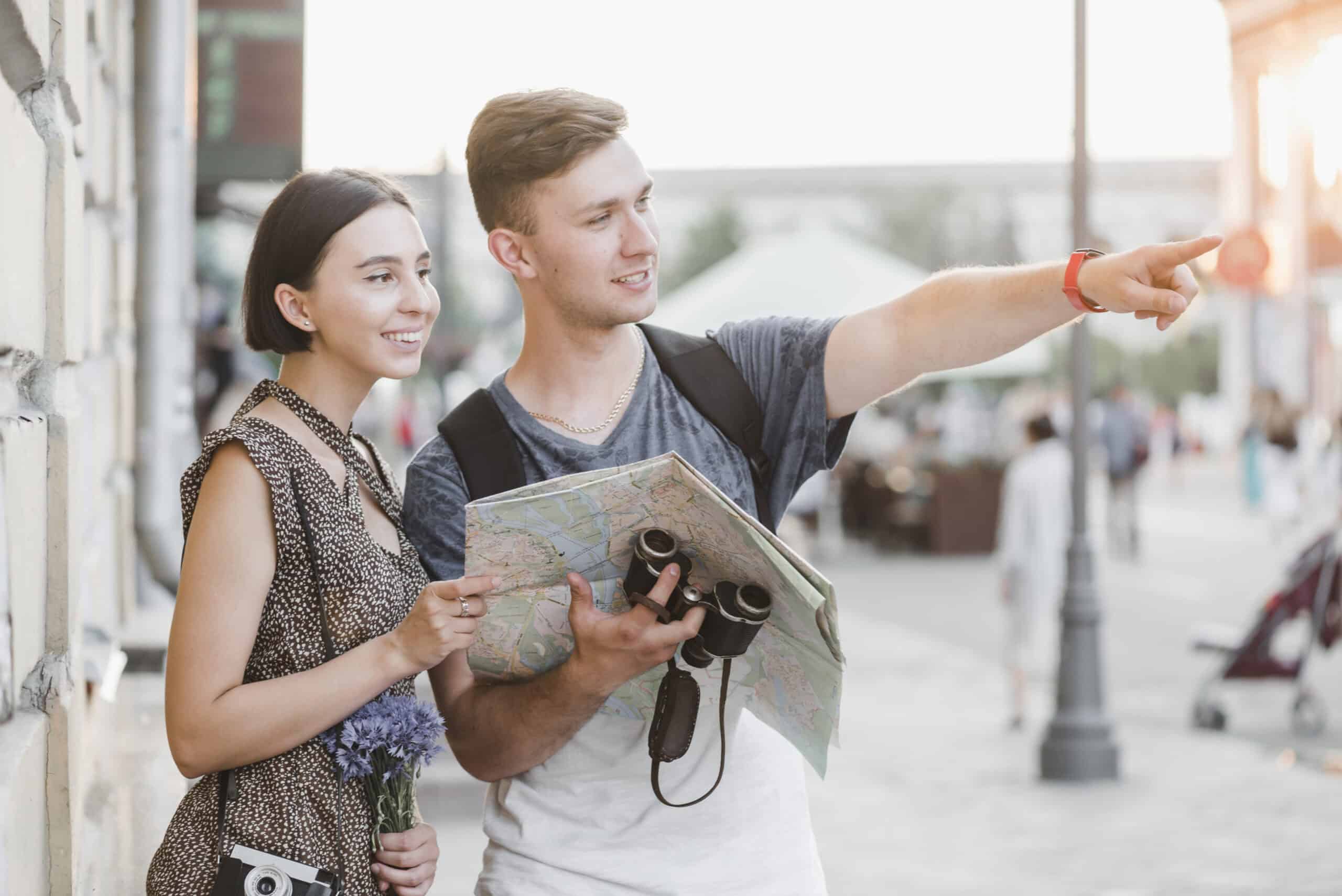
English appears often in tourist areas, but outside those zones, Spanish shapes daily communication. Expecting people to switch languages can create distance, even in simple exchanges. A few basic phrases in Spanish shift the tone immediately, showing effort and openness. It changes how conversations unfold and how people respond. Fluency is not the goal, willingness is. That small effort often leads to warmer interactions and a better understanding of the place itself, rather than moving through it on the surface.
Relying Only on Credit Cards

Card payments are common in larger cities, but many smaller businesses still operate on cash. Markets, street vendors, and family-run spots often prefer or require it. Assuming cards will work everywhere can interrupt simple moments, from buying food to paying for transport. Carrying smaller bills keeps things smooth and avoids unnecessary friction. It also supports local vendors who rely on direct transactions. Flexibility here makes everyday interactions easier and keeps attention where it belongs.
Wandering Into Unsafe Areas at Night
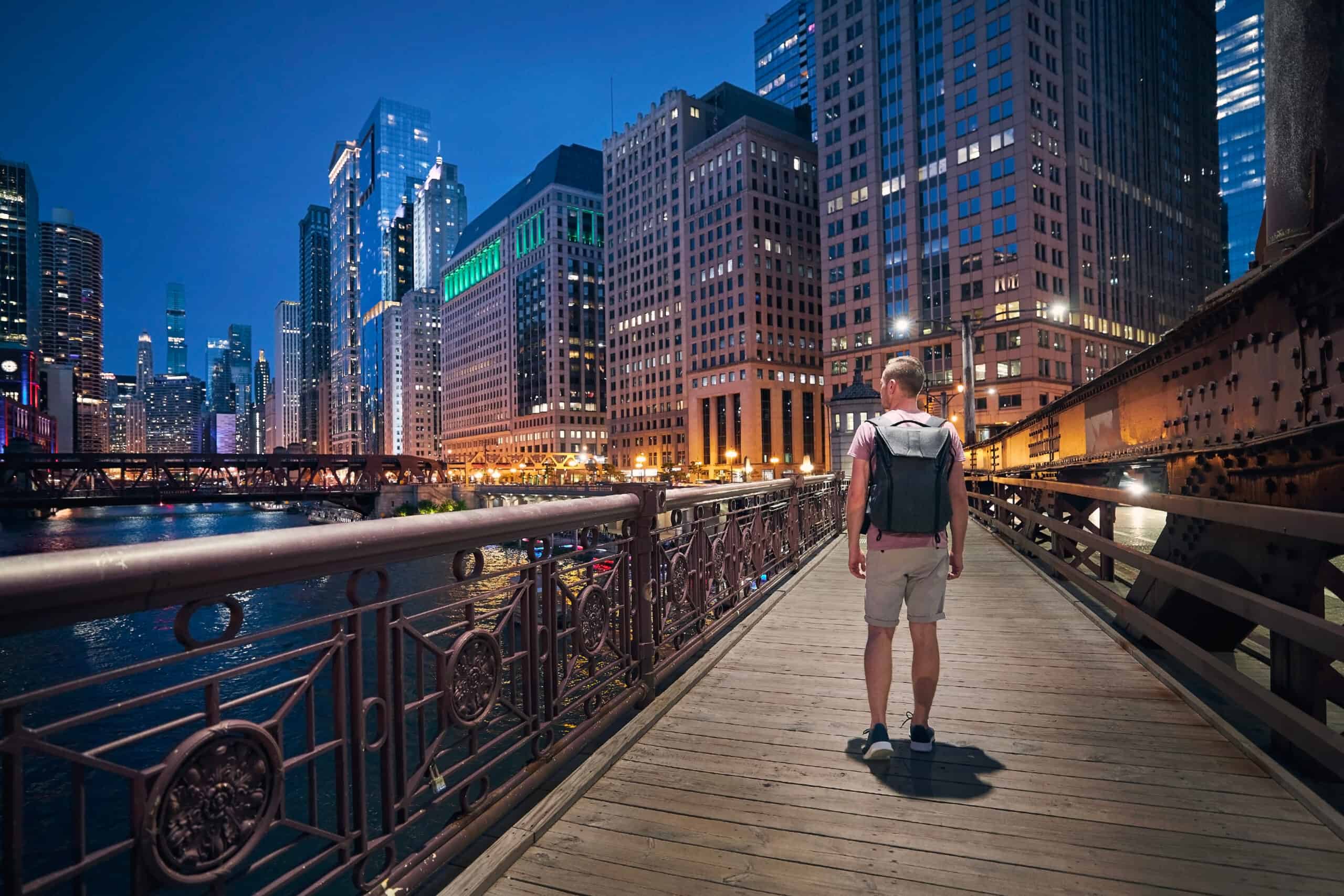
Cities change after dark, and areas that feel lively during the day can shift quickly. Quiet streets, limited lighting, or unfamiliar surroundings increase risk, especially away from main zones. Locals usually know which areas stay active and which do not. Ignoring that knowledge or relying only on maps can lead to poor decisions. Staying in well-lit, populated areas keeps movement predictable. It is not about avoiding exploration, it is about understanding timing and context before stepping into a different environment.
Disrespecting Street Food Hygiene Cues
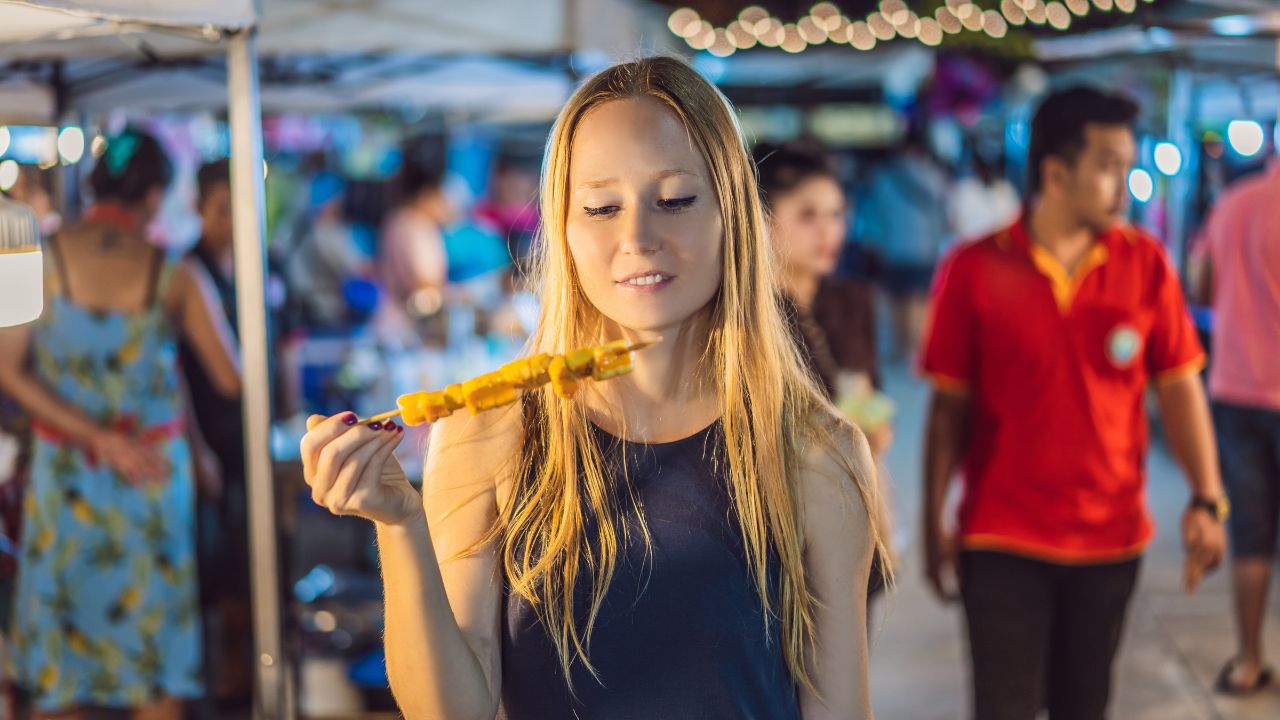
Street food reflects the heart of Mexican culture, but choosing where to eat requires attention. Stalls with steady crowds often signal fresh ingredients and consistent turnover. Watching how food is handled, stored, and prepared offers quick insight into quality. Ignoring those cues can lead to avoidable discomfort. Locals tend to gravitate toward places they trust, and following that pattern is a reliable guide. When chosen carefully, street food becomes one of the most rewarding parts of the experience.
Treating Mexico as a Single Experience
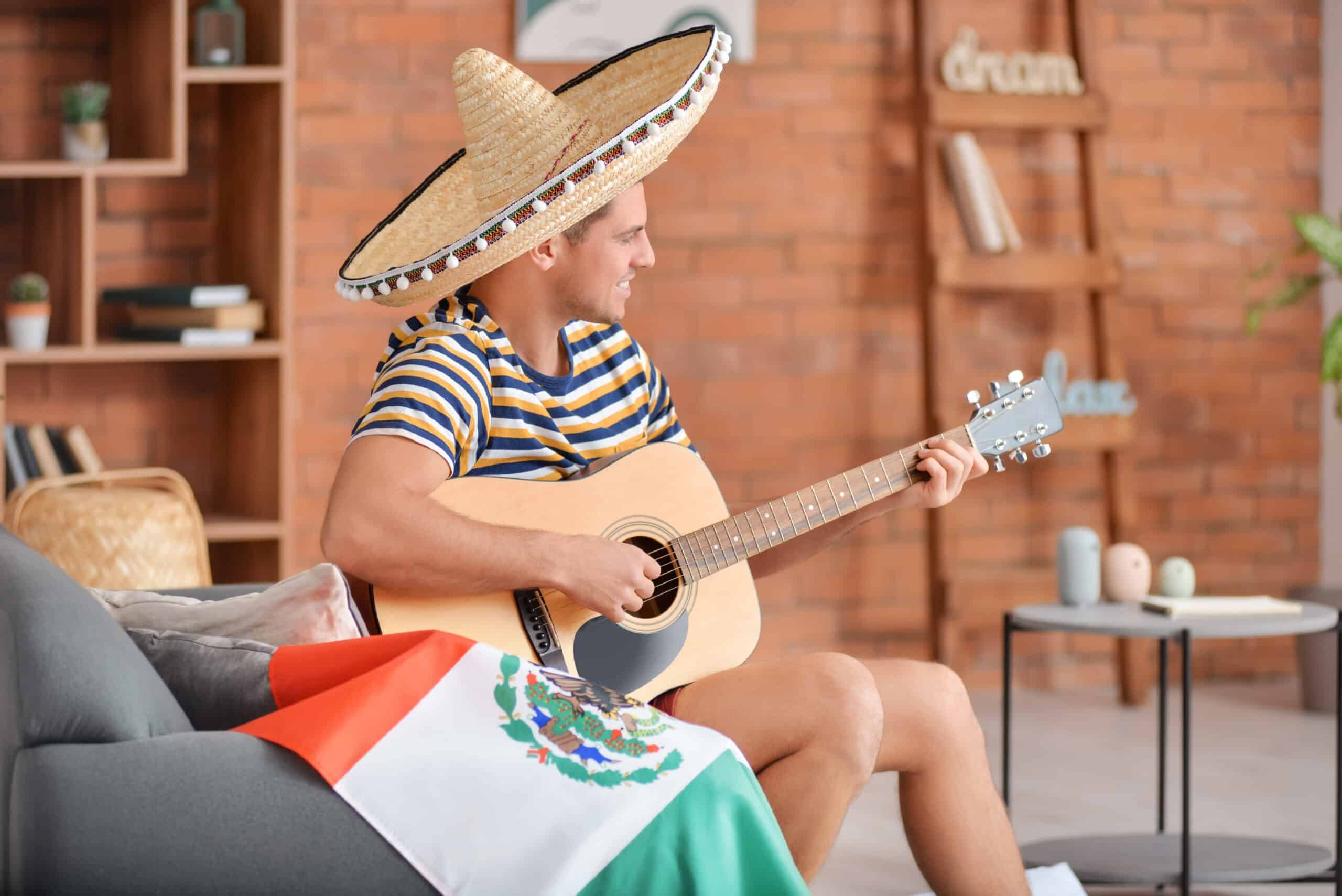
Mexico is not defined by one landscape or one way of life. Coastal towns, mountain cities, and rural regions each carry distinct identities shaped by history and culture. Expecting uniformity flattens the experience and misses what makes each place unique. Taking time to understand local differences reveals more depth in everything, from food to conversation. Letting each place stand on its own terms creates a richer, more grounded journey that feels less like a checklist and more like discovery.