We may earn money or products from the companies mentioned in this post. This means if you click on the link and purchase the item, I will receive a small commission at no extra cost to you ... you're just helping re-supply our family's travel fund.
When major Gulf airports shut down, the world’s most common east west shortcuts disappear overnight. Connections that once took one calm stop can turn into a scramble across unfamiliar terminals, changing visas, and shifting departure boards. The good news is that global air travel has more than one backbone. From the Mediterranean to East Africa, several hubs can rebuild the same journeys with steadier links, clearer backups, and cities worth a pause. These routes favor flexibility and calm over speed, and they keep long trips from feeling like a dead end.
Istanbul Through Türkiye’s Connection Web
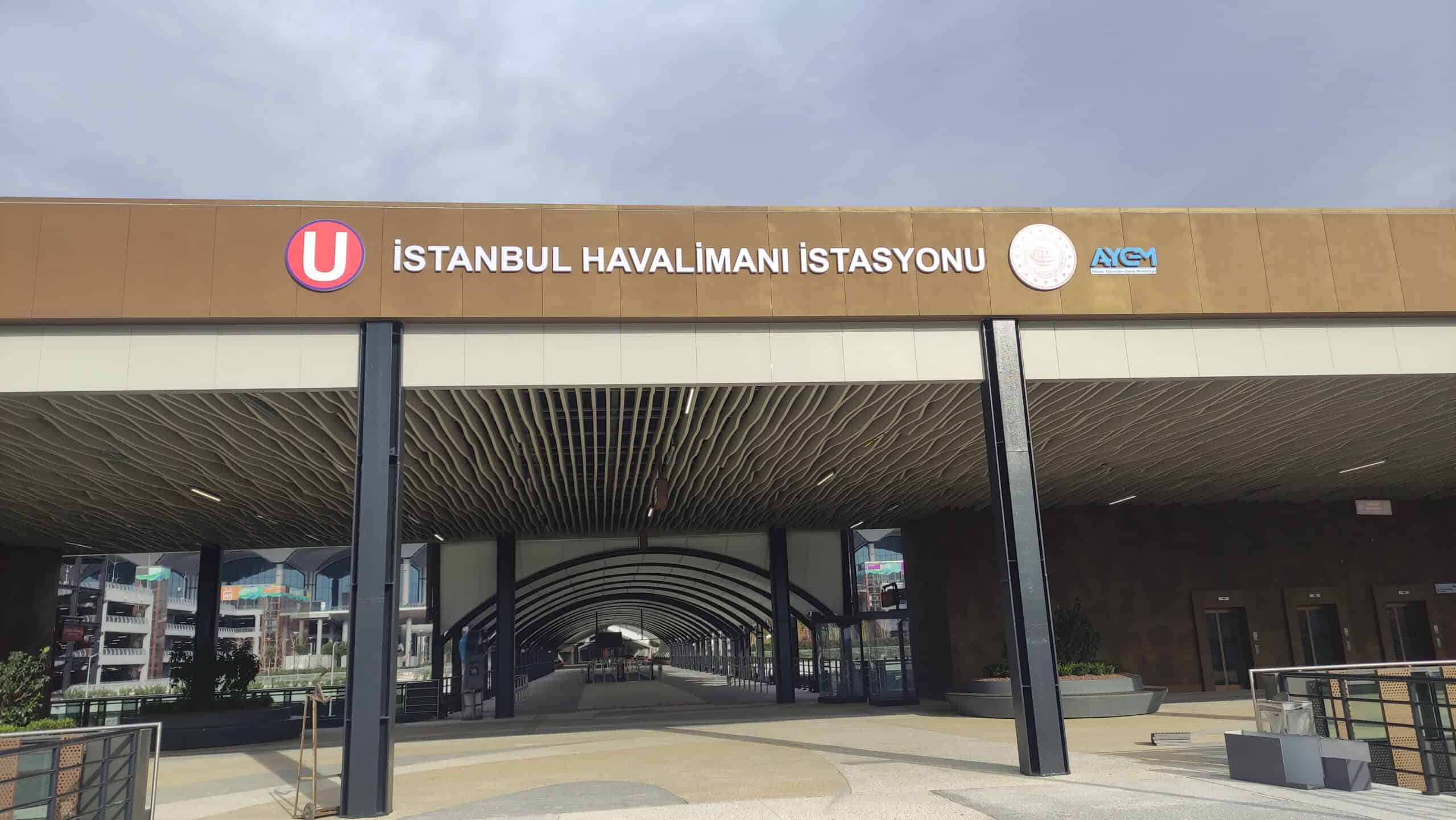
Istanbul works as a high capacity pivot when Gulf banks of flights vanish, with thick schedules into Europe and dependable onward links to Central Asia, the Caucasus, and North Africa. Transfers can be busy, yet the depth of departures creates real escape hatches: later flights on the same route, alternates via nearby capitals, and strong alliance coverage when plans shift. If an overnight appears, the Bosporus ferries, late street food, and a deep hotel supply near transit lines keep the detour feeling controlled rather than desperate. A long layover can still fit a quick walk in Karaköy.
Cairo For Mediterranean And Africa Links
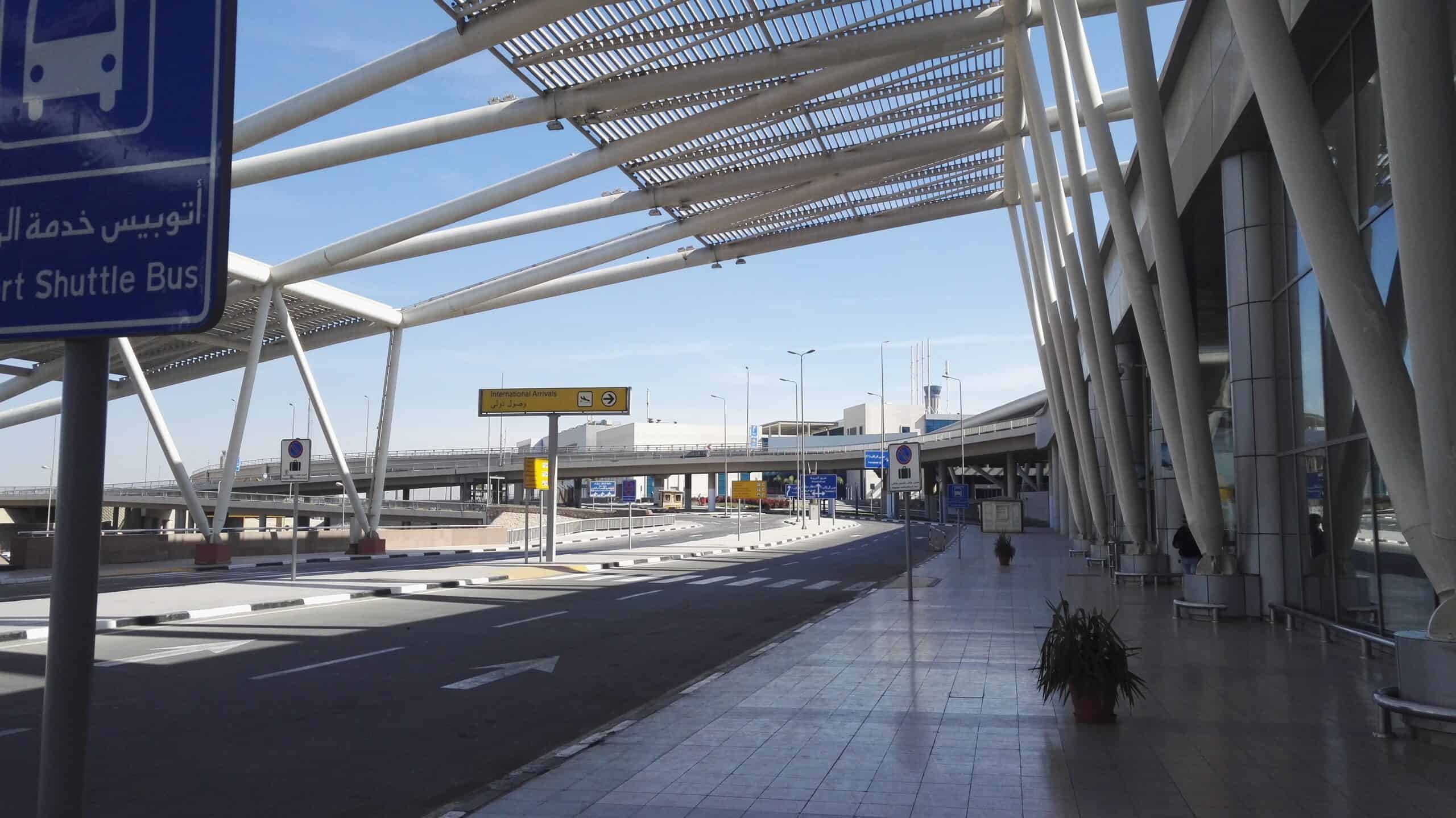
Cairo can rebuild itineraries by stitching Europe, North Africa, and the eastern Mediterranean together, especially when a trip needs more than one regional hop. EgyptAir and partner carriers create workable paths that skirt the Gulf’s busiest corridors, and the city’s broad inventory of midrange hotels helps when a missed connection turns into an overnight with paperwork and meal vouchers. Even short breaks carry texture: the Nile corniche at dusk, the Egyptian Museum’s icons, and the old lanes of Khan el Khalili, plus quick side trips toward Giza or Alexandria if schedules allow.
Amman For Steady Levant Connections
Amman offers a quieter, more predictable connection point when the Gulf’s giant hubs are strained, with Royal Jordanian links into Europe and nearby capitals and useful ties across the region. The airport’s scale often means simpler transfers and fewer terminal surprises, and routings through the Levant can keep journeys moving without betting everything on one massive midnight connection wave. If plans force an overnight, Amman’s café culture, Roman-era sites, and straightforward day trips to Jerash or the Dead Sea give the delay a calm, grounded rhythm that feels human.
Muscat For Gulf Edge Detours
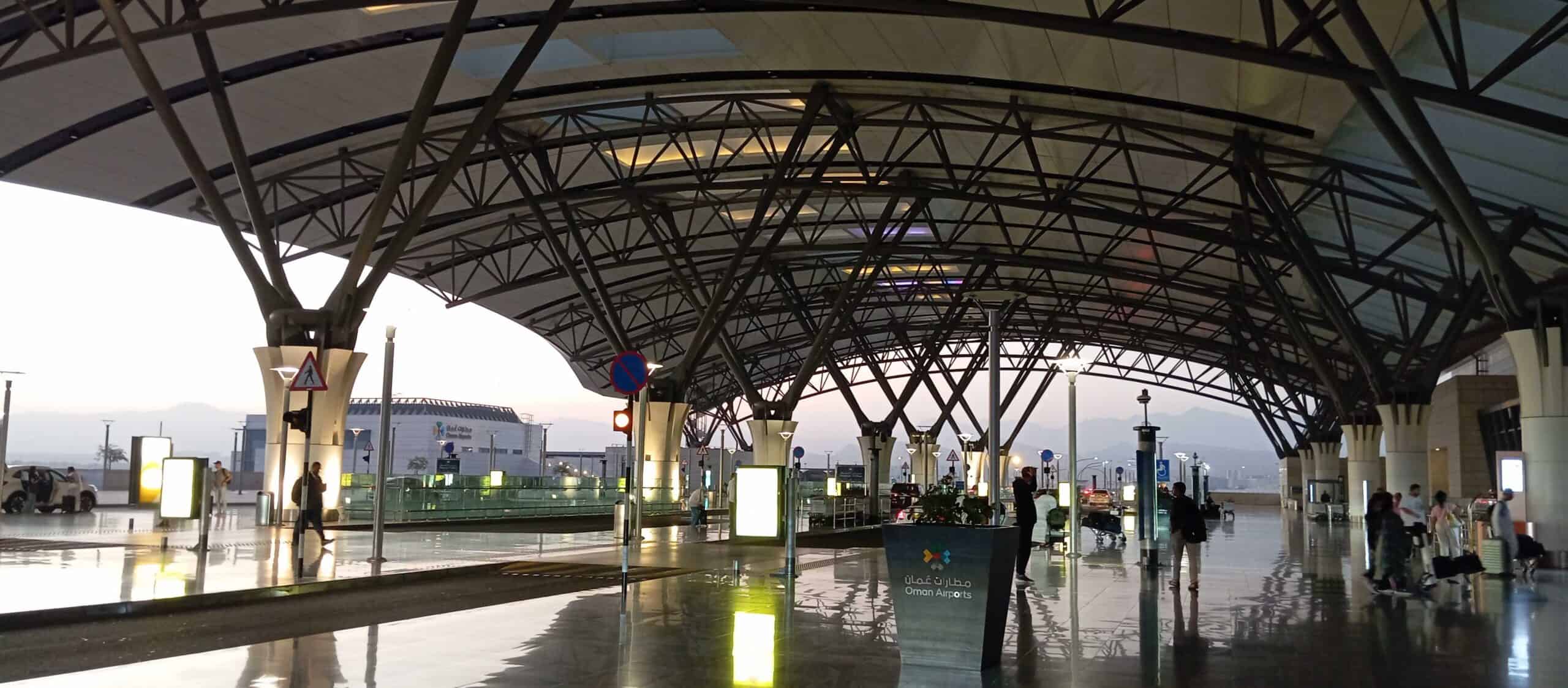
Muscat sits on the edge of the Gulf rather than at its busiest center, and that geography can help when operations tighten across the main hubs. Oman Air’s network is smaller, yet it can still bridge Europe, South Asia, and parts of East Africa with a calmer terminal flow, shorter walks, and less frantic crowding when hundreds of travelers are rebooked at once. If a delay stretches, the Muttrah corniche, the frankincense-scented souq, and the city’s early morning light make the stopover feel restorative rather than draining, with taxis and hotels that usually stay manageable.
Jeddah And Riyadh Via Saudi Gateways

Jeddah and Riyadh can absorb long haul reroutes when Gulf airports close, especially for traffic between Europe, South Asia, and East Africa that needs a dependable mid-journey reset. With large domestic feed and expanding international schedules, these hubs can offer multiple daily options on key corridors, plus alternatives via internal connections when a direct flight is full or canceled. Jeddah’s Al-Balad and Red Sea promenade add atmosphere during an unplanned stop, while Riyadh’s museums, markets, and wide boulevards provide a grounded counterpoint to the travel scramble.
Addis Ababa For Africa First Connections

Addis Ababa is a smart pivot when the safest move is to swing south, linking Europe and the Americas into East Africa and onward to the Indian Ocean and parts of Asia. Ethiopian Airlines runs a connection-driven hub that can bypass the most pressured Middle East corridors, trading one fragile choke point for steadier skies and more rerouting flexibility when schedules reshuffle. Short stays carry their own warmth: coffee ceremonies, highland air, and a city that feels both historic and fast-changing, which helps the extra miles feel purposeful rather than punitive.
Nairobi For Indian Ocean And East Africa Hops
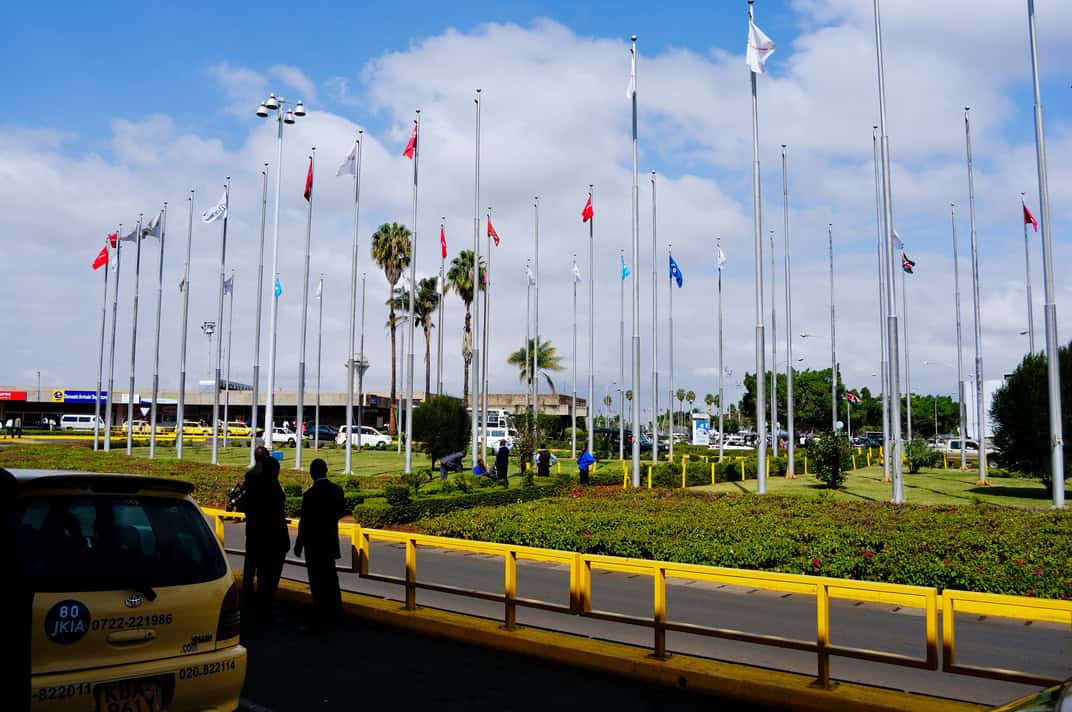
Nairobi can replace Gulf transfers for trips that touch East Africa or the Indian Ocean, with connections that can branch toward Zanzibar, Mauritius, or the Seychelles without funneling through one mega-airport. Kenya Airways and partner networks make it easier to rebuild an itinerary in smaller pieces, so a canceled leg does not necessarily wipe out the entire plan, and alternates can be stitched through regional capitals. Even a surprise overnight feels less bleak with Nairobi National Park on the city’s edge, serious coffee, and hotels built for 5 a.m. departures and late-night arrivals.
European Mega-Hubs For Two-Step Rebuilds
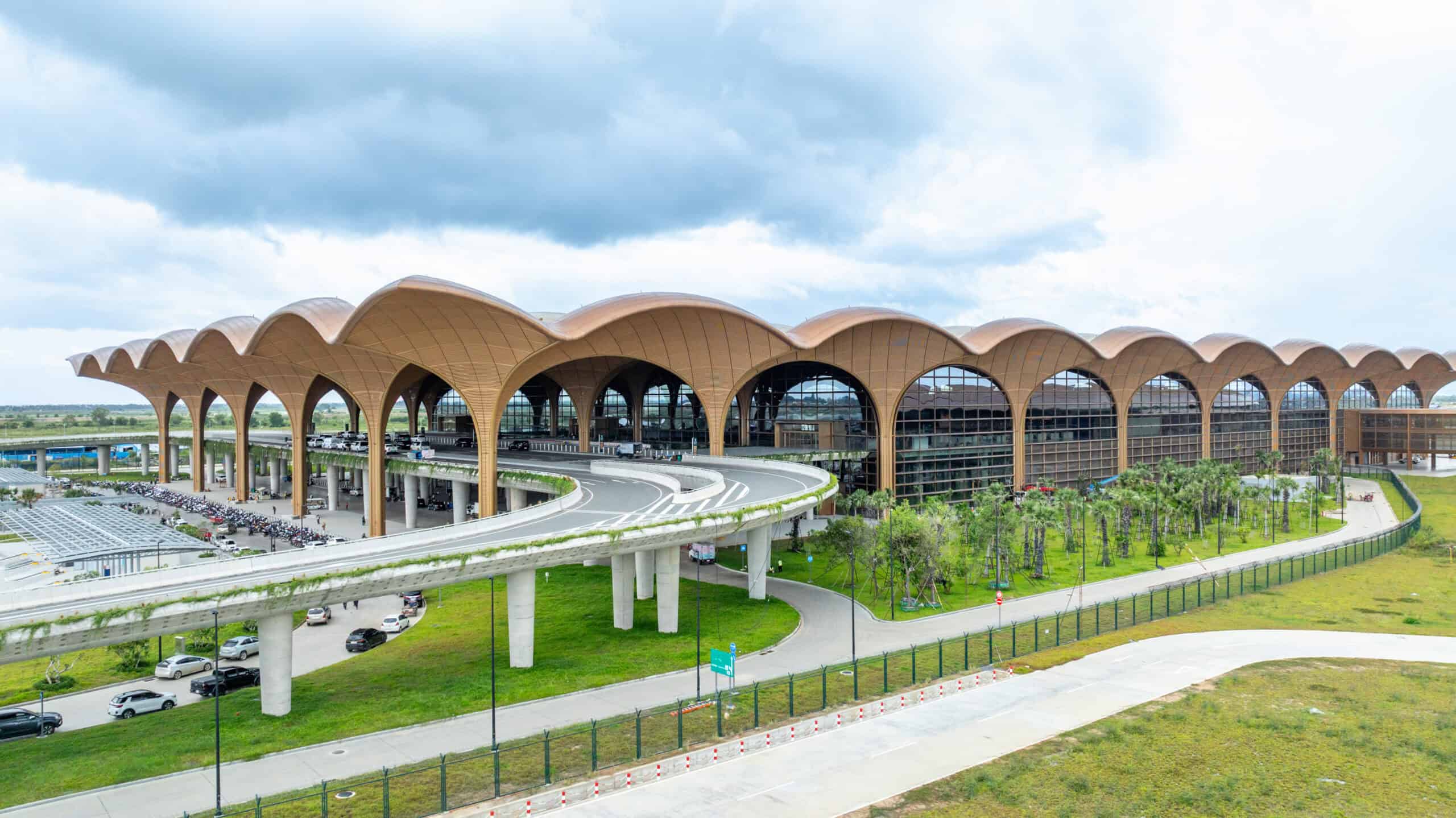
When Gulf closures break the usual east to west shortcut, major European hubs can rebuild the trip in two steps, Europe first and then onward to South Asia or Southeast Asia on dense alliance schedules. The routing often adds hours, but it restores predictability through high-frequency departures, stronger re-accommodation systems, and clearer backup options when disruptions roll across multiple days. Cities like London, Paris, Frankfurt, and Amsterdam also absorb long connections gracefully, with transit hotels, rail links, and enough culture nearby to make waiting feel like time reclaimed.