We may earn money or products from the companies mentioned in this post. This means if you click on the link and purchase the item, I will receive a small commission at no extra cost to you ... you're just helping re-supply our family's travel fund.
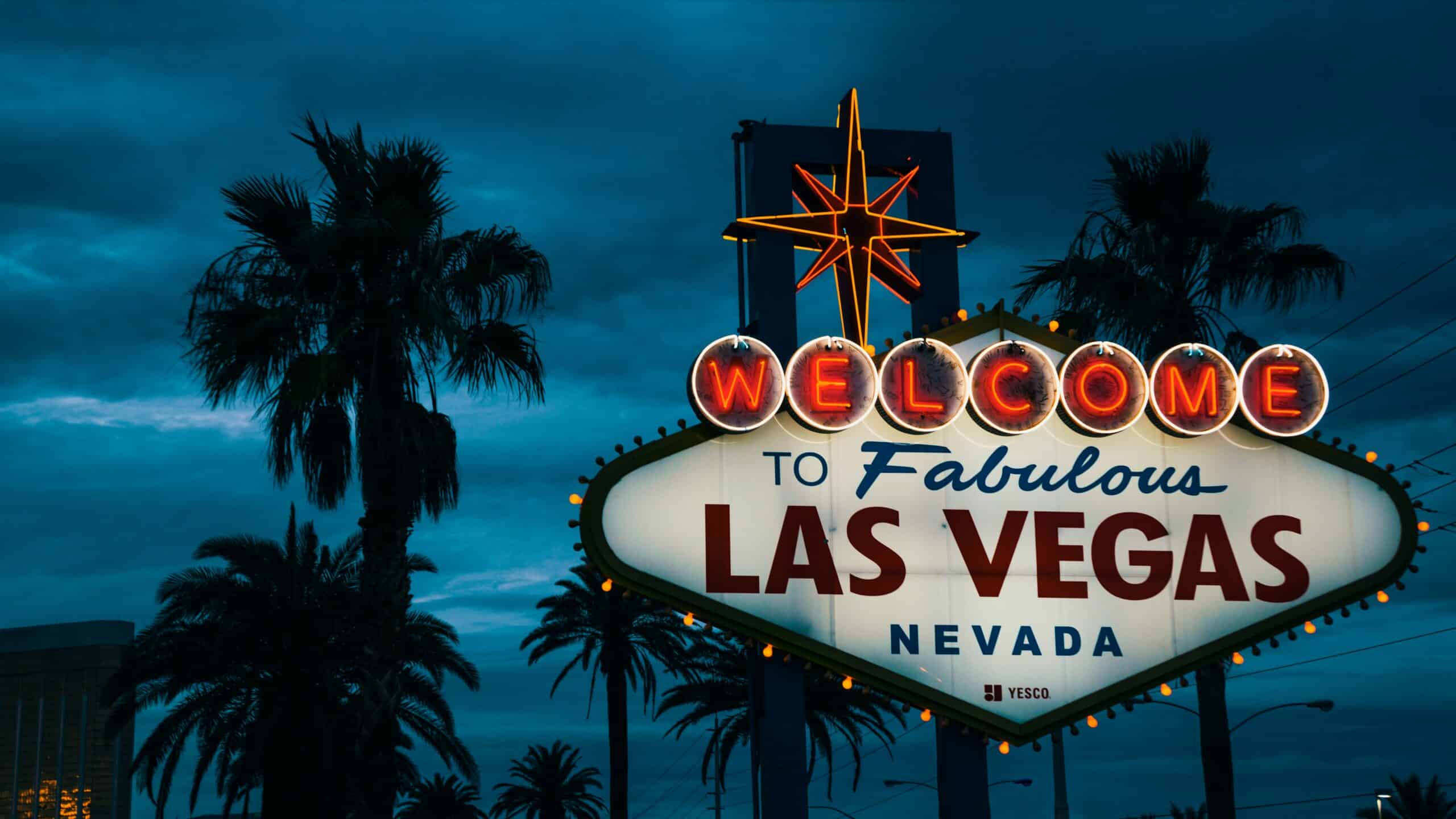
Las Vegas continues to evolve, blending its classic neon identity with newer experiences that feel more layered and intentional. The city is no longer just about casinos or late nights. It moves between spectacle and stillness, where high-energy shows sit alongside quiet desert escapes. In 2026, the appeal lies in contrast. Visitors find themselves shifting between immersive attractions, world-class dining, and moments that feel unexpectedly grounded. The experience is shaped not by one highlight, but by how seamlessly the city moves between excess and escape.
Experience The Las Vegas Strip At Night
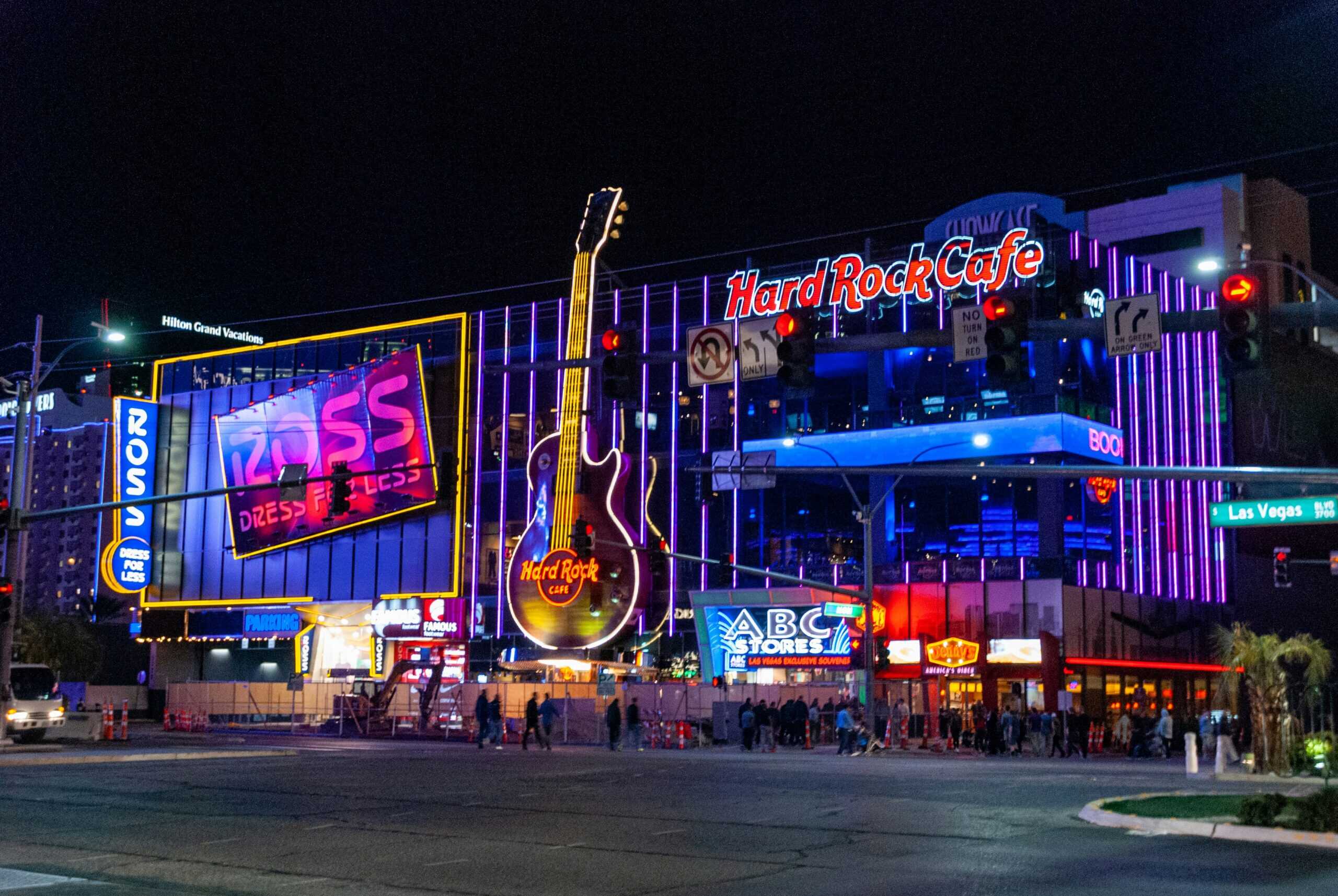
The Las Vegas Strip remains the city’s defining stretch, but it reveals its full character after sunset. Lights sharpen, crowds grow, and the atmosphere becomes charged with movement and sound. Walking along the Strip offers more than visuals. It becomes a rhythm, where street performers, music, and architecture blend into a continuous experience. The scale can feel overwhelming at first, but that intensity is exactly what gives the Strip its identity, turning a simple walk into something immersive and constantly shifting.
Watch The Fountains Of Bellagio
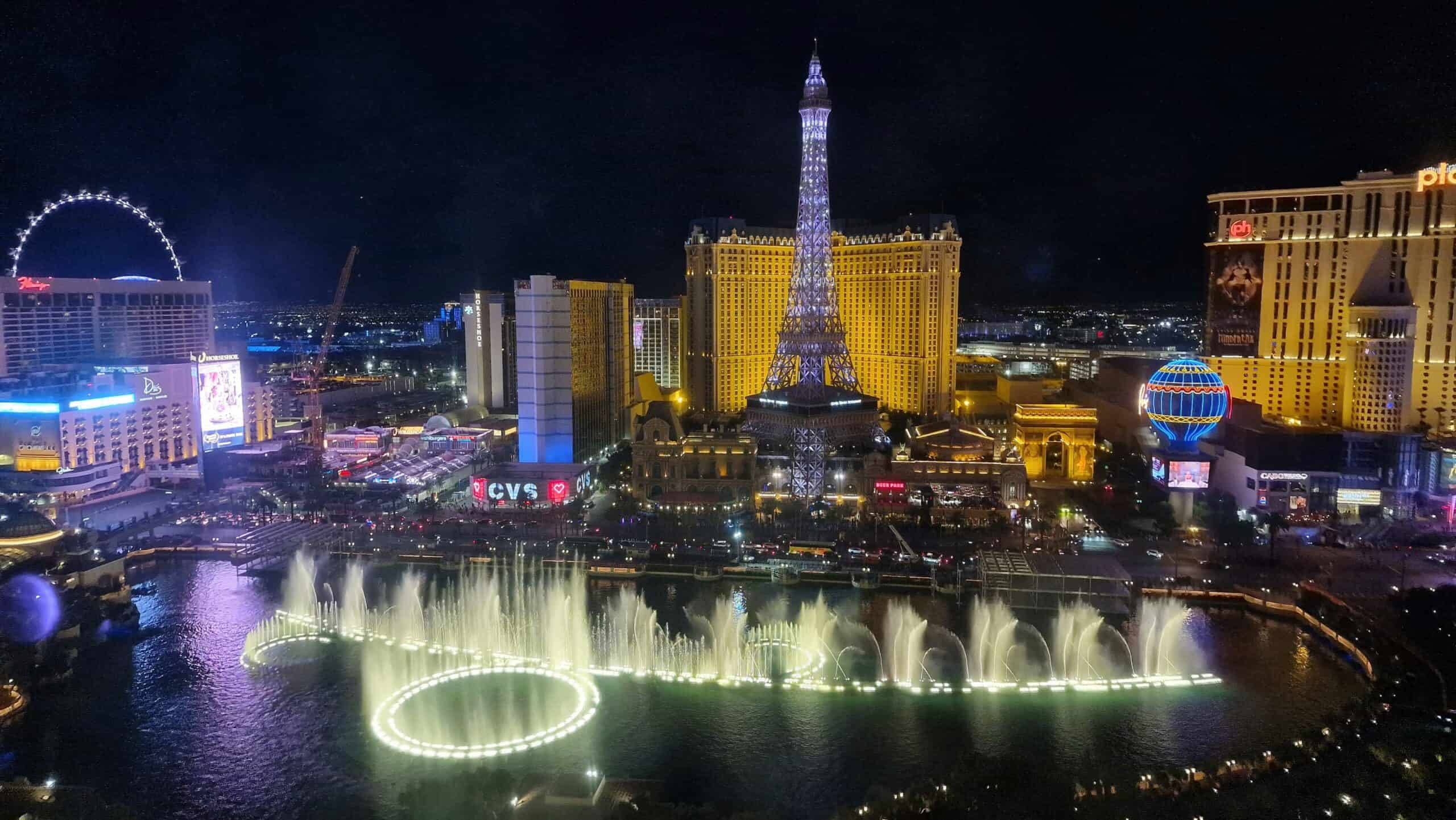
The fountains at Bellagio offer a rare pause in the middle of the city’s constant motion. Water moves in sync with music, creating a performance that feels both precise and fluid. Each show carries a slightly different tone, which keeps it from feeling repetitive even after multiple viewings. Crowds gather quietly, and for a few minutes, attention shifts entirely to the choreography. It is a simple experience, but one that consistently feels grounded and memorable.
Visit The Sphere For Immersive Entertainment
Derrick Treadwell/Unsplash
The Sphere has quickly become one of the most talked-about additions to Las Vegas. Its scale alone is striking, but the real impact comes from the immersive experiences inside. Visuals wrap around the audience, creating a sense of depth that goes beyond traditional screens. Sound, light, and motion work together to build something that feels fully surrounding. It represents a shift in how entertainment is experienced, where the boundary between viewer and environment starts to fade.
Explore Fremont Street Experience
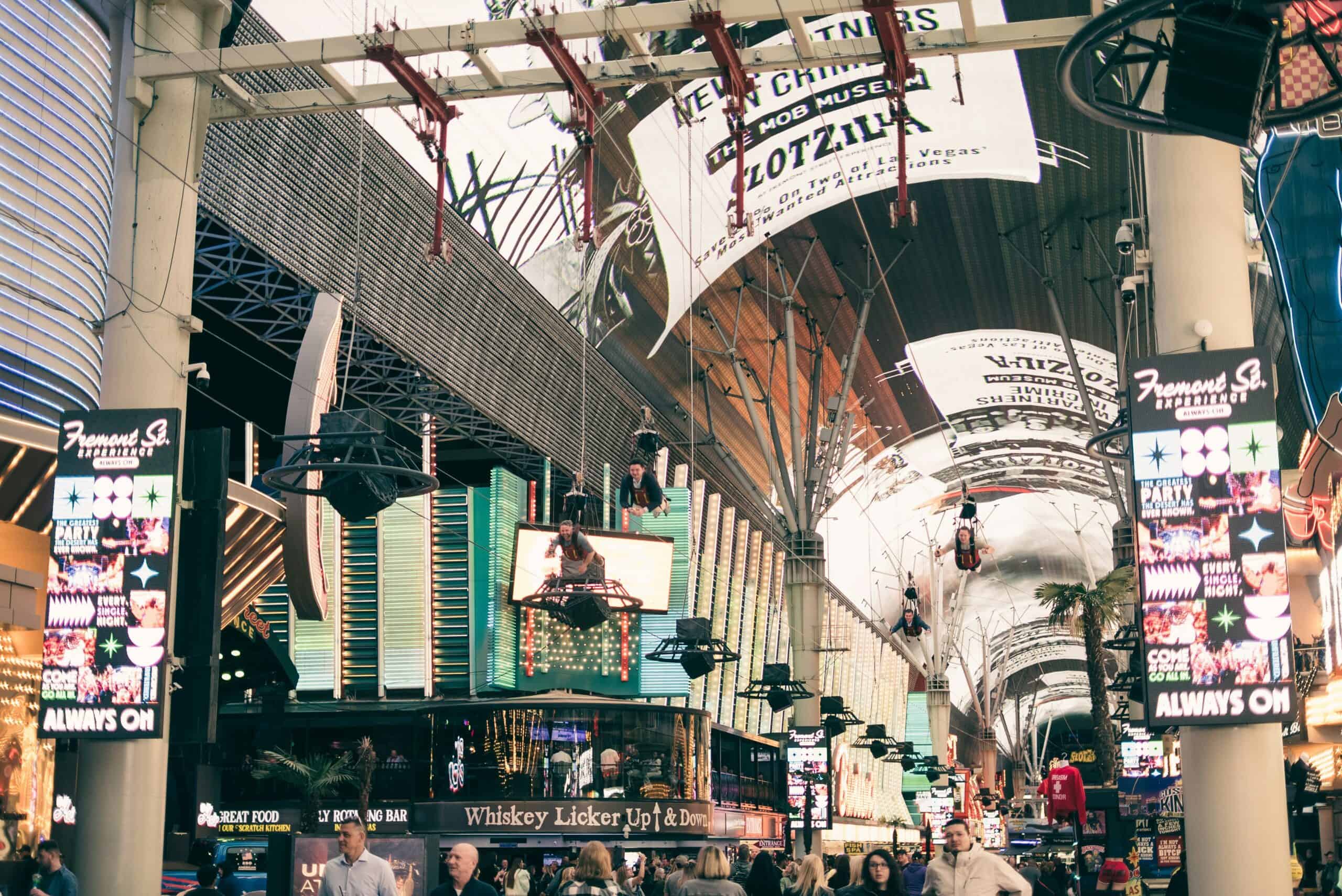
Fremont Street offers a different side of Las Vegas, one that feels more rooted in its history. The covered canopy lights up with digital displays, while live music and street performances create a steady pulse of activity. The energy feels less polished than the Strip, but more immediate and personal. It is a place where older Vegas and modern expression meet, giving visitors a sense of how the city has evolved without losing its original character.
Take A Day Trip To Red Rock Canyon

Just outside the city, Red Rock Canyon provides a sharp contrast to the neon and noise. The landscape opens into wide desert views, with layered red formations that shift in color as the light changes. Hiking trails and scenic drives offer space to slow down and reset. It becomes clear how close Las Vegas is to something much quieter. That balance between city intensity and natural calm is part of what makes the overall experience feel complete.
Dine At World-Class Restaurants
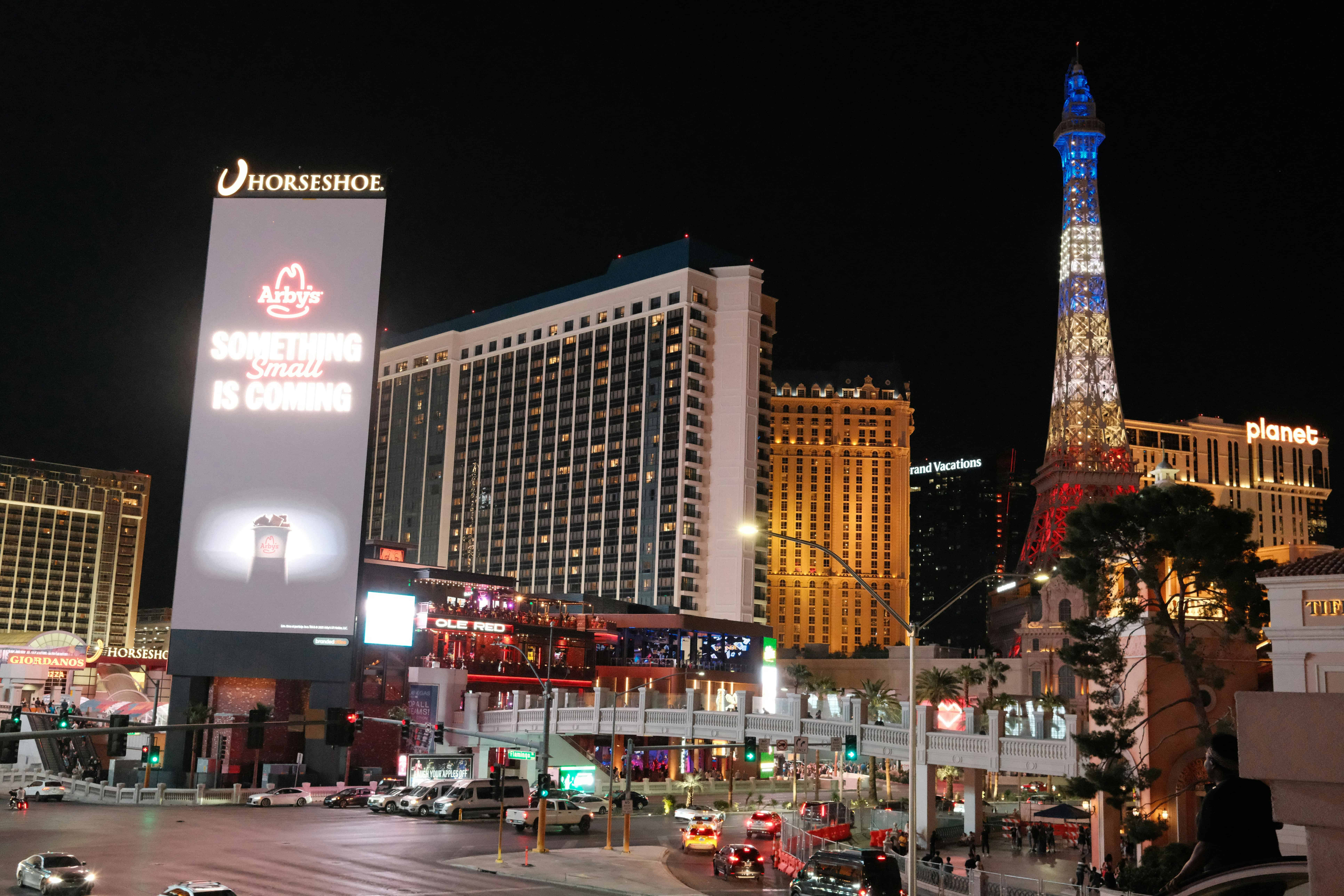
Las Vegas has become a serious destination for food, with chefs from around the world bringing distinct styles into one place. Dining here goes beyond luxury. It is about variety, where a single day can include refined tasting menus and casual local spots. The range keeps the experience flexible and personal. Food becomes part of the rhythm of the city, not just a break from it, adding depth to what might otherwise feel like constant movement.
See A Live Residency Show
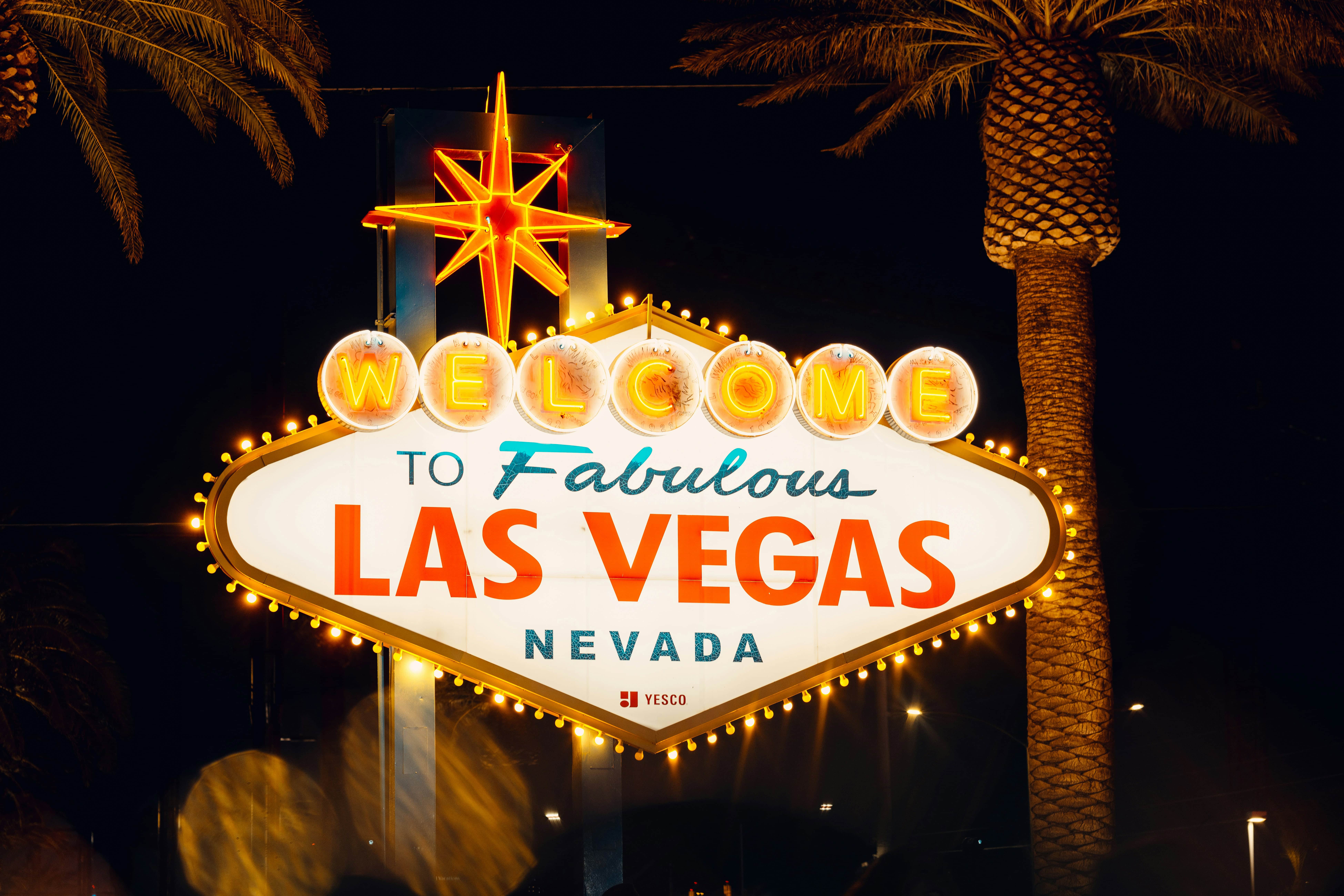
Residency shows remain a core part of Las Vegas culture, but they have grown more refined and creative over time. Artists design performances specifically for the city, which allows for more control over staging and production. The result feels more intimate, even in large venues. Each show carries its own identity, shaped by the artist and the space. It is less about a single performance and more about stepping into a fully realized experience.