We may earn money or products from the companies mentioned in this post. This means if you click on the link and purchase the item, I will receive a small commission at no extra cost to you ... you're just helping re-supply our family's travel fund.
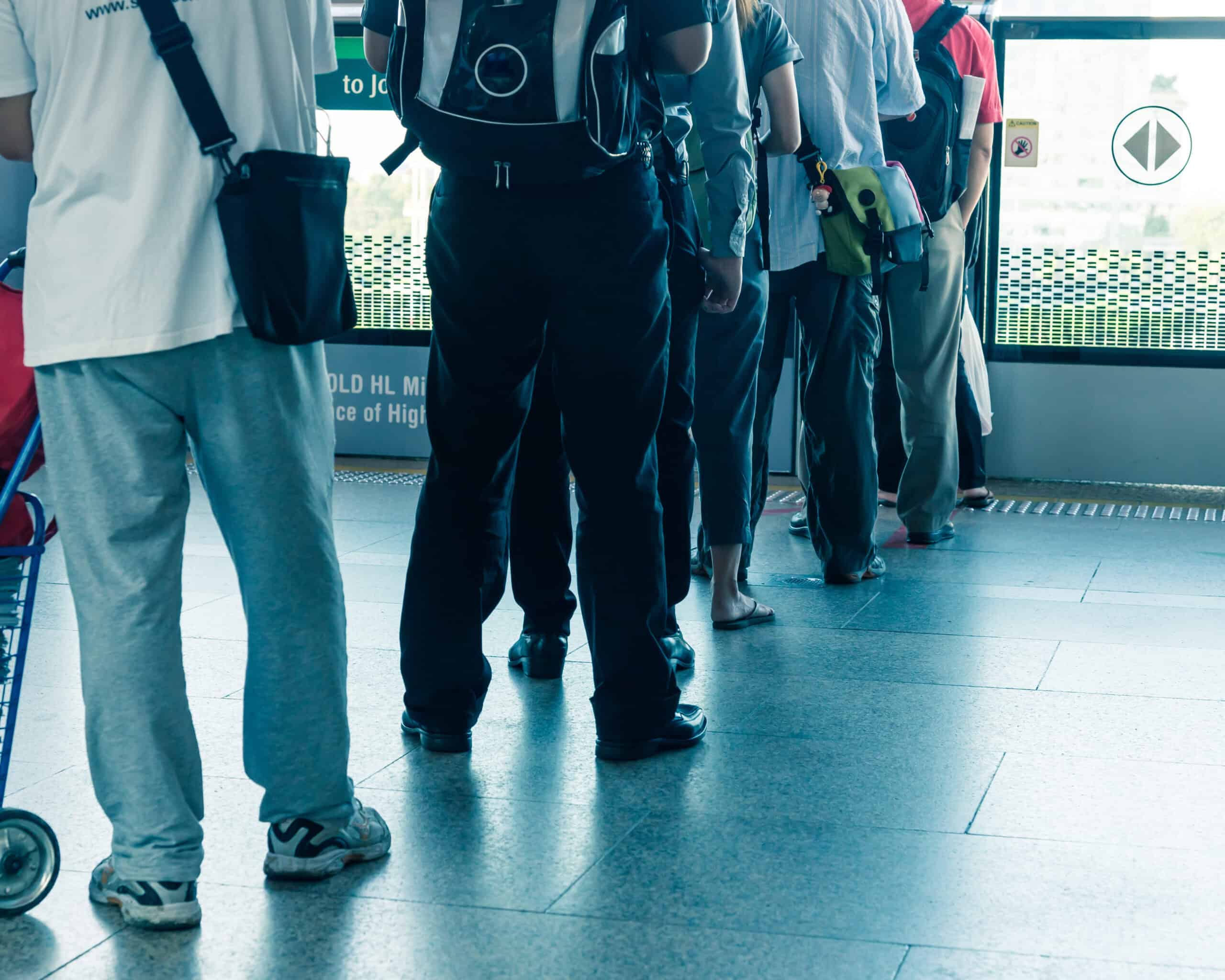
A long security line can drain the ease out of a trip before the gate even comes into view. In March 2026, that stress has become more common as a partial Department of Homeland Security shutdown, rising TSA absences, and heavy spring-break demand have made waits at some U.S. airports far less predictable than usual. AP reports that airport websites and social feeds are the most reliable sources right now, while the MyTSA app can lag because TSA is not actively managing its sites during the shutdown.
George Bush Intercontinental Airport
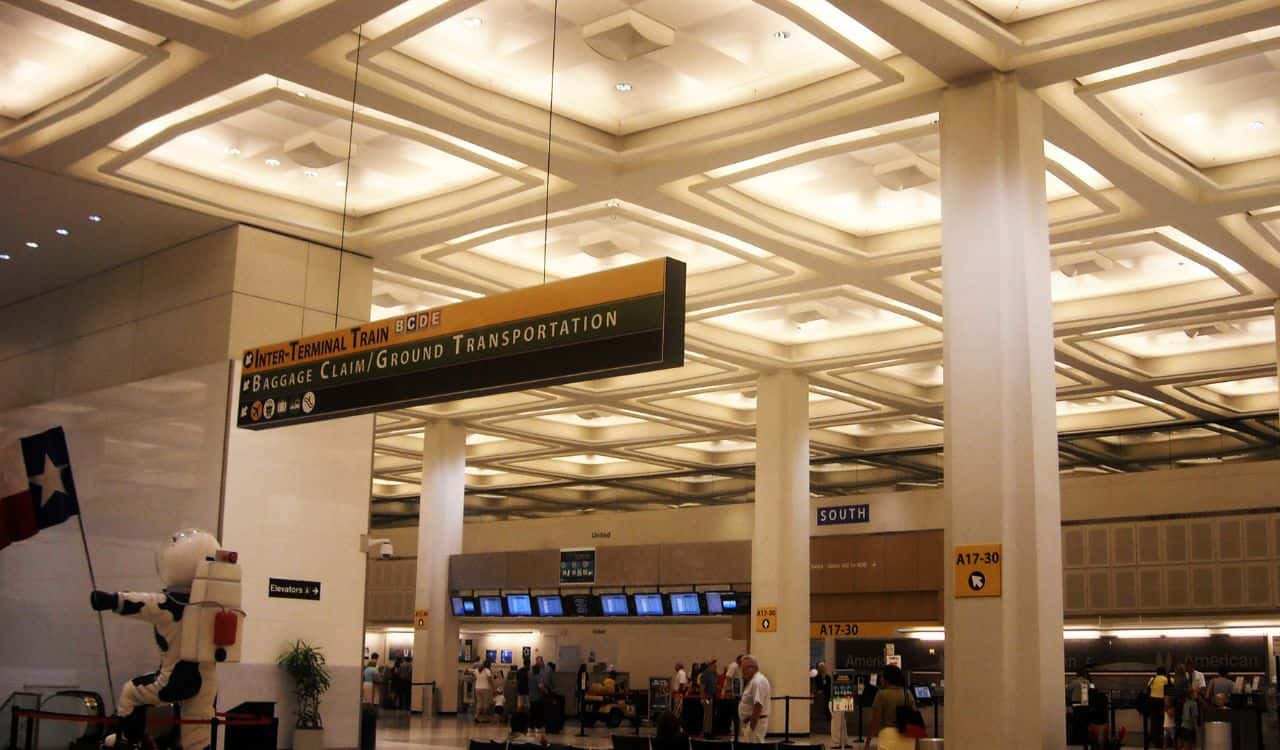
Houston’s Bush Intercontinental is one of the clearest hot spots right now. Reuters said absenteeism was above 30% at both Houston airports on March 20, and CBS reported that IAH’s own website showed waits reaching 120 minutes on Friday morning, while AP described hourslong lines that caused some passengers to miss flights before conditions swung lower later in the day. The best preflight check is IAH’s official security page, which posts live wait times and checkpoint activity, because conditions there are changing too fast for guesswork to feel safe.
Hartsfield-Jackson Atlanta International Airport
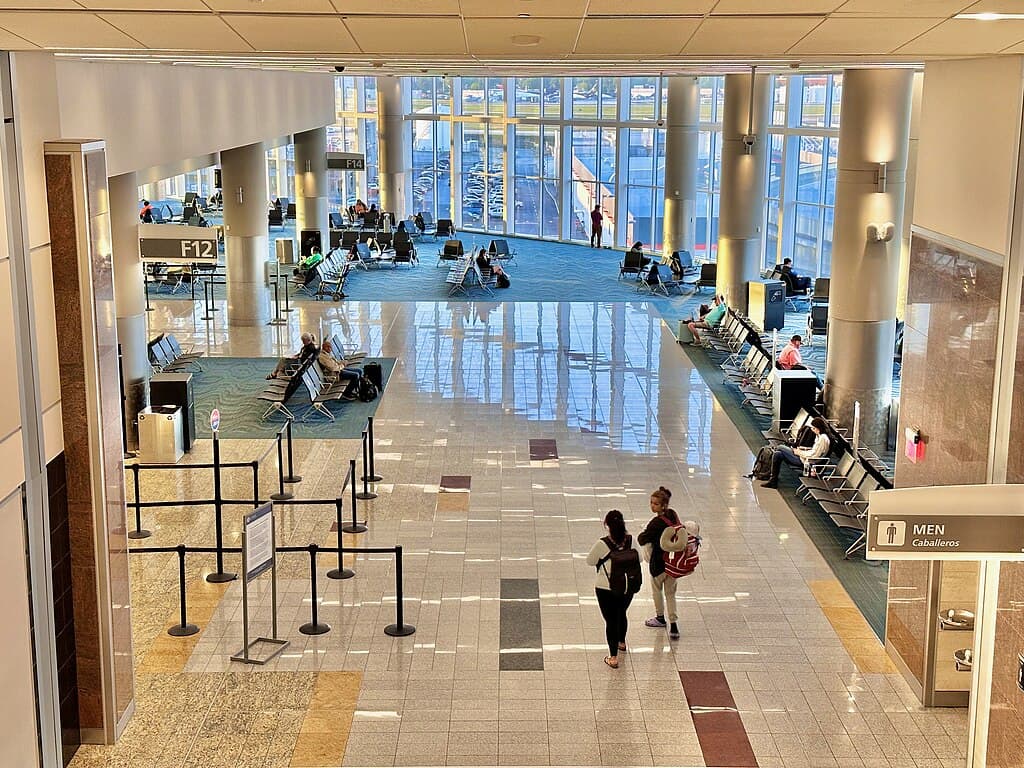
Atlanta has also been repeatedly flagged as one of the roughest places to clear security this week. Reuters said TSA absences hit 32% there on Thursday, Business Insider reported delays of more than 90 minutes on most days this week, and AP said early-morning lines recently ran past an hour even when later conditions eased. The smartest move before leaving home is Atlanta’s official Passenger Security page, which offers real-time, minute-by-minute TSA wait times, then a quick look at the airport’s social feed for same-day checkpoint warnings.
John F. Kennedy International Airport
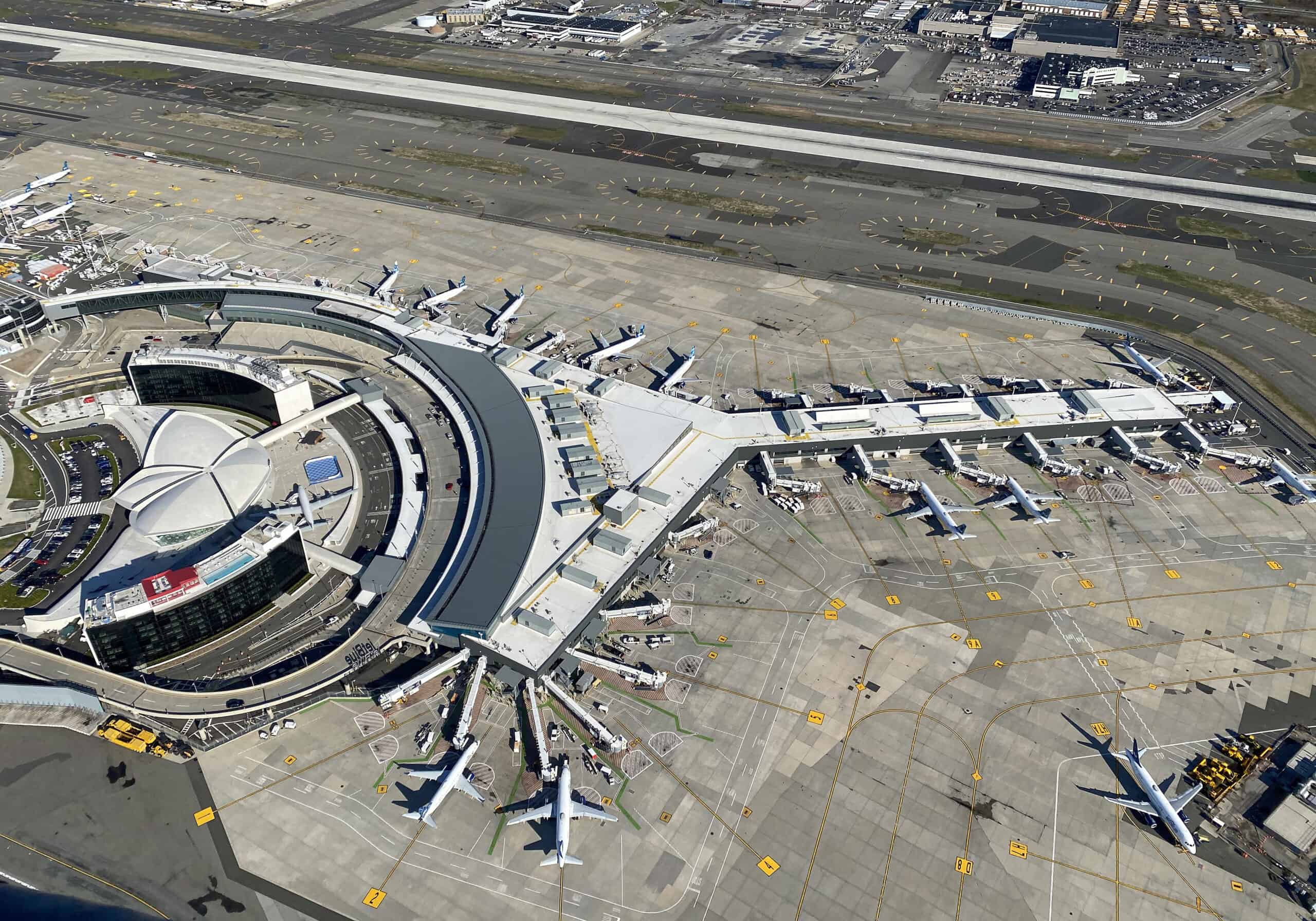
JFK has become one of the most closely watched airports in the current slowdown. Reuters said absenteeism at JFK reached 29% on March 20, the Guardian reported waits exceeding two hours at New York’s JFK, and CBS noted that JFK’s own website warns lines may be longer than usual while posting terminal-by-terminal and lane-by-lane wait times in real time. For travelers trying to read the day before heading out, that airport page is the strongest first stop, with Port Authority travel alerts serving as a useful second check.
Louis Armstrong New Orleans International Airport
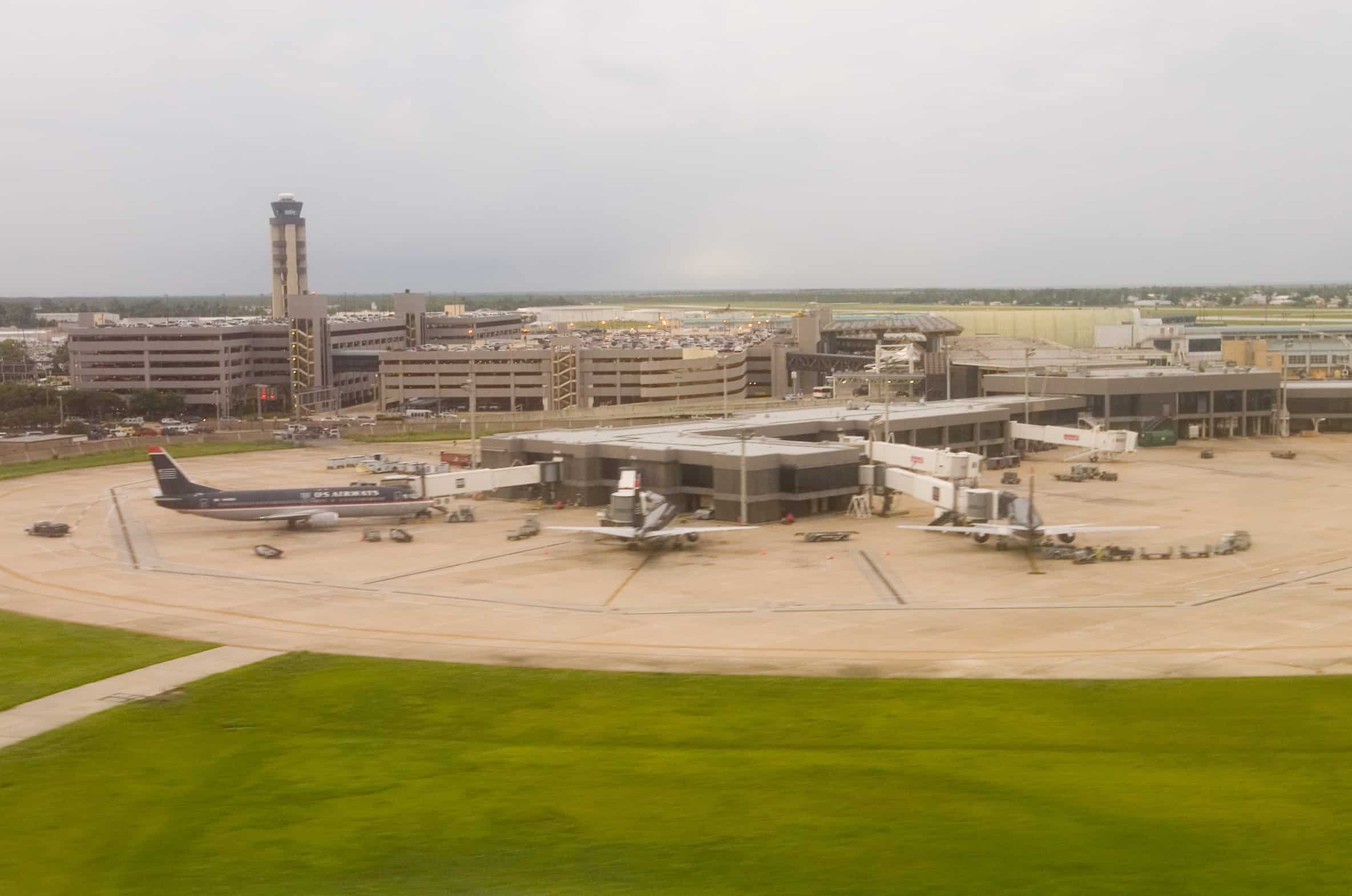
New Orleans has been less visible than Atlanta or Houston, but it is still showing the same warning signs. Reuters said absenteeism hit 27% at New Orleans on Thursday, and AP reported that travelers there were being told to arrive as much as three hours before departure as lines stretched well past an hour at times. MSY’s website points passengers to the MyTSA app, but because AP says airport websites and social accounts are more dependable than MyTSA during the shutdown, checking the airport’s official channels early and often makes more sense than trusting a single estimate.
Austin-Bergstrom International Airport
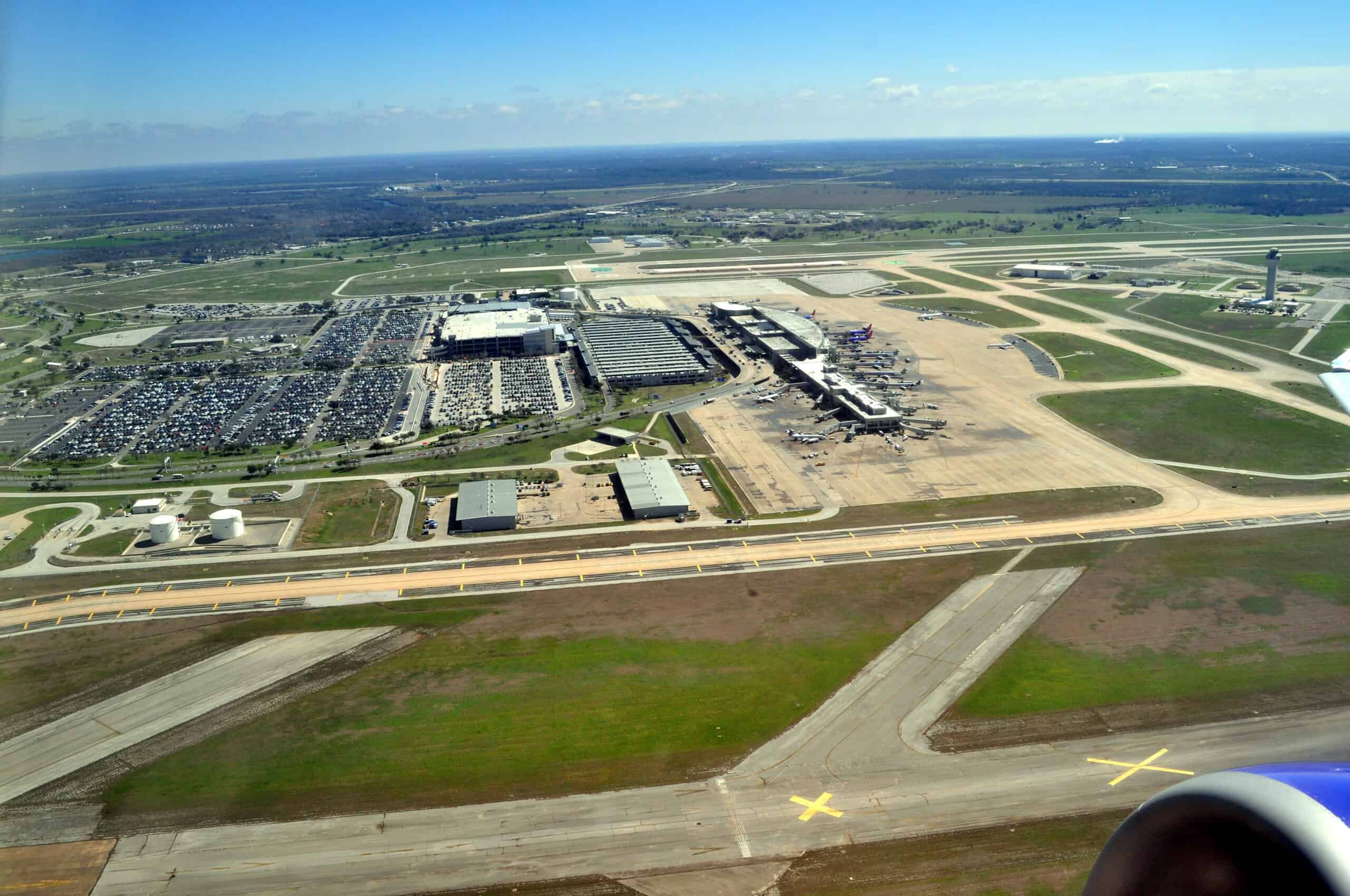
Austin has been dealing with the same mix of staffing strain and seasonal pressure. AP reported wait times of up to two hours there in recent days, while Austin-Bergstrom’s own homepage warns of high passenger volume through April 6 and advises arriving 2.5 to 3 hours before departure; its travel FAQ also notes that general-screening passengers should allow at least 2.5 hours and that one checkpoint remains closed through 2026. For AUS, the best preflight check is the airport’s travel tips page, followed by its homepage and social updates, because the airport is posting guidance even without a dedicated live wait-time dashboard.