We may earn money or products from the companies mentioned in this post. This means if you click on the link and purchase the item, I will receive a small commission at no extra cost to you ... you're just helping re-supply our family's travel fund.
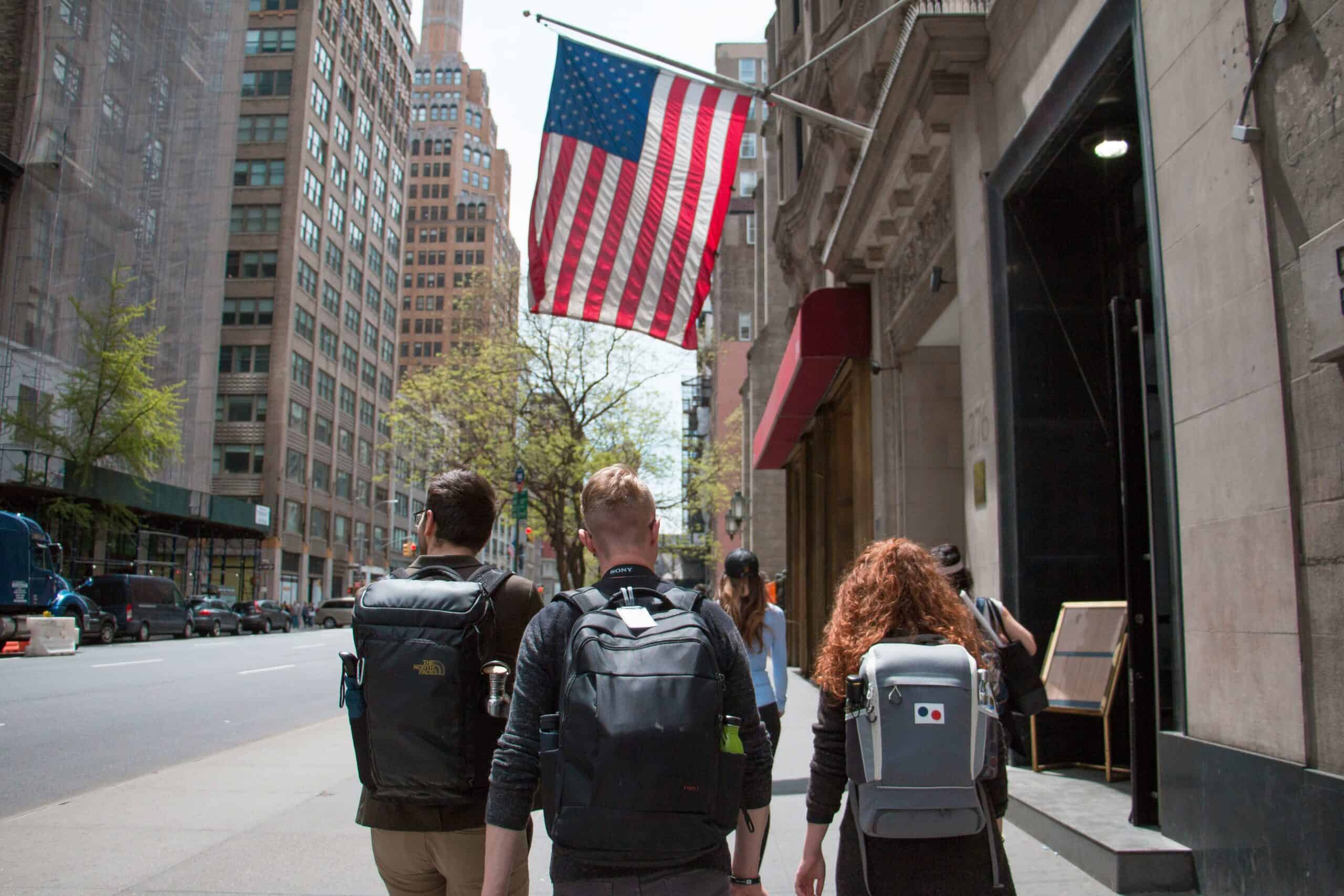
Backpacking in 2026 is less about bragging rights and more about picking landscapes that still feel honest at walking speed. The strongest states pair big public lands with real trail culture, reliable shuttles or resupply options, and enough variety to keep a week from blurring together. Some deliver alpine ridges and cold lakes. Others trade elevation for desert silence, coastal wind, or forests that smell like rain. What matters is simple: routes that make sense, scenery that holds attention, and days that leave legs tired and minds clearer.
California
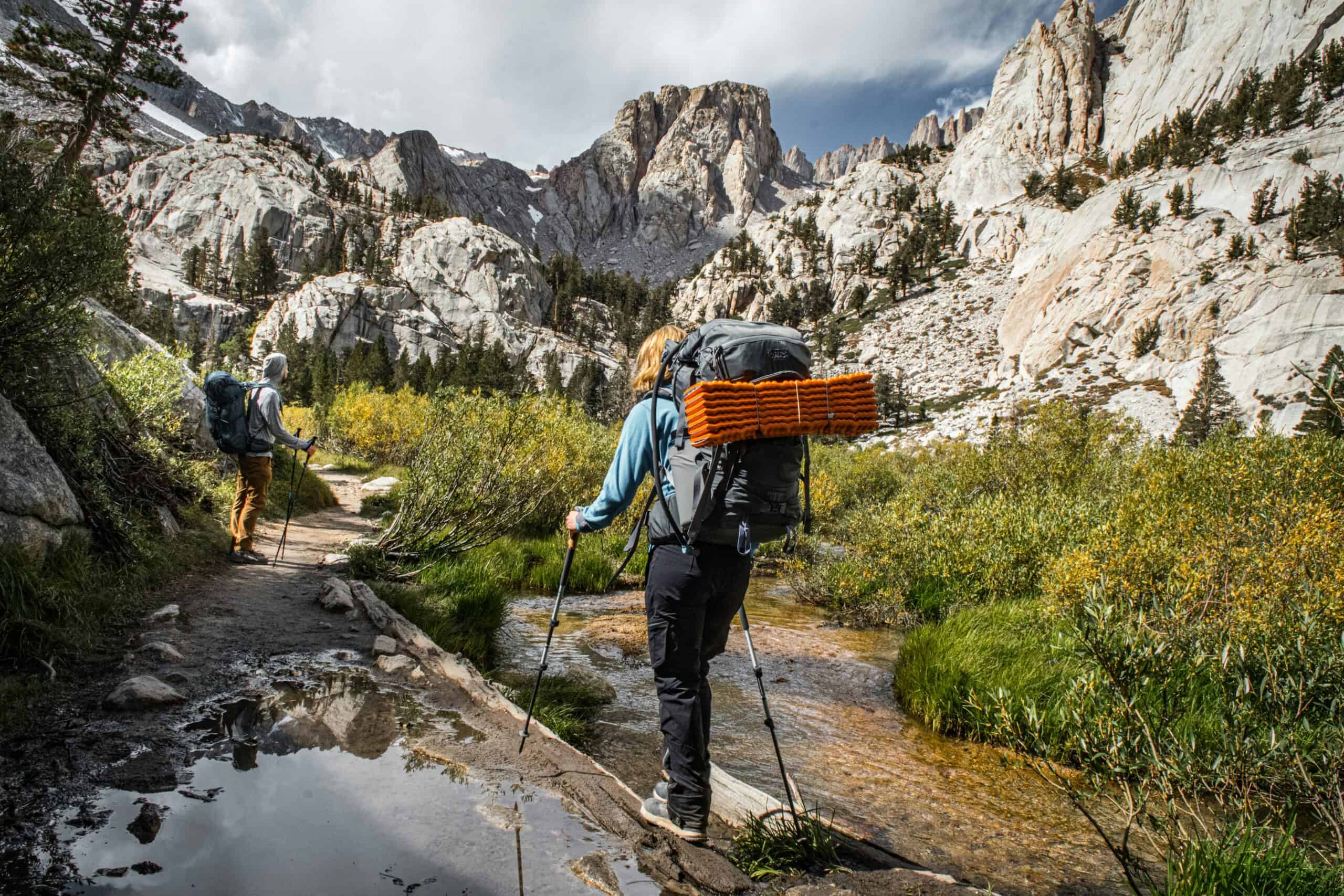
California is the backbone of American backpacking, where granite basins, high passes, and long ridgelines make even a short trip feel epic. Permits, snowpack, and wildfire closures can shift plans fast, so smart itineraries keep backup routes and honest mileage. The Sierra delivers alpine lakes and big dusk light, while the coast adds tide-shaped walking on the Lost Coast, plus redwoods that turn daylight into green shade. Trail towns understand hikers, and the scale keeps returning, even in famous corridors.
Washington
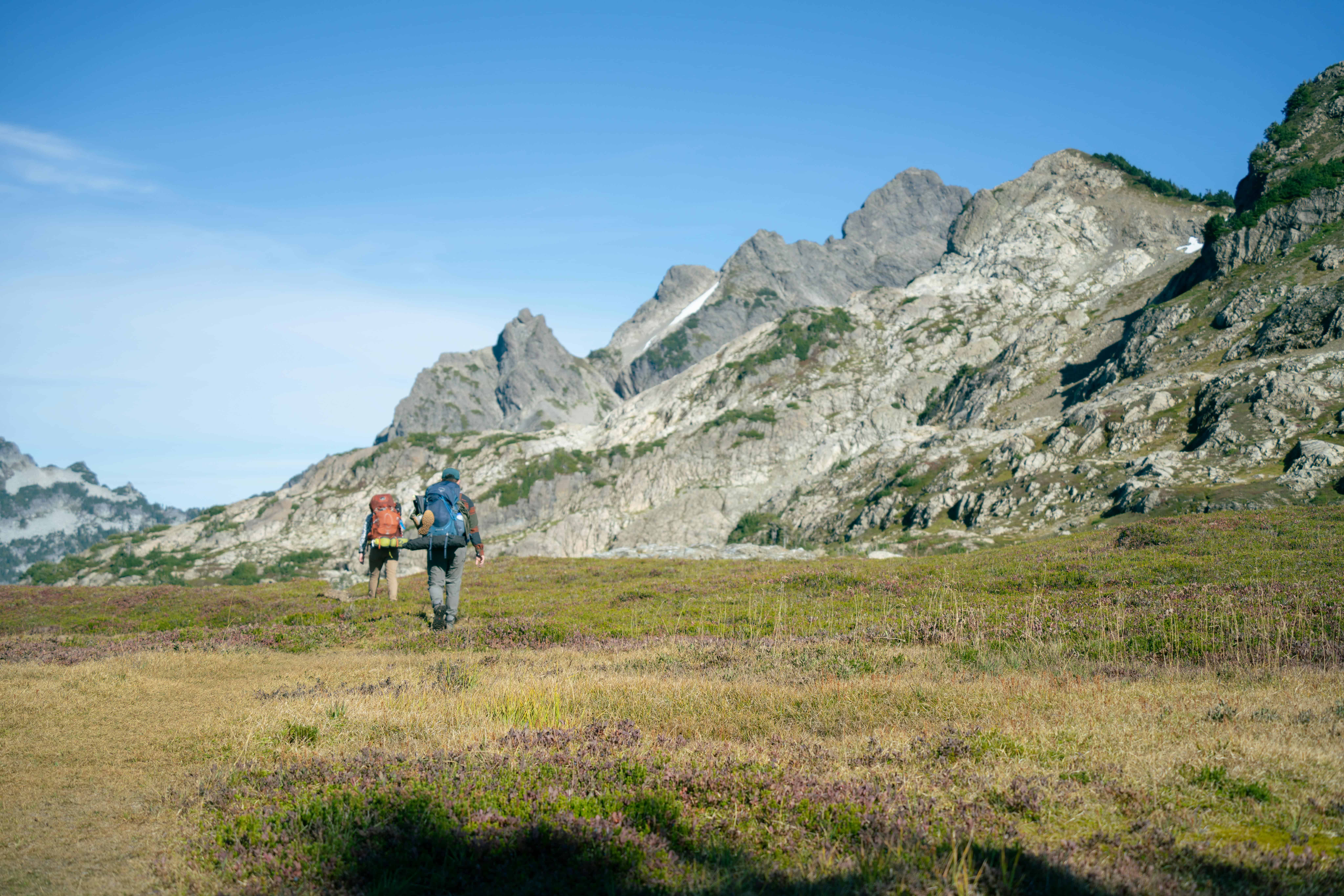
Washington brings dramatic terrain close to the road, then quickly pulls it away again. The Cascades stack glacier views, knife-edge ridges, and lakes that hold fog until late morning, while Olympic country adds rainforest miles, river valleys, and rugged coastline camps. Weather flips fast, so layers and conservative decisions matter, but the payoff is steady: Rainier’s skyline, quiet miles above treeline, and ferry towns that make resupply feel like a reset. Even busy weekends can still deliver long stretches of silence.
Oregon
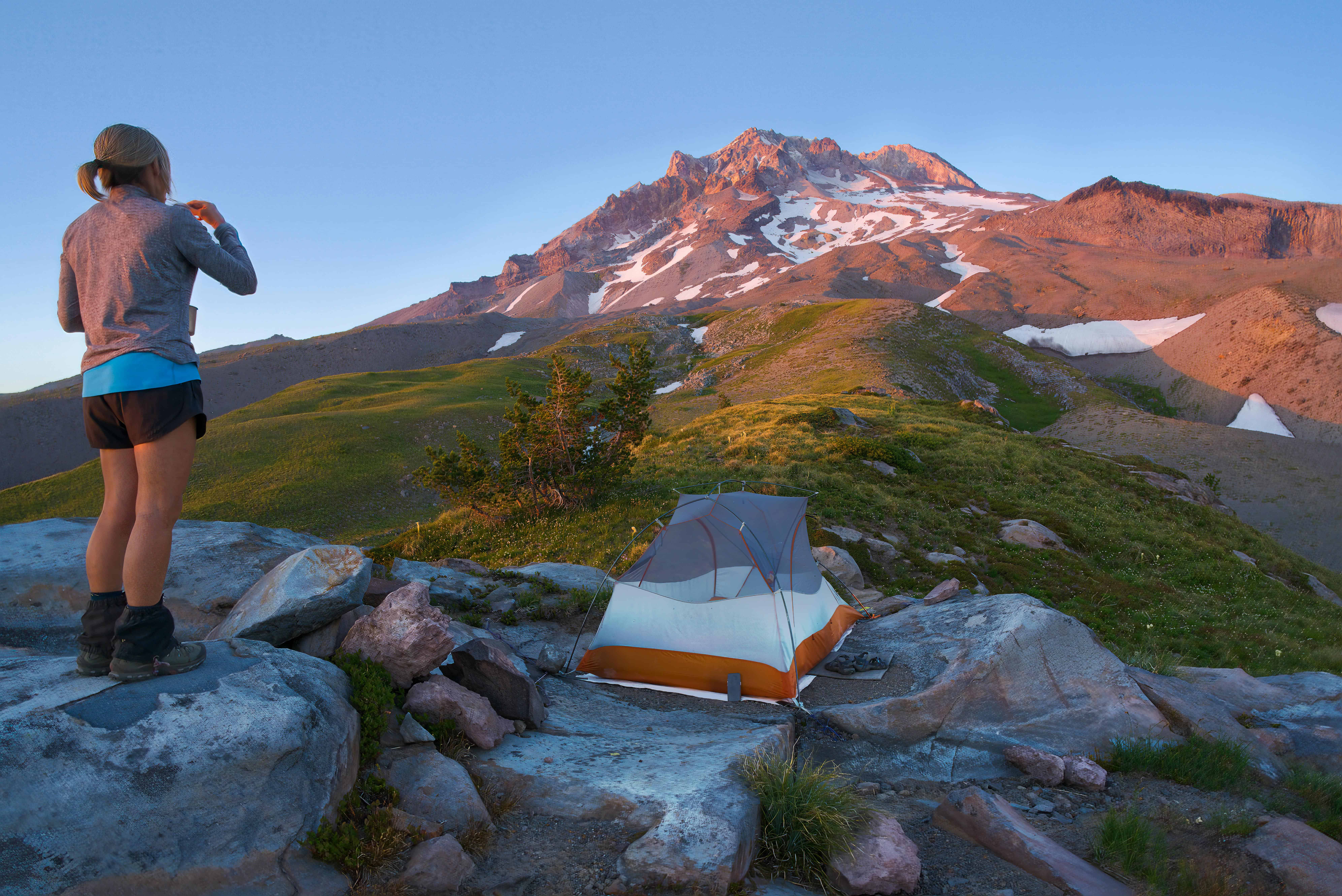
Oregon is friendly for long walking, with volcano country, deep forest, and clear lakes stitched together by strong trail networks. The Pacific Crest Trail rolls past lava fields and high views, while the Timberline Trail circles Mount Hood with steady access and big payoffs. In the east, the Eagle Cap Wilderness offers basins that feel surprisingly remote. Smoke can change the season, so flexible planning matters. When conditions cooperate, camps land beside cold creeks, and the days feel clean, simple, and easy to repeat.
Colorado
Harrison Fitts/Unsplash
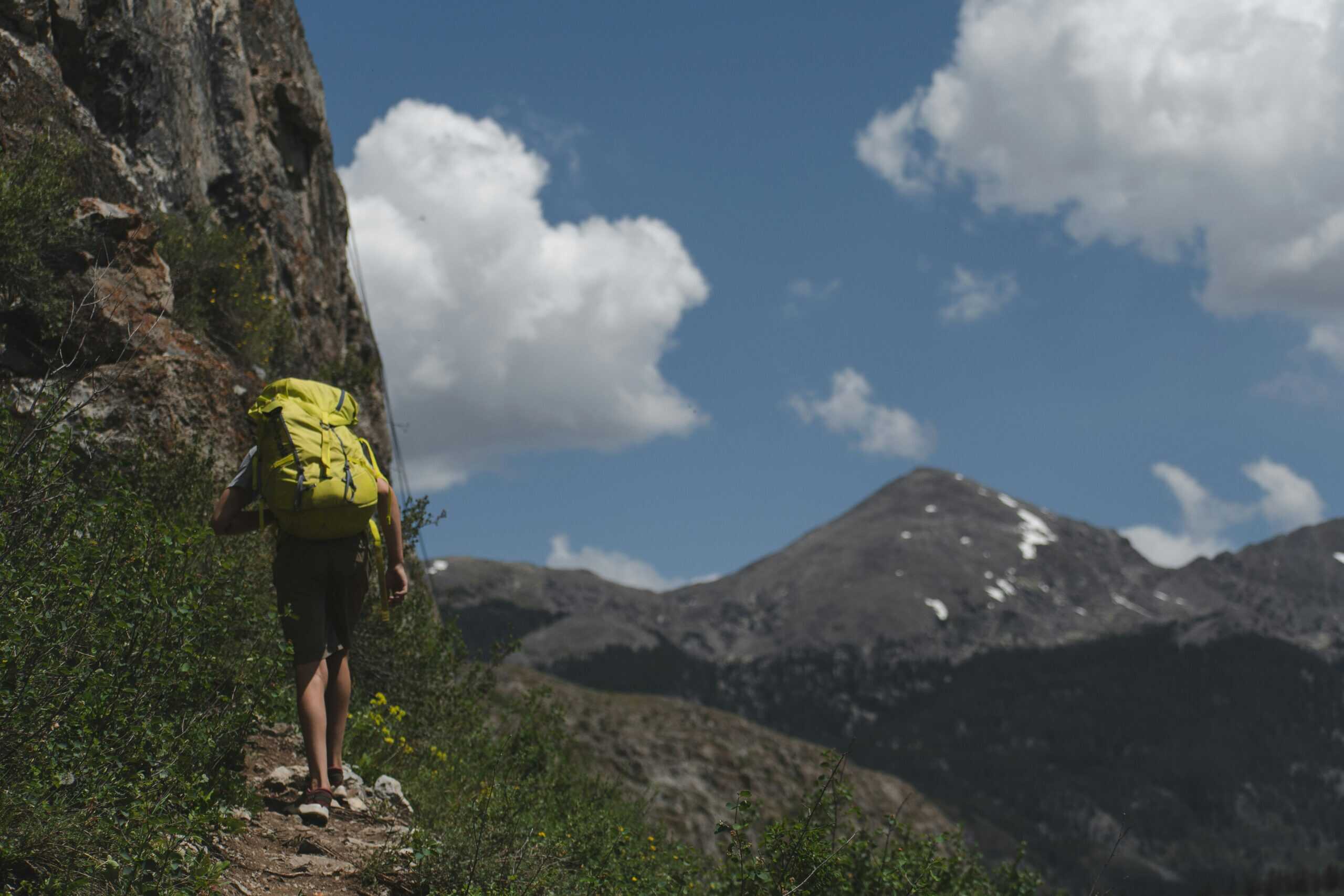
Colorado is high-country backpacking that asks for respect, not drama. Long hours above treeline bring thin air, fast storms, and lightning risk that rewards early starts and realistic turnarounds. The Colorado Trail and Continental Divide Trail share stretches of tundra, cold lakes, and San Juan basins that light up with wildflowers in July. Town breaks can be practical and comforting, then the route climbs again into wide sky and long views. The state delivers big mileage and bigger weather, often in the same hour.
Utah
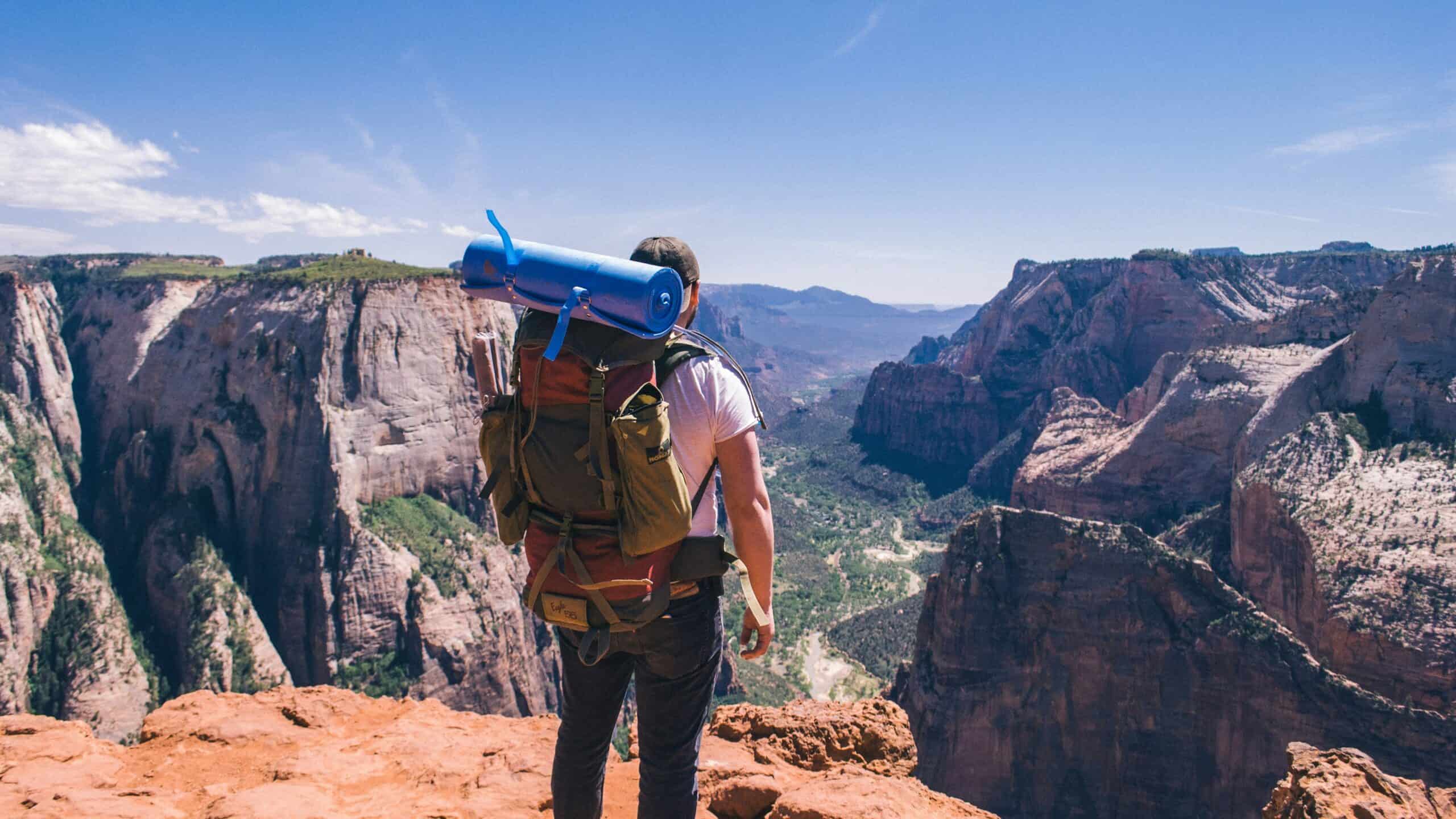
Utah is backpacking variety in a tight radius, where slickrock, slot canyons, and high plateaus can all fit into one trip window. Canyonlands rewards careful navigation and water planning, Grand Staircase-Escalante offers quiet drainages and long, empty miles, and the Uintas add cool alpine lakes when desert heat rises. Permits and fragile soils keep popular routes disciplined, but nights still feel spacious. Sunrise can repaint a canyon wall in minutes, and the silence is not a gimmick, it is the point.
Arizona
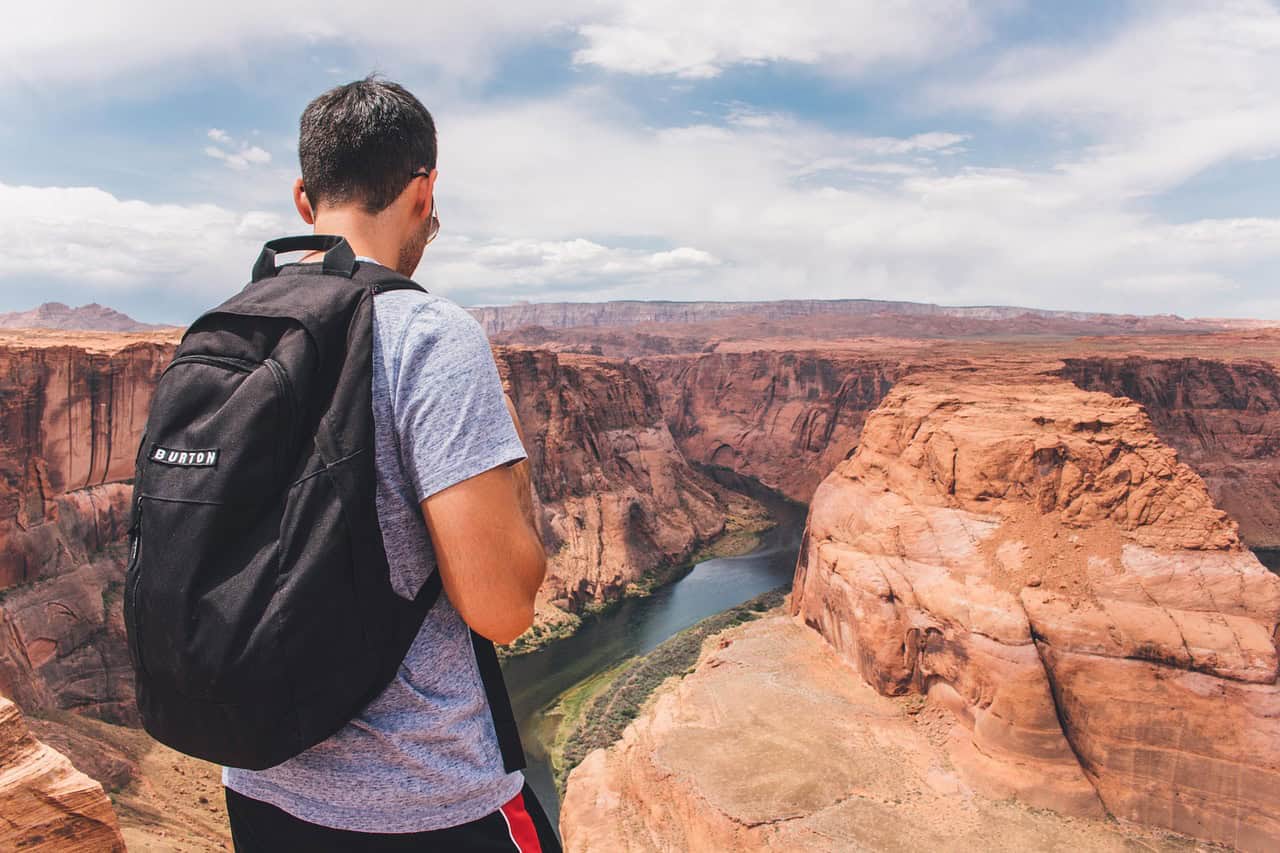
Arizona offers scale and contrast, from Grand Canyon inner corridors to high pine forests and rugged desert ranges. Heat and water planning shape every decision, so the best trips lean on season timing, early hiking hours, and conservative mileage. Sedona-area red rock brings quick beauty, while deeper routes reward those willing to carry more water and accept slower days. Clear skies deliver long sunsets, sharp starlight, and quiet camps that feel far from the road once the last switchback is behind the pack. The state’s light does half the storytelling.
Montana
Rachel Ellis/Unsplash
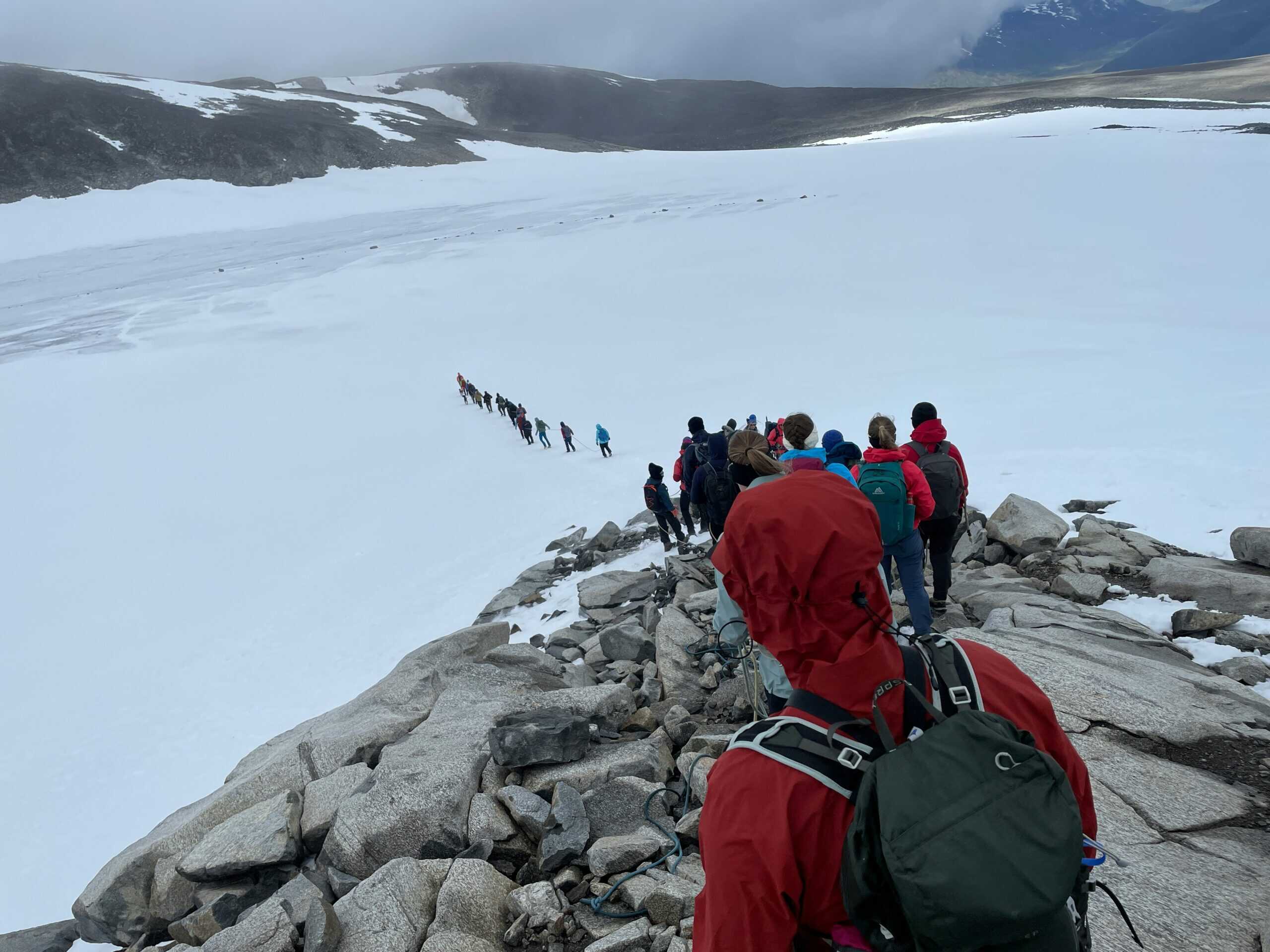
Montana feels serious in the way big landscapes do, where wildlife and weather keep attention honest. Glacier country and the Northern Rockies deliver long valley walks, sharp ridges, and cold water that tastes like snowmelt. The Continental Divide Trail threads through wide spaces where solitude is not a selling point, it is the default. Permits and bear-aware habits matter, and conservative choices keep trips smooth. The reward is clean grandeur: wide skies, larch hillsides, small-town diners, and nights where the stars look close enough to touch.
North Carolina
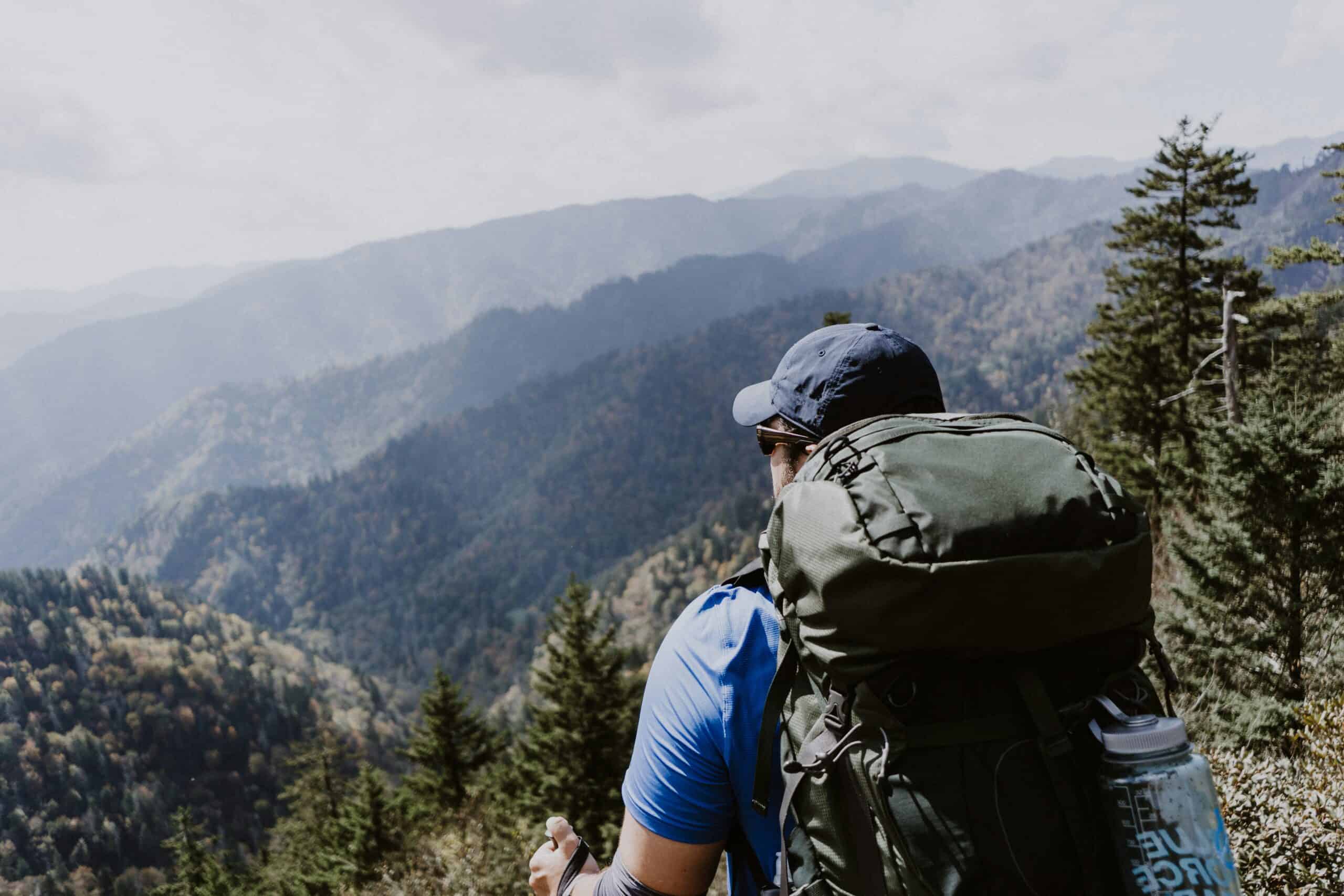
North Carolina blends long-distance trail culture with humid, green beauty that feels alive in every season. The Appalachian Trail along the state’s high ridges brings balds, cool air, and foggy mornings, while Pisgah and Linville Gorge add waterfalls, steep climbs, and rougher mileage. Logistics are easier than many western trips thanks to shelters, trail towns, and shuttle networks, yet weather can be wet and fast-changing. When clouds lift, views run for miles, and the forests feel old in a way that slows the mind down.
Maine
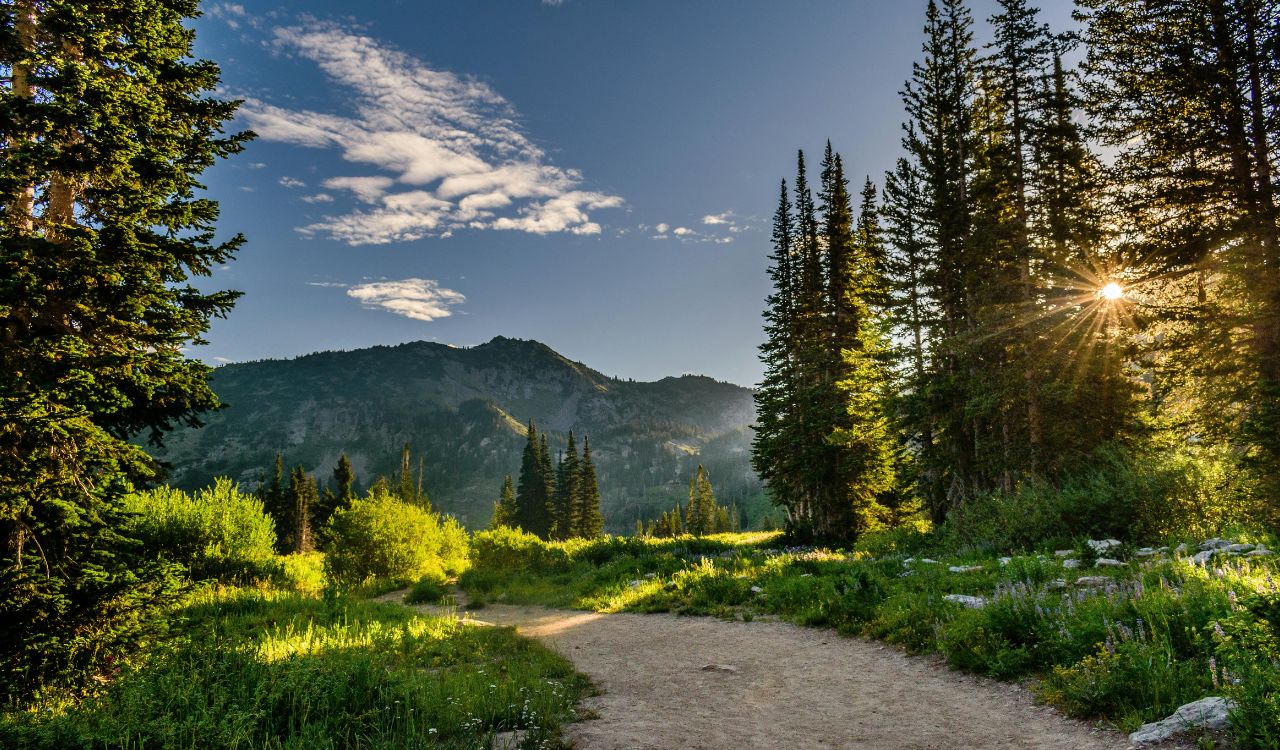
Maine is rugged, patient backpacking, where the woods feel deeper than expected and the water stays cold and clear. The Appalachian Trail ends on Katahdin, and the 100-Mile Wilderness still carries real commitment, even for experienced hikers. Coastal routes and Acadia add sea air and granite ledges, while Baxter State Park delivers quiet and strict protection that keeps the place feeling earned. Bugs and weather can test morale, but the reward is strong: loons at dusk, smoky campfires, and a sense of remoteness that does not feel curated.
New York
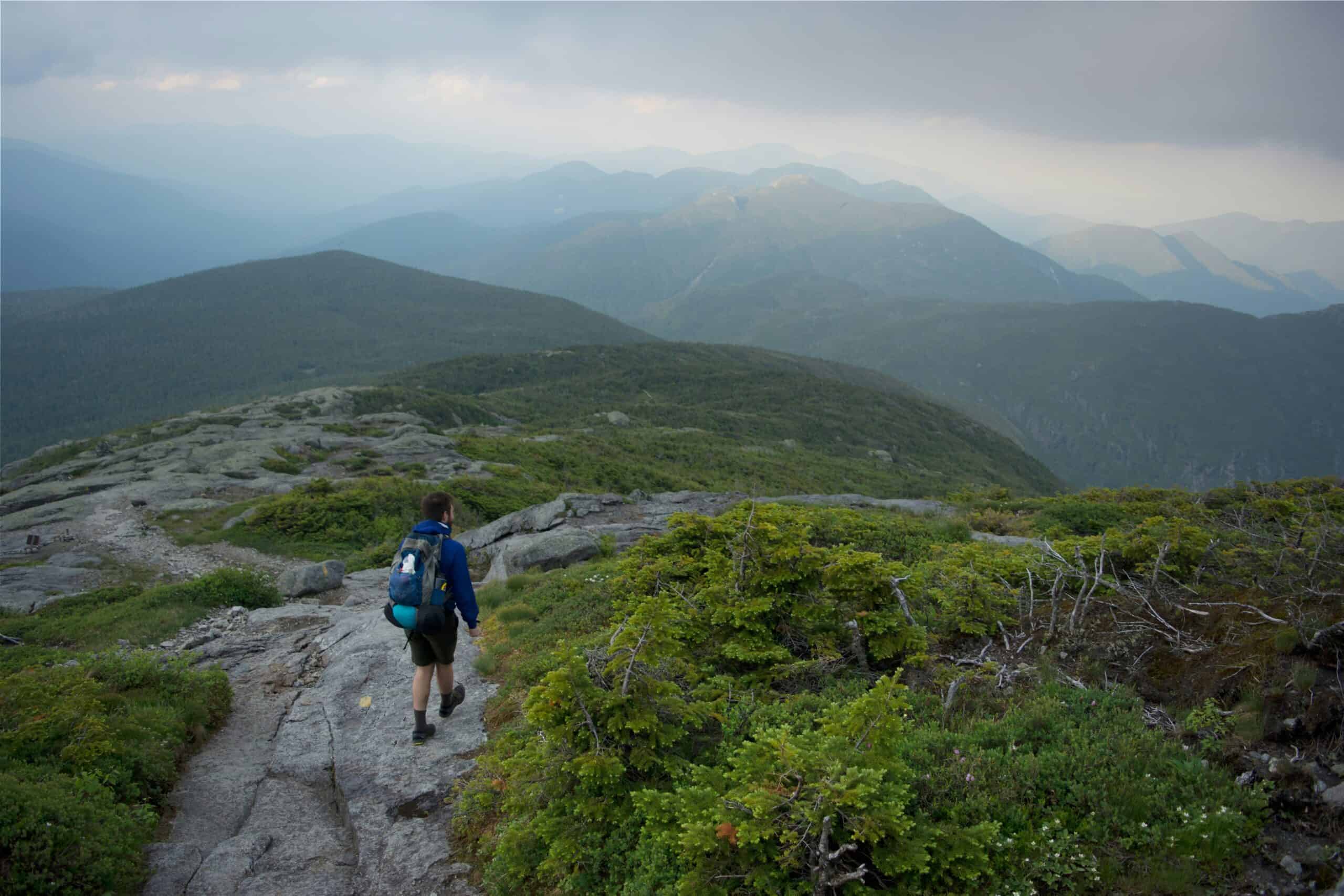
New York hides serious wilderness behind familiar city gravity, which makes the surprise even better. The Adirondacks offer long trails, remote lakes, and rugged peaks where distance and weather still dictate the day, while the Catskills provide steep climbs and quick access for shorter loops. The state’s strength is flexibility: weekend mileage, shoulder-season solitude, and routes that still feel wild once the last parking lot disappears. Crowds cluster near famous summits, but quieter terrain delivers the same essentials: cool water, mossy camps, and forests that swallow noise.