We may earn money or products from the companies mentioned in this post. This means if you click on the link and purchase the item, I will receive a small commission at no extra cost to you ... you're just helping re-supply our family's travel fund.
Population density is not just a statistic. It shapes rent, transit, noise, privacy, and how people share streets, schools, and services every day. In the world’s most crowded countries, limited land forces hard choices about housing design, infrastructure, and long-term planning. Some places respond with disciplined urban systems, while others carry visible pressure in traffic, affordability, and environmental strain. These 10 countries stand out for packing the most people into the least space, each with a distinct story about adaptation, constraint, and survival in close quarters.
Monaco
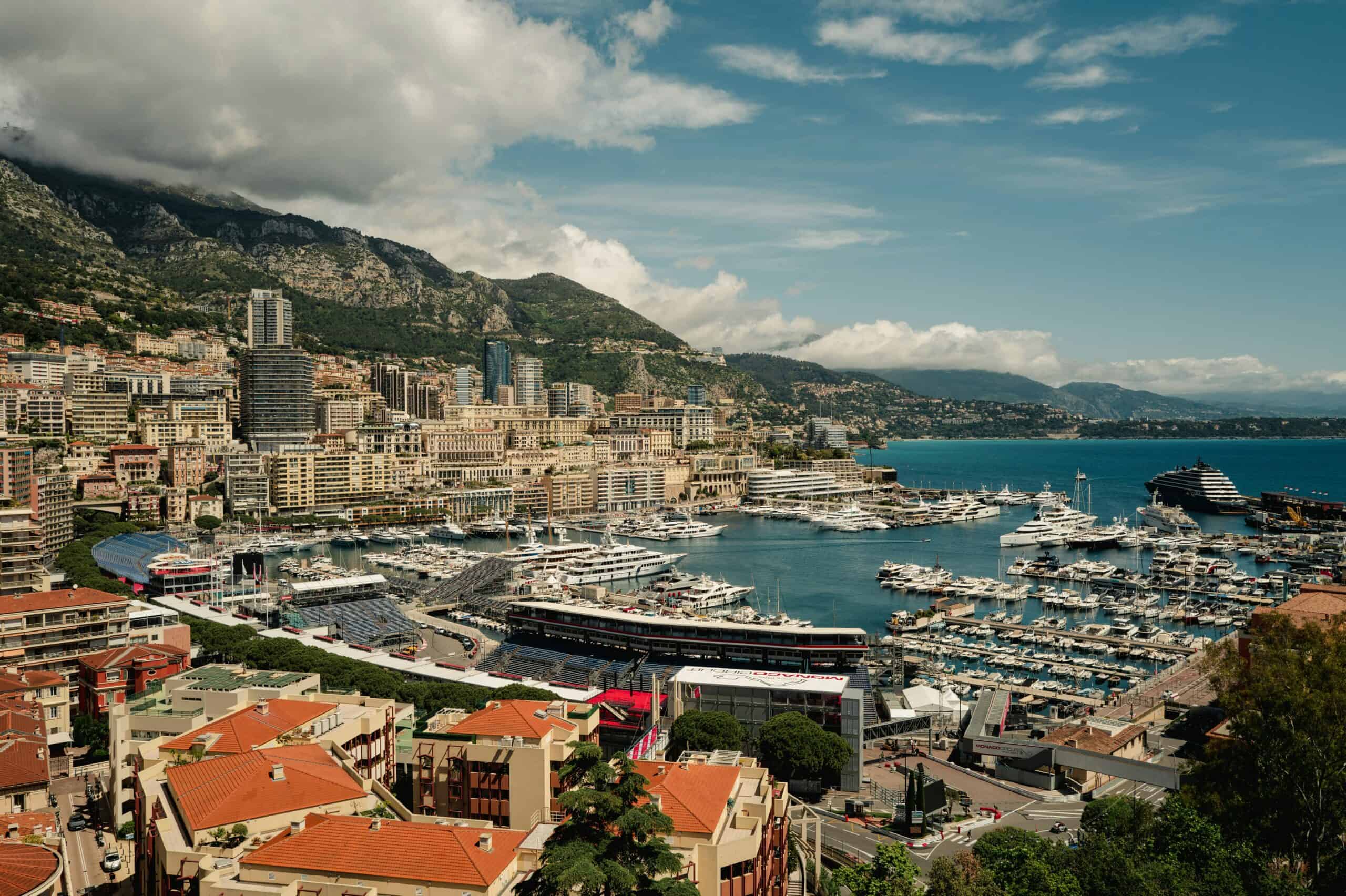
Monaco remains the most densely populated sovereign state on Earth, and the number is extreme because the country is tiny and intensely urbanized. Space is managed almost like engineering, with vertical housing, strict zoning, and premium land use where every block has a defined purpose. The country’s wealth helps absorb density stress through polished infrastructure, strong maintenance, and efficient public systems. Even so, the core reality is simple: limited ground, high demand, and daily life organized around scarcity, precision, and constant spatial negotiation.
Singapore
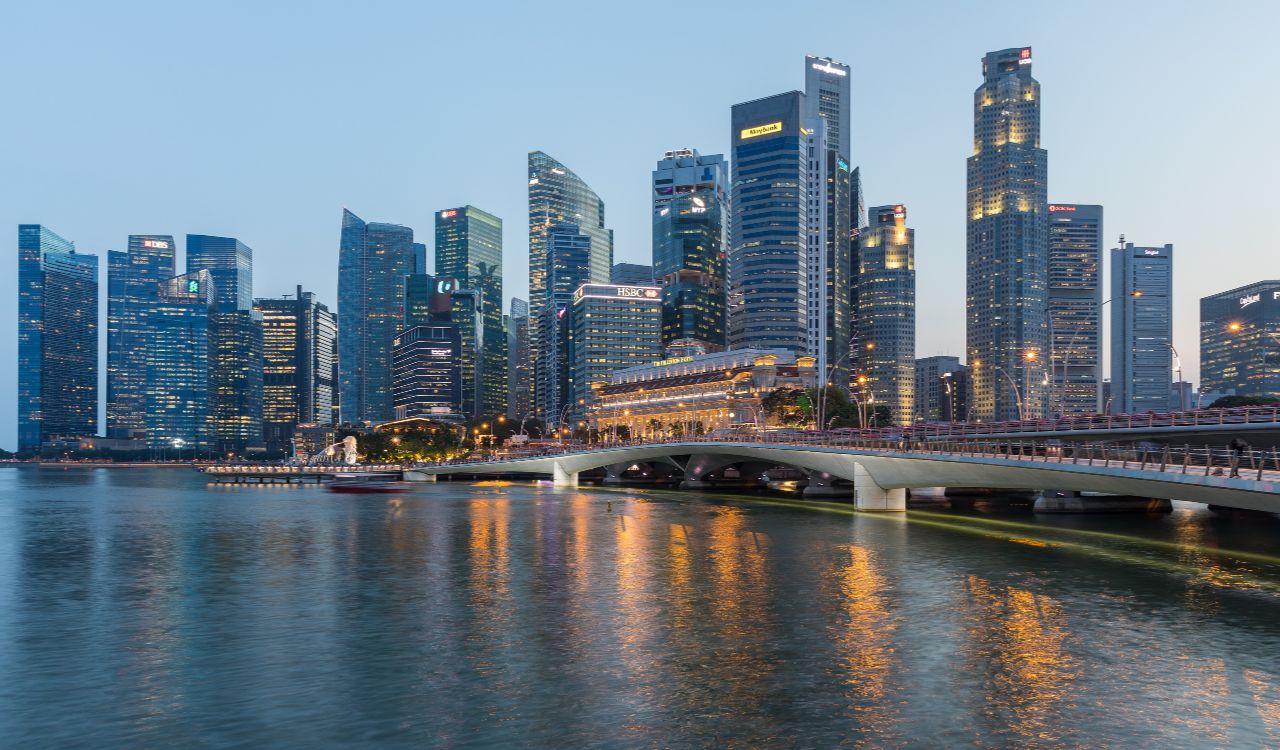
Singapore’s density is high by any global standard, yet it rarely feels disorderly because planning is treated as national strategy, not municipal improvisation. Housing, transit, drainage, green corridors, and commercial districts are integrated in ways that keep movement predictable and services close. The city-state’s approach shows that density can be functional when institutions are consistent and land policy stays clear. Pressure still exists in property prices and personal space, but the system is designed to keep crowding from turning into chaos.
Bahrain
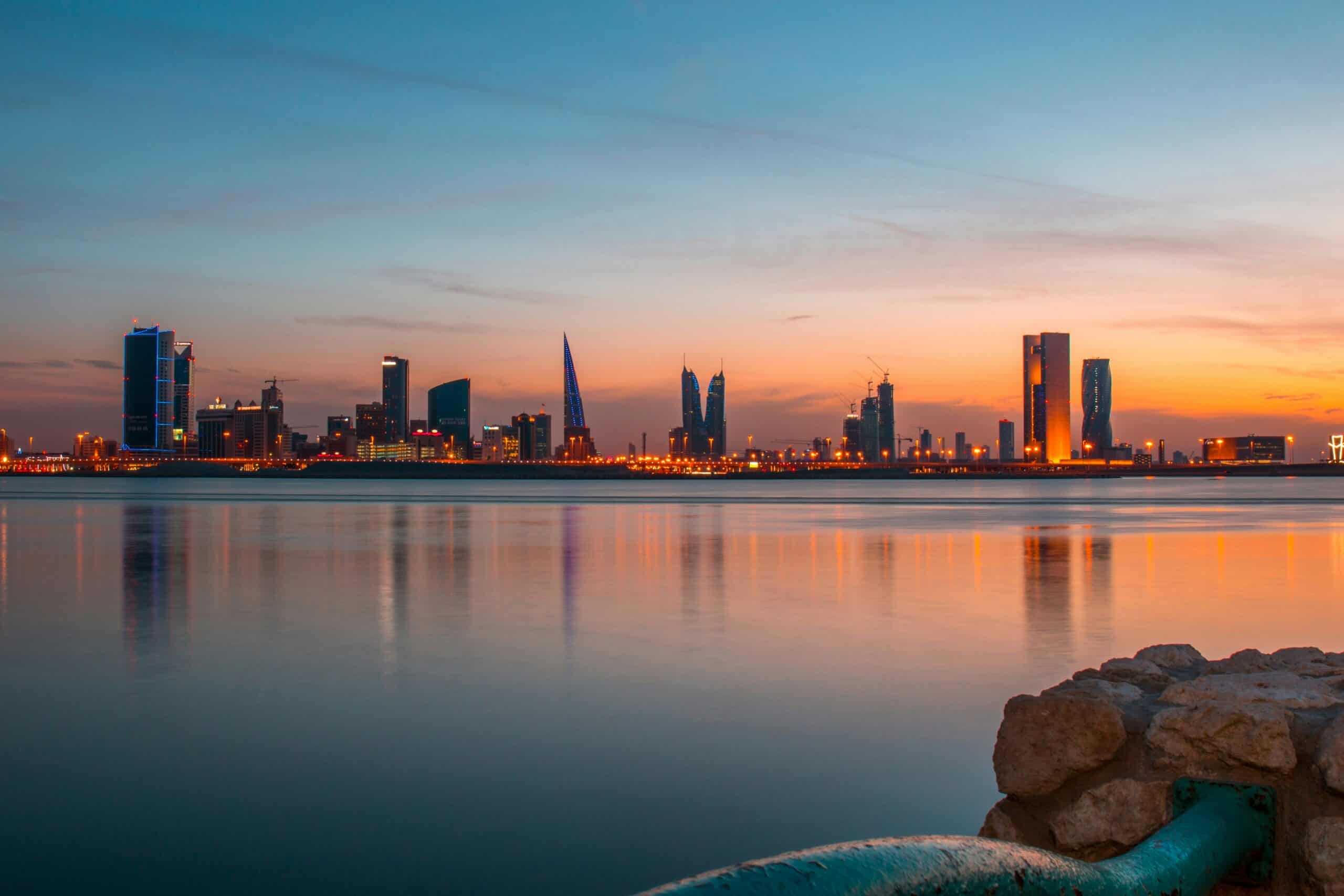
Bahrain combines a small land footprint with concentrated development, creating a dense urban profile shaped by rapid modernization and limited expansion room. Population and economic activity cluster around metropolitan corridors, while reclaimed land has helped extend capacity where geography allows. Density here feels tied to both opportunity and constraint, with infrastructure carrying heavy demand in transport, housing, and utilities. The country’s challenge is ongoing: accommodate growth without overwhelming services or losing urban livability in a compact island setting.
Maldives
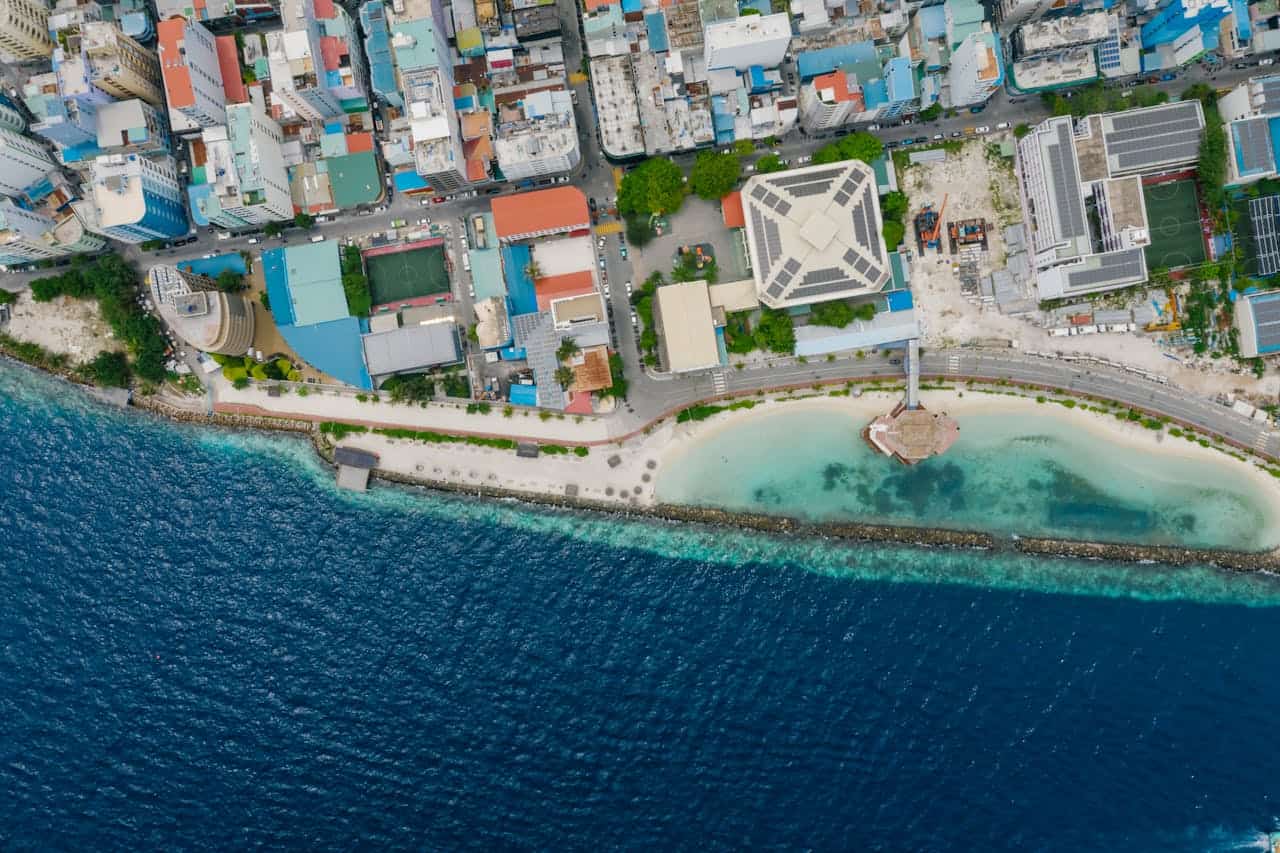
The Maldives appears high on density rankings, but the lived experience is uneven because people are spread across many islands with very different capacities. In practical terms, density pressure is sharpest in and around major population centers where jobs, government services, and transport links converge. Land availability is narrow, construction options are constrained, and climate exposure adds another layer of risk to planning decisions. The country’s density story is not only about numbers. It is about geography, vulnerability, and logistical complexity.
Malta

Malta’s density reflects centuries of settlement on a compact island where development, heritage, and mobility compete for limited space. Many areas feel continuously urban, with closely connected towns, high road use, and little room for careless expansion. This concentration supports strong service access and active street life, but it also drives recurring debates over building intensity, preservation, and environmental pressure. Malta’s reality is clear: dense living can be vibrant and efficient, yet it demands disciplined planning to remain humane over time.
Bangladesh
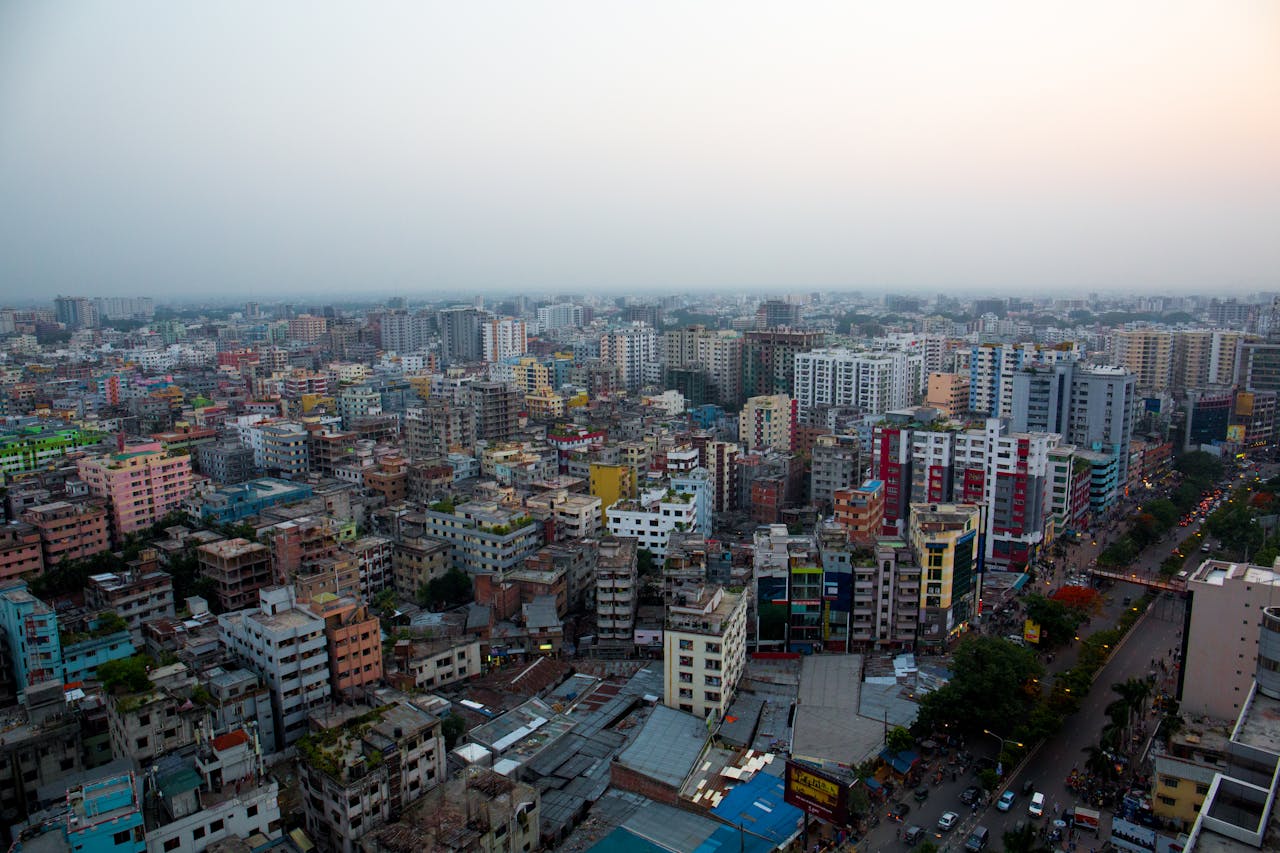
Bangladesh is one of the densest large countries in the world, and that scale makes its case fundamentally different from microstates. The population is vast, the land is limited, and settlement intensity is high across both urban and rural regions. In major cities, density appears as housing pressure, overloaded transport, and infrastructure strain, while in the countryside it shapes land use and livelihoods. This is not a niche urban condition. In Bangladesh, density is a national development issue with everyday consequences for millions.
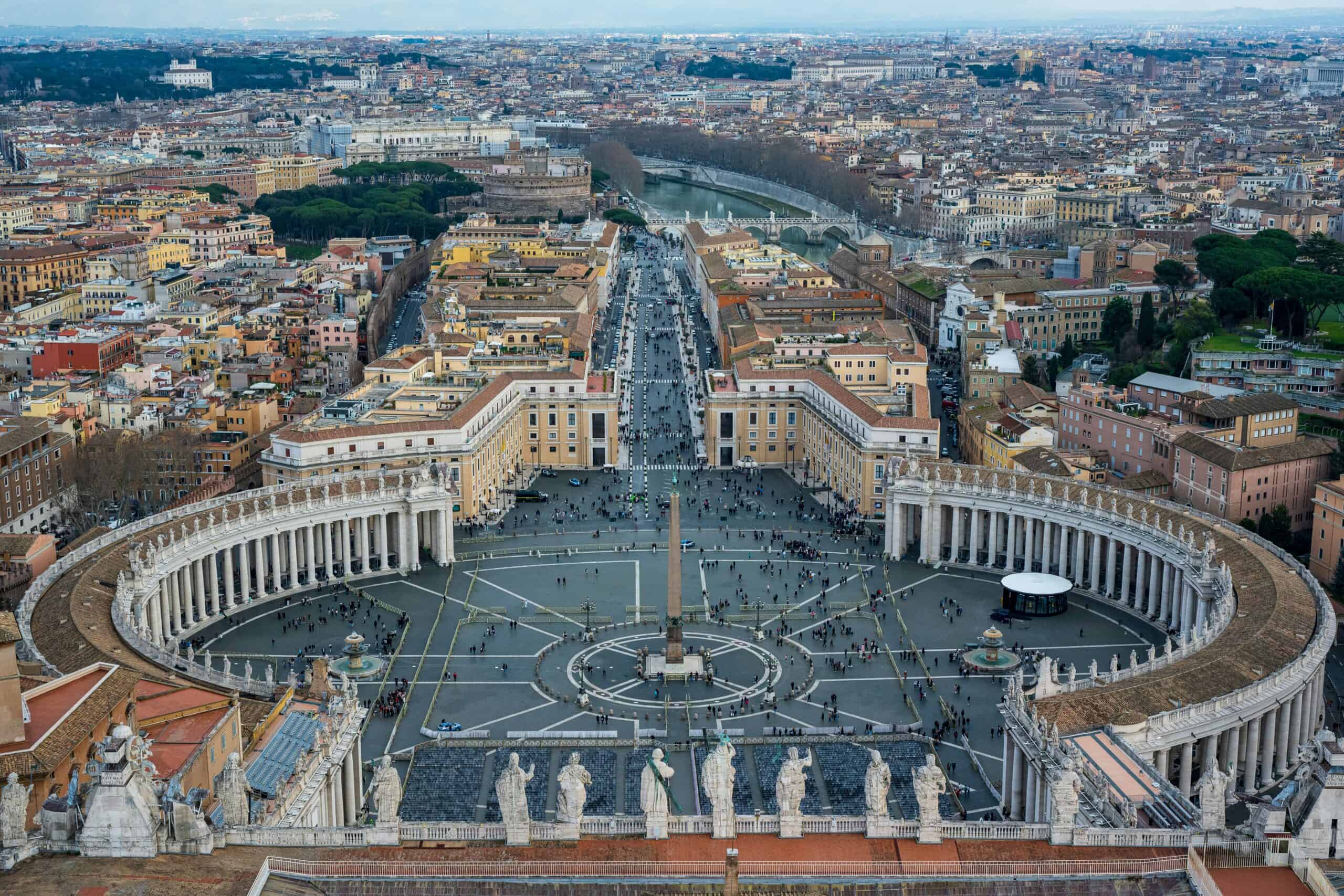
Vatican City

Vatican City ranks high in density because it is extremely small, and small shifts in resident counts can produce large statistical effects. Its role is also unique, centered on religious governance, diplomacy, and heritage, so it does not function like a typical residential state. Still, it remains part of sovereign density rankings and helps illustrate how land size can drive dramatic per-square-kilometer values. It is best understood as a special case that highlights the mathematics of micro-territories more than conventional urban crowding patterns.
Barbados

Barbados combines island geography with sustained settlement demand, placing it among the denser sovereign countries globally. Population, tourism, and economic infrastructure are closely layered, especially in coastal and urban zones where land is most valuable and competition is strongest. That concentration can improve access to services, but it also raises pressure on housing supply, transport reliability, and environmental resilience. Barbados shows how density in a small-island context is never abstract. It is a daily balancing act between growth, affordability, and protection.
Mauritius
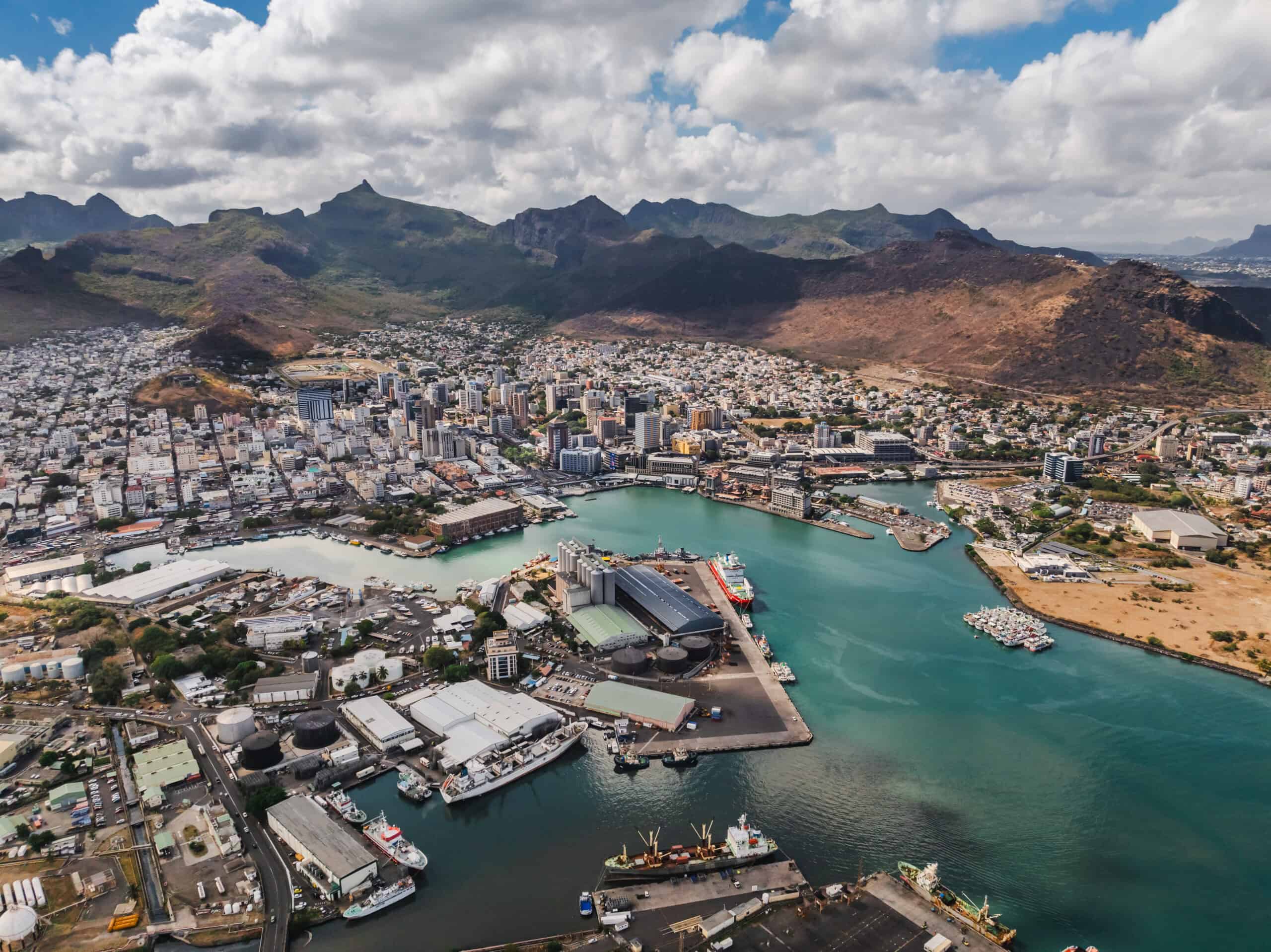
Mauritius has a dense settlement profile shaped by limited land, economic concentration, and strong competition across residential, industrial, and tourism uses. Development tends to gather along key corridors and coastal belts, creating pockets of intense demand even when national averages appear manageable. Policy decisions around mobility, housing, and ecological protection carry high stakes because spatial mistakes are hard to reverse in compact territories. Mauritius reflects a familiar island pattern: density can support efficiency, but only if infrastructure and governance keep pace.
Nauru
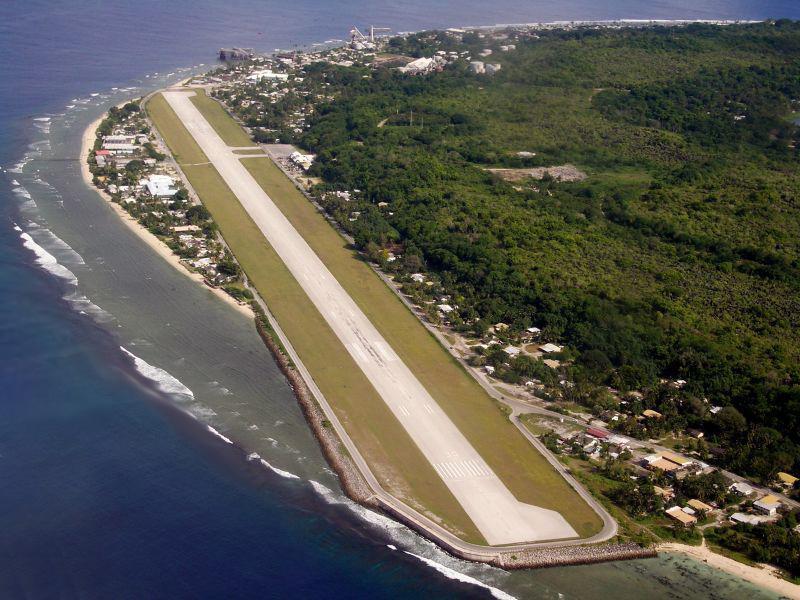
Nauru’s density stands out because the country is extremely small and much of its interior has been altered by historic phosphate extraction. That history concentrates settlement into narrow coastal areas, where land, infrastructure, and environmental recovery are tightly interdependent. In such a compact setting, routine planning decisions have outsized consequences for safety, housing, and long-term resilience. Nauru’s case is a reminder that density is not always about booming megacities. Sometimes it is about a small nation managing limited options under structural geographic limits.