We may earn money or products from the companies mentioned in this post. This means if you click on the link and purchase the item, I will receive a small commission at no extra cost to you ... you're just helping re-supply our family's travel fund.
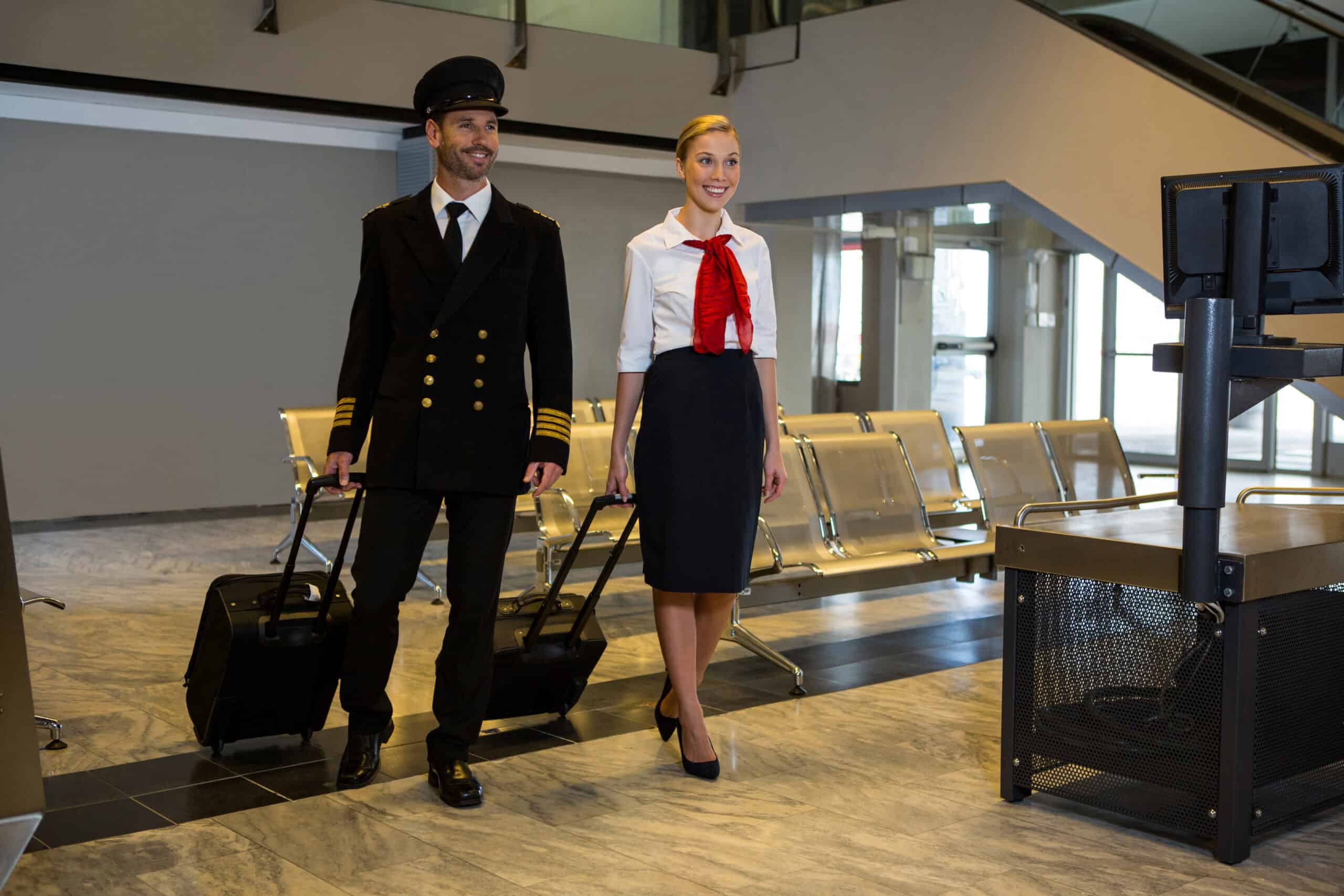
Air travel in 2026 moves quickly, but the small details still shape how smooth that journey feels. Flight attendants see the same patterns every day, bags overfilled with items that slow security, create discomfort, or simply never get used. What stands out is not what travelers forget, but what they bring without thinking it through. The difference between a rushed, stressful airport experience and a calm one often comes down to what stays at home. A lighter, more intentional approach changes everything before boarding even begins.
Full-Size Liquids and Toiletries
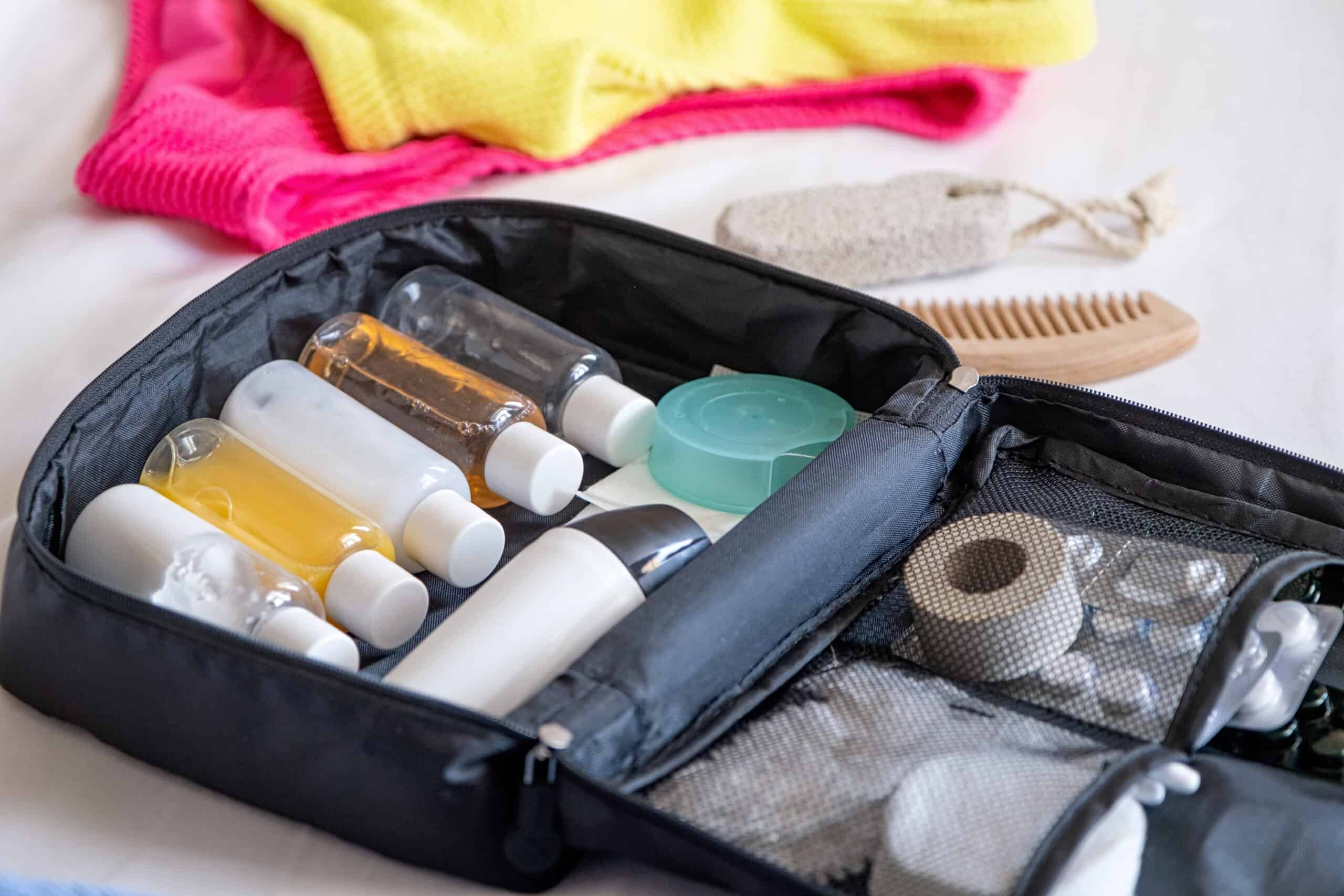
Full-size liquids remain one of the most common causes of delays at security checkpoints. Bottles over 100 ml trigger additional screening, slowing down the process and often leading to items being discarded. Flight attendants note that many travelers still pack as if rules have changed, only to be stopped at the worst moment. Travel-size containers or solid alternatives solve the issue without sacrificing comfort. Keeping liquids minimal and organized allows the entire airport process to move faster and with far less friction.
Heavy Hardback Books

Heavy hardback books often seem like a good idea before a trip, but they quickly become unnecessary weight. Most go unopened once the journey begins, especially with in-flight entertainment and digital options available. Flight attendants often see travelers shifting bags repeatedly, adjusting for weight that adds no real value. A single lightweight paperback or an e-reader offers the same escape without the bulk. Reducing weight in small ways makes moving through terminals and boarding areas feel noticeably easier.
Too Many Electronics
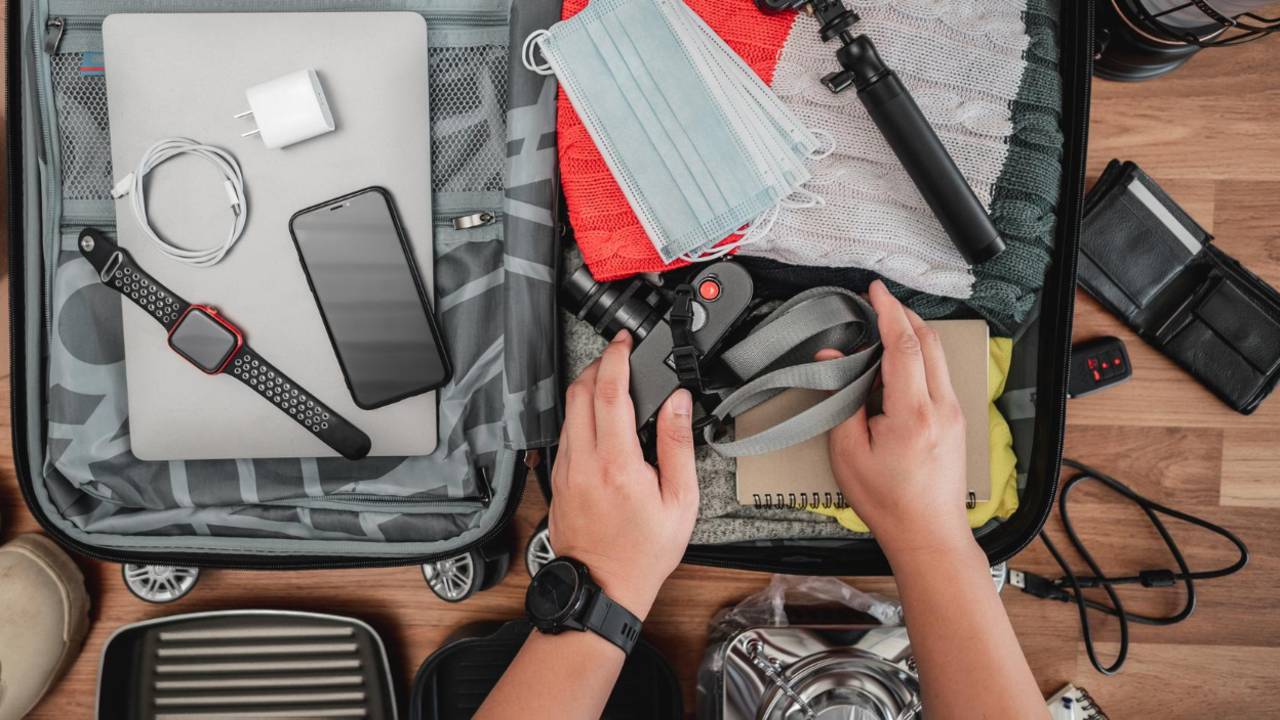
Packing multiple devices creates clutter, tangled cords, and unnecessary stress during security checks. Laptops, tablets, cameras, and accessories all need to be removed and scanned separately, slowing everything down. Flight attendants often notice that only one or two devices are actually used during the flight. Keeping electronics to a minimum simplifies both packing and unpacking. It also reduces the chance of leaving something behind, which tends to happen more often when bags are overloaded with small, similar items.
Oversized Carry-On Bags

Oversized carry-on bags create problems long before boarding begins. They draw attention at check-in, struggle to fit in overhead bins, and often need to be gate-checked at the last minute. Flight attendants frequently deal with the ripple effect, delays, crowded aisles, and frustrated passengers. A properly sized bag moves easily through each stage of the journey. It fits where it should, reduces stress, and keeps the flow of boarding steady without unnecessary interruptions.
Strong-Smelling Food
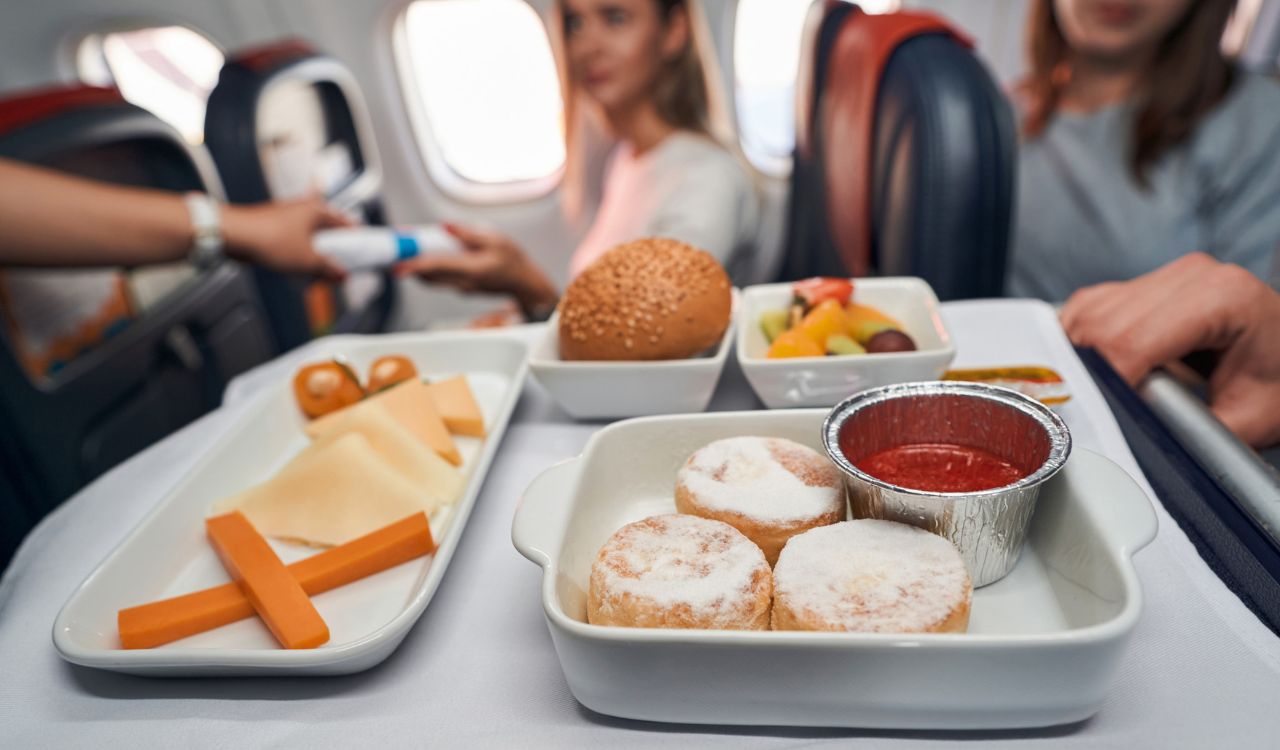
Strong-smelling food rarely travels well in a shared cabin environment. What feels like a good idea before boarding can quickly become overwhelming in a confined space. Flight attendants often mention how certain smells linger, affecting nearby passengers and shifting the atmosphere. Simple, neutral snacks tend to work better and avoid drawing attention. Choosing food that blends into the background keeps the focus on the journey rather than creating discomfort for others.
Loose Batteries and Power Banks
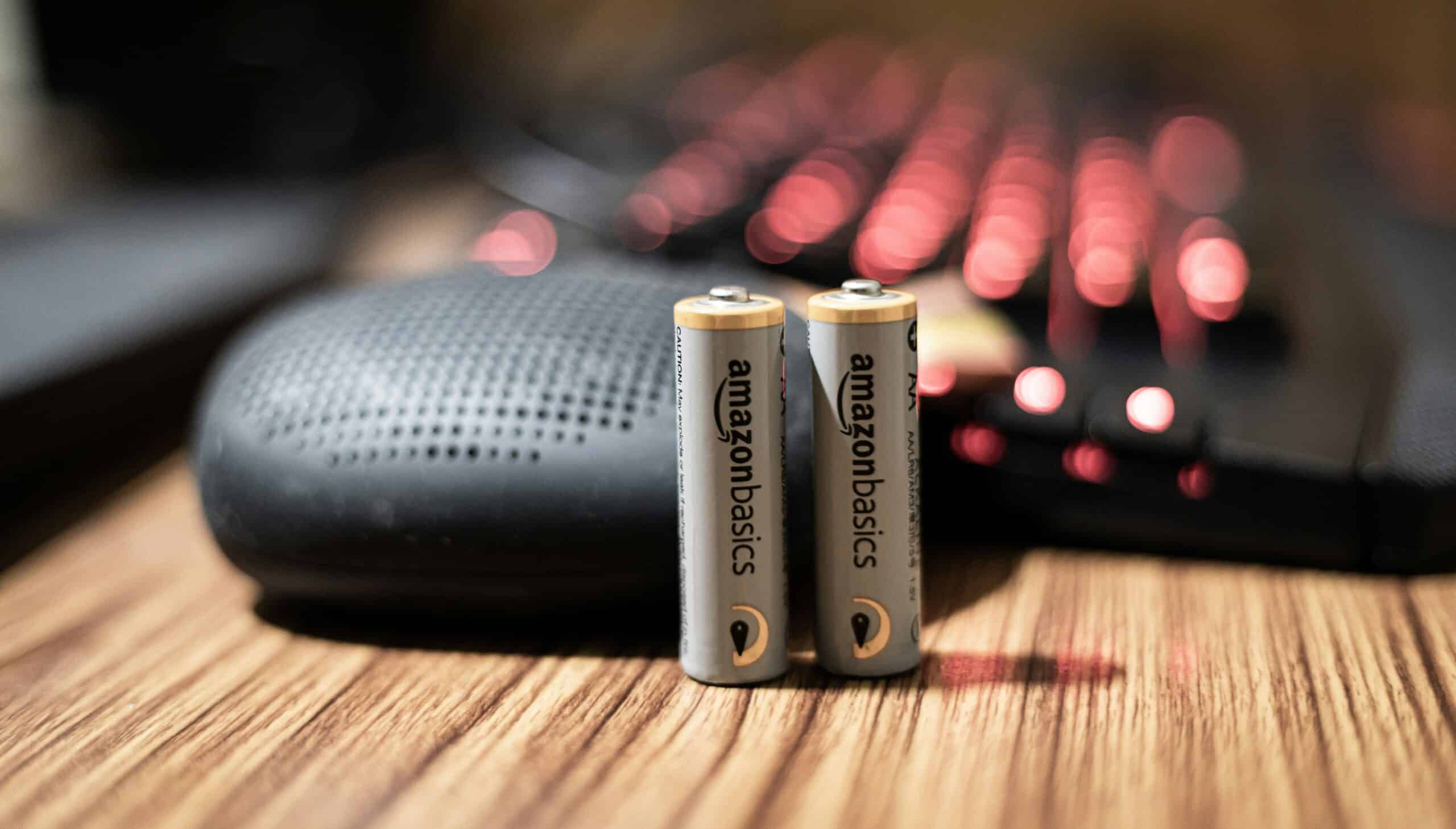
Loose batteries and improperly packed power banks can raise safety concerns during screening. Many airlines require them to be stored in carry-on bags and protected from damage or short-circuiting. Flight attendants regularly see confusion around these rules, which leads to delays or items being removed. Keeping them organized in protective cases avoids unnecessary complications. It also ensures compliance with safety standards, which have become stricter as devices continue to evolve.
Excessive Jewelry and Accessories

Wearing or packing too many accessories slows down the security process more than expected. Metal items trigger alarms, requiring additional checks that disrupt the flow. Flight attendants often observe travelers juggling trays, personal items, and time pressure all at once. Keeping accessories simple makes the transition through checkpoints smoother. It also reduces the risk of misplacing something small but valuable in the rush to repack and move forward.
Bulky Blankets and Pillows

Bulky blankets and full-size pillows take up valuable space without offering much advantage. Airlines provide basic options, and compact travel versions are easier to manage. Flight attendants frequently see these items stuffed into already full bags, making boarding more awkward than it needs to be. A smaller, packable alternative provides comfort without creating clutter. It keeps the focus on ease of movement rather than managing oversized personal items.
Unnecessary Paper Documents
Carrying stacks of printed documents has become less practical with digital systems in place. Boarding passes, itineraries, and confirmations are easily stored on a phone, reducing clutter and the chance of losing something important. Flight attendants often notice travelers sorting through papers at gates, adding stress in moments that should be simple. Keeping documents digital streamlines the process and allows for quicker access when needed.
Valuables in Checked Luggage
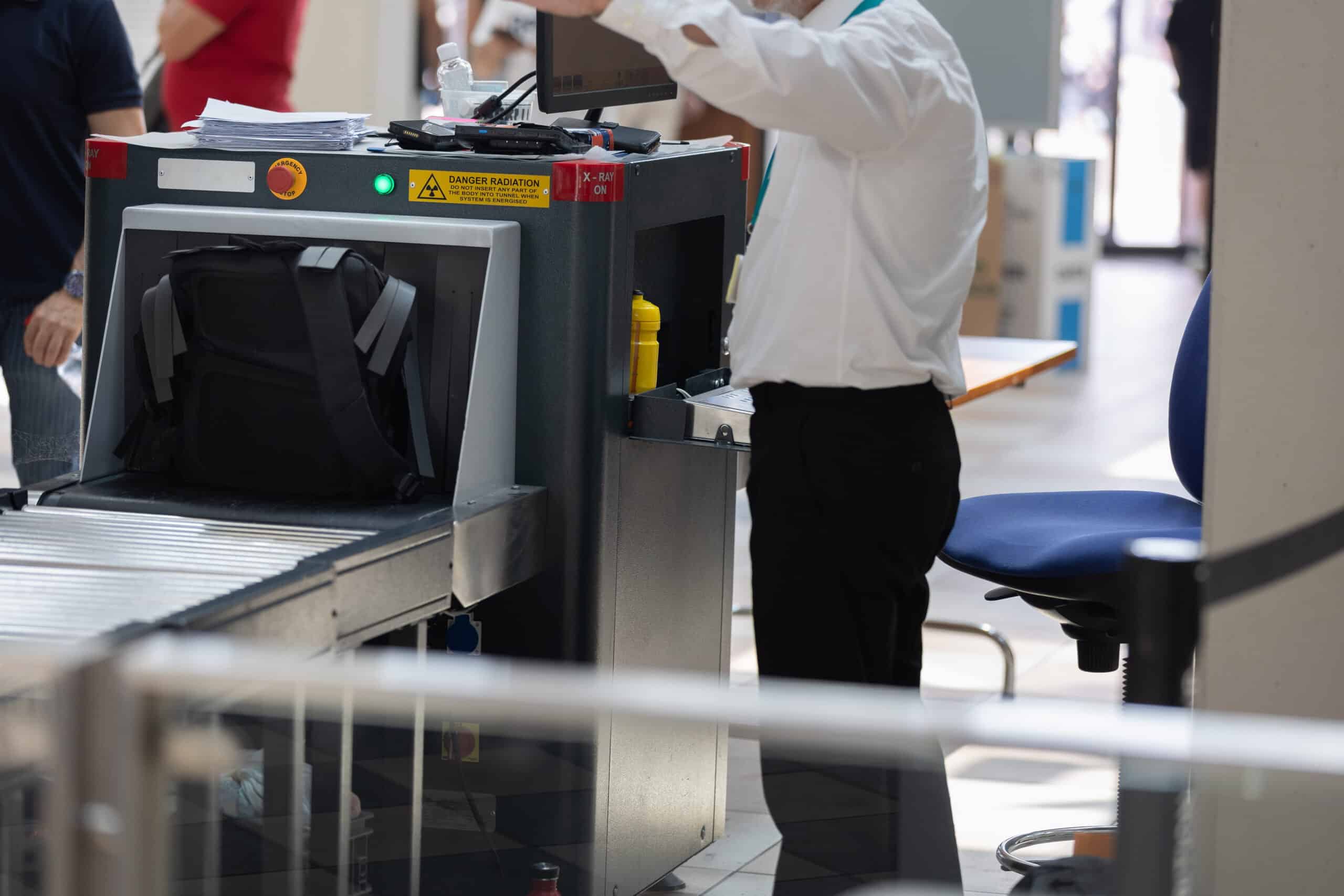
Placing valuables in checked luggage remains one of the most avoidable mistakes. Delays, lost bags, or rough handling can turn a small oversight into a major problem. Flight attendants consistently advise keeping important items close, where they remain secure and accessible. Carry-on storage offers control and peace of mind, especially during long or multi-leg trips. It ensures that what matters most stays within reach at every stage of the journey.