We may earn money or products from the companies mentioned in this post. This means if you click on the link and purchase the item, I will receive a small commission at no extra cost to you ... you're just helping re-supply our family's travel fund.
dudlajzov/123rf
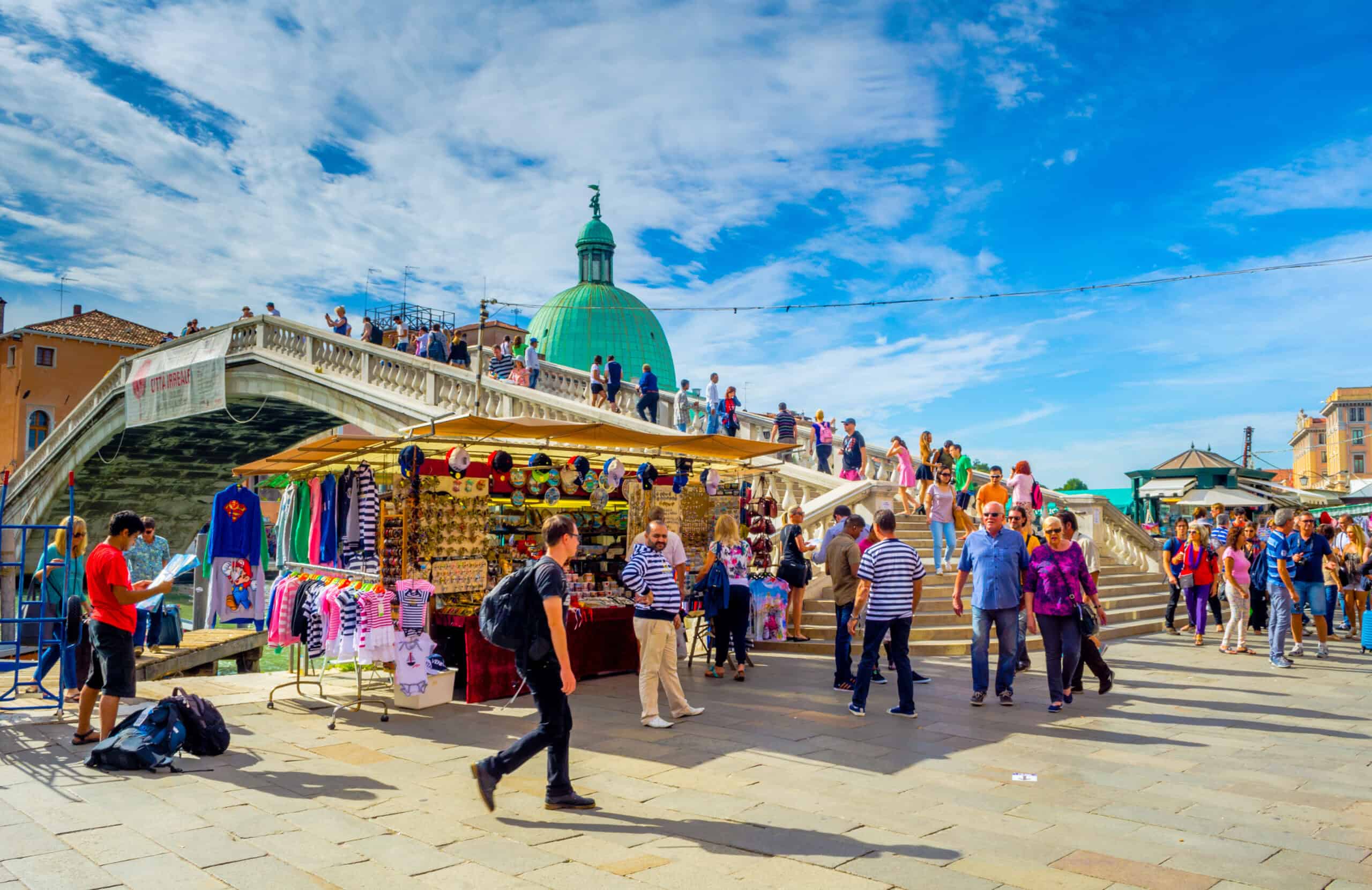
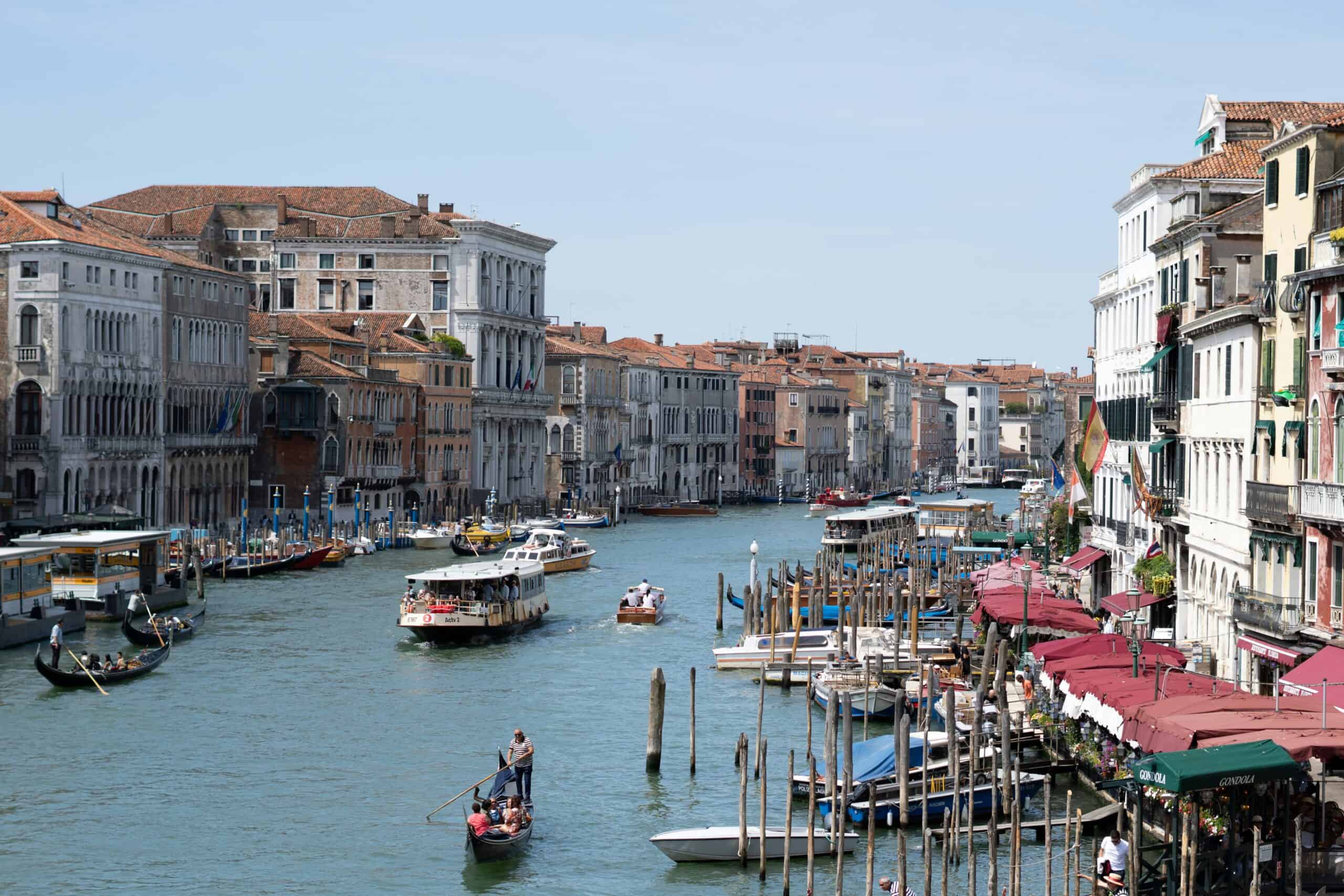
Venice still lives in the global imagination as a floating dream of church domes, soft light, and quiet canals. Recent reality there has grown much harsher. The city has spent the past two years expanding entry fees, tightening crowd rules, and trying to contain day-tripper surges that can swamp daily life. For travelers chasing romance, that gap matters. The beauty is real, but so is the strain, and that strain now shapes the experience almost as much as the scenery.
The Arrival Feels Like Crowd Control
The first shock in Venice is often not the beauty but the choreography required to reach it, because access-fee days, advance booking, and online registration now frame parts of the trip before the wandering even begins. The city’s official portal shows the system returning again in 2026 from April into summer, which means one of the world’s most celebrated urban experiences is still being managed as a place where peak demand has to be filtered and spaced out. For a destination sold on hush, drift, and accidental wonder, that administrative mood changes the feeling at the gate and keeps lingering once the photos start.
The Postcard View Comes With Peak-Day Pricing
Venice’s access-fee scheme is modest in cash terms, but symbolically it says a great deal about the city’s condition. In 2025, the charge applied on 54 days between April and July, with 5 euros for early bookings and 10 euros for last-minute arrivals, turning the most iconic season into something closer to managed entry than carefree discovery while also signaling which days officials expect to tip into overload. Venice remains stunning, yet its busiest windows now carry the unmistakable feel of a place trying to defend itself from the success of its own image rather than simply welcome more of it.
Day-Trippers Outnumber the City They Came to See
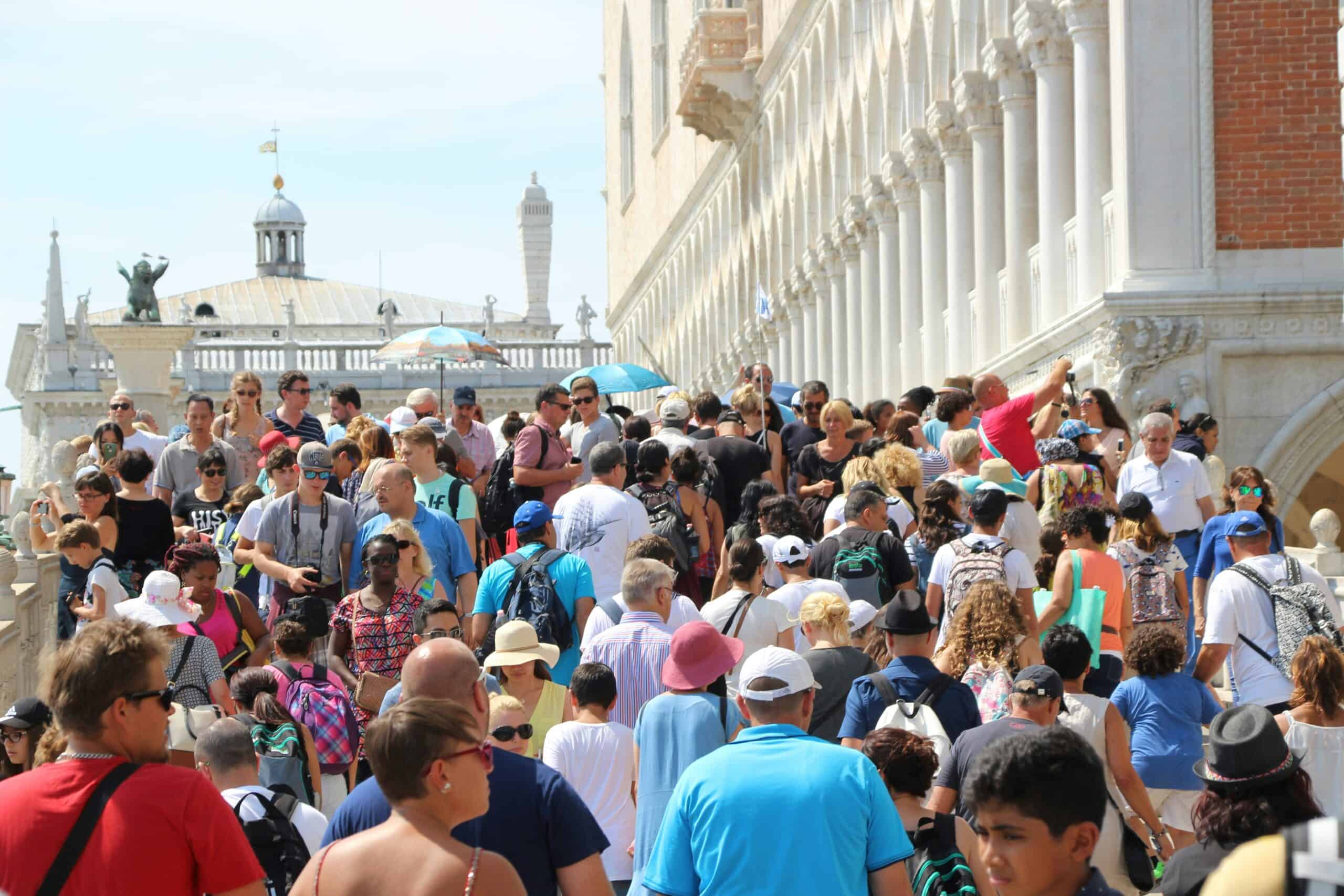
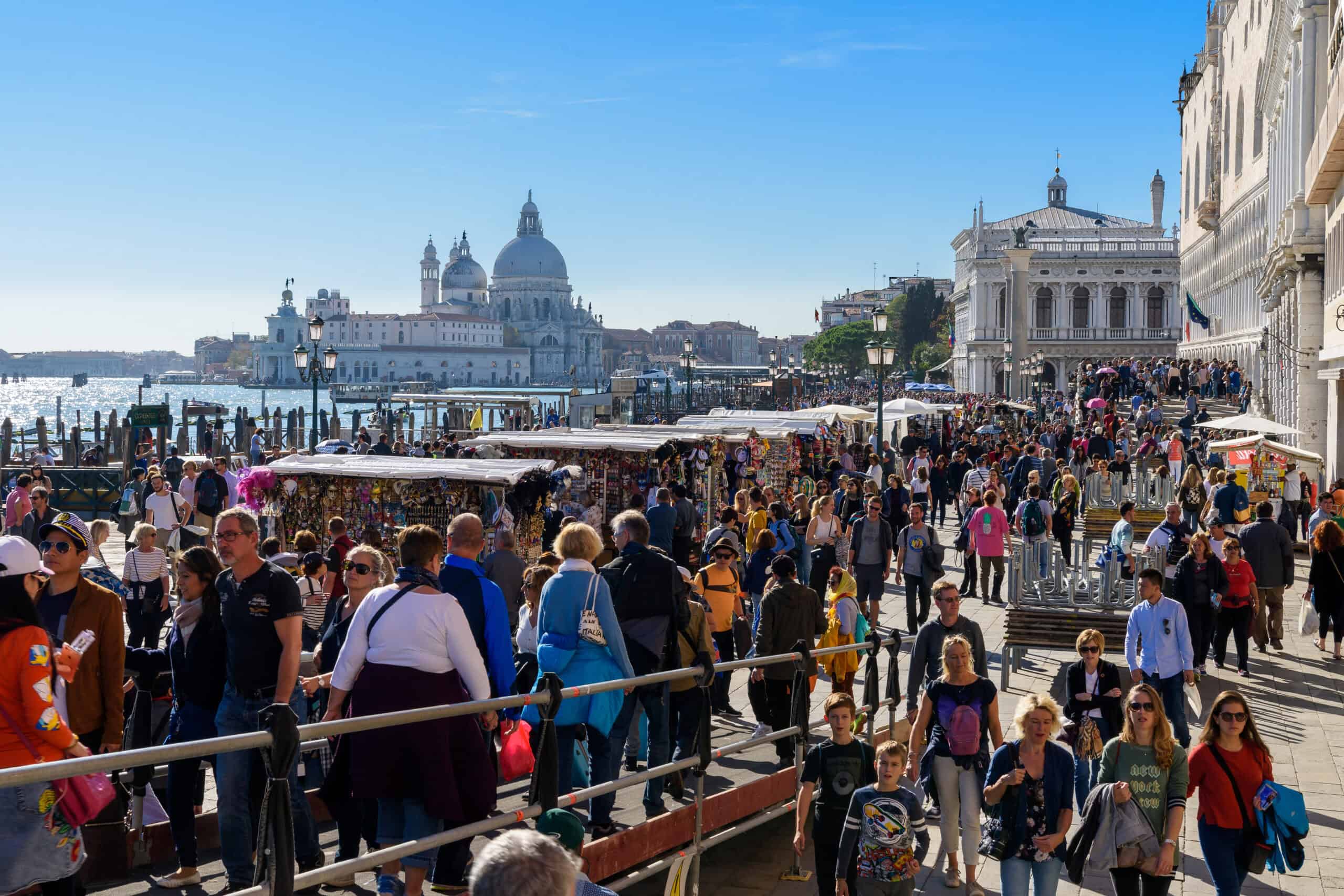
The deeper problem is scale, and scale changes everything about how Venice is felt. Reuters reported that Venice received about 20 million visitors in 2023 against a resident population of roughly 49,000 in the historic city, and officials have said peak weekends and holidays can bring more than 100,000 visitors, numbers that turn intimate lanes into funnels, bridges into slow queues, and waterfront pauses into tightly packed photo lines. The city can still dazzle, but under that kind of pressure even a simple walk starts feeling like movement inside a system that is already full and struggling to breathe.
Local Life Gets Squeezed to the Margins
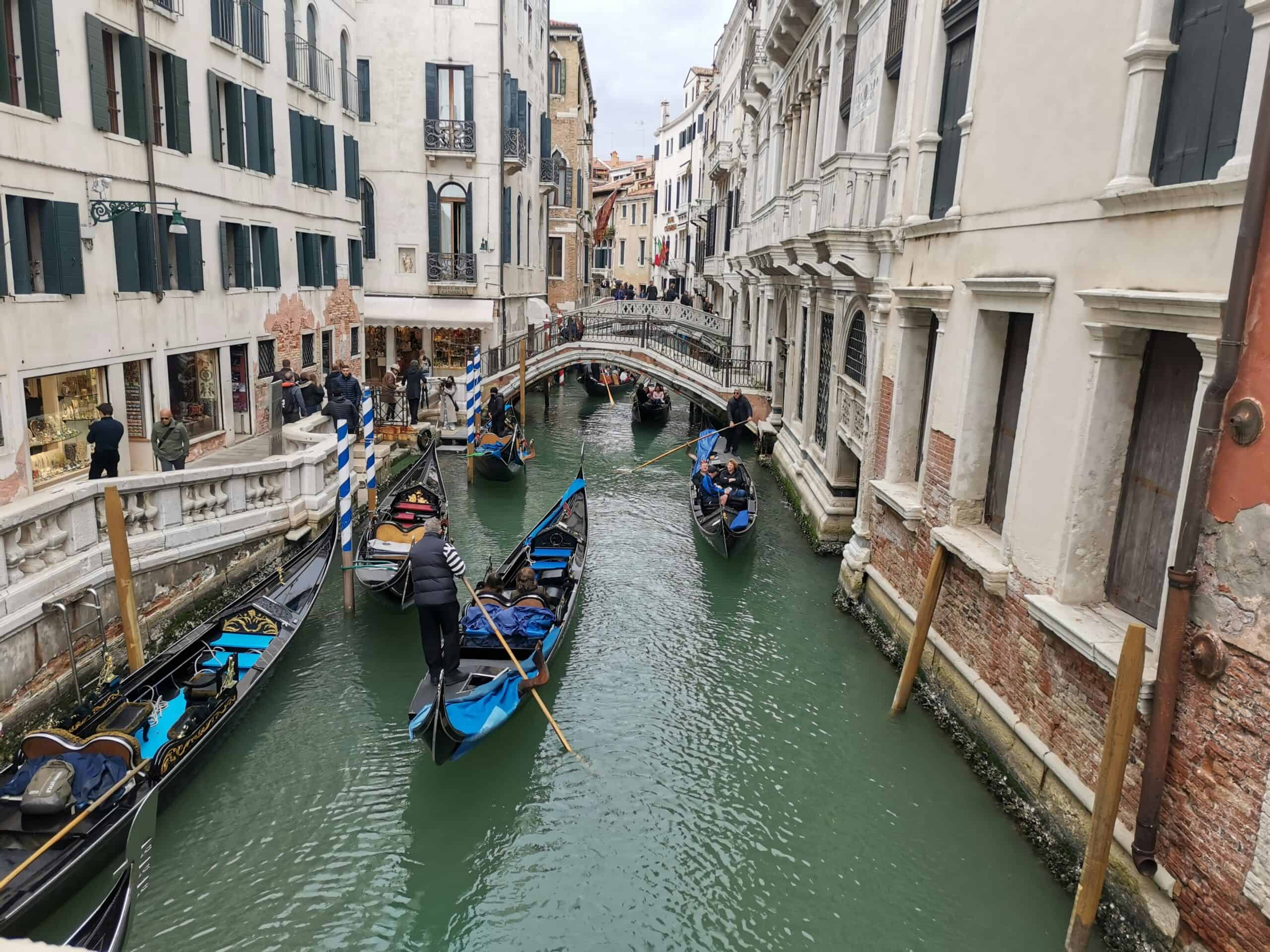
Overtourism is not only about long lines or expensive coffee near a landmark. UNESCO has warned that commercial and tourist pressure has transformed Venice’s historic habitat and contributed to the exodus of inhabitants, while residents have protested the idea of living inside a place that feels increasingly staged for passersby rather than shaped around grocery runs, school mornings, work routes, and ordinary neighborhood rhythms. Once that balance slips, the city begins to feel less like a living community and more like a beautiful surface arranged for temporary consumption.
The Lagoon Is Paying the Price
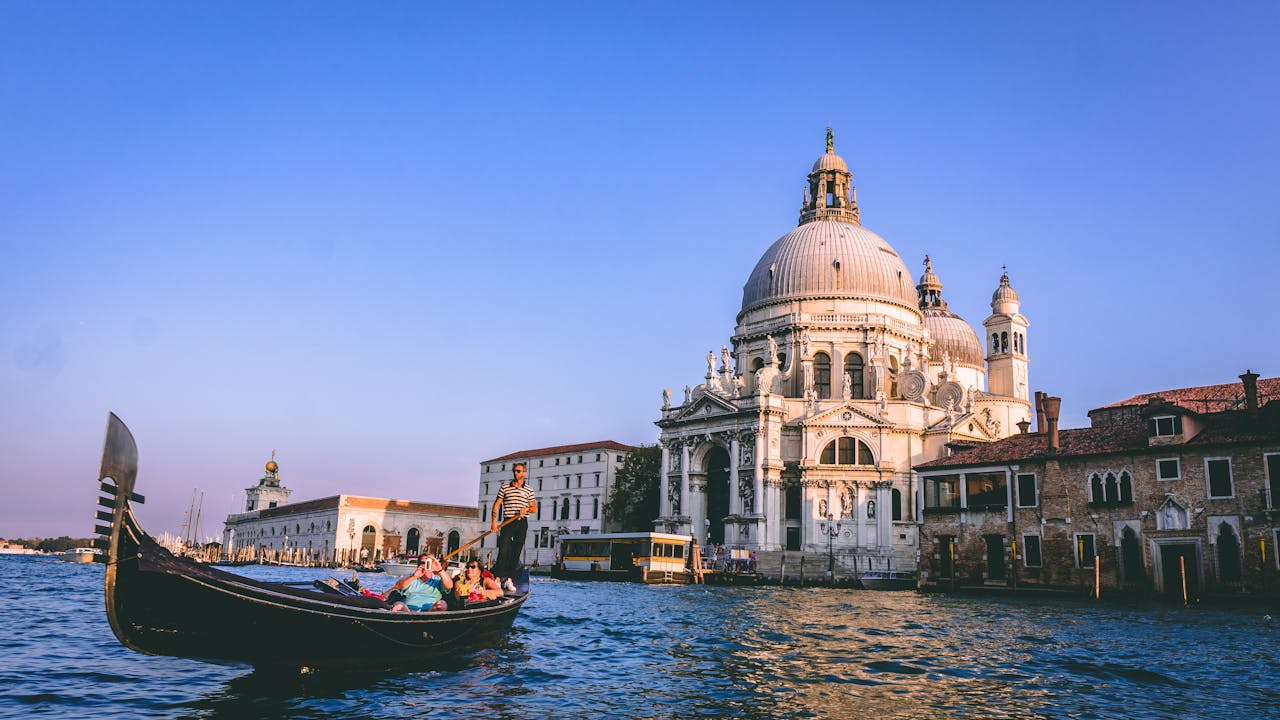
Venice’s strain is ecological as well as emotional, which is part of what makes the destination feel so uneasy right now. UNESCO welcomed Italy’s ban on large cruise ships entering the lagoon after warning that such vessels could undermine its ecological balance, and it has continued to frame unsustainable tourism as a threat to the site’s long-term value, not merely as an annoyance for residents or a headache for planners. When the setting itself starts carrying the burden of tourism, even the prettiest views take on a harder edge and a more fragile meaning.
Even the Rules Signal a City Under Strain
starkovphoto/123rf
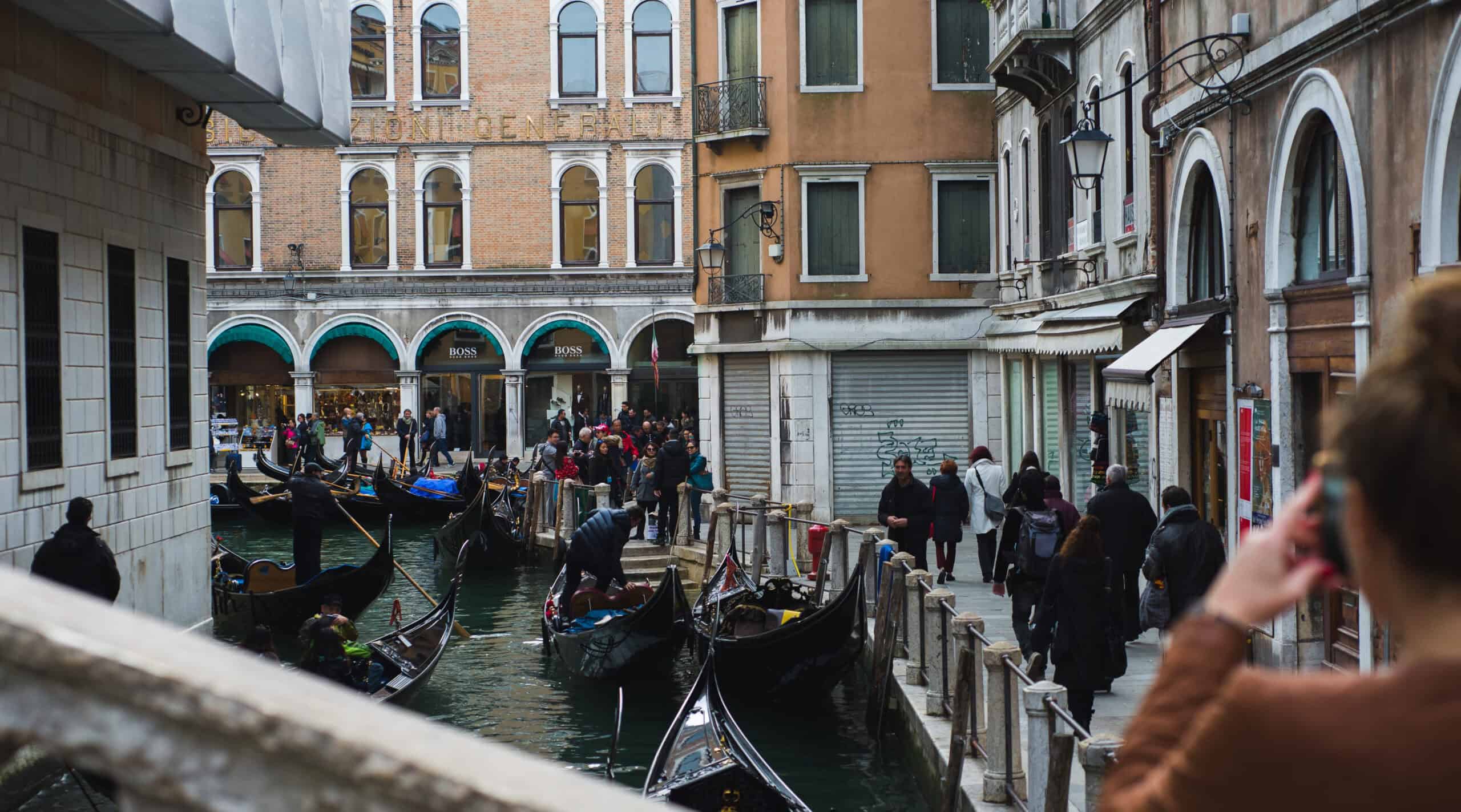
Cities do not cap group tours unless daily conditions have become genuinely hard to manage and the old volume has plainly stopped working. Venice moved in 2024 to limit tourist groups to 25 people and ban loudspeakers, part of a broader attempt to reduce clogging and noise in the historic center and on nearby islands, and that kind of rulemaking tells a clearer story than any postcard ever could about how compressed the visitor experience has become. Those measures may be sensible, but they also reveal a place no longer operating comfortably under the weight of its own fame.
The Experience Is Increasingly Built Around Logistics
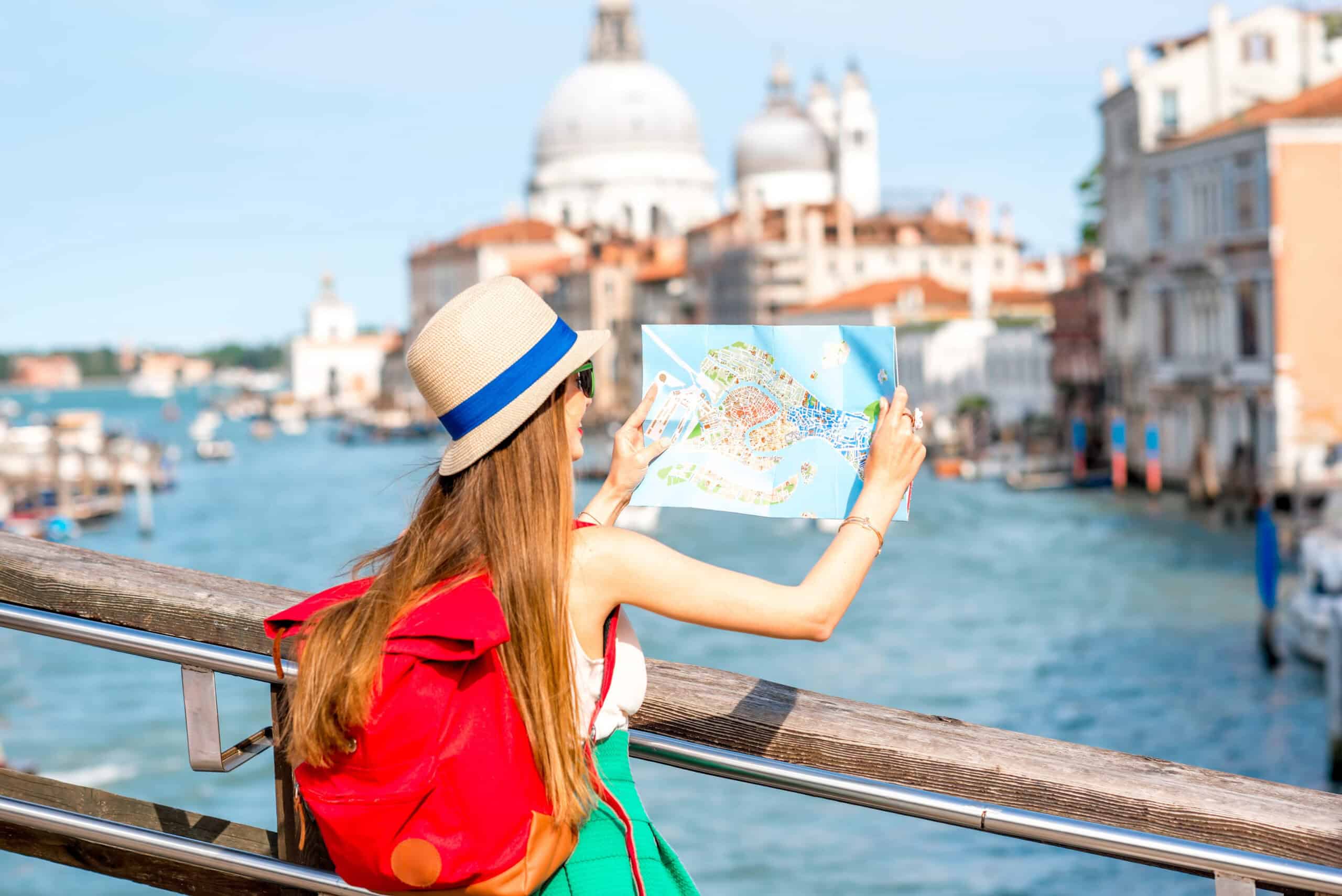
What many travelers still imagine is a city that rewards spontaneous drifting, long pauses on bridges, and aimless hours shaped by mood rather than timing. What Venice increasingly offers is a city best approached through planning, exemptions, queue awareness, crowd avoidance, and careful scheduling, and even city-backed tourism messaging now emphasizes sustainable access, advance booking, and mindful timing as part of the basic experience rather than a niche concern for anxious travelers. The romance survives, but it often arrives only after enough management and calculation to drain some of the feeling from the day.
Its Beauty Is Real, but the Timing Has to Be Perfect
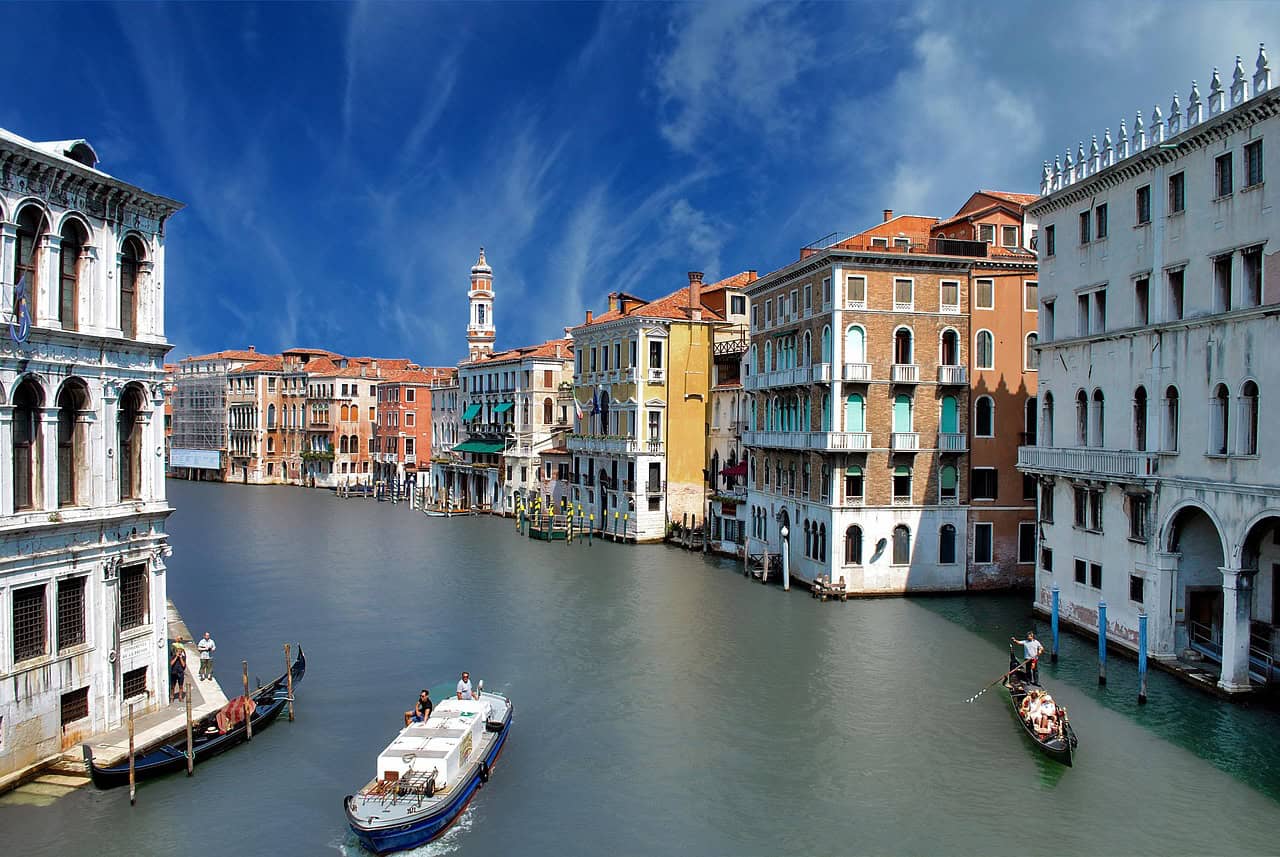
None of this means Venice lacks grandeur, because the grandeur is precisely why the disappointment lands so hard when conditions are wrong. It means the best version of Venice now depends on unusually careful timing, lower-season luck, and a willingness to accept that the most famous zones may still feel strained even on a good day, which makes the trip a far riskier bargain than the postcard promise suggests. For a destination built on wonder, that mismatch between promise and lived reality is enough to make it feel overrated much more often than many travelers expect.