We may earn money or products from the companies mentioned in this post. This means if you click on the link and purchase the item, I will receive a small commission at no extra cost to you ... you're just helping re-supply our family's travel fund.
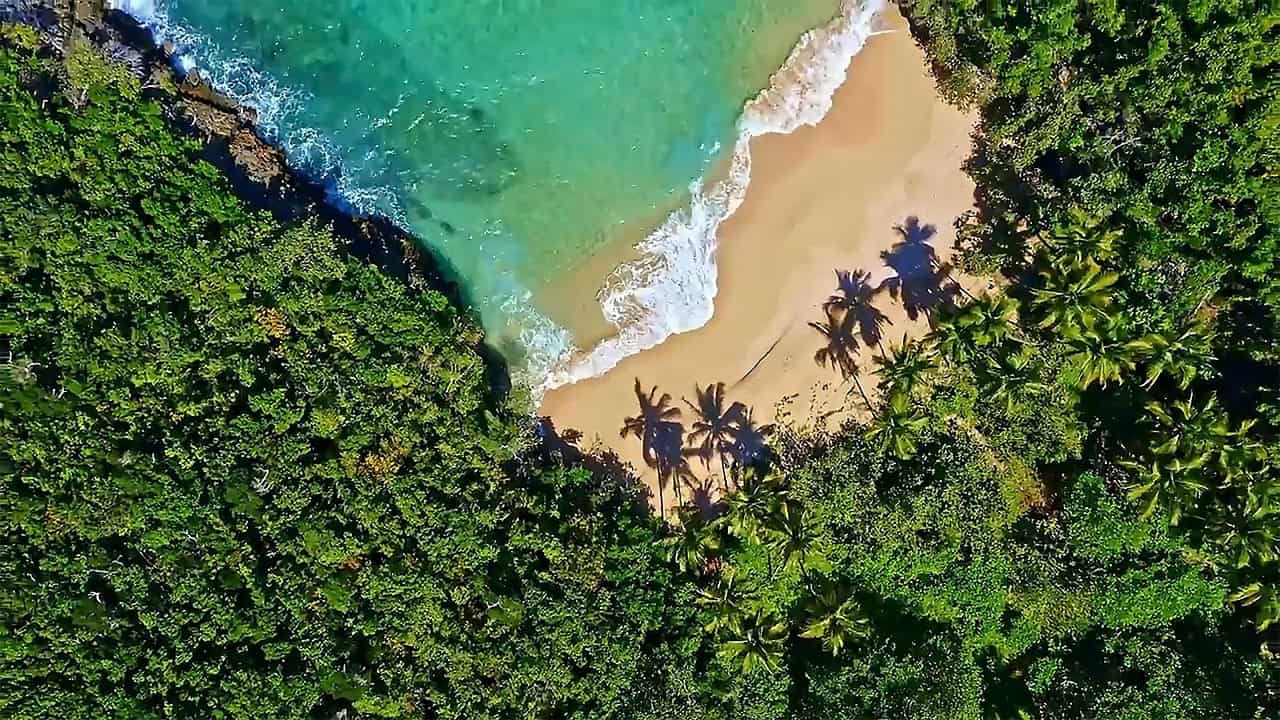
Some islands vanish from history not because they are small or remote, but because the world decides silence is safer than contact. One such island sits in the Bay of Bengal, deliberately shielded by law, distance, and warning signs. Once connected to wider human movement, it became clear that outside attention brought disease, death, and collapse. What followed was an unusual global agreement: protect life by staying away. Today, fewer than fifty people remain, living much as their ancestors did centuries ago, while the rest of the planet watches from afar.
1. A Location Removed From the World
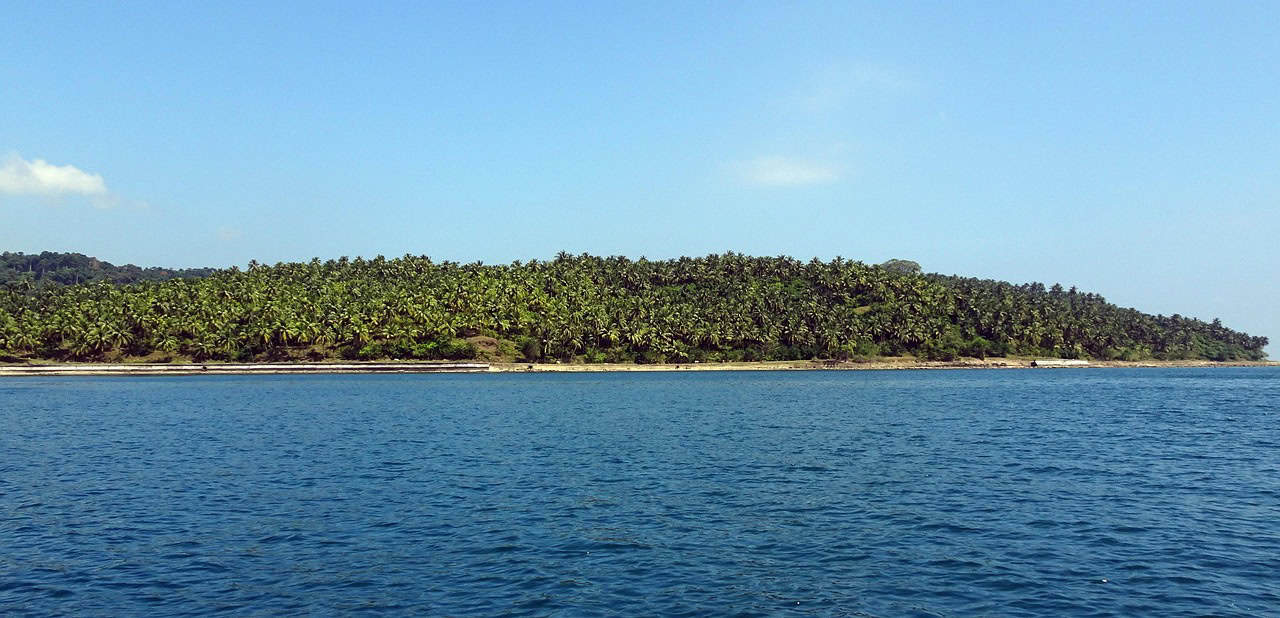
North Sentinel Island lies roughly 1,200 kilometers east of mainland India and covers about 60 square kilometers of dense forest and coral reef. Though small, its isolation is enforced with unusual precision. Indian law bars anyone from approaching within 5 nautical miles, a buffer designed to prevent accidental contact. Satellite images show no roads, ports, or clearings, only thick canopy and narrow beaches. Fewer than 40 to 50 inhabitants are estimated to live there, a dramatic drop from earlier centuries. The surrounding reefs, extending nearly 500 meters offshore, naturally block large vessels, reinforcing the island’s invisibility and keeping modern traffic at a calculated distance.
2. A Population Reduced to the Edge
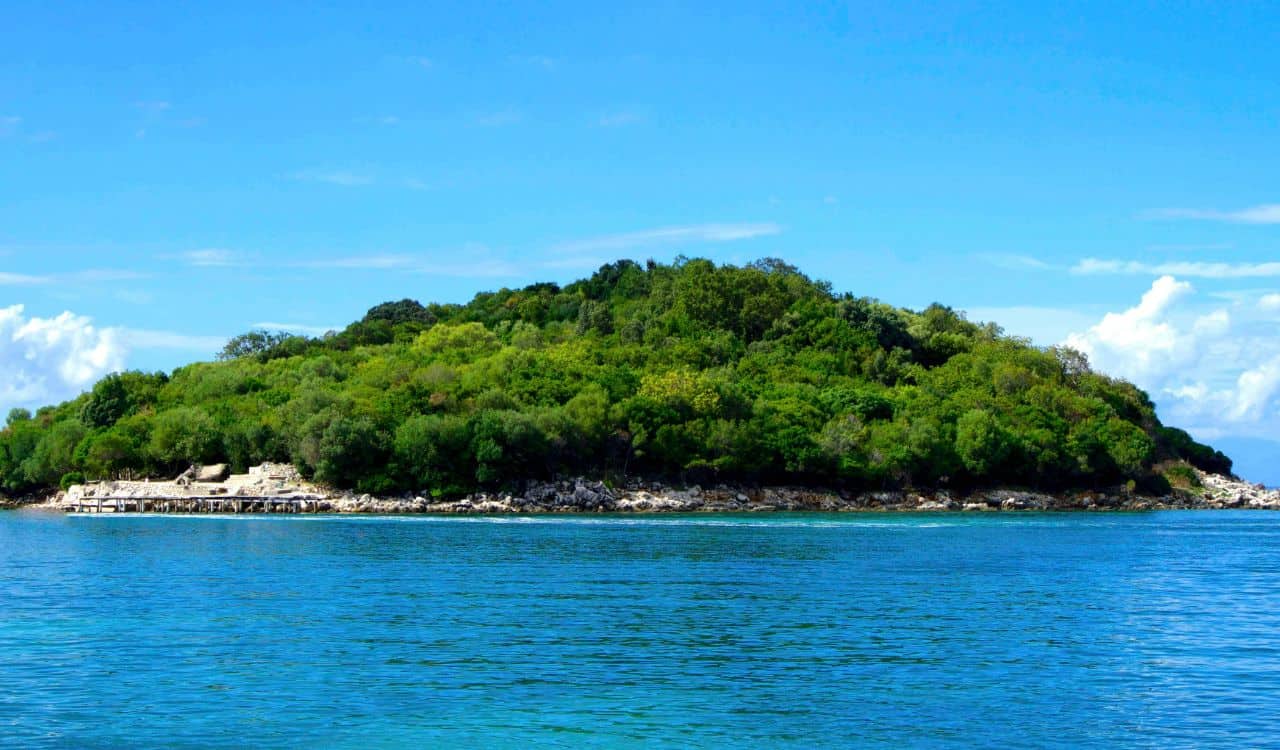
Historical records suggest the Sentinelese population once numbered several hundred, possibly over 300 individuals before sustained outside contact began in the 19th century. British expeditions in 1880 triggered outbreaks of measles and influenza, illnesses to which the islanders had no immunity. Mortality rates were devastating, wiping out entire family groups within years. By the late 20th century, surveys estimated only around 40 people remained. Birth rates appeared low, and life expectancy was believed to average under 50 years. This sharp demographic collapse shaped modern policy, as authorities realized even limited interaction could mathematically push the population toward extinction.
3. Why the World Enforced Isolation
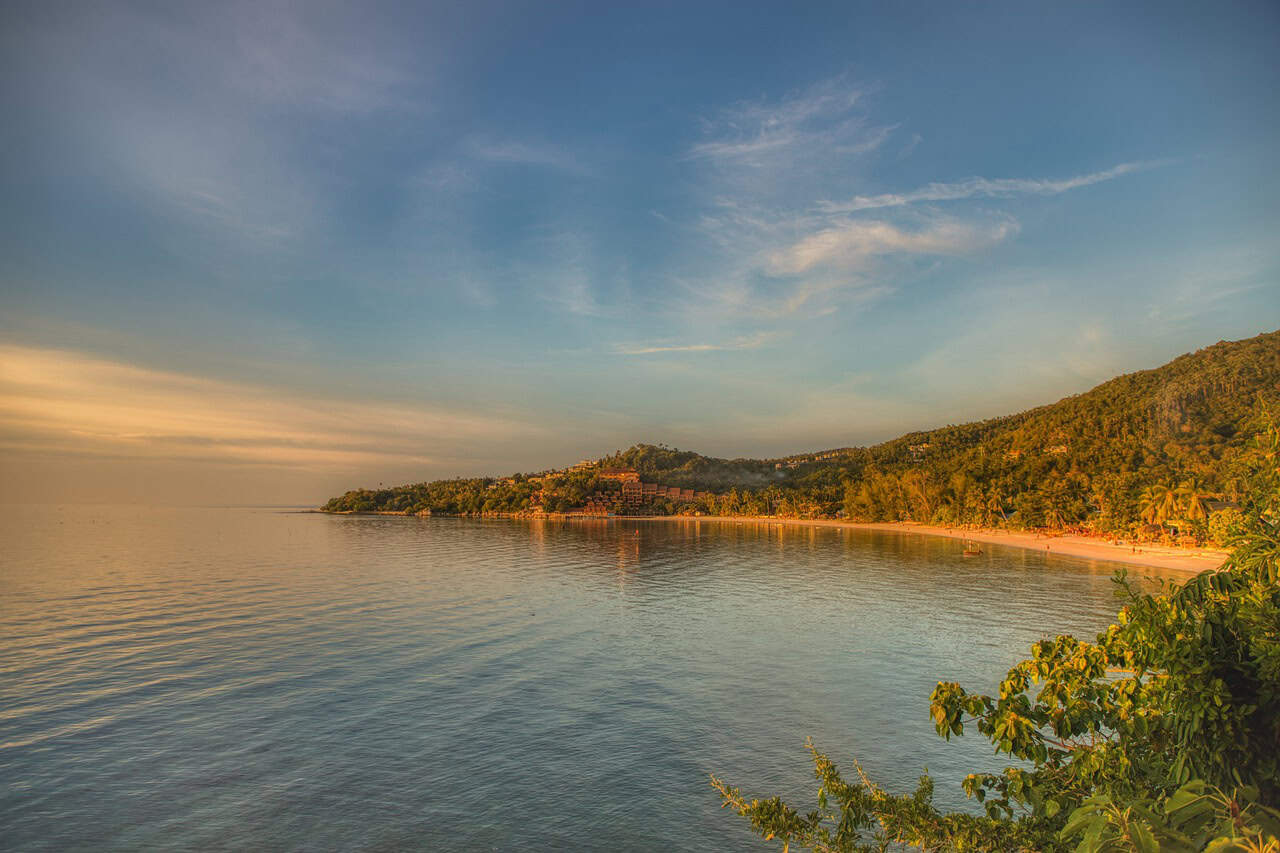
Unlike most protected regions, this island is guarded not for resources, but for survival. Medical models showed that a single flu virus could kill over 50 percent of the remaining population in weeks. In 1956, India formally declared the island a restricted tribal reserve, later reinforced by patrols costing millions of dollars annually. No development permits exist, no census teams are allowed to land, and even rescue operations stop short of contact. The policy is simple: zero engagement equals maximum survival odds. It is one of the rare cases where modern governments chose absence over intervention, guided by epidemiology rather than economics.
4. Daily Life Without Modern Time
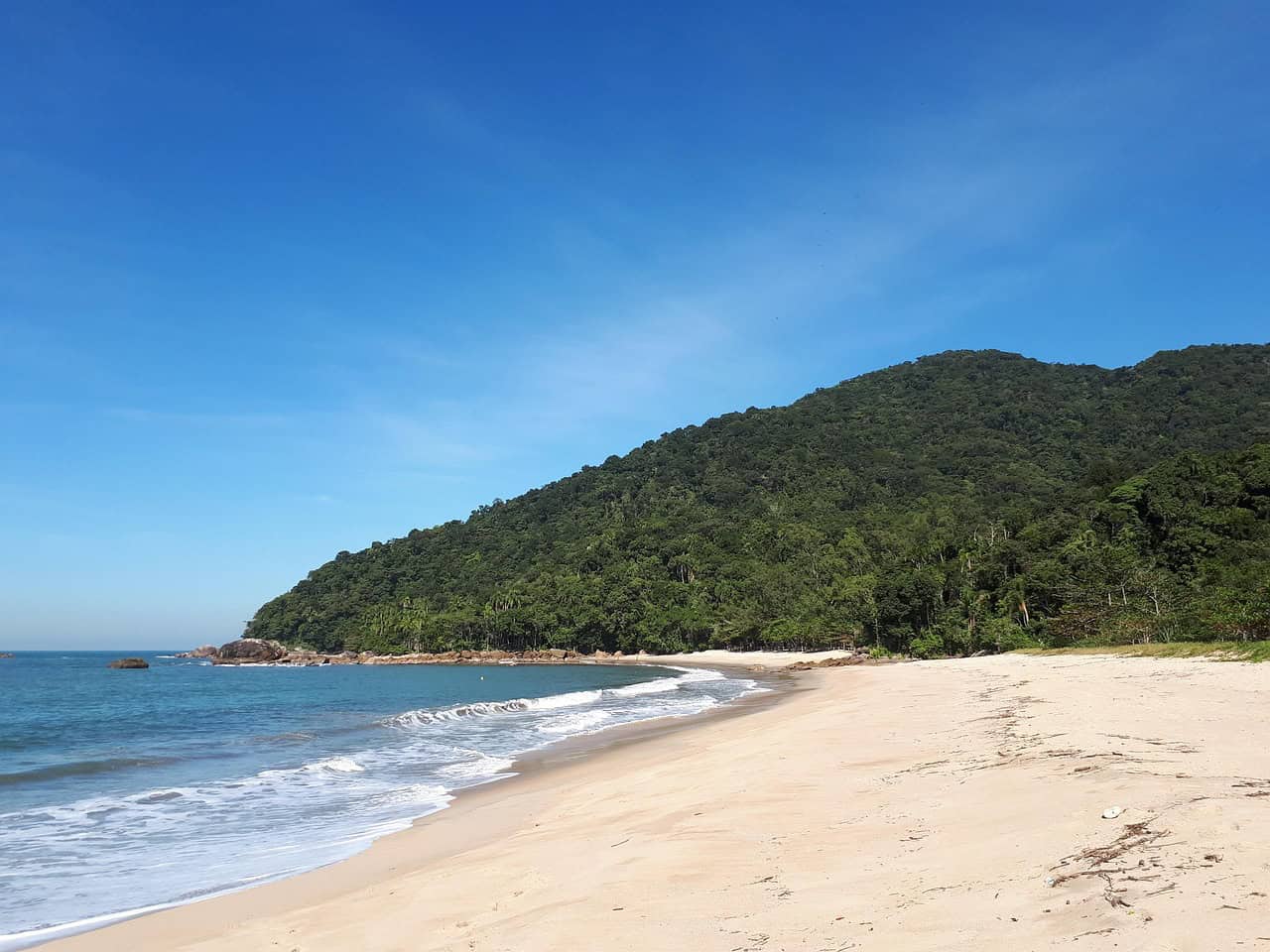
Life on the island follows rhythms shaped by daylight, tides, and seasons, not clocks or calendars. The Sentinelese hunt wild pigs weighing up to 50 kilograms, fish in shallow reefs, and gather fruit from forests covering nearly 90 percent of the land. No evidence of agriculture, metal tools, or fire-making technology beyond natural methods has been recorded. Homes are temporary shelters, rebuilt as storms reshape the coastline each year. With no written language or numbers beyond basic counting, knowledge passes orally. Their entire material culture fits within what can be carried by hand, sustaining a population density of less than one person per square kilometer.
5. A Living Ethical Boundary
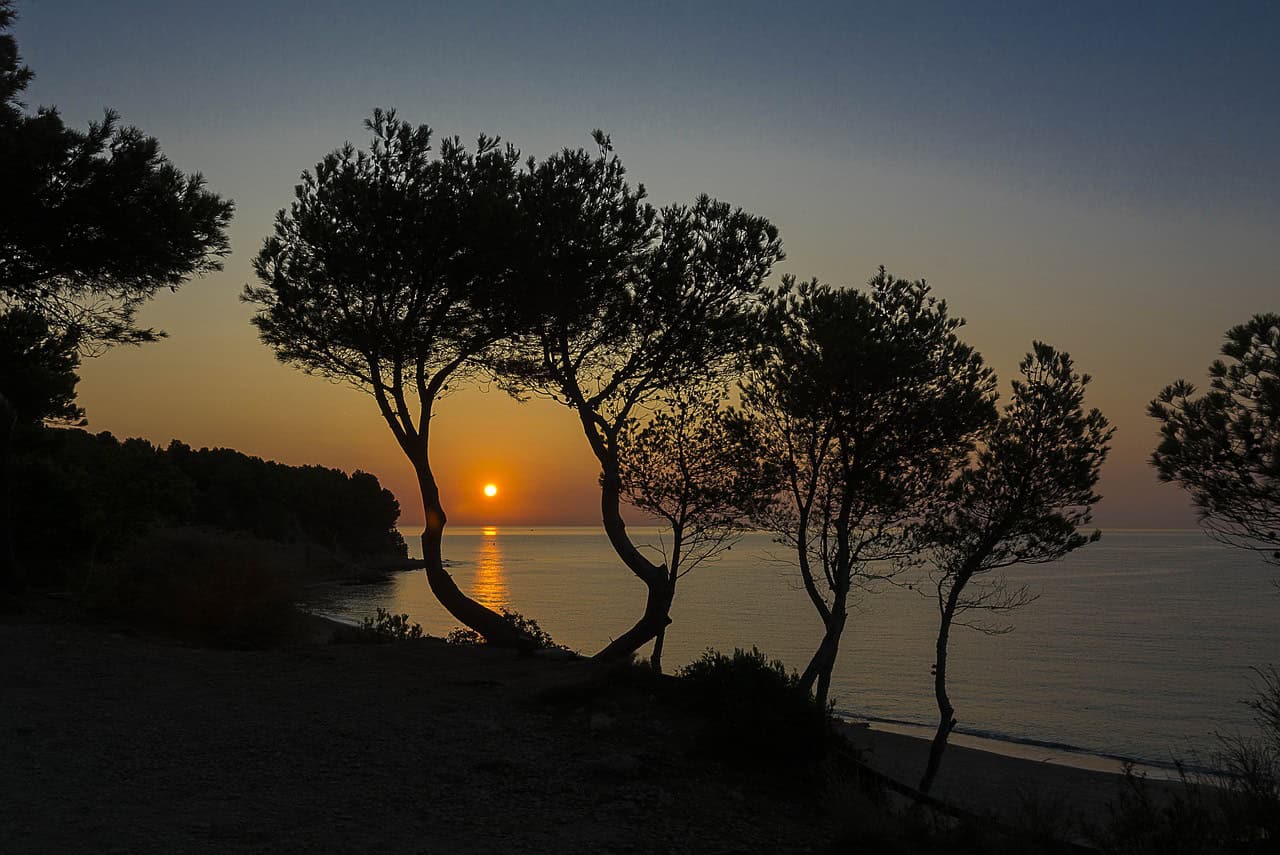
The island represents a rare moral line humanity has agreed not to cross. Tourists, filmmakers, and researchers are banned, with penalties including prison sentences and heavy fines. Despite global curiosity, fewer than a dozen confirmed sightings have occurred since 2000, mostly from patrol boats at a distance. The Sentinelese have consistently rejected contact, using warning arrows to enforce their borders. In a world of 8 billion people, this community survives by exclusion, not integration. Their continued existence challenges modern assumptions about progress, proving that preservation sometimes means choosing ignorance over influence.