We may earn money or products from the companies mentioned in this post. This means if you click on the link and purchase the item, I will receive a small commission at no extra cost to you ... you're just helping re-supply our family's travel fund.
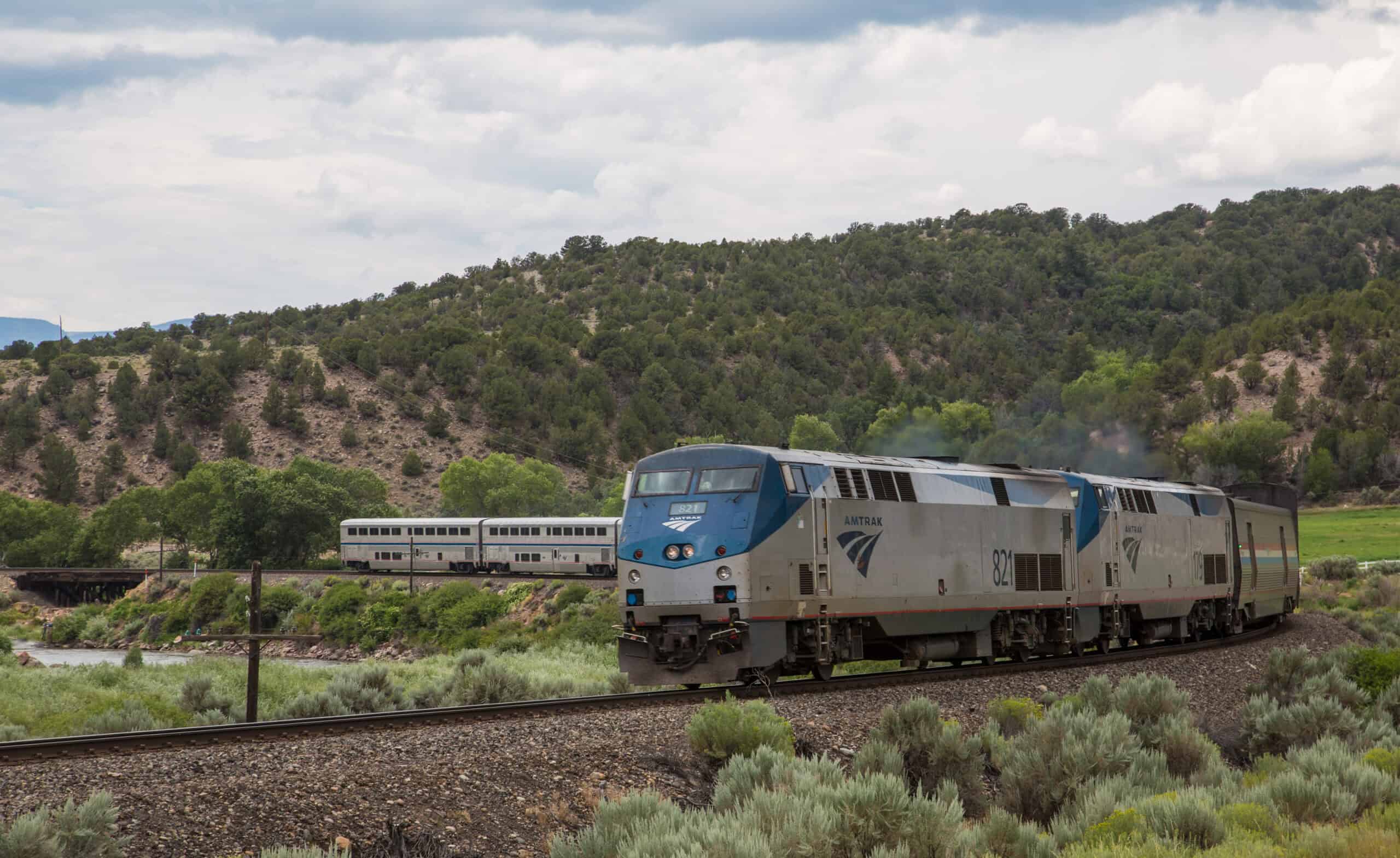
The California Zephyr carries the kind of reputation that makes people plan around it for years. Amtrak’s longest daily route rolls from the Midwest to the Bay Area through canyons, mountain passes, and wide western basins, and the scenery can feel almost unreal from the lounge car windows. But the same miles that make it legendary also make it demanding. Long travel days, late arrivals, added transfers, and comfort tradeoffs can turn a dream rail journey into a hard choice for travelers on a fixed schedule.
Why The California Zephyr Feels Bigger Than A Trip
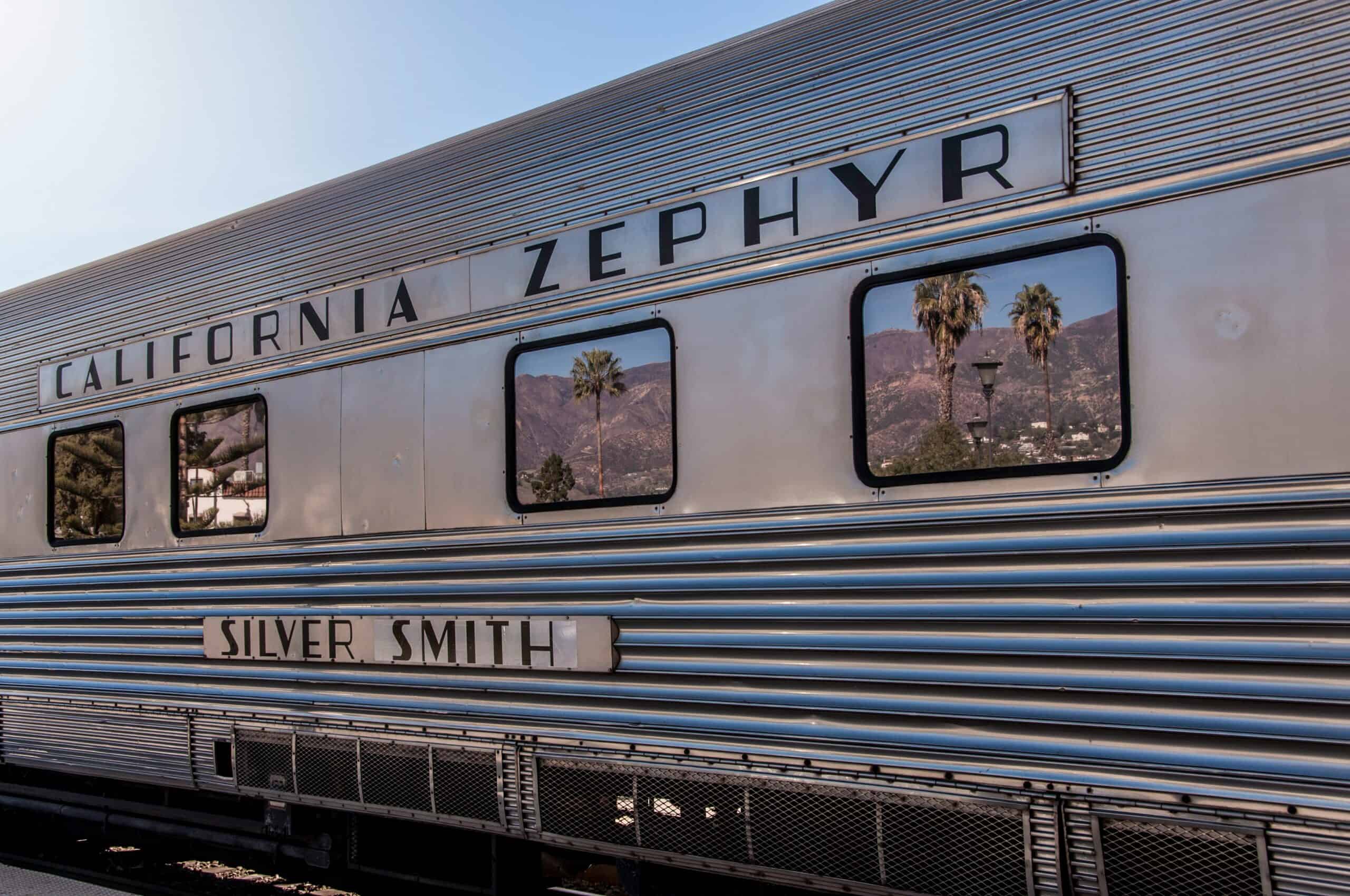
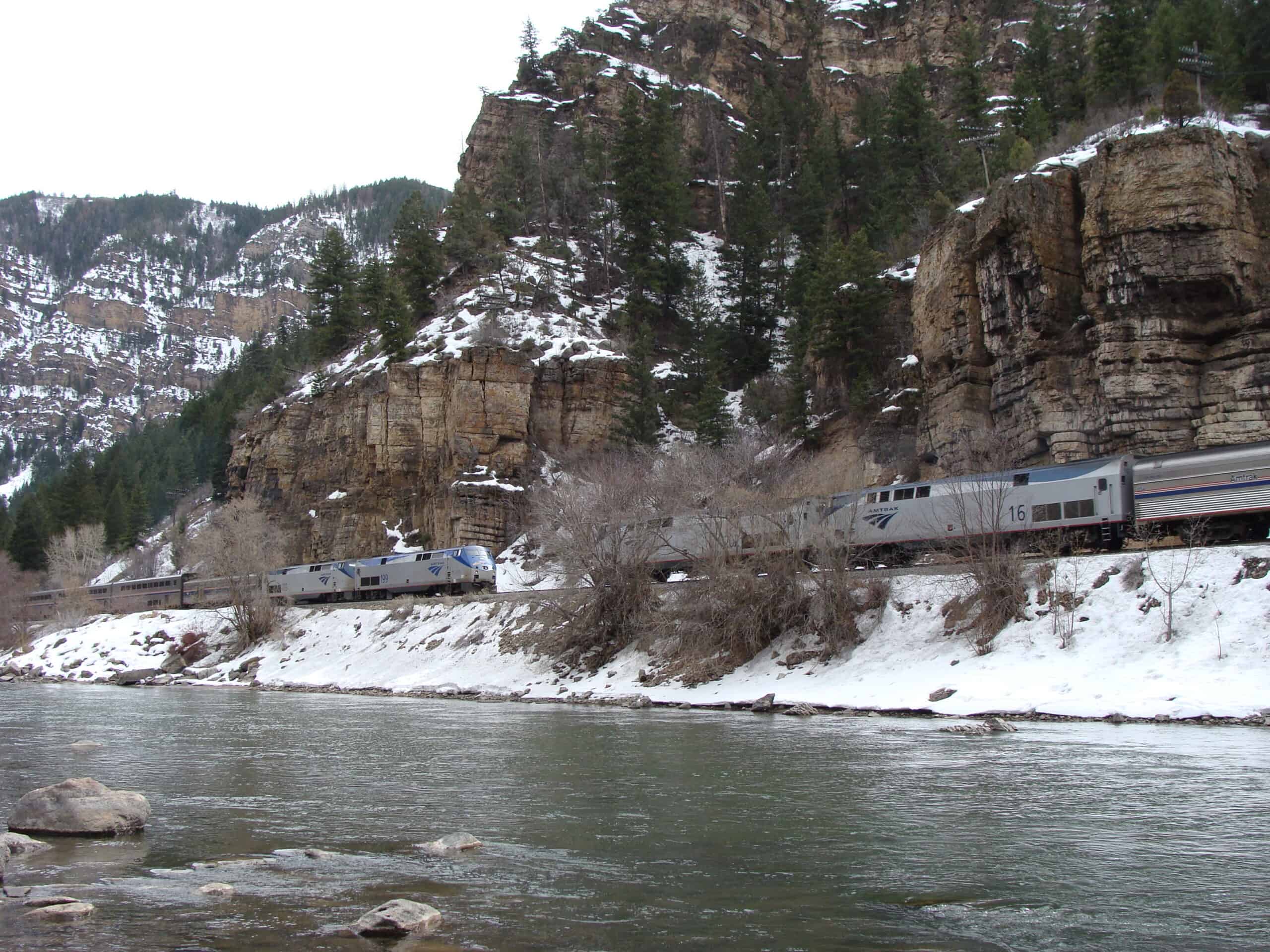
Amtrak lists the California Zephyr at 51 hours and 20 minutes between Chicago and Emeryville, with a connecting bus onward to San Francisco, and even its official route description reads like a moving geography lesson rather than a timetable. The line crosses the plains, climbs through the Rockies, and continues west through the Sierra Nevada, while Amtrak highlights landmarks like Glenwood Canyon, Moffat Tunnel, Donner Lake, and the Carquinez Strait. That combination of scale, elevation, and changing terrain is exactly why the train earns such loyalty, and why expectations often start sky-high.
The Mileage Is Stunning, And So Is The Commitment
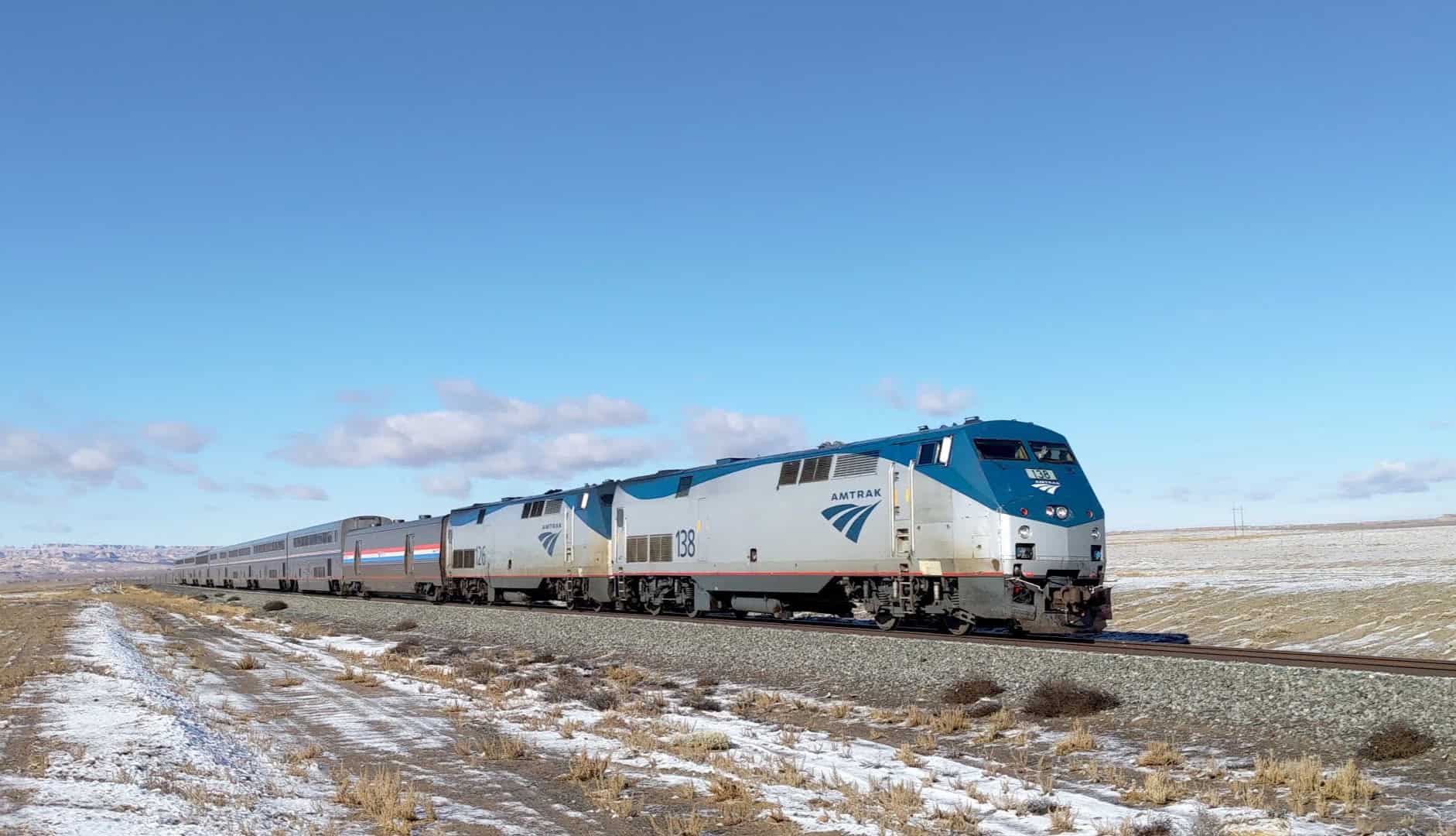
Amtrak’s media team says the Zephyr travels 2,438 miles over three days and two nights, and also notes that it is the company’s longest route with daily service, which helps explain the train’s outsized reputation. That distance sounds romantic when it is reduced to a headline, but it becomes a serious commitment once every meal, nap, station stop, and delay is folded into one continuous ride. Travelers who treat it like a scenic shortcut can feel surprised by the sheer time demand, because the route is built for immersion, not speed and every extra hour lands on plans already stretched thin by then.
Delays Hit Harder Here Than On Shorter Routes

Amtrak’s updated on-time performance page shows the California Zephyr at 51% on-time performance in 2024, and the railroad also says freight train interference is the largest cause of delay across the network. That matters more on a route this long than it does on a short corridor train, because even a moderate delay lands on top of a trip that is already planned across multiple days and nights. Hotel check-ins, station pickups, and onward travel can all shift at once, so a late Zephyr can turn a beautiful rail ride into a complicated timing puzzle and that is why small delays can derail plans by trip day three.
The Scenery Is Real, But The Window Is Not Guaranteed
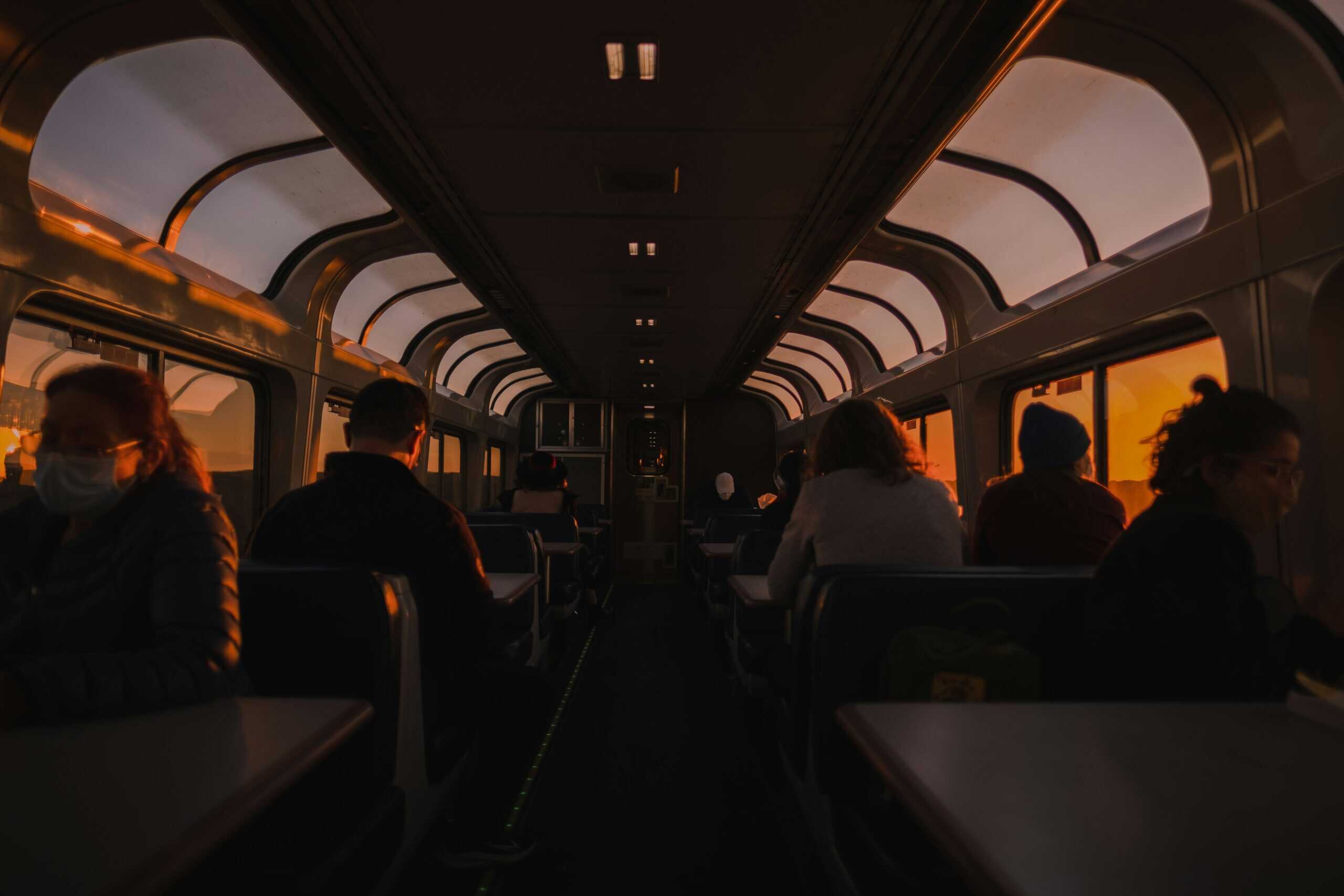
Amtrak says the Zephyr’s schedule is designed so riders pass through the most scenic parts of Colorado, Utah, and Nevada during daylight, which is a major reason the route is often described as one of North America’s most beautiful rail journeys. Even so, scenery depends on timing as much as geography on a trip this long. Delays, smoke, cloud cover, early winter darkness, or simple weather changes can alter what appears outside the windows, and the same canyon or mountain section can feel completely different depending on season, smoke, and the exact hour the train rolls through every scenic stretch.
The San Francisco Finish Comes With One More Transfer
The western end of the rail route is Emeryville, not downtown San Francisco, and Amtrak’s route page notes that passengers continue into San Francisco or Oakland by connection bus. That detail is easy to miss because the Zephyr is commonly framed as a Chicago-to-San Francisco classic, and most people picture a direct rail arrival into the city. After two nights onboard, that extra transfer can feel bigger than it sounds, especially for travelers carrying multiple bags, arriving behind schedule, or trying to settle into lodging quickly, which often feels longer than expected after the rail segment ends, and everyone is already tired.
Coach Works For Some Riders, But It Is Still A Long Haul
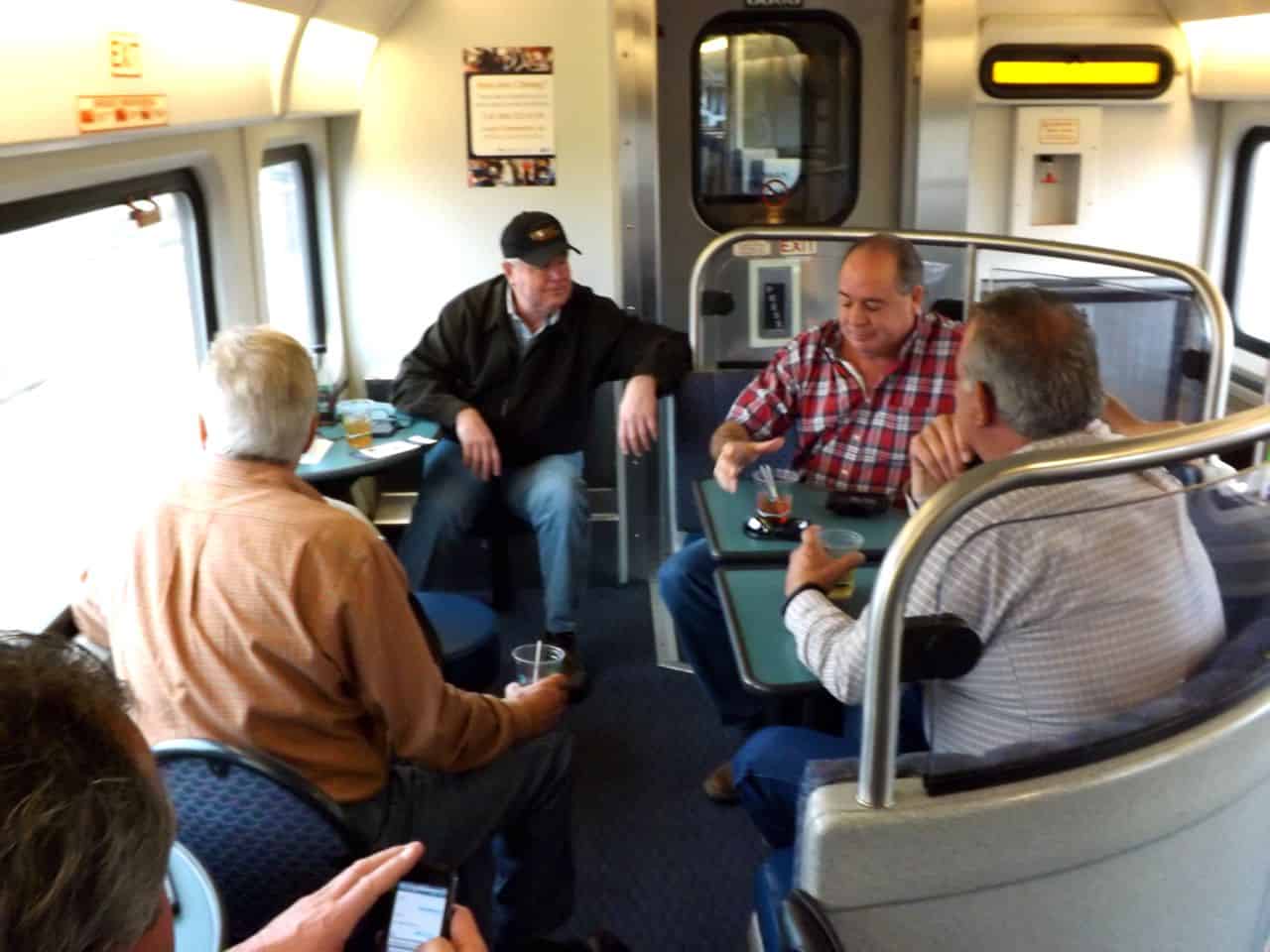
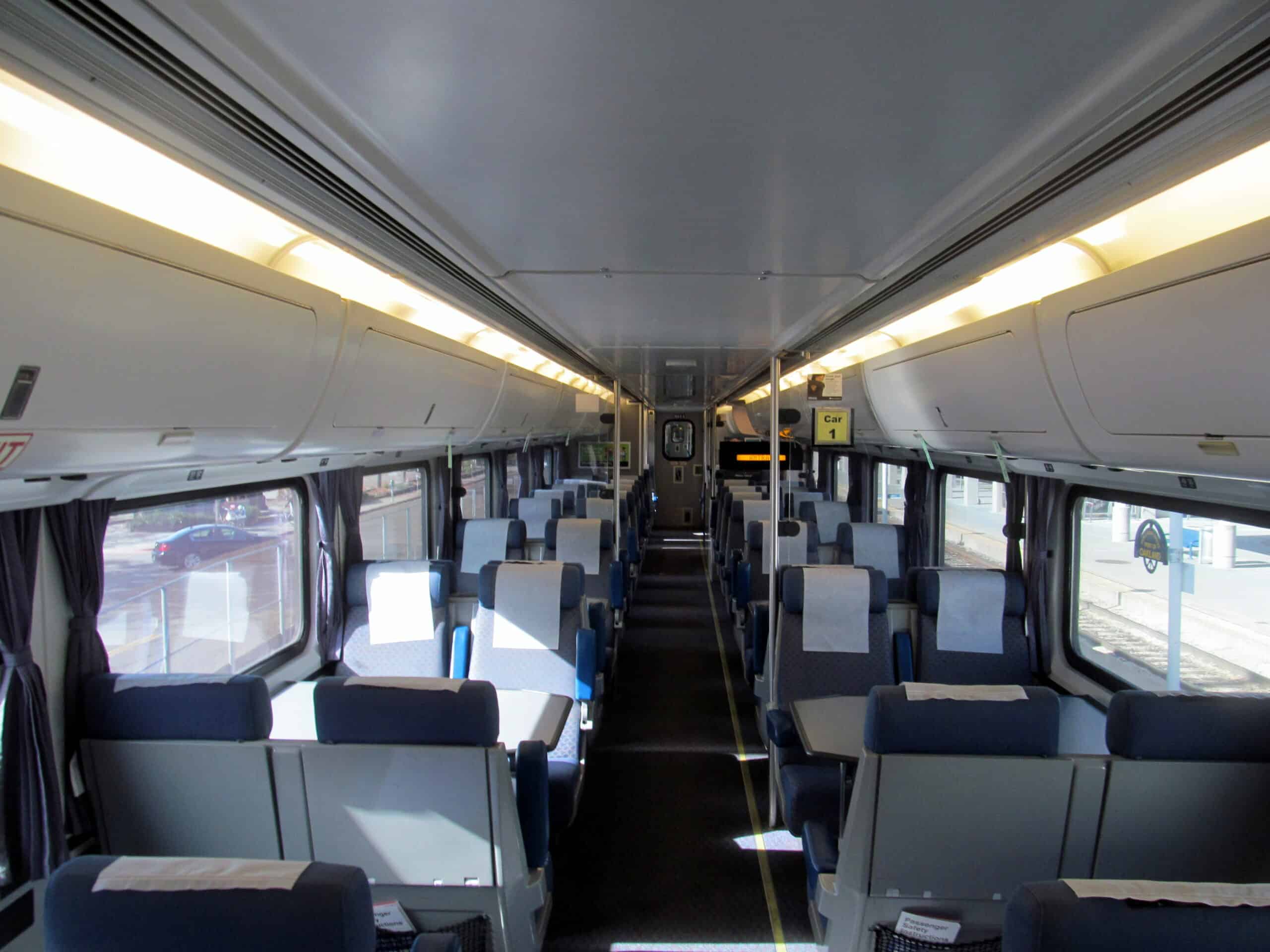
Amtrak offers the Zephyr in Coach and private-room accommodations, and Coach can absolutely suit riders who mainly care about the scenery and want a lower fare. The challenge is that the train is not one overnight but two, and long-distance comfort becomes a real factor by the second day. Shared space, lighter sleep, station noise, and the basic fatigue of spending so much time in a seat can wear down travelers who expected the route to feel relaxing from start to finish just because the views are extraordinary and even solid seats can feel punishing by the second night, when noise, motion, and light have chipped away at rest for so long now.
Private Rooms Solve Comfort And Raise The Price
Amtrak’s sleeper information shows why so many experienced riders recommend a Roomette or Bedroom on overnight routes: private space, attendant service, complimentary meals, and lounge access at major stations can make the trip feel dramatically easier. Those amenities are especially valuable on the Zephyr because the journey spans three calendar days and crosses multiple climate zones. But Amtrak also notes that private-room fares vary by route, date, and demand, so the setup that fixes the comfort problem can also become the biggest reason to skip the route if the price climbs during peak summer and holiday weeks too.
One Daily Departure Leaves Very Little Slack
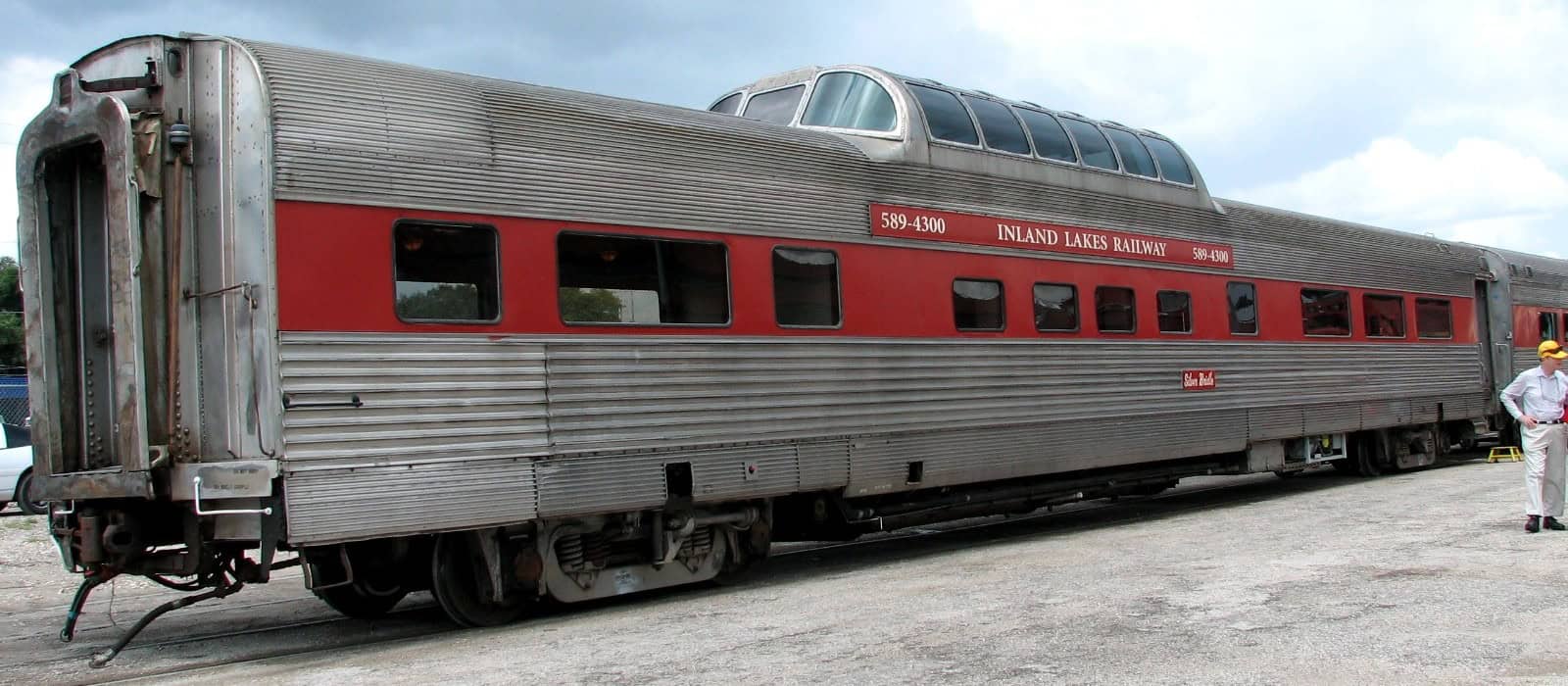
Amtrak lists one daily departure in each direction, with the Zephyr leaving Chicago at 2:00 p.m. and Emeryville at 9:10 a.m., and that schedule adds pressure to every connection and check-in around the trip. There is no easy hourly backup if boarding is missed, a weather issue slows the trip to the station, or a separate train or flight arrives late. On shorter rail corridors, flexibility can cover mistakes, but on a long-distance line this famous, timing errors can quickly become extra hotel nights, missed plans, or expensive rebooking decisions, so tight itineraries after arrival often need extra padding, which budget travelers do not always expect.
It Shines Most When The Train Itself Is The Destination
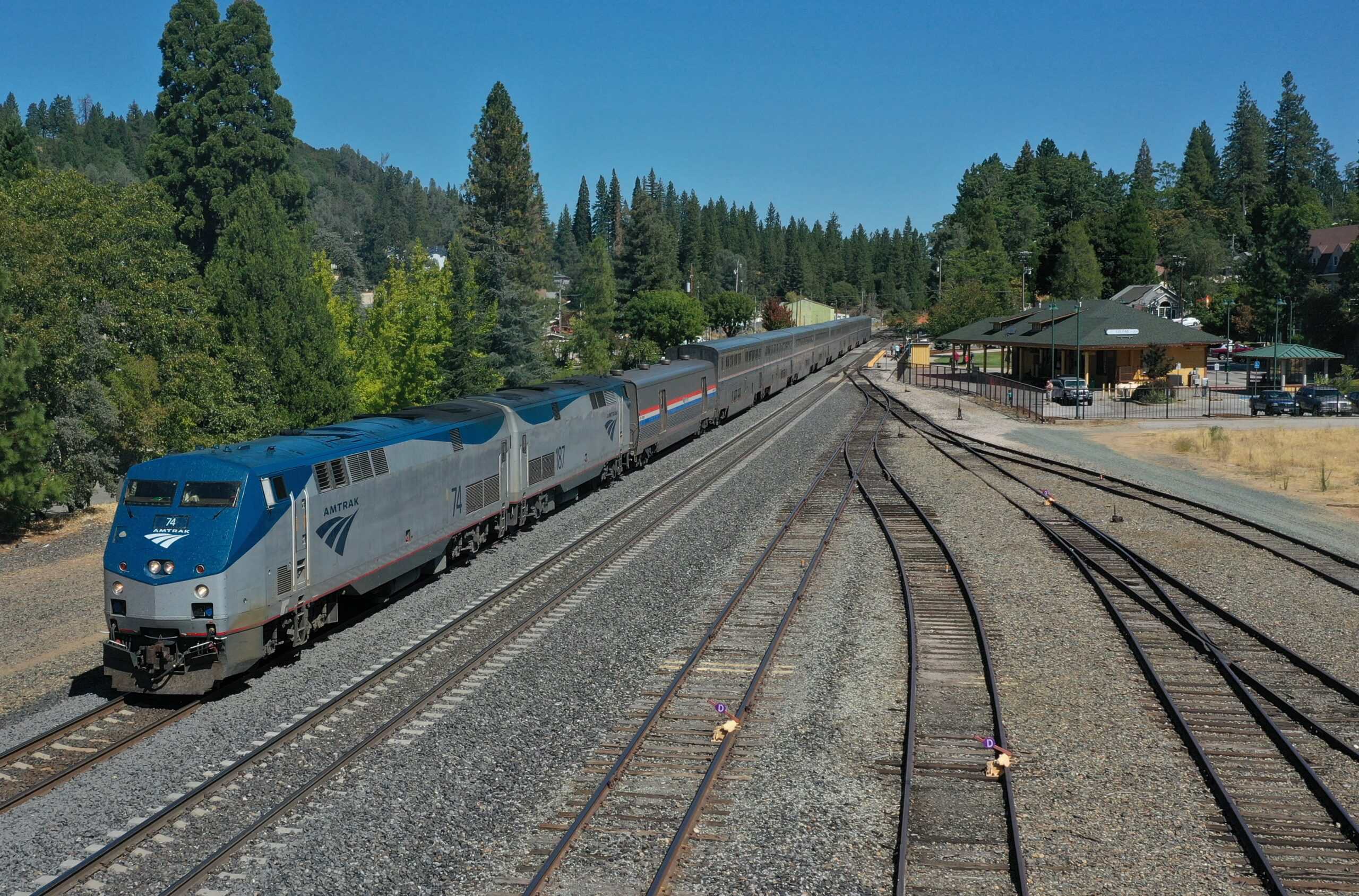
Amtrak says the Zephyr stops at 37 stations across California, Nevada, Utah, Colorado, Nebraska, Iowa, and Illinois, and in some smaller communities it serves as the only intercity transportation option. That helps explain why the route means more than tourism and why its pace feels different from a standard vacation transfer. It tends to reward travelers who want the ride itself, the station rhythm, and the changing landscape to be the main event, while frustrating travelers who mostly need speed, certainty, or constant connection and the riders most disappointed are often those trying to use it like a transfer, instead of the main event.