We may earn money or products from the companies mentioned in this post. This means if you click on the link and purchase the item, I will receive a small commission at no extra cost to you ... you're just helping re-supply our family's travel fund.
America’s urban story is often told through growth, skylines, and surging property values. Yet some cities that once symbolized prosperity are now navigating prolonged downturns. Population loss, shrinking job markets, strained public services, and housing instability have reshaped daily life in places that were once magnets for opportunity. Before relocating, investing, or planning an extended stay, it’s worth understanding the numbers behind the narrative. Here are four cities where past glory contrasts sharply with present challenges.
1. Detroit, Michigan
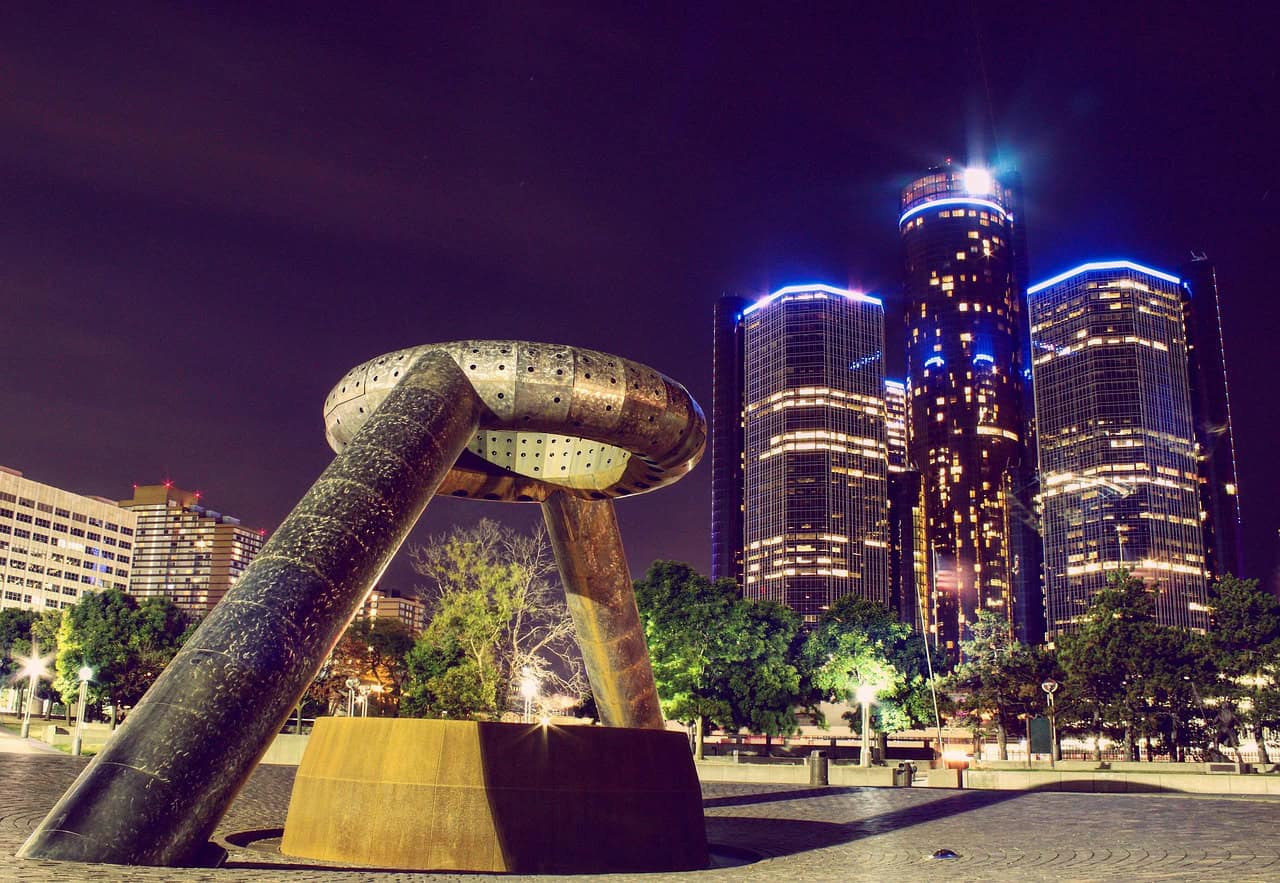
Once America’s fourth-largest city with 1.85 million residents in 1950, Detroit’s population has fallen to roughly 630,000, a decline of nearly 65%. The collapse of auto manufacturing eliminated tens of thousands of union jobs between the 1970s and early 2000s. In 2013, the city filed for the largest municipal bankruptcy in U.S. history, listing about $18 billion in debt.
Downtown redevelopment has added new apartments and stadium activity, yet entire neighborhoods still show high vacancy rates. Median household income remains below $36,000, far under the national average. Revitalization exists, but recovery is uneven and fragile.
2. Cairo, Illinois
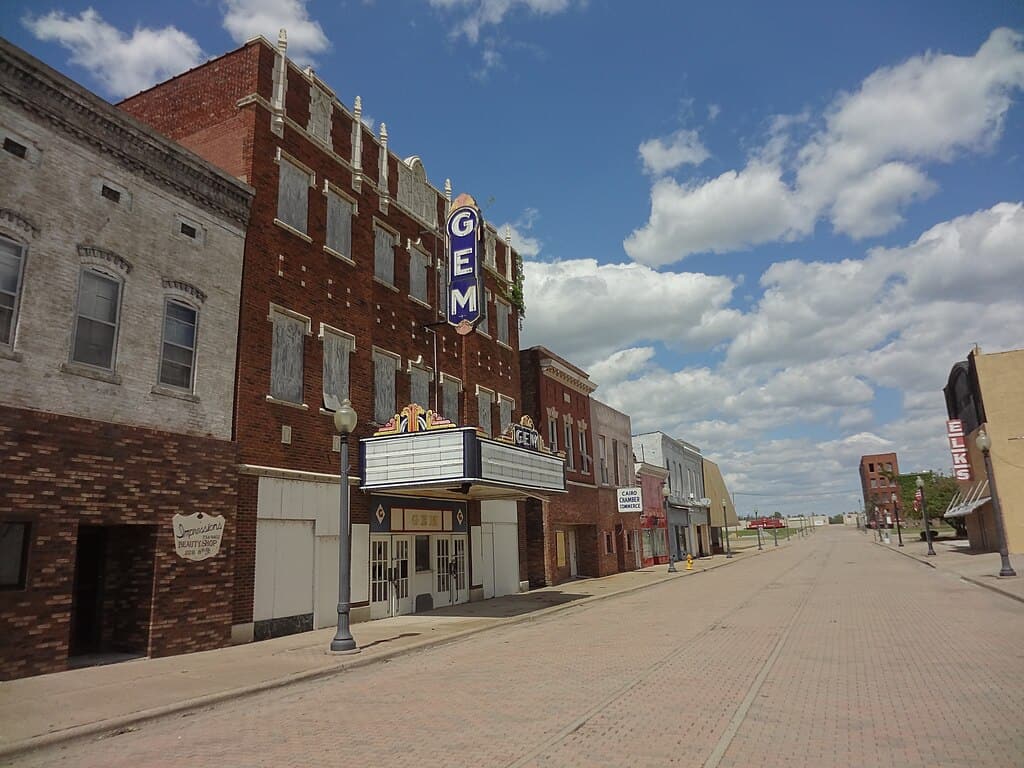
Situated at the meeting point of the Mississippi and Ohio rivers, Cairo once thrived as a strategic trade hub. Its population peaked above 15,000 in 1920, but today fewer than 1,800 residents remain, an astonishing drop of nearly 90%. River commerce declined, rail dominance faded, and industry never fully diversified.
Large sections of historic housing now stand abandoned, and poverty levels exceed 40%. The shrinking tax base has strained schools and public infrastructure for decades. While preservation groups highlight its architectural heritage, economic momentum has yet to return at a meaningful scale.
3. Flint, Michigan
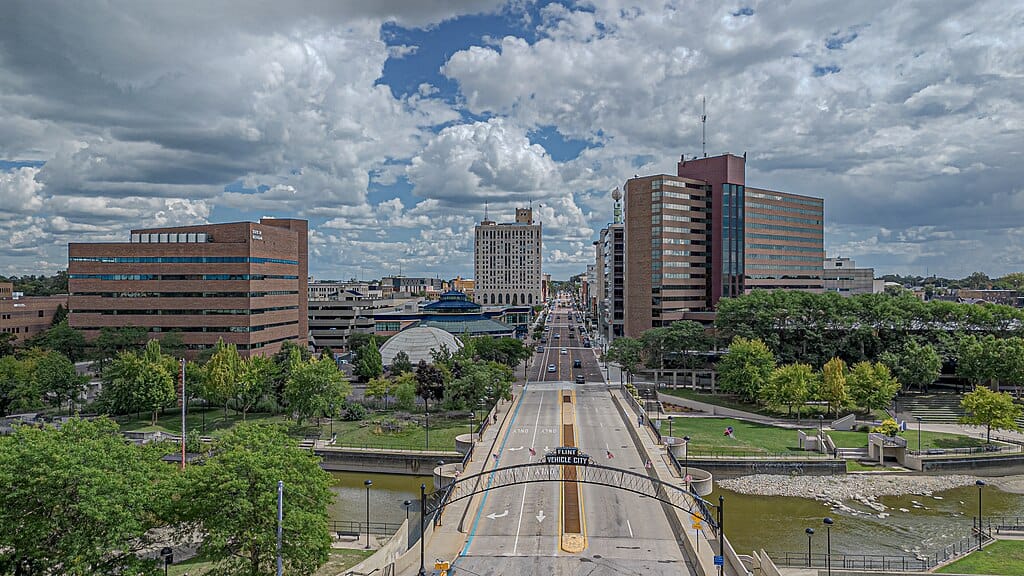
Flint was once synonymous with General Motors prosperity, boasting nearly 197,000 residents in 1960. Today, the population is closer to 80,000, a loss of almost 60%. Factory closures beginning in the 1980s erased tens of thousands of stable manufacturing jobs. Unemployment and poverty surged as the tax base weakened.
The 2014 water crisis, which exposed residents to lead contamination, intensified distrust and national scrutiny. Median household income hovers near $33,000, and poverty rates exceed 35%. Though the healthcare and education sectors provide some stability, economic rebuilding remains slow and uneven.
4. San Francisco, California
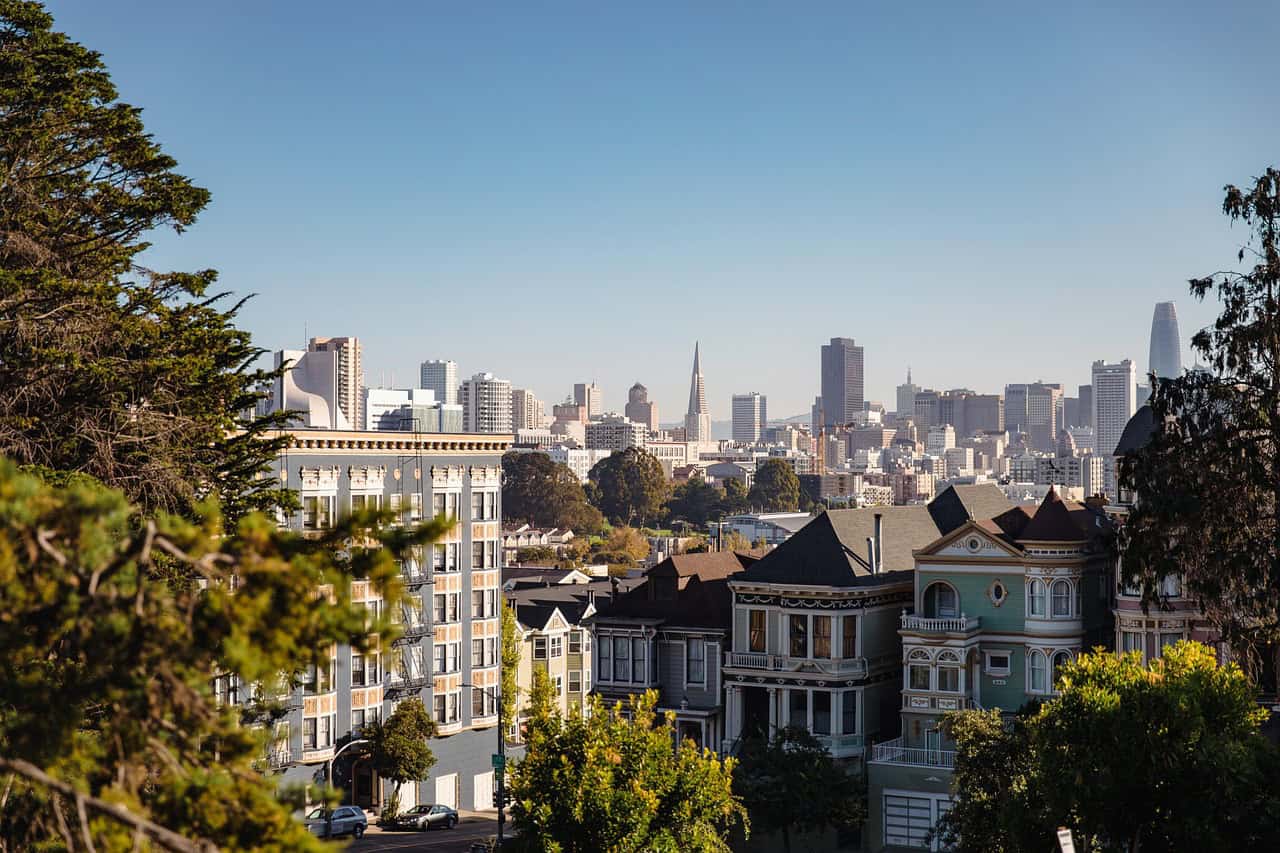
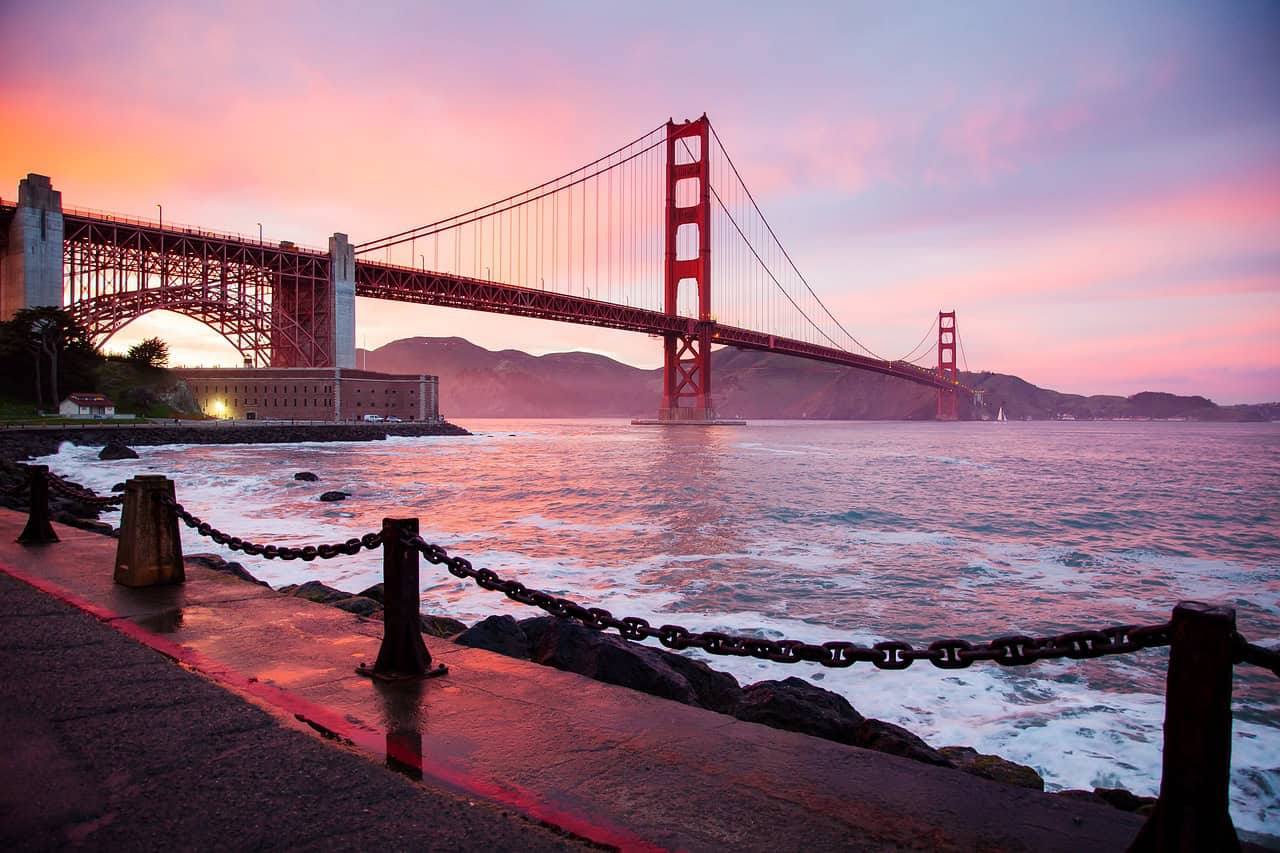
For decades, San Francisco symbolized tech-driven wealth and innovation. Yet between 2020 and 2022, the city lost more than 7% of its population, one of the sharpest urban declines in modern U.S. history. Remote work trends reduced office occupancy to below 60% in some periods, impacting downtown commerce.
Median home prices still exceed $1.2 million, while rent remains among the nation’s highest, intensifying affordability pressures. Business closures and rising vacancy rates have reshaped central districts. Although its long-term economic base remains strong, recent contraction signals a period of structural adjustment.