We may earn money or products from the companies mentioned in this post. This means if you click on the link and purchase the item, I will receive a small commission at no extra cost to you ... you're just helping re-supply our family's travel fund.
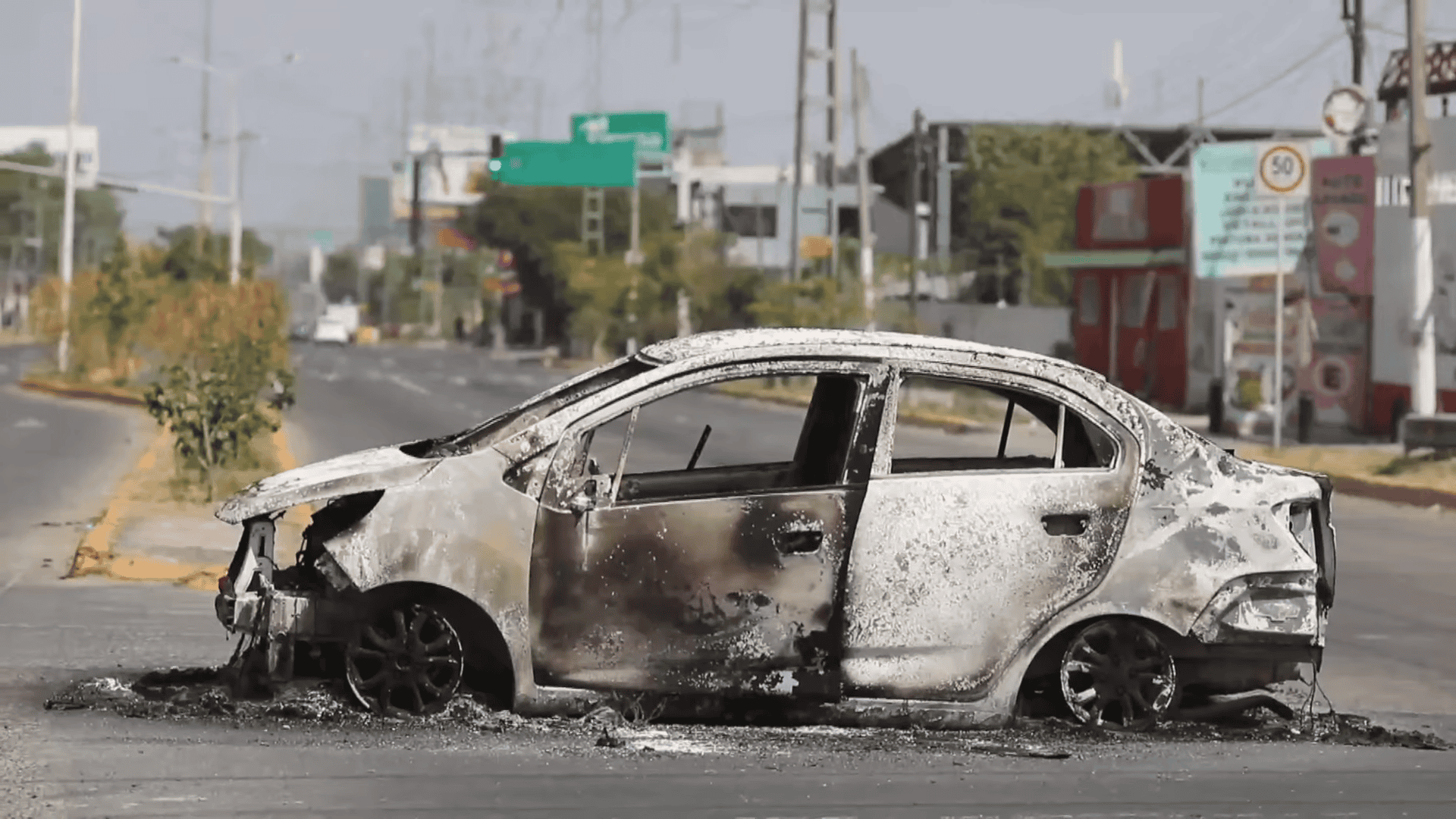
In the days after Mexico’s Feb. 22 security operation sparked retaliatory violence, anxious messages raced through group chats and travel forums. Cancun, a place many associate with easy weekends and predictable resort routines, suddenly felt tangled in headlines from far away. The question was not only about danger, but about control: whether flights would run, whether roads would stay open, and whether a long-planned break would turn into a week of vigilance. The answer depends on facts, timing, and temperament, not the loudest clip on a screen.
What Actually Happened, In Plain Terms
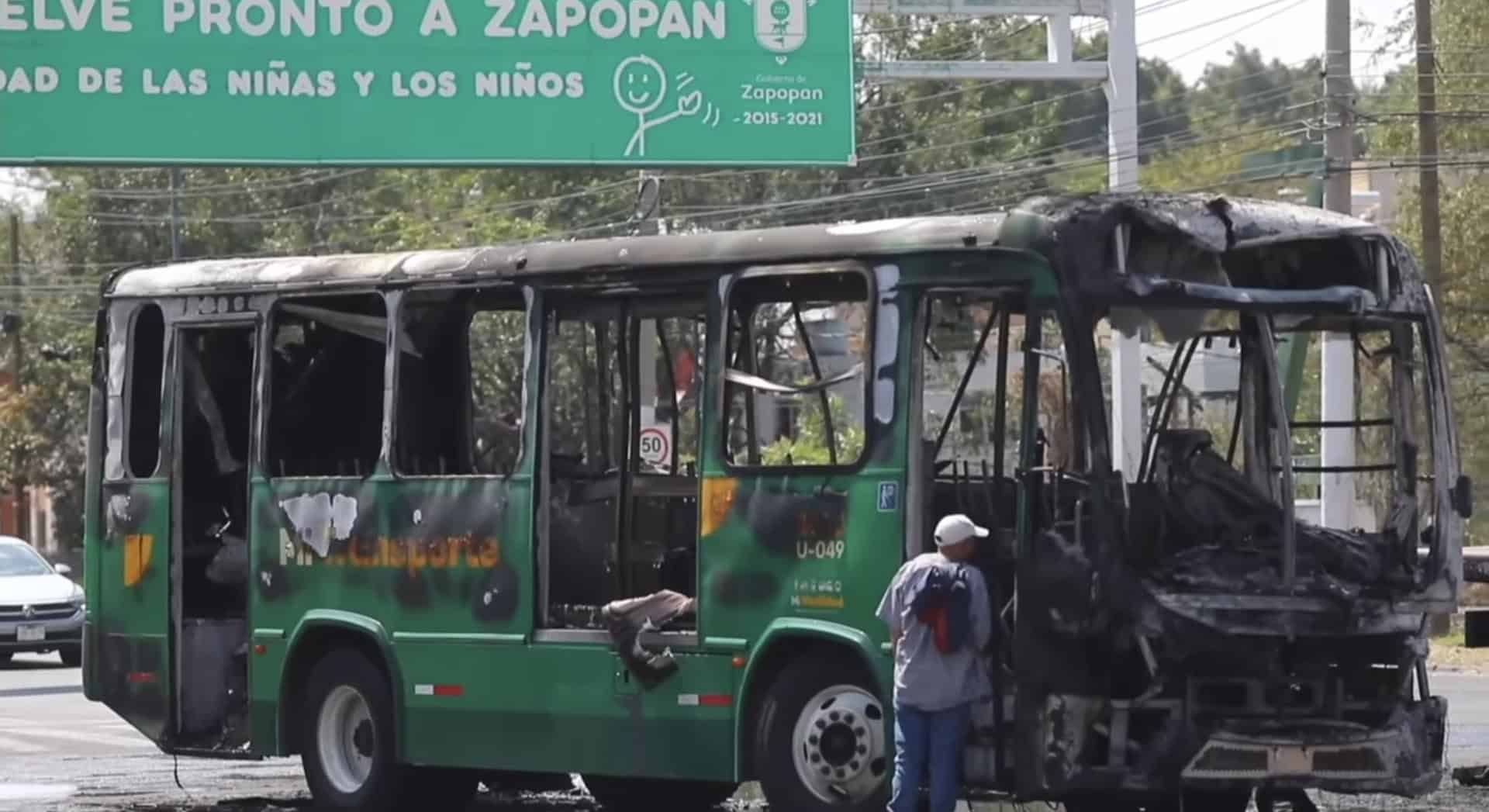
On Feb. 22, 2026, Mexico’s military killed Nemesio “El Mencho” Oseguera Cervantes, leader of the CJNG, and retaliation followed in scattered bursts. Authorities and reporters described roadblocks, vehicles and buses set on fire, and transport disruptions that rippled through Jalisco, including Puerto Vallarta and Guadalajara, prompting some airlines to pause or adjust service. For a day or two, the country felt like a patchwork of calm and chaos, and travelers watching from afar struggled to separate verified alerts from rumor, recycled footage, and panic shared at lightning speed in group chats and threads, before facts landed in real time.
Why Cancun Became Part Of The Panic Anyway
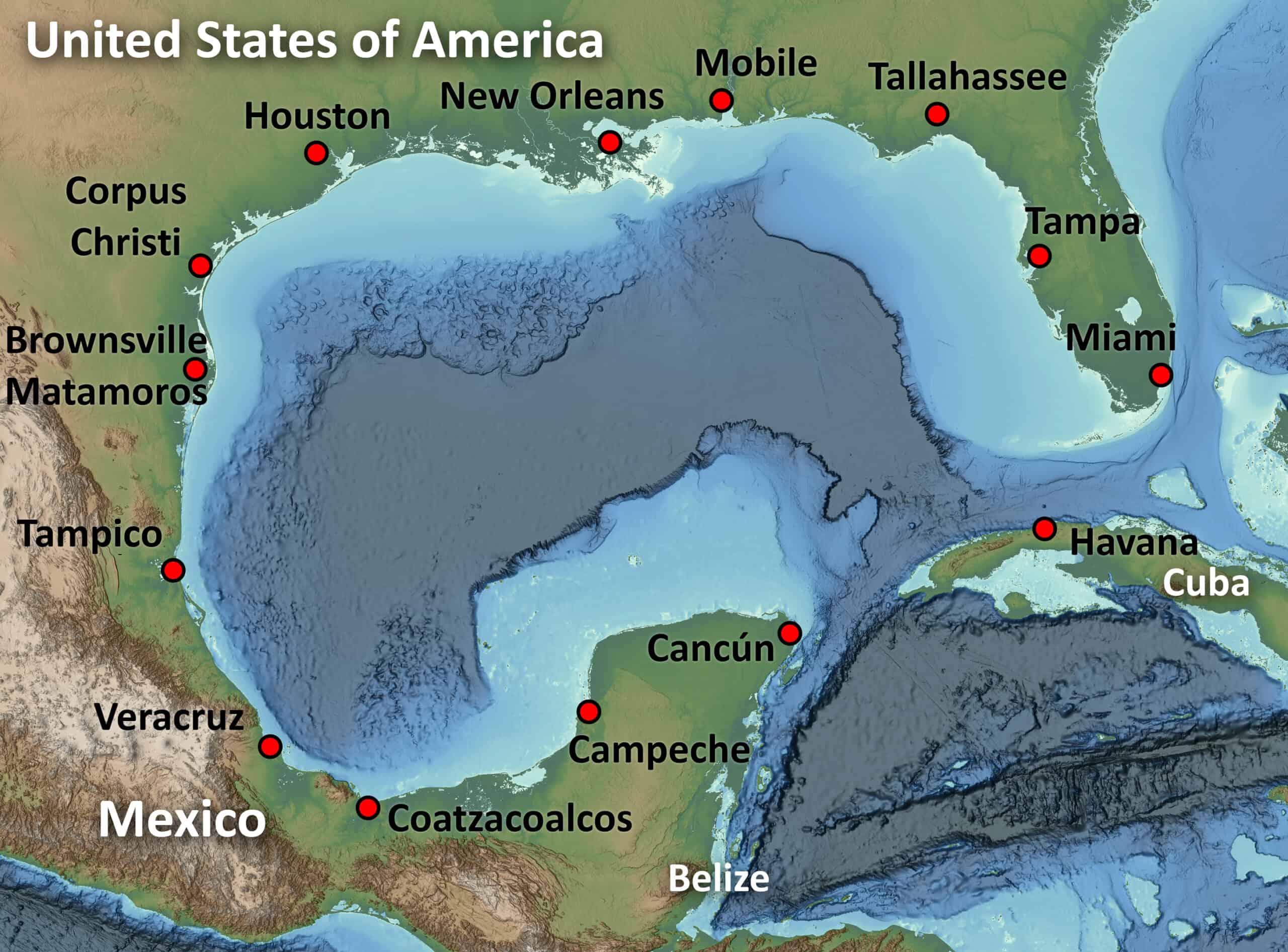
Cancun sits on the Caribbean side of Mexico, far from the western hotspots that dominated the headlines, yet fear tends to travel faster than geography. When a destination is famous, it becomes a stand-in for an entire country, and anxious travelers often treat any Mexico-wide alert as Cancun-specific, especially during late-winter peak travel. Security analysts point out that tourist-heavy zones are often avoided by organized crime because disruption threatens revenue, but major enforcement actions can still shift the broader landscape and warrant a fresh look instead of a reflexive cancellation based only on one alarming headline, or clip.
Official Advisories Matter More Than Viral Clips
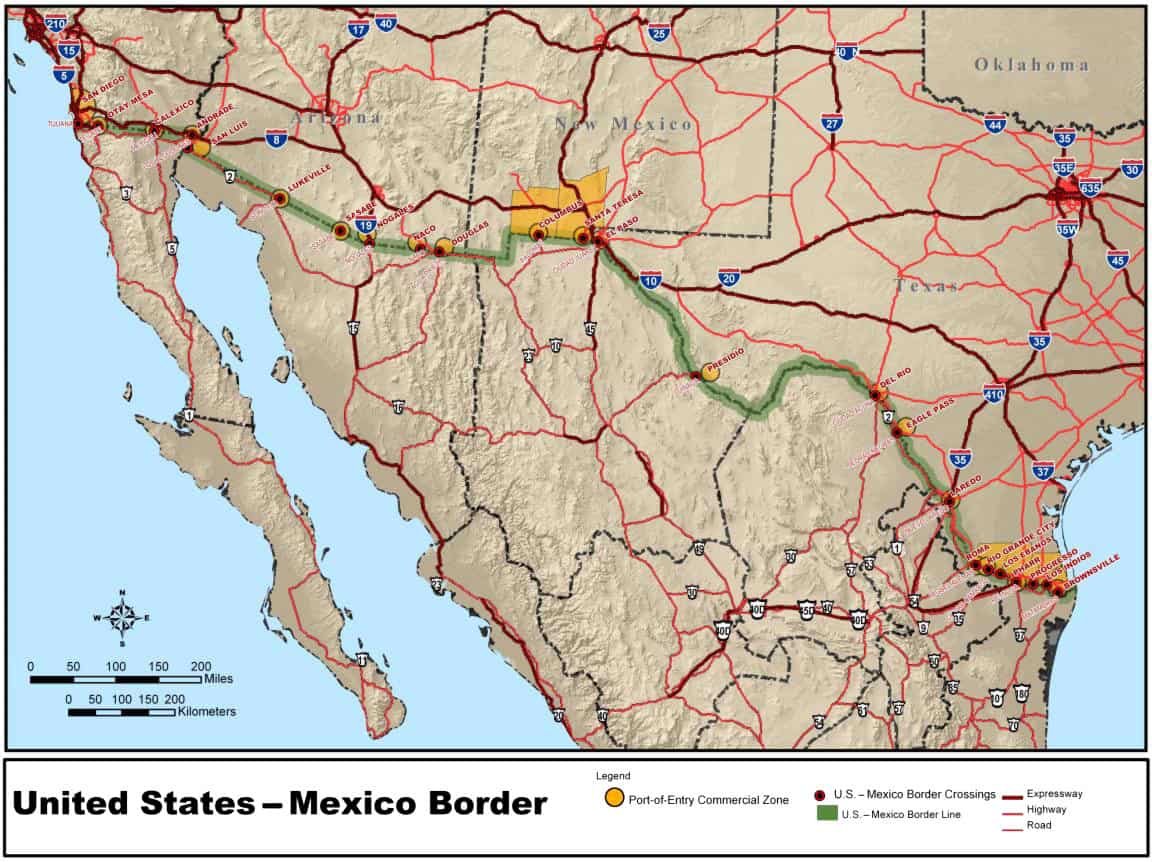
Official travel advisories rarely promise safety, but they do offer a steady baseline that rumor cannot, and they tend to change more slowly than social feeds. The U.S. State Department lists Quintana Roo, the state that includes Cancun, at Level 2 and notes that violence can harm bystanders, urging extra caution after dark in downtown areas of Cancun, Tulum, and Playa del Carmen. Canada’s advisory also summarized the Feb. 22 roadblocks and clashes, then stated that the security situation stabilized, which helps travelers separate a temporary flare-up from a long-term shift, and price in the cost of going without pretending the risk is zero.
Shelter-In-Place Orders Were Real, And They Ended
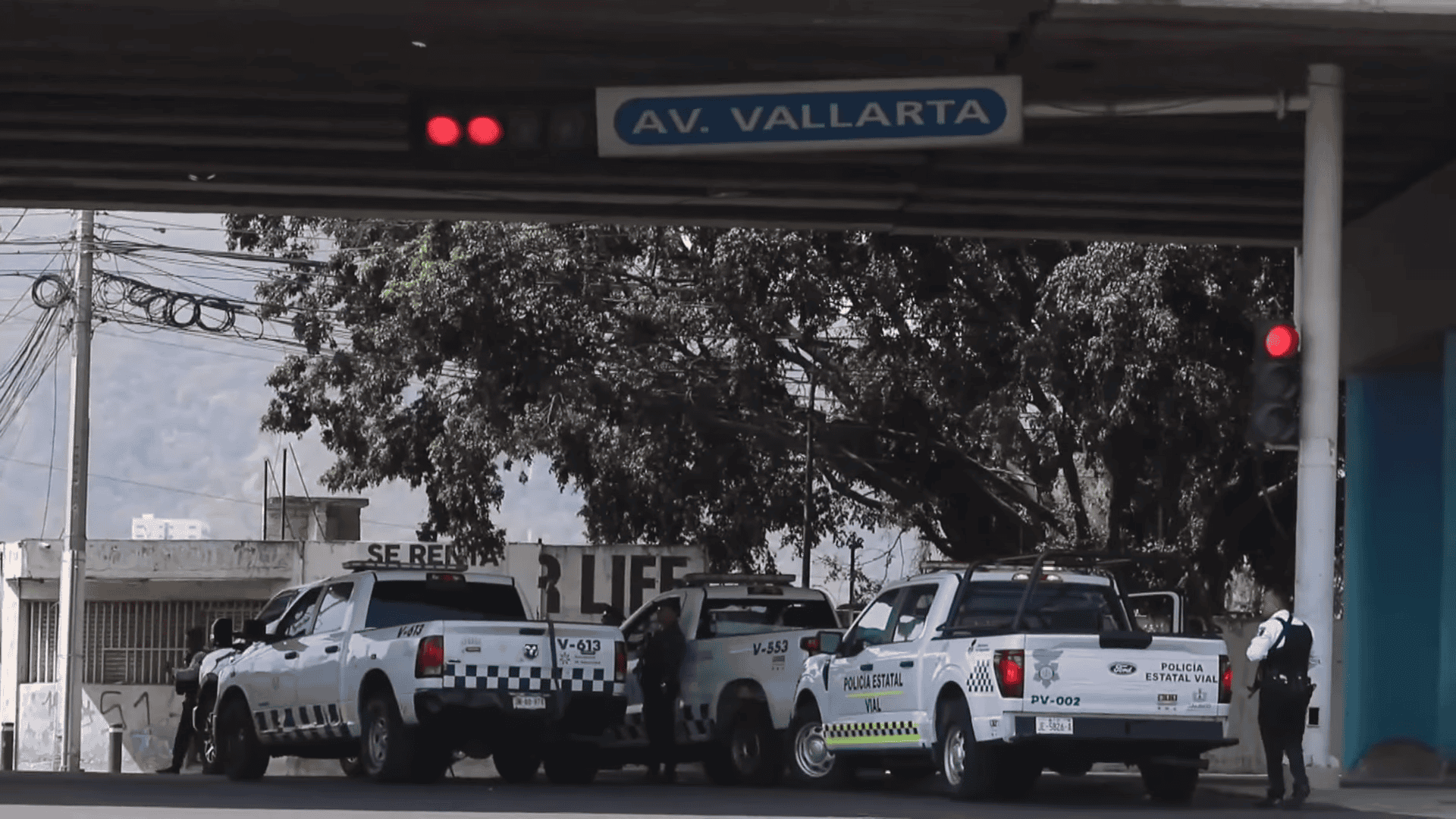
Shelter-in-place language sounds extreme, and it can be, but context matters in how the guidance is used and how long it lasts. In the immediate aftermath of Feb. 22, U.S. tourists in multiple states, including Quintana Roo, were advised to shelter in place as security operations and road disruptions unfolded, a posture meant to limit movement during uncertainty. By Feb. 26, Condé Nast Traveler reported that those directives had been lifted nationwide, with Jalisco and Nayarit the last to clear on Feb. 25, and airports in those states moving back toward normal schedules, a reminder that the loudest hour rarely defines the week for many trips.
Misinformation Made The Map Look Bigger Than It Was

Much of the Cancun anxiety has been fueled by a familiar pattern: real violence, followed by a surge of exaggerated or fabricated claims that make every city look besieged. Reuters reported that false posts and recycled images spread rapidly after El Mencho’s killing, including bogus accounts of dramatic scenes in places like Guadalajara and Puerto Vallarta, amplified by AI-generated content and organized propaganda. When the information stream is polluted, travelers and families can make expensive decisions in the dark, which is why confirmation from multiple credible outlets matters more than a single viral clip or screenshot with no date.
Cancun’s Tourist Zones Are Insulated, Not Untouchable
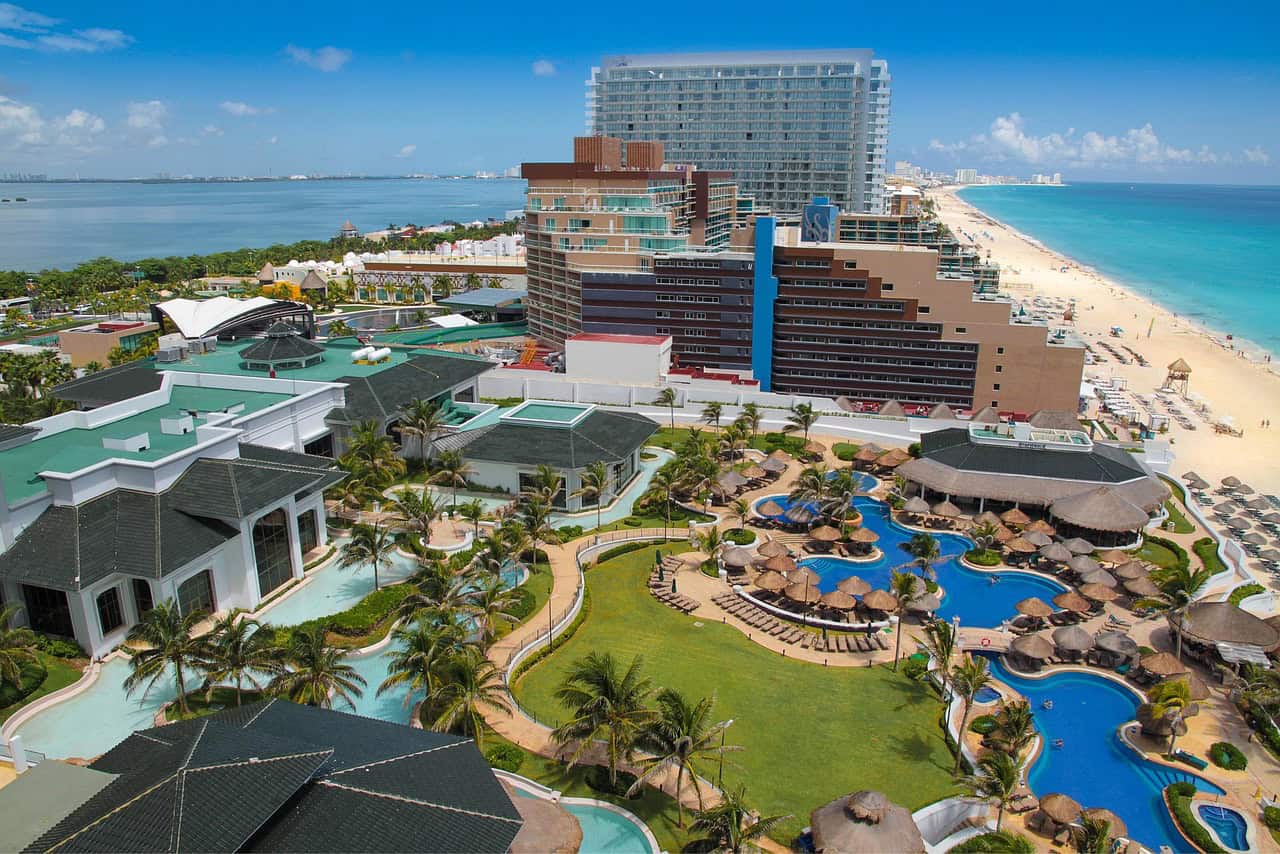
Cancun’s Hotel Zone was built to be self-contained, and that design can buffer visitors from the volatility that hits other parts of a state first. Security specialists referenced in the Global Guardian summary noted that criminal groups often avoid provoking a destination that drives tourism revenue, which helps explain why core resort corridors can stay calm even when violence spikes elsewhere. But advisories still warn that risk can rise after dark in downtown areas, so calmer trips usually keep nightlife plans deliberate, transportation vetted, and expectations realistic rather than fearless even when the beach looks perfect in ads, now.
Nightlife And Downtown Plans Change The Equation
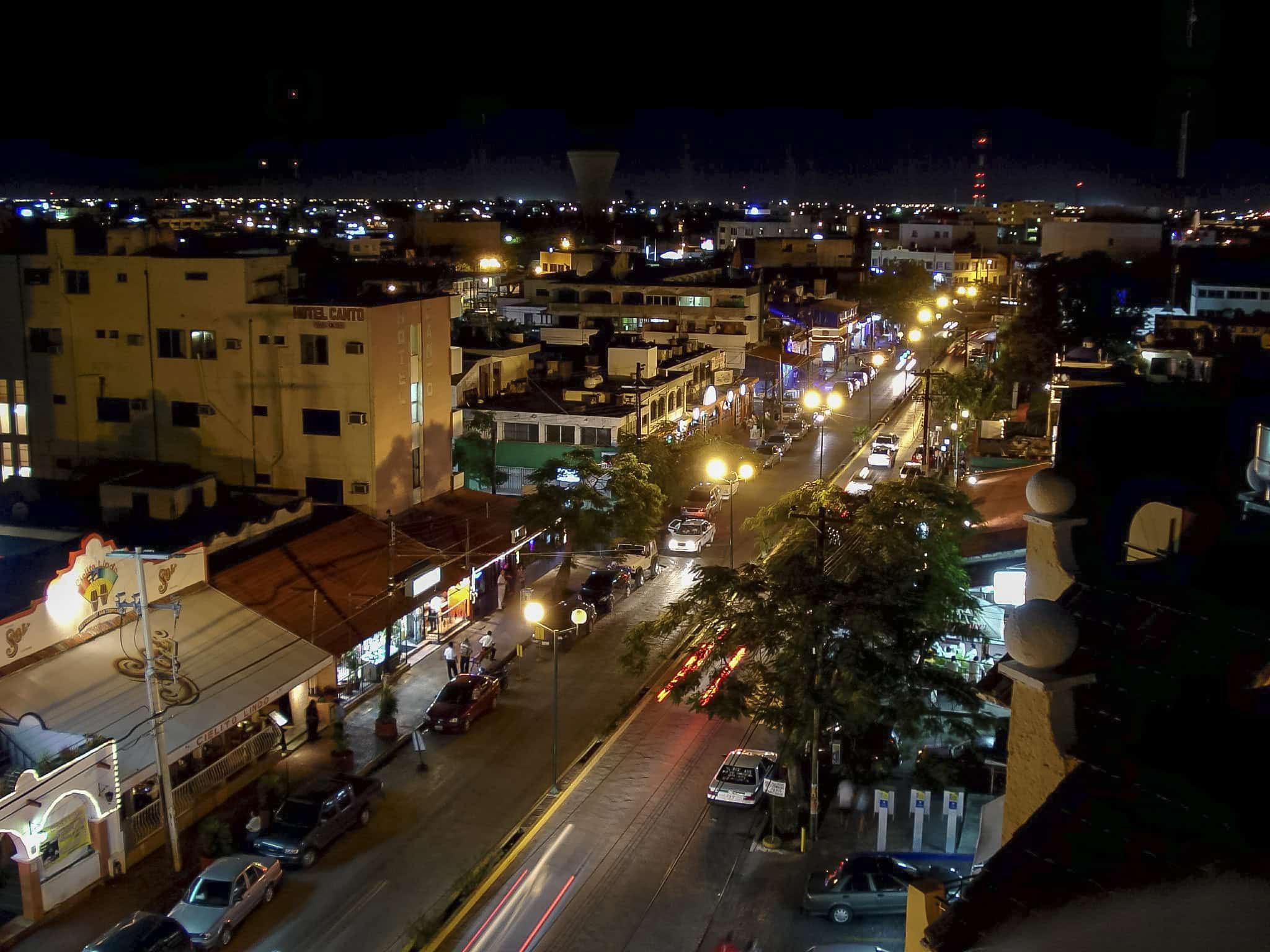
Many Cancun vacations happen entirely on resort property, but the risk calculus changes when plans lean into nightlife, downtown streets, or late rides between venues. The U.S. State Department flags after-dark caution in downtown areas of Cancun and nearby tourist cities, reflecting that bystander harm is more likely where crowds, alcohol, and unfamiliar streets mix. For anxious travelers, the simplest compromise is often a resort-first itinerary that treats off-property time as planned and daytime uses reputable transportation, and stays in well-lit tourist corridors rather than improvised detours during week when headlines still feel raw.
Excursions And Road Travel Deserve A Closer Look
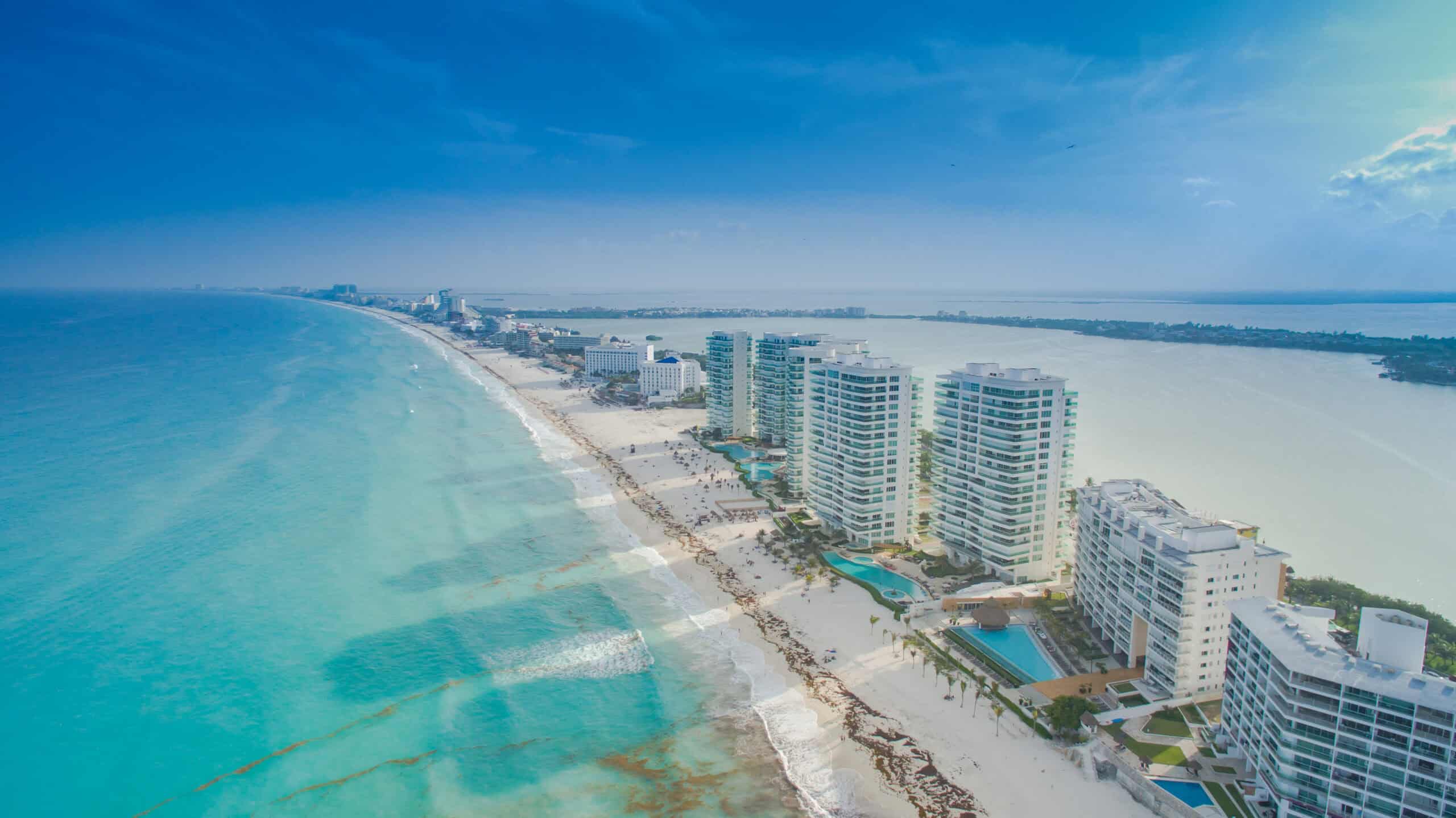
A Cancun stay built around the beach and a pool is one thing; a schedule packed with long drives and day trips is another. Periods of unrest tend to show up first on roads, and in fast-changing local advisories, which can turn a simple outing into a chain of delays and detours, especially on routes linking Cancun with Playa del Carmen and Tulum. In Quintana Roo, local reporting described isolated arson incidents in Tulum on Feb. 22, and that kind of localized disruption is exactly why cautious itineraries favor vetted tours, daylight departures, and a smaller radius when news is still breaking even if the hotel zone feels unchanged that day.
Flights, Waivers, And The Practical Exit Plan
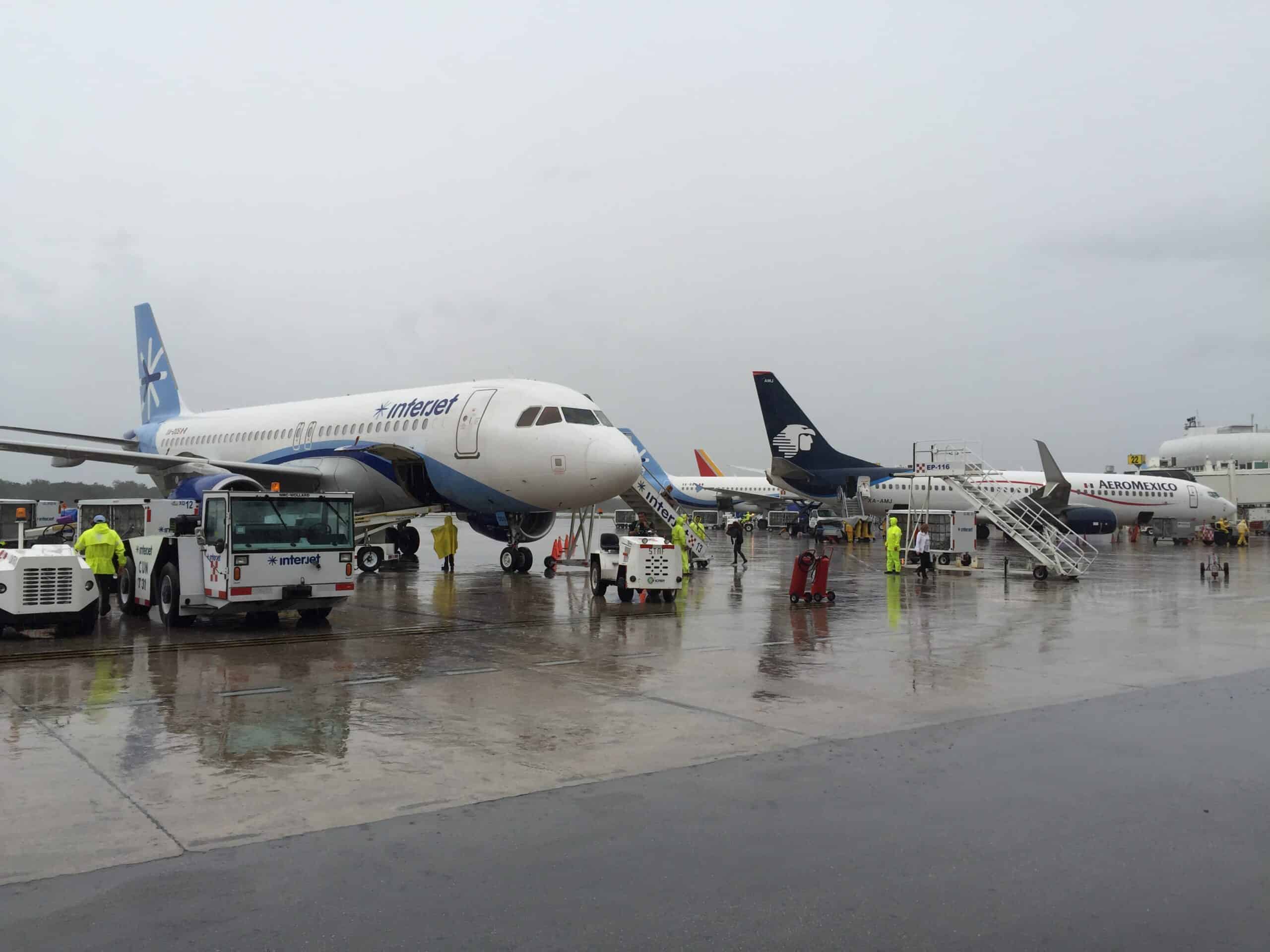
Safety worries often blend with a simpler fear: getting stuck far from home, while schedules change and customer-service lines stretch for hours. During the Feb. 22 disruptions, flights were delayed or canceled in affected regions, and Condé Nast Traveler reported that Jalisco airports returned to normal operations by Feb. 26 as shelter-in-place guidance was lifted. Many airline waivers focused on Puerto Vallarta and Guadalajara rather than Cancun, so Cancun-bound travelers often have to read fare rules carefully and lean on insurance coverage for interruptions, because the ability to pivot can matter as much as the destination in real life.