We may earn money or products from the companies mentioned in this post. This means if you click on the link and purchase the item, I will receive a small commission at no extra cost to you ... you're just helping re-supply our family's travel fund.
Grocery aisles often feel permanent, yet pantry staples can disappear almost overnight. When recalls hit canned foods, the trigger is rarely dramatic at first glance. It is usually a technical flaw: a weak seam, a sterilization miss, or an allergen left off a label.Those details sound small, but they decide whether shelf-stable food stays safe. Across the past several years, U.S. recall records show how quickly trusted cans can be pulled from ordinary stores, leaving households to rethink routine meal plans and backup food habits. What vanishes first is not always demand. It is certainty.
Tri-Union Tuna Brands Pulled Twice
Tri-Union Seafoods recalled select canned tuna sold as Genova, Van Camp’s, H-E-B, and Trader Joe’s after concerns tied to lid integrity and botulism risk. FDA records show the first action in Feb. 2025, then a Jan. 2026 update after previously recalled units were inadvertently distributed to limited retailers. The story matters because the cans looked familiar on shelves, yet the safety concern centered on packaging performance, not flavor, branding, or price. That combination made the removal feel sudden to regular buyers, especially where repeat purchases were common.
Dinty Moore Beef Stew Removed Over Foreign Matter Risk
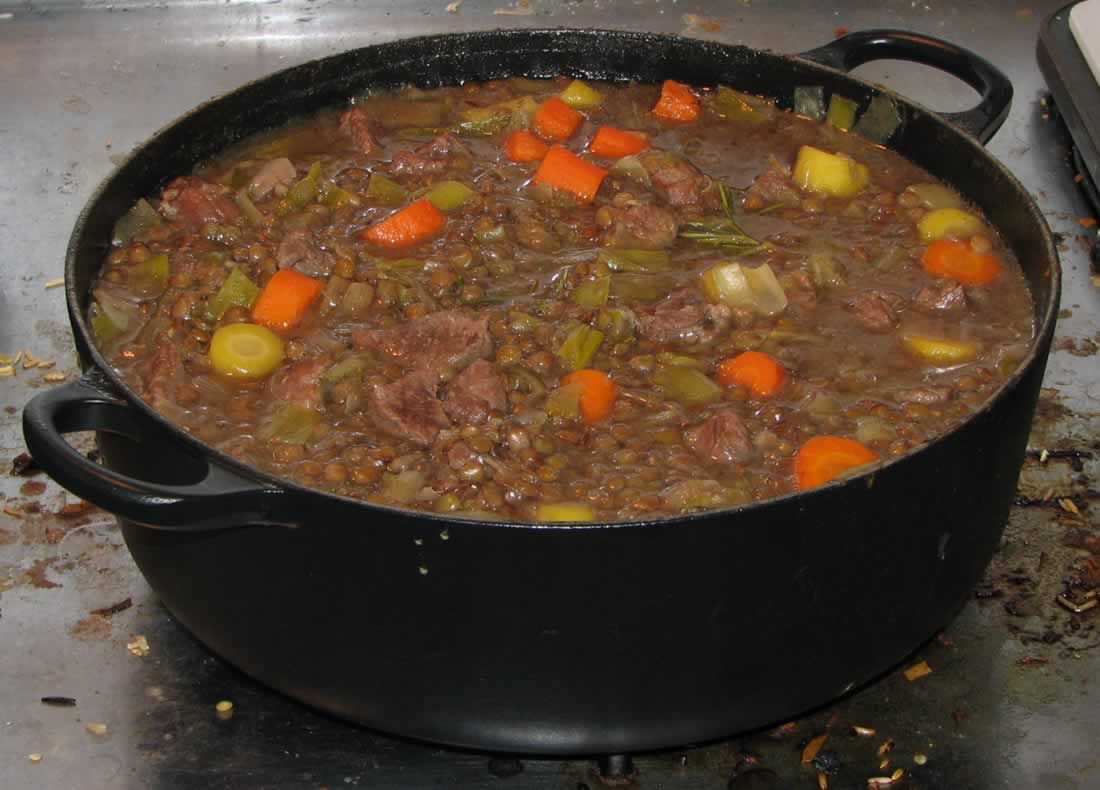
Hormel pulled one Dinty Moore Beef Stew lot after reports of possible wood fragments in 20-oz cans. USDA FSIS said roughly 256,185 pounds were involved, with affected cans tied to lot T02045 and a Feb. 2028 best-by date from a Feb. 4, 2025 production run. The recall showed how a single factory-line issue can spread through national retail channels fast, turning a dependable storm-season and pantry backup meal into a product shoppers had to check immediately at home. For many households, the disruption was practical, not abstract, because backup menus had to change that week.
Yellowstone Baked Beans Recalled for Undeclared Soy
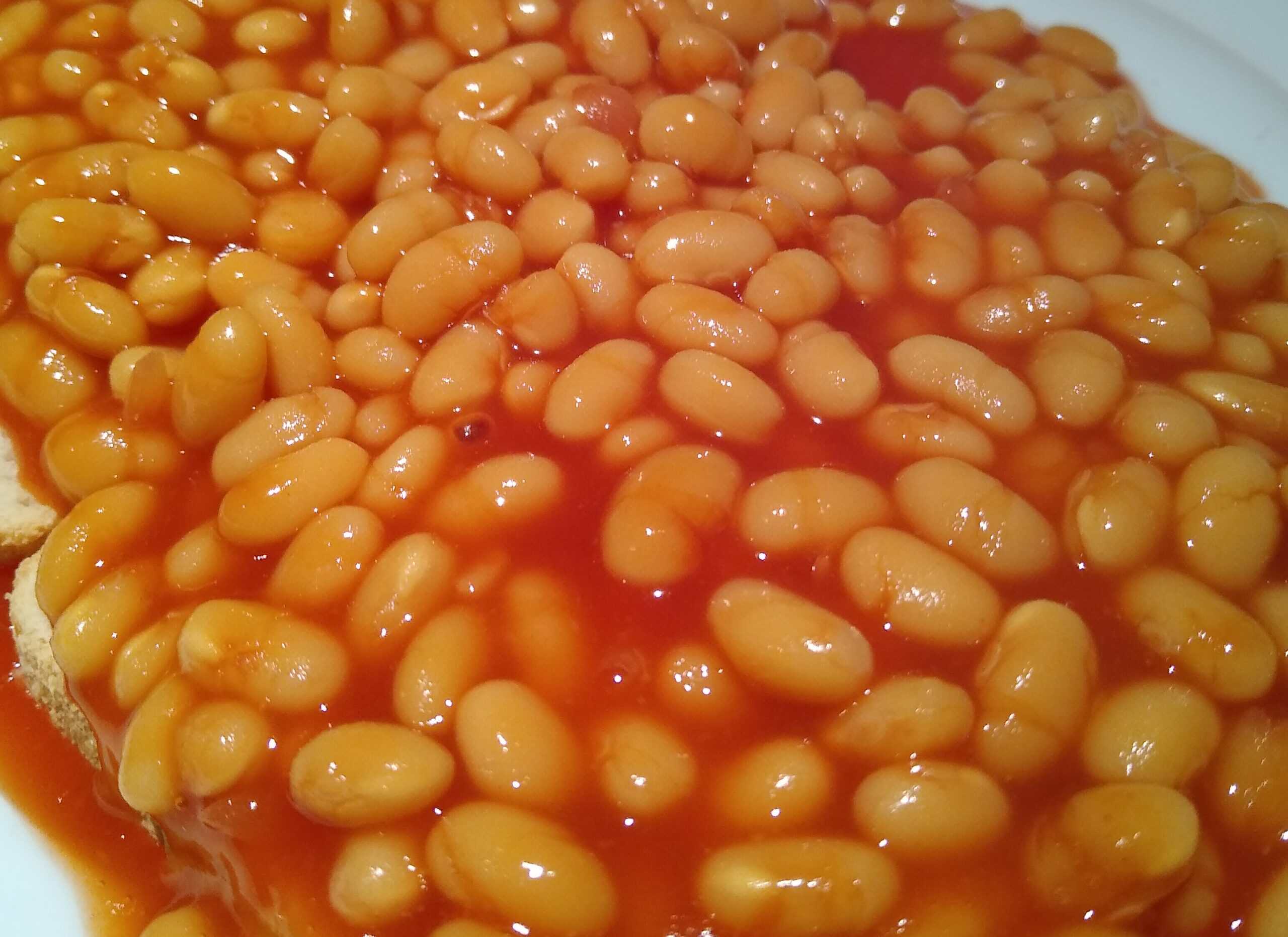
Vietti Food Group recalled Yellowstone Brown Sugar Molasses Baked Beans in 15-oz cans after undeclared soy was found. FDA posted the alert on May 2, 2025, noted 4,515 recalled cases, and warned that consumers with soy allergies could face serious or life-threatening reactions. This was not a freshness or taste complaint. It was a labeling failure with real medical stakes, and it pushed a familiar shelf item out of normal circulation across multiple states until stores cleared affected stock. It also showed how one missing allergen line can reset purchase decisions overnight.
Organic Bean Lines Pulled Over Compromised Seals
Faribault Foods recalled S&W Organic Black Beans along with O Organic Black Beans and O Organic Chili Beans after compromised hermetic seals were identified. FDA documents explain that weakened seals can cause leaks, swelling, and possible bacterial growth, including botulism risk. A second FDA notice extended the action beyond the initial announcement, highlighting a common recall pattern: once trace-back expands, more lots can be pulled than first expected, and shoppers see longer disruptions than early headlines suggest. Packaging integrity became the whole story.
Del Monte Fiesta Corn Removed After Under-Processing
Del Monte issued a limited recall of Fiesta Corn Seasoned with Red and Green Peppers after under-processing deviations were found in commercial sterilization. The company announcement cited 64,242 cases and warned that failed sterilization can allow spoilage organisms or pathogens to survive inside sealed cans. FDA later marked the recall completed, but the incident remains a clear example of why canned-food safety depends on precise process control, not only on ingredients, shelf life, or brand reputation. It was a process failure, not a marketing problem.
Bush’s Baked Beans Recalled for Side-Seam Defects
Bush Brothers recalled certain 28-oz cans of Brown Sugar Hickory, Country Style, and Original Baked Beans because defective side seams could affect can integrity. FDA records said leakage from side seams triggered the action, with possible harmful bacterial growth if can performance failed. The recall was later listed as completed, yet it captured the full cycle shoppers often experience: a routine staple disappears, lot codes become essential, and confidence returns only after a technical issue is verified as fixed. That timeline explains why shelf trust can take time to rebuild.