We may earn money or products from the companies mentioned in this post. This means if you click on the link and purchase the item, I will receive a small commission at no extra cost to you ... you're just helping re-supply our family's travel fund.

Mexico welcomes more than 38 million international visitors each year, and most trips unfold without incident. Still, safety conditions vary sharply by region, and some cities consistently record elevated crime rates, cartel activity, or travel advisories that warrant extra caution. Below are six destinations that frequently appear in security reports. This guide is not meant to alarm, but to inform. Knowing the risks, recent statistics, and local realities can help travelers make smarter, safer decisions before booking flights or crossing borders.
1. Tijuana

Tijuana sits directly across from San Diego and processes millions of border crossings annually. Yet it has repeatedly ranked among Mexico’s highest for homicides, recording well over 1,800 killings in some recent years. That equates to homicide rates exceeding 90 per 100,000 residents, far above global averages. Much of the violence is tied to organized crime disputes over trafficking routes.
Tourist zones like Avenida Revolución are heavily policed, but neighborhoods outside central districts see more instability. Carjackings, armed robberies, and targeted shootings occur sporadically. Visitors who venture beyond nightlife strips without local guidance increase their exposure to risk.
2. Acapulco

Once a glamorous Pacific playground, Acapulco now struggles with persistent security concerns. The state of Guerrero has posted homicide rates above 50 per 100,000 residents in multiple reporting periods. In certain years, Acapulco alone has recorded over 800 murders. Organized crime groups compete for territory, particularly in outer neighborhoods and transport corridors.
The hotel-lined Costera Miguel Alemán remains guarded, but violent incidents have occasionally occurred near tourist beaches. Infrastructure strain after Hurricane Otis in 2023 also disrupted policing and emergency response capacity. Travelers staying inside resort compounds face lower risk than those exploring unfamiliar districts.
3. Ciudad Juárez
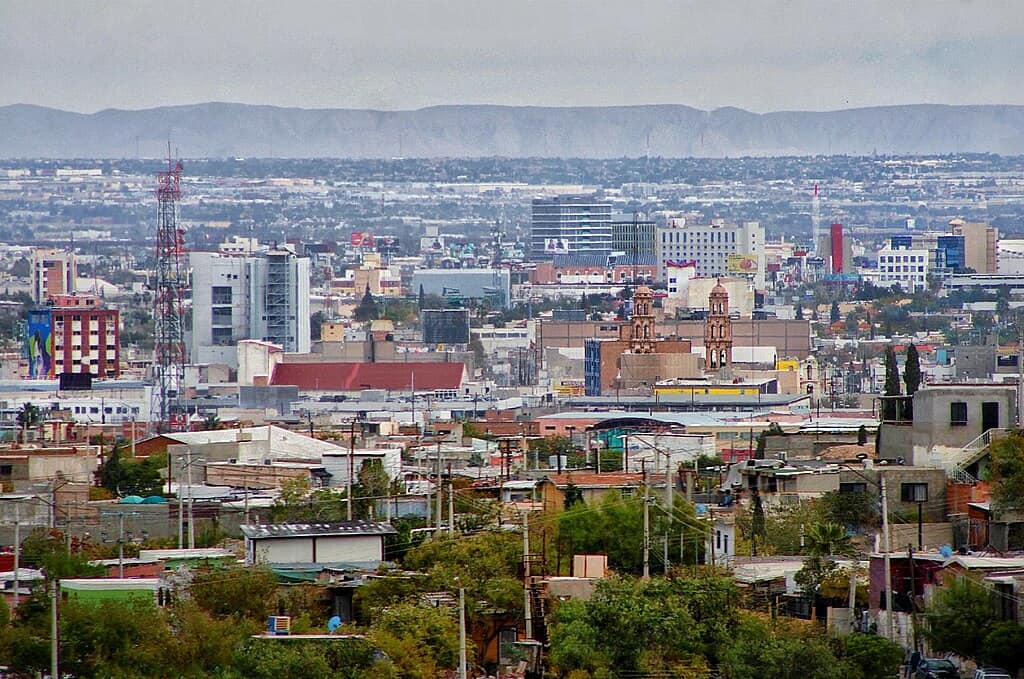
Ciudad Juárez, bordering El Paso, gained global attention during cartel conflicts in the late 2000s. Although violence decreased from its 2010 peak of over 3,000 homicides, recent years have still seen totals above 1,000 annually. That keeps the homicide rate significantly above 60 per 100,000 residents.
Most violence is targeted, but stray shootings and armed confrontations have affected public areas. Highway travel after dark carries added concern. Business travelers often remain within secure hotel corridors and rely on vetted transportation. Casual tourism here is limited, and authorities frequently advise heightened situational awareness.
4. Colima and Manzanillo
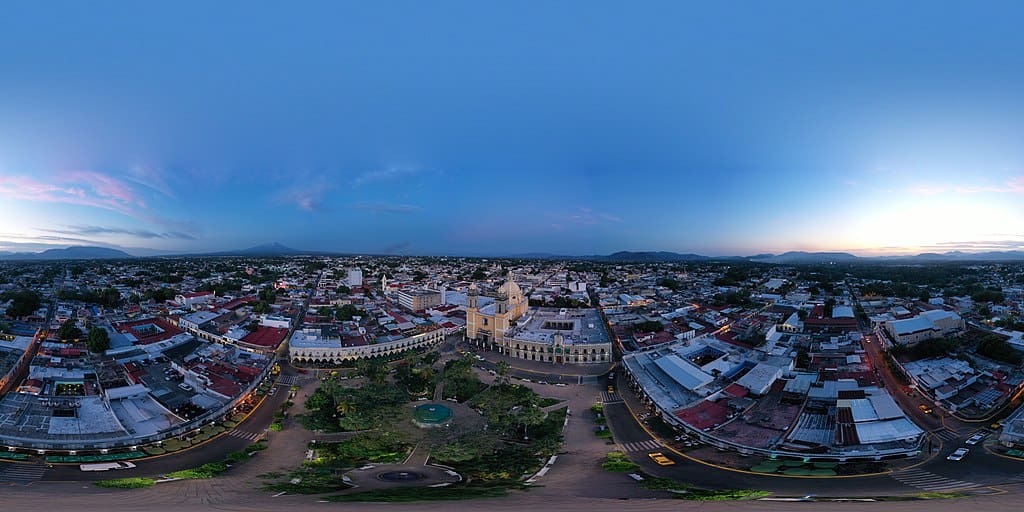
The small Pacific state of Colima has repeatedly reported one of the highest homicide rates in Mexico, at times exceeding 100 per 100,000 residents. Its port city, Manzanillo, is strategically important for cargo shipments, which has intensified criminal competition. Annual killings in the state have surpassed 700 despite a population under 800,000.
While Manzanillo’s beachfront hotels operate normally, cartel-related violence has erupted in urban zones and roadways. Armed attacks on businesses and sporadic roadblocks have been documented. Cruise tourism has fluctuated in response to security perceptions, reflecting ongoing volatility.
5. Michoacán

Michoacán’s mountainous terrain and agricultural economy make it strategically valuable to criminal organizations. Certain municipalities have reported homicide rates above 70 per 100,000 residents, with total statewide killings often exceeding 2,000 in high-violence years. Kidnappings and extortion cases are also more prevalent here than in many tourist hubs.
Popular cultural towns like Morelia see stronger security presence, but rural highways and smaller communities experience armed group activity. Road checkpoints operated by unofficial militias have occasionally appeared. Travelers driving independently through remote corridors face higher unpredictability than those staying in monitored city centers.
6. Cancún
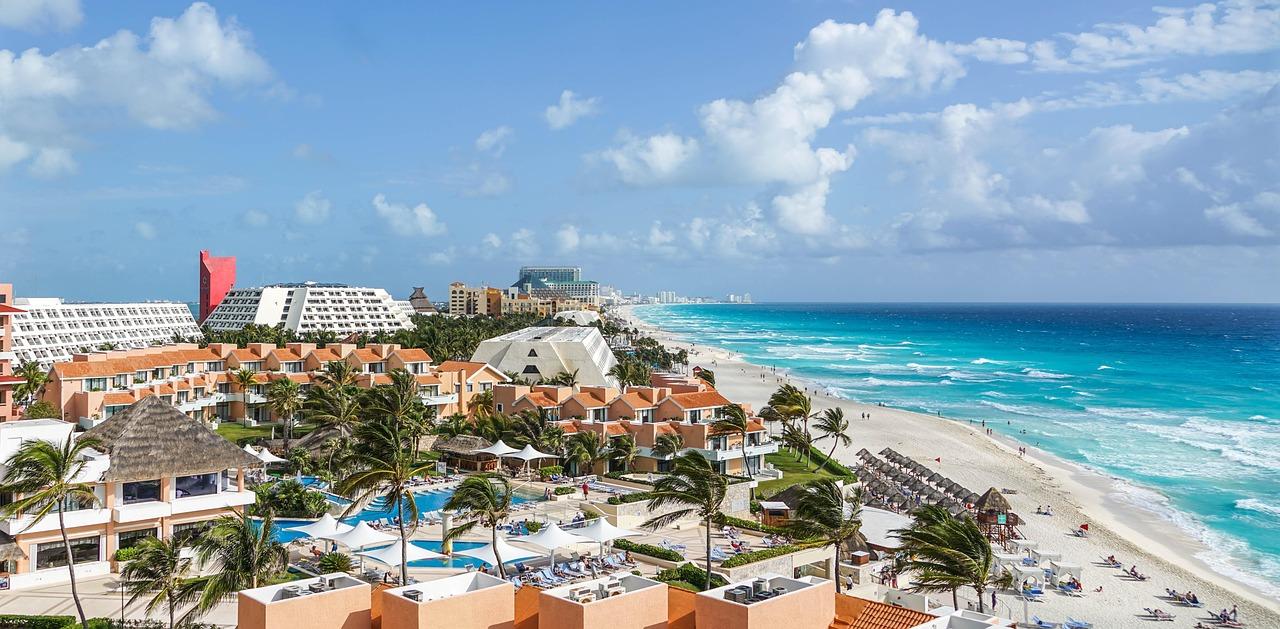
Cancún’s Hotel Zone remains one of Latin America’s most visited resort corridors, hosting over 6 million tourists annually. However, the broader state of Quintana Roo has recorded homicide totals surpassing 700 in certain years, with crime concentrated in local districts rather than beachfront resorts.
Incidents linked to drug disputes have occasionally occurred in nightclubs and public beaches outside controlled hotel areas. Petty theft, ATM skimming, and taxi overcharging are more common risks for visitors. Staying within established resorts and using authorized transportation significantly reduces exposure.