We may earn money or products from the companies mentioned in this post. This means if you click on the link and purchase the item, I will receive a small commission at no extra cost to you ... you're just helping re-supply our family's travel fund.
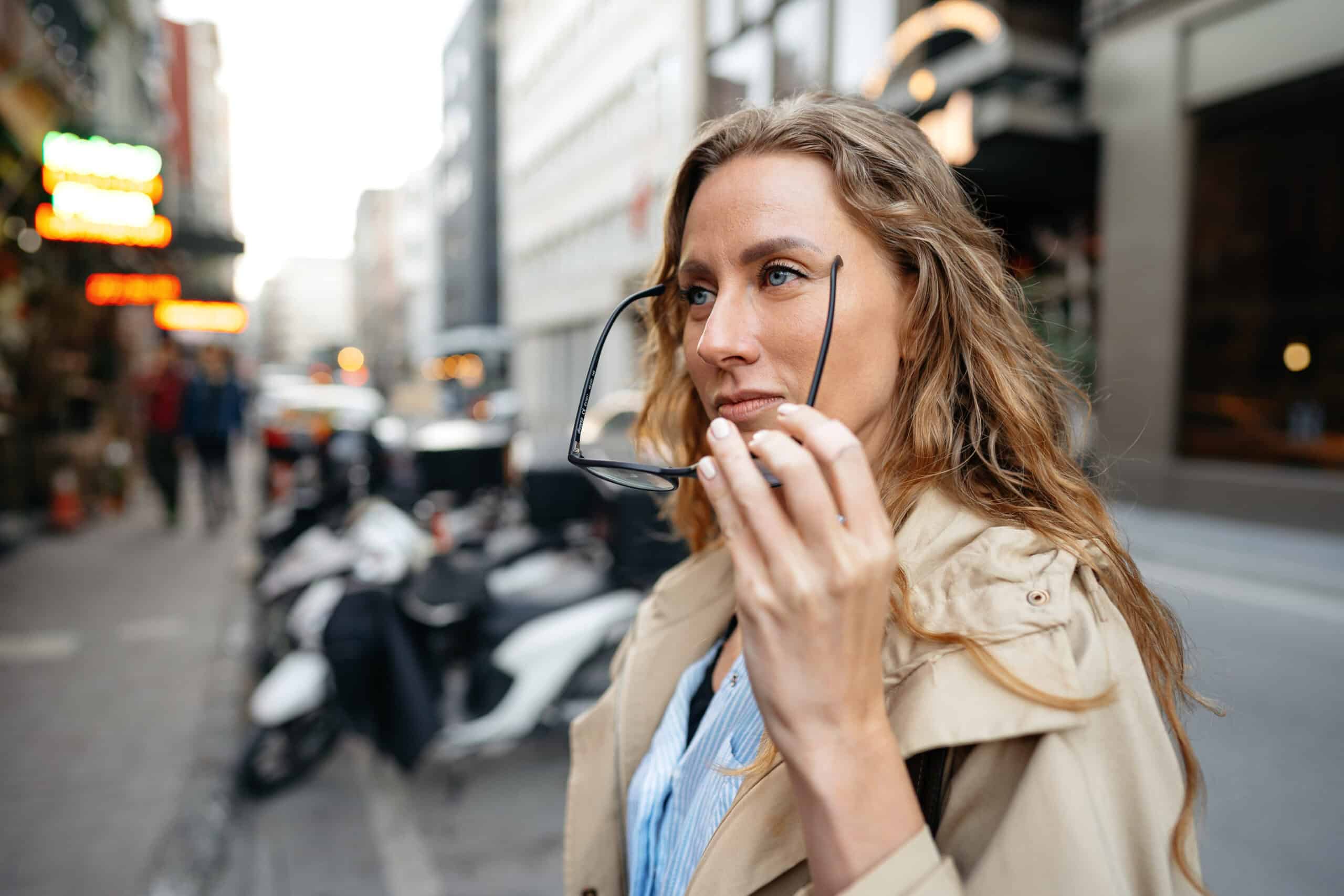
Travel promises discovery, but it does not always offer ease. For American visitors, the experience can shift depending on politics, cultural expectations, and local perception. Some destinations carry a quiet tension, where curiosity and skepticism exist side by side. That does not make them unwelcoming, just more layered. Understanding these places means reading between the lines, noticing what is said and what is not. The reward is a deeper, more honest kind of travel, one that moves beyond comfort and into awareness.
Russia’s Complicated Dynamic With American Travelers
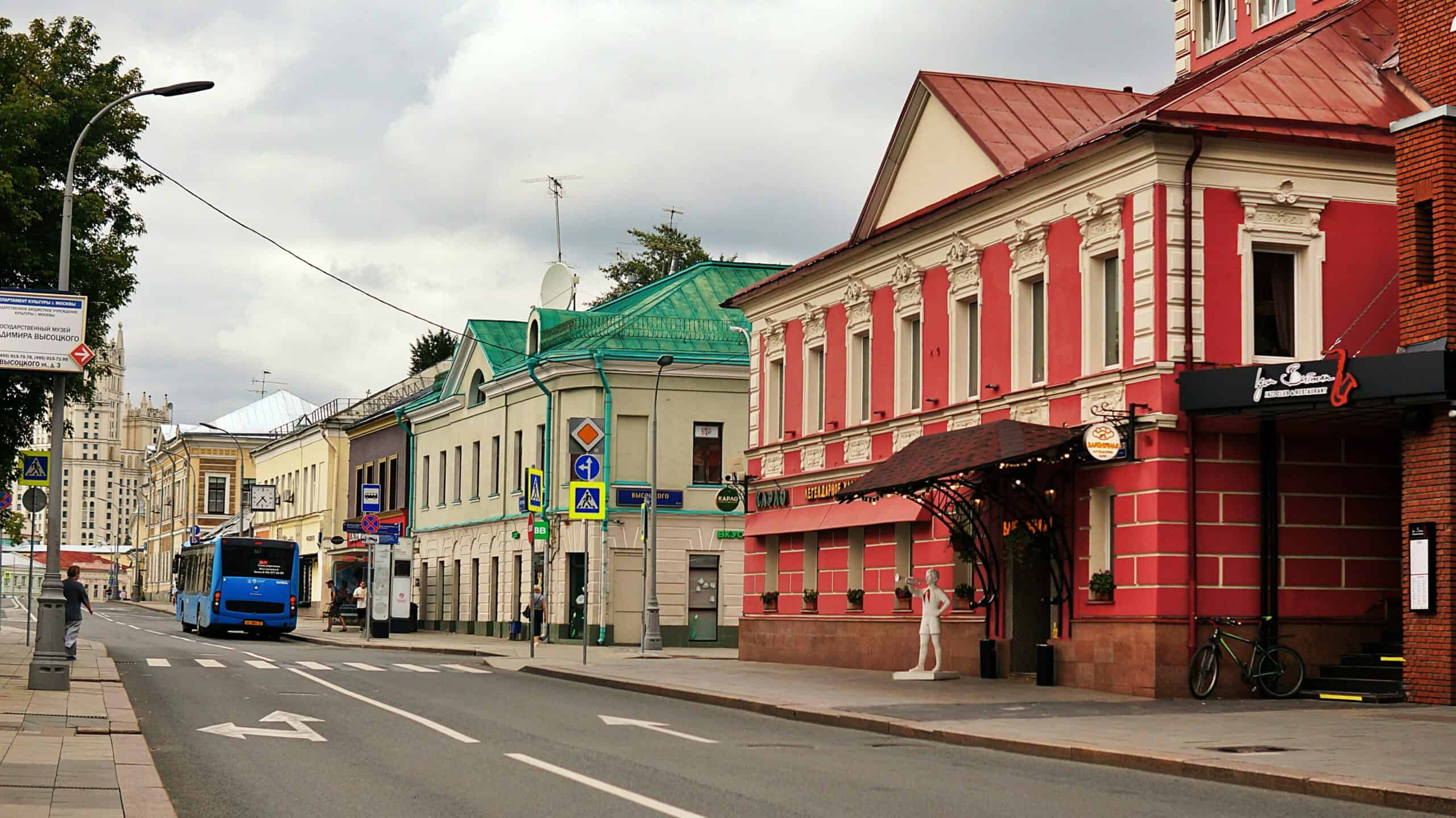
In Russia, the atmosphere around American visitors often reflects the broader political climate. Cities like Moscow and St. Petersburg feel grand and culturally alive, yet conversations can quickly turn toward global tensions. Locals may be curious, even friendly, but there is often a guarded edge beneath the surface. Bureaucracy adds another layer, with strict documentation rules and procedures that can feel rigid. Outside major hubs, limited English can slow things down, making simple interactions require more patience and awareness than expected.
China’s Rules, Rhythms, And Cultural Distance
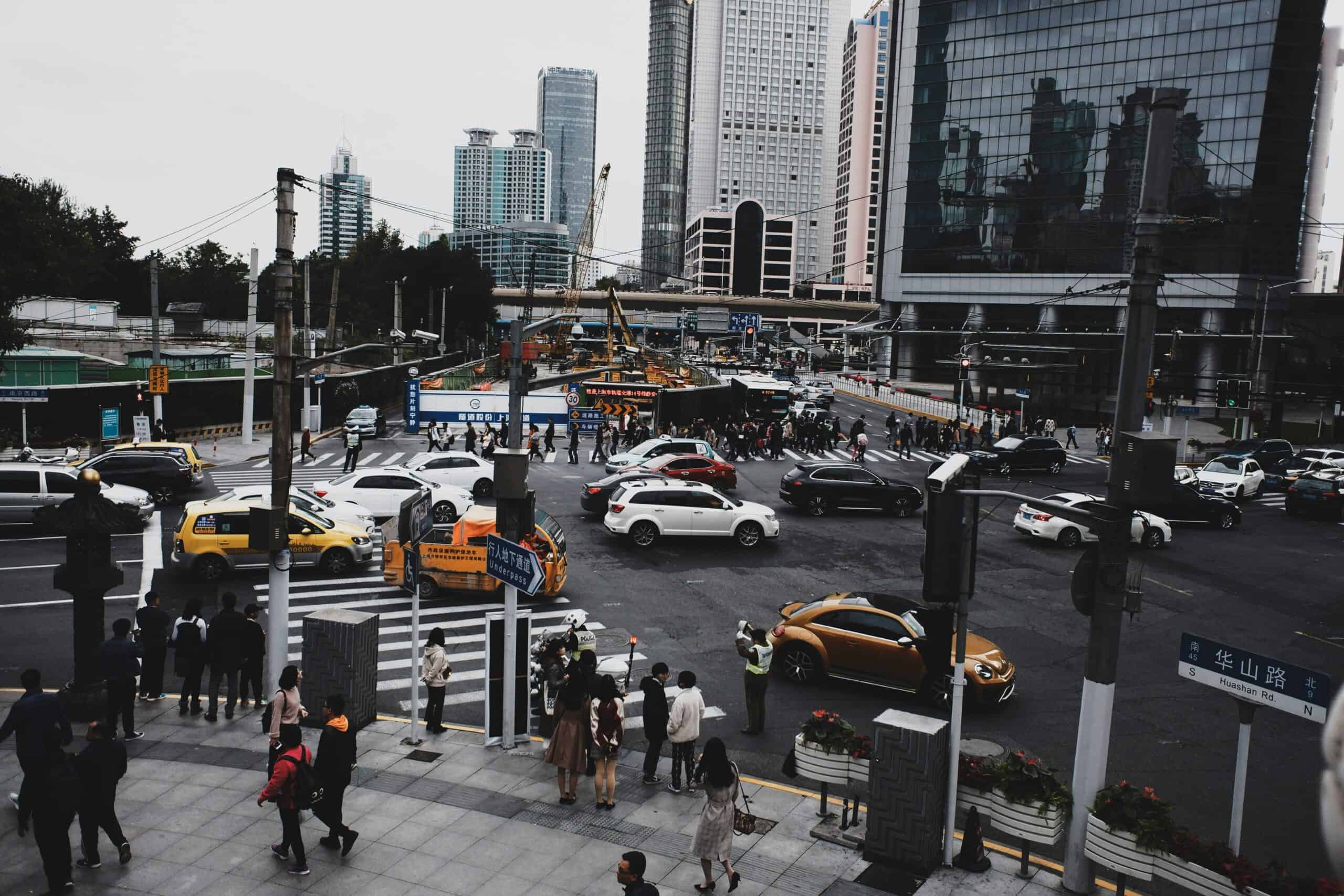
China moves at its own pace, and for American travelers, adjusting to that rhythm can take time. Internet restrictions reshape how people navigate daily life, cutting off familiar apps and services. Language barriers remain significant, especially beyond major cities, where translation tools only go so far. Cultural norms around communication, privacy, and public behavior can feel unfamiliar, even subtle at times. None of this signals hostility, but it does mean visitors need to stay alert, adaptable, and willing to meet the culture on its own terms.
Iran’s Human Warmth Beneath Political Strain
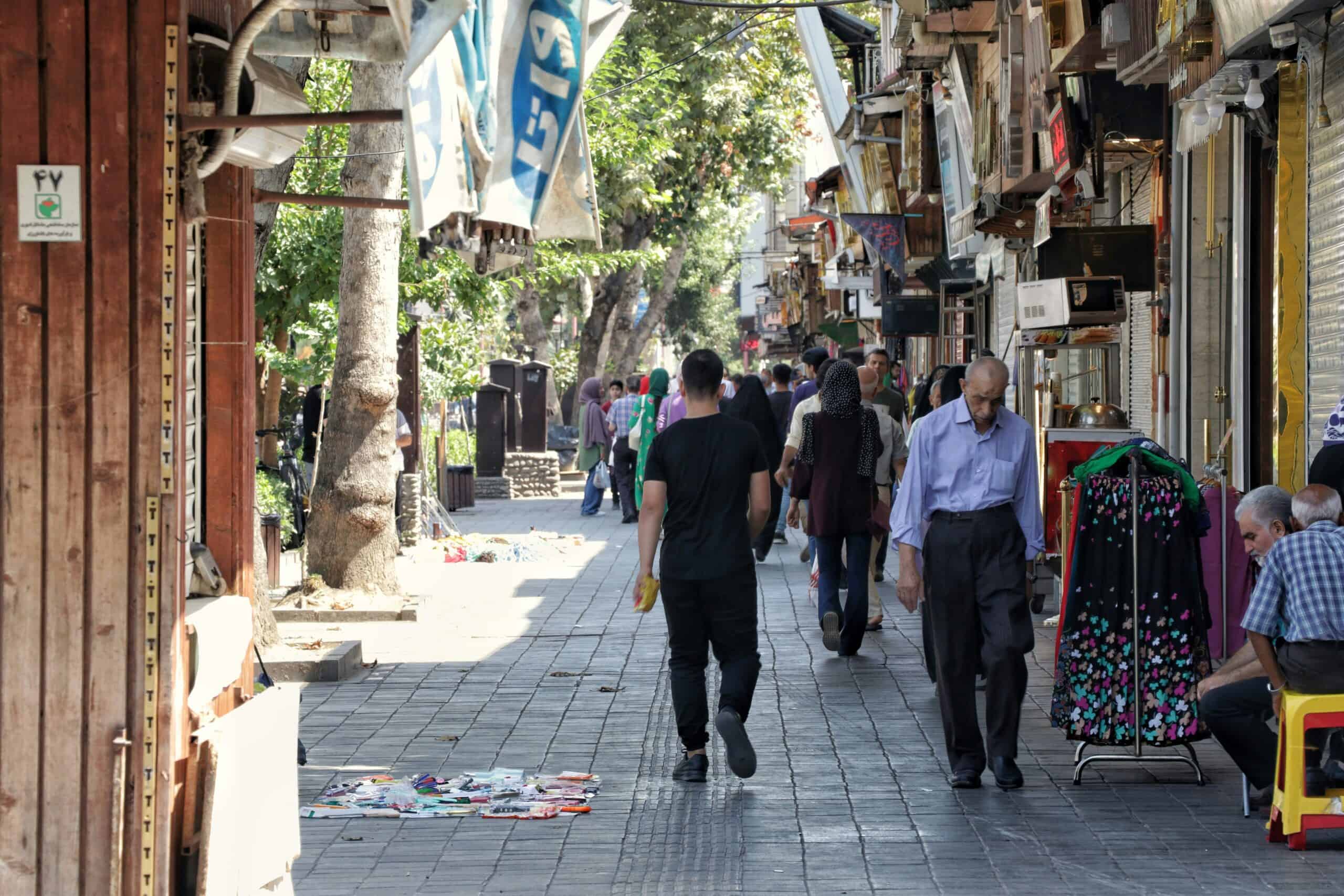
There is a clear divide in Iran between official policy and everyday human interaction. Travel for Americans involves strict visa rules and often guided itineraries, reflecting ongoing political tension. Yet once inside the country, the tone shifts. Many locals show genuine warmth, asking questions, offering help, and expressing curiosity about life in the United States. That contrast can feel surprising at first. It requires holding two realities at once: a system that is restrictive and a society that is often generous and open.
North Korea’s Controlled And Curated Experience
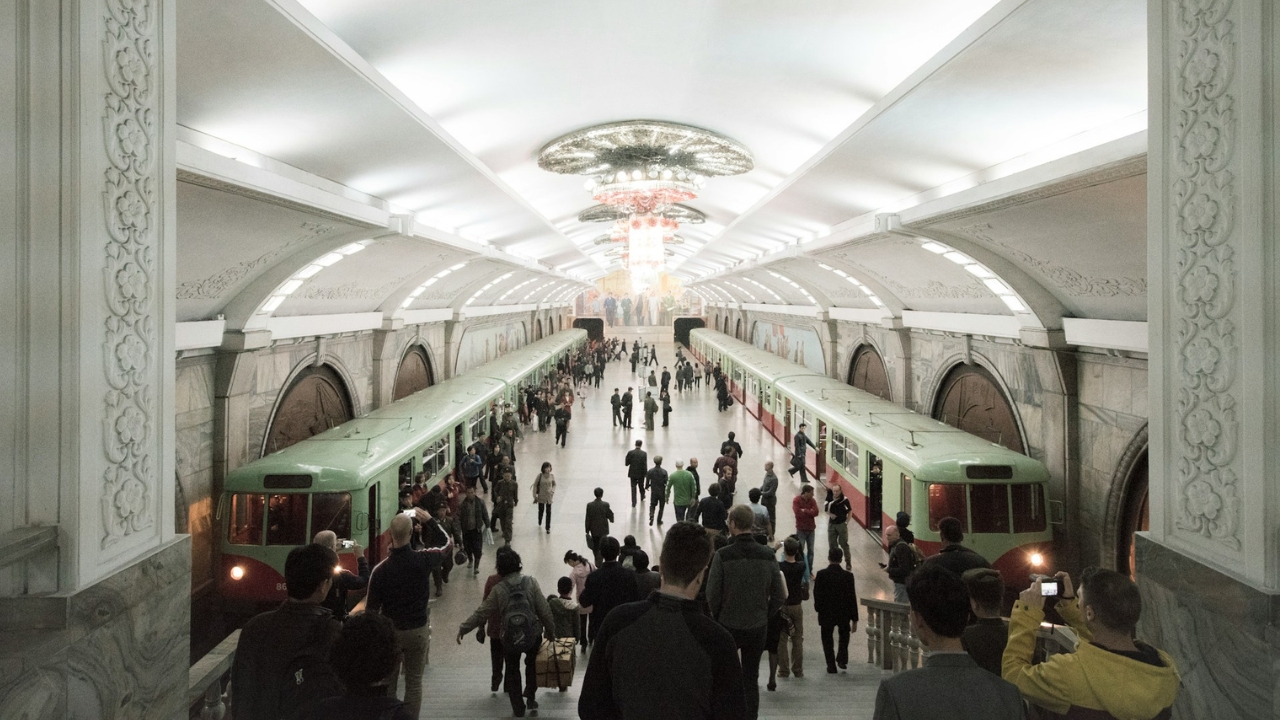
Travel in North Korea is defined by structure and control. Every movement is planned, every interaction guided, and every experience carefully framed. American visitors are never alone, always accompanied by official escorts who manage what is seen and how it is understood. There is little room for spontaneity or personal exploration. Even conversations feel measured. The result is a trip that feels more observed than lived. It offers a rare look inside a closed system, but not the kind of freedom most travelers expect.
Venezuela’s Beauty Shadowed By Uncertainty
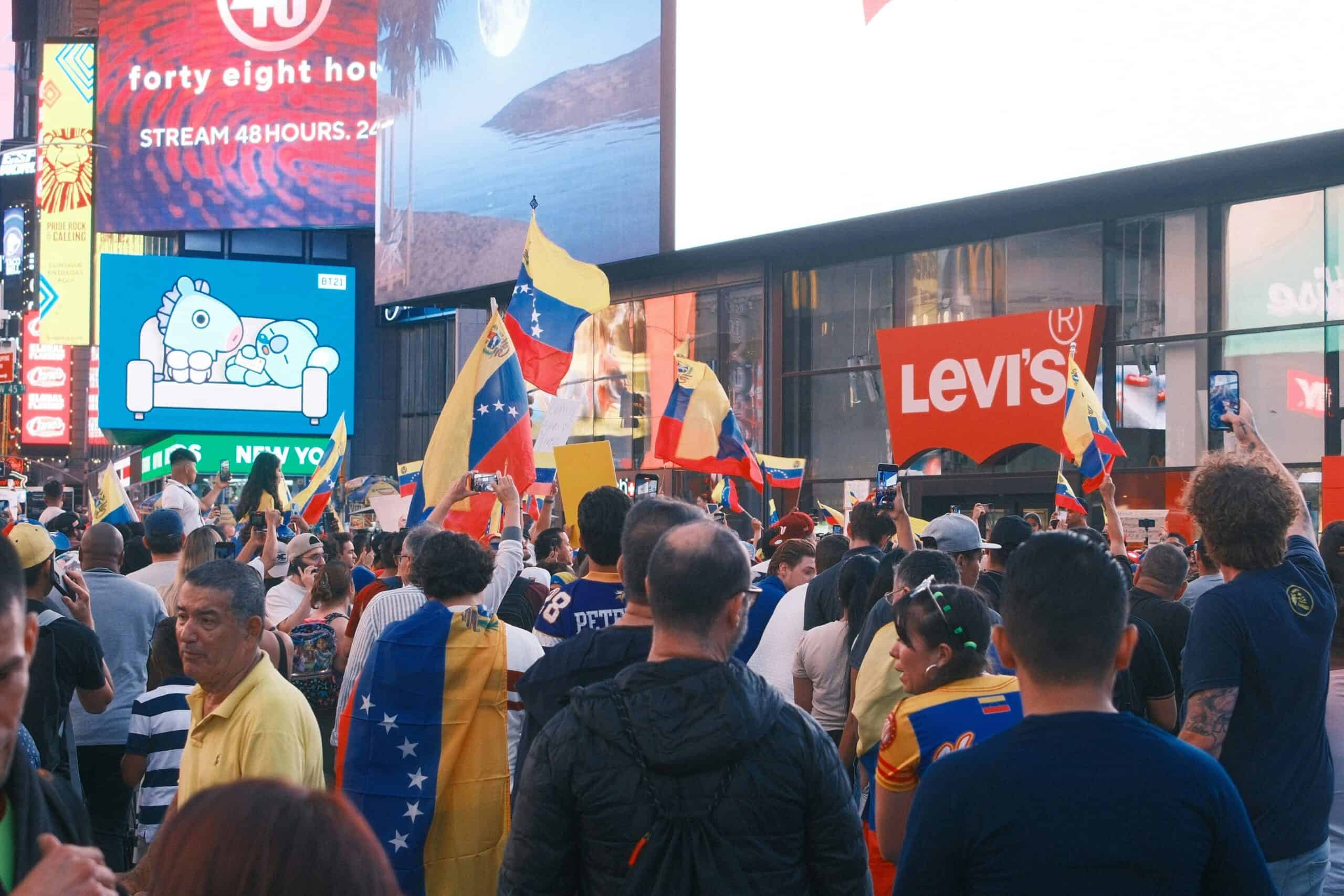
Venezuela holds incredible natural beauty and cultural depth, yet ongoing instability shapes the travel experience. Economic challenges and safety concerns influence daily life, creating an environment that can feel unpredictable. Infrastructure issues and limited services add practical complications, especially for foreign visitors. While many locals remain welcoming, the broader conditions cannot be ignored. For Americans, the decision to travel here often involves weighing curiosity against caution, knowing that the experience may require flexibility at every step.