We may earn money or products from the companies mentioned in this post. This means if you click on the link and purchase the item, I will receive a small commission at no extra cost to you ... you're just helping re-supply our family's travel fund.
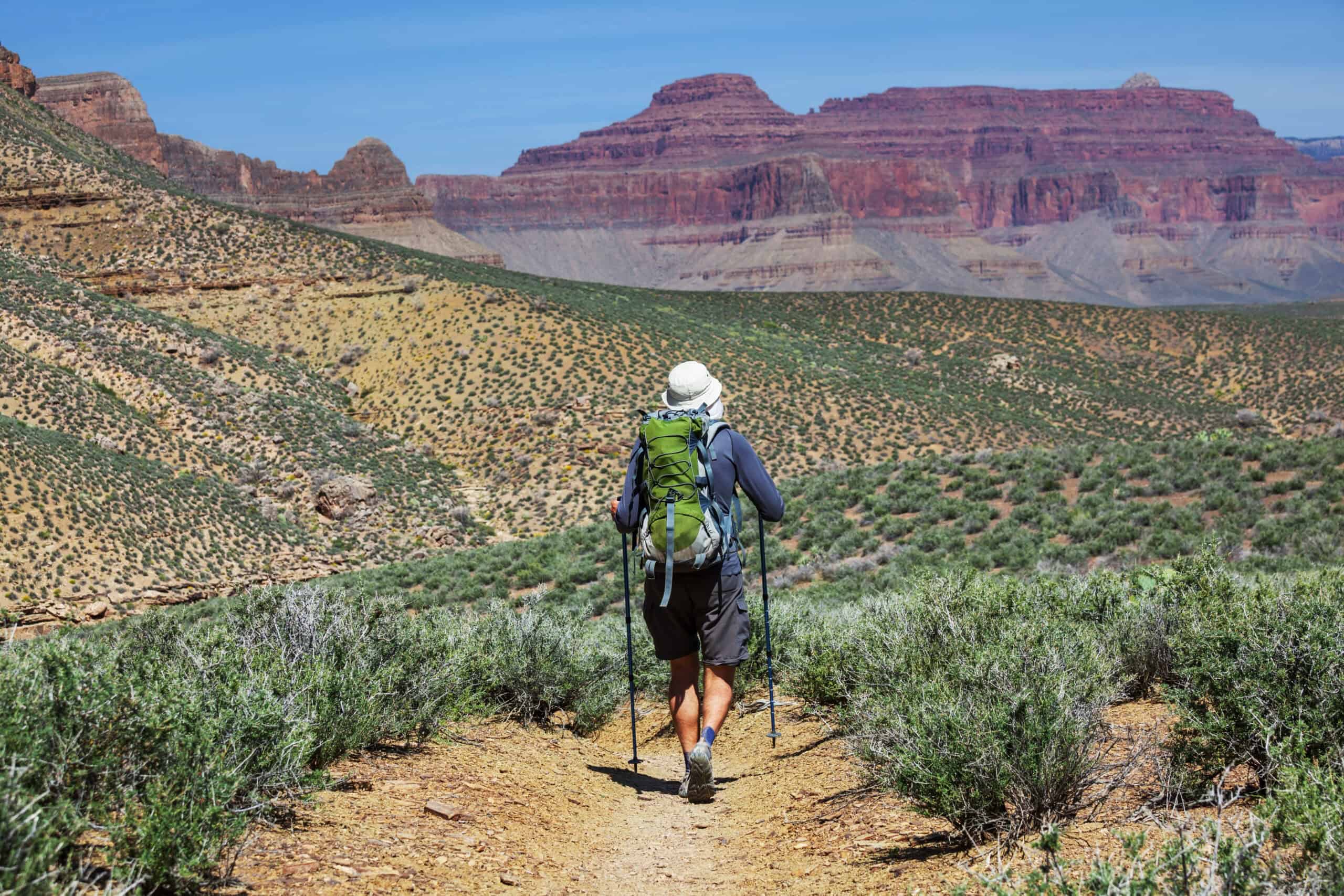
America’s most iconic landscapes carry a quiet contradiction: striking beauty paired with real, often underestimated risk. Towering cliffs, fast-moving water, volcanic terrain, and extreme heat create environments that look inviting but demand respect. Many visitors arrive focused on the view and miss the conditions shaping it. Weather can shift, terrain can give way, and small misjudgments can escalate quickly. These places reward curiosity, but they also test awareness. Understanding that balance turns a visit from risky to memorable.
The Hidden Dangers of Grand Canyon
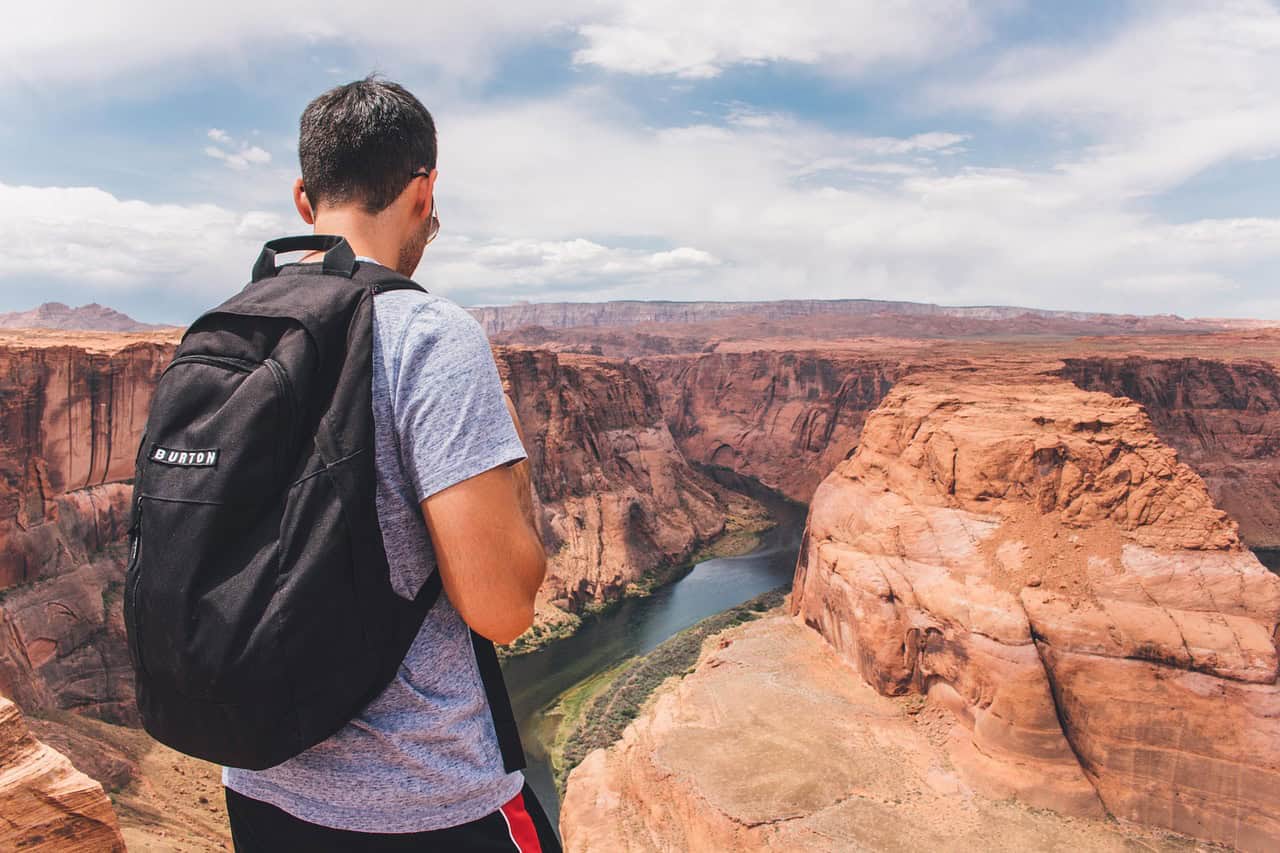
The Grand Canyon feels open and manageable from the rim, but that sense of ease fades the moment someone starts descending. Heat builds quickly as elevation drops, and the climb back up is far more demanding than expected. Many visitors carry too little water or start too late in the day, leading to exhaustion or dehydration. Trails can be uneven, with loose gravel that makes footing unreliable near steep edges. Rangers respond to frequent rescue calls, most involving people who simply misjudged distance, timing, or the physical toll of the terrain.
The Unpredictable Waters of Yosemite National Park
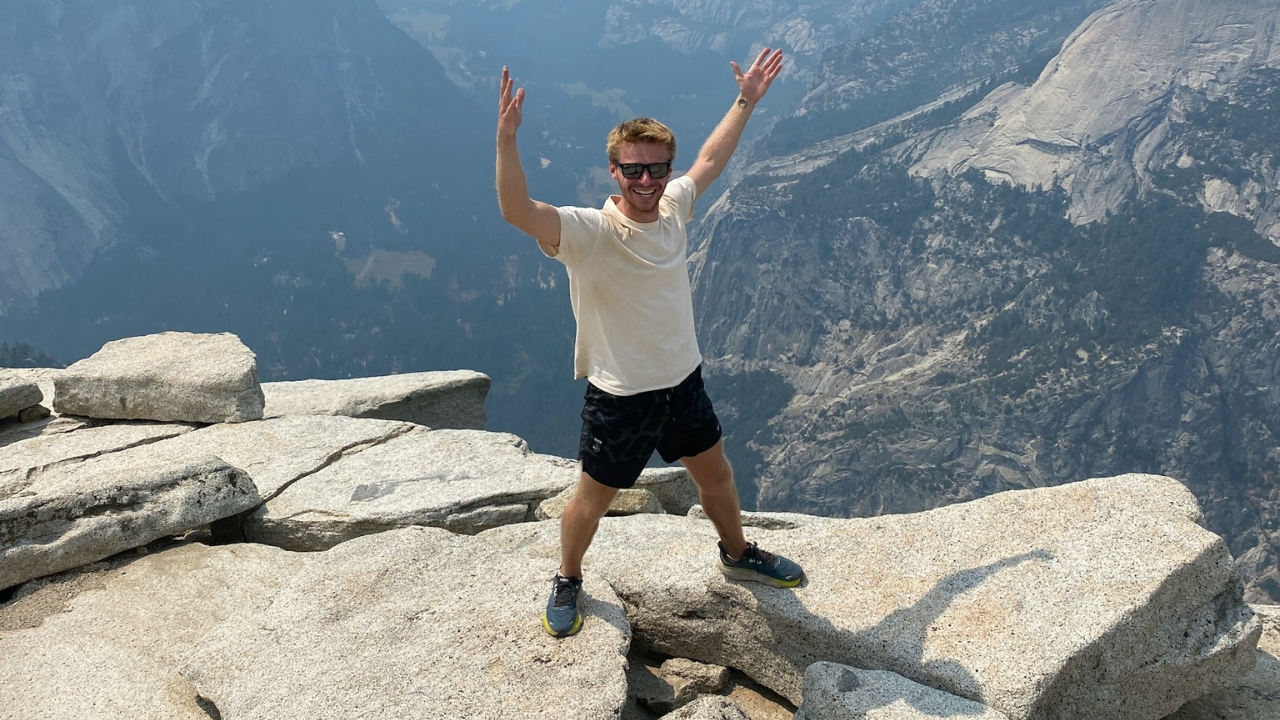
Yosemite’s rivers and waterfalls look calm in photographs, but up close they move with force that is easy to underestimate. Smooth granite near the water becomes dangerously slick, especially in spring when snowmelt swells the flow. Visitors often step closer for a better view or climb onto wet rocks, not realizing how quickly balance can be lost. Once in the water, currents are strong and unforgiving. Conditions shift throughout the day, and even experienced hikers can misread them, which is why accidents here often happen without warning.
The Volcanic Risks of Hawaii Volcanoes National Park
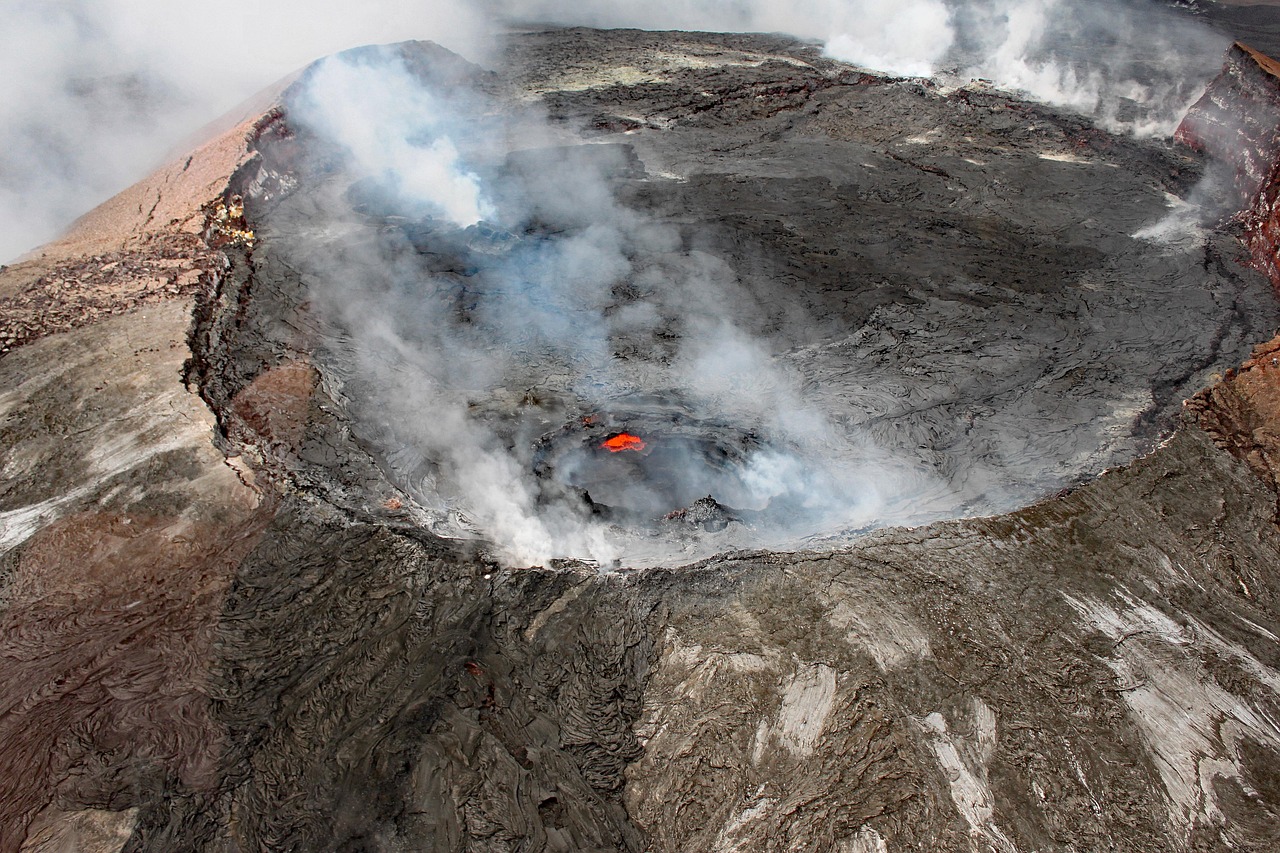
Hawaii Volcanoes National Park offers a rare look at active geological change, but the ground itself can be unstable. Lava fields may appear solid while hiding fragile crust beneath. Toxic gases drift through certain areas, sometimes building without obvious signs, affecting breathing and visibility. Visitors drawn to glowing lava often move closer than they should, ignoring how quickly conditions can change. Cracks can open, surfaces can collapse, and wind can shift gas clouds unexpectedly. The landscape is alive, and it demands constant attention, not casual exploration.
The Treacherous Shores of Myrtle Beach
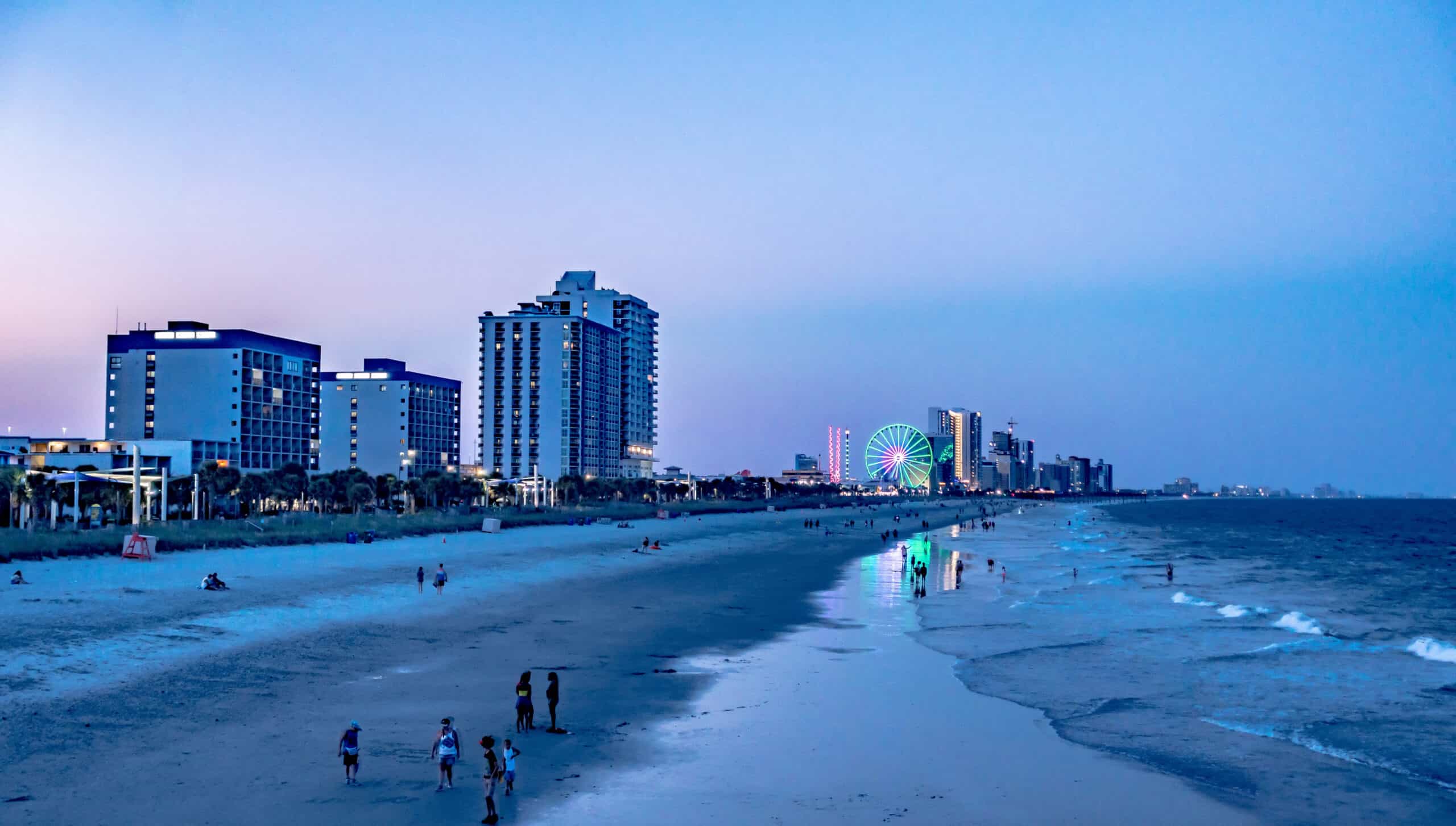
Myrtle Beach feels relaxed and familiar, which is exactly why its risks are often overlooked. Rip currents form regularly along the الساحل, pulling swimmers away from shore with surprising strength. They are not always visible, and many people do not recognize the signs until they are already caught in one. Panic makes the situation worse, leading to exhaustion in minutes. Lifeguards stay busy during peak season, especially when crowds grow and conditions shift. The ocean here is not rough in appearance, but it demands respect and awareness.
The Extreme Climate of Death Valley National Park
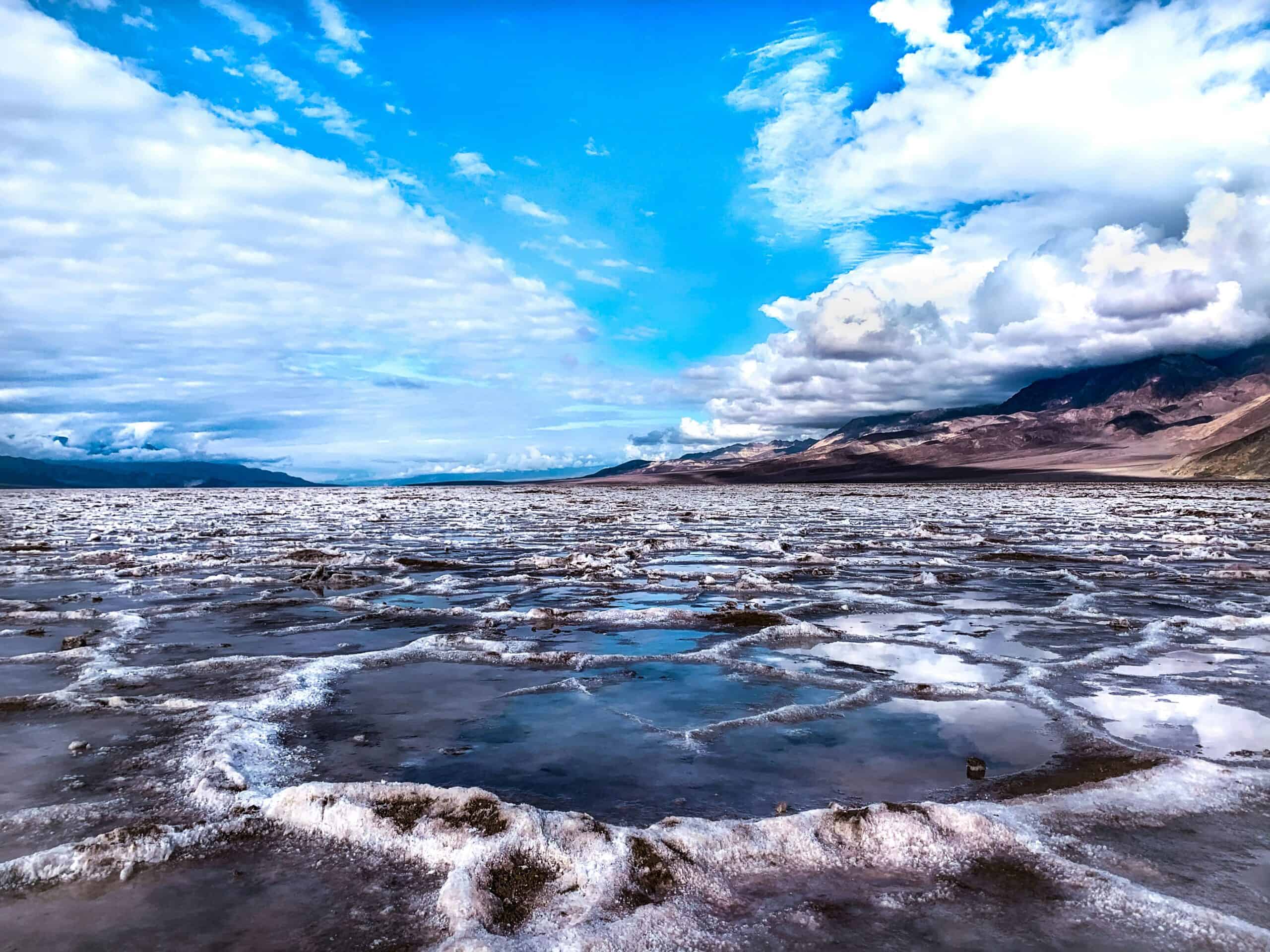
Death Valley is not just hot, it is relentless. Summer temperatures climb high enough to strain the body within minutes, especially without shade or proper hydration. Visitors often underestimate how quickly dehydration sets in, even during short walks. Cars can overheat or fail in remote areas, turning a minor issue into a serious situation. The dry air pulls moisture from the body faster than expected, and there is little margin for error. What looks like an empty, quiet landscape is actually one of the most demanding environments in the country.