We may earn money or products from the companies mentioned in this post. This means if you click on the link and purchase the item, I will receive a small commission at no extra cost to you ... you're just helping re-supply our family's travel fund.
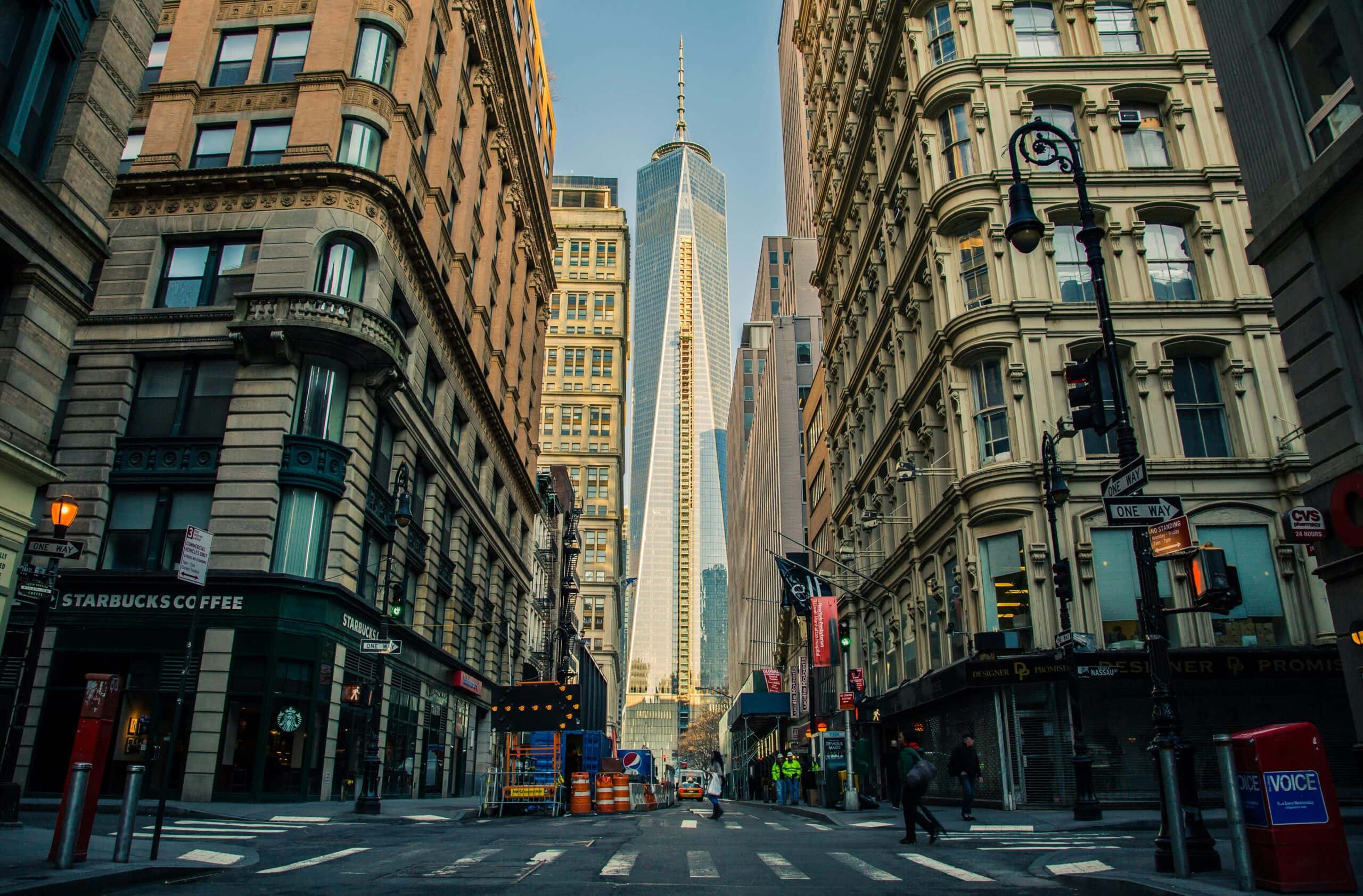
America’s biggest population stories are not always found in fast-growing metros. In a few older U.S. cities, the skyline, street grid, and civic buildings still reflect a much larger era. Using historical peak counts and recent Census estimates, these five places now sit at less than half their former population. The shift is visible in everyday ways, from oversized infrastructure to quieter blocks, yet each city still carries strong identity, memory, and momentum in the districts that keep adapting. That contrast is what makes the numbers feel personal.
St. Louis, Missouri
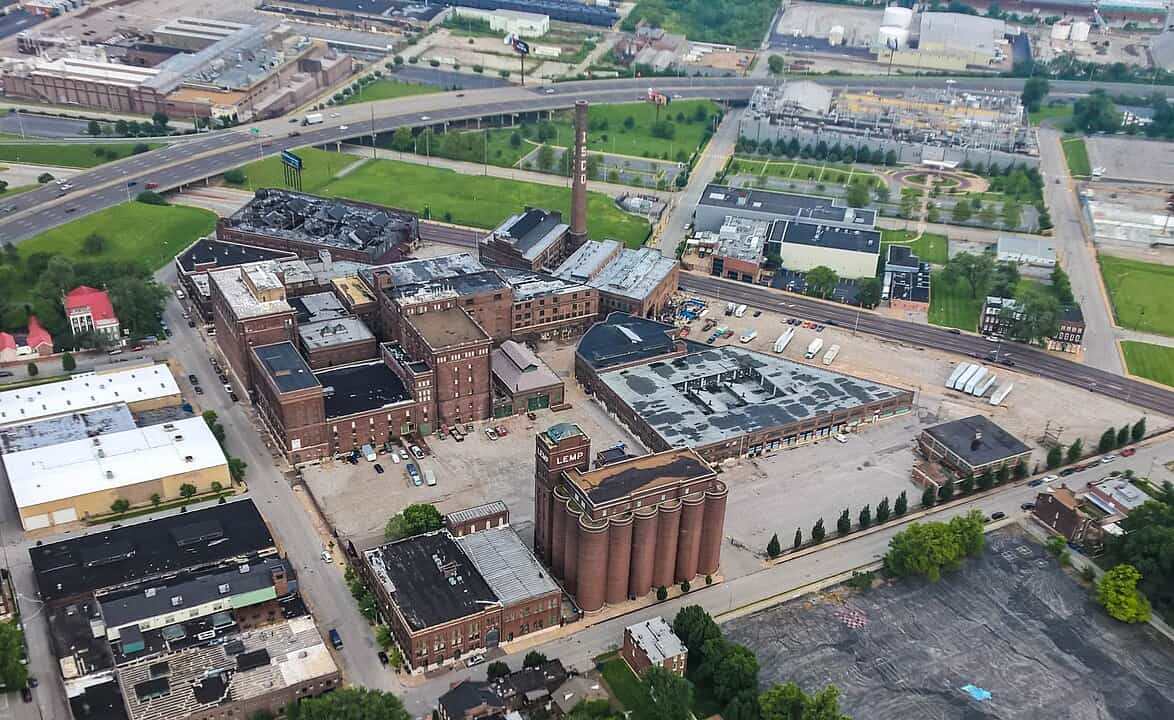
St. Louis peaked at 856,796 residents in 1950 and now stands at about 279,695, based on recent Census estimates, a drop of roughly 67.4%. That decline still shows in the city’s physical scale. Grand civic buildings, wide roads, brick rowhouse blocks, and old industrial corridors feel sized for a much larger population, even where strong neighborhoods remain active. The city still has deep cultural energy, but the numbers explain why vacant lots, rehab projects, and stable streets often sit side by side, giving St. Louis a layered feel instead of a simple decline story rooted only in loss.
Detroit, Michigan
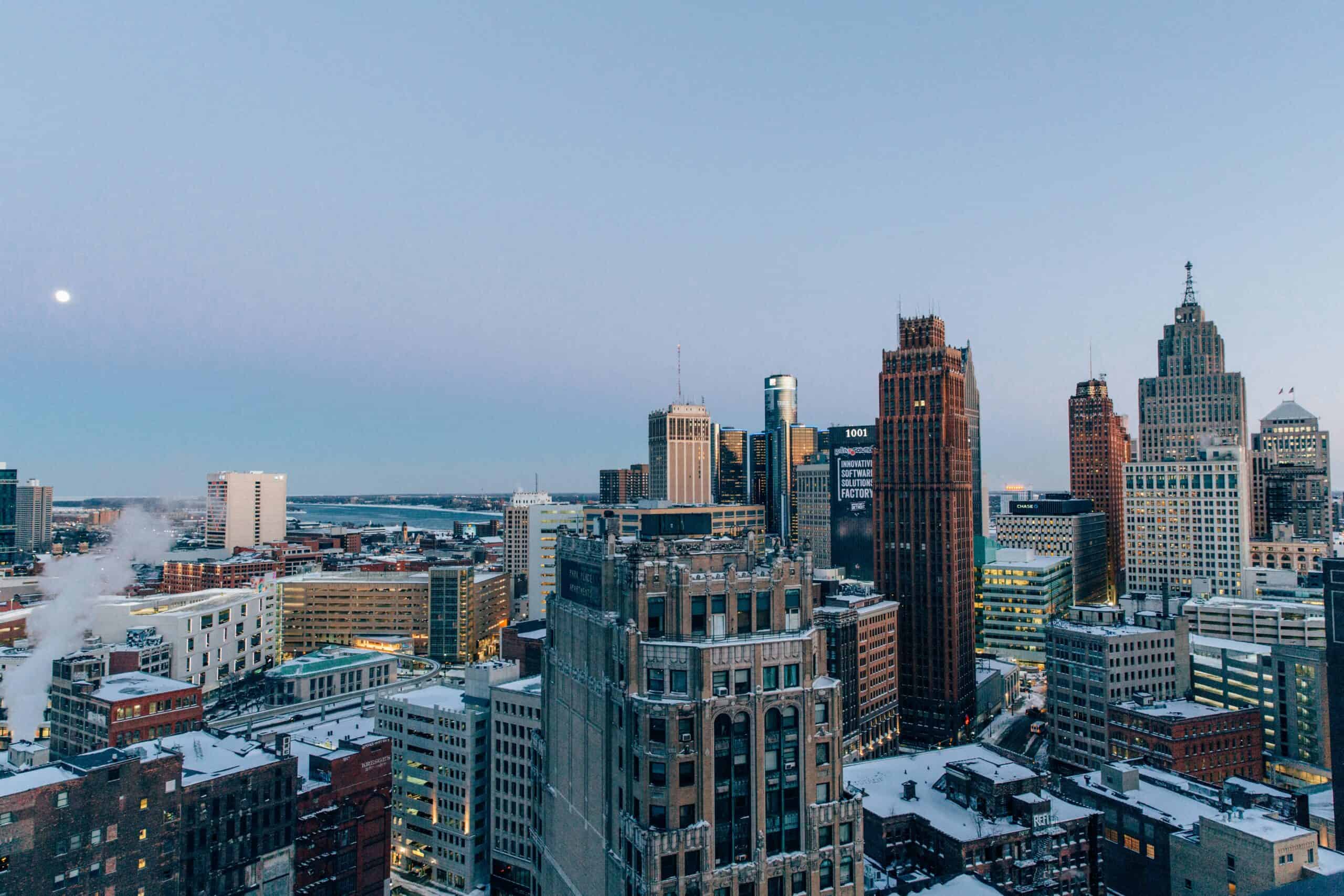
Detroit reached 1,849,568 residents in 1950 and now sits near 645,705, which puts the decline at about 65.1%. The city’s scale still reflects its manufacturing peak, with broad avenues, huge industrial sites, and neighborhood grids laid out for far more people than today. Recent investment has revived parts of downtown and several corridors, but the long population slide still shapes schools, transit, retail demand, and service coverage, making Detroit feel both resilient and oversized in the same frame. That contrast gives many blocks a striking sense of unfinished scale.
Cleveland, Ohio
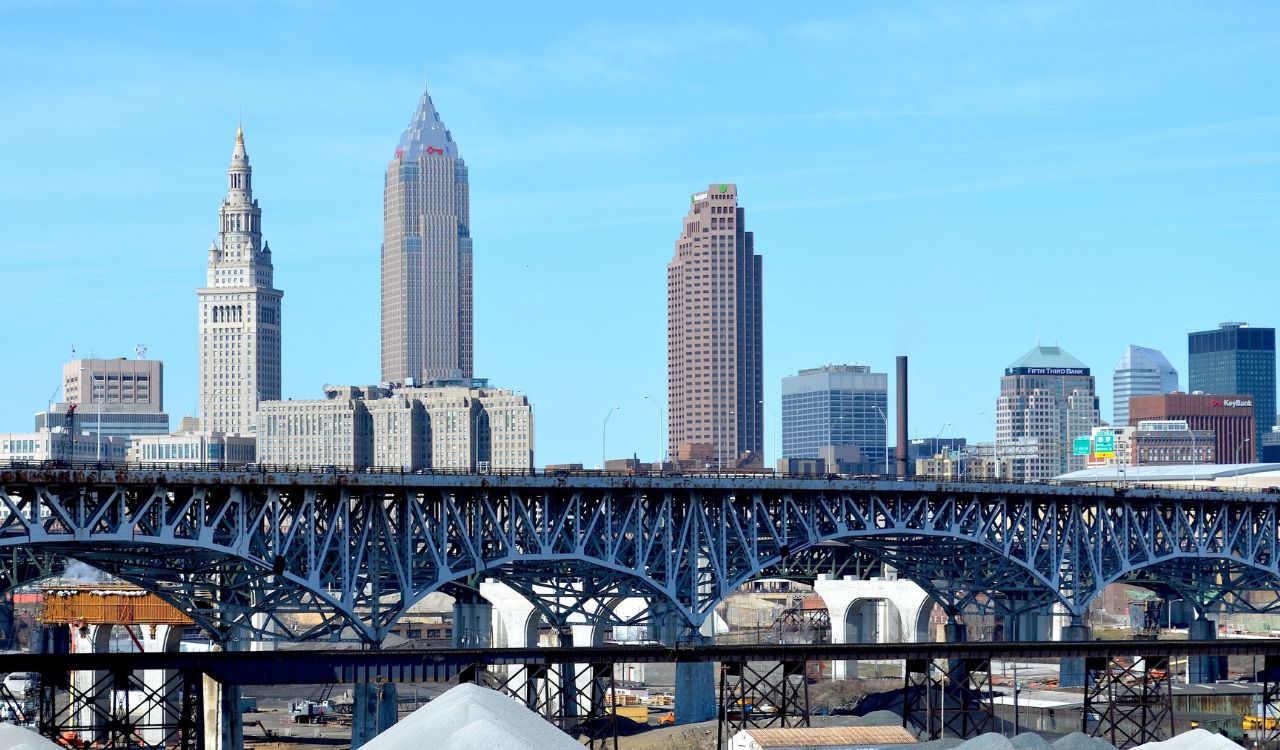
Cleveland peaked at 914,808 residents in 1950 and is now estimated around 365,379, a decline of roughly 60.1%. That drop helps explain the city’s unusual mix of heavyweight institutions and thinner residential density across older districts. Major museums, hospitals, and civic buildings still anchor the city, while wide roads and legacy housing stock hint at a larger industrial-era population, giving Cleveland a strong identity that remains intact even as the numbers changed. The city still feels substantial, and that history stays visible block after block, especially beyond downtown.
Pittsburgh, Pennsylvania
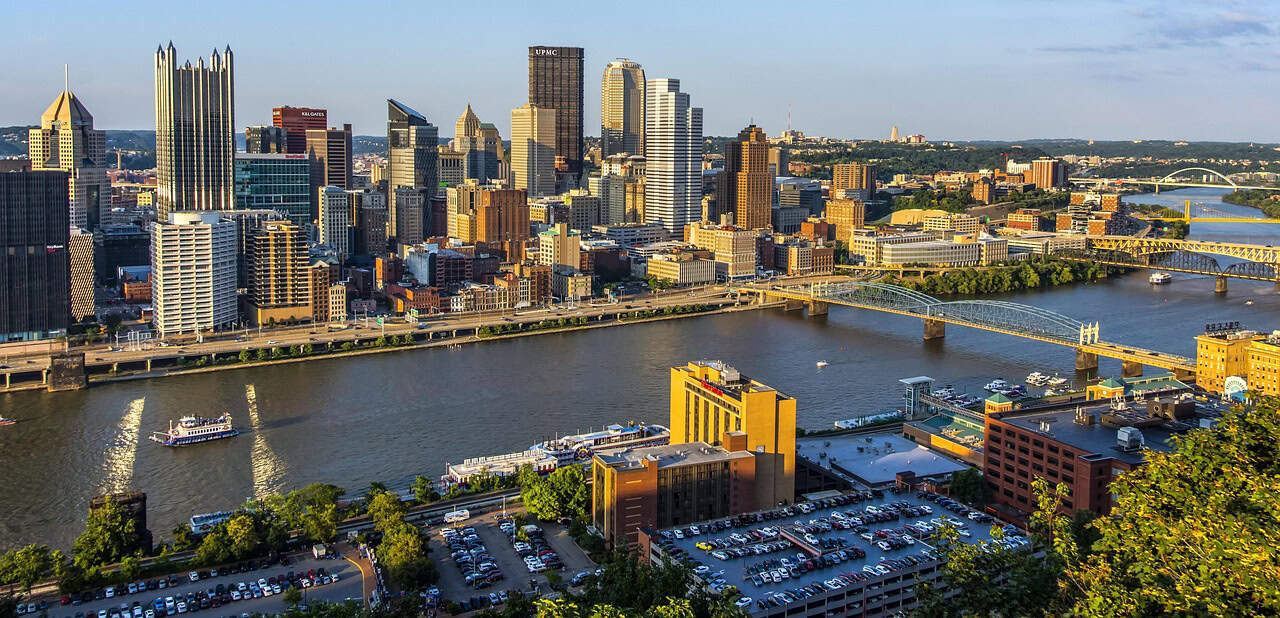
Pittsburgh hit 676,806 residents in 1950 and now stands near 307,668, a decline of about 54.5%. The city has reinvented itself more than once, yet the population loss still shapes how many neighborhoods function and how far local demand can stretch. Hillsides, bridges, and dense rowhouse blocks create a compact, dramatic cityscape, but many former mill communities now operate on smaller footprints than their street grids suggest, which is why Pittsburgh feels both full of life and visibly reduced. It remains dynamic, but the census trend is still written into daily geography.
Buffalo, New York
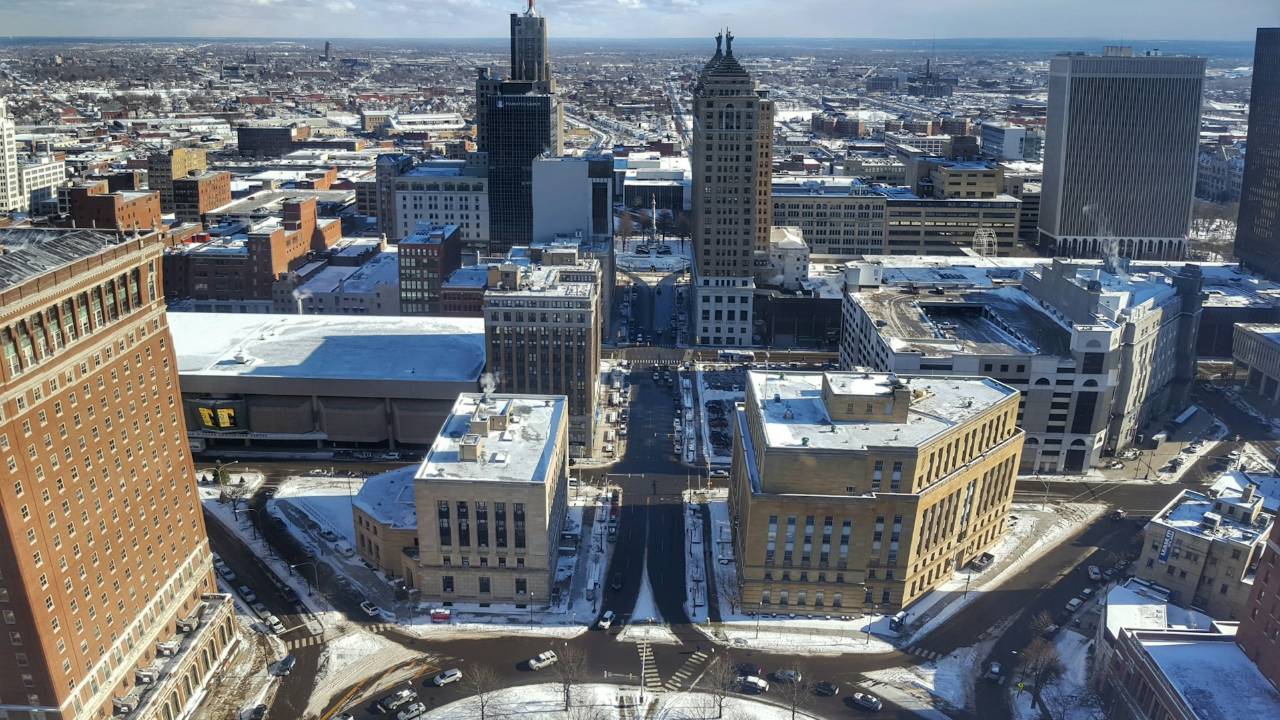
Buffalo peaked at 580,132 residents in 1950 and is now estimated at about 276,617, a decline of roughly 52.3%. That shift is large enough to change everything from school enrollment to neighborhood retail patterns, even as the city has gained momentum along the waterfront and downtown. Buffalo still looks built for more people: broad streets, solid brick housing, and ornate public buildings point to a bigger industrial era, so recent progress stands out even more against the city’s long demographic slide. The city’s renewed energy feels stronger because the older scale never really disappeared.