We may earn money or products from the companies mentioned in this post. This means if you click on the link and purchase the item, I will receive a small commission at no extra cost to you ... you're just helping re-supply our family's travel fund.
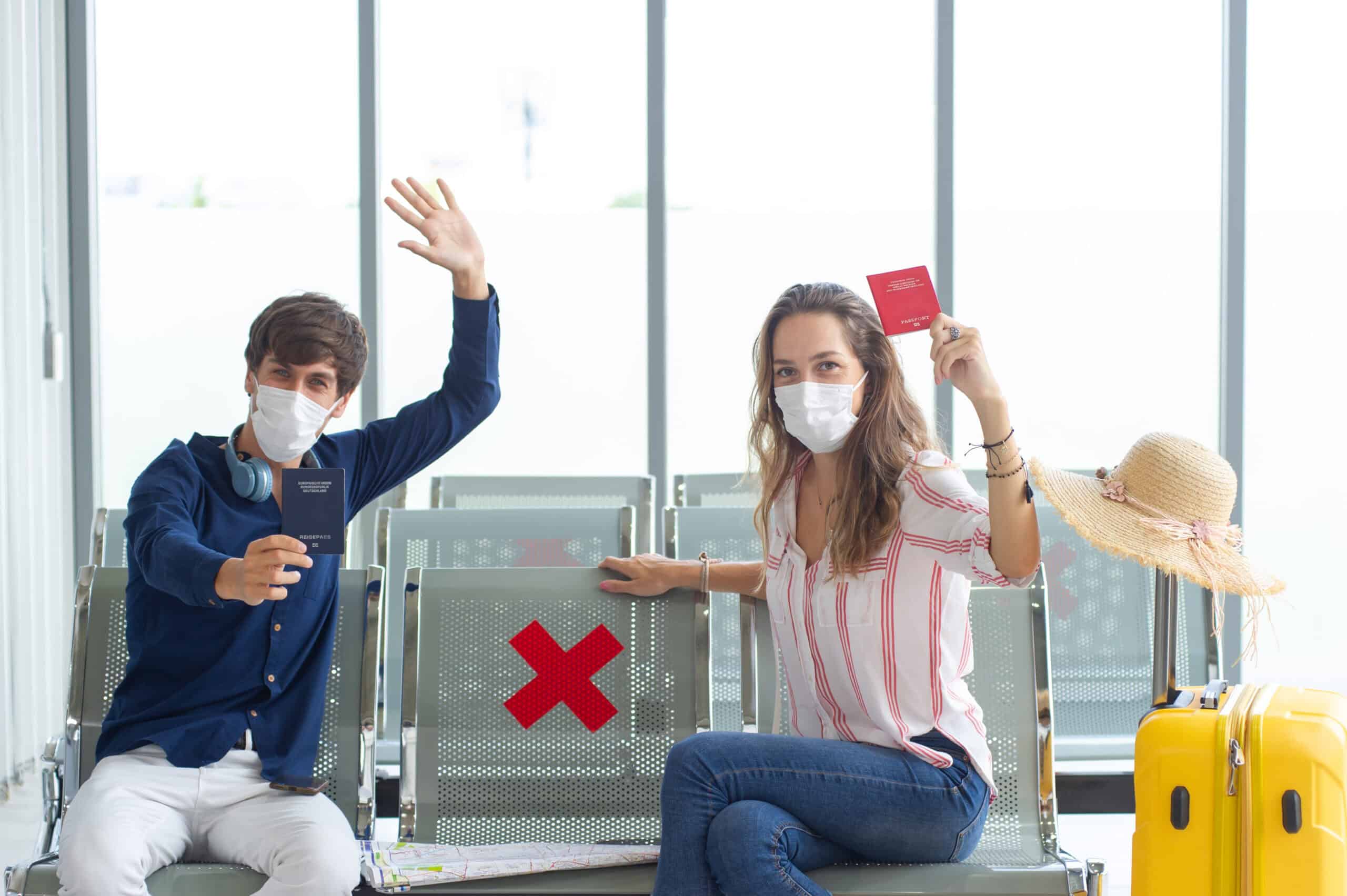
Long-term travel often looks graceful from the outside: sunrise ferries, mountain roads, hidden cafés, and lives unbound by routine. What rarely makes the photo is the moment when confidence outruns caution. Seasoned travelers often say the closest calls were not dramatic acts of recklessness, but ordinary decisions made while tired, rushed, overheated, distracted, or eager not to miss out. Across borders and climates, the gravest mistakes tend to repeat themselves, because danger usually enters quietly, dressed as convenience, bravado, or a story worth telling later.
Treating The Road Like Home

Many full-time travelers say their worst judgment happened on roads they did not understand. They assumed a short ride on a scooter, an overnight bus without a seat belt, or a casual taxi in a place with different traffic patterns was a manageable risk, only to realize too late that road crashes are one of the leading causes of non-natural traveler deaths. What felt spontaneous in the moment often turned dangerous because unfamiliar signage, poor lighting, faster local driving norms, and sheer fatigue stacked the odds against them before the engine even started.
Swimming In Water They Had Not Read Correctly

Travelers who spend months chasing coastlines often admit they gave beautiful water too much trust. A calm-looking beach, a hotel pier, or a hidden cove can conceal rip currents, sharp drop-offs, boat traffic, or the absence of lifeguards, and drowning remains a major cause of travel-related injury death in places built around water recreation. The mistake was rarely poor swimming alone; it was entering unfamiliar water without asking locals, checking conditions, or respecting how quickly alcohol, bravado, and changing tides can strip away control.
Assuming Food Mishaps Would Only Ruin A Day

A surprising number of long-haul travelers say they once treated food and water choices like a test of toughness. They ate buffet food sitting too long in heat, trusted ice from uncertain water sources, or figured one questionable street meal was part of earning an authentic experience, then discovered how fast dehydration and gastrointestinal illness can derail a journey. Public health guidance stresses that contaminated food and drinks can spread far more than a temporary stomach bug, which is why seasoned travelers eventually learn that caution around water, raw produce, and unreheated food is not fussy, but practical.
Brushing Off Animal Bites And Scratches

One of the most sobering mistakes travelers describe begins with something that felt small: feeding a dog, petting a monkey, rescuing an injured animal, or laughing off a minor scratch. Rabies remains a serious risk in many parts of the world, and health authorities are blunt that once symptoms appear, it is almost always fatal, which makes delay the real danger. Veteran travelers often say the lesson came hard: any bite or scratch from an unfamiliar mammal abroad deserves immediate wound cleaning and urgent medical advice, not optimism and a bandage.
Climbing Too High Too Fast
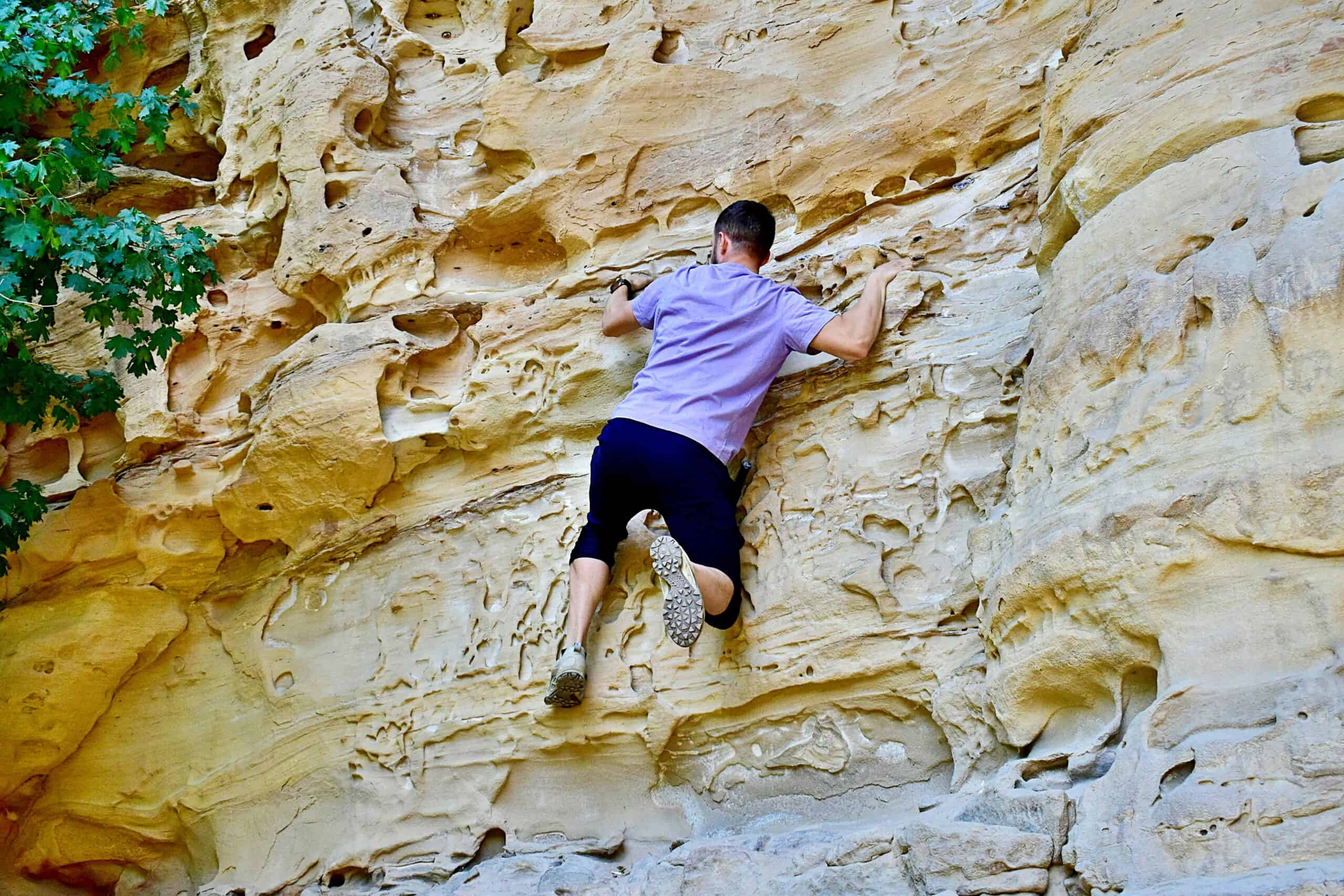
The mountain mistake is almost always the same: a traveler feels fit at sea level and assumes fitness will substitute for acclimatization. At higher elevations, the body is dealing with lower oxygen pressure, and serious altitude illness can escalate from headache and nausea into life-threatening swelling in the lungs or brain if warning signs are ignored. Full-time travelers who learned this the hard way often describe how ambition, fixed itineraries, and expensive bookings pushed them upward too fast, when the safer move would have been slower ascent, rest, and the humility to descend before symptoms turned urgent.
Packing For The Photo Instead Of The Climate
Travelers who live on the move sometimes confess that aesthetics quietly overruled survival. They dressed for a city stroll and ended up in desert heat, alpine cold, or relentless sun without enough water, layers, or protection, forgetting that exposure can become dangerous long before it becomes dramatic. Travel health guidance warns that heat and cold can both cause serious injury or death, while prolonged sun and exertion magnify the problem, especially in mountains, beaches, and dry regions where conditions shift faster than inexperienced visitors expect. The most painful lesson was that good weather in a picture says almost nothing about what the body is absorbing.
Skipping Insurance Because Nothing Had Gone Wrong Yet

Many long-term travelers admit they canceled or downgraded insurance after months of smooth movement made risk feel theoretical. Then came the fall on a trek, the severe infection, the road crash, or the remote island emergency that turned an ordinary medical problem into a logistical crisis, especially where evacuation or private treatment was the only fast option. U.S. travel guidance and CDC health guidance both advise travelers to consider medical and evacuation coverage because domestic plans often do not cover the real costs of care abroad, and air ambulance transport can be financially devastating even before recovery begins.
Ignoring Mosquitoes Because The Bite Seemed Minor
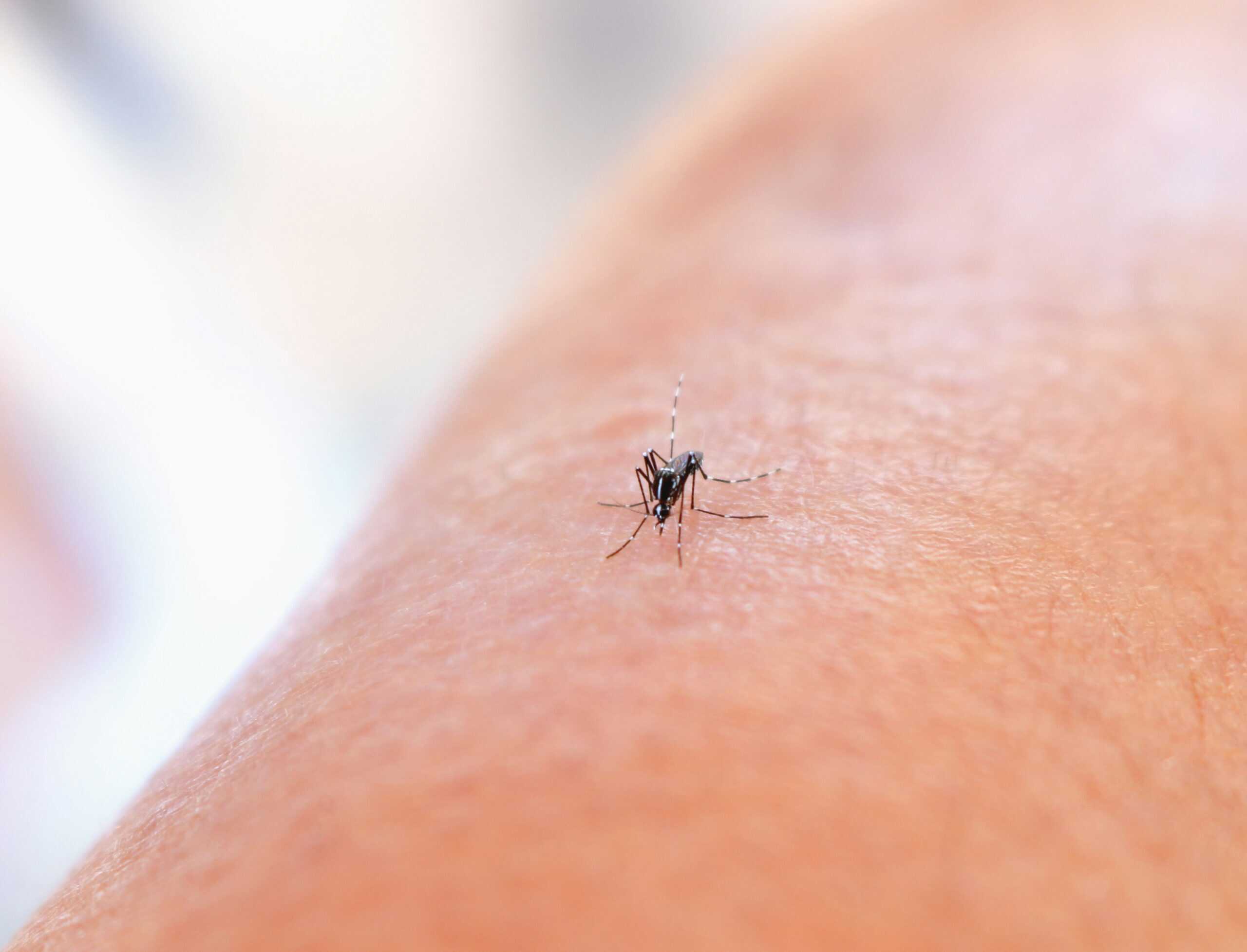
Seasoned travelers often say mosquito complacency crept in gradually. After enough humid evenings and harmless bites, repellent started to feel optional, sleeves felt annoying, and bed nets became something for other people, until illness hit and the tiny nuisance revealed its scale. CDC guidance stresses that EPA-registered repellents and protective clothing matter, and dengue remains widespread globally, with severe cases capable of causing shock, organ failure, and death. The mistake was not underestimating one insect, but underestimating repeated exposure in places where mosquito-borne disease is part of everyday public health reality.
Drinking Through Danger Signs
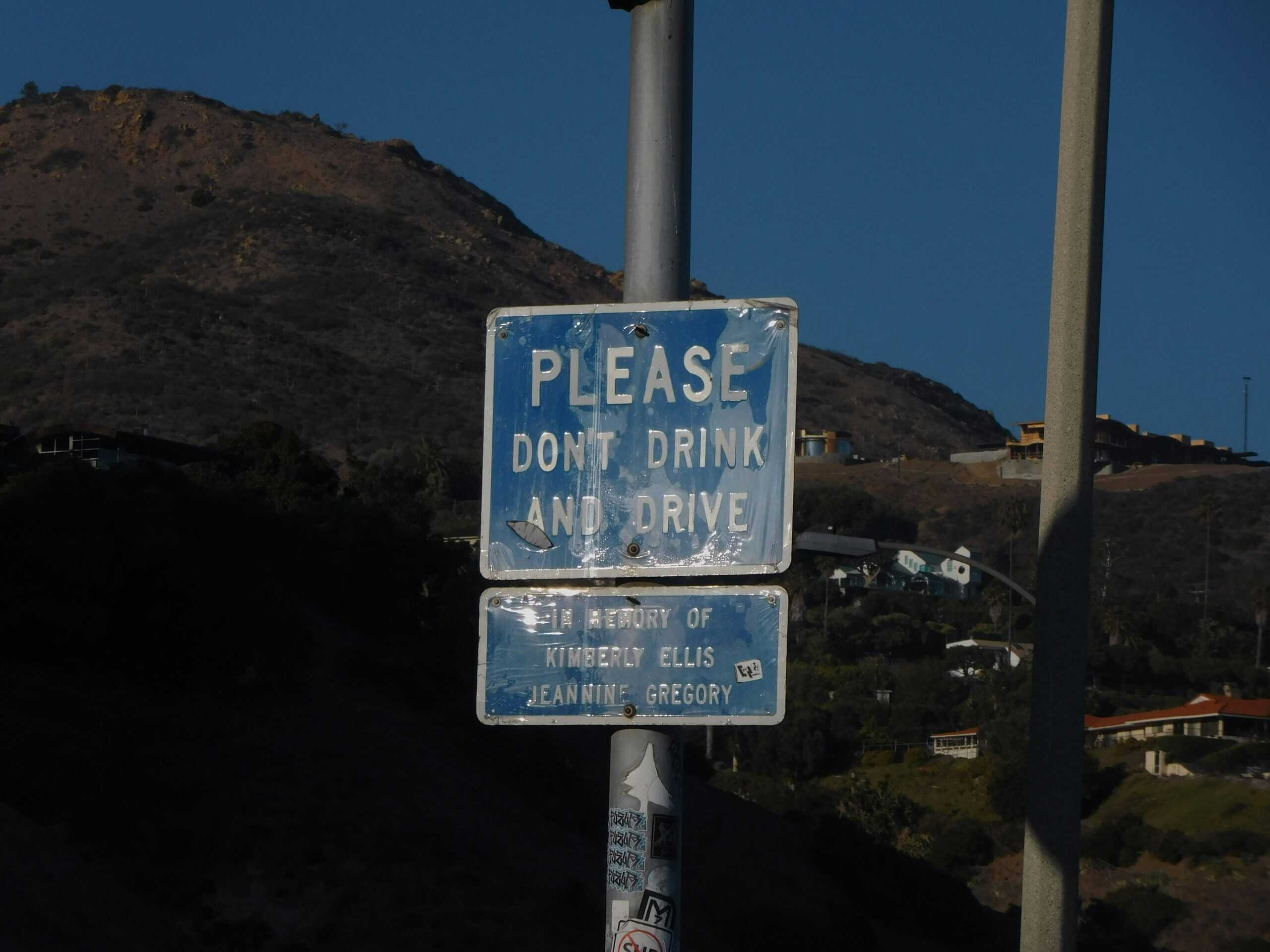
Travelers often talk about alcohol as if it only raises the bill, but their near-disaster stories say otherwise. A few drinks before a swim, a late-night scooter ride, a cliffside viewpoint, or a boat transfer can dull balance, coordination, judgment, and the instinct to turn back, which is why safety guidance explicitly warns against drinking before swimming, diving, or boating. Some of the worst travel mistakes are not elaborate at all; they begin with the belief that vacation rules are softer, that the body is still in control, and that consequences belong to people less experienced than the ones telling the story.
Refusing To Rest When The Body Was Already Failing
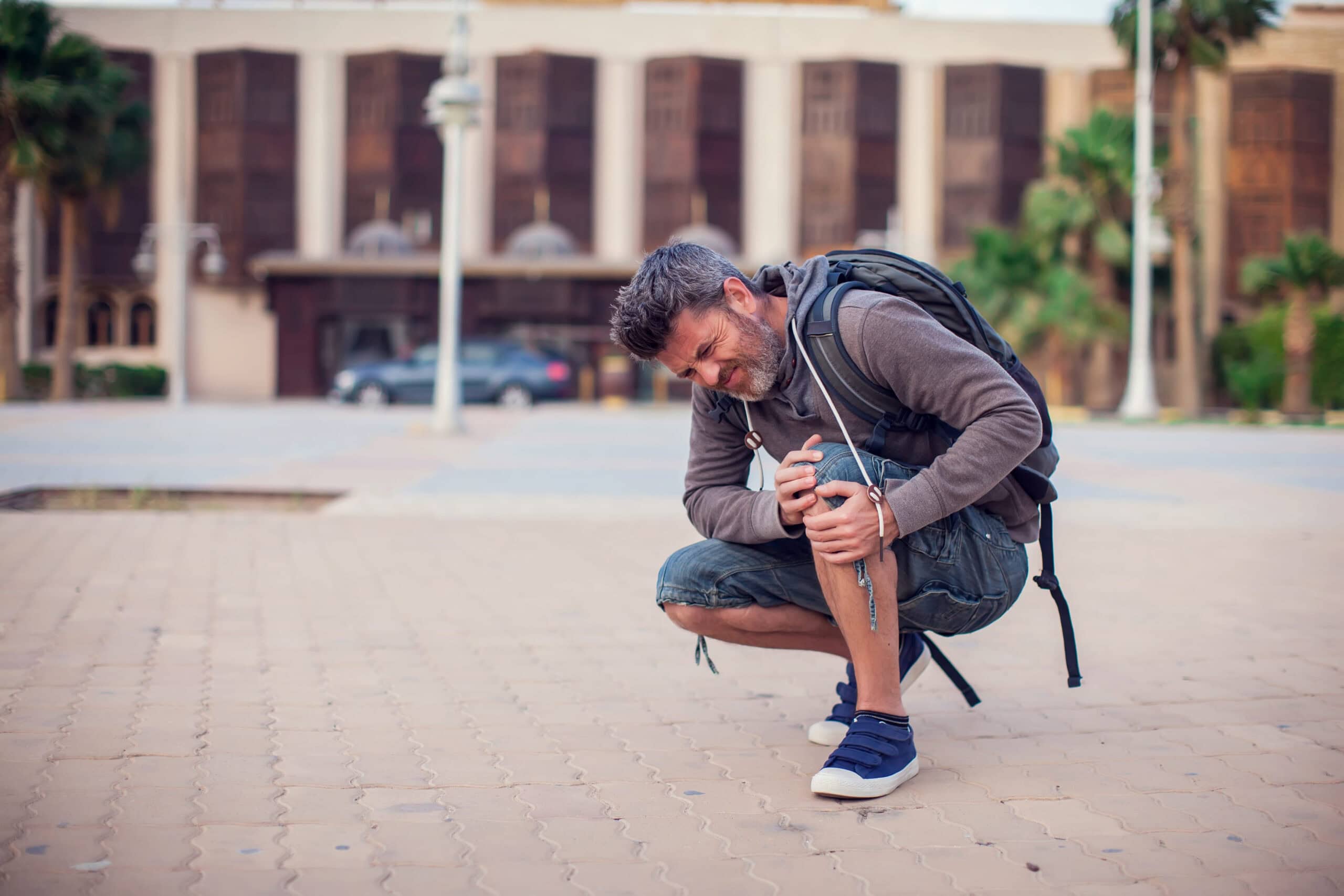
Long-term travelers often become excellent at pushing through discomfort, and that skill can become its own hazard. They board the next bus with a fever, keep hiking through vomiting, dismiss dehydration as tiredness, or insist on one more border crossing because stopping feels like losing time, even when the body is sending unmistakable alarms. Public health travel guidance consistently frames preparation and early response as central to risk reduction, because fatigue, illness, and poor judgment compound one another fast. Many travelers say the more experienced they became, the more seriously they treated weakness, not because they feared travel, but because they finally respected it.
Trusting A Perfect View More Than Local Warnings
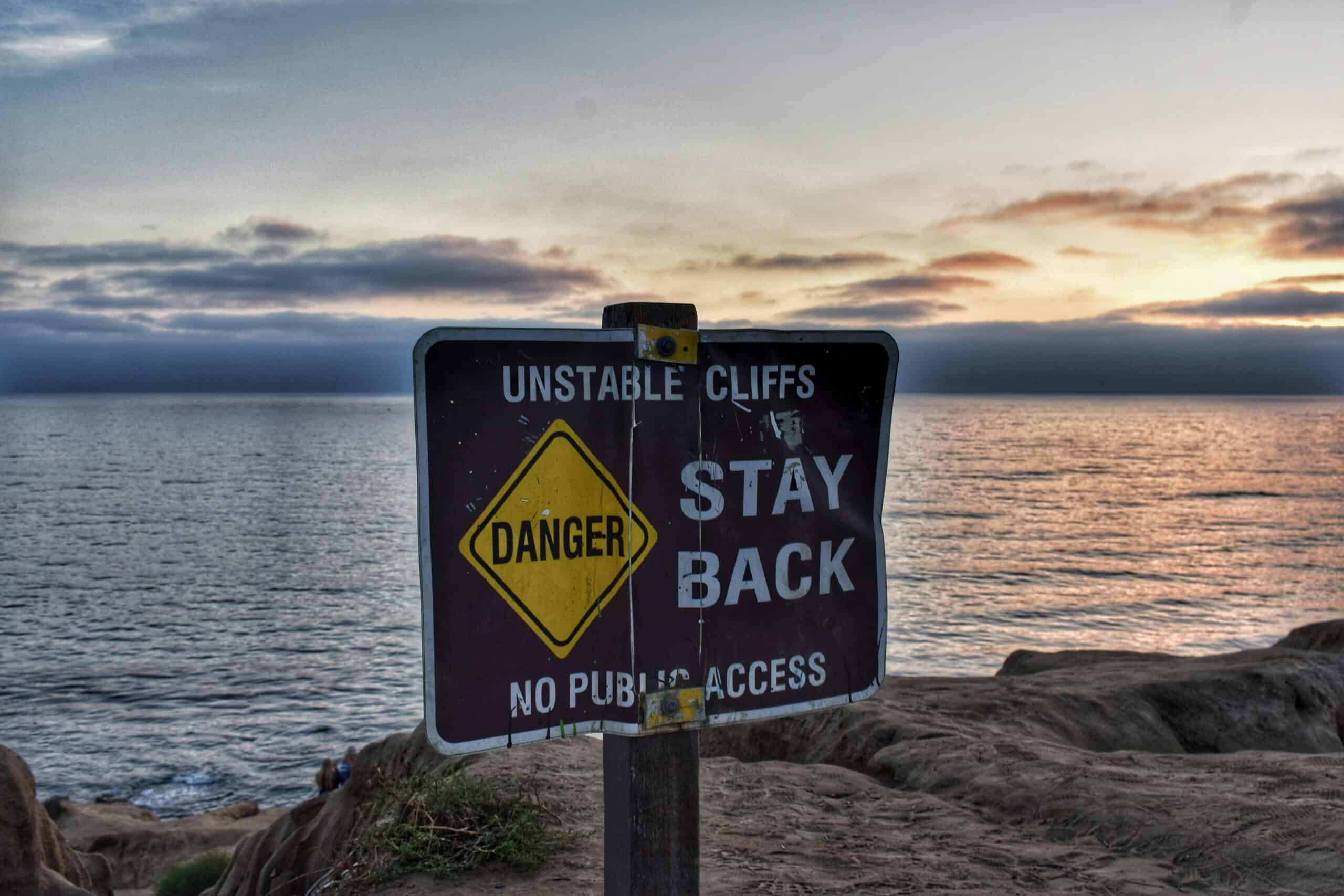
A recurring mistake among full-time travelers is confusing familiarity with competence. After enough countries, enough hikes, and enough successful improvisation, warning signs start to feel overly cautious, yet locals usually understand the river, cliff, monsoon pattern, ferry route, or washed-out trail far better than passing visitors ever will. Water safety and drowning guidance repeatedly point to unfamiliar local conditions as a major factor in fatal outcomes, and the same logic extends beyond water: travelers get hurt when they treat regional knowledge like background noise. Experience helps, but it does not outrank the person who knows what that place does after dark or after rain.
Letting Itineraries Override Instinct
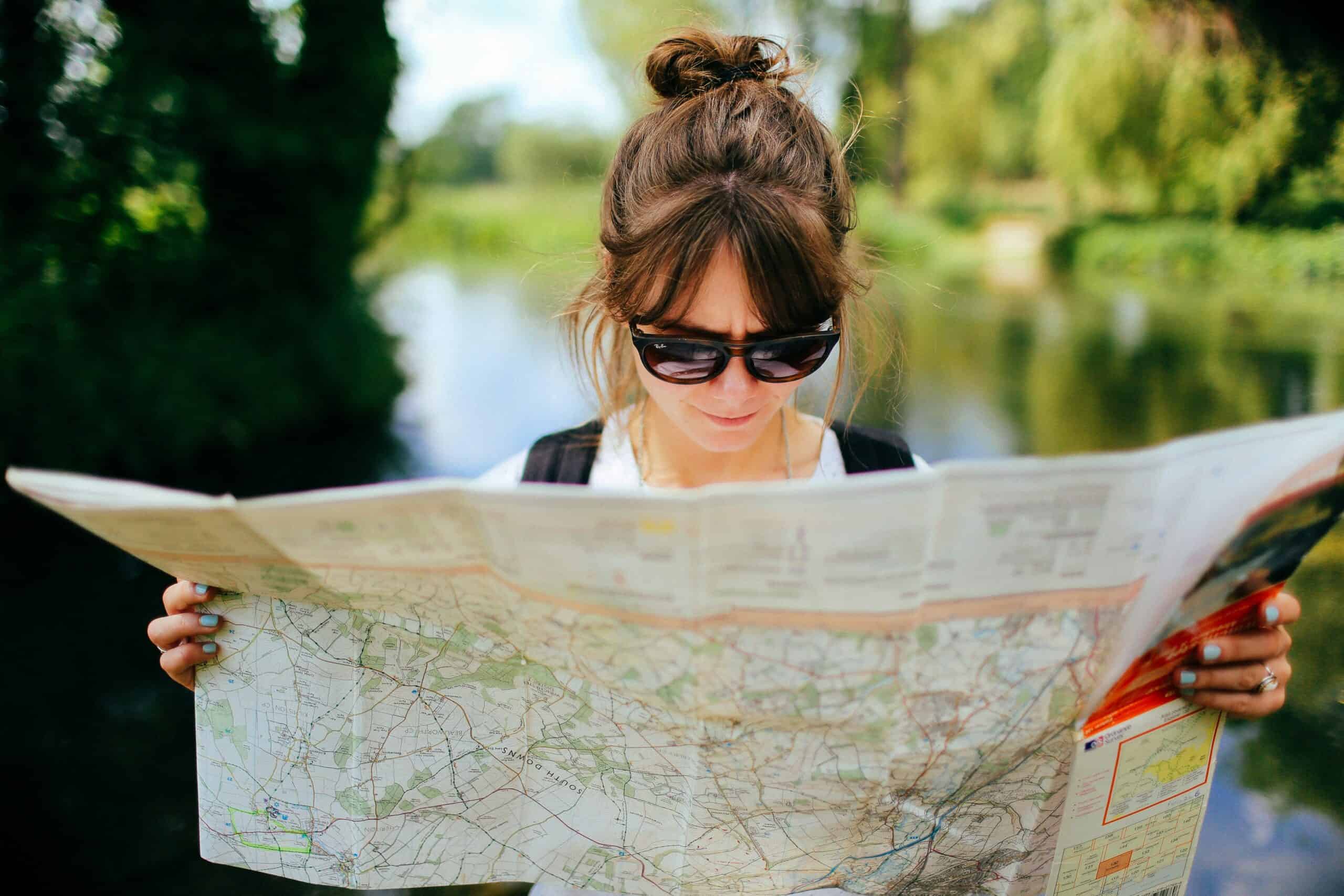
Perhaps the deadliest travel mistake is emotional rather than logistical. Full-time travelers often say their closest calls happened when a nonrefundable booking, a dream sunrise, a rare permit, or the pressure to keep moving made them ignore a private sense that something was off. The pre-travel and safety guidance used by health authorities is built around planning for real conditions, not fantasy versions of a trip, because risk changes with weather, transport, health, and timing. People who stay on the road for years tend to learn the same hard truth: no reservation, route, or story is worth continuing once the body and the setting both begin to say no.