We may earn money or products from the companies mentioned in this post. This means if you click on the link and purchase the item, I will receive a small commission at no extra cost to you ... you're just helping re-supply our family's travel fund.
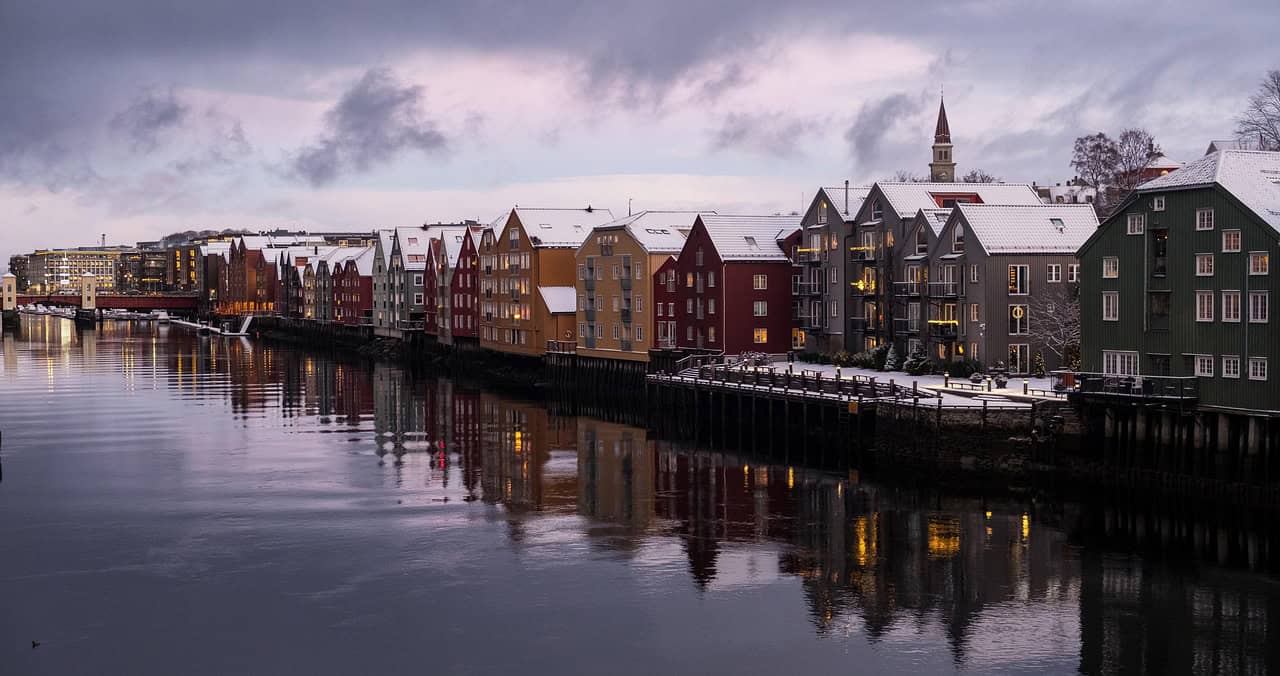
Retirement today is no longer about slowing down; it’s about choosing a setting that enhances everyday life. From glacier-carved valleys to sunlit coastlines and forested hills, some countries offer not only striking scenery but also strong healthcare, social stability, and retiree-friendly policies. The following ten countries stand out for blending natural beauty with measurable quality-of-life advantages. Each destination offers a distinct retirement rhythm, backed by solid economic indicators, life expectancy data, healthcare access, and safety rankings, making them compelling choices for those planning their next chapter thoughtfully.
1. Norway
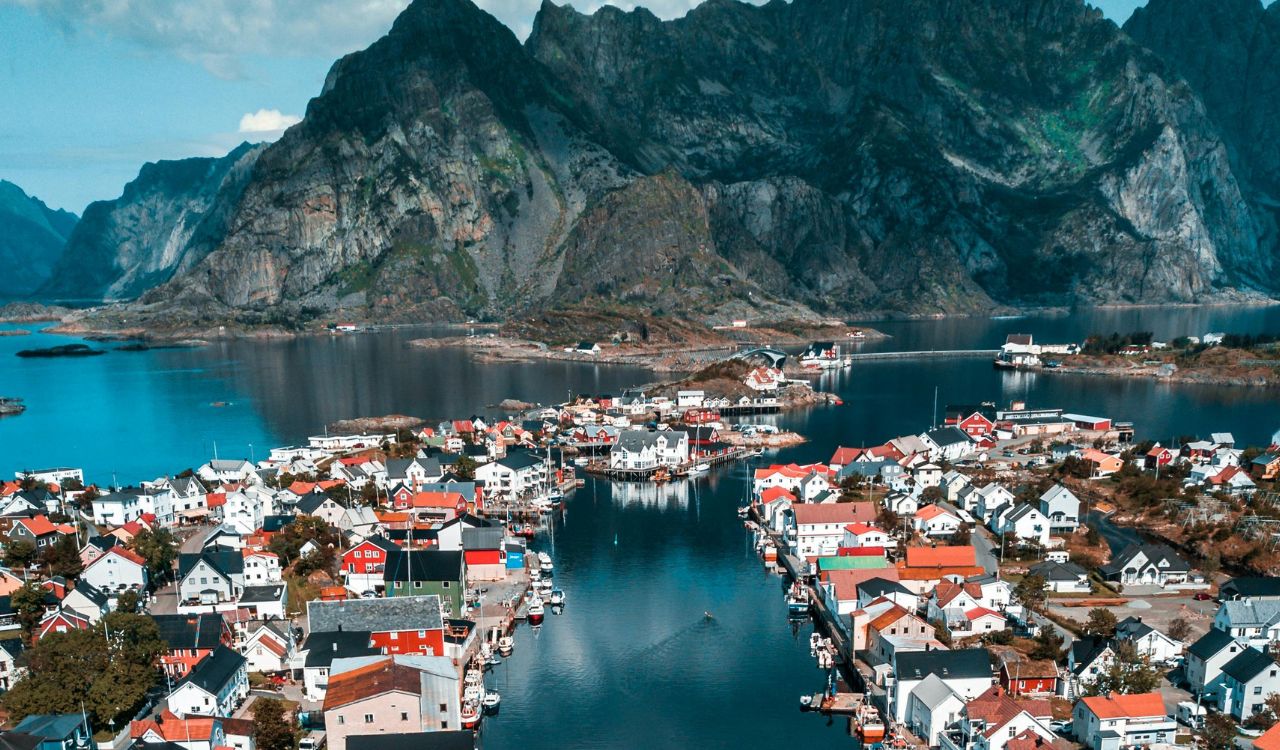
Norway’s landscapes feel cinematic, with over 1,700 fjords, snow-covered peaks, and a coastline stretching nearly 25,000 km. Beyond beauty, it delivers exceptional retirement security. Life expectancy averages 83.3 years, while public healthcare covers over 85% of medical costs for residents. The country consistently ranks in the global top five for quality of life, and violent crime rates remain below 0.5 incidents per 1,000 people. Though living costs are high, Norway’s pension system replaces roughly 54% of pre-retirement income, offering stability. Clean air levels average 7 µg/m³ PM2.5, among Europe’s lowest.
2. Ireland
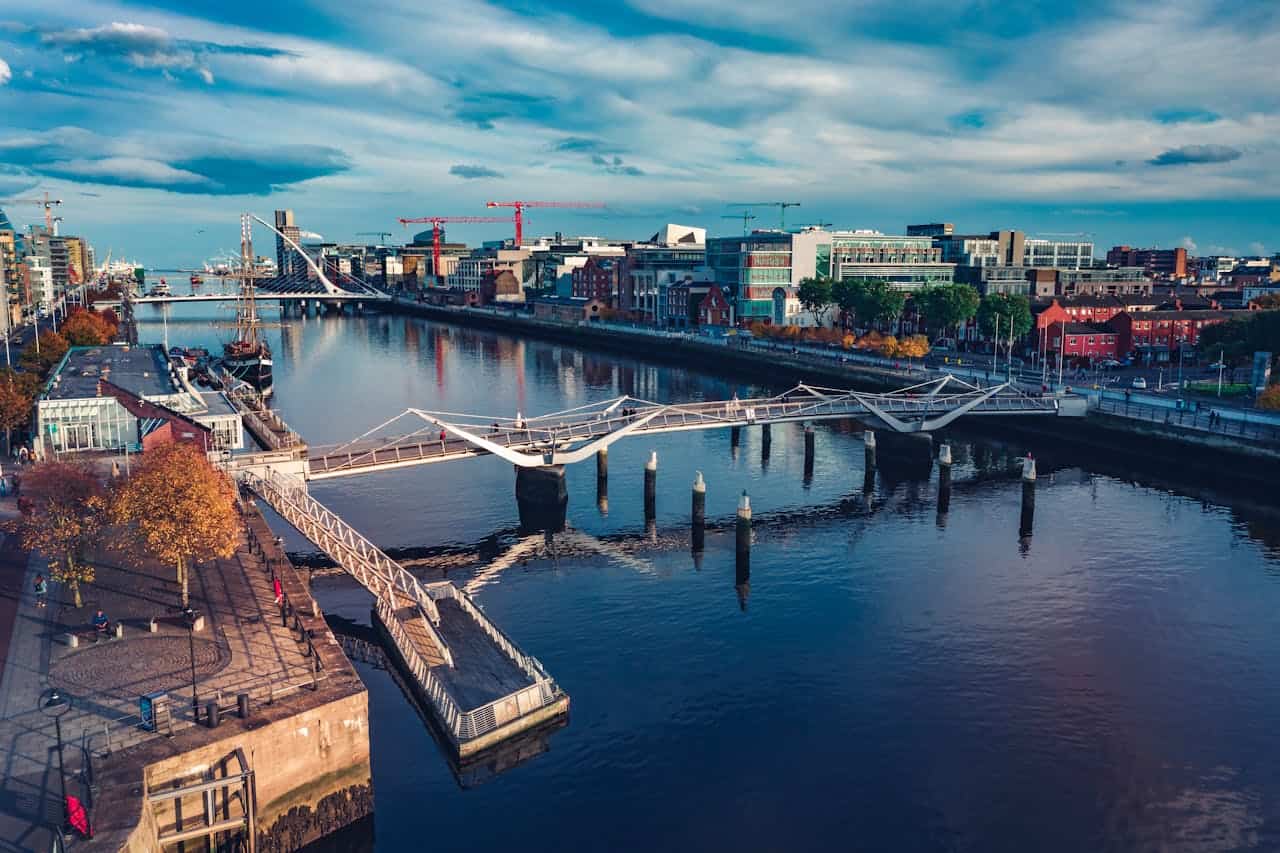
Ireland’s rolling green countryside, dramatic cliffs, and Atlantic coastline create a peaceful retirement backdrop. The country maintains a life expectancy of about 82 years and spends nearly 7% of GDP on healthcare. Ireland ranks within the top 10 globally for social connectedness, a key factor for retirees seeking community. Property prices outside Dublin average 35–40% lower than the capital, making regional living appealing. With over 3,000 km of coastline and more than 30,000 hectares of national parks, outdoor access is abundant. Ireland also boasts a safety index above 80, reinforcing daily peace of mind.
3. Switzerland
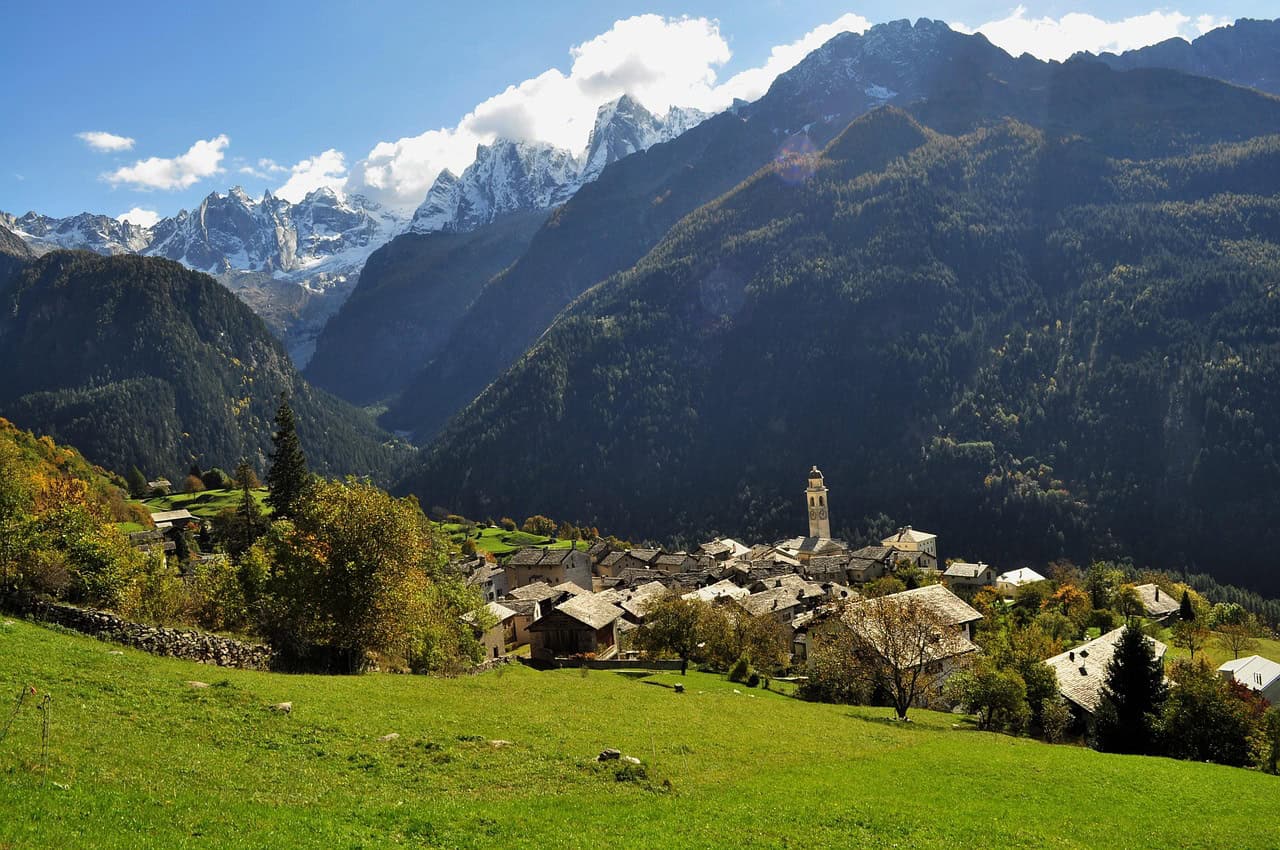
Switzerland pairs alpine grandeur with remarkable efficiency. Over 60% of the country is mountainous, offering year-round scenic variety. Retirees benefit from a life expectancy of 84 years, one of the highest worldwide. Healthcare satisfaction exceeds 90%, supported by mandatory insurance and top-tier hospitals. Public transport punctuality surpasses 92%, reducing dependence on driving. While costs are premium, median pensions combined with private savings sustain a high standard of living. Switzerland’s crime rate remains under 0.4 per 1,000 residents, and air quality averages 9 µg/m³ PM2.5, supporting long-term wellness.
4. Iceland

Iceland’s retirement appeal lies in its raw, otherworldly terrain, glaciers, volcanoes, waterfalls, and geothermal springs dominate a land where nature feels close and untamed. Life expectancy stands at 83 years, and healthcare coverage is universal. The country runs almost entirely on renewable energy, with over 85% sourced from geothermal and hydropower, resulting in exceptionally low pollution levels. Iceland consistently ranks in the top three safest countries globally, with near-zero violent crime. While the population is small at roughly 390,000, strong social systems and community cohesion make retirement feel secure and intimate.
5. Denmark
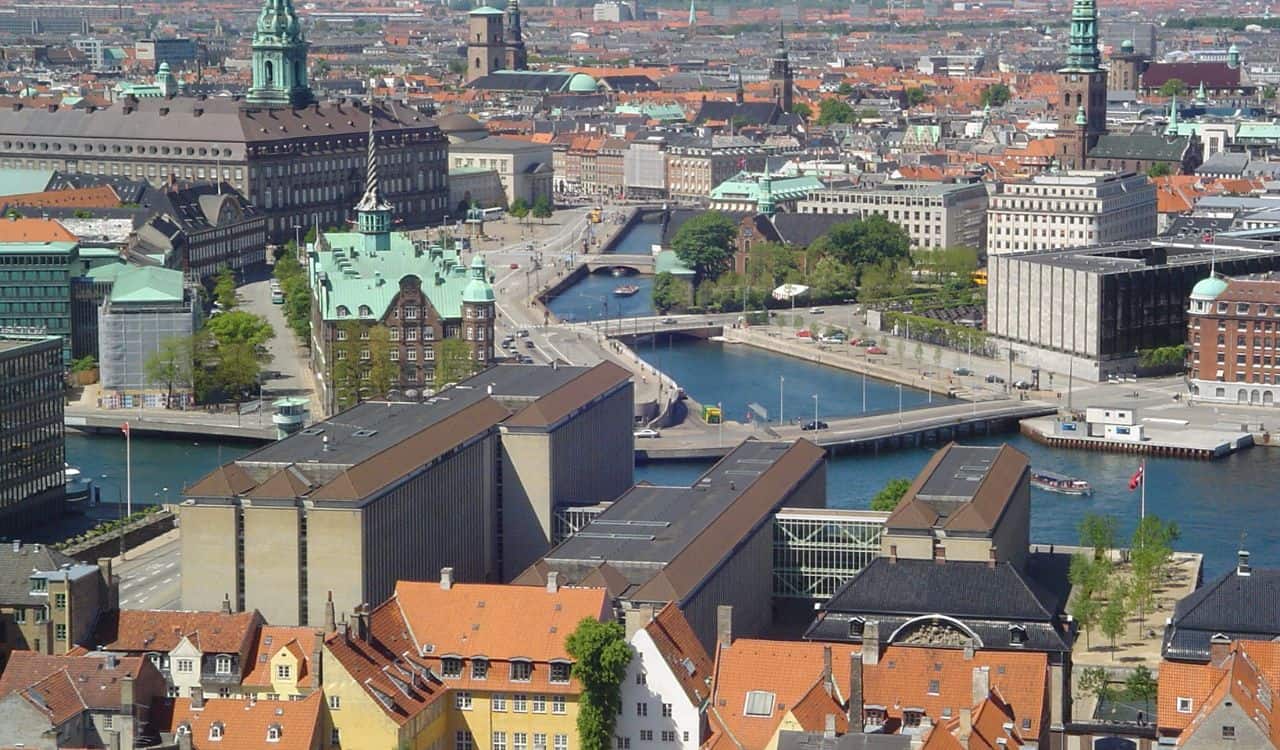
Denmark balances gentle coastal scenery, clean cities, and green countryside with one of the world’s strongest welfare systems. Life expectancy averages 81.6 years, supported by a healthcare system funded through taxation. Over 90% of retirees report satisfaction with public services. Denmark features more than 7,300 km of coastline and prioritizes walkability and cycling, with nearly 50% of urban trips made by bike. Pension replacement rates hover around 60% when public and occupational schemes combine. With a safety index above 75 and consistent happiness rankings, Denmark offers calm, reliable retirement living.
6. The Netherlands
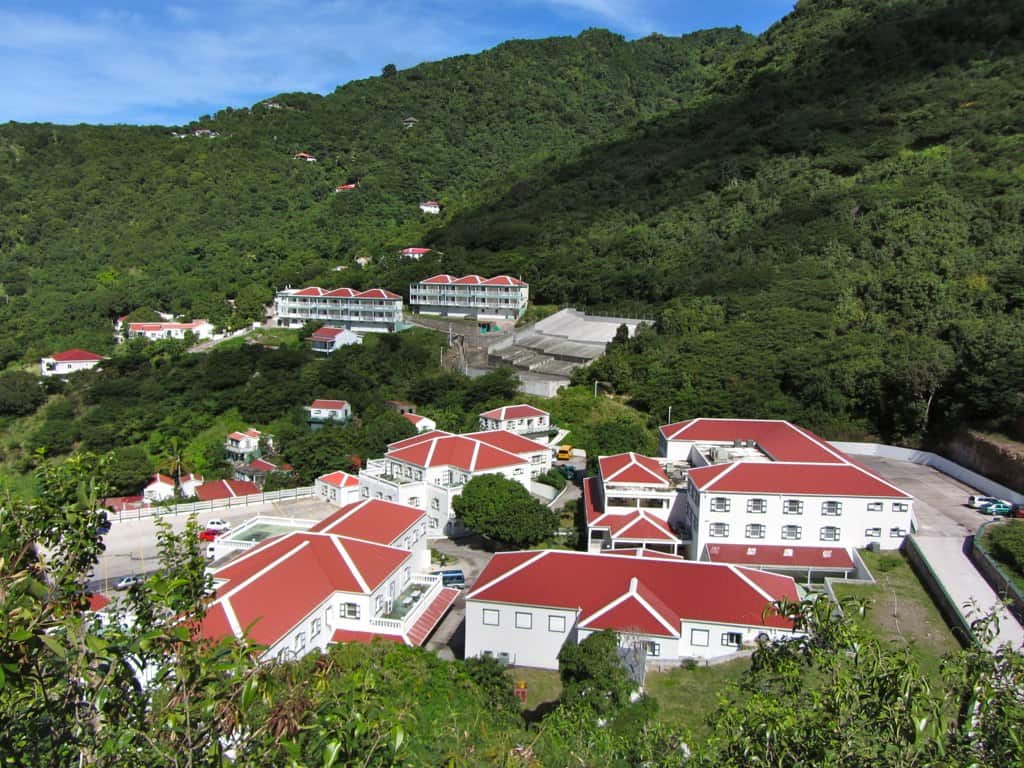
The Netherlands offers serene canals, tulip fields, and flat landscapes ideal for relaxed daily movement. Life expectancy reaches 82 years, while healthcare accessibility ranks among Europe’s best. Nearly 99% of residents live within 5 km of essential medical services. Retirees benefit from strong infrastructure, with public transport coverage exceeding 90% of populated areas. Flood management and urban planning keep environmental risk low. Average pension income replaces around 70% of working earnings through combined systems. Crime rates remain moderate, and the country’s high English proficiency eases integration for international retirees.
7. Australia
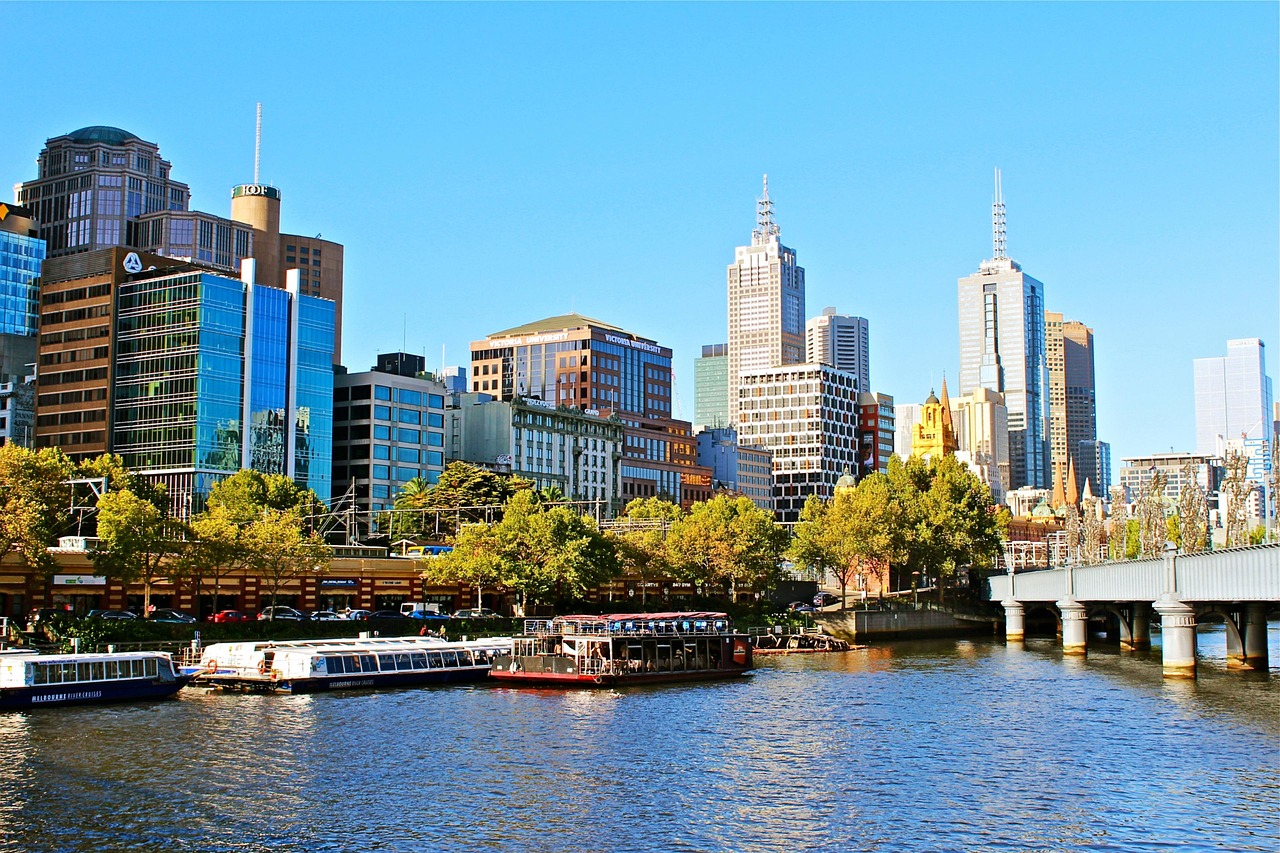
Australia delivers vast natural diversity, from coral reefs to eucalyptus forests and sun-washed coastlines spanning over 25,000 km. Life expectancy sits at 83 years, supported by a hybrid public-private healthcare system covering essential services. Over 86% of Australians aged 65+ rate their health as good or better. Retirees enjoy warm climates, especially in coastal states, and strong pension support through the Age Pension scheme. Crime rates are relatively low, and air quality remains high outside major cities. Australia’s outdoor-centric lifestyle encourages activity, socialization, and long-term physical well-being.
8. Germany
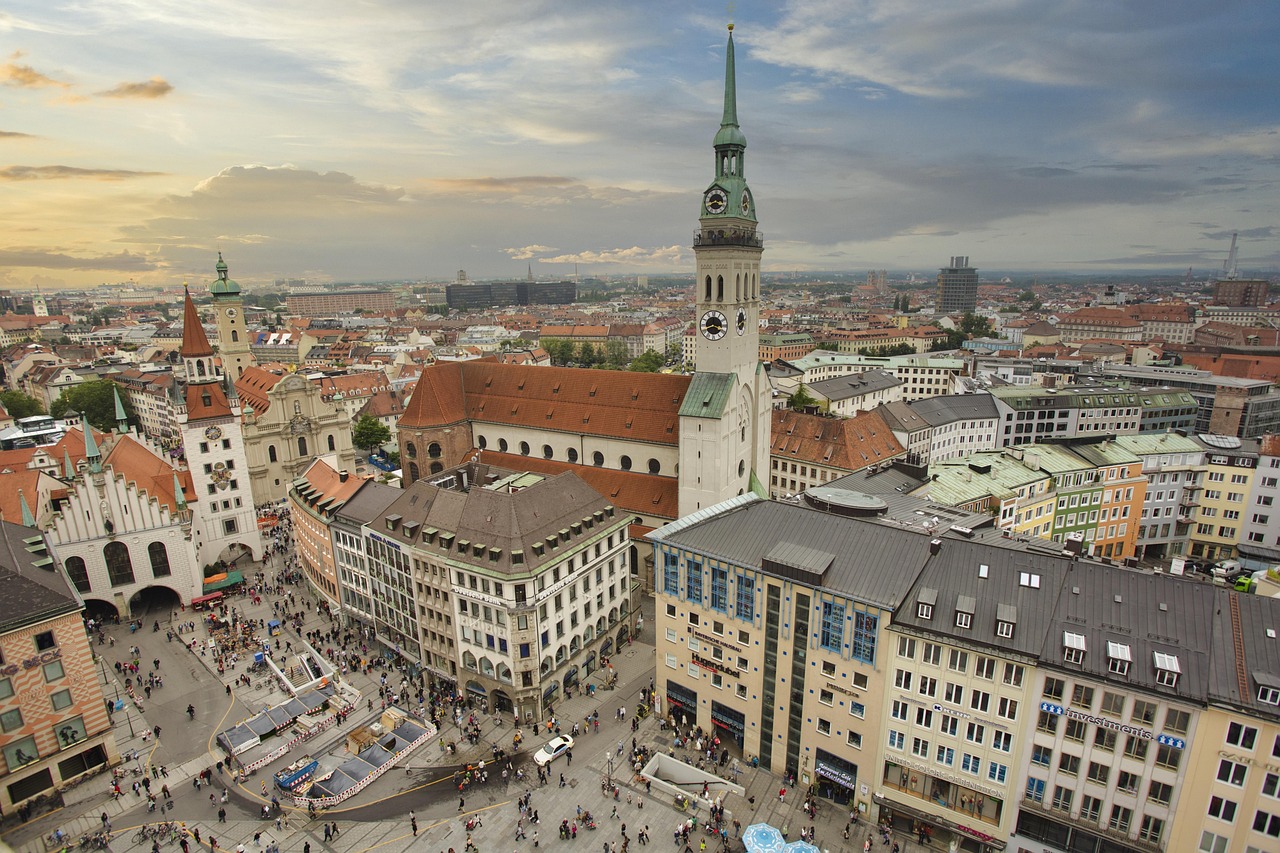
Germany combines forested regions, river valleys, and alpine foothills with exceptional structural reliability. Life expectancy averages 81 years, and healthcare spending exceeds €5,000 per person annually. The country maintains over 16 national parks and extensive green corridors even in urban areas. Public transport reliability exceeds 90%, making mobility easy for retirees. Pension systems replace approximately 48% of average lifetime earnings, supplemented by private savings. Germany’s safety index remains strong, and its cost of living is more moderate than many Western European peers, particularly outside major metropolitan hubs.
9. Luxembourg
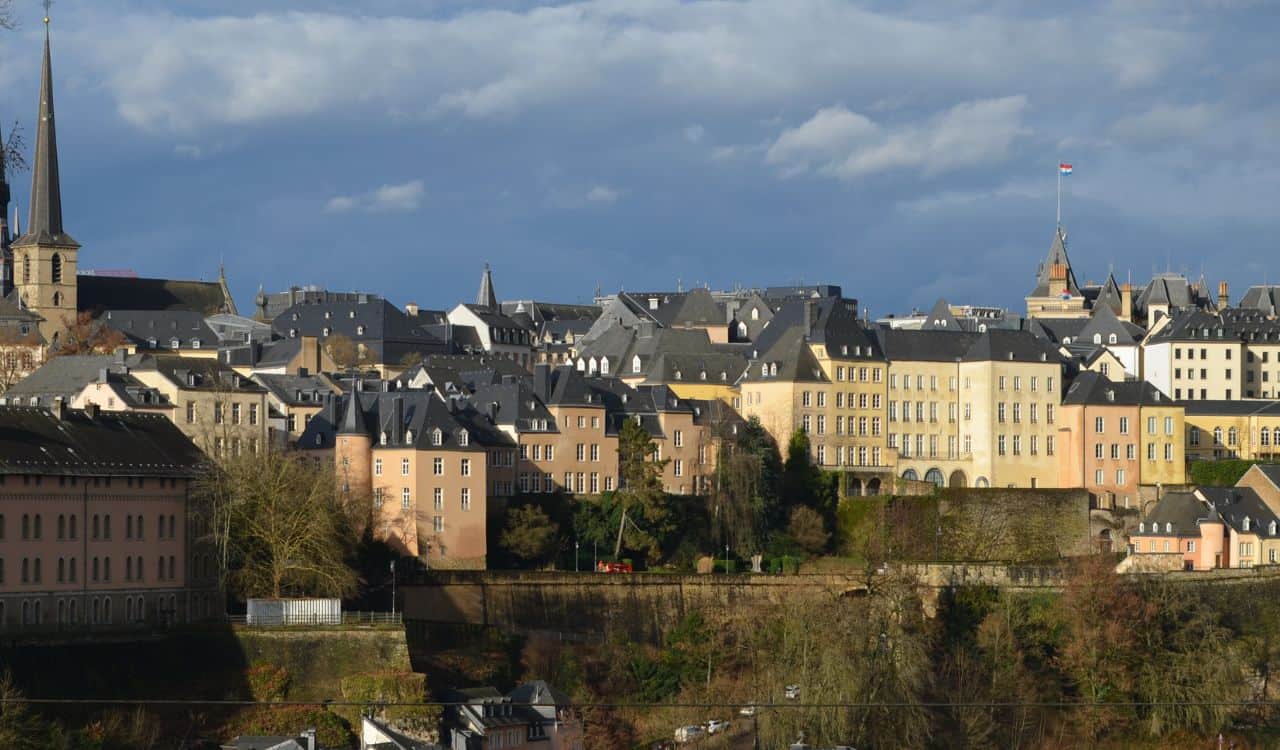
Luxembourg may be small, but its wooded hills, river valleys, and clean towns offer a refined retirement environment. Life expectancy reaches 82.5 years, and healthcare coverage is nearly universal. The country spends over 6% of GDP on healthcare while maintaining one of Europe’s lowest poverty rates among retirees. Public transport is free nationwide, reducing monthly expenses. Despite high average incomes, crime rates remain low, with violent incidents under 0.3 per 1,000 people. With more than one-third of residents being foreign nationals, Luxembourg feels internationally welcoming yet exceptionally orderly.
10. Slovenia
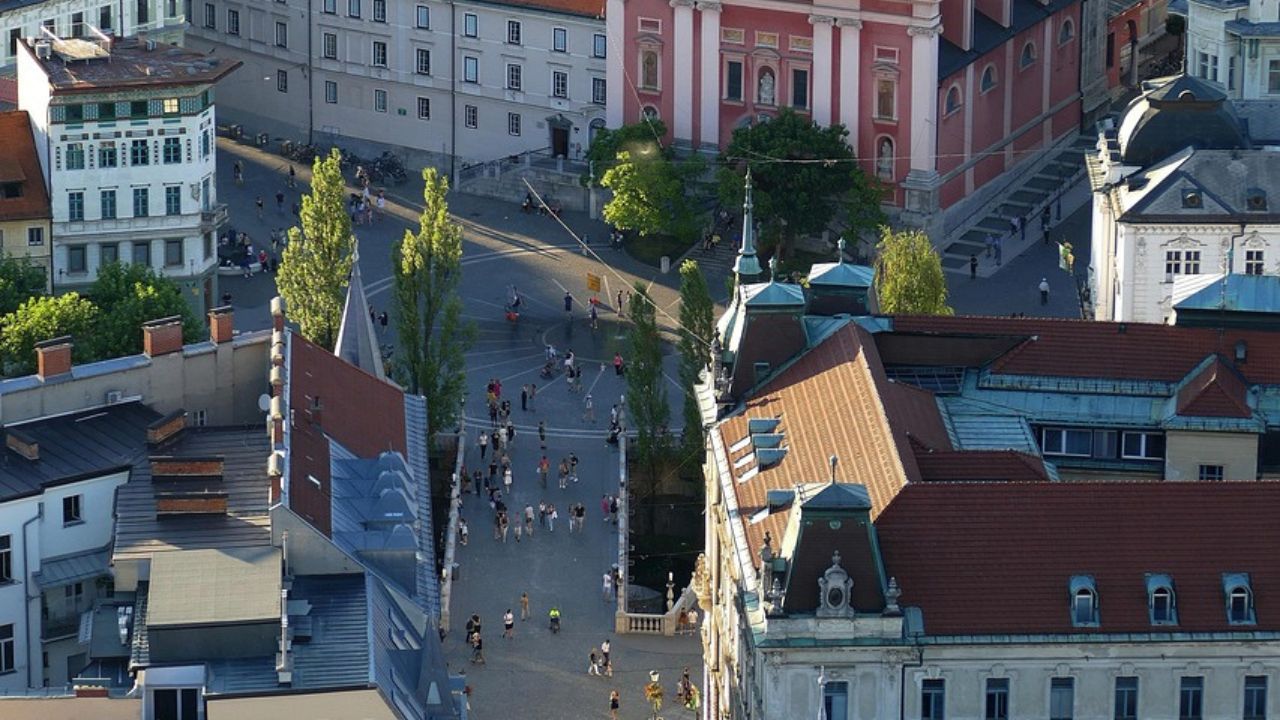
Slovenia stands out for its compact beauty; alpine lakes, dense forests covering nearly 60% of the country, and a short but scenic Adriatic coastline. Life expectancy averages 81.3 years, and healthcare access is strong, with mandatory insurance covering most services. Living costs are roughly 35% lower than Western Europe’s average, enhancing retirement affordability. Slovenia ranks among the top 15 safest countries globally, and air quality remains high due to limited heavy industry. With walkable towns and strong local food culture, Slovenia offers a slower, deeply livable retirement pace.