We may earn money or products from the companies mentioned in this post. This means if you click on the link and purchase the item, I will receive a small commission at no extra cost to you ... you're just helping re-supply our family's travel fund.

Some of the world’s most photogenic places still carry the heaviest American travel warning. The contradiction is what makes them so unsettling: temple plains at sunrise, island coastlines that look almost invented, and ancient cities that seem to belong to another age, all paired with a Level 4 advisory from the U.S. Department of State. That level means life-threatening risks may be present and that the U.S. government may have very limited ability to help in an emergency. Advisories are also reviewed regularly and can shift as conditions change.
Bagan, Myanmar

Bagan still lives in the imagination as a vast plain of stupas and temples, a sacred landscape that UNESCO says preserves extraordinary Buddhist art and architecture from the 11th to 13th centuries. That visual pull has not disappeared, but the U.S. says not to travel to Myanmar because of armed conflict, civil unrest, arbitrary enforcement of local laws, poor health infrastructure, land mines, crime, and wrongful detentions. It is the kind of destination that looks serene in photographs while carrying risks that are far less visible in the frame.
St. Petersburg, Russia
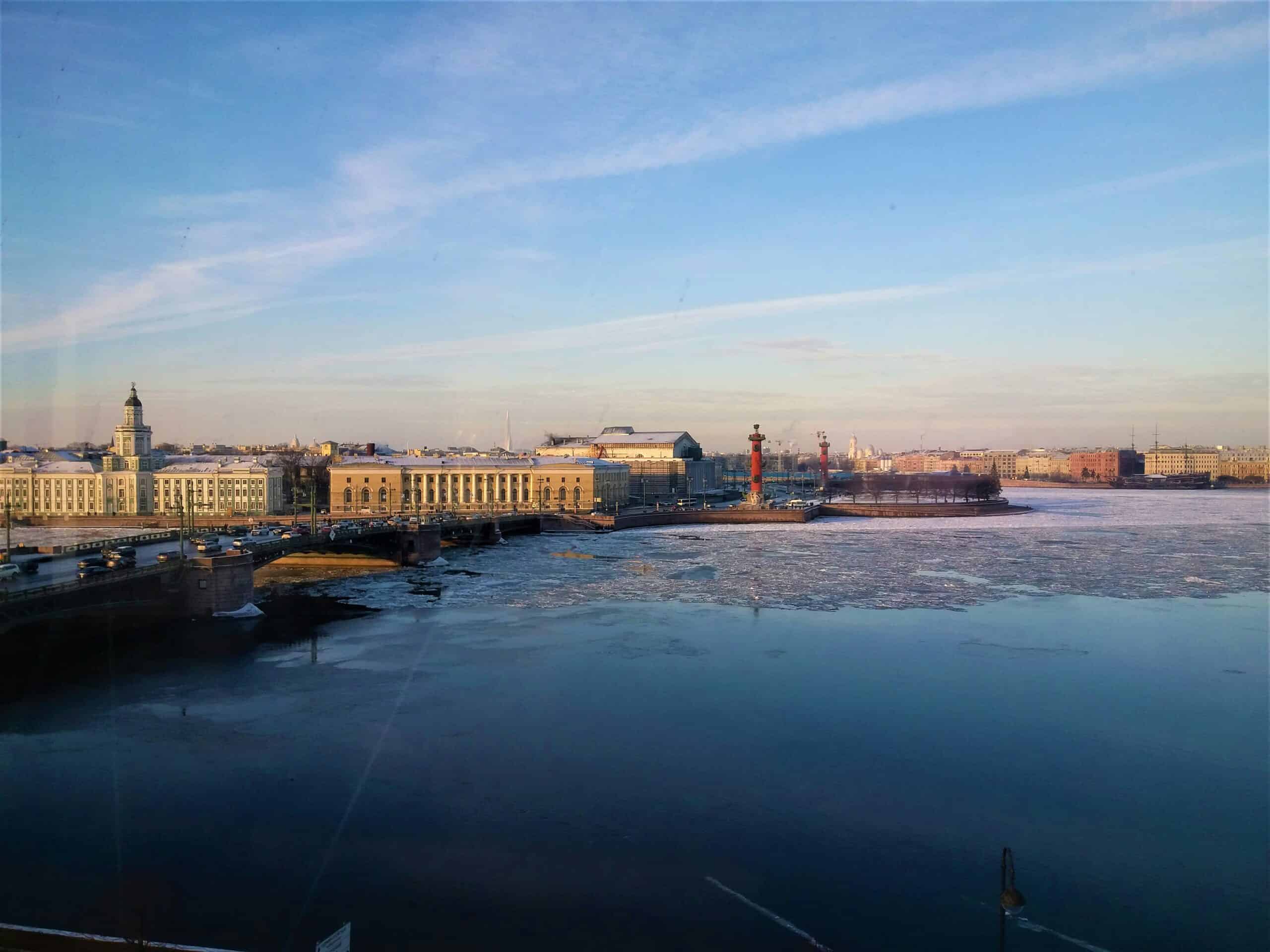
St. Petersburg keeps drawing admiration for a reason. UNESCO describes it as the “Venice of the North,” shaped by canals, more than 400 bridges, imperial palaces, and a city plan that still feels theatrical from the water. Yet the State Department says Americans should not travel to Russia for any reason, citing dangers linked to the war with Ukraine, the risk of harassment or wrongful detention, arbitrary enforcement of local laws, and the possibility of terrorism. Beauty, in this case, does not soften the warning.
Socotra, Yemen
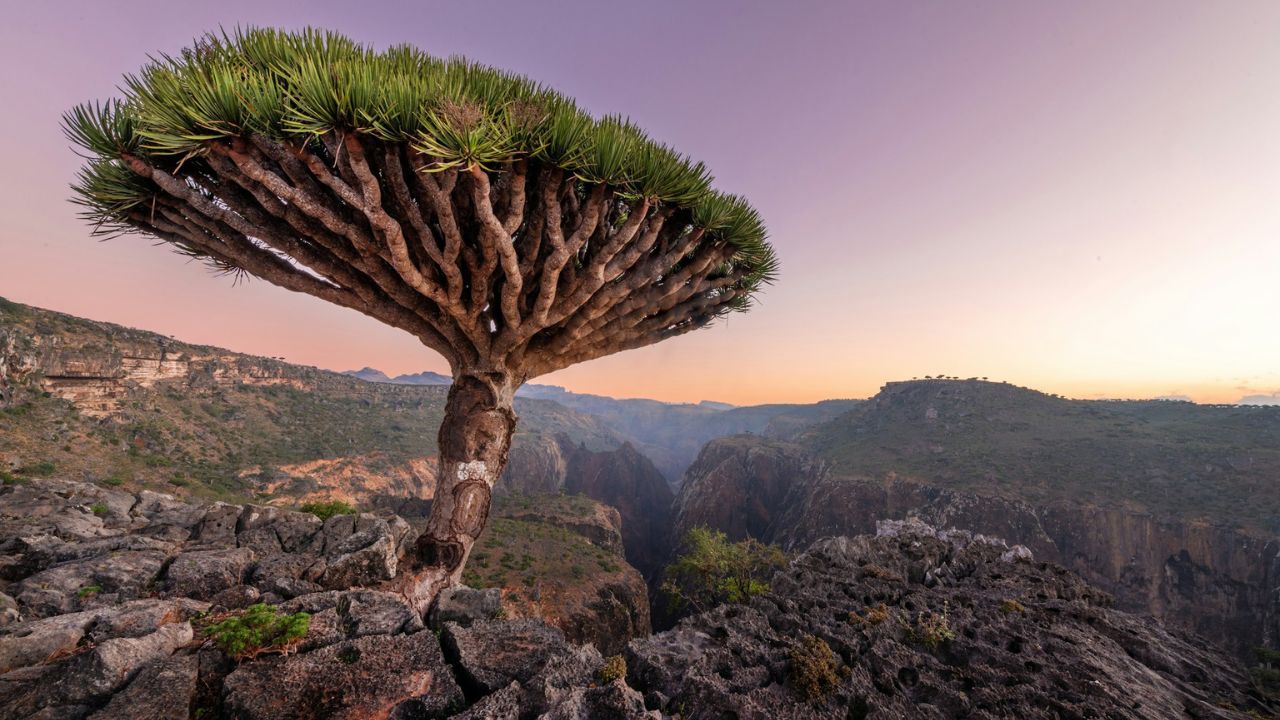
Socotra appears in travel reels like a dream someone forgot to explain. UNESCO calls the archipelago globally important for biodiversity, and its dragon’s blood trees and stark white dunes make the island feel almost extraterrestrial. The U.S., however, says do not travel to Yemen for any reason because of terrorism, unrest, crime, health risks, kidnapping, and landmines, and notes that the U.S. government cannot provide routine or emergency consular services there. Few places capture the gap between fantasy and reality more sharply.
Meidan Emam, Isfahan, Iran
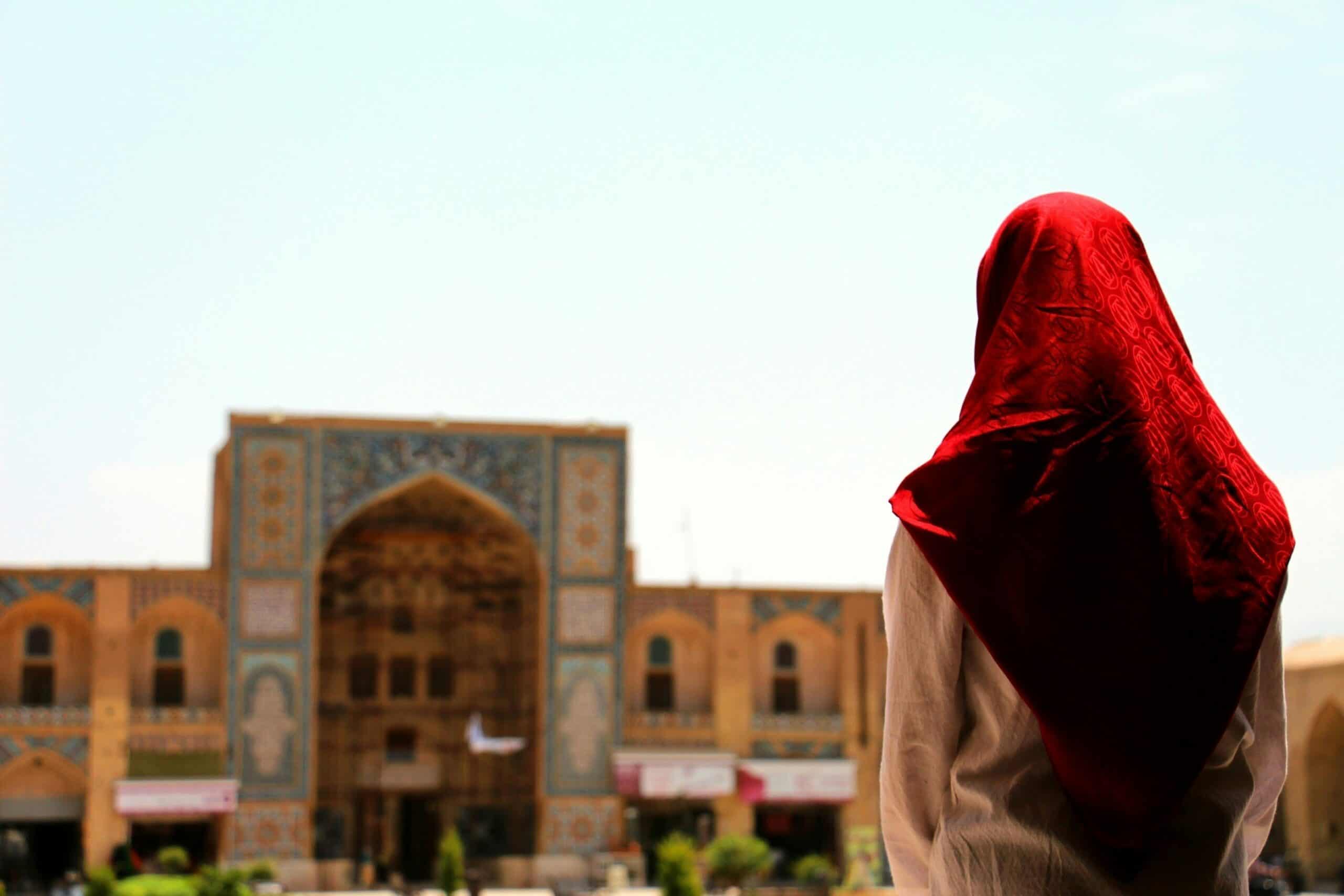
Isfahan has long been one of the great visual seductions of the Middle East. UNESCO describes Meidan Emam as a monumental 17th-century square bordered by arcades, mosques, and palatial architecture that reflects the cultural life of Safavid Persia at an astonishing scale. At the same time, the State Department says Americans should not travel to Iran because of terrorism, unrest, kidnapping, arbitrary arrest of U.S. citizens, and wrongful detention. It remains a place of genuine artistic grandeur, shadowed by equally serious political risk.
Byblos, Lebanon
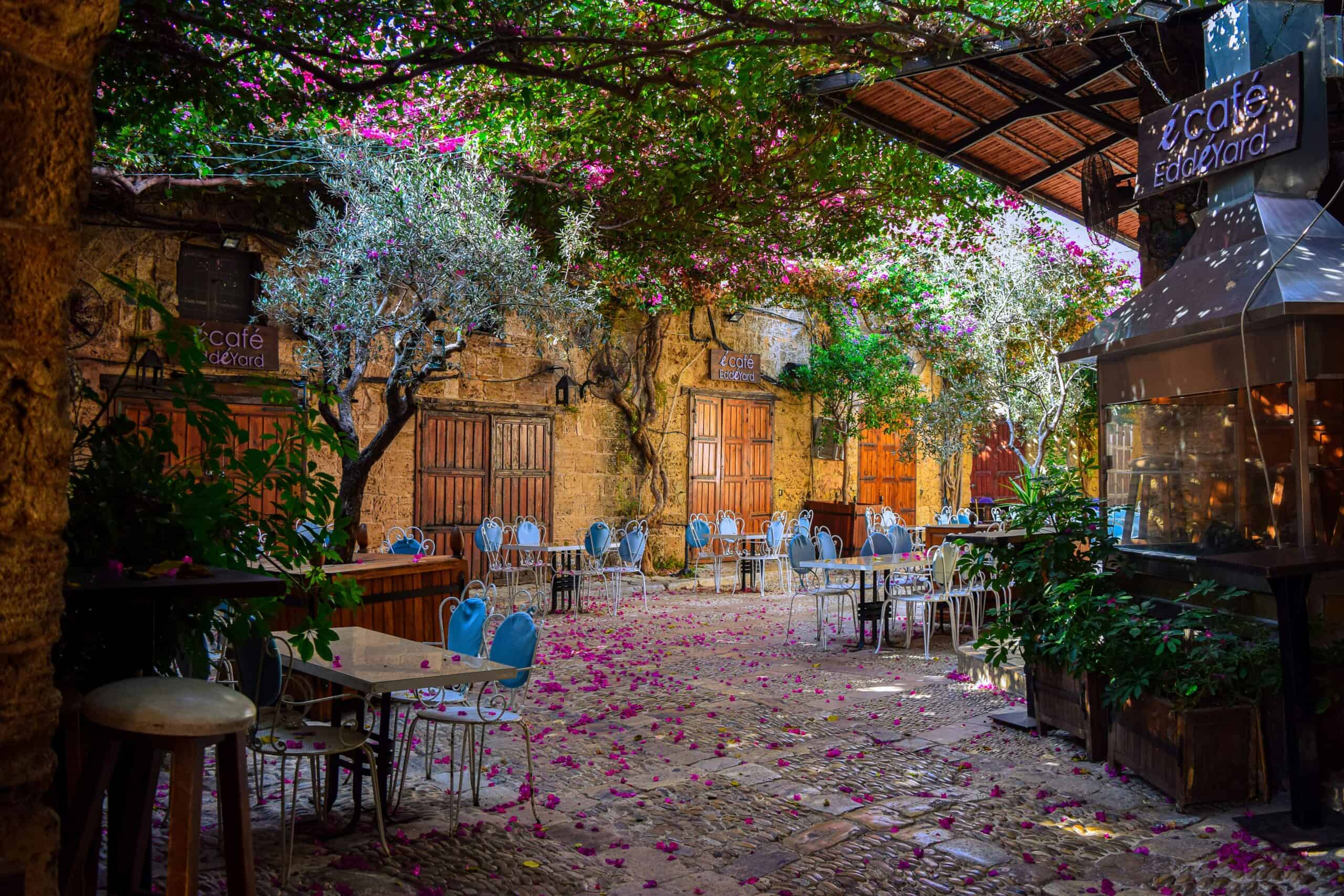
Lebanon’s coast can still look impossibly inviting online, and Byblos gives that imagery historical weight. UNESCO says the city reflects uninterrupted construction stretching back roughly 8,000 years, which helps explain why photographs from the harbor and old streets carry such a layered sense of time. Still, the State Department’s current advisory says do not travel to Lebanon because of crime, terrorism, civil unrest, kidnapping, unexploded landmines, and the risk of armed conflict. The Mediterranean light may be gentle, but the official warning is not.
Kyiv, Ukraine
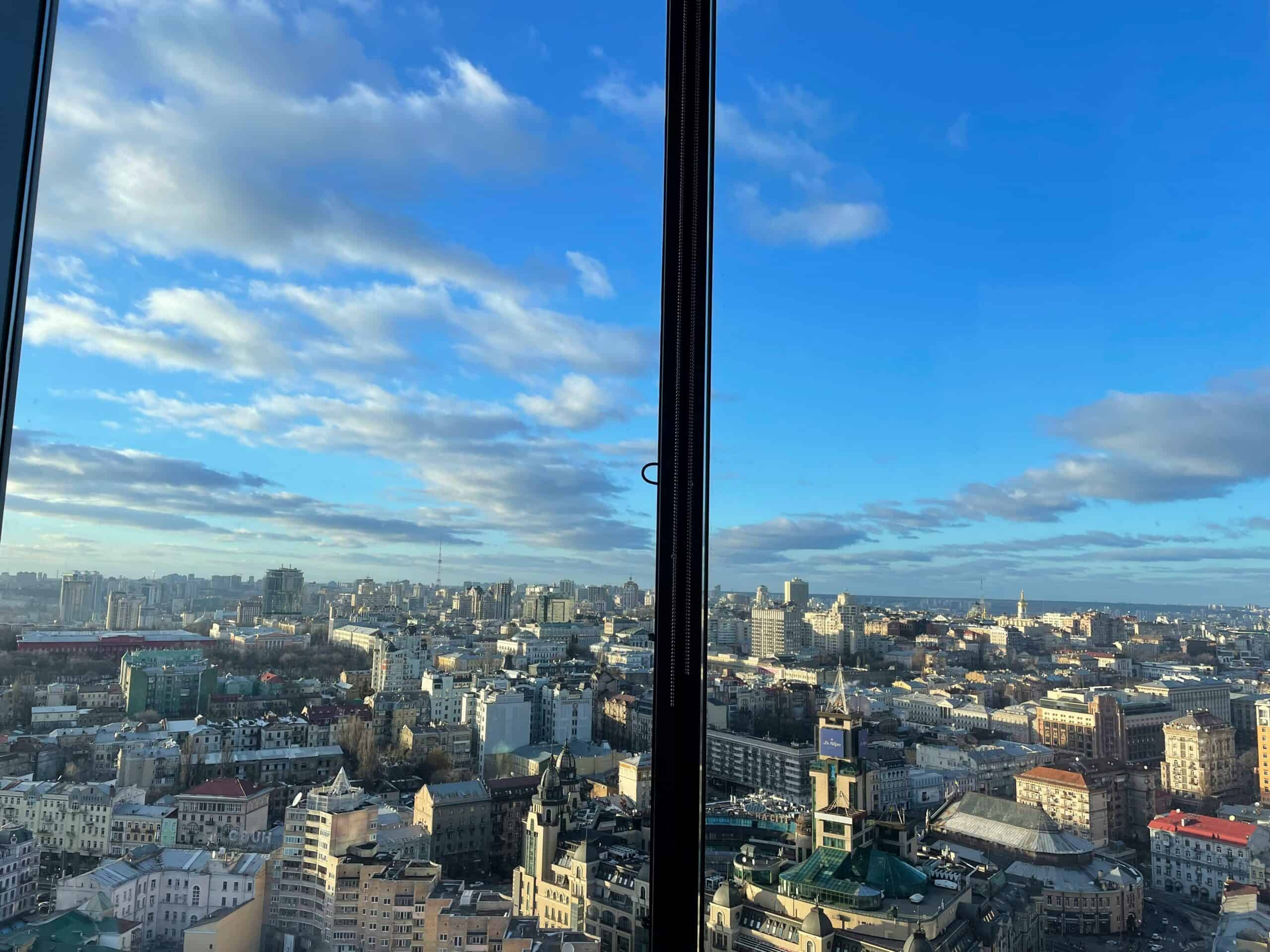
Kyiv’s skyline still carries an old spiritual gravity. UNESCO describes Saint-Sophia Cathedral and the Kyiv-Pechersk Lavra as monastic and architectural landmarks overlooking the right bank of the Dnieper, with centuries of religious, artistic, and educational influence behind them. The State Department, however, continues to advise Americans not to travel to Ukraine because of Russia’s war against Ukraine, even while noting that some regions may carry lower risk than frontline areas. That tension is part of what makes current images from Kyiv feel so moving and so fragile at once.
Babylon, Iraq
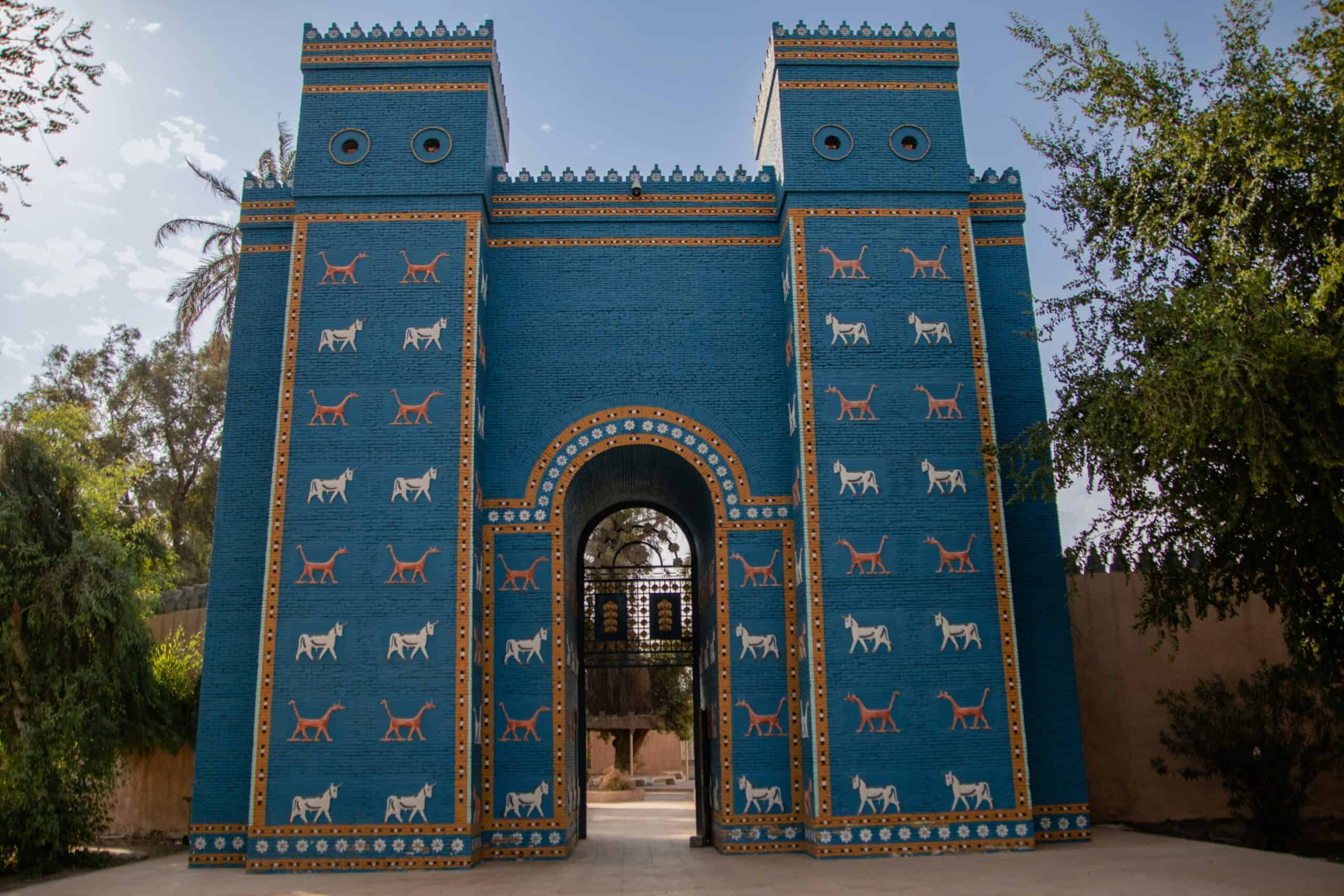
Babylon still holds one of the strongest names in human history. UNESCO describes it as a unique testimony to one of the ancient world’s most influential empires, tied to rulers such as Hammurabi and Nebuchadnezzar and to the long story of Mesopotamian civilization. But the State Department says Americans should not travel to Iraq because of terrorism, kidnapping, armed conflict, civil unrest, and the U.S. government’s limited ability to provide emergency services, and on March 2, 2026, it ordered non-emergency U.S. personnel to leave. Ancient prestige does not outweigh present instability.
Leptis Magna, Libya
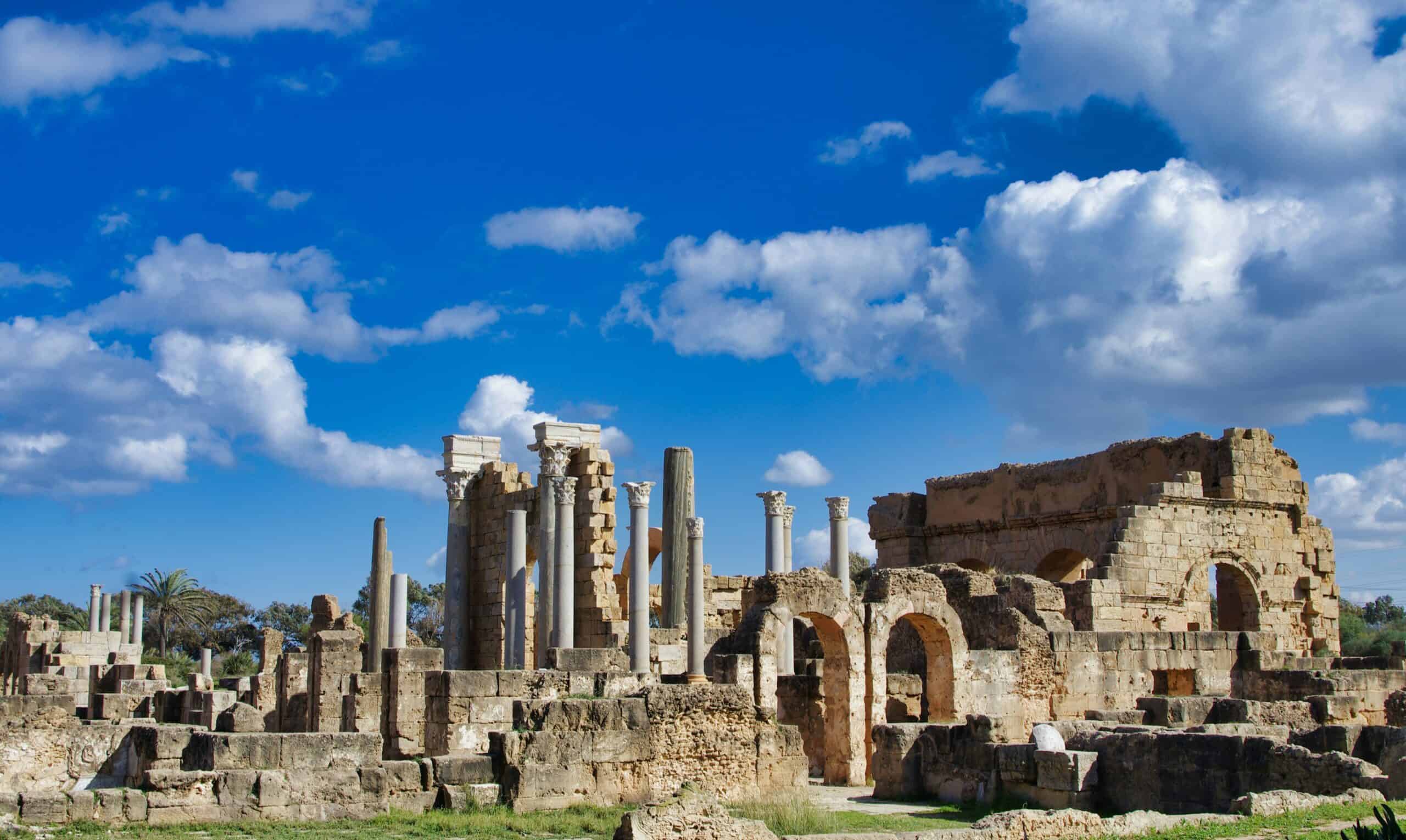
Leptis Magna has the kind of ruin that makes modern travel feel suddenly small. UNESCO says the city began as a Phoenician trading port and later became one of the most splendid Roman cities in North Africa, with remains that still reveal grand urban planning and monumental design. The State Department, by contrast, says do not travel to Libya for any reason because of crime, terrorism, unexploded landmines, civil unrest, kidnapping, and armed conflict. It is one of the clearest examples of a place whose historical magnificence now exists behind a wall of practical danger.
Milot And The Citadelle, Haiti
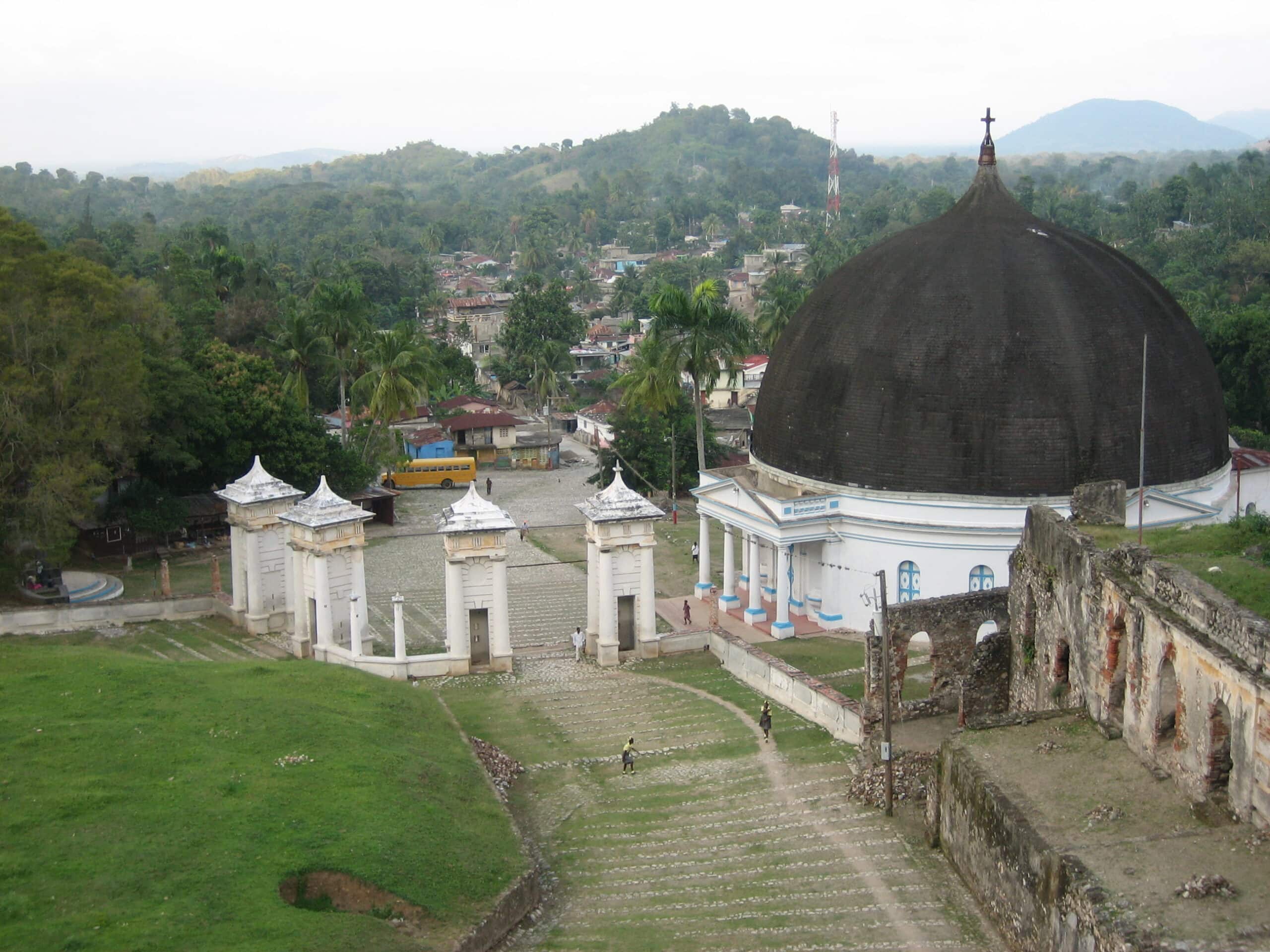
Haiti’s most arresting images are often not beach scenes but mountain fortresses and monuments born from revolution. UNESCO says the Citadelle, Sans Souci, and Ramiers date to the early 19th century and stand as universal symbols of liberty built by formerly enslaved people who had won their freedom. Yet the State Department says do not travel to Haiti because of kidnapping, crime, terrorist activity, civil unrest, and limited health care. The emotional power of the place is real, but so is the warning that surrounds it.
The Kashmir Valley, India
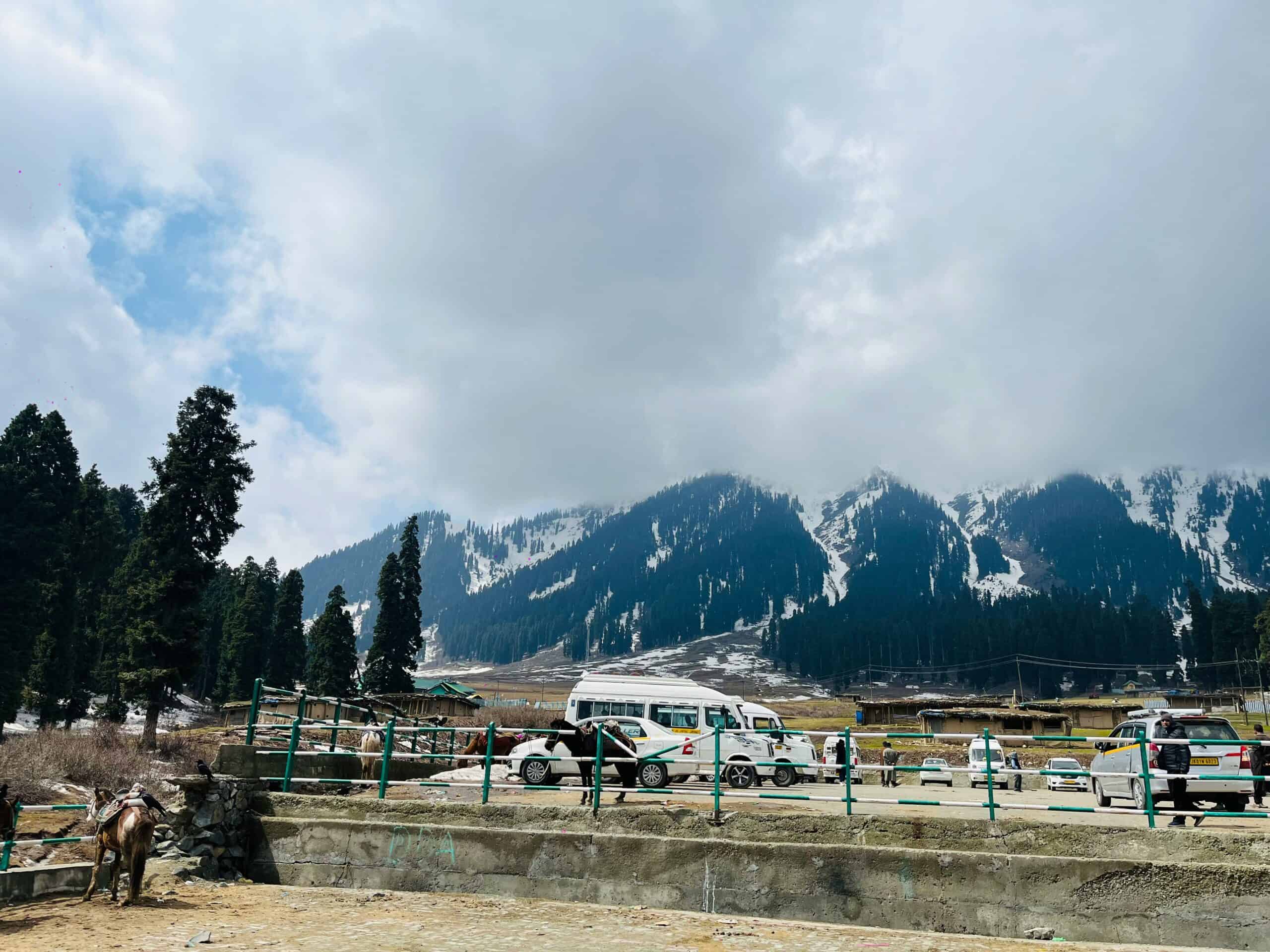
Kashmir keeps reappearing in travel imagery because it knows how to look unforgettable. Official Indian tourism material calls Dal Lake an iconic waterfront in the heart of Kashmir, with floating gardens, houseboats, and Himalayan backdrops, while the State Department specifically notes violence in tourist spots such as Srinagar, Gulmarg, and Pahalgam and says Americans should not travel to the broader high-risk area around the India-Pakistan border and Jammu and Kashmir’s most sensitive zones. The scenery can feel hushed and luminous, but the advisory asks travelers to read beyond the postcard.