We may earn money or products from the companies mentioned in this post. This means if you click on the link and purchase the item, I will receive a small commission at no extra cost to you ... you're just helping re-supply our family's travel fund.
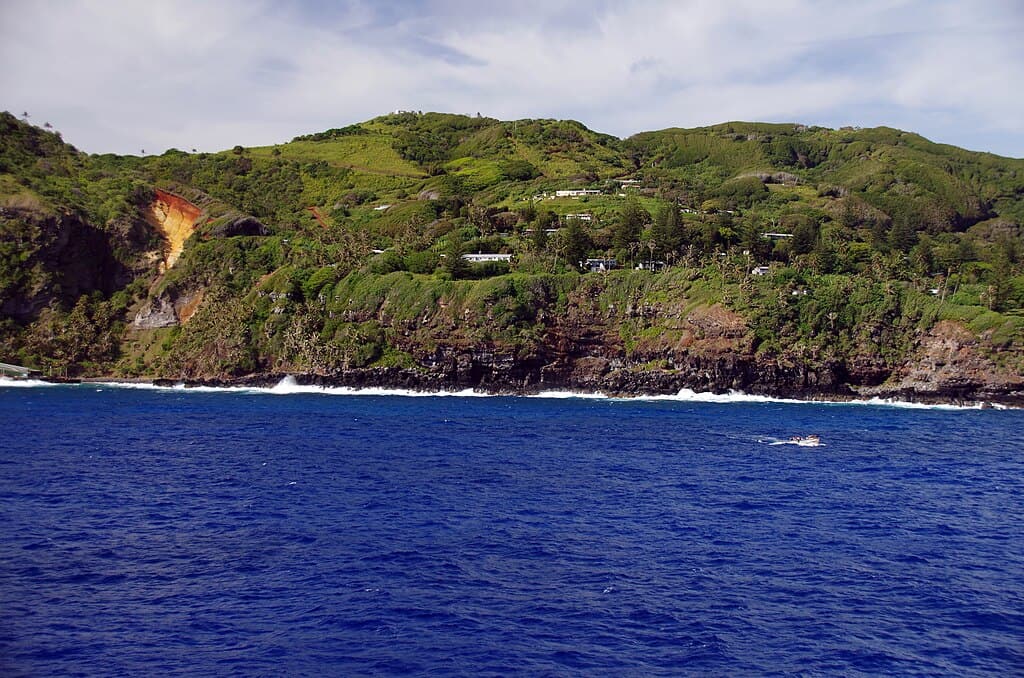
There are places on Earth where distance is measured not just in miles, but in silence. Far from highways, flight routes, and crowded skylines, these remote outposts exist at the edges of maps and imagination. Isolation here is shaped by oceans, ice, or deliberate separation from the modern world. Reaching them often requires days of travel, careful planning, and respect for extreme conditions. These six locations reveal how vast and untamed our planet truly remains.
1. Tristan da Cunha, South Atlantic Ocean

Tristan da Cunha rises from the South Atlantic about 1,500 miles from South Africa and roughly 2,050 miles from South America. With a population near 260 people, it is considered the most remote permanently inhabited island group on Earth. There is no airport; visitors endure a 6-day boat trip from Cape Town. The island spans 38 square miles and has one settlement, Edinburgh of the Seven Seas. Fishing, particularly lobster exports, sustains the economy, while a 6,765-foot volcanic peak dominates the skyline and reinforces its profound remoteness.
2. North Sentinel Island, Bay of Bengal
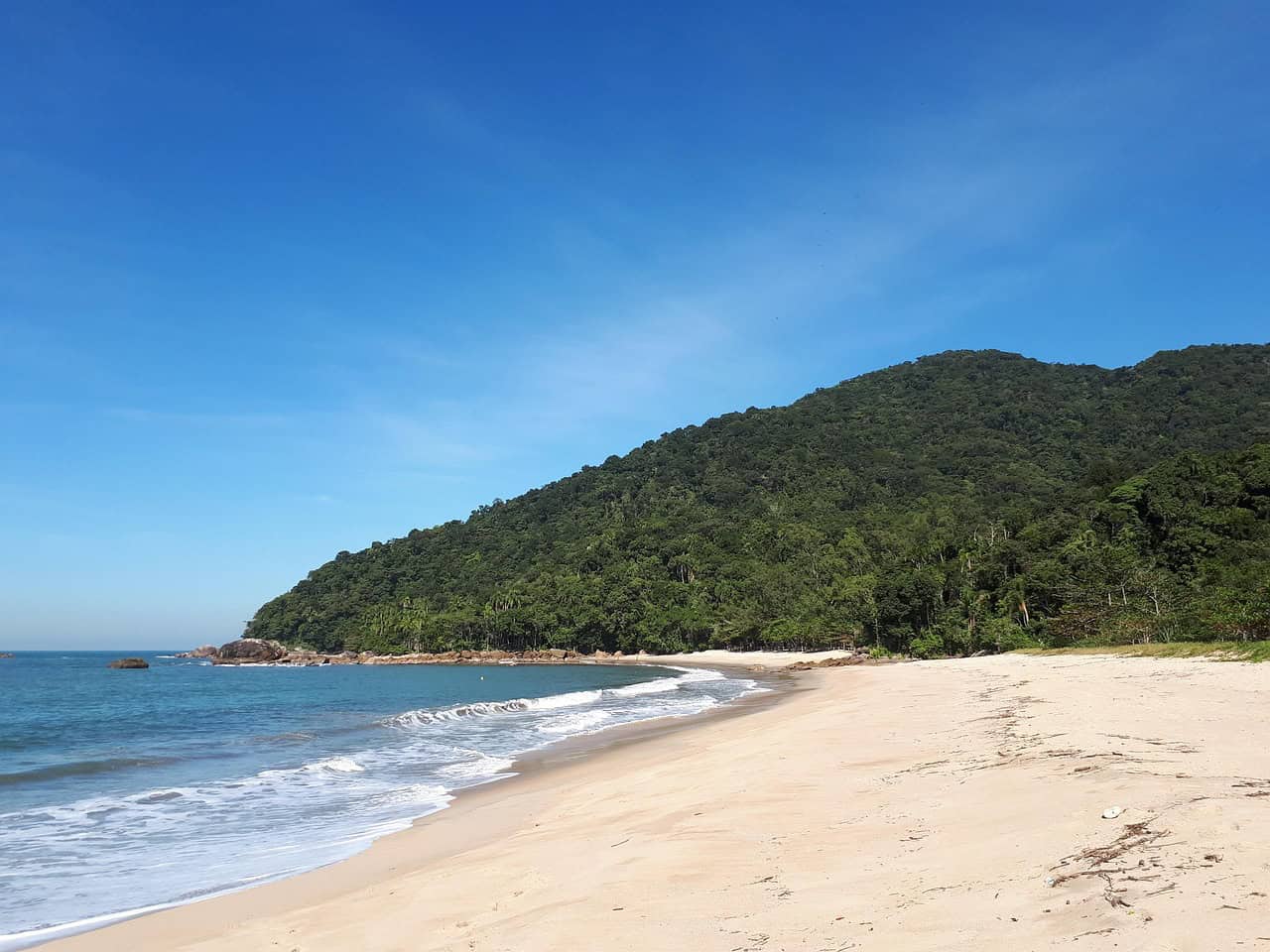
North Sentinel Island covers nearly 23 square miles in India’s Andaman Islands, sitting about 30 miles west of Port Blair. The Sentinelese population is believed to range between 50 and 150 individuals, though no census confirms it. Indian authorities enforce a 3-mile exclusion zone to prevent contact. Coral reefs and dense forest form natural barriers, while the community has actively rejected outside approaches for generations. Their continued independence makes this one of the last truly isolated human societies remaining on the planet.
3. Pitcairn Island, Pacific Ocean
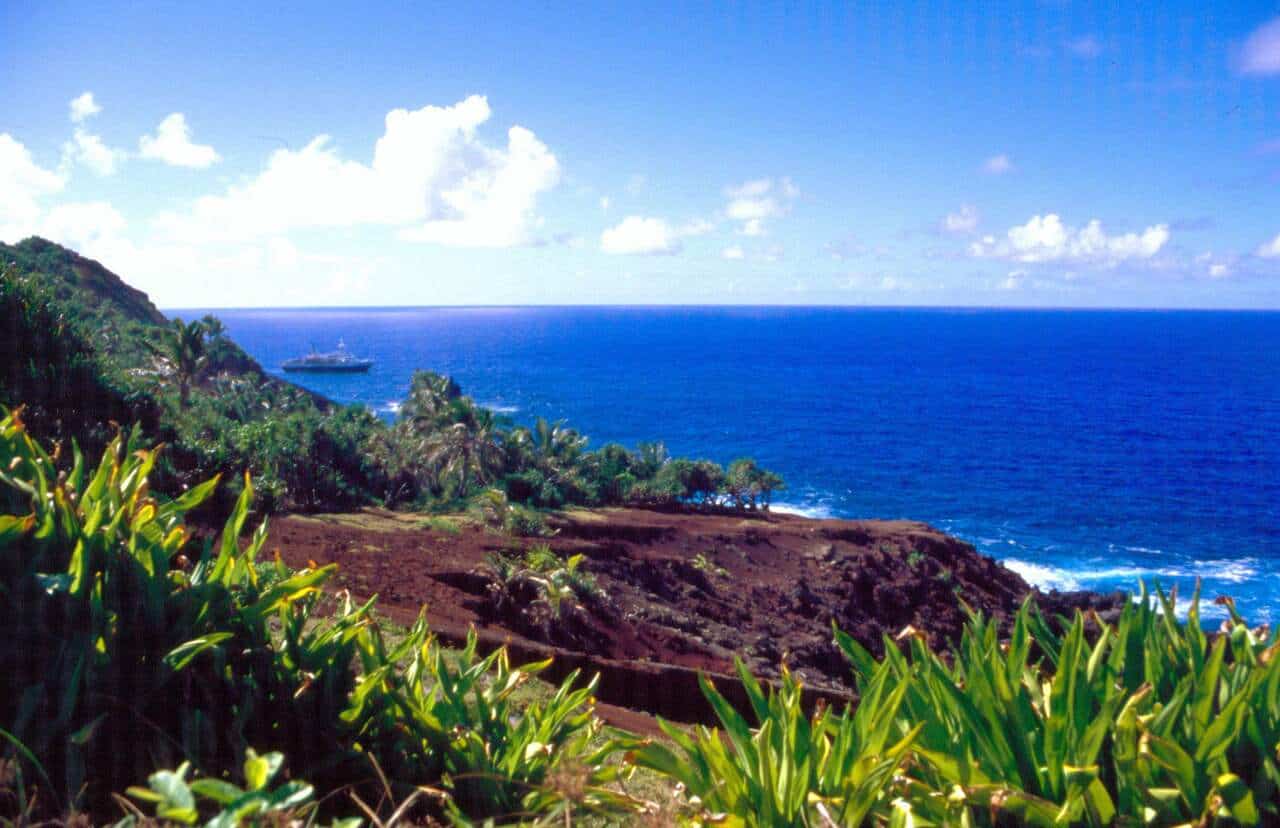
Pitcairn Island lies deep in the Pacific Ocean, approximately 1,350 miles southeast of Tahiti and over 3,000 miles from New Zealand. Covering just 18 square miles, it is home to fewer than 50 residents, many descended from the HMS Bounty mutineers of 1789. There is no airport or harbor; supplies arrive by ship only a few times per year. The island’s steep cliffs and rugged terrain limit development. With only one small settlement, Adamstown, daily life unfolds in remarkable quiet and geographic isolation.
4. Oymyakon, Siberia, Russia
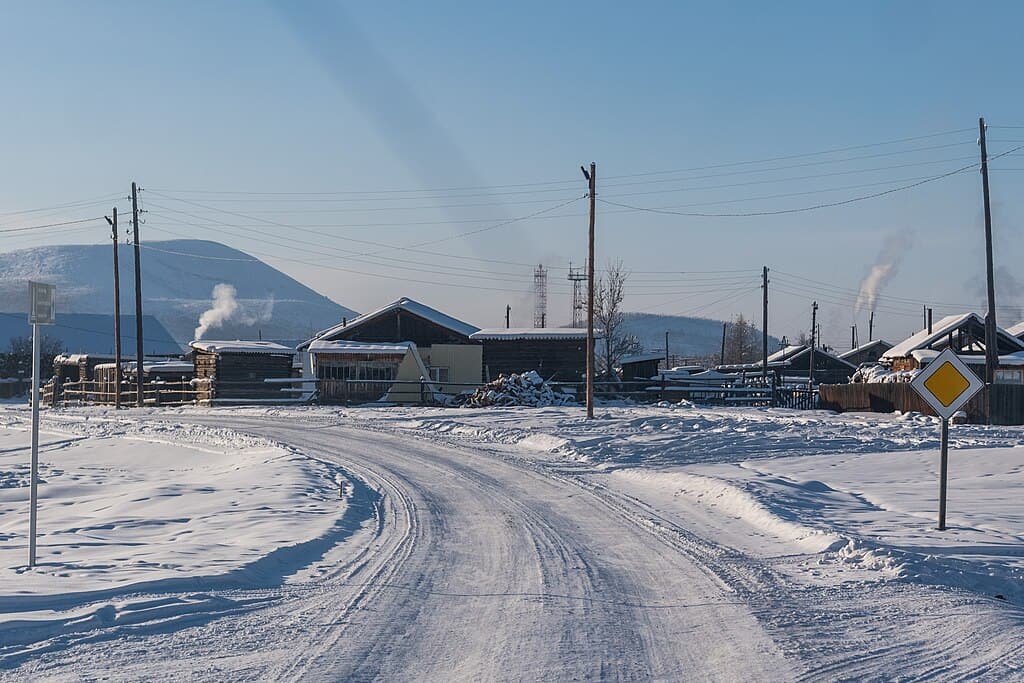
Oymyakon sits in northeastern Siberia about 560 miles from the city of Yakutsk and is known as the coldest permanently inhabited place on Earth. Winter temperatures have dropped to — 89.9°F, while January averages hover near –58°F. Roughly 500 residents endure months of darkness and frozen ground. The village lies along the Indigirka River at an elevation of 2,400 feet. Roads often remain icy for much of the year, making travel slow and difficult. Isolation here is defined not by oceans, but by relentless Arctic cold.
5. Bouvet Island, South Atlantic Ocean
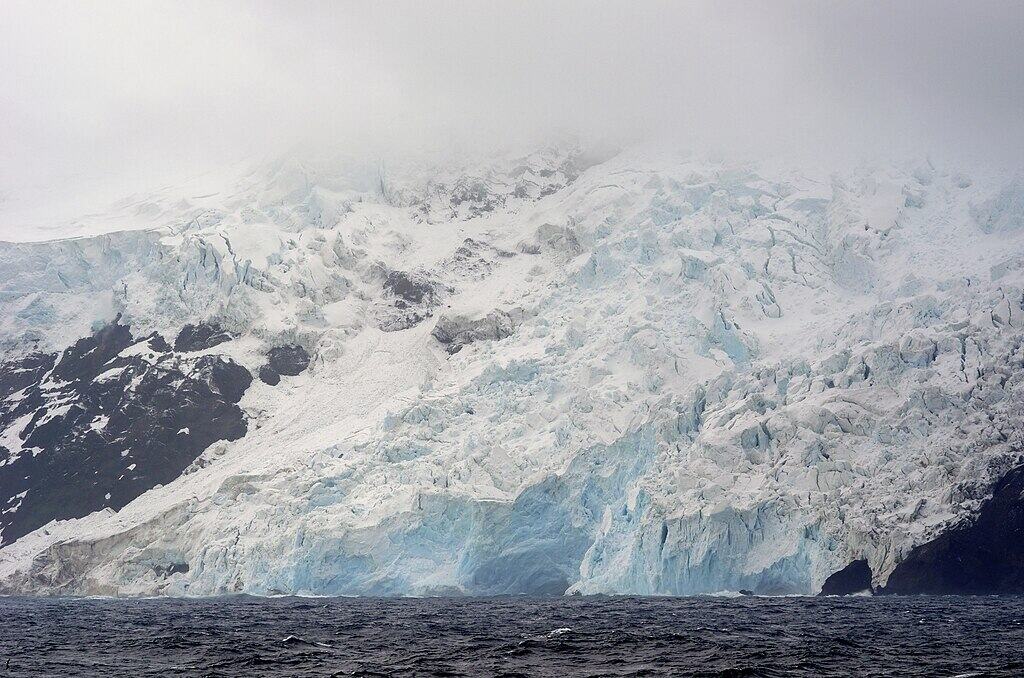
Bouvet Island is an uninhabited Norwegian territory located about 1,000 miles north of Antarctica and nearly 1,600 miles from South Africa. Measuring only 19 square miles, it is largely covered by glaciers that blanket nearly 90 percent of its surface. There are no permanent residents, only occasional scientific expeditions. Sheer cliffs and heavy seas make landing extremely difficult. Recognized as one of the most remote islands on Earth, Bouvet’s icy isolation and volcanic origin give it an almost otherworldly character.
6. Alert, Nunavut, Canada
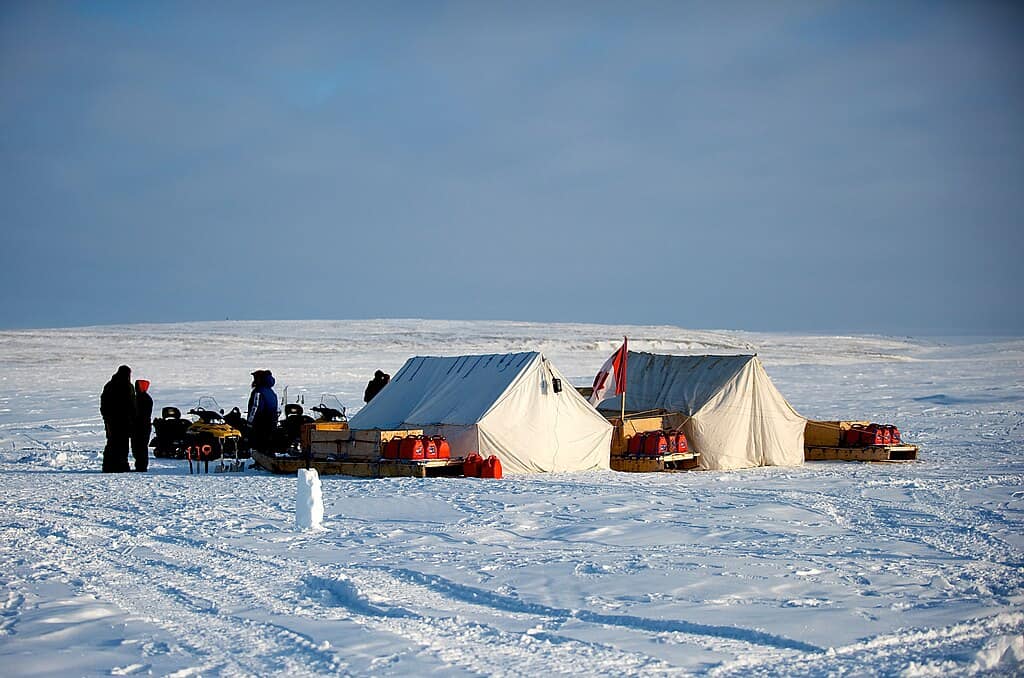
Alert stands at 82.5 degrees north latitude, roughly 500 miles from the North Pole, making it the northernmost permanently inhabited place on Earth. Located on Ellesmere Island, it houses fewer than 100 military and research personnel at any time. Winters bring 24 hours of darkness for nearly 4 months, while summer offers continuous daylight. Temperatures can fall below –40°F, and supply flights are limited. With no civilian town nearby for hundreds of miles, Alert represents isolation shaped by Arctic extremes.