We may earn money or products from the companies mentioned in this post. This means if you click on the link and purchase the item, I will receive a small commission at no extra cost to you ... you're just helping re-supply our family's travel fund.
Living conditions in a city are shaped not just by opportunity and culture, but also by safety. Across the globe, some urban centers struggle with persistent violent crime, strained policing, economic inequality, and social instability. This list looks at ten cities frequently cited among the world’s most dangerous based on homicide rates, violent crime statistics, and overall public safety indicators. Five of these cities are in the United States, highlighting that extreme safety challenges are not limited to developing nations. Crime can be highly localized, but these cities show consistently elevated risks compared to global and national averages.
1. Memphis, Tennessee, USA
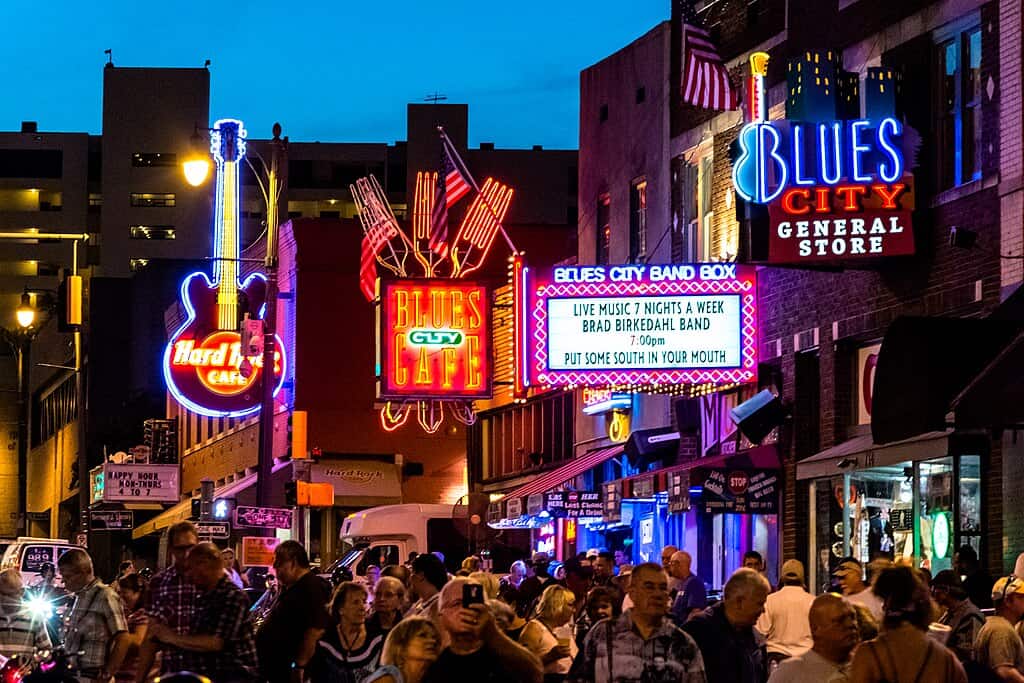
Memphis consistently ranks as one of the most dangerous cities in the United States due to high levels of violent crime. The city records roughly 1,900 violent crimes per 100,000 residents annually, more than four times the U.S. national average. Homicide rates often exceed 45 per 100,000 people, placing Memphis among the deadliest large American cities. Aggravated assaults and armed robberies are major contributors, with gun-related incidents dominating police reports. Poverty affects nearly 24 percent of residents, fueling cycles of crime in certain neighborhoods. While redevelopment is visible downtown, safety conditions vary sharply by area.
2. Baltimore, Maryland, USA
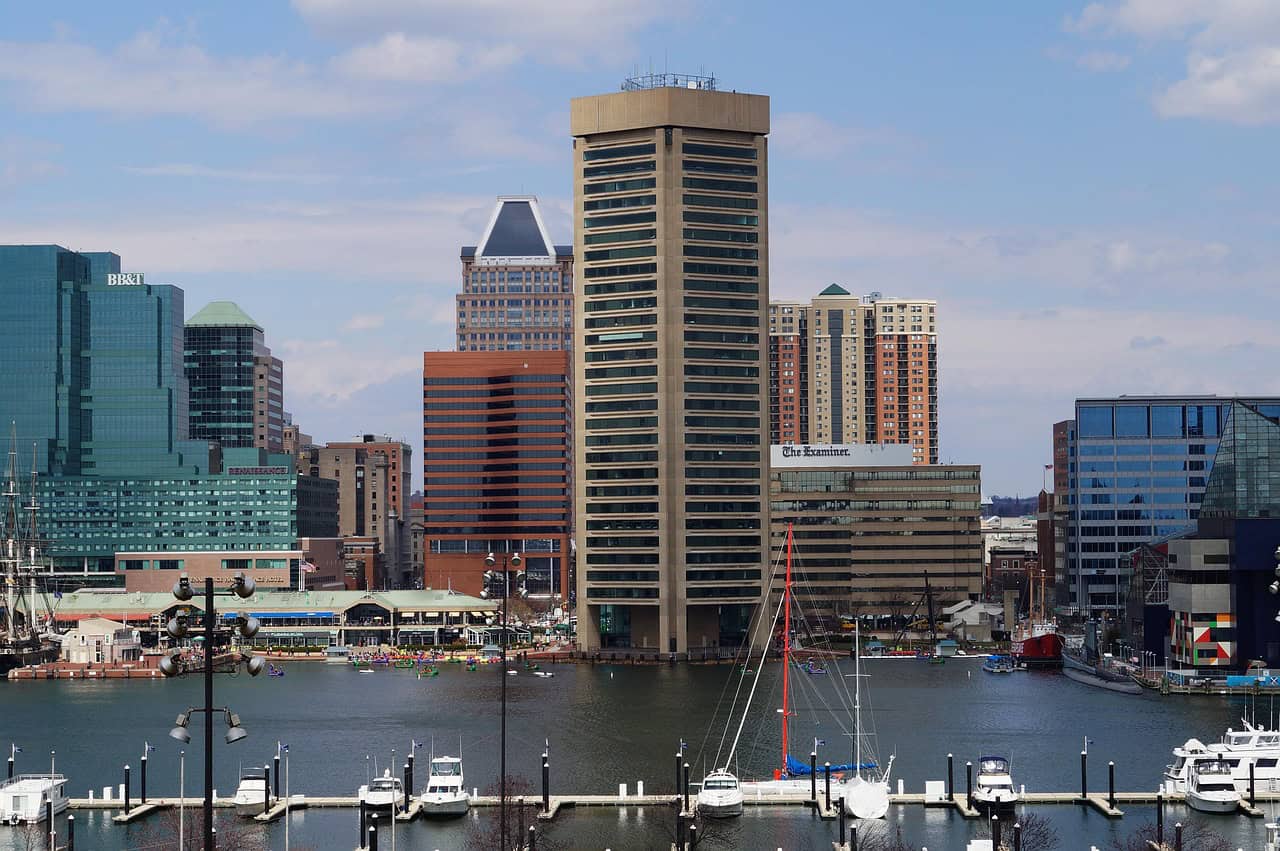
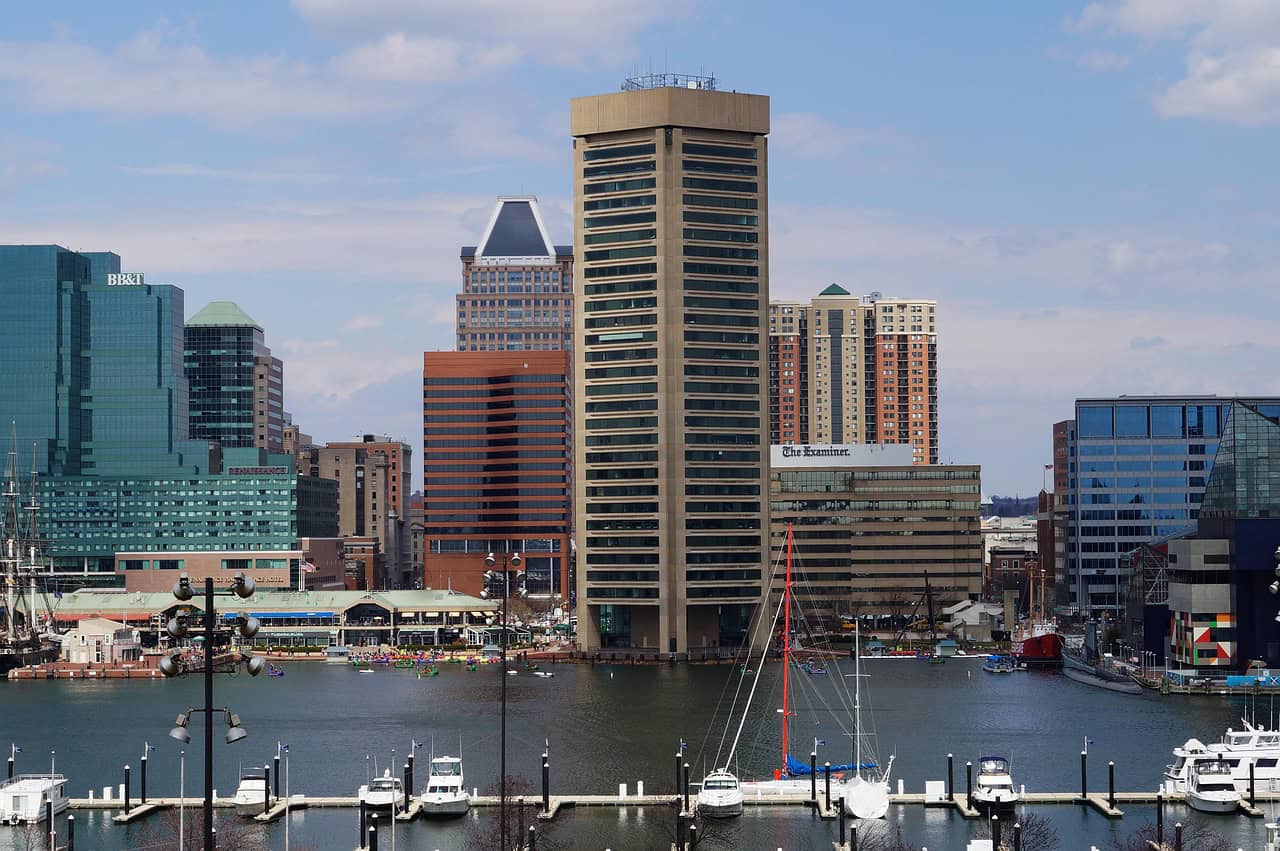
Baltimore’s reputation for danger stems largely from persistent homicide and drug-related violence. The city has averaged between 300 and 340 homicides annually in recent years, translating to a rate of about 50 killings per 100,000 residents. Violent crime overall exceeds 1,800 incidents per 100,000 people. Longstanding issues such as vacant housing, unemployment above 8 percent, and strained police-community relations continue to impact safety. Certain districts experience concentrated gang activity tied to narcotics trafficking. Despite strong cultural institutions and medical centers, everyday safety remains a serious concern for many residents.
3. Detroit, Michigan, USA
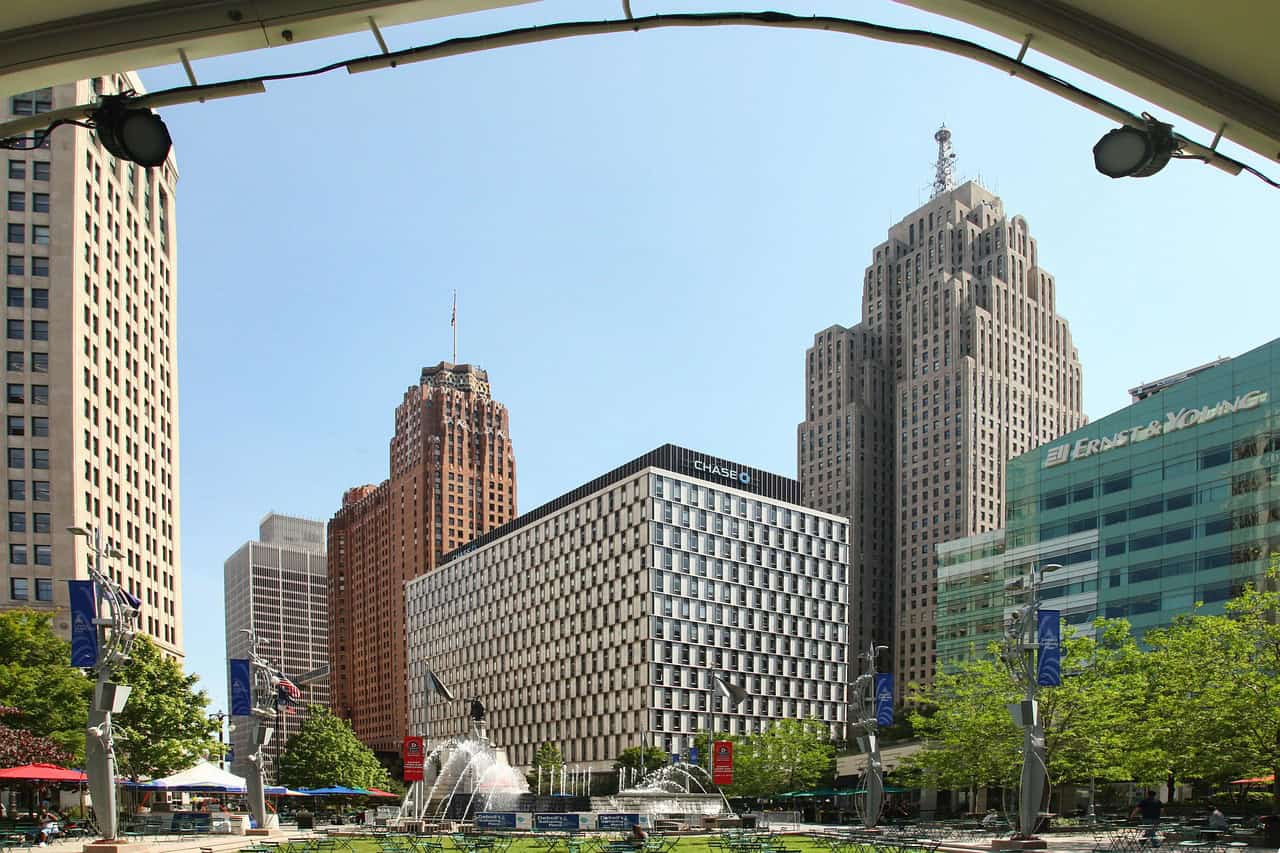
Detroit has made economic progress, but crime remains a defining challenge. The city reports approximately 2,000 violent crimes per 100,000 residents each year, with homicide rates hovering near 40 per 100,000. Carjackings and armed robberies are common, particularly outside revitalized central areas. Population decline has left large stretches of abandoned housing, creating environments where crime can flourish. Nearly 30 percent of residents live below the poverty line, far above the national average. While downtown and midtown feel safer, many outer neighborhoods still face daily security risks.
4. St. Louis, Missouri, USA
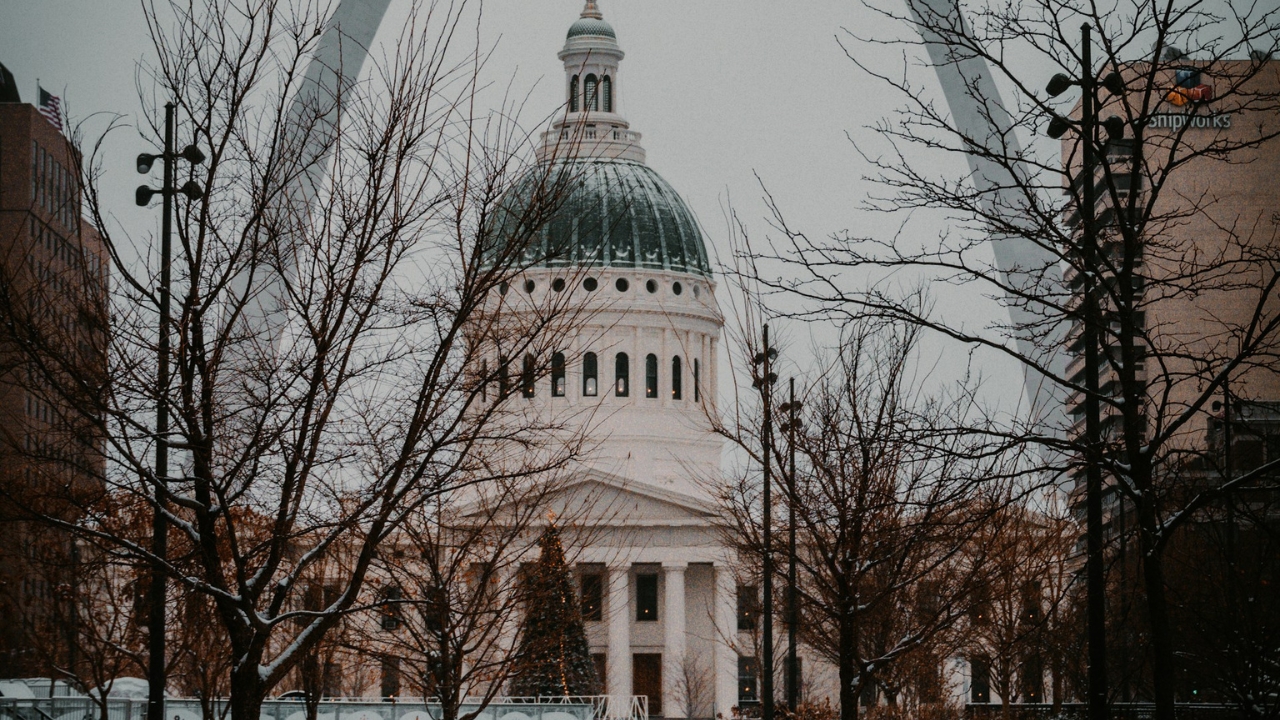
St. Louis often tops U.S. homicide rankings due to its small population and high murder totals. The city regularly records homicide rates between 60 and 70 per 100,000 residents, among the highest in the developed world. Violent crime overall exceeds 1,900 incidents per 100,000 people. Gang-related shootings and illegal firearms play a significant role. Economic inequality is stark, with some neighborhoods facing poverty rates above 35 percent. Although crime is heavily concentrated geographically, the city’s overall safety profile remains alarming by national and global standards.
5. New Orleans, Louisiana, USA
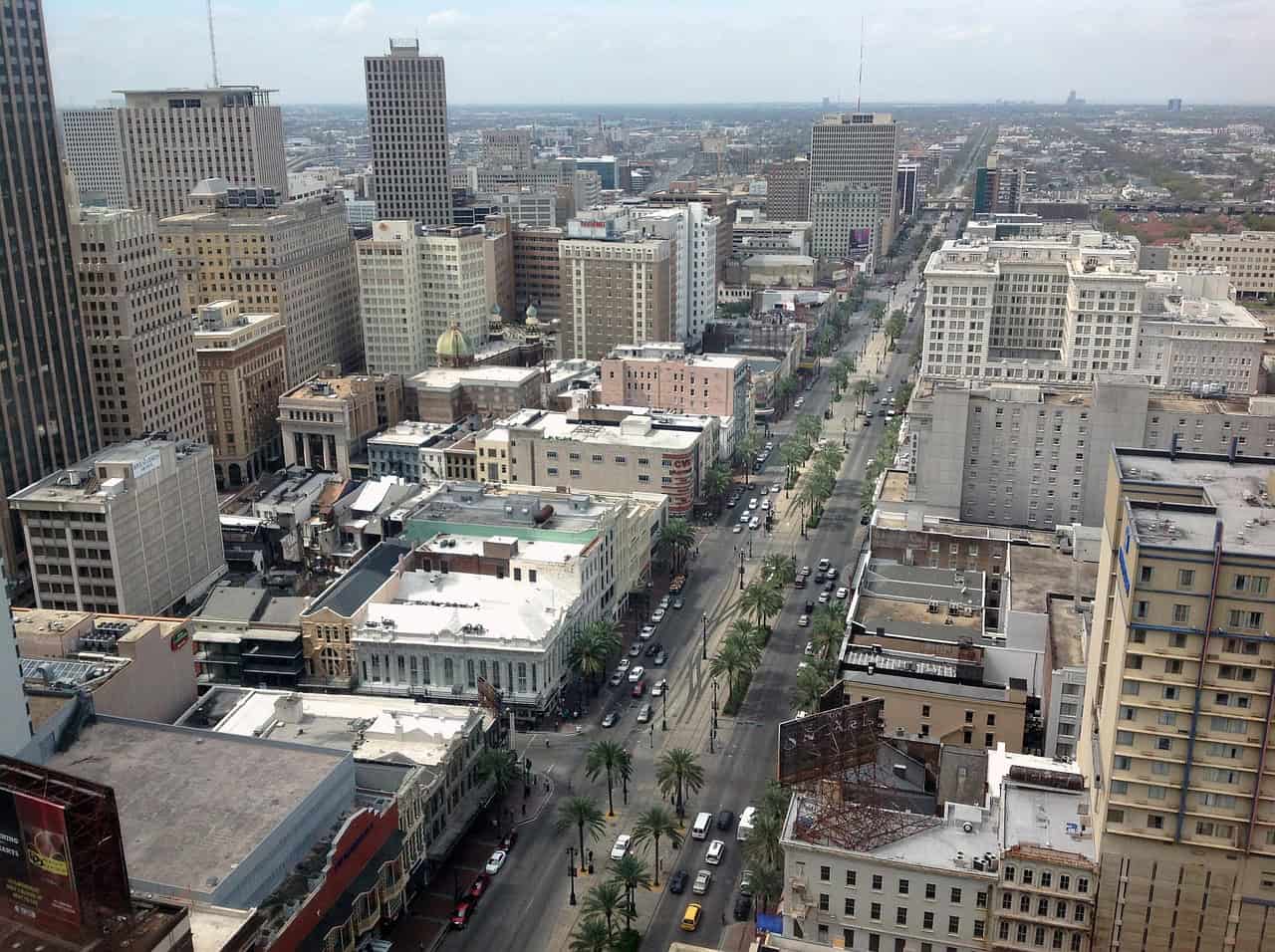
New Orleans blends cultural richness with serious public safety challenges. The city’s homicide rate often surpasses 50 per 100,000 residents, driven largely by gun violence. Violent crime levels approach 1,500 incidents per 100,000 people annually. Tourism-heavy areas are heavily policed, but residential neighborhoods experience frequent carjackings and assaults. Economic inequality remains pronounced, with roughly 23 percent of residents living in poverty. Limited police staffing and slow emergency response times worsen conditions. While crime fluctuates year to year, New Orleans remains one of America’s most dangerous places to live.
6. Caracas, Venezuela
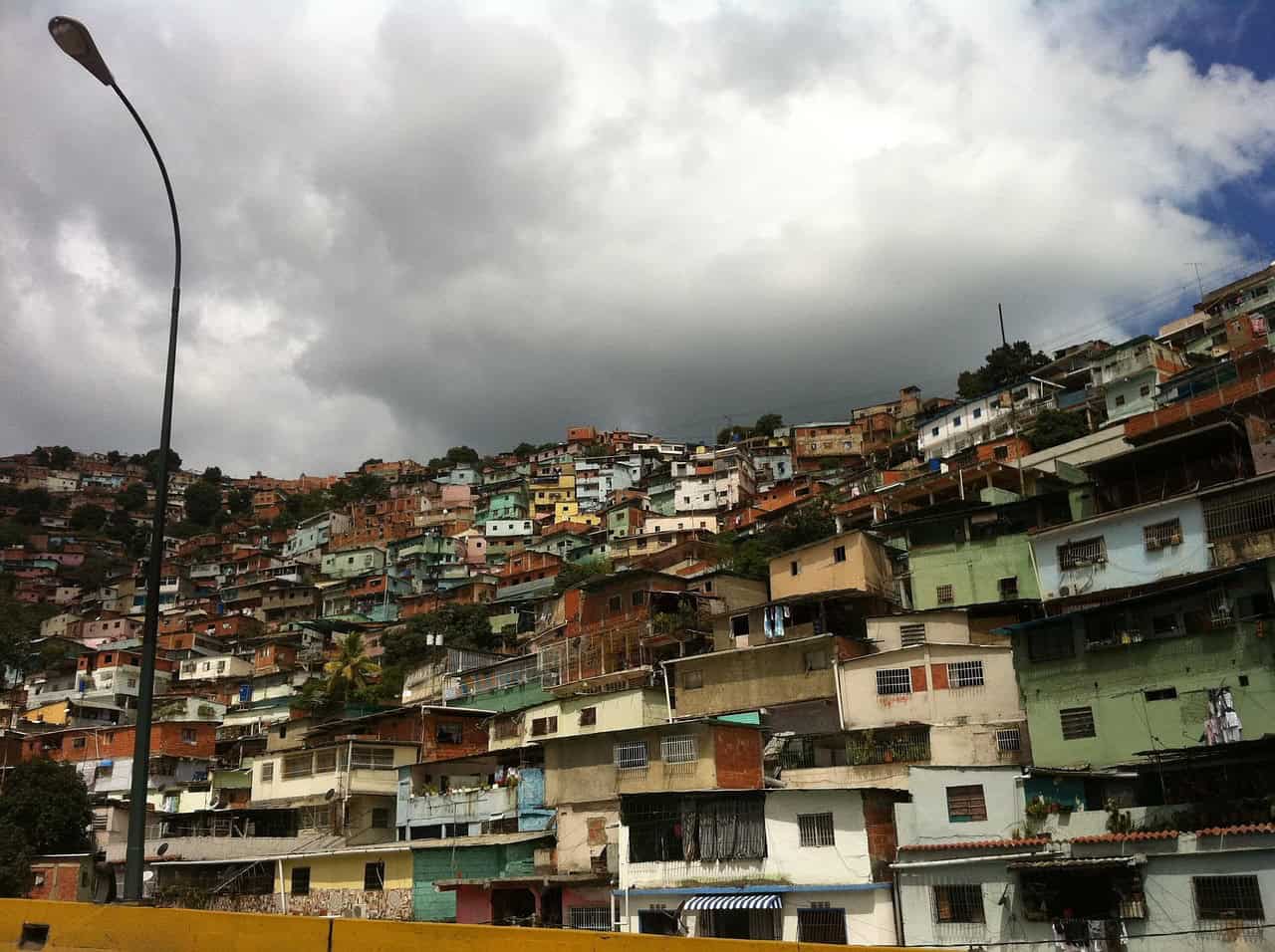
Caracas is widely considered one of the most dangerous cities in the world due to extreme violence and institutional breakdown. Homicide rates have been estimated between 70 and 90 per 100,000 residents, far exceeding global averages. Armed robberies, kidnappings, and carjackings are common, even in daylight hours. Economic collapse and inflation have eroded basic services, weakening law enforcement capacity. Many crimes go unreported, meaning real figures may be higher. Residents rely heavily on private security measures, and daily life often involves constant risk awareness and restricted movement.
7. San Pedro Sula, Honduras
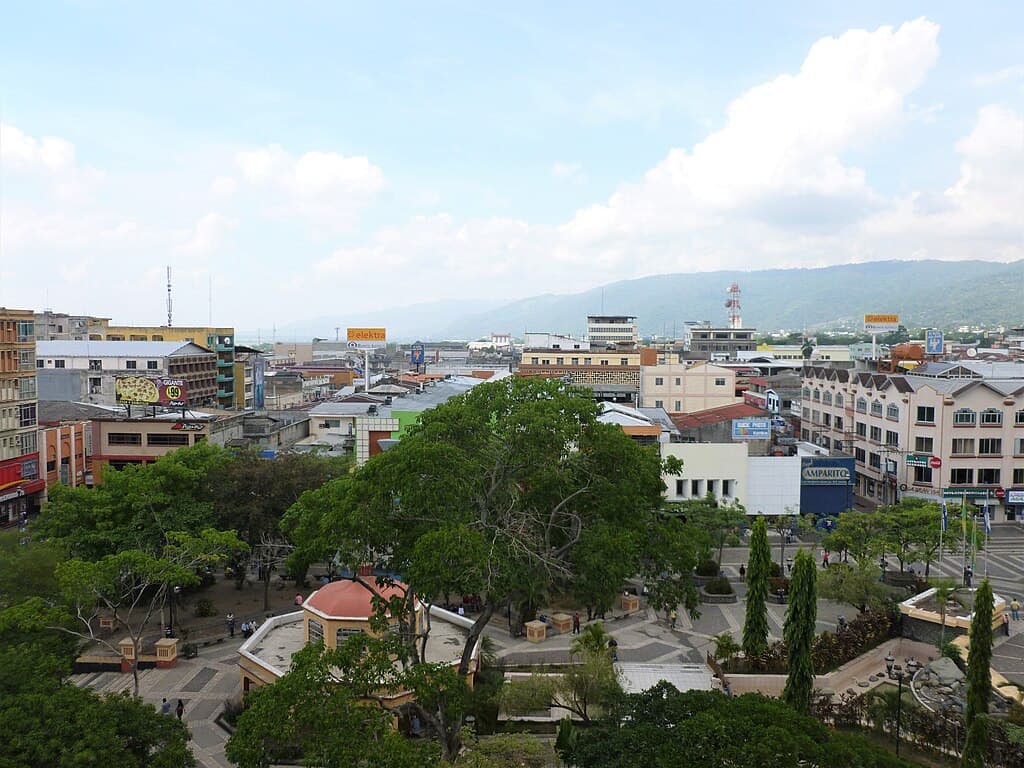
San Pedro Sula has long symbolized urban violence in Central America. Although homicide rates have declined from historic peaks, the city still records approximately 35 to 40 murders per 100,000 residents annually. Gang activity linked to extortion, drug trafficking, and weapons smuggling remains widespread. Violent crime rates far exceed regional averages, and businesses routinely pay protection money. Youth unemployment and poverty remain major drivers of instability. While security initiatives have shown progress, San Pedro Sula continues to pose serious safety risks for residents.
8. Cape Town, South Africa
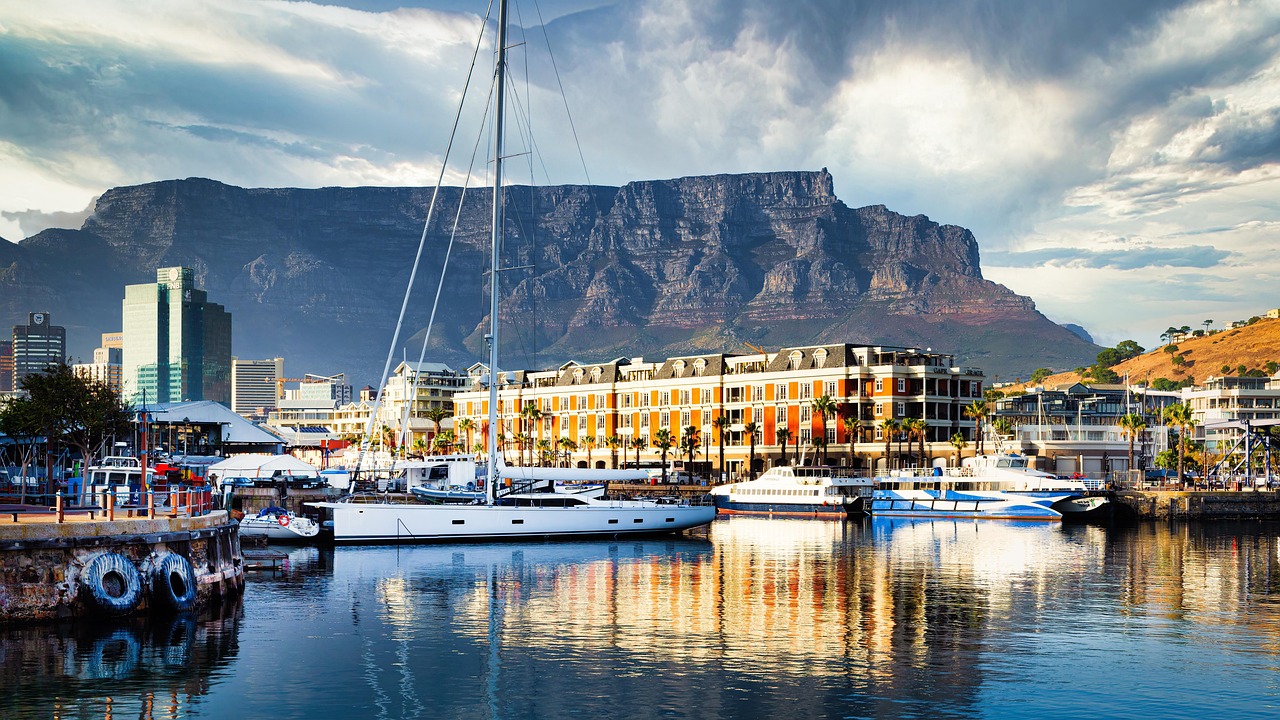
Cape Town’s danger is heavily concentrated in specific areas, yet overall crime levels are severe. The city reports homicide rates near 65 per 100,000 residents, among the highest for major cities worldwide. Gang violence in townships contributes significantly, with firearms involved in most killings. Violent crime overall exceeds 2,000 incidents per 100,000 people annually. Deep economic inequality, with affluent districts near impoverished communities, intensifies tensions. While tourist zones are relatively secure, many residents face daily exposure to violent crime.
9. Rio de Janeiro, Brazil
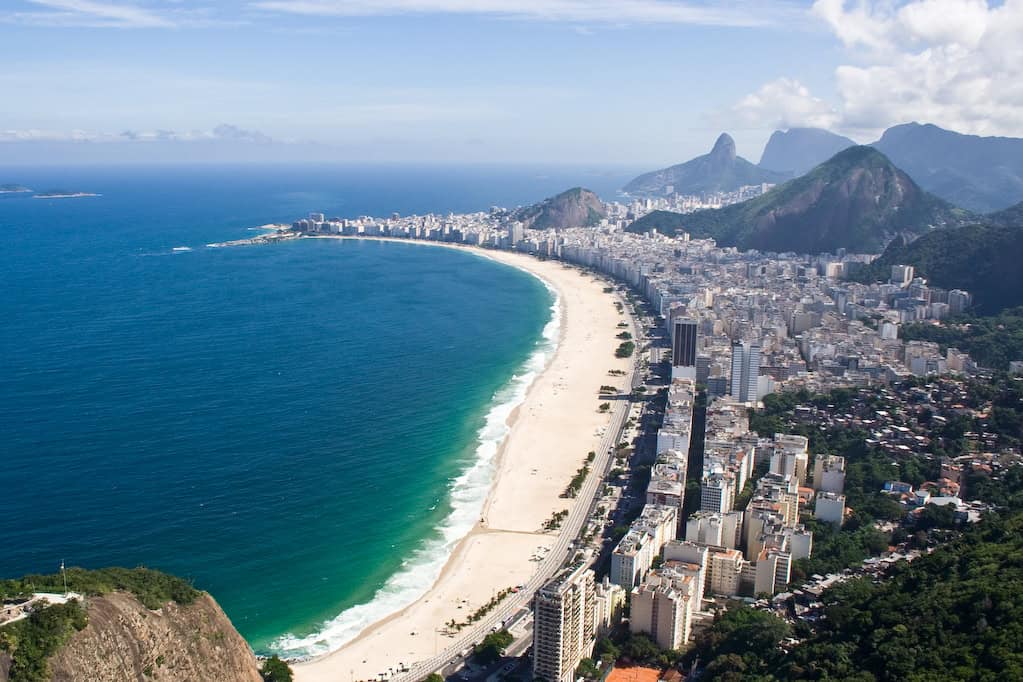
Rio de Janeiro struggles with organized crime and armed conflict in densely populated neighborhoods. Homicide rates average around 30 per 100,000 residents, though some districts report far higher figures. Drug gangs and heavily armed police units regularly clash in favelas. Robbery and assault rates remain high, especially on public transport. Income inequality and overcrowding exacerbate safety concerns. Despite global fame and natural beauty, Rio’s crime statistics place it among the most dangerous large cities in the Americas.
10. Port-au-Prince, Haiti
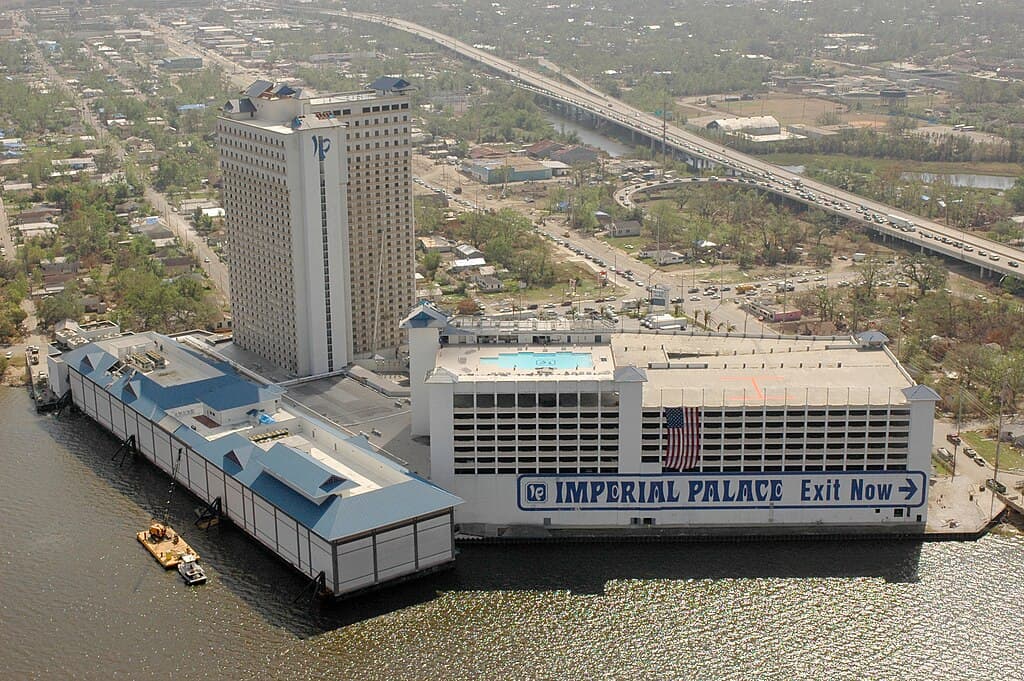
Port-au-Prince faces extreme insecurity driven by political instability and gang control. Homicide rates have surged beyond 40 per 100,000 residents, with kidnappings increasing by more than 200 percent in recent years. Armed groups control large parts of the city, restricting movement and access to services. Police resources are severely limited, and many crimes occur with impunity. Poverty affects over 60 percent of the population, worsening conditions. For residents, daily life involves navigating roadblocks, curfews, and unpredictable violence.