We may earn money or products from the companies mentioned in this post. This means if you click on the link and purchase the item, I will receive a small commission at no extra cost to you ... you're just helping re-supply our family's travel fund.
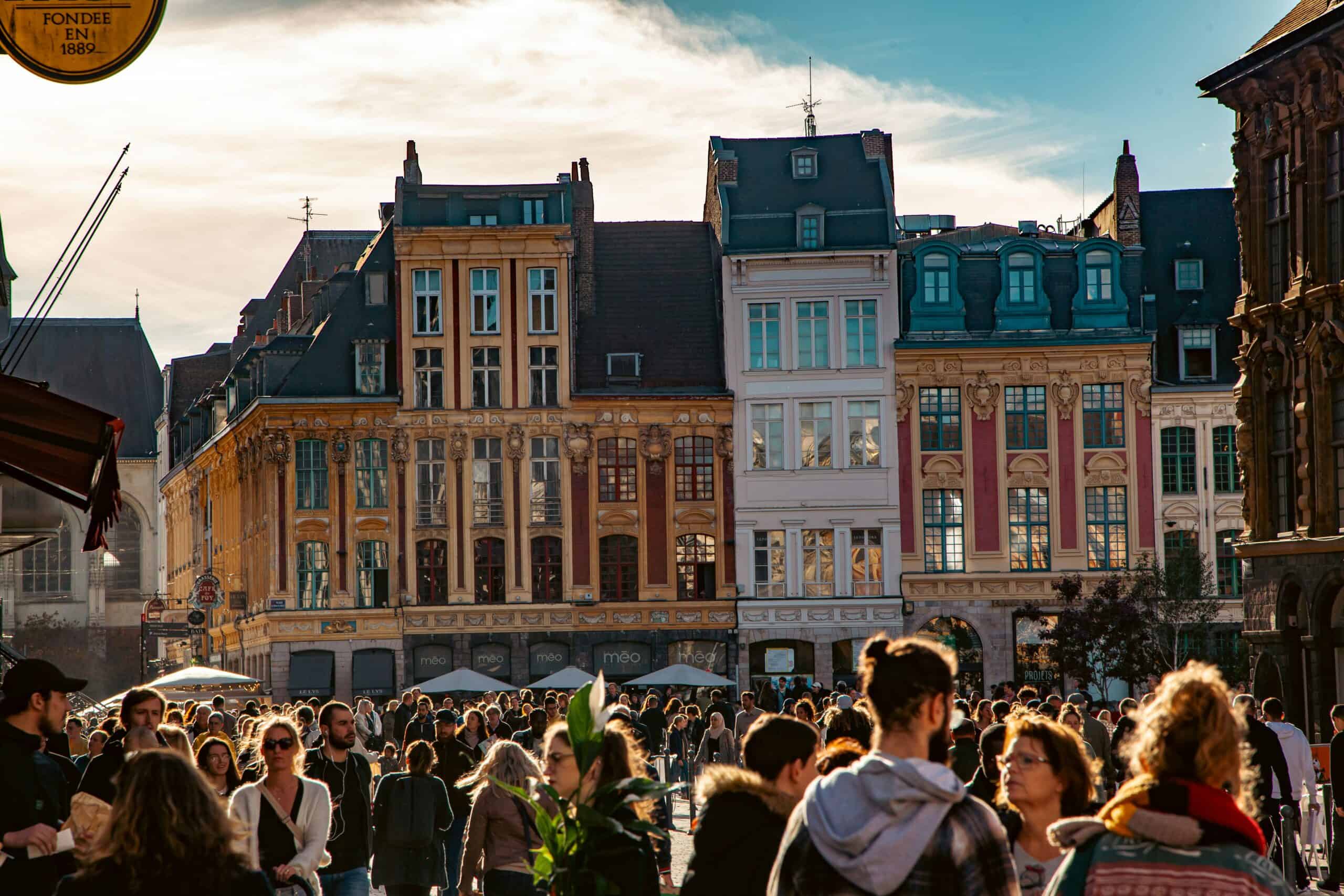
Travel friction rarely comes from accents or passports. It usually comes from small habits that signal entitlement: taking up space, talking over others, or treating a living city like a theme park. Americans are not uniquely guilty, but a few U.S.-coded behaviors stand out because they clash with local norms on volume, pacing, and respect. The fix is not self-consciousness. It is awareness, and a willingness to blend in. These five habits are the ones locals most often notice first, and judge fastest.
Treating Every Space Like It Can Handle Big Volume
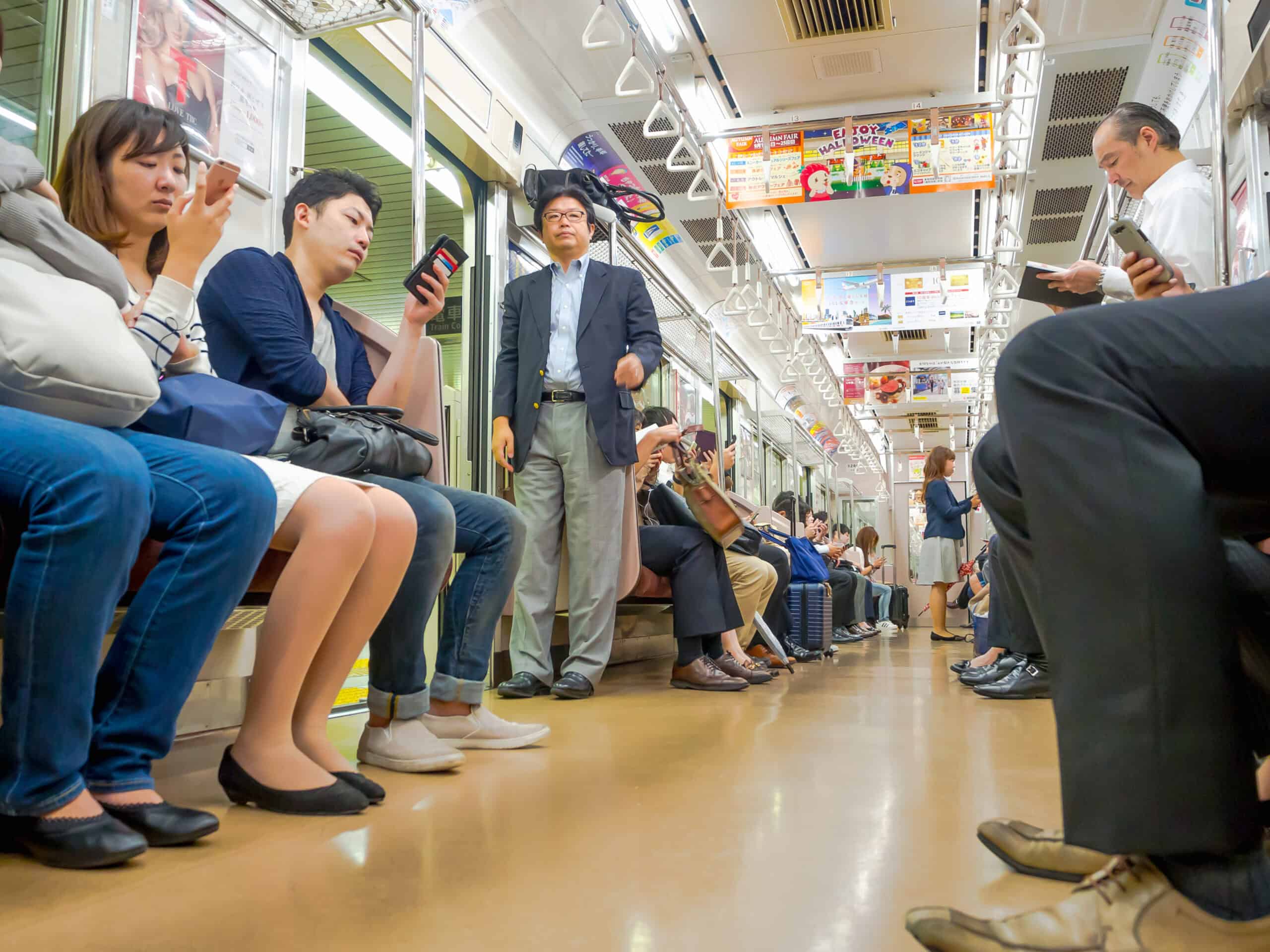
The fastest way to irritate locals is volume, because many trains, cafés, museums, and residential streets run on a lower register than U.S. social norms. Booming conversations, speakerphone audio, and constant narration, plus sidewalk clumping and shouted jokes across a square, can feel like a public takeover, especially near open apartment windows at 11 p.m., or in small restaurants where tables sit shoulder to shoulder. Lowering the voice, taking calls off to the side, and pausing before reacting to minor hiccups reads as basic respect, and it keeps a fun night from sounding like an invasion, even in tourist centers, too.
Assuming English Is The Default Setting
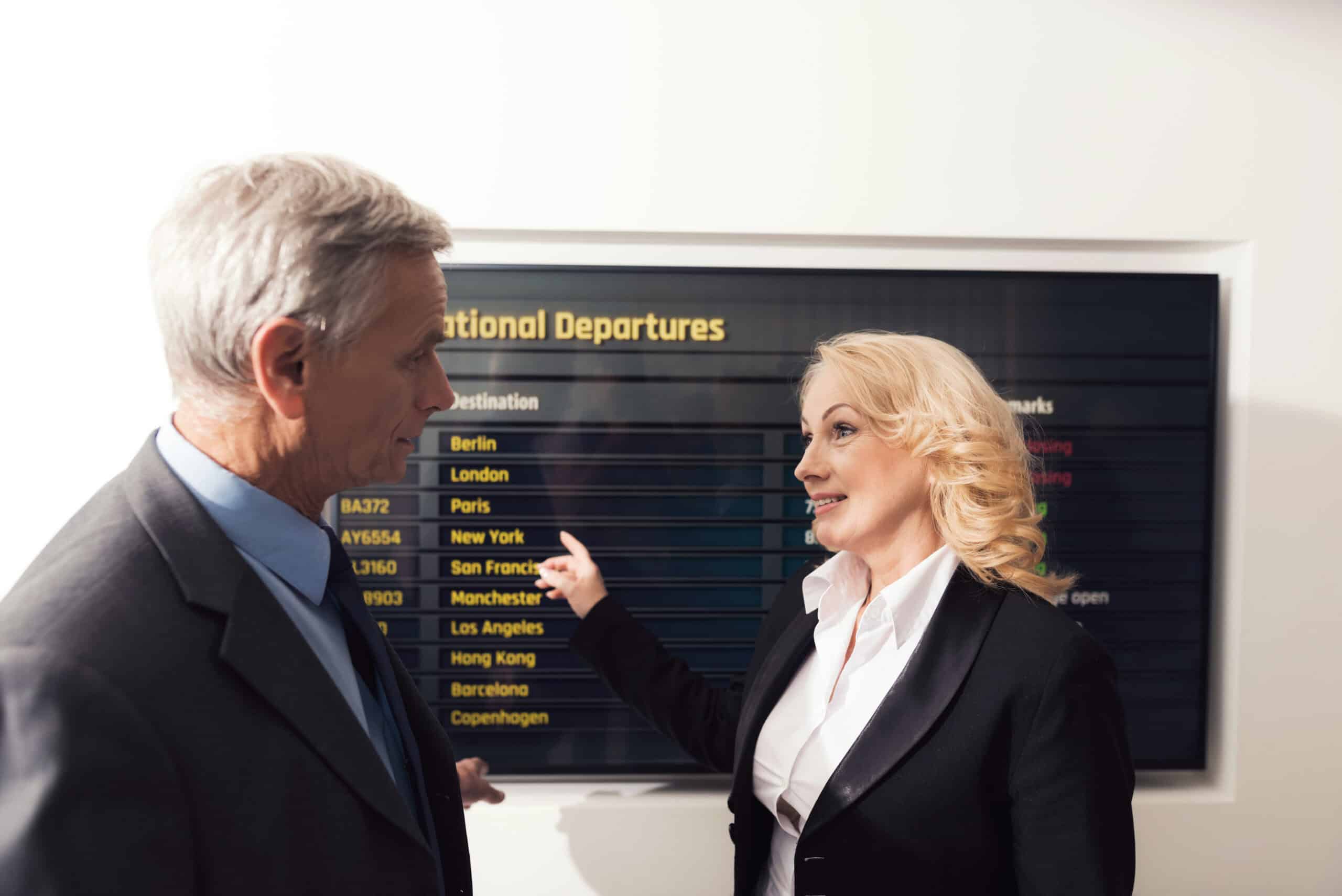
Assuming English will solve everything can land badly, even in cities full of international visitors. Leading with a loud demand, repeating the same sentence slower, or acting offended when staff cannot decode slang and sports metaphors signals that locals exist to accommodate the traveler, not to live their own day. A small reset helps: start with a greeting, ask if English is okay, point to menus or maps, use translation like a tool not a weapon, and accept no without pushing, because respect travels farther than vocabulary, and it often earns better help anyway, avoiding the ugly moment when a simple request turns into a scene for all too.
Bringing U.S. Service Expectations To Every Table

Exporting U.S. service expectations can sour interactions fast, because many places run on a different rhythm: fewer check-ins, no constant refills, and menus that are not built for heavy substitutions. Snapping fingers, calling across the room, stacking complaints about ice, portion size, or pacing, or treating staff like personal assistants reads as entitlement, not confidence, and it can embarrass an entire table. A calmer approach works better: make one clear request, accept a no, tip appropriately for the local system, and let the meal unfold, so the memory stays about the cities, not about winning a negotiation over dinner in real time.
Ignoring Queues And Blocking The Flow
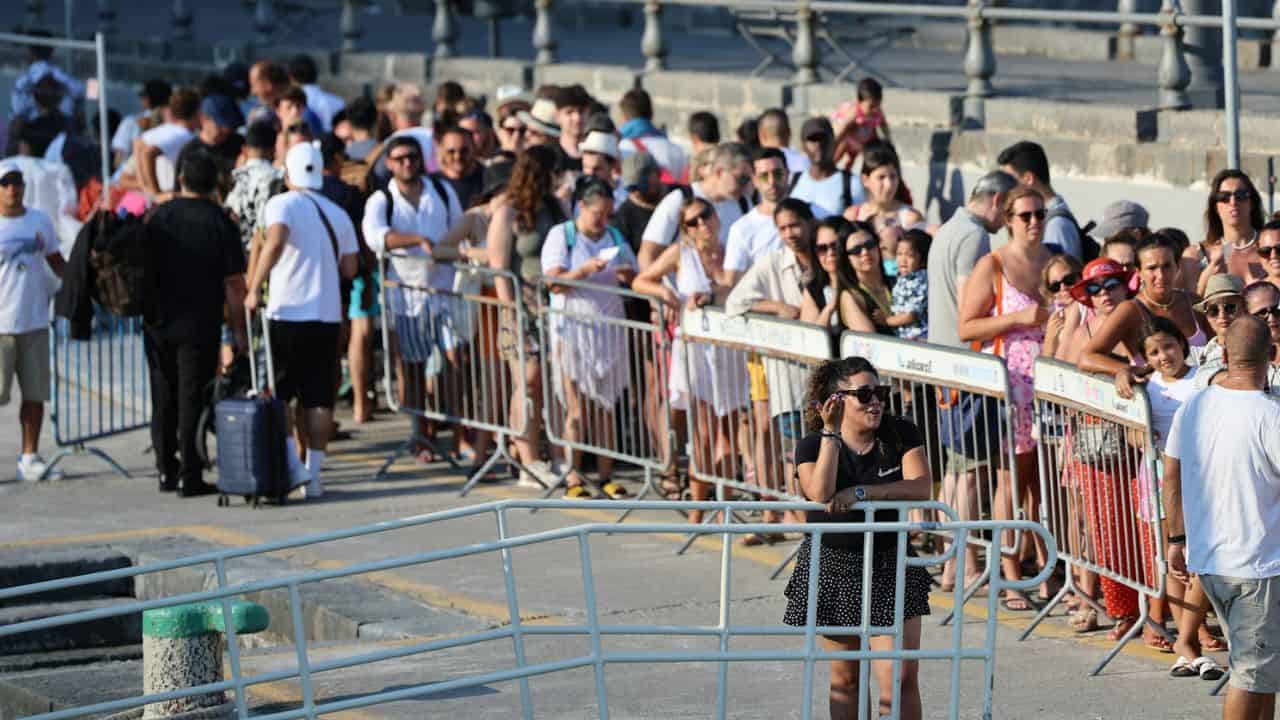
Line culture is local culture, and it varies more than travelers expect, so cutting, crowding, or sliding forward because a friend is ahead can trigger instant resentment. In places where queues are treated as a fairness system, people wait quietly for a long time, and a single skip reads as disrespect for everyone behind it. Flow habits compound the problem: stopping at the top of an escalator, blocking a narrow sidewalk to check maps, or standing in doorways while deciding what to do next creates a ripple of irritation, so the smooth move is to keep walking to open space, then step aside, and let pass without weaving around a stalled group.
Treating Sacred And Everyday Places Like Photo Sets
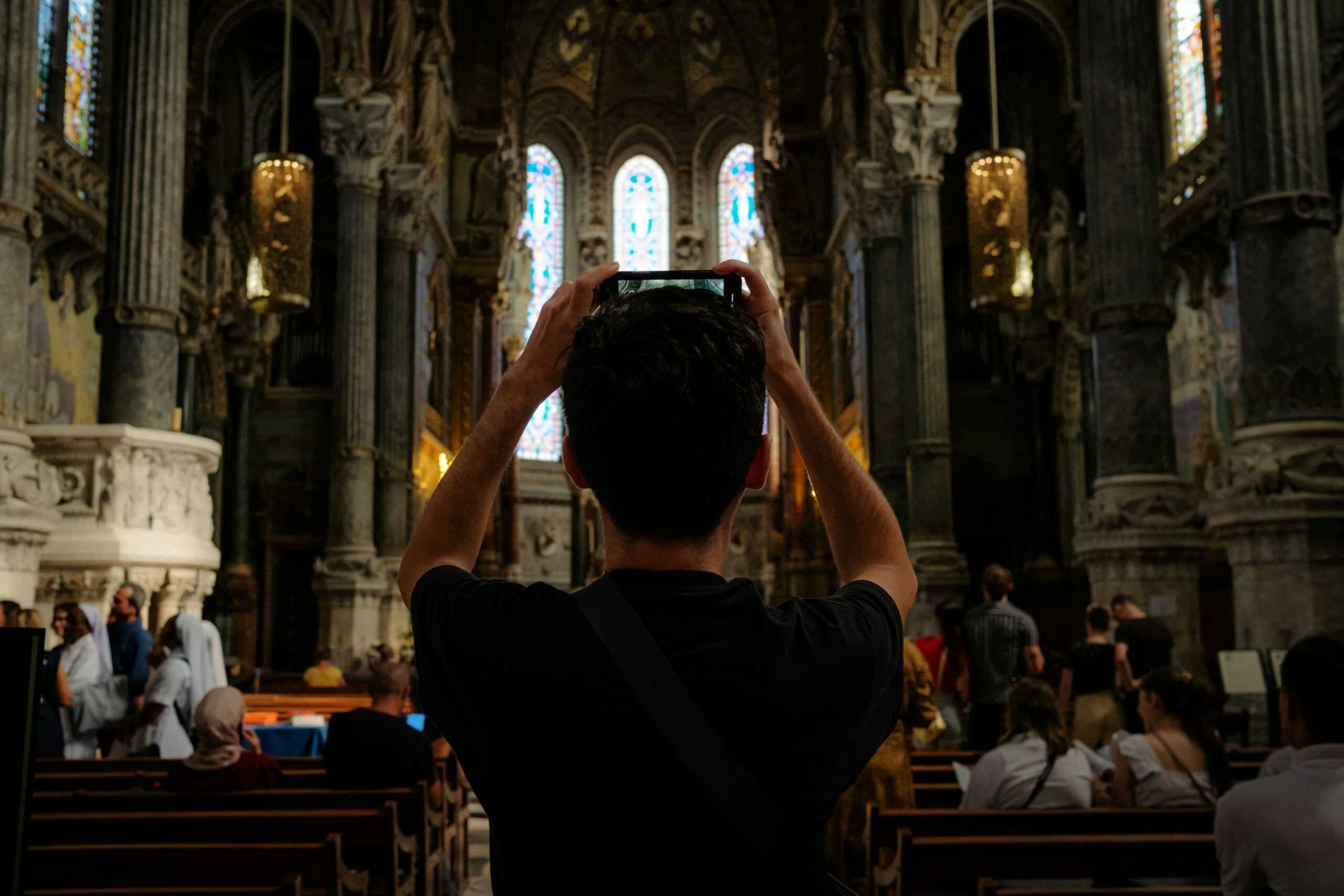
Many travelers lose goodwill at temples, churches, memorials, and neighborhood markets by treating them like content backdrops. Flash photos, loud joking, climbing for better angles, ignoring dress codes, or touching what is marked off-limits suggests the place exists for a feed, not for the community that maintains it. Small choices fix most of it: keep voices low, ask before photographing people, cover shoulders when required, remove hats when asked, and skip selfies during prayers or ceremonies, because locals may forgive mistakes, but they remember attitude and care, and respect costs nothing yet it changes the day for everyone around it.