We may earn money or products from the companies mentioned in this post. This means if you click on the link and purchase the item, I will receive a small commission at no extra cost to you ... you're just helping re-supply our family's travel fund.

International travel has rebounded strongly, and certain countries continue to dominate global arrival charts year after year. From culinary capitals and ancient ruins to beach resorts and futuristic skylines, these destinations combine infrastructure, culture, and global appeal at scale. Below are the 11 most-visited countries in the world, each presented with key statistics, signature highlights, and essential context for understanding their sustained popularity.
1. France

France remains the world’s most visited country, welcoming roughly 89–93 million international tourists annually in recent peak years. Paris alone draws over 30 million visitors, anchored by icons like the Eiffel Tower, which receives nearly 7 million entries per year, and the Louvre, the world’s most visited museum. Beyond the capital, Provence, the French Riviera, Mont Saint-Michel, and Alpine ski resorts diversify demand. Tourism contributes close to 8 percent of national GDP, supported by 45 UNESCO World Heritage Sites and an unmatched culinary reputation.
2. Spain

Spain consistently records around 83–85 million foreign arrivals annually, making tourism nearly 12 percent of its GDP. Barcelona and Madrid anchor city tourism, while the Balearic and Canary Islands collectively receive more than 15 million visitors each year. Landmarks such as the Sagrada Família attract over 4 million visitors annually. Spain’s extensive high-speed rail network, more than 600 Blue Flag beaches, and globally recognized festivals like San Fermín and La Tomatina sustain year-round travel momentum.
3. United States

The United States welcomes approximately 79–80 million international visitors annually in strong travel years. Tourism generates over $1.7 trillion in total economic output, supporting millions of jobs. New York City alone receives more than 60 million total visitors per year, while national parks like the Great Smoky Mountains exceed 12 million recreational visits annually. From Las Vegas entertainment corridors to California’s coastline and Florida’s theme parks, geographic diversity across 50 states drives consistent inbound demand.
4. China

China has historically attracted around 65 million international arrivals annually, combining heritage tourism with business travel. The Great Wall spans more than 21,000 kilometers, while Beijing’s Forbidden City sees over 19 million visits per year. Shanghai’s skyline, home to over 6,000 high-rise buildings, reflects modern appeal. China counts 55 UNESCO World Heritage Sites, ranking among the highest globally. Expanding high-speed rail exceeding 40,000 kilometers enhances domestic and regional accessibility for international travelers.
5. Italy

Italy welcomes roughly 64–66 million international visitors annually, with tourism contributing around 13 percent of GDP when indirect impacts are included. Rome receives over 10 million foreign tourists yearly, while the Colosseum draws nearly 7 million entries. Venice manages more than 20 million visitors annually despite its small resident population. Italy boasts 59 UNESCO World Heritage Sites, the highest globally. From the Amalfi Coast to Florence’s Renaissance treasures, cultural density fuels repeat visitation.
6. Turkey

Turkey records approximately 50–51 million international arrivals annually, generating more than $40 billion in tourism revenue. Istanbul alone attracts over 15 million foreign visitors each year, with Hagia Sophia and the Blue Mosque central to its appeal. Antalya’s Mediterranean coastline accounts for a major share of resort tourism, welcoming millions during summer months. Cappadocia’s hot-air balloon flights exceed 500,000 passengers annually. Competitive pricing and geographic positioning between Europe and Asia strengthen demand.
7. Mexico
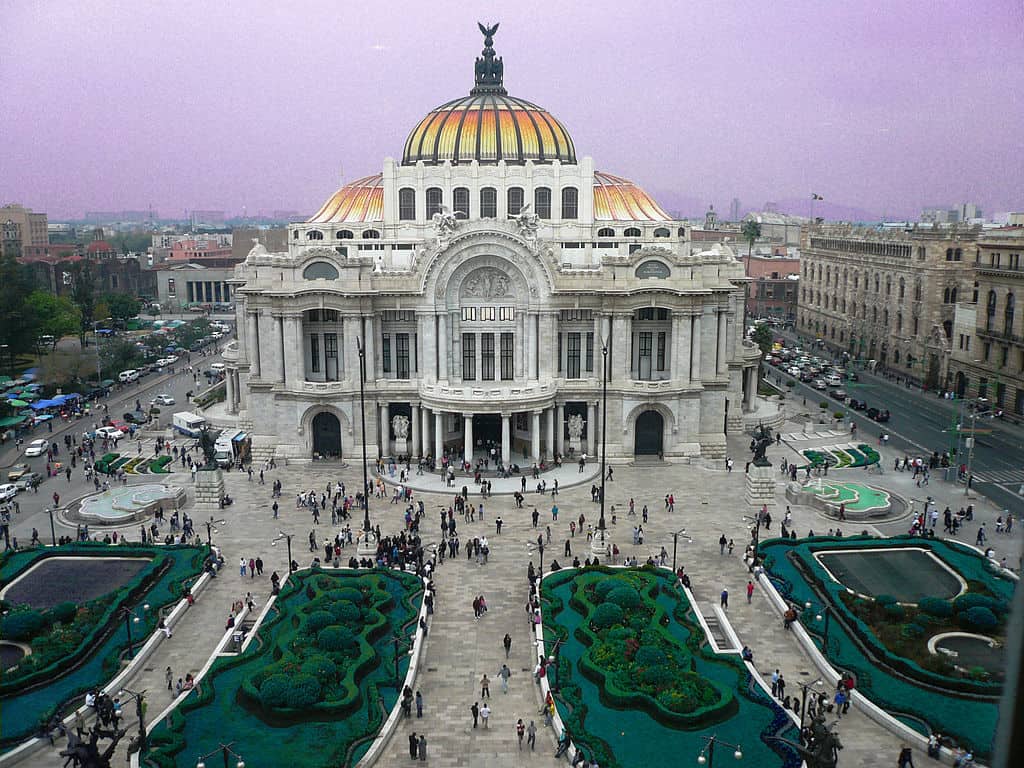
Mexico welcomes about 45–46 million international tourists per year, making it Latin America’s leading destination. Tourism contributes close to 8.5 percent of national GDP. Cancun International Airport handles over 30 million passengers annually, serving as the gateway to the Riviera Maya. Chichén Itzá receives more than 2.5 million visitors yearly. With over 11,000 kilometers of coastline, diverse ecosystems, and globally recognized cuisine, Mexico balances archaeological heritage with resort-driven growth.
8. Thailand
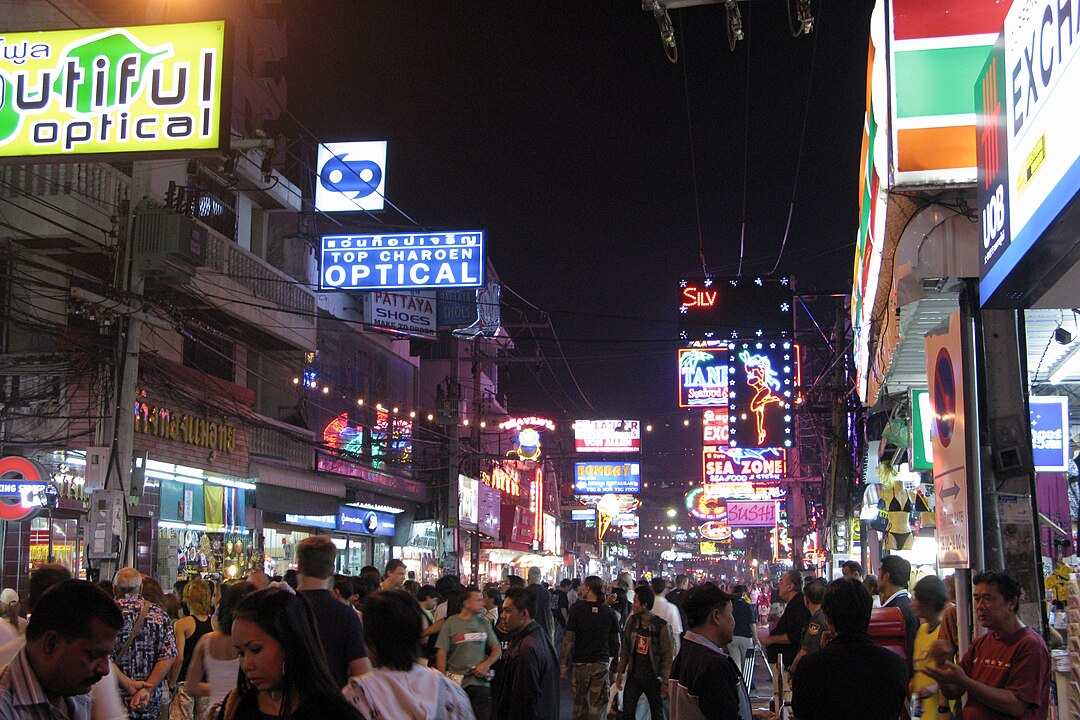
Thailand attracts roughly 39–40 million international arrivals annually in peak years, with tourism contributing nearly 20 percent of GDP. Bangkok ranks among the world’s most visited cities, often exceeding 20 million international visitors per year. Phuket and Pattaya anchor beach tourism, while Chiang Mai draws cultural travelers. The country counts over 40,000 Buddhist temples nationwide. Affordable accommodations, strong regional air connectivity, and medical tourism infrastructure amplify Thailand’s sustained global appeal.
9. Germany

Germany receives around 39 million international tourists annually, supported by strong business travel and cultural tourism. Berlin alone records over 13 million overnight stays from foreign visitors each year. Bavaria’s Neuschwanstein Castle attracts roughly 1.4 million visitors annually. Germany hosts more than 25,000 castles and historic sites, alongside major trade fairs in cities like Frankfurt and Hanover. Efficient rail networks and central European positioning enhance accessibility across neighboring countries.
10. United Kingdom

The United Kingdom records approximately 39–40 million international arrivals annually. Tourism contributes over £120 billion to the economy each year. London receives more than 20 million international visitors annually, with the British Museum attracting around 6 million entries. Historic universities like Oxford date back to the 12th century. From Scotland’s Highlands to Wales’ national parks, diverse regional identities and strong cultural exports, including film and literature, reinforce inbound travel strength.
11. Japan

Japan welcomes roughly 32–35 million international visitors annually in strong travel years, marking rapid growth over the past decade. Tokyo metropolitan area alone houses over 37 million residents, offering vast urban exploration. Kyoto preserves more than 1,600 Buddhist temples, while Mount Fuji rises 3,776 meters above sea level. Japan counts 25 UNESCO World Heritage Sites. High-speed Shinkansen trains exceeding 300 km/h, culinary prestige, and seasonal cherry blossom tourism sustain global fascination.