We may earn money or products from the companies mentioned in this post. This means if you click on the link and purchase the item, I will receive a small commission at no extra cost to you ... you're just helping re-supply our family's travel fund.
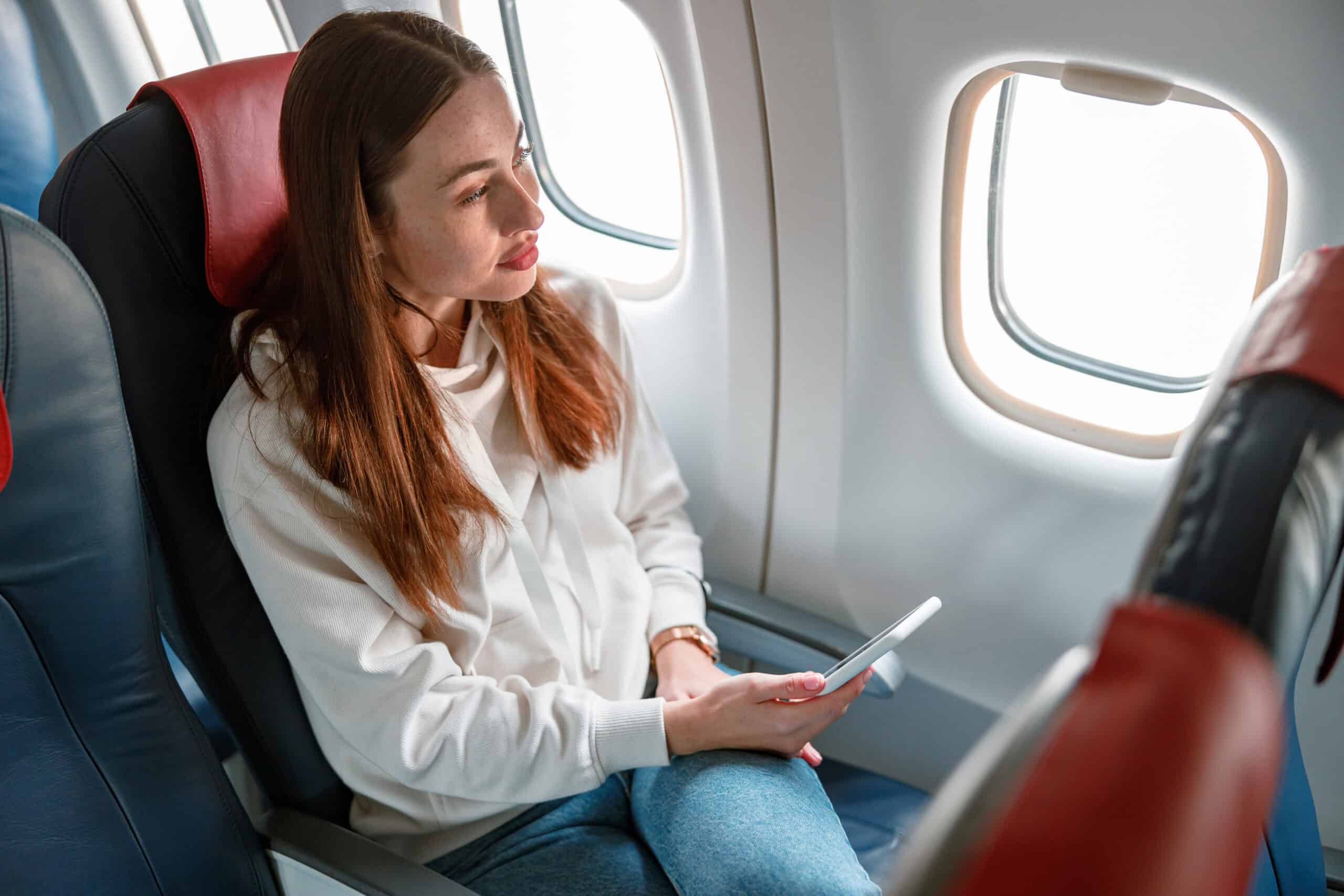
Airlines have already sliced trips into seat fees, bag fees, and early boarding charges, but the next experiment looks more like a streaming plan than a ticket add-on. Monthly legroom subscriptions promise regulars a predictable bit of space, while giving carriers recurring revenue in a business that swings with every holiday weekend. The idea sits at the intersection of loyalty, comfort, and math, raising a quiet question: when extra inches turn into a bill, who gets to stretch, and who just learns to endure.
Monthly Plans Replace One-Off Seat Upgrades
For years, extra legroom showed up as a single, slightly resented box at checkout. Subscription seating turns that nervous click into a standing arrangement tied to a month or a year. Instead of gambling on upgrade prices route by route, frequent travelers buy a stable tier of comfort across a whole network. Airlines, in turn, get revenue that arrives on schedule, not only when someone feels desperate at the seat map.
United Sets The Early Template For Legroom Passes
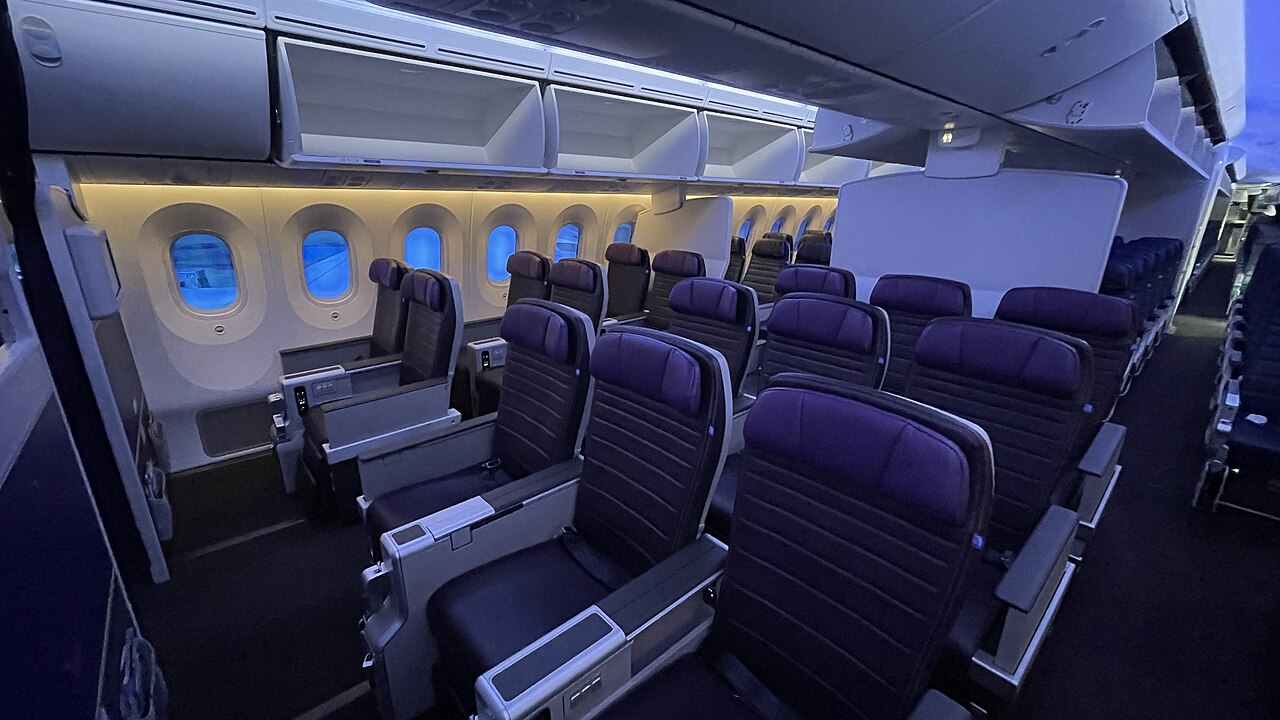
United’s Economy Plus model already treats legroom as a standalone product with extra inches of pitch and seats toward the front of the cabin. On top of per-flight fees, the airline sells subscriptions that run from high hundreds into four figures per year depending on region and cabin mix. That setup shows how recurring access to better seats can sit alongside traditional upgrades, giving heavy flyers a way to pre-pay for comfort instead of haggling each booking.
Budget Airlines Prove The Subscription Mindset
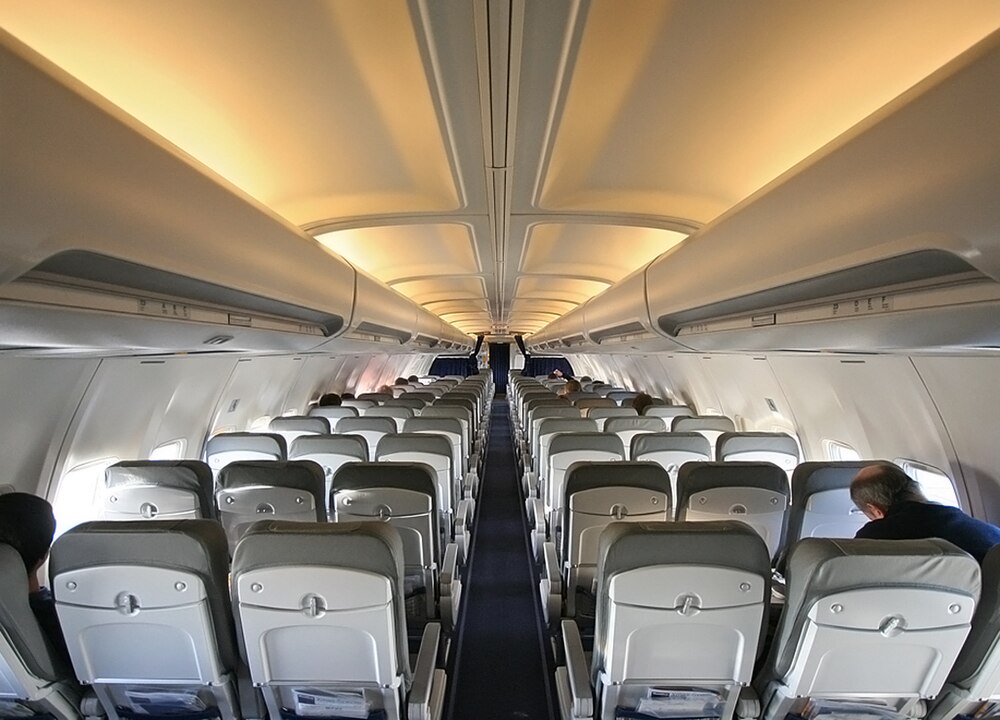
Low-cost carriers have trained passengers to expect à la carte everything, from carry-ons to printed boarding passes. Frontier’s GoWild pass goes further by offering a year of nearly unlimited flights for a flat fee, with bags and seat selection added on. While it does not guarantee legroom, it normalizes the idea that access to the network itself can live behind a subscription. Once that line is crossed, carving out recurring tiers for cabin space feels like a smaller leap.
Ancillary Revenue Makes Legroom Too Tempting To Ignore
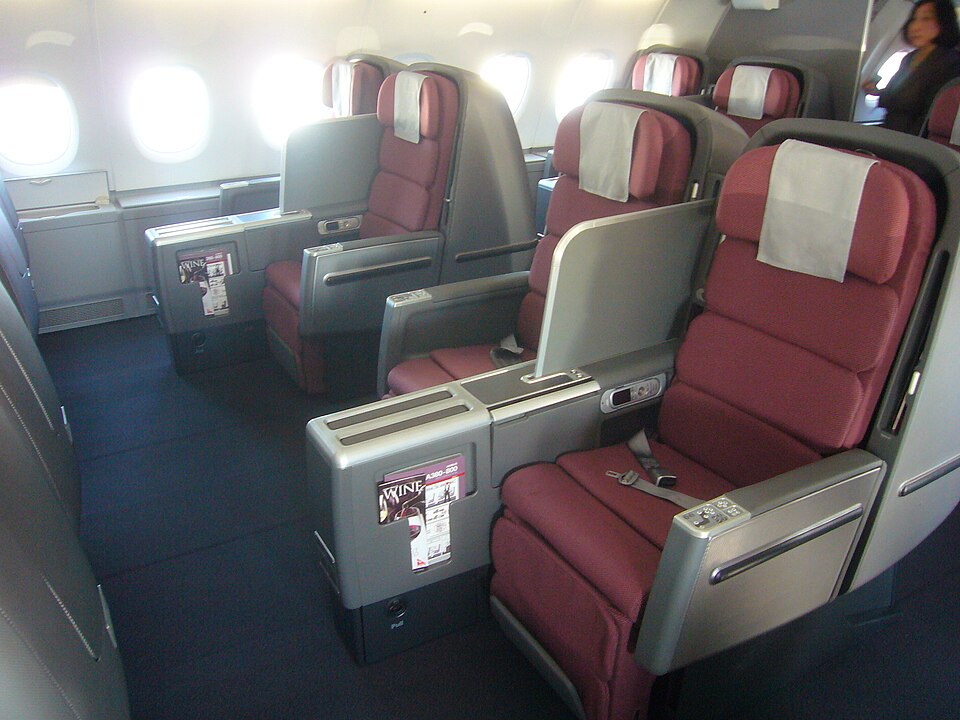
Extra legroom costs almost nothing to provide once the cabin is configured; the seat already exists. Industry analysts point out that nearly every dollar from seat selection, including aisle, window, and extra space, drops straight into high-margin revenue. As those side streams grow into a serious slice of total income, finance teams look for ways to smooth them out across the year. Turning legroom into a subscription is less about novelty and more about locking in a profit line that used to spike only around holidays.
What Subscribers Actually Buy With Those Inches
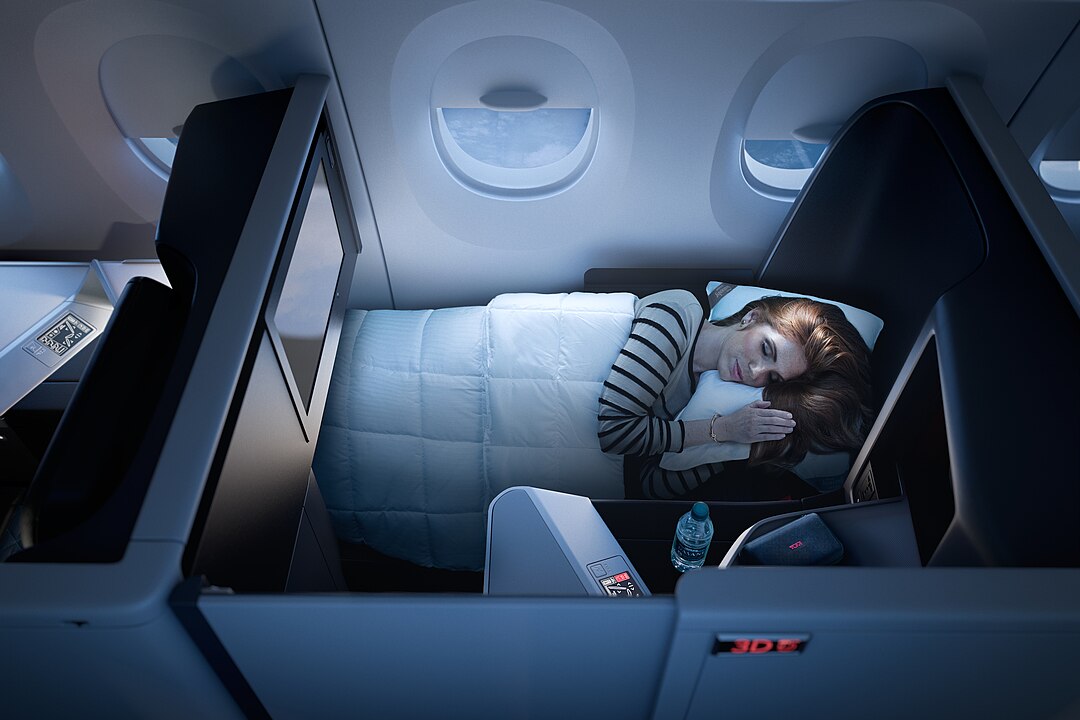
A legroom plan does more than free a pair of knees. On many airlines, extra-space seats cluster in the forward part of economy, which means quicker exits, better access to overhead bins, and smoother connections. Some passes also tie into loyalty perks, making it easier to sit with family or colleagues without scrambling at check-in. The product redefines comfort as a layered package: a few inches of pitch linked to time saved, calmer boarding, and less dread on long segments.
Comfort Gaps Widen Inside The Same Cabin
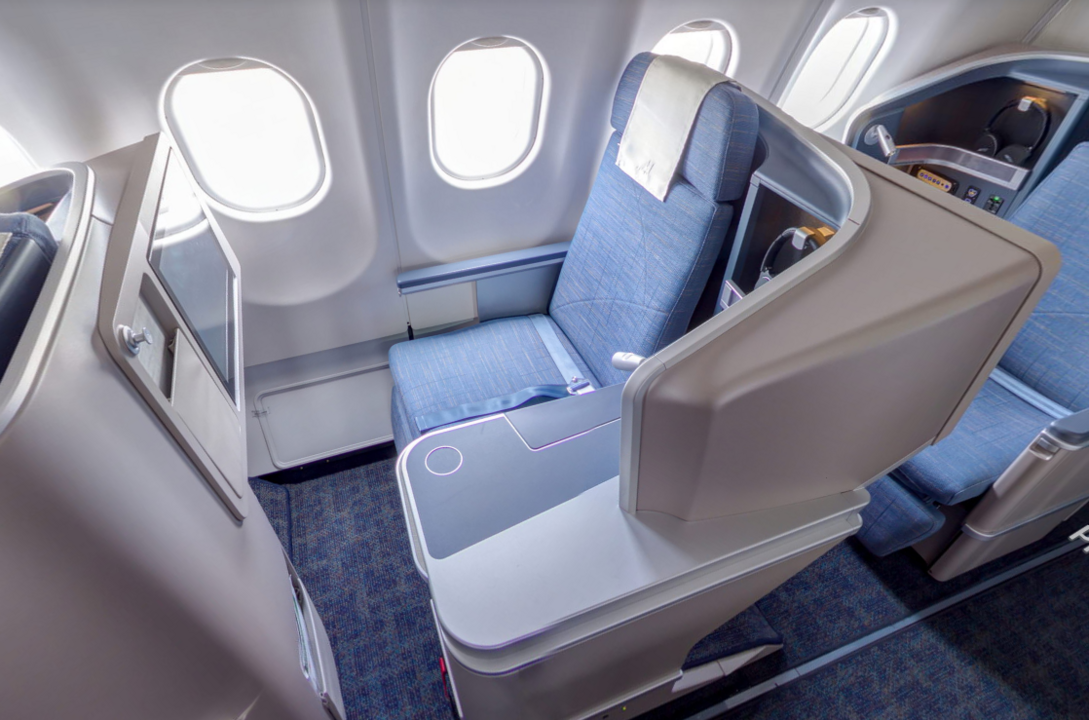
Economy cabins already hold a patchwork of micro-classes, from basic fares at the back to quasi-premium rows with more space. Recurring legroom plans deepen that sorting. Subscribers move toward the front and cluster in the most forgiving seats, while nonmembers work around what is left. The visual story inside the cabin shifts. In one metal tube, passengers share the same destination, but their knees, shoulders, and sense of dignity fall into different price tiers.
Frequent Flyers And Remote Workers Move First

Early adopters tend to be people whose lives orbit airports: consultants, sales teams, and remote workers who treat planes like rolling offices. For them, a fixed monthly or annual charge is easier to justify than a stack of scattered upgrade receipts. Companies gain a simple line item, and workers gain a reliable setup on routes they repeat. The subscription becomes part of the job kit alongside a laptop, loyalty number, and airport coffee habit.
What Subscription Seats Reveal About Flying’s Future

By 2026, legroom subscriptions are less a quirky experiment and more a test case for how far airlines can stretch the idea of recurring access. Space, speed, and quiet are being peeled off and repackaged as services that can be rented month after month. Whether the model thrives or fades, it exposes a truth about modern air travel: comfort is no longer just a function of route and aircraft, but of which recurring charges a traveler is willing, or able, to let follow them into the sky.