We may earn money or products from the companies mentioned in this post. This means if you click on the link and purchase the item, I will receive a small commission at no extra cost to you ... you're just helping re-supply our family's travel fund.
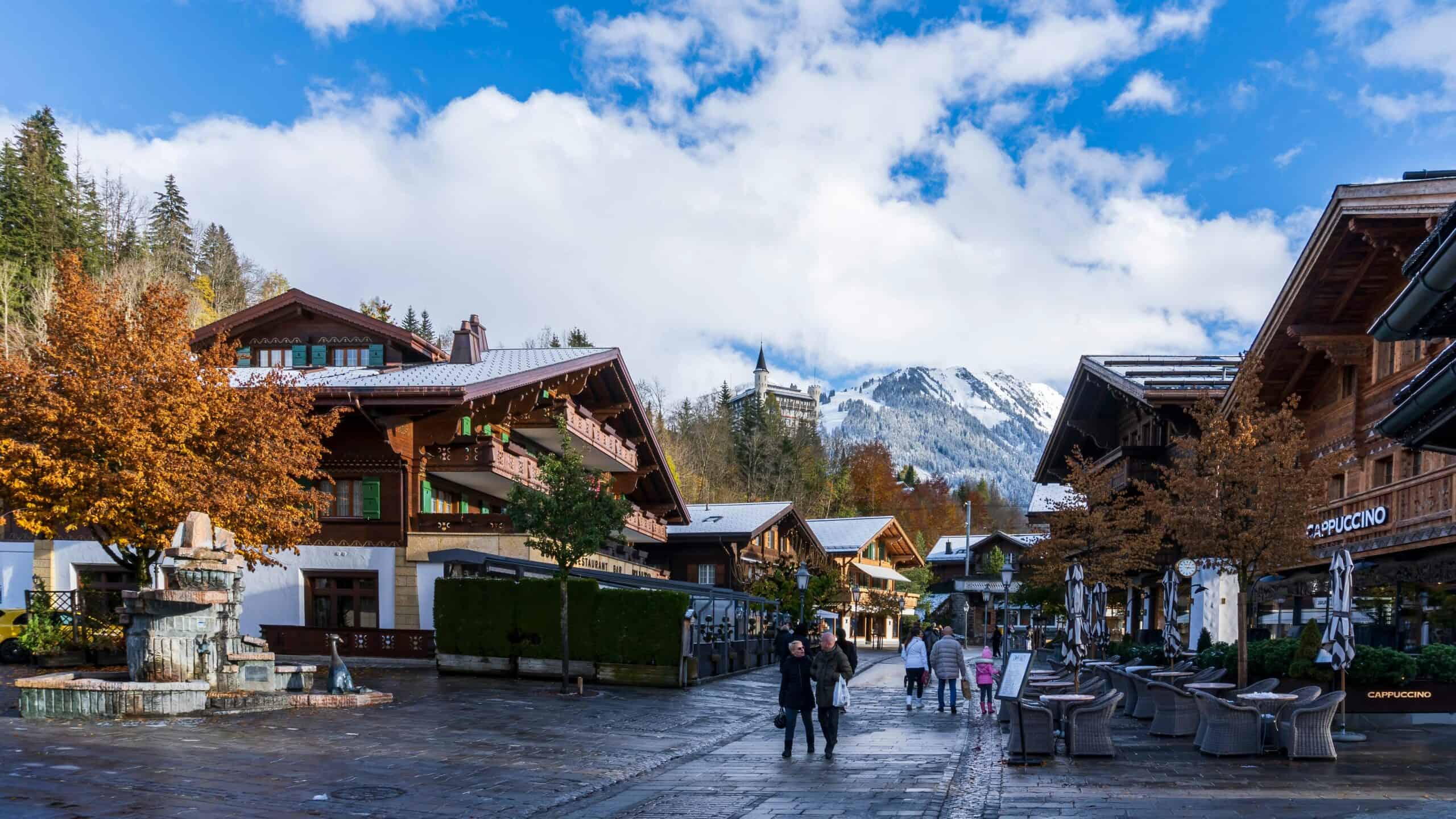
Safety is rarely a single statistic. It is the feeling that public transport works, streets stay predictable after dark, and small problems do not spiral into major stress. In 2026, the countries that rank best for travel safety tend to combine low violent crime, stable institutions, clear civic rules, and reliable emergency systems. They are not risk-free, and no destination is. Still, these places consistently make travel smoother, calmer, and easier to recover when plans shift. The common thread is simple: daily life is organized in ways that protect both residents and visitors.
Iceland
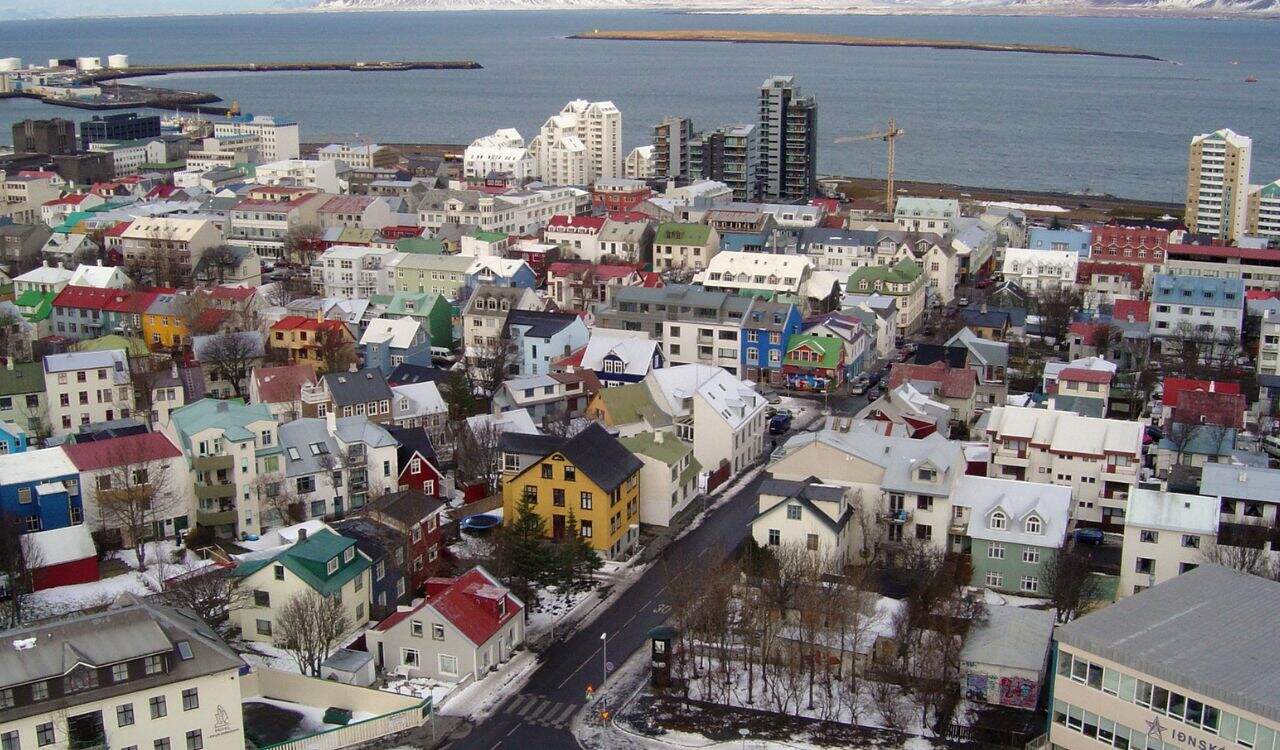
Iceland remains one of the world’s safest destinations, with very low violent crime and strong public trust. What stands out is how calm everyday life feels even in remote areas, where services are still clearly structured and information is easy to follow. Most real risk comes from nature, not people: sudden weather changes, strong coastal waves, winter roads, and volcanic conditions. Travelers who respect alerts and route guidance usually find the country remarkably stable, with a safety culture built on preparation, transparency, and practical decision-making rather than fear or heavy-policing.
New Zealand
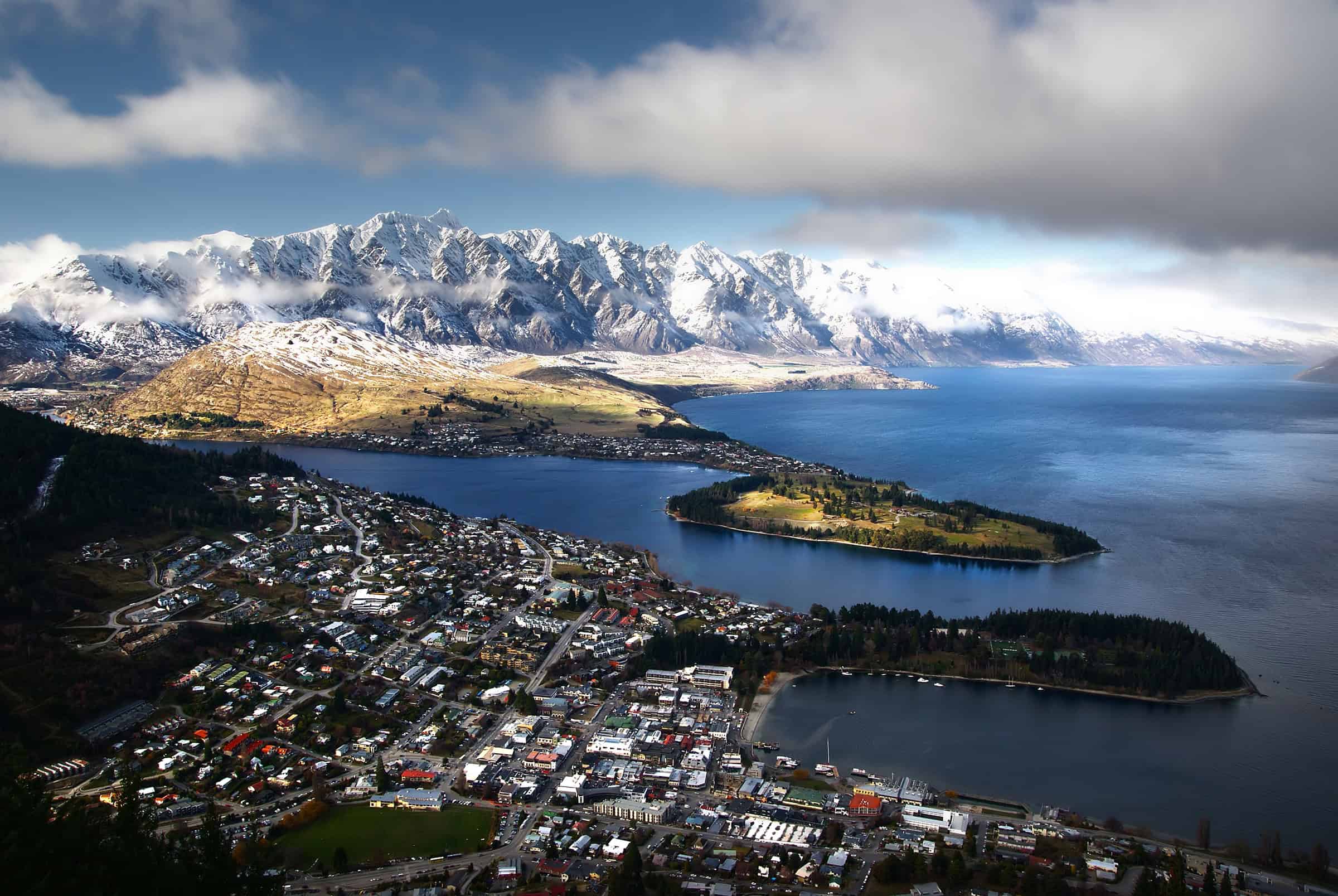
New Zealand consistently ranks near the top for peace and public safety, and that reputation holds up in daily travel. Cities feel orderly, local communication is straightforward, and support systems are accessible when plans go wrong. The biggest hazards are environmental, including alpine weather swings, surf conditions, and long rural drives that demand focus. That makes safety here less about avoiding urban threat and more about respecting terrain and timing. With sensible planning, the trip rhythm stays smooth, and the country feels like a place where caution and freedom can comfortably coexist.
Switzerland
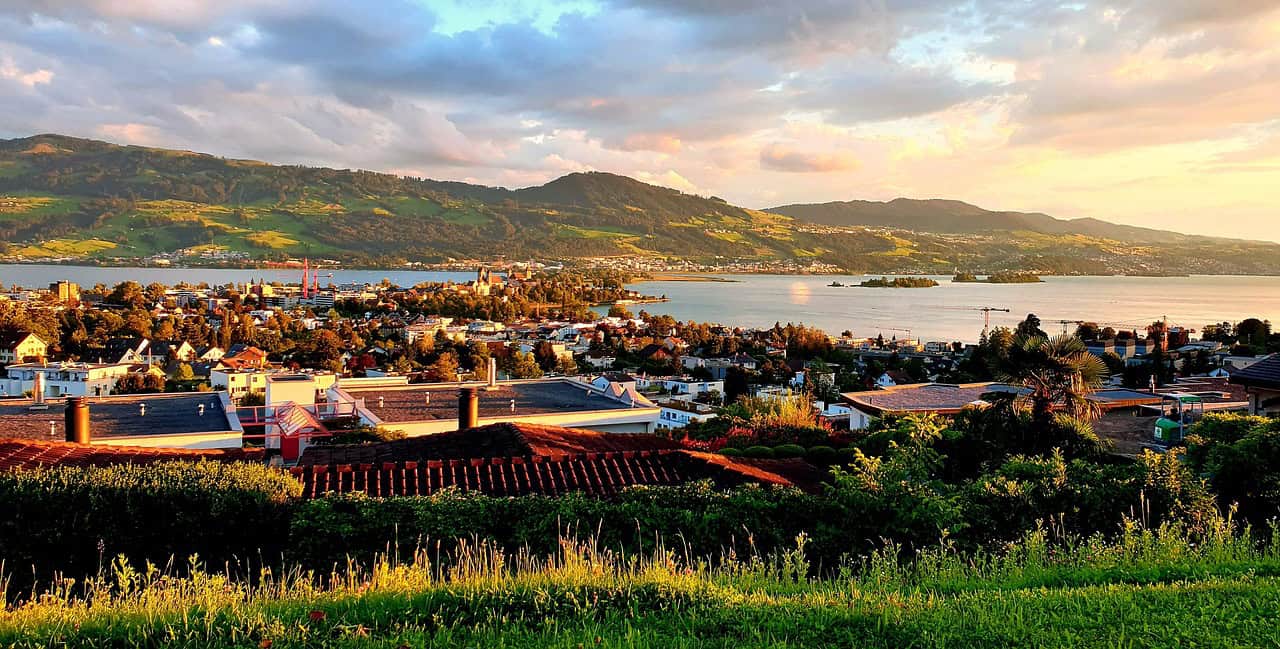
Switzerland feels safe in a practical, predictable way. Transport is punctual, streets are well managed, and public spaces are designed to reduce friction rather than create confusion. Crime exists, as it does everywhere, but violent incidents affecting travelers are relatively uncommon compared with many global hubs. Most disruptions come from weather and mountain conditions, especially during winter travel or shoulder-season hikes. What makes the country stand out is system reliability: when something changes, alternatives are clear. That reliability lowers stress and gives travelers more energy for the experience itself.
Denmark
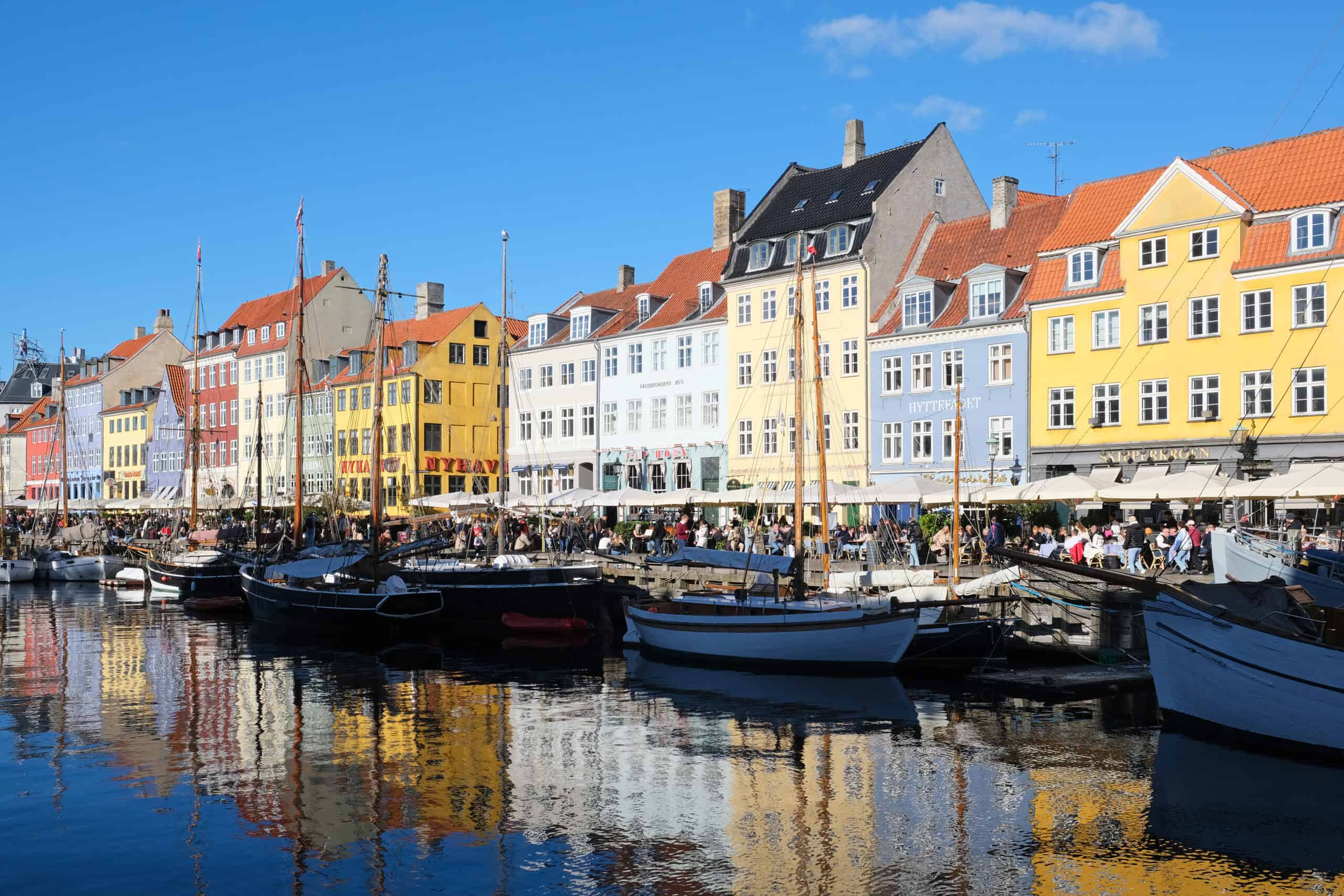
Denmark combines strong social trust, low serious crime, and urban planning that supports safe movement day and night. Copenhagen in particular is built for people, with bike infrastructure, excellent lighting, and public transit that makes late returns feel manageable. Petty theft can still happen in crowded areas, especially in peak season, but the overall risk profile remains low by international standards. The deeper advantage is cultural: civic norms reward respect for shared space, and that social consistency often gives visitors a calm baseline from arrival to departure.
Singapore
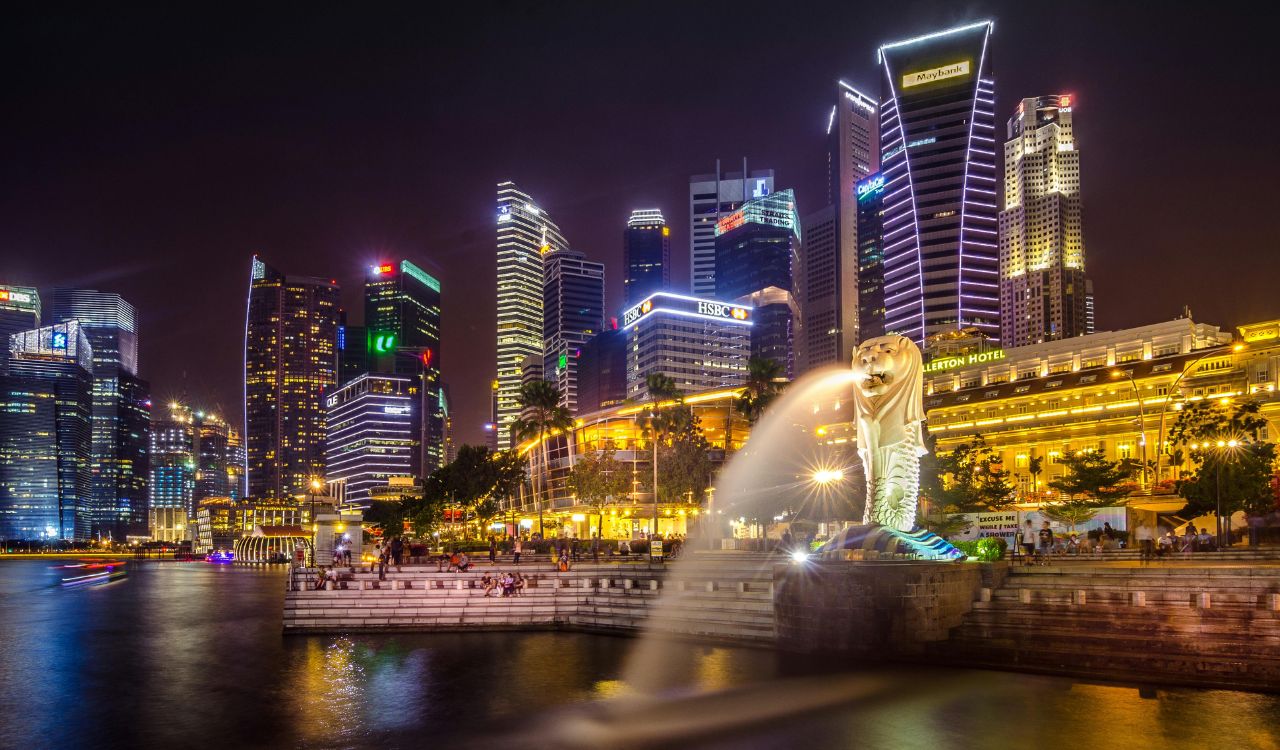
Singapore is one of the safest places to travel in Asia, and much of that comes from strict enforcement, clean infrastructure, and clear public rules. Streets, transit hubs, and neighborhoods are highly monitored and generally orderly, which keeps violent crime low and everyday movement straightforward. The trade-off is legal sensitivity: behavior that feels minor elsewhere can bring penalties. For travelers who read local rules and stay mindful in public settings, the city-state offers an unusually stable environment where logistics are smooth, services are efficient, and personal security is rarely a constant concern.
Japan
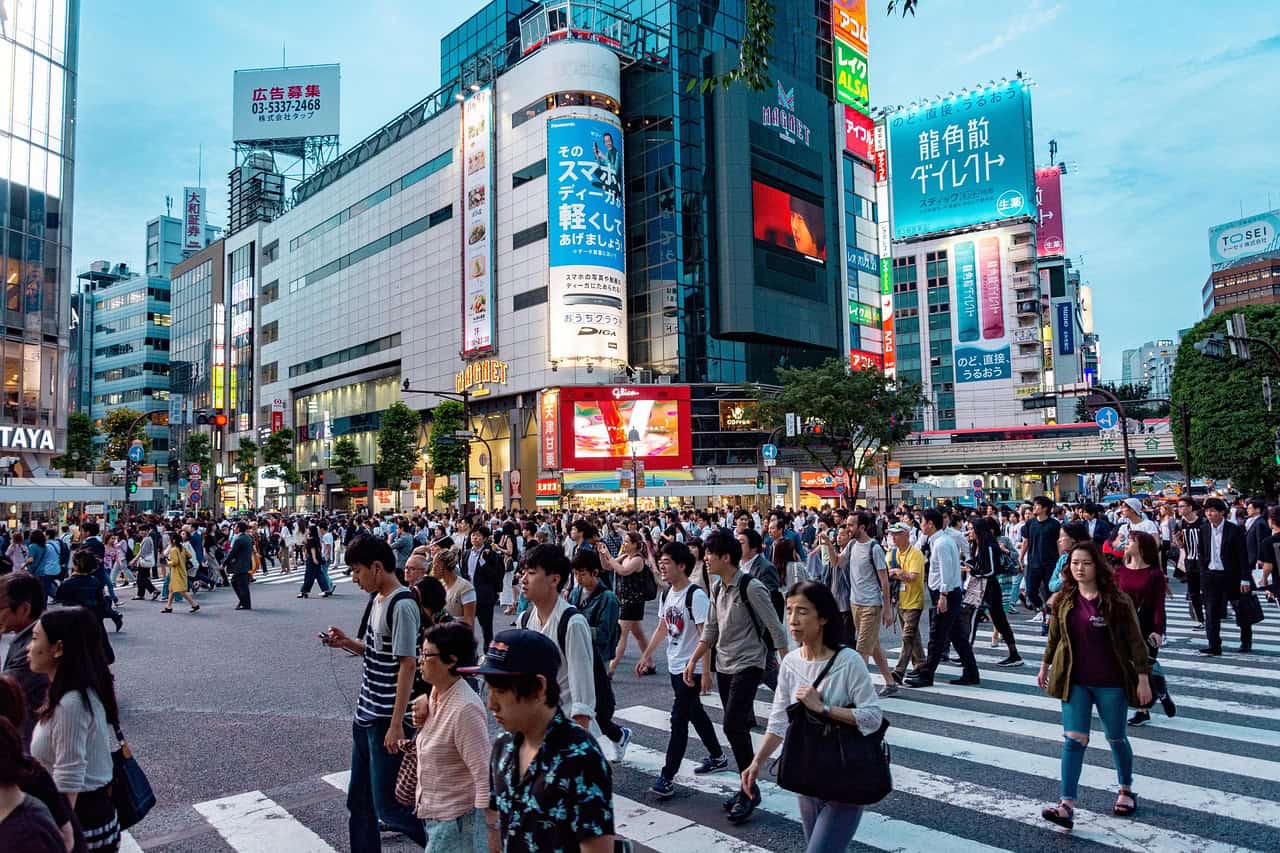
Japan has long been viewed as a high-safety destination, and it still earns that reputation through low violent crime, strong social norms, and dependable public systems. Even in dense cities, public behavior tends to be orderly, which reduces the day-to-day tension many travelers feel in unfamiliar places. Risks are usually situational, including natural hazards such as earthquakes or typhoons, plus occasional petty theft in crowded districts. The key strength is consistency: clear signage, reliable transit, and predictable civic behavior make the entire travel flow feel legible and controlled.
Netherlands
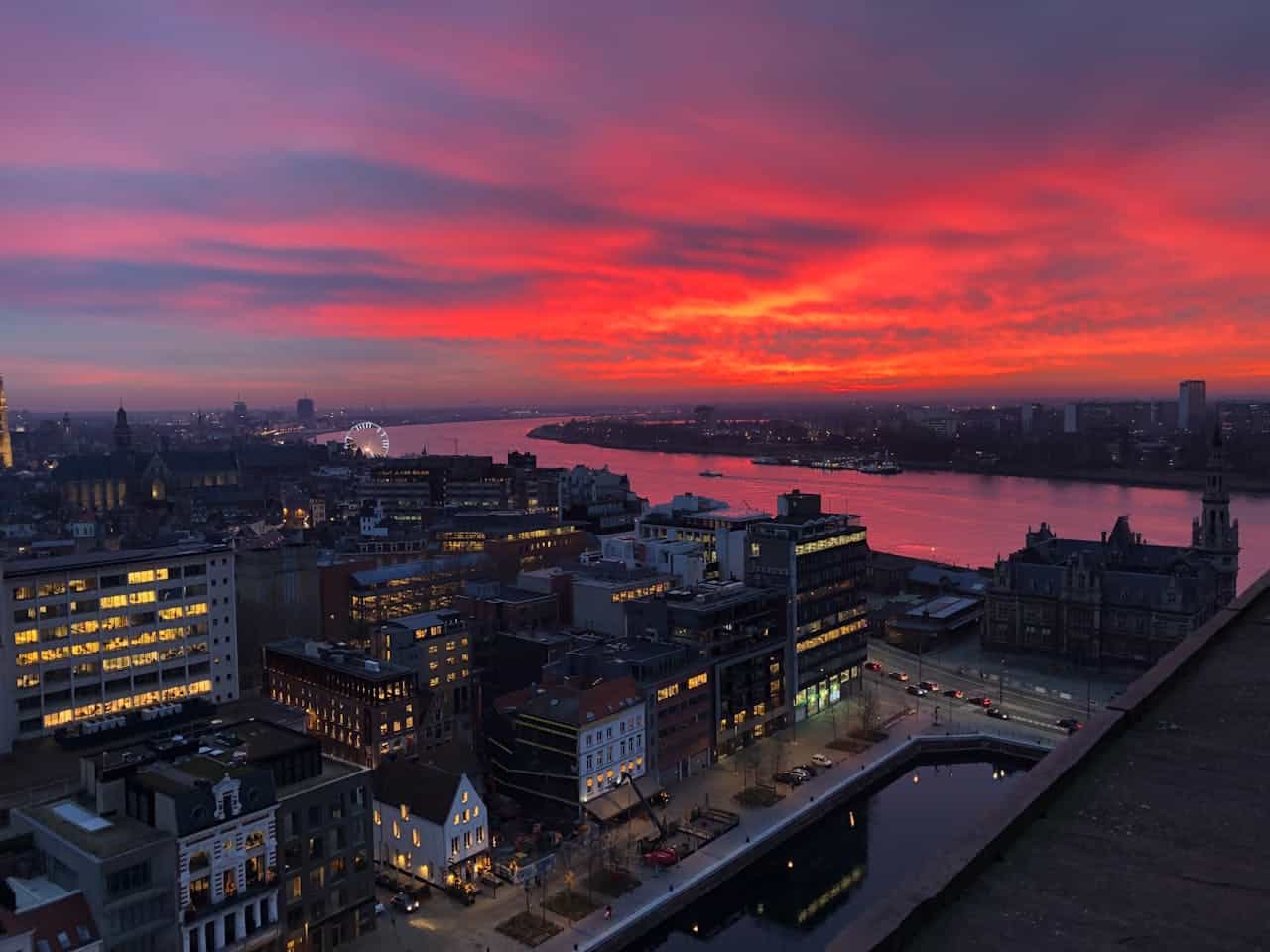
The Netherlands pairs strong public infrastructure with a generally low-threat urban environment, which is why it appears often in modern safety rankings. Dutch cities are busy but navigable, with well-lit streets, reliable trains, and clear public information that helps visitors adapt quickly. Like other major destinations, pickpocketing can occur in high-traffic tourist zones, especially around stations and nightlife corridors. Yet serious safety concerns are uncommon for most travelers who use normal city awareness. The overall experience feels efficient, social, and stable rather than defensive or tense.
Canada
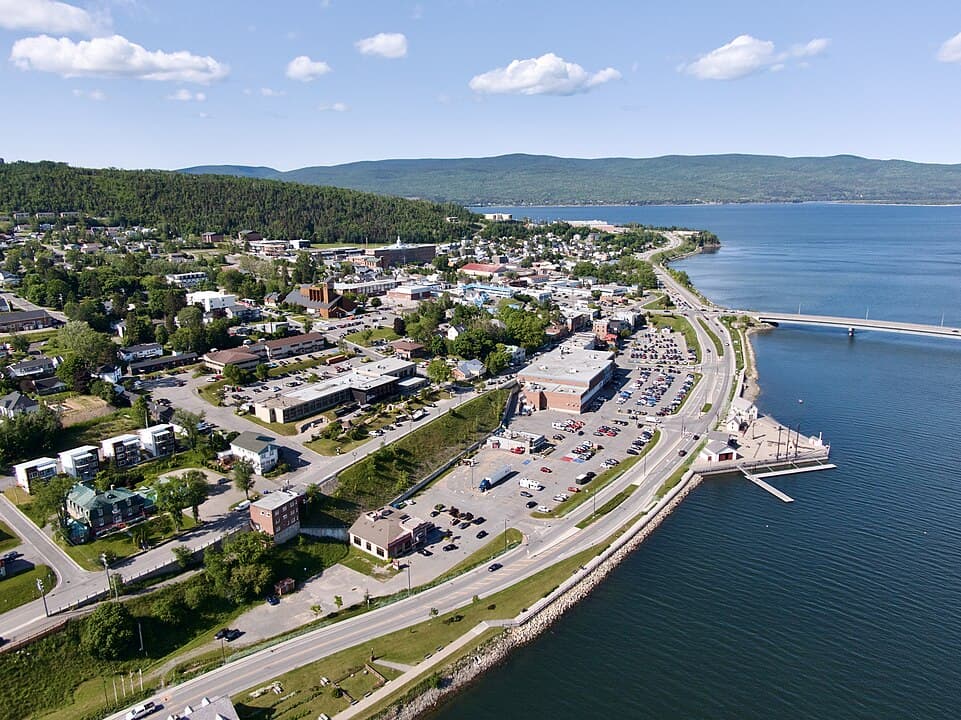
Canada remains a dependable choice for safe travel, with stable institutions, strong emergency services, and cities that are usually easy to navigate. Safety conditions vary by neighborhood and region, especially in very large urban centers, but violent risk for typical visitors is comparatively low in most mainstream travel routes. Weather and distance are often the bigger challenges, from winter storms to long intercity drives that require realistic timing. What makes Canada reassuring is the combination of civility and infrastructure: help is accessible, systems are clear, and disruptions are usually manageable.
Ireland
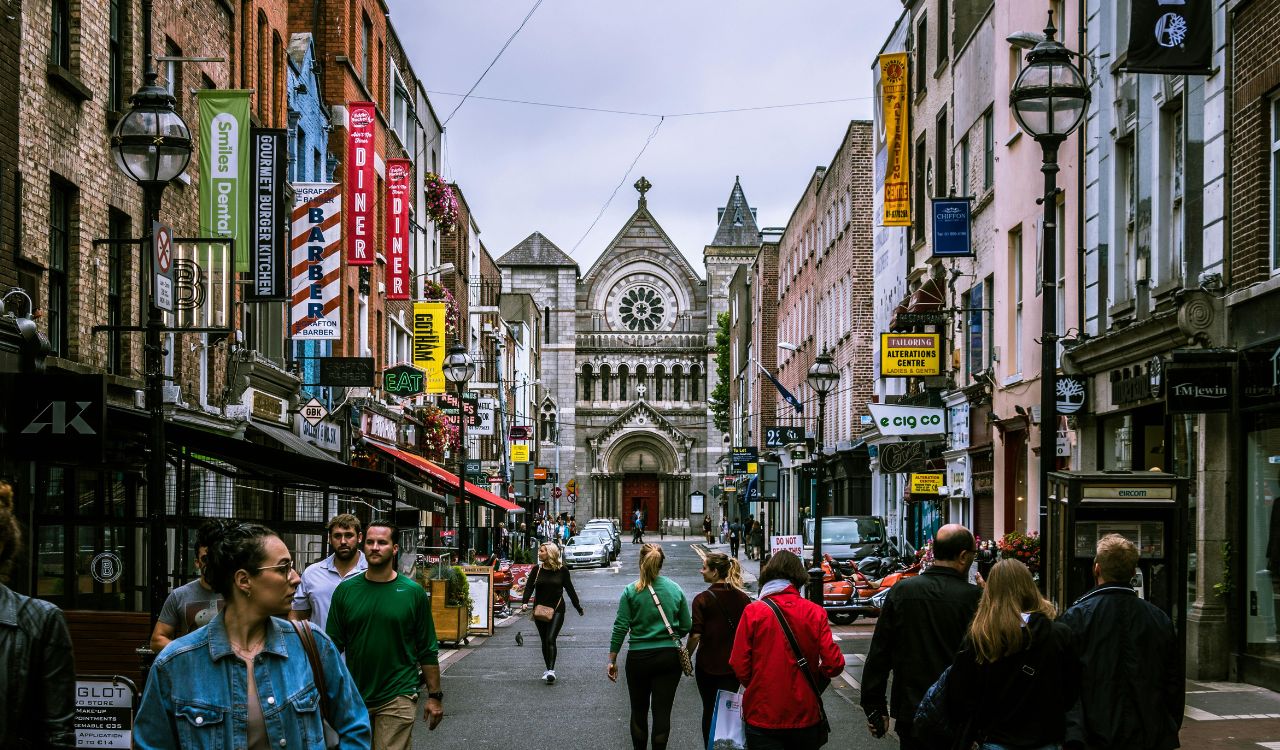
Ireland combines a high level of social trust with an approachable travel culture, and that mix creates a strong safety profile for most visitors. Urban caution still matters, especially in crowded nightlife areas, but violent threats to tourists are not the dominant travel story. Practical challenges are more likely to involve weather, rural road conditions, or timing around peak-season traffic. Across both cities and smaller towns, communication is usually clear and public interactions feel grounded and respectful. The result is a destination where people can stay alert without feeling constantly on edge.
Austria
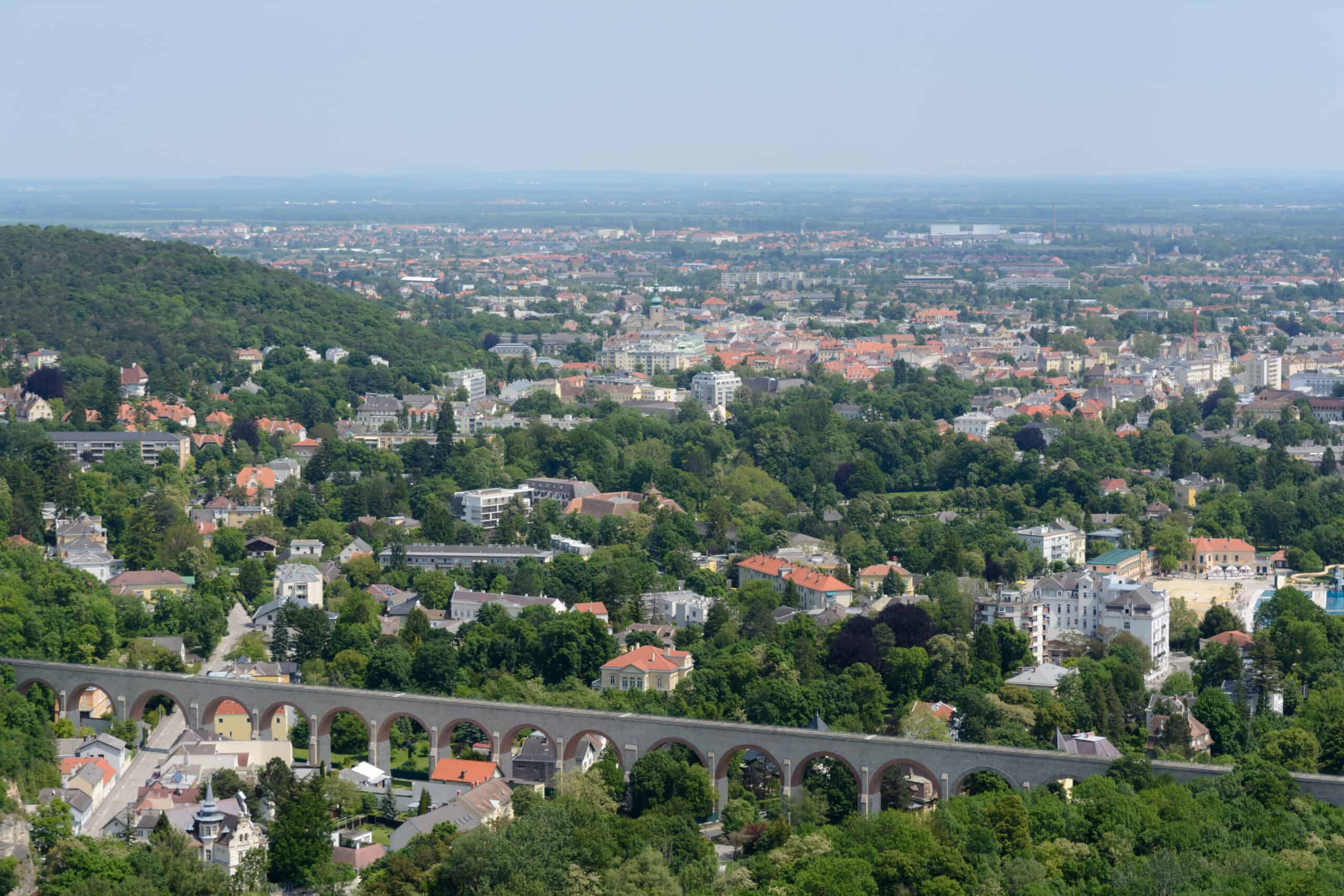
Austria consistently performs well on peace and safety measures, and the lived experience supports the data. Public transit is reliable, city centers are walkable, and local systems are organized in ways that reduce uncertainty. Petty crime can still appear in crowded transport nodes, but overall risk remains moderate to low for most visitors following standard precautions. In alpine regions, weather and trail decisions matter more than street crime, especially outside peak summer months. The country’s core advantage is balance: cultural richness with a steady, predictable safety environment.
Australia
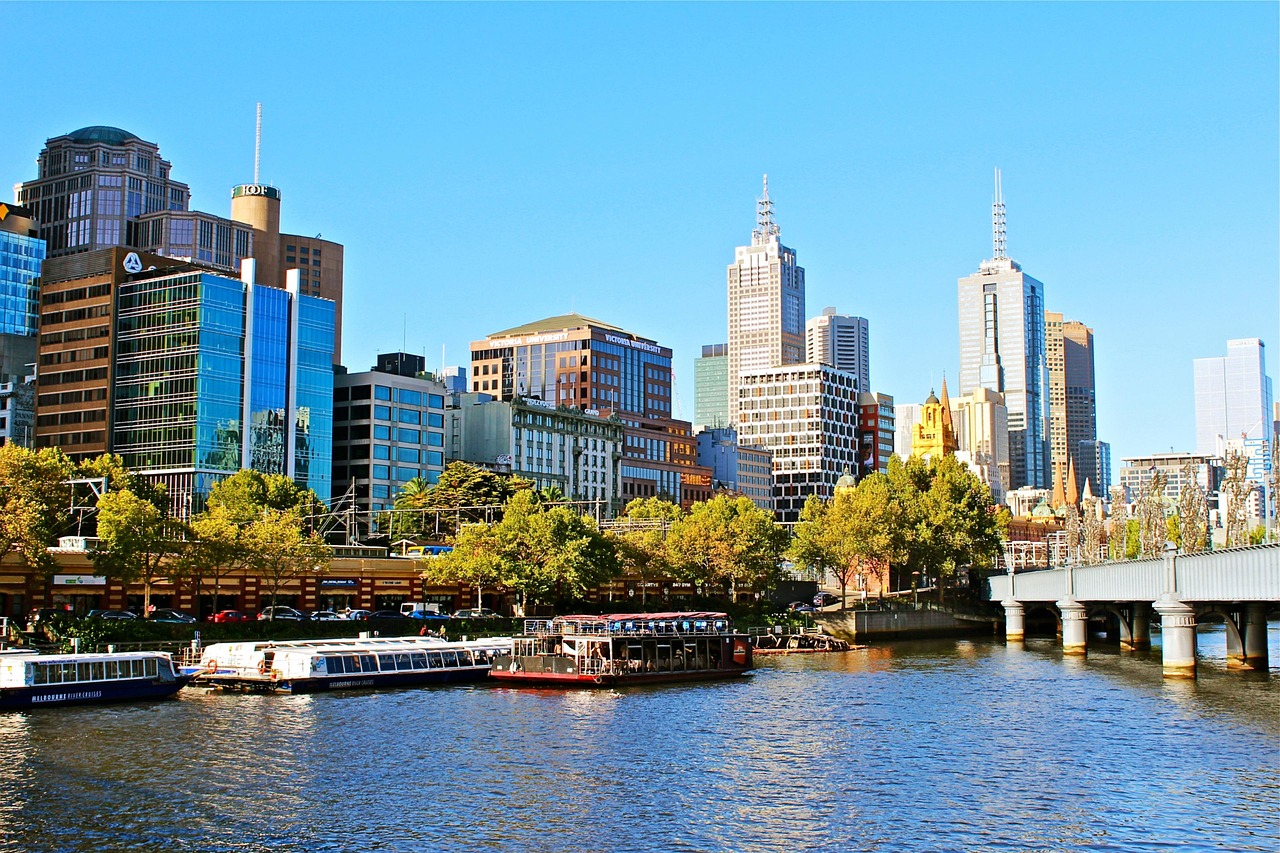
Australia ranks strongly for traveler safety thanks to stable governance, clear public systems, and comparatively low levels of violent crime in everyday travel settings. In major cities, transport and services are straightforward, and public spaces are generally well managed. The primary risks are often environmental, including ocean currents, heat, bushfire conditions, and long-distance driving fatigue in remote areas. Those hazards are real, but widely communicated. Travelers who follow local alerts and route advice typically find Australia calm, practical, and easier to navigate than its scale first suggests.