We may earn money or products from the companies mentioned in this post. This means if you click on the link and purchase the item, I will receive a small commission at no extra cost to you ... you're just helping re-supply our family's travel fund.
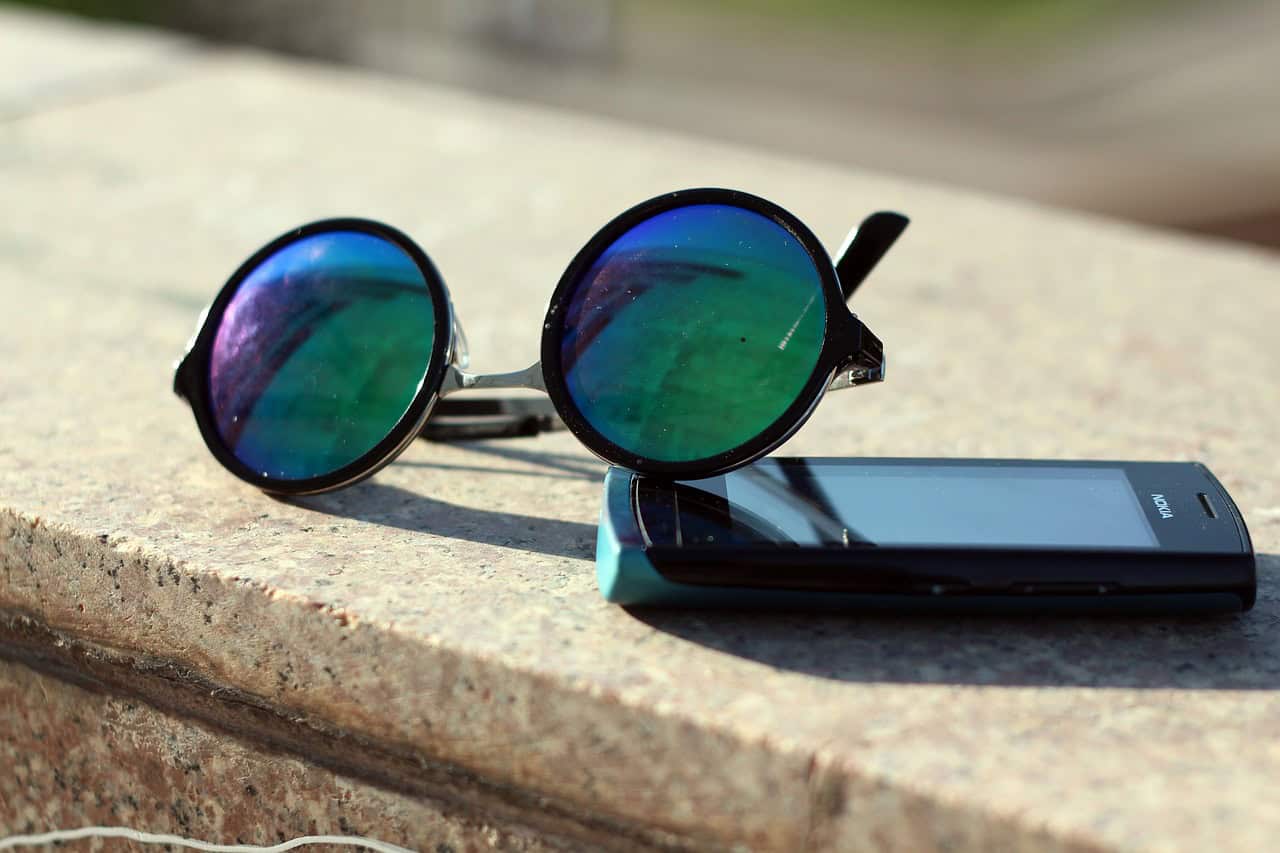
As international borders become more digitized and governments increasingly scrutinize personal devices, travelers are quietly rethinking how they carry technology abroad. The idea of using a low-cost “burner phone” once sounded extreme, yet today thousands of business travelers, journalists, students, and casual vacationers have started carrying stripped-down devices to stay safer. With more than 4.9 billion global mobile internet users and rising cybersecurity incidents every year, phones have become as vulnerable as passports. The big question remains: is this shift an overreaction driven by fear, or simply a sensible evolution of modern travel security?
1. Why Travelers Are Suddenly Considering Burner Phones
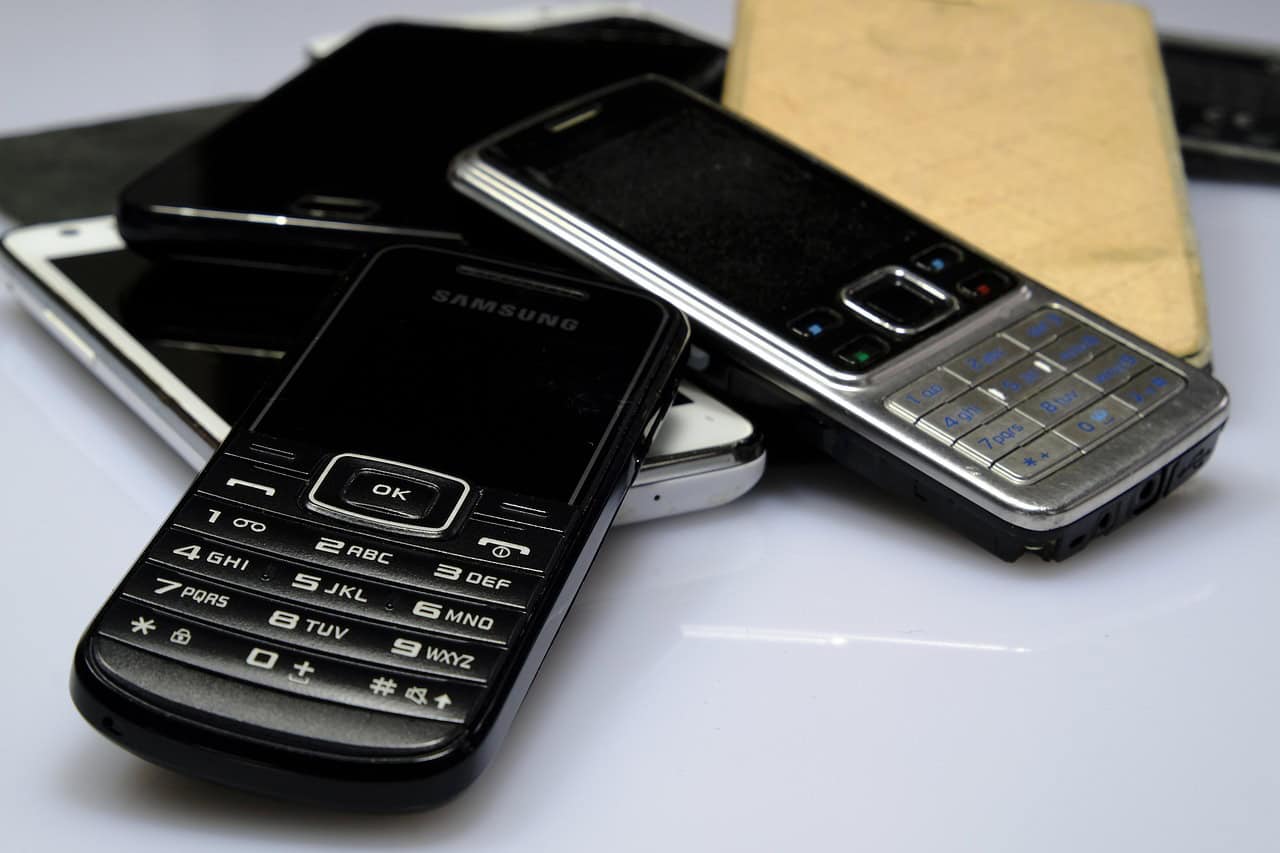
The surge in burner phone use is tied to how much private life sits inside a modern smartphone. A typical device stores more than 25–40 apps, years of photos, financial records, personal chats, and sometimes biometric data. In several countries, border officers reviewed about 100,000+ devices annually in the past decade, sometimes copying data or demanding passwords. Many travelers now feel that losing such a dense bundle of personal history is riskier than losing luggage. A simple travel-only phone dramatically shrinks what can be exposed if anything goes wrong.
2. Privacy Laws and Border Searches Aren’t the Same Everywhere
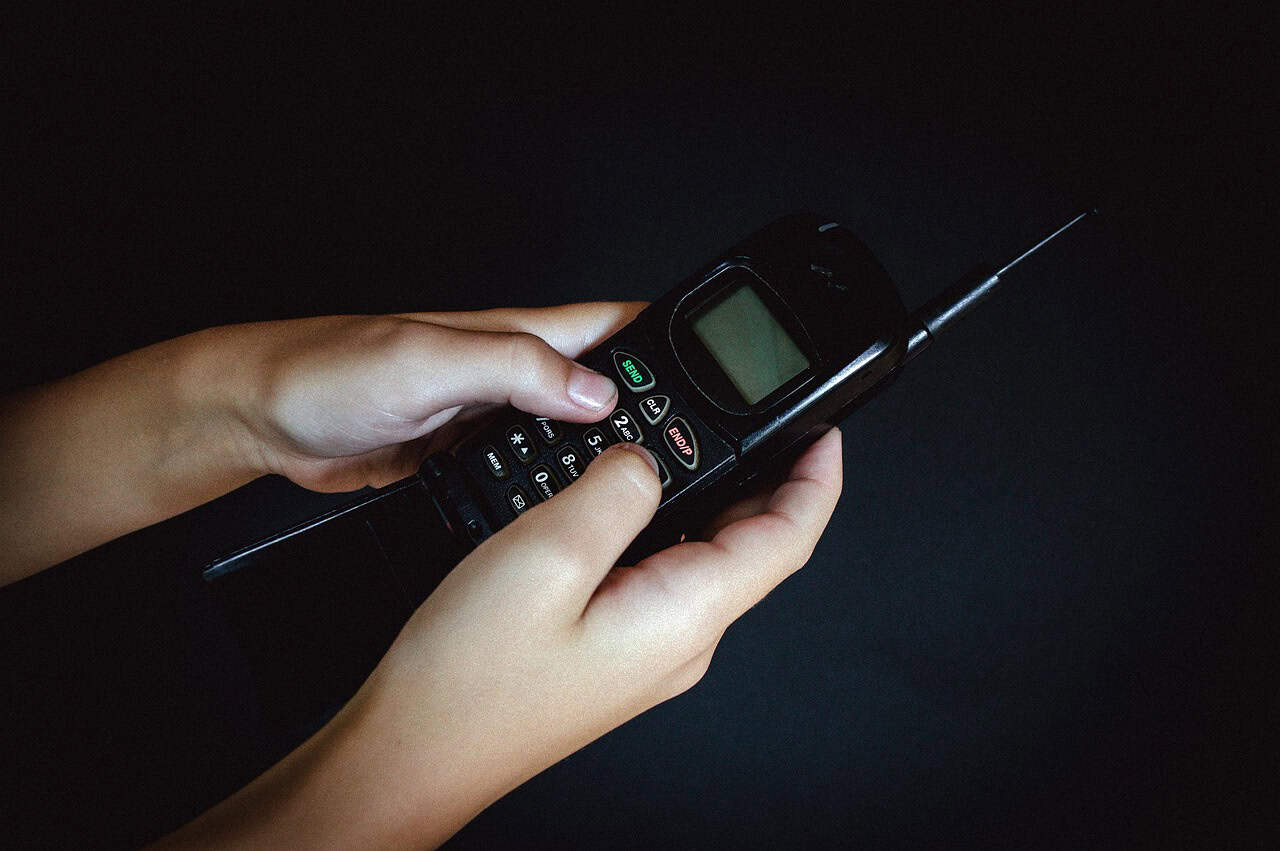
While some regions have strong digital privacy protections, others legally allow authorities to inspect phones, install monitoring tools, or even hold devices for 48 to 90 hours during “security checks.” In certain airports, reports noted over 30% increases in digital screening compared to five years ago. Travelers carrying sensitive work documents, legal information, or private communications face greater exposure. That uncertainty makes many rethink carrying their digital life across borders, especially when even compliant travelers can face sudden device scrutiny without clear warning.
3. Cybersecurity Threats Abroad Are Real, Not Imagined

Beyond government inspection, cybercrime plays a huge role in the burner phone trend. Public Wi-Fi in airports, hotels, or cafés can expose users to malware, phishing, and malicious network snooping. Global cybersecurity bodies recorded millions of mobile-focused attacks yearly, and some tourism hotspots reported 20–40% rises in digital fraud cases targeting visitors. From SIM-swap scams to spyware hidden in free apps, a temporary phone limits the damage. If it is compromised, only a minimal slice of data is affected rather than years of personal, financial, and professional history.
4. Practical Everyday Benefits Travelers Don’t Expect
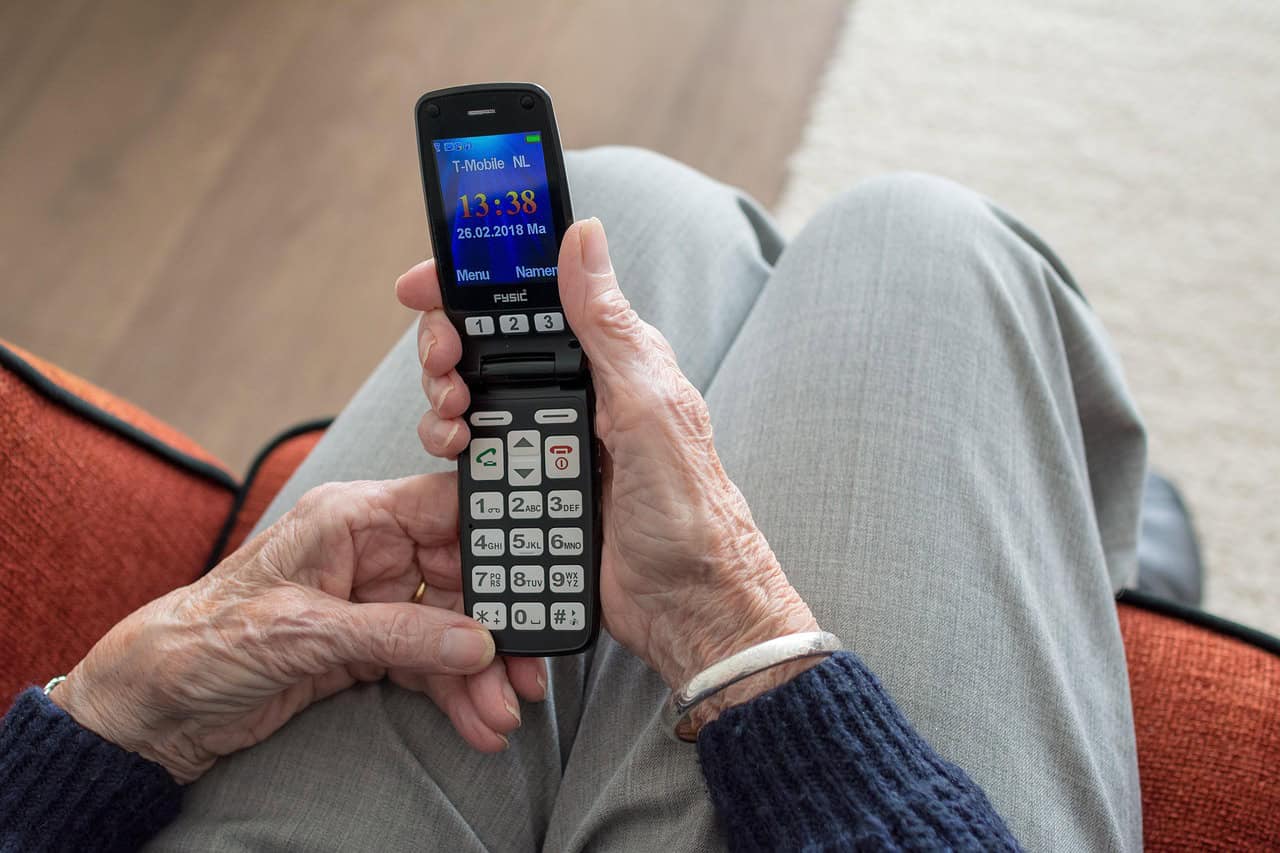
For many travelers, a burner phone turns out to be useful beyond privacy. Using a local SIM or eSIM helps avoid roaming charges that can climb beyond $10–$20 per day, while also protecting their real number from spam, leaks, and databases. A travel-only device usually carries just 6 to 10 essential apps such as maps, ride-sharing, airline tools, and messaging. If it is stolen, damaged, or confiscated, the financial loss is small compared to losing a flagship phone worth $800 to $1,500along with countless personal memories stored inside it.
5. When a Burner Phone May Be Unnecessary or Overkill
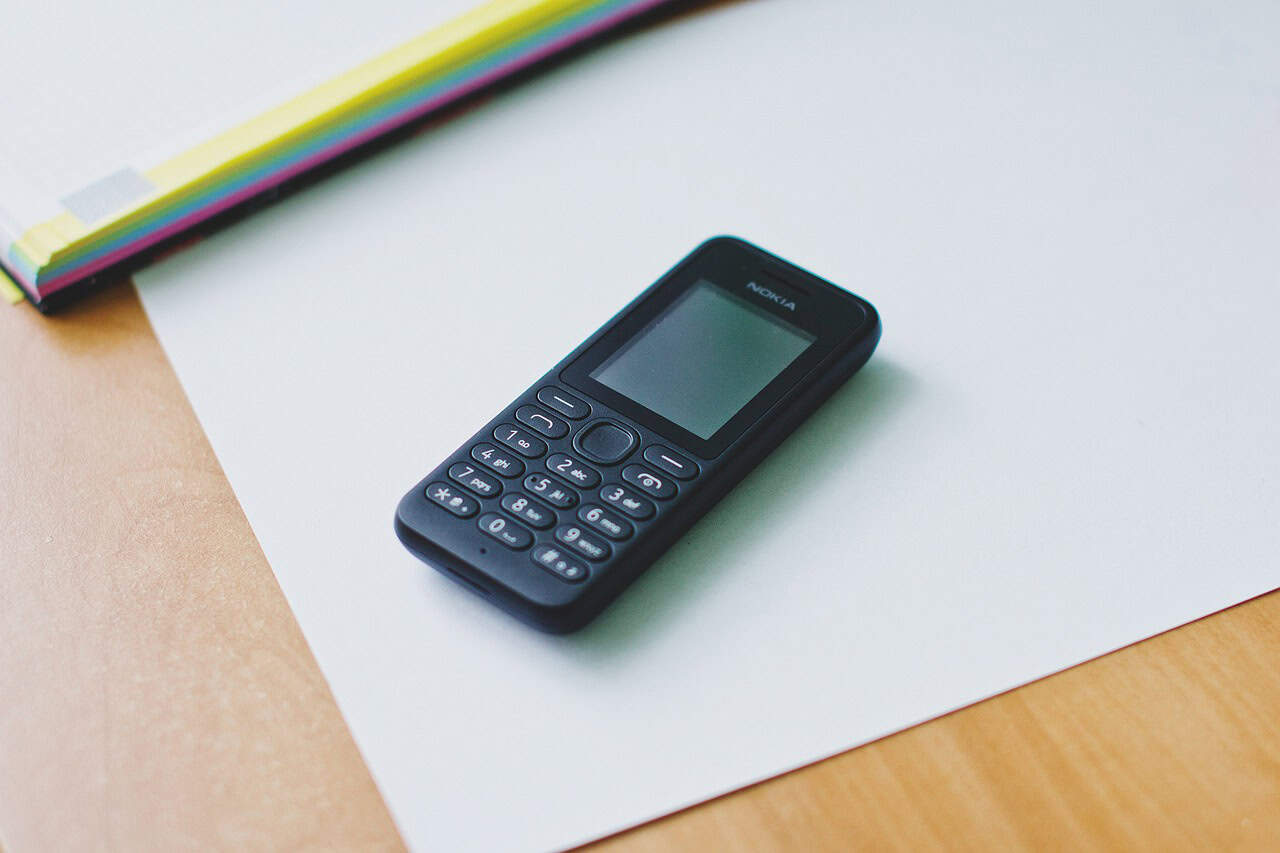
Not everyone needs to carry a burner phone, and in many regions it can feel excessive. If someone is visiting countries with strong privacy laws, uses secure devices, keeps software updated, and practices good habits like strong passwords, encryption, and limited permissions, the risk remains far lower. Most leisure travelers never experience device searches, and millions pass borders yearly without issues. For them, adjusting basic settings, disabling unnecessary sharing, and avoiding suspicious connections can provide 80–90% of the practical protection they realistically need.
6. A Balanced Approach: Smart Preparation Over Fear
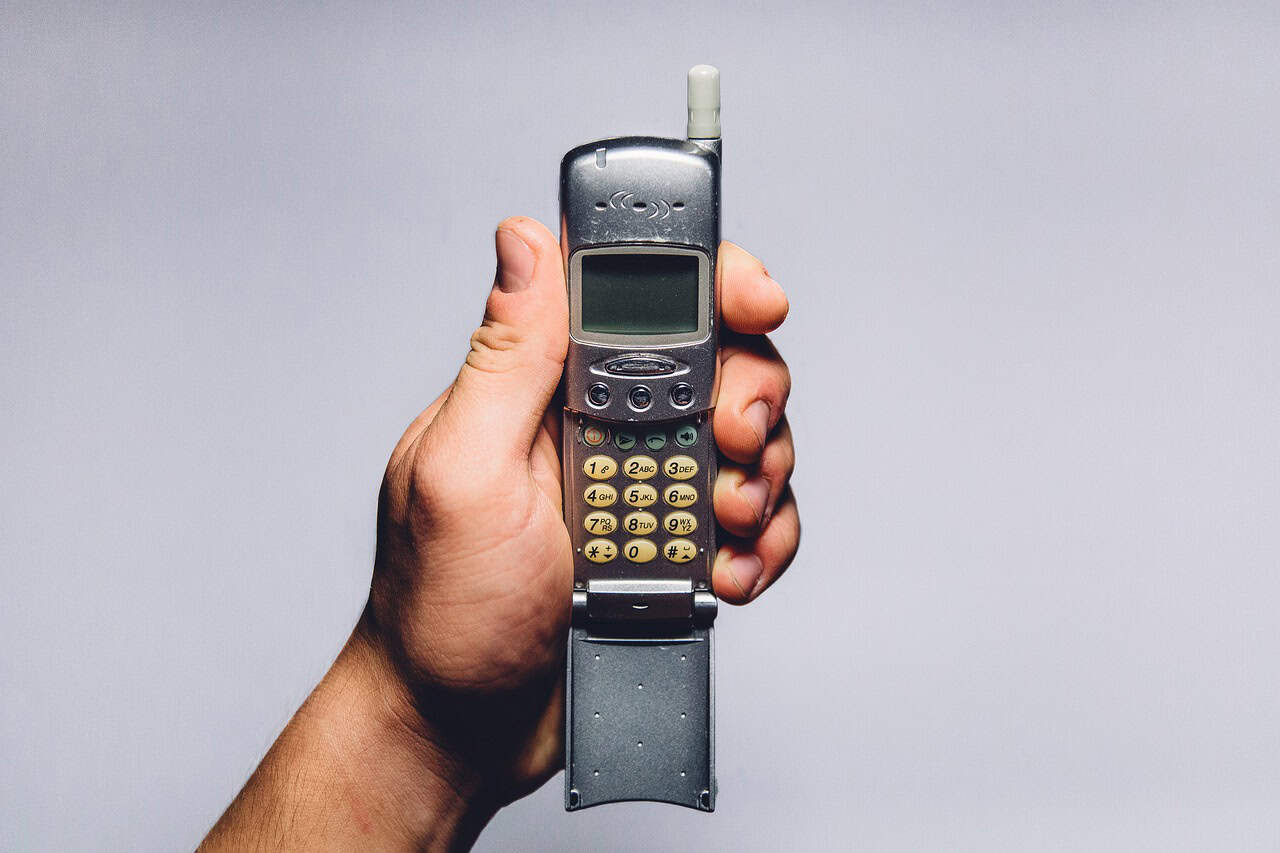
The truth sits between paranoia and prudence. A burner phone is best seen as risk management, especially for travelers dealing with sensitive work, journalism, activism, high-value business data, or visiting places known for aggressive digital inspection. Many people now adopt a middle path: temporary accounts, travel-only backups, reduced apps, and secure authentication while keeping their main phone safer. In an era where more than 60% of daily life runs through our phones, protecting digital identity has become as important as guarding passports, wallets, and personal documents when crossing borders.