We may earn money or products from the companies mentioned in this post. This means if you click on the link and purchase the item, I will receive a small commission at no extra cost to you ... you're just helping re-supply our family's travel fund.
Visitor visa delays are rarely caused by one broken step. They grow when demand rises faster than consulates can interview, screen, and return passports, and when policy shifts redirect more people into the same line. After years of catch-up, many posts are stretching again as appointment slots tighten and added review steps slow daily throughput. The State Department’s public wait-time tool reflects that reality: estimates move with workload and staffing, and they can change week to week. What feels like a sudden surge is usually math catching up.
Demand Rebounded Faster Than Appointment Calendars
Demand for U.S. visitor visas has surged again, but appointment calendars are still constrained by how many interviews a post can run per day and how many passports it can hold and return. The State Department’s wait-time page says estimates are driven by workload and staffing and can change week to week, so a consulate can swing from manageable to jammed without warning even when demand feels steady on the street. In India, published B1/B2 waits have varied sharply by city, with New Delhi’s next-available slot stretching toward roughly a year at points in 2025, an example of what happens when demand rebounds faster than capacity.
More Visa Categories Were Pushed Back Into In-Person Interviews

Tourist applicants are not the only people competing for interview chairs, and that shared calendar is a quiet driver of longer waits. In 2025, the State Department narrowed interview-waiver eligibility for most nonimmigrant visas, pushing many renewals and age-based exemptions back into face-to-face interviews and swelling the same appointment inventory. When students, workers, and exchange visitors re-enter the pipeline at once, visitor visas slow because the daily slot count does not expand, and posts often reserve blocks for time-sensitive categories like student starts, leaving fewer openings for tourism on ordinary weekdays.
Interview Waiver Rules Now Have Tighter Time Windows
Renewals feel simple until the waiver rules snap shut around a narrow set of cases and the applicant is rerouted into the interview queue. Updated State Department guidance keeps waivers for certain full-validity B1/B2 renewals, but only under specific conditions, including a tight window tied to the prior visa’s expiration, and officers can still require an interview if anything looks unclear. Miss the window, have a prior refusal, or fall outside one criterion, and what looked like a drop-off renewal becomes an appointment hunt, which is why some travelers experience a sudden jump from weeks to months.
Some Posts Centralized Dropbox Processing, Creating Local Spikes
Wait times can spike even when the rules on paper do not change, simply because a mission reroutes where the work happens. U.S. Mission India notes that B1/B2 interview-waiver appointments were consolidated in New Delhi beginning in March 2024, while applicants can still submit documents elsewhere, a structure that concentrates scheduling pressure at the hub. When the hub slows, the ripple hits the entire waiver lane, and applicants feel it as a nationwide delay, not a localized backlog, because the choke point sits in one city’s calendar and the queue has nowhere else to drain.
Extra Screening Adds Minutes To Every Case, Then Turns Into Months
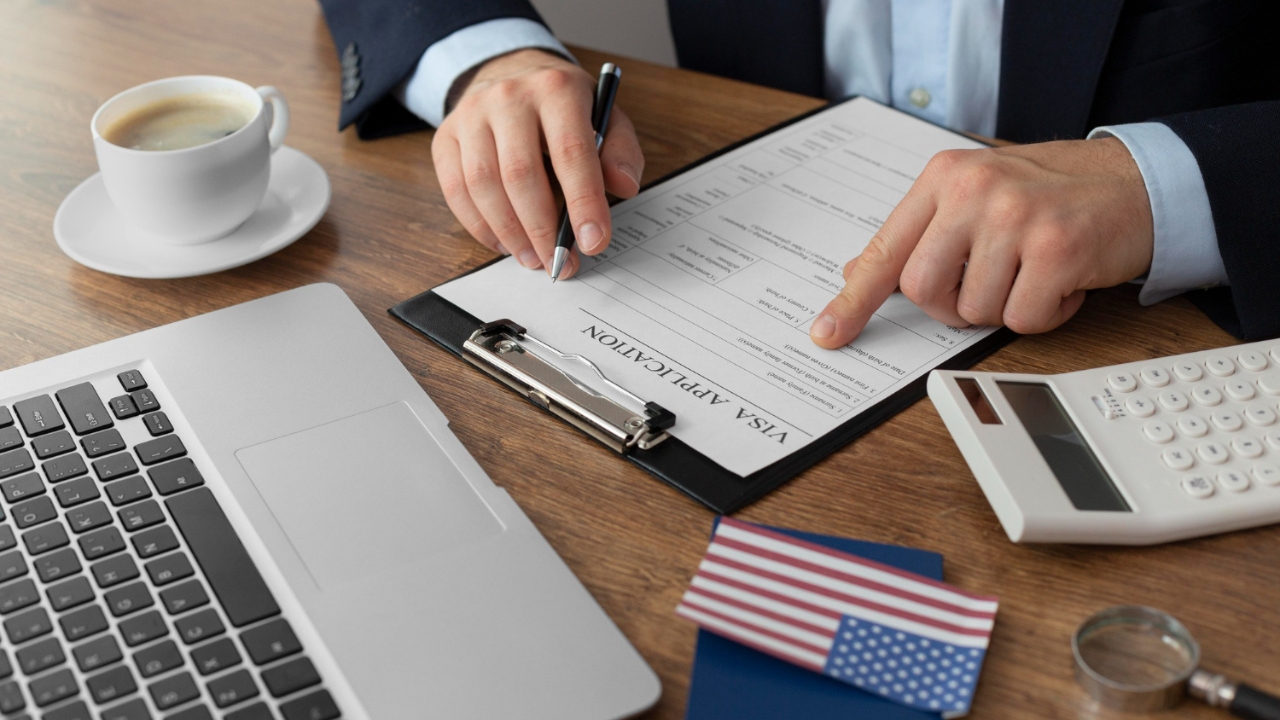
Throughput matters as much as demand, and extra screening reduces throughput fast because it adds time to every case, not just the complicated ones. Late-2025 reporting described the State Department acknowledging long appointment delays at some posts while enhanced screening procedures roll out, and legal advisories warned that new review steps have led to cancellations and rescheduling at certain consulates. Add a few minutes of checks per applicant, multiply it across thousands, and the day produces fewer interviews, which is how a policy shift becomes an eight-to-12-month backlog in high-volume markets.
Administrative Processing Is The Invisible Second Wait

The interview is only one gate, and many applicants discover a second, quieter wait after it, when a case is routed into administrative processing. The State Department says published processing time frames do not include administrative processing, and they also exclude the time required to return passports by courier or local mail, so real timelines can extend well beyond what the appointment tool suggests. That gap explains why two applicants interviewed the same day can receive passports weeks apart, and why travelers sometimes mistake post-interview processing for a lack of appointments.