We may earn money or products from the companies mentioned in this post. This means if you click on the link and purchase the item, I will receive a small commission at no extra cost to you ... you're just helping re-supply our family's travel fund.
Air travel still carries the old promise of freedom, but the modern trip often feels like a long chain of small frictions. What wears people down is rarely one dramatic failure. It is the stacking effect: crowded cabins, tight schedules, weather bottlenecks, fee surprises, and systems that leave little room for recovery when anything slips. The result is a travel experience that feels less forgiving, even when planes are fuller and airlines are still moving millions of people every day.
Demand Came Back Faster Than Breathing Room
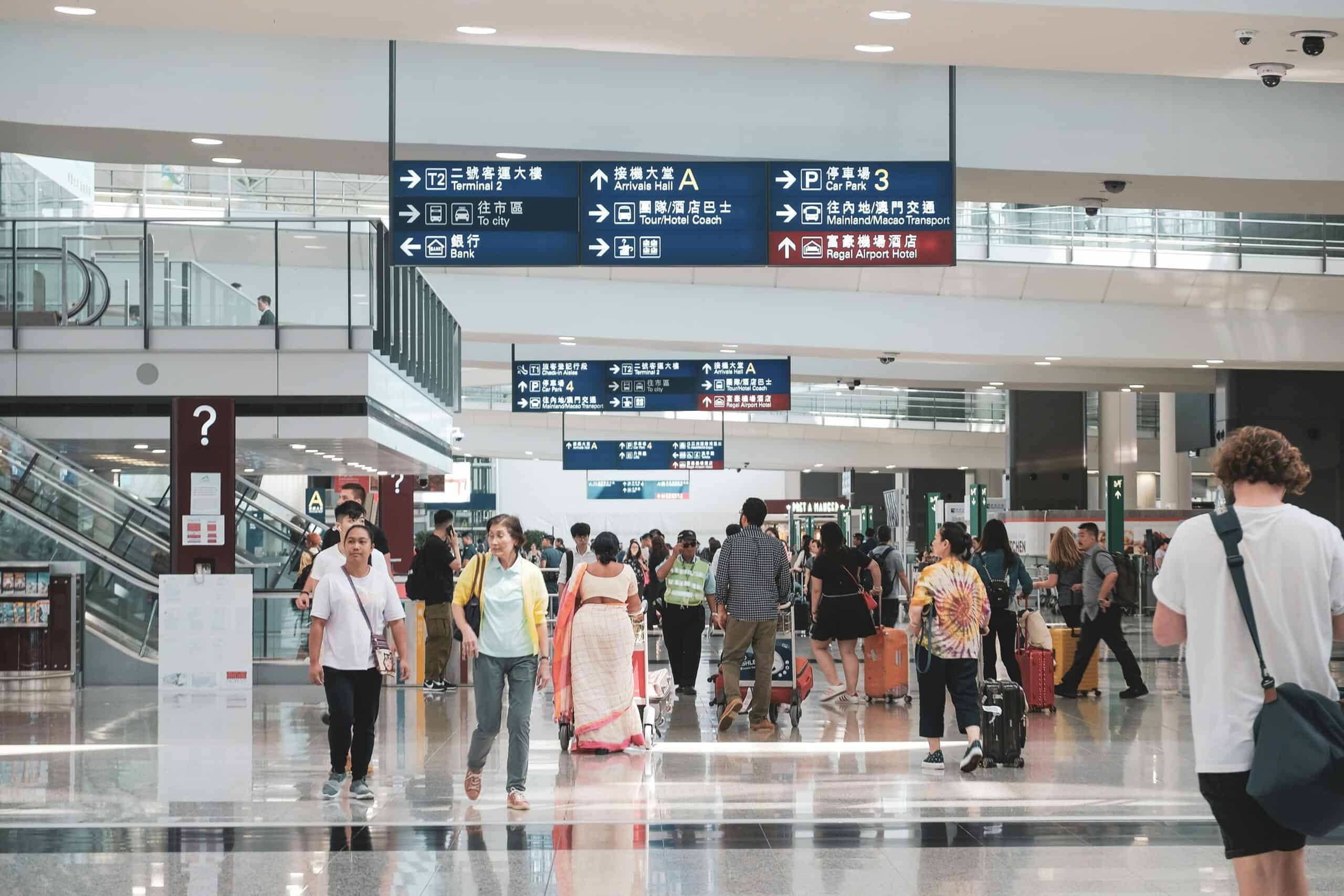
Passenger demand did not just recover, it surged back into a system still short on slack. Reuters reported TSA screened a record 904 million passengers in 2024, and also logged a single day above 3.13 million travelers in late 2025. The FAA has also warned of peak summer days topping 50,000 flights, with delays rising more than 40 percent versus 2022. When traffic climbs that high, even a late inbound aircraft, a gate conflict, or a short ramp stop can ripple outward and stretch a simple itinerary into an all-day grind.
Planes Are Running Full, So Every Problem Feels Bigger
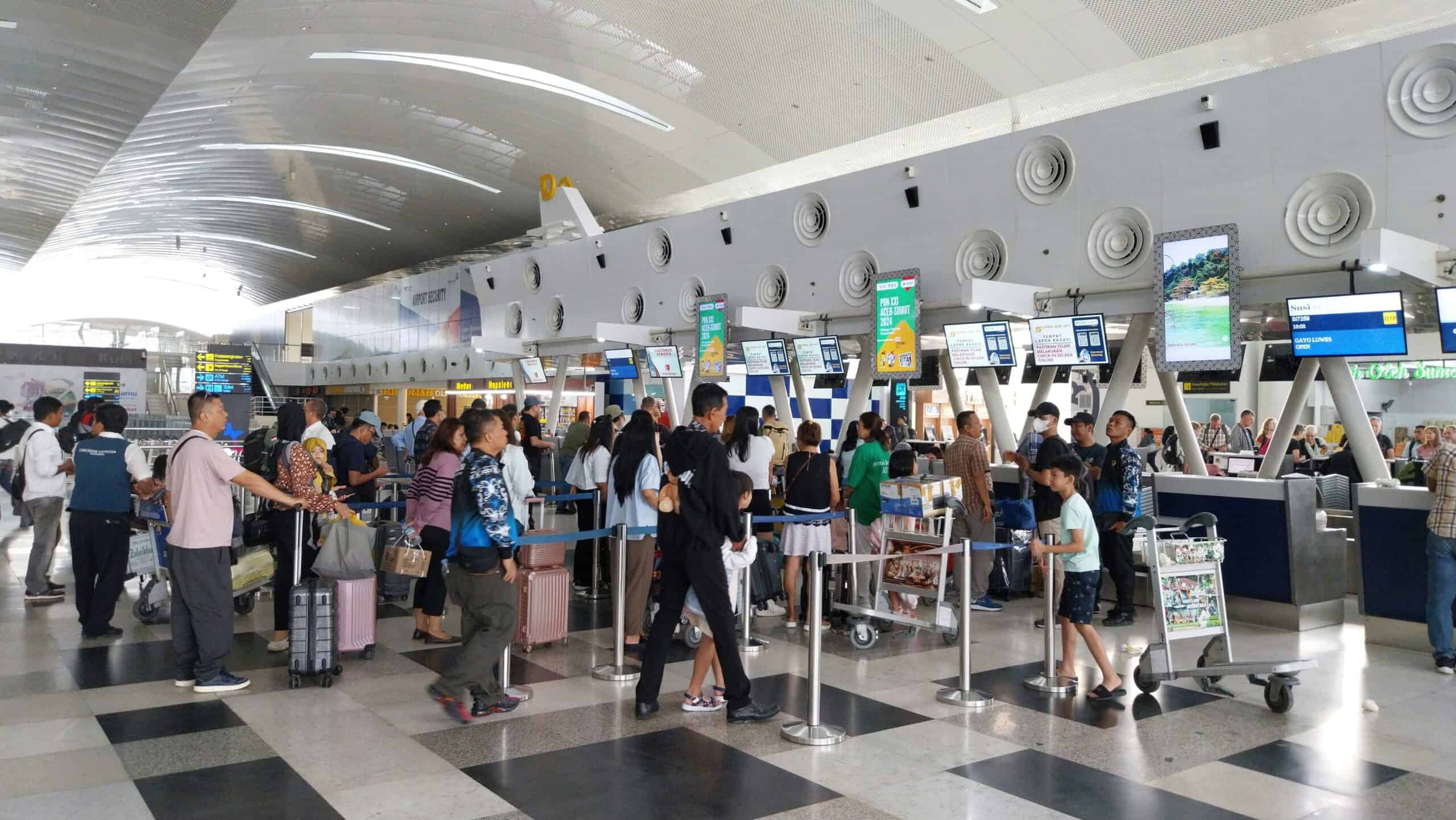
A packed airplane changes the feel of every normal inconvenience. IATA said the global passenger load factor reached a record 83.6 percent in 2025, and airlines were filling more seats while working through aircraft and engine supply constraints. That is efficient on paper, but it means fewer open seats for easy reaccommodation, less flexibility for crews and gate agents, and more pressure on overhead bins. The system still moves, but it feels fragile because there is almost no empty space left to absorb mistakes, missed connections, or last-minute changes.
Weather Still Breaks The Day More Than Anything Else
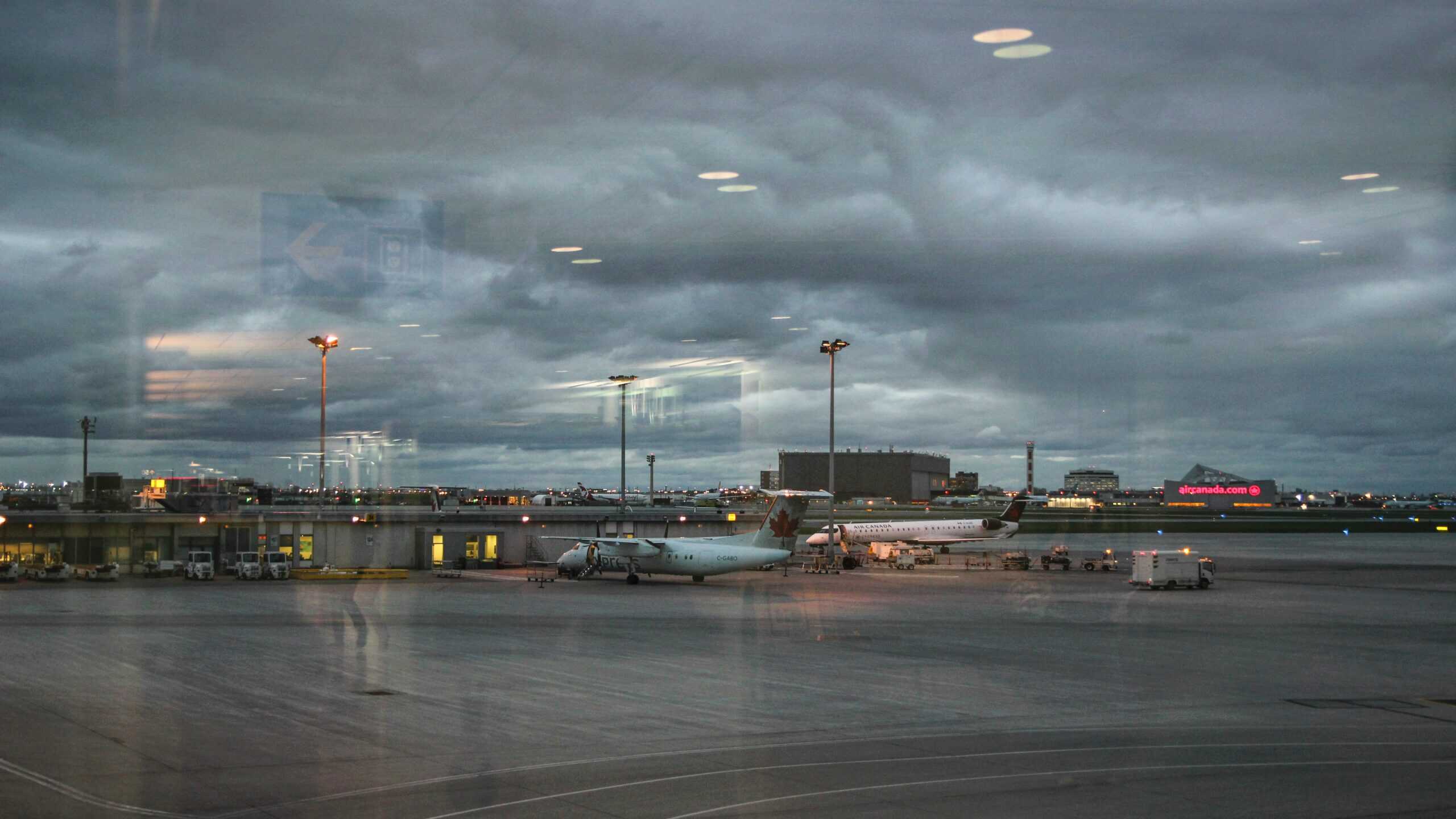
Travelers often blame airlines first, but the FAA’s own delay data points to a wider problem. The agency says weather caused 74.26 percent of system-impacting delays over a six-year period, far ahead of volume, equipment, or runway issues. It also notes the New York area airports lead the country in major weather-related delays, which matters because those hubs connect traffic far beyond the Northeast. One storm line near a major corridor can scramble crews, gates, and connections across multiple regions before many passengers even know what happened.
Staffing Strain Leaves Little Margin For Recovery
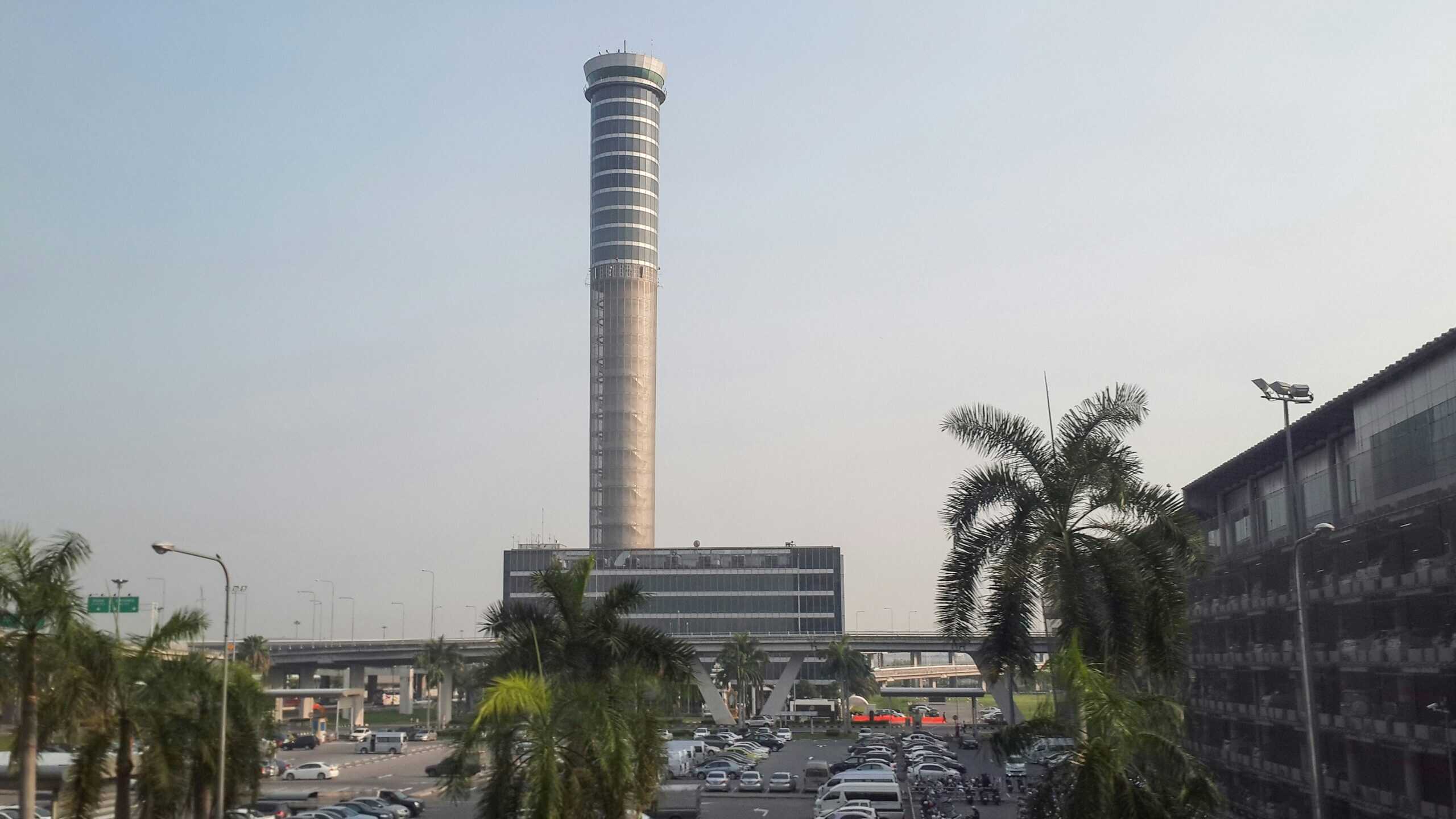
Even when skies are clear, staffing strain can make the network feel brittle. Reuters reported the FAA workforce logged 2.2 million hours of overtime in 2024 at a cost of $200 million, and the National Academies report cited in that coverage said overtime per controller has climbed sharply since 2013. The same reporting described persistent staffing gaps and frequent six-day workweeks in some facilities. That does not guarantee delays on its own, but it leaves far less cushion when traffic surges, weather shifts, or a busy hub starts falling behind in the afternoon bank.
The Fare May Look Cheap, But The Trip Keeps Getting Priced In Pieces
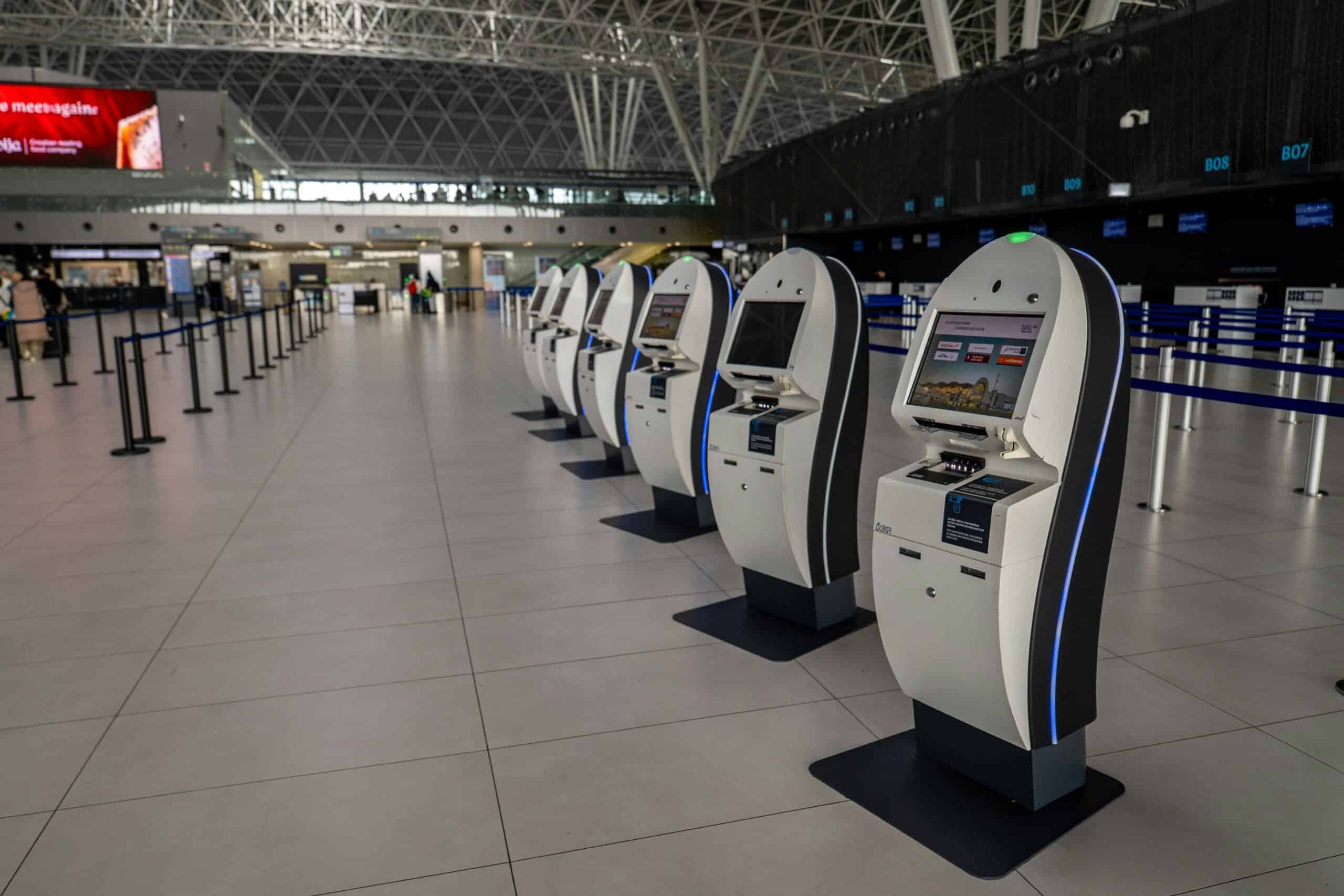
Part of the frustration starts before boarding. Airlines have gotten better at slicing the trip into separate charges, so a cheap headline fare often grows after seat selection, checked bags, and other add-ons. Reuters reported U.S. airlines collected $7.3 billion in baggage fees in 2024, up from $7.1 billion in 2023, and DOT has said new consumer rules will save passengers more than half a billion dollars a year in surprise fees. Many travelers are not only paying more in the end, they are also doing more calculations and second-guessing long before reaching the gate.
Better Rules Help, But They Also Expose A Hard Truth
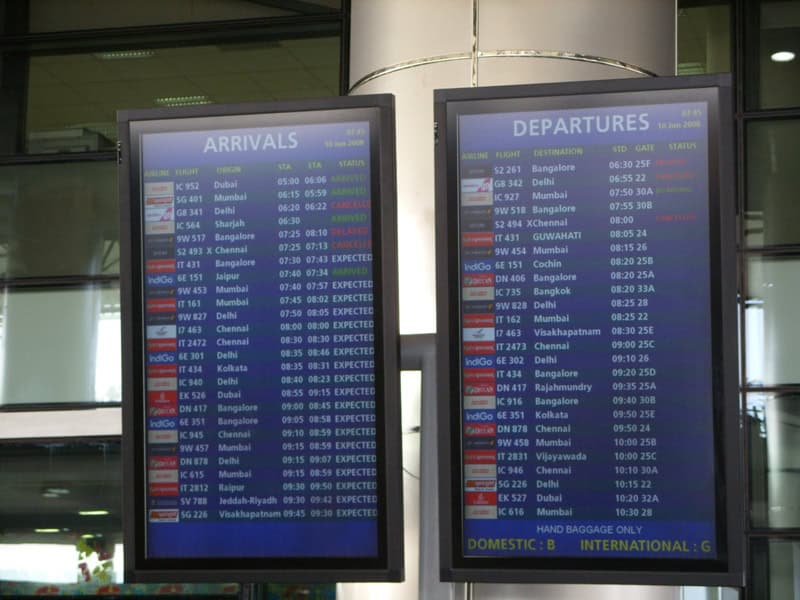
DOT has tightened consumer protections, including automatic refund requirements when flights are canceled or significantly changed, and its dashboard shows what major airlines commit to provide during controllable disruptions. That gives travelers clearer expectations and a way to compare carriers before booking. But DOT also reminds passengers that, for domestic trips, airlines generally are not required to compensate passengers simply because a flight is delayed or canceled. That legal gap leaves many people feeling informed, but still stranded, when a bad day at the airport turns expensive.
Complaint Volume Shows How Constant The Friction Has Become
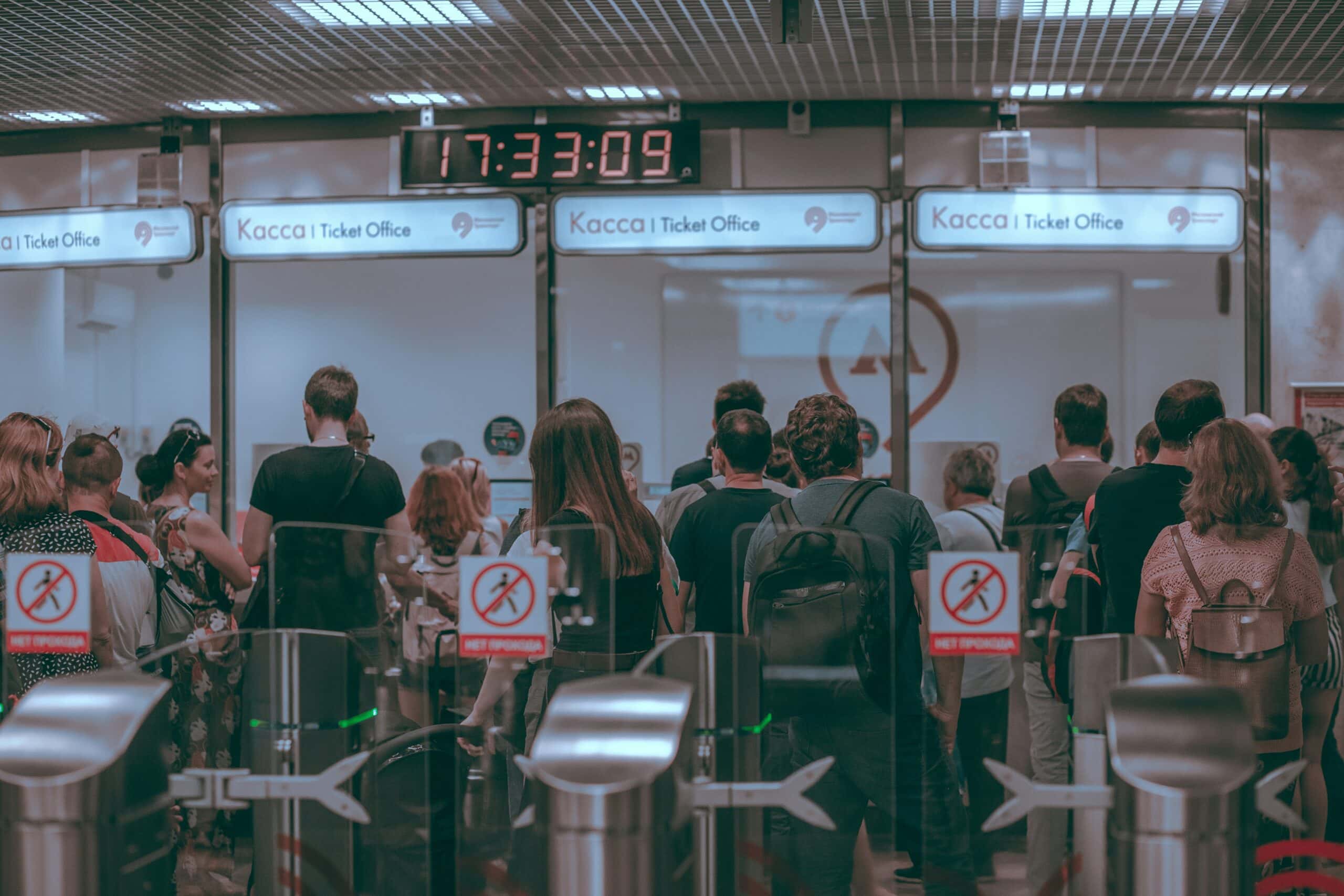
The strongest signal may be how often travelers file complaints now. In DOT’s annual consumer submission data, airlines and ticket agents received a record 66,675 submissions, up 8.9 percent from the prior year, and the highest total on record. Numbers like that usually reflect repeated low-grade failures, not one dramatic meltdown. Long hold times, missed connections, unclear fee policies, delayed bags, and refund confusion pile up trip after trip until the entire process starts to feel like a negotiation instead of a service.
The Digital Tools Work Great Until One Tiny Step Breaks
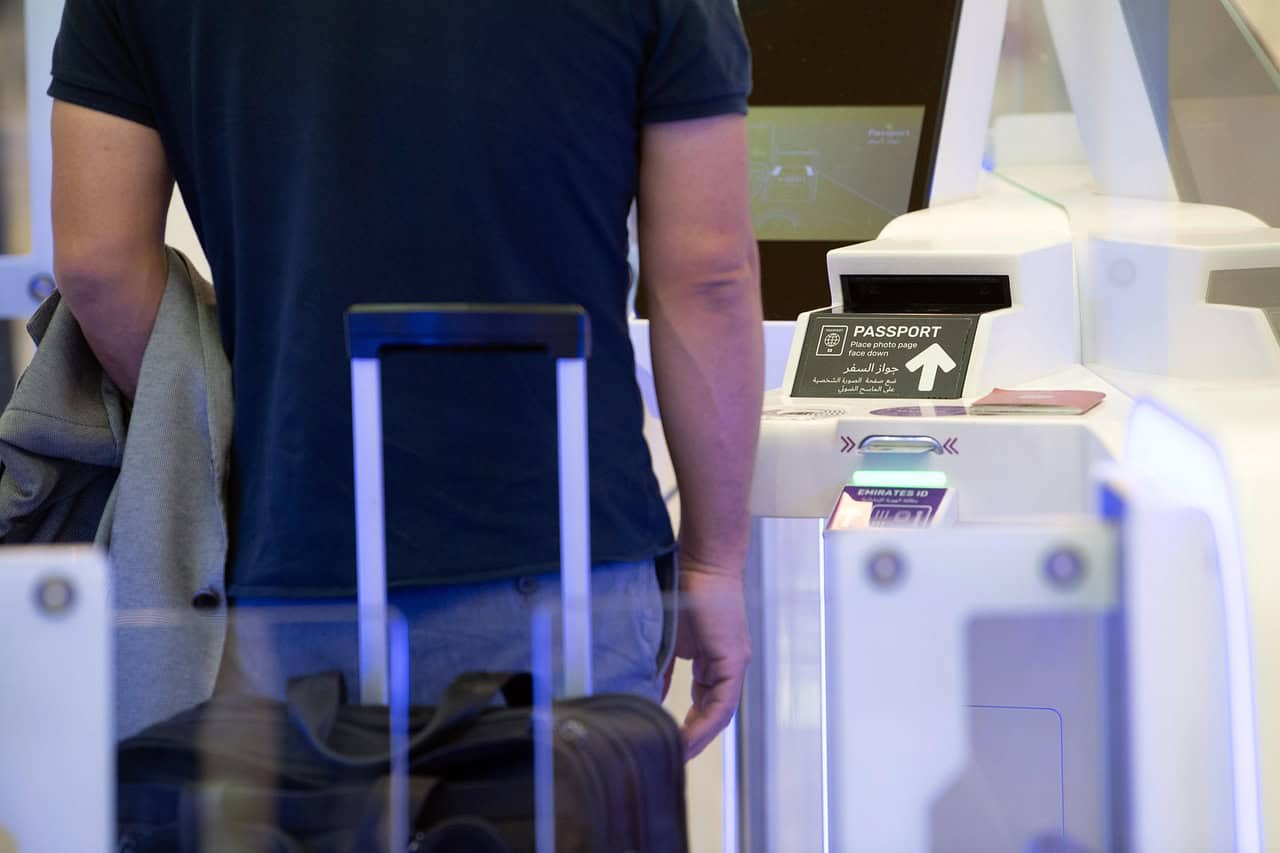
Airlines now rely heavily on apps, kiosks, push alerts, and self-service tools to move huge volumes of passengers. JD Power says digital tools, ease of travel, on-board experience, trust, and value all shape airline satisfaction, which shows how many moving parts now define a single trip. The upside is speed when everything works and each handoff lands cleanly. The downside is that one failed login, one lagging bag update, or one missed gate alert in a crowded terminal can derail the rest of the journey without any obvious human backup nearby.
The Stats Can Look Fine While The Experience Feels Worse
The data can look stable while the human experience feels worse. JD Power found overall North American airline satisfaction rose slightly in 2025, even as it pointed to new fees, weaker consumer confidence, and a changing travel environment. That mismatch makes sense because many stressful moments never show up as a canceled flight. A trip can arrive on time and still feel exhausting if the cabin is full, the boarding area is packed, and every small comfort costs extra or disappears the moment demand spikes.
The System Still Works, But It No Longer Feels Generous
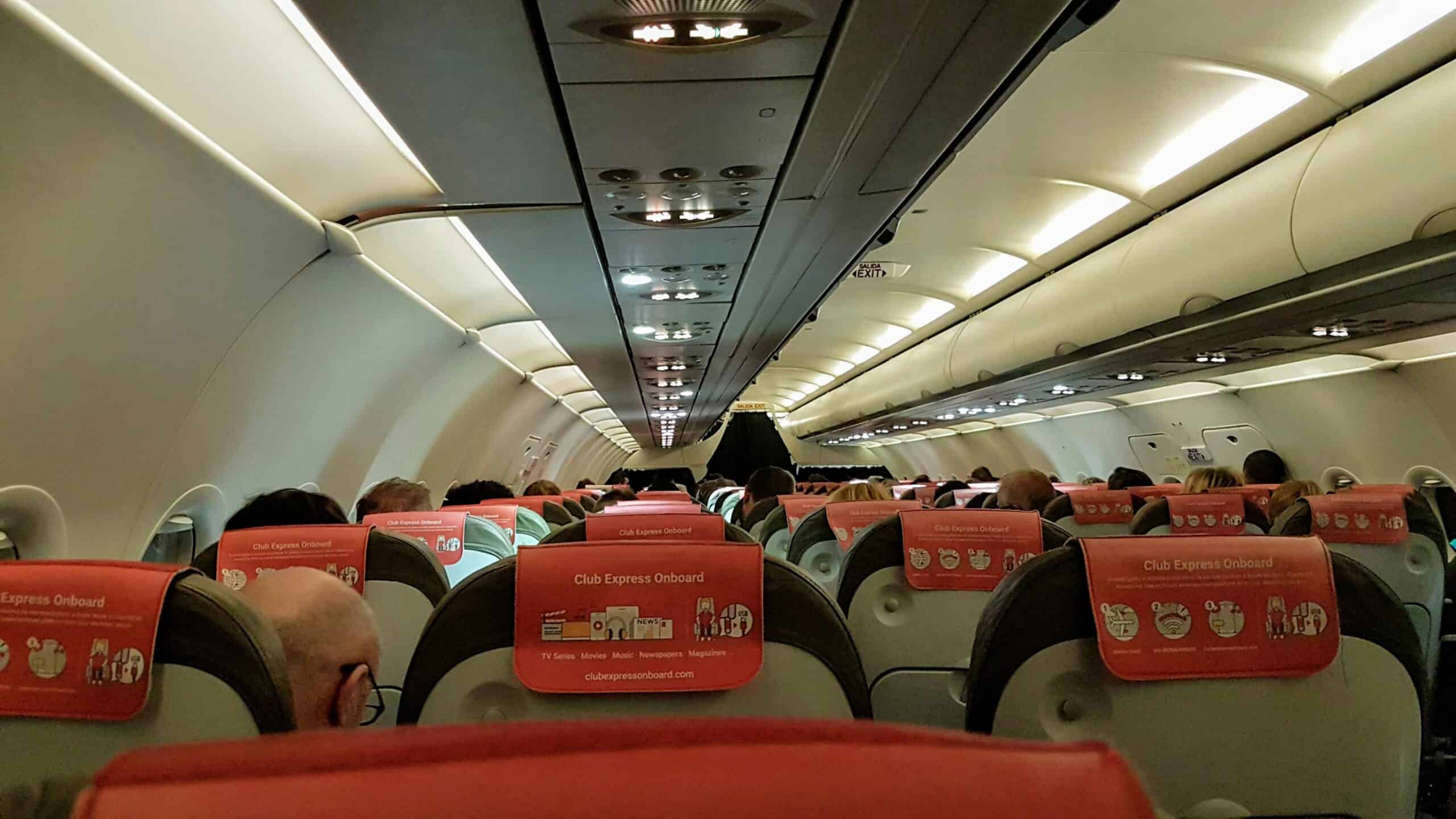
Modern flying feels unbearable to many people not because aviation suddenly stopped working, but because the system now runs closer to its limits. Record demand, fuller planes, weather exposure, staffing strain, and fee-heavy pricing all press in the same direction at the same time. Each part still functions, yet there is less slack, less patience, and less room for human error than travelers remember. The trip still happens, but the experience often feels stripped down, tightly managed, and unforgiving from curb to baggage claim.