We may earn money or products from the companies mentioned in this post. This means if you click on the link and purchase the item, I will receive a small commission at no extra cost to you ... you're just helping re-supply our family's travel fund.

Travel in 2026 looks calmer on the surface, but the real shift runs deeper. Travelers are no longer starting with the hottest city, the cheapest fare, or the most photographed beach. Across major forecasts, the stronger instinct is to begin with purpose: rest, reconnection, celebration, curiosity, or time outdoors. Once the reason is clear, the destination comes into focus almost naturally. That is the new travel rule shaping the year, and it is changing how people book, move, spend, and remember what mattered most once they got home.
Start With The Reason

The first question is no longer where to go. It is why go at all. Hilton’s 2026 trends report centers that shift with its whycation idea, while broader 2026 travel coverage keeps circling the same point: people are building trips around motivation before geography. That small reversal changes the whole planning process. A birthday, a reset, a family reunion, or a long-delayed interest in food, art, or nature now carries more weight than simply picking a place that looked good online. The reason leads, and the map follows.
Stay Longer, Do Less
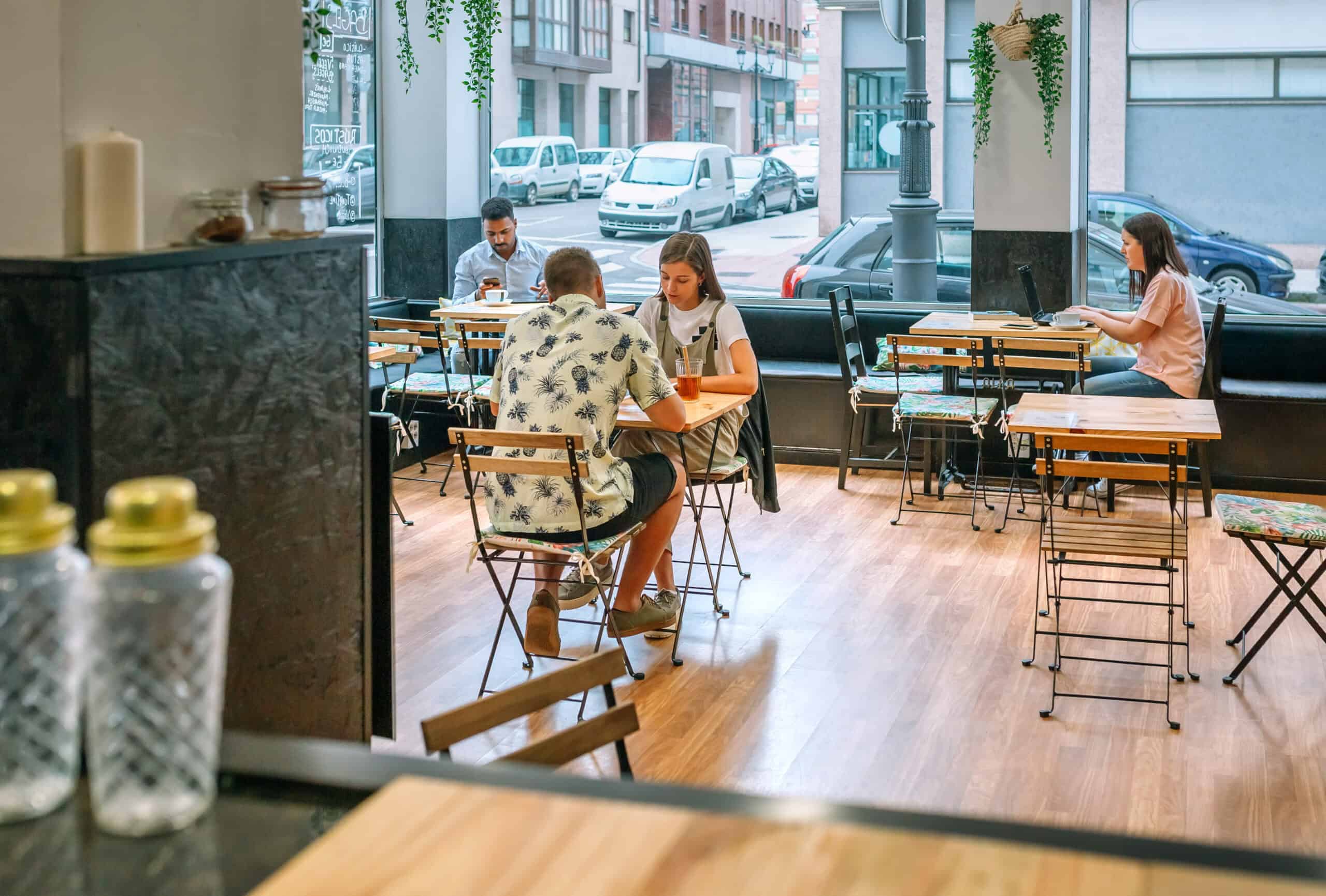
A busy itinerary once made a trip feel successful. In 2026, that logic is wearing thin. Travel reporting this year keeps pointing toward fewer stops, longer stays, and plans with room to breathe, because many travelers now want memory, not motion, to define the experience. Staying put a little longer makes ordinary moments matter more: the bakery visited twice, the park crossed every evening, the waiter who remembers the order, and the strange comfort of feeling briefly woven into a place instead of only passing through it.
Pick The Softer Season
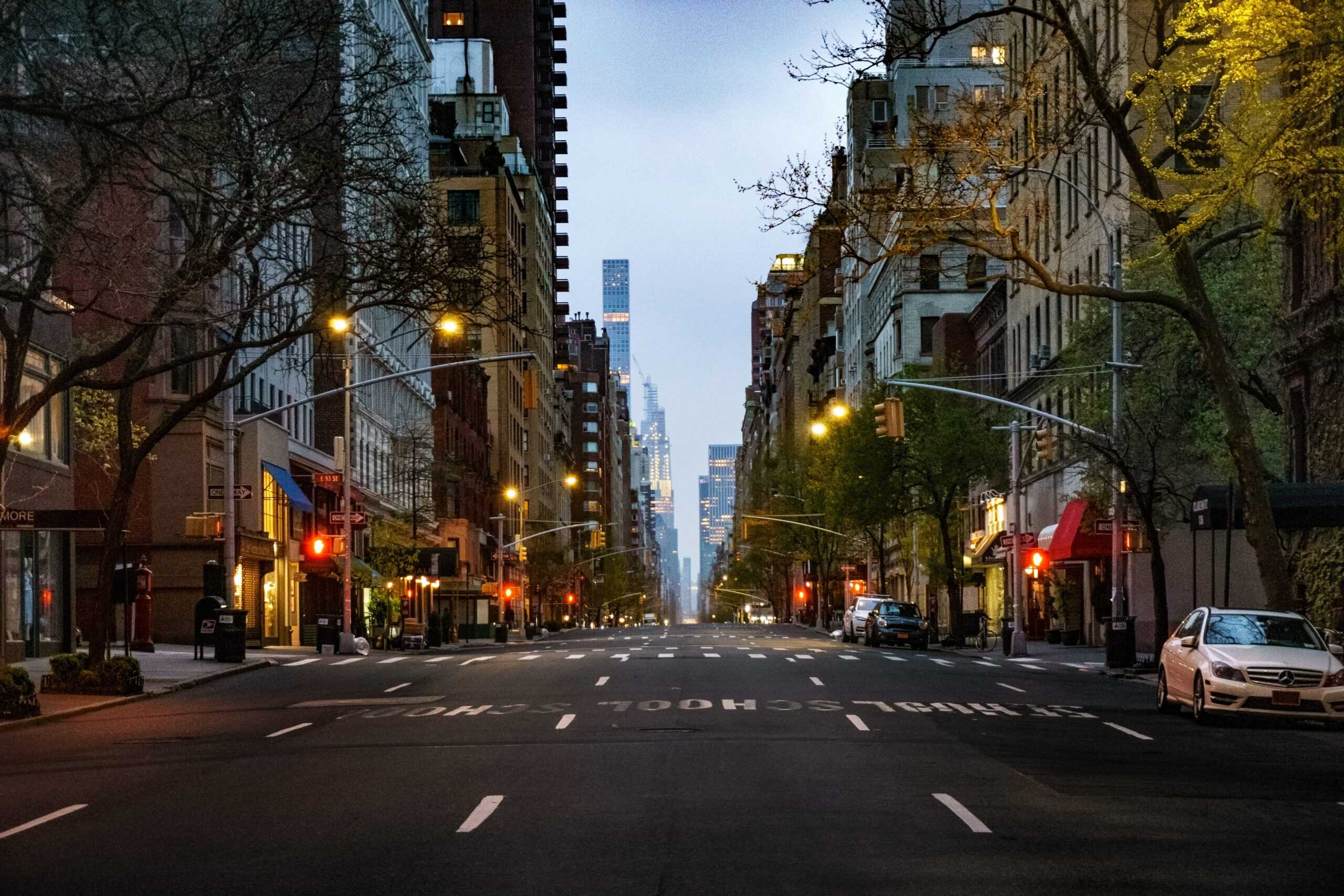
Peak season still has its pull, but it no longer looks like the smartest choice by default. Multiple 2026 forecasts point to rising interest in off-peak and shoulder-season travel, where the trade-off is no longer sacrifice but relief. Lower prices help, of course, yet the bigger reward is often emotional. Streets feel more human, landmarks feel less staged, and the trip leaves room for weather, appetite, and wandering instead of forcing every day into the same crowded script. For many travelers, that softer timing feels like the better luxury.
Look Past The Obvious Names
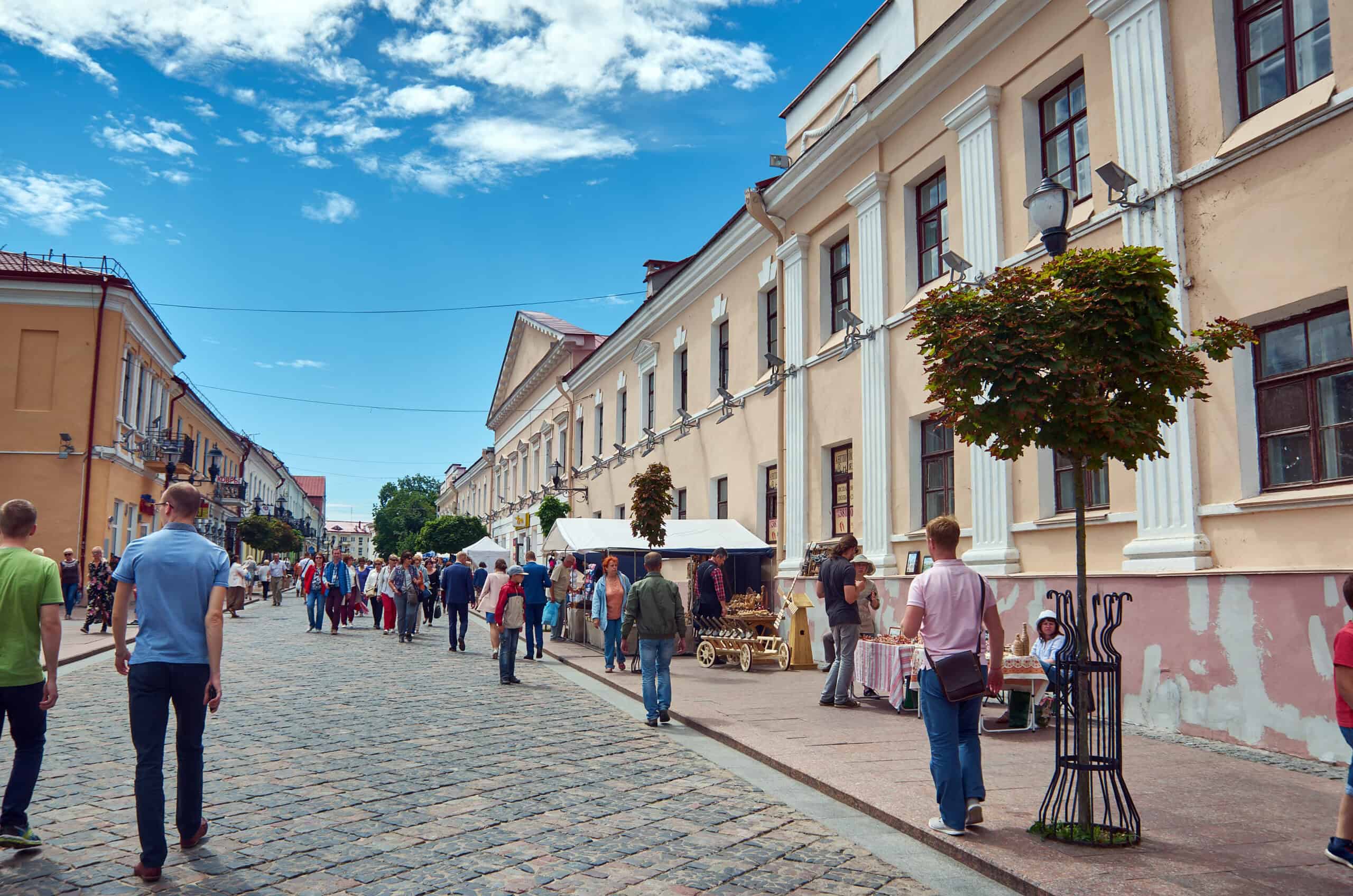
The old travel hierarchy favored famous capitals and overexposed resort towns. That balance is shifting. Expedia’s 2026 destination outlook and other trend reports show stronger attention on smaller cities, secondary regions, and places that still feel locally shaped rather than globally flattened. Travelers seem more willing to skip the obvious headline name if it means gaining texture, breathing room, and a better sense of daily life. In 2026, being less famous can actually make a destination more persuasive, not less.
Let Nature Carry More Weight

Nature is no longer the quiet backup plan for travelers burned out on cities. It has become one of the main reasons people leave home in the first place. Airbnb’s 2026 predictions show rising interest in stays near national parks, and that fits a wider mood running through this year’s travel coverage: people want trips that lower the noise level. A trail, a lake, a desert road, or a cabin near a dark sky can offer something many crowded itineraries cannot, which is enough silence to feel reset instead of depleted.
Stop Traveling For Proof
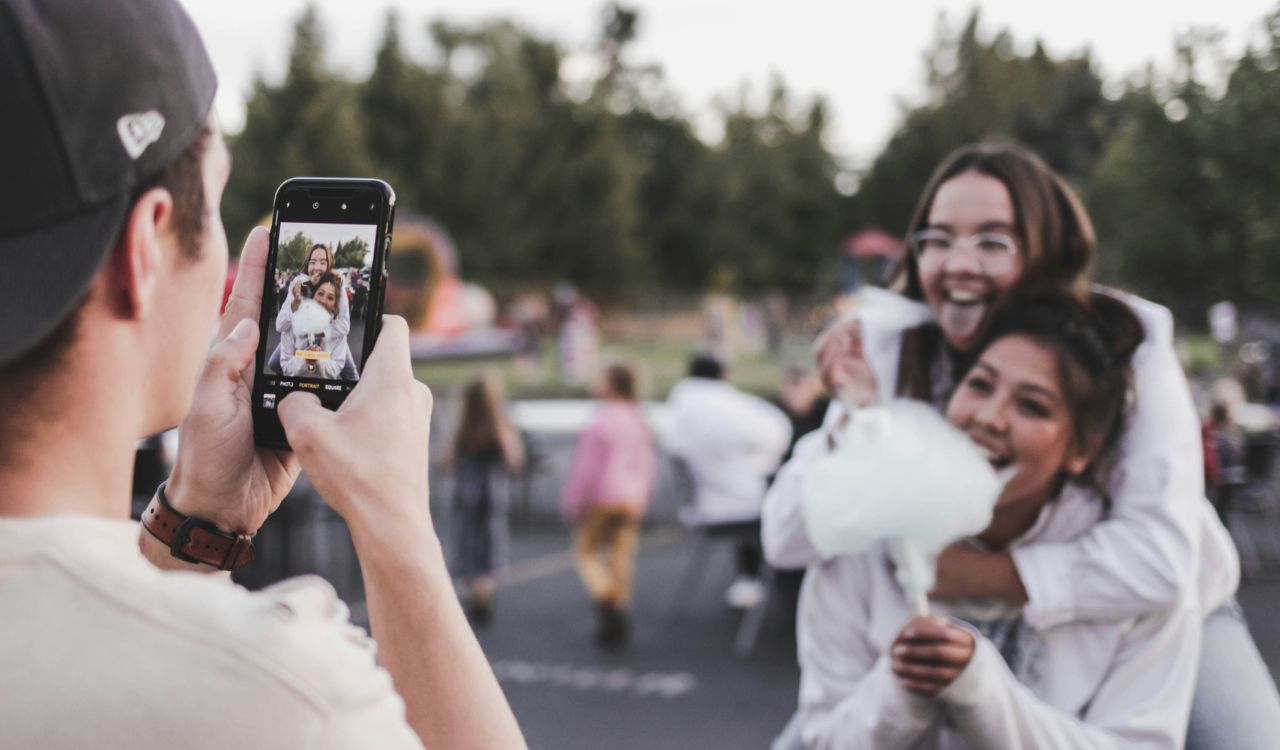
Underneath all of this is a quieter correction. The pressure to travel for proof is giving way to the desire to travel for meaning. Social feeds still shape curiosity, but 2026 travel behavior looks more selective, more self-aware, and less eager to confuse visibility with value. The strongest trips are not necessarily the loudest or the most efficient. They are the ones with a clear reason, a believable pace, and enough open space for a destination to feel encountered rather than consumed. That shift gives travel back some of its dignity.