We may earn money or products from the companies mentioned in this post. This means if you click on the link and purchase the item, I will receive a small commission at no extra cost to you ... you're just helping re-supply our family's travel fund.
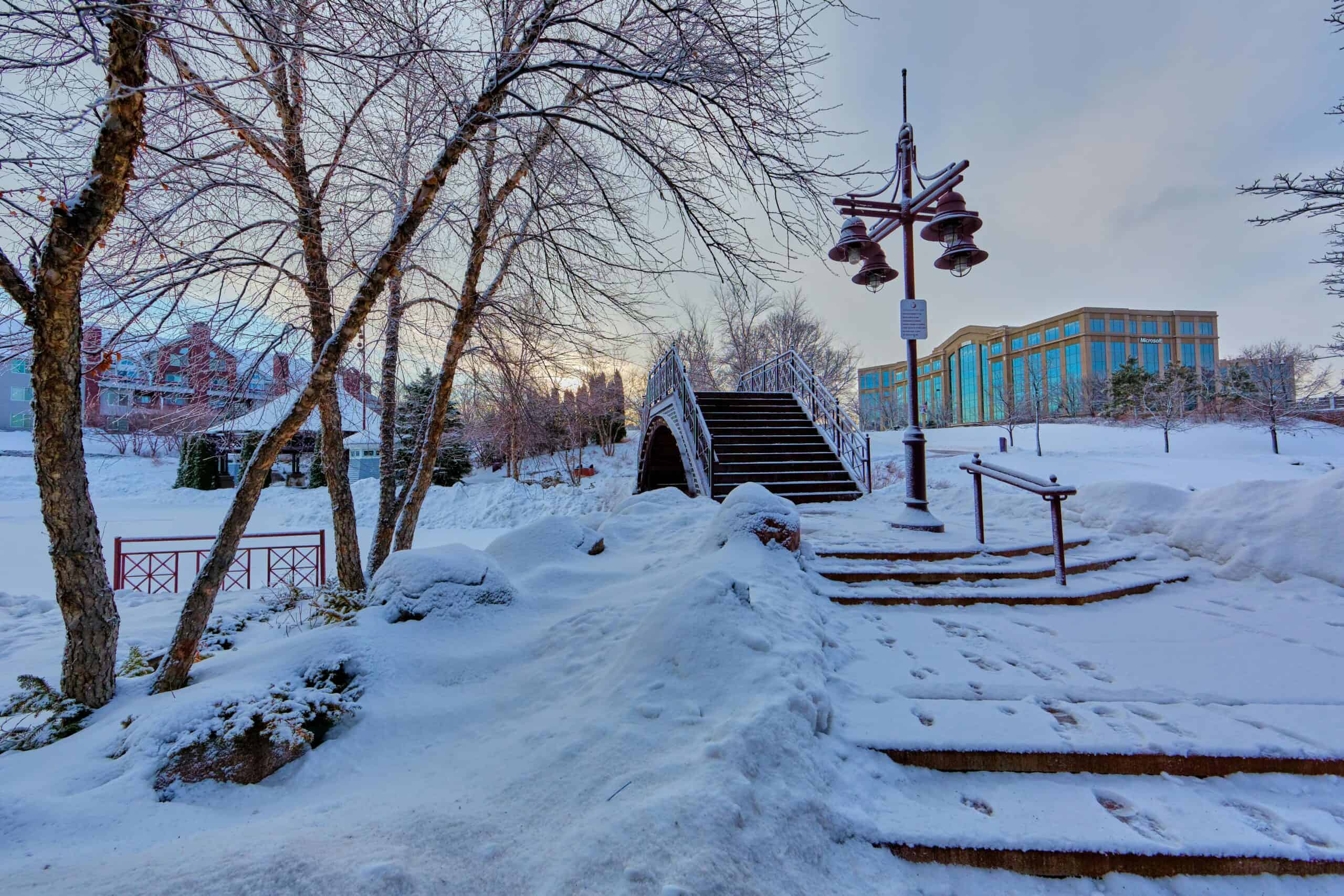
Winter has been drawing a sharper line across the South and lower Mid-South, where Arctic air has repeatedly pushed deep enough to meet Gulf and Atlantic moisture. That collision zone creates a cold corridor: a narrow band where rain becomes sleet, then freezing rain, then a lasting glaze that takes down trees, wires, and confidence on the roads. Late Jan. 2026 showed how quickly the pattern can intensify, with widespread ice, long outages, and dangerous wind chills lingering after the last flakes.
Texas
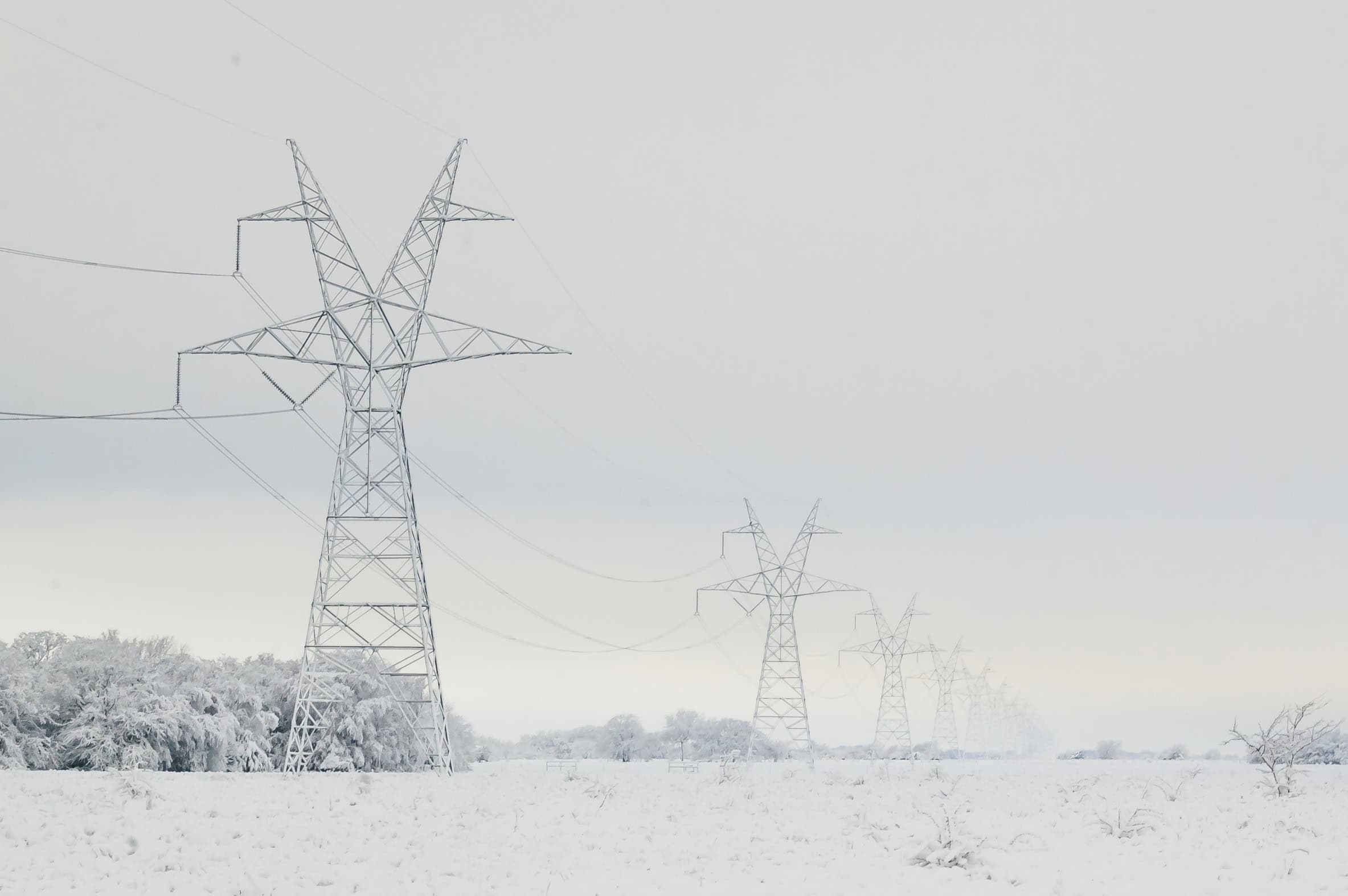
Texas sits at the western gate of the corridor, where a shallow Arctic layer slides in under warmer air aloft and turns plain rain into a clear, stubborn glaze. In the late-Jan. outbreak, parts of South Central Texas faced an ice storm warning and an extreme cold watch, with wind chills projected as low as -2°F. The state’s long stretches of elevated roadway, exposed power lines, and fast-moving traffic make even light icing feel outsized, because one crash blocks lanes for miles, trees snap under the coating, and road treatments activate slowly when pavement stays below freezing for days while crews cannot reach some lines.
Louisiana
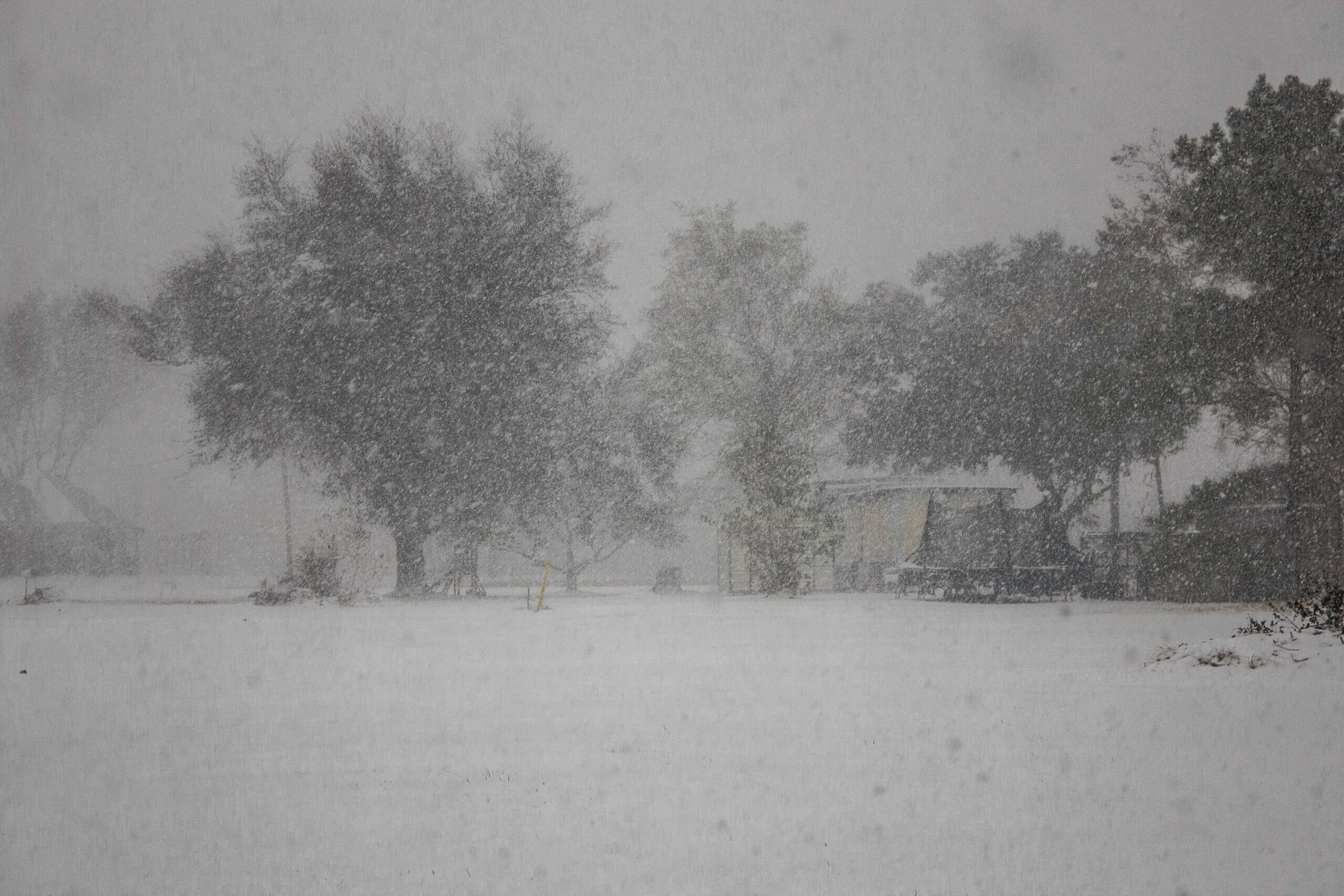
Louisiana’s harshest winter moments often arrive as ice, not snow, because warm Gulf air rides over a shallow surface freeze and coats everything in a heavy shell. In late Jan., widespread outages climbed past 100,000, and officials reported fatalities tied to hypothermia as temperatures stayed bitter after the precipitation ended. The state’s tall pines and broad oaks become liabilities under glaze, and once branches start breaking, lines come down in clusters, forcing crews to clear debris first and rebuild circuits piece by piece while cold air locks the damage in place, especially where de-icing resources are often thin.
Mississippi
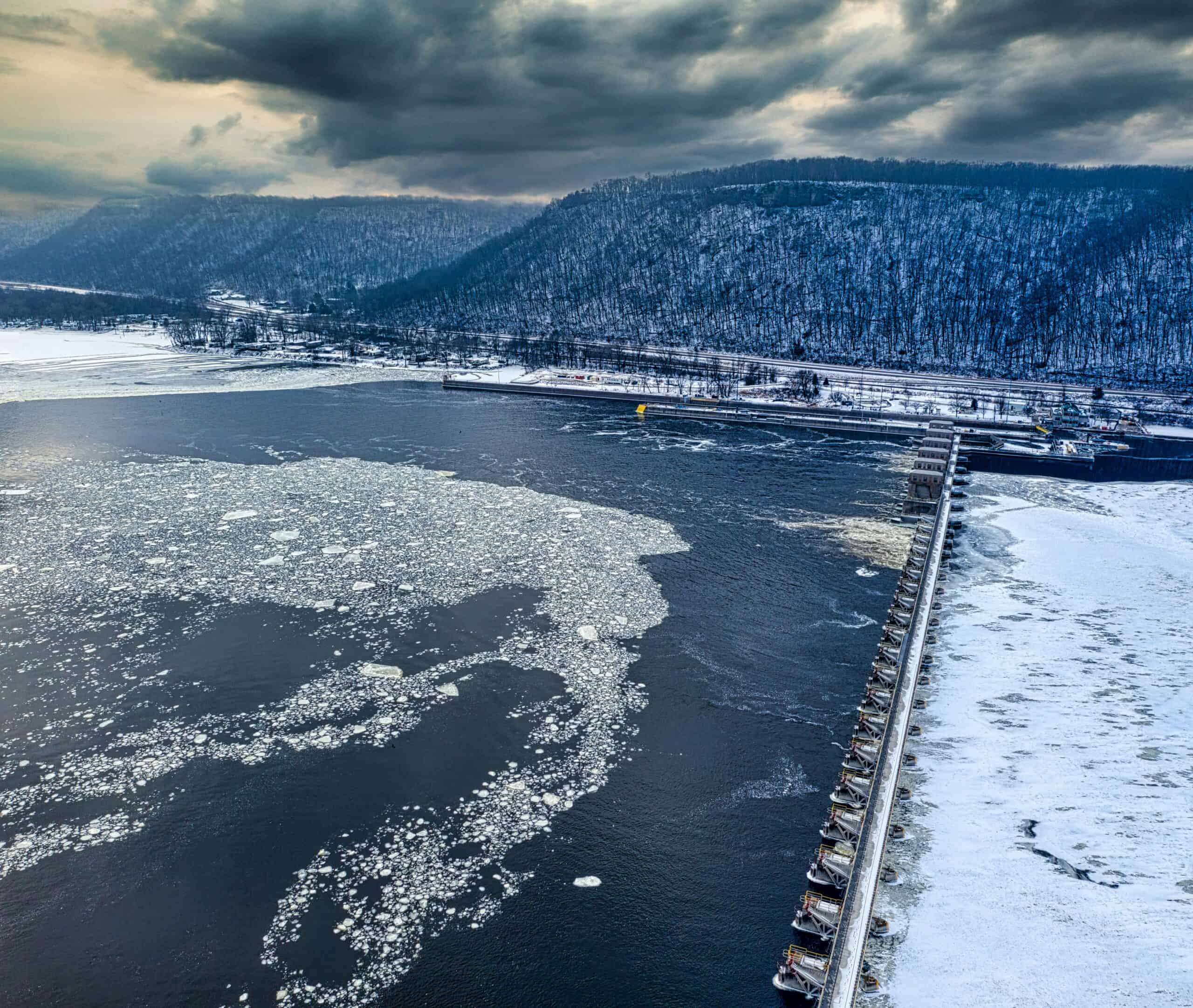
Mississippi often becomes the hinge point where Gulf moisture rides up and freezes on contact, especially across the Delta and the state’s wooded backroads. During the late-Jan. storm, state leaders warned that conditions could worsen, and utilities described catastrophic damage that could mean long restoration timelines, with outages topping 100,000. When ice loads branches and wires at the same time, restoration turns into a slow, safety-first grind, and repeated nights below freezing keep roads slick, block bucket trucks, and stop damaged lines from easing loose even after skies clear and small towns reconnect slowly too.
Tennessee
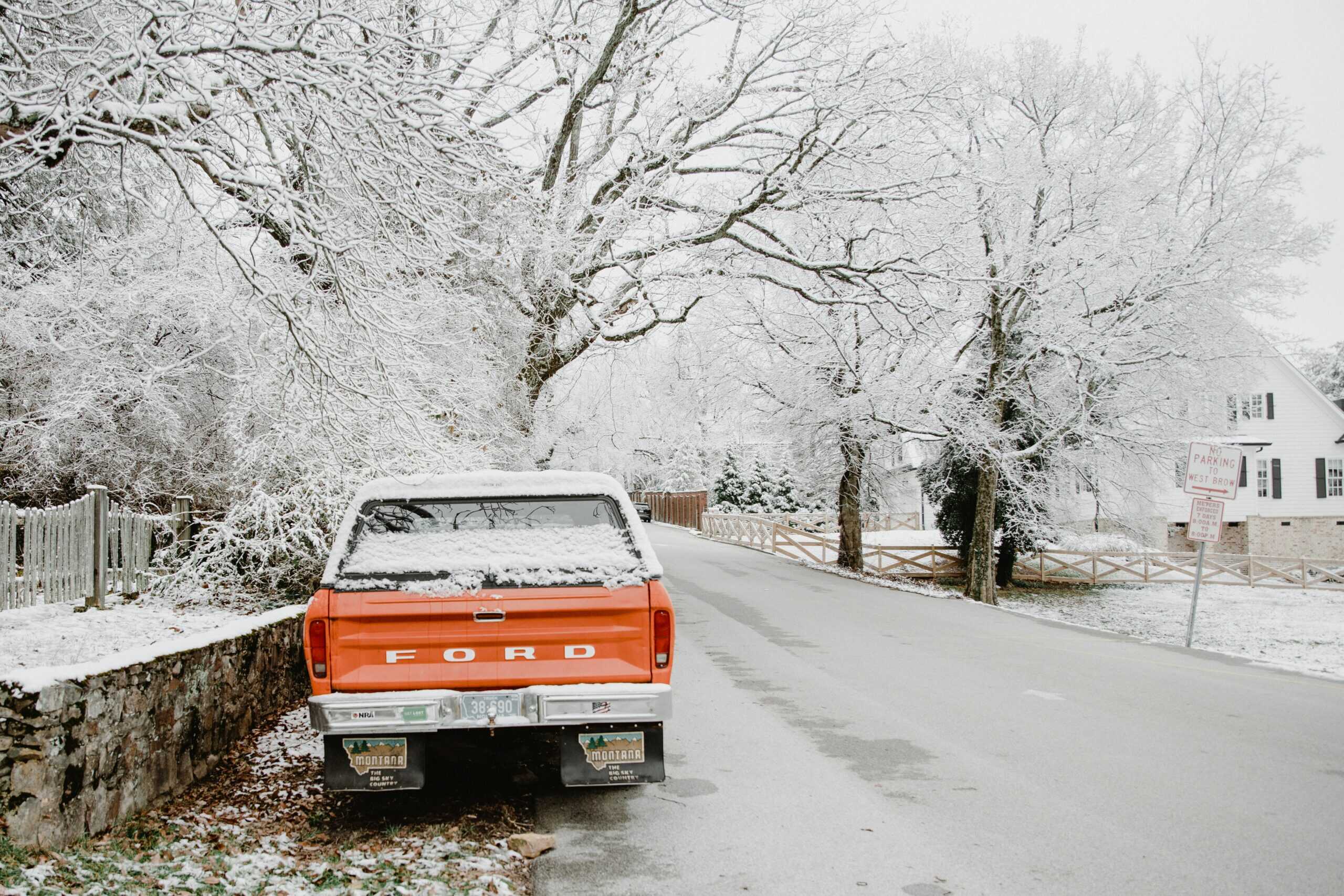
Tennessee is a frequent target when the corridor shifts east, because shallow cold pools in valleys while moisture spills over the Cumberland Plateau. During the late-Jan. storm, a system described as historic left Nashville Electric Service among the hardest hit with about 185,000 customers without power, ice loaded trees and lines. When a city loses electricity in freezing weather, the hazard multiplies quickly: intersections go dark, homes struggle to stay warm, and repair crews work slower as slick streets and falling limbs make every restoration step a calculated risk for days, while cold air keeps the grid brittle too.
North Carolina
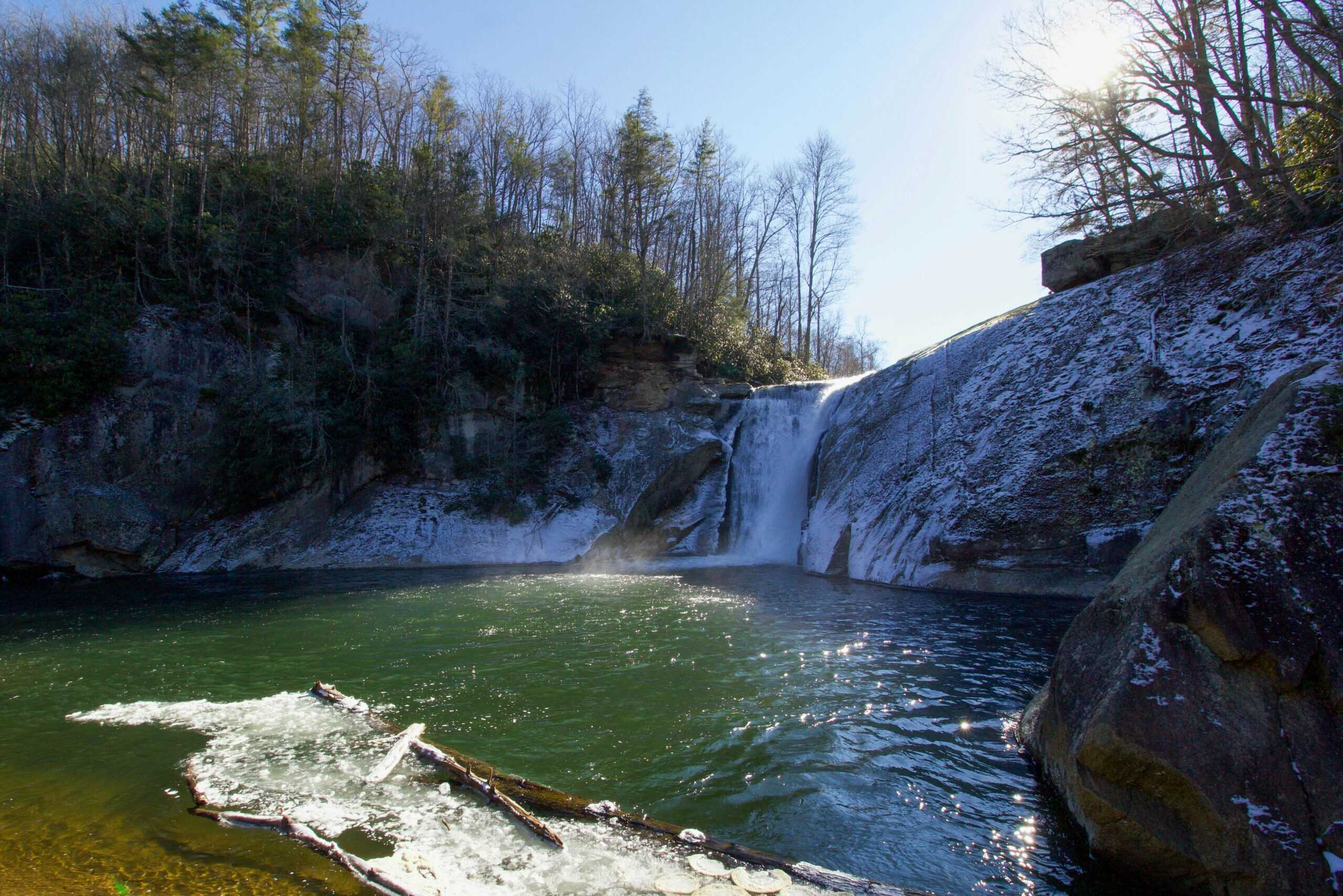
North Carolina sits on the eastern end of the corridor, where cold air can dam against the Appalachians and keep surface temperatures pinned below freezing. During the storm, state troopers responded to more than 400 crashes, and transportation officials noted that the cold delayed salt and brine from activating on icy roads. That combination turns routine errands into pileups and forces utilities to chase outages while roads stay slick, because even after plows pass, black ice reforms each night and small shifts in temperature decide whether the next wave falls as rain or as glaze quickly in Duke Energy areas too