We may earn money or products from the companies mentioned in this post. This means if you click on the link and purchase the item, I will receive a small commission at no extra cost to you ... you're just helping re-supply our family's travel fund.
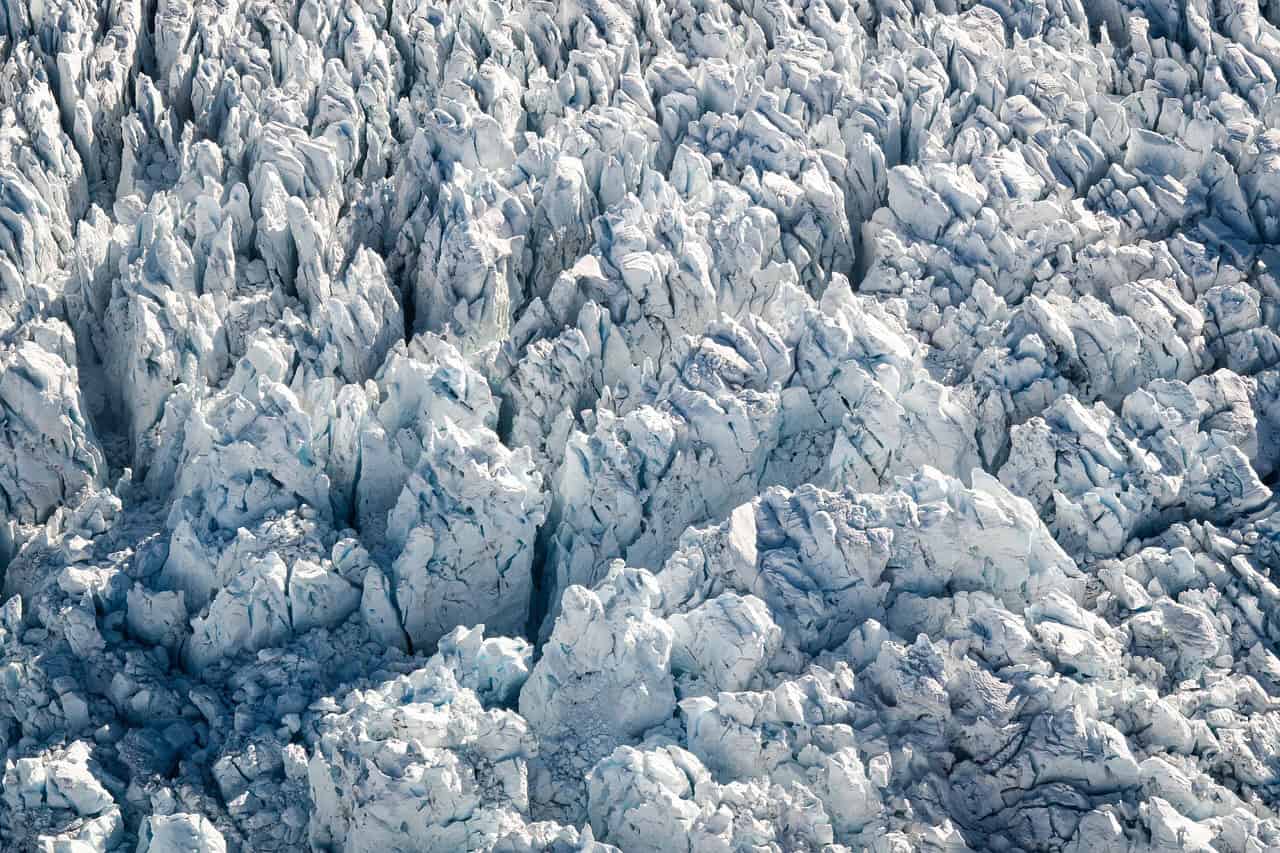
Despite satellites mapping the planet and submersibles reaching crushing ocean depths, parts of Earth remain beyond direct human presence. These are not simply distant or difficult locations; they are environments so extreme, sealed, or technically unreachable that no confirmed human has physically stood within them. From trenches nearly 11,000 meters deep to lakes buried beneath kilometers of Antarctic ice, these places challenge the limits of engineering and endurance. Here are five of the most isolated frontiers still untouched by human feet.
1. The Hadal Zones Beyond Manned Reach in the Mariana Trench
While submersibles have descended to Challenger Deep at roughly 10,984 meters, vast sections of the Mariana Trench remain unseen by human eyes. The trench stretches about 2,550 kilometers across the western Pacific, and only a handful of dives have explored tiny pockets of it. Pressure exceeds 1,000 times that at sea level, enough to crush conventional vessels instantly. Large stretches of adjacent hadal valleys and steep trench walls have never hosted a human presence, remaining mapped only by sonar sweeps and robotic probes operating in near-freezing water.
2. Lake Vostok Beneath Antarctica’s Ice Sheet
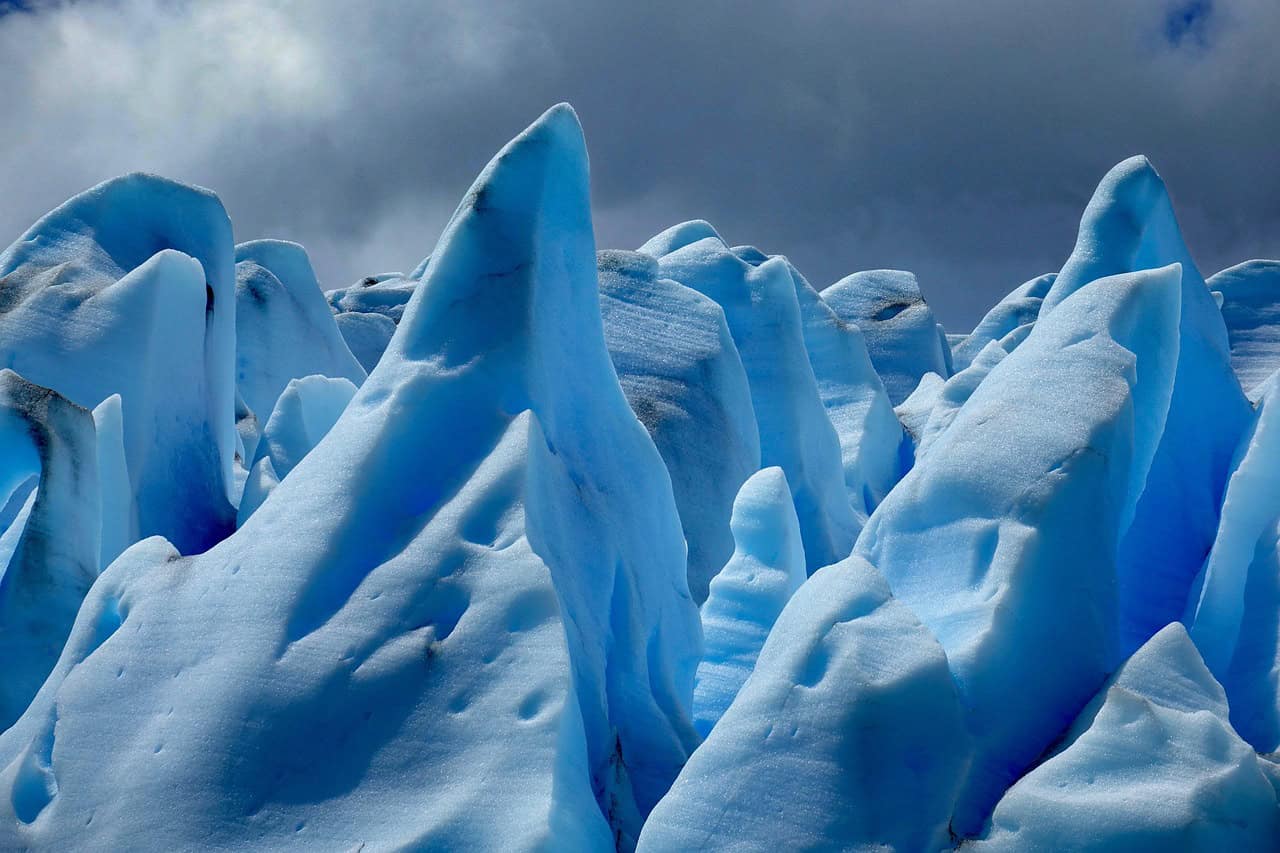
Lake Vostok lies buried under approximately 4 kilometers of Antarctic ice and spans nearly 250 kilometers in length. Although Russian scientists drilled through the ice in 2012, no human has directly entered the lake’s liquid waters. The ecosystem has been sealed for an estimated 15 million years, isolated from sunlight and surface contact. Temperatures above the lake can fall below minus 80°C in winter, making direct exploration nearly impossible. Researchers rely on sterile sampling tools to prevent contamination of what may be one of Earth’s most pristine environments.
3. Sealed Chambers of the Movile Cave System, Romania
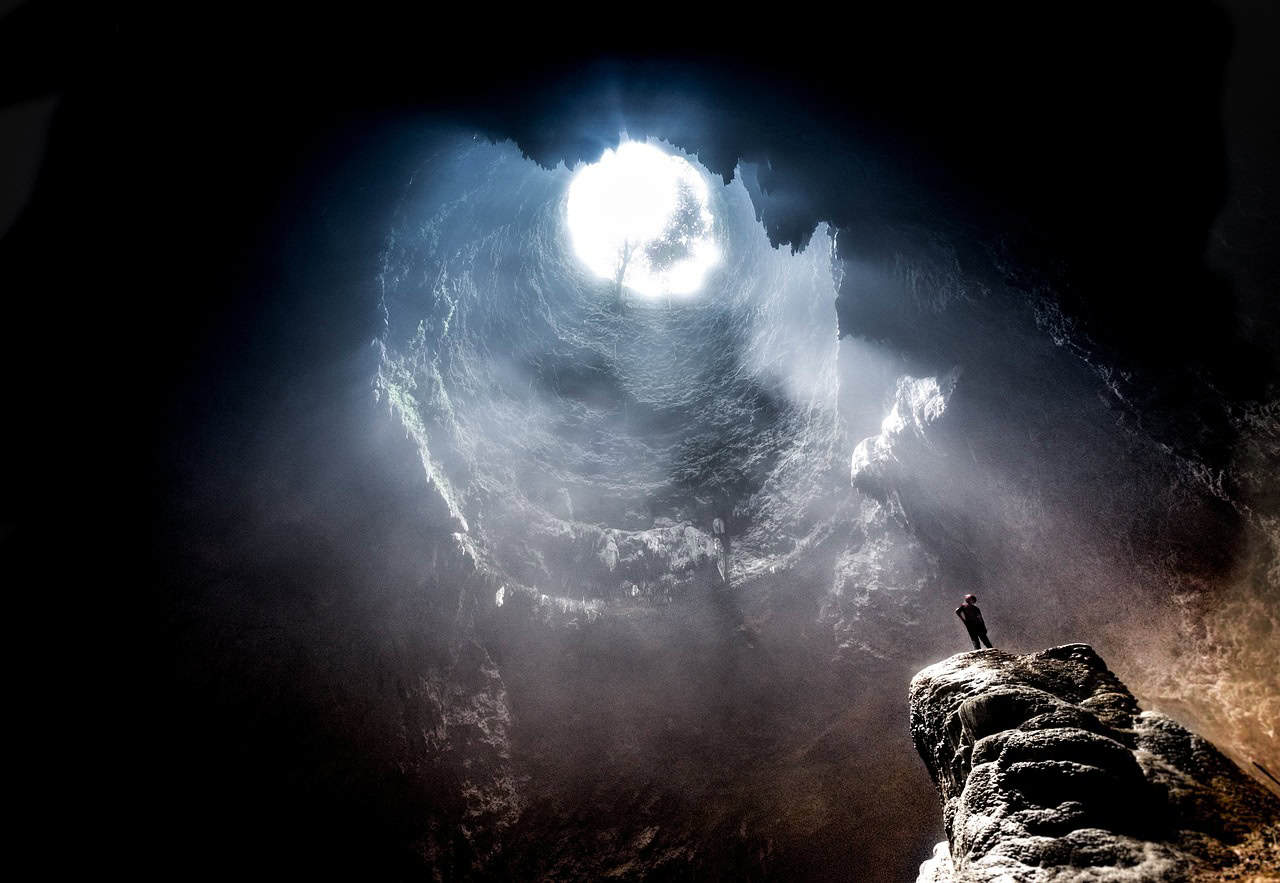
Discovered in 1986, Romania’s Movile Cave hosts a unique ecosystem fueled not by sunlight but by chemosynthesis. While parts of the cave have been explored, several submerged side chambers remain inaccessible to humans due to toxic air containing up to 10 percent carbon dioxide and very low oxygen levels. The cave has been isolated for roughly 5.5 million years. Some narrow flooded passages extend beyond mapped zones, where robotic equipment struggles to navigate. These sealed sections may contain species entirely unknown to science.
4. Remote Subglacial Valleys of East Antarctica
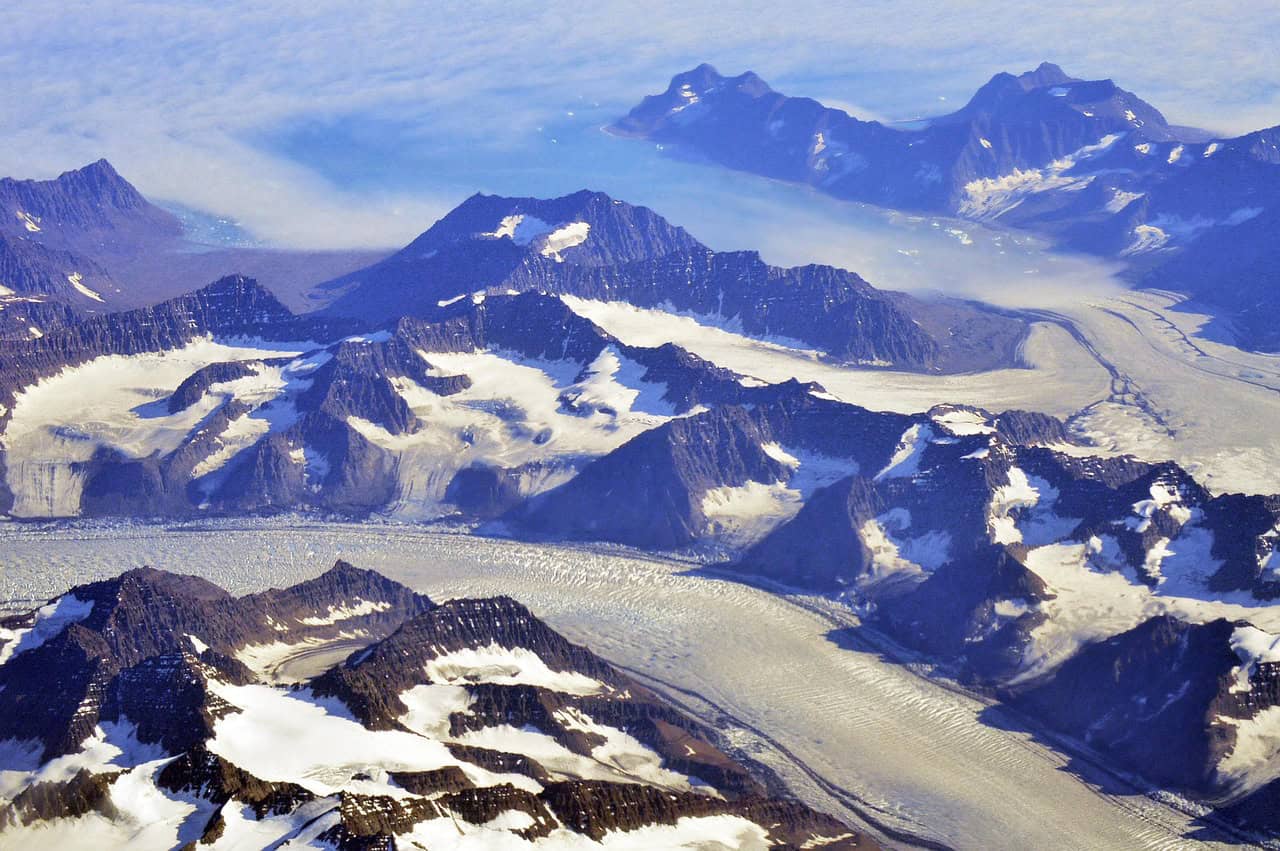
East Antarctica covers more than 10 million square kilometers, and radar surveys reveal hidden valleys and mountain ranges locked beneath ice sheets up to 3 kilometers thick. Some deep subglacial basins have never been drilled or directly sampled. Temperatures routinely drop below minus 60°C, and katabatic winds can exceed 200 kilometers per hour. Although satellites provide surface data, the bedrock terrain below remains physically untouched. These valleys may have been isolated for millions of years, preserving geological records from ancient climatic eras.
5. Unmapped Abyssal Plains in the South Pacific
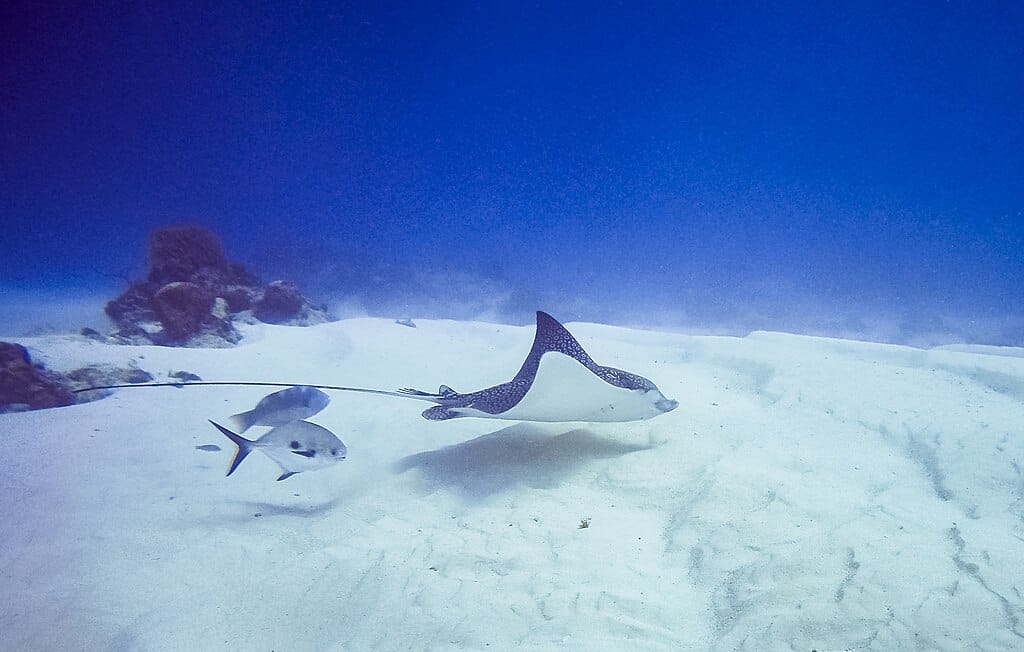
The abyssal plains of the South Pacific lie between 4,000 and 6,000 meters below sea level and cover millions of square kilometers. Despite sounding missions, only a fraction of this seafloor has been visually inspected. Some regions are over 1,000 kilometers from the nearest inhabited landmass, making missions logistically complex and costly. Temperatures hover near 2°C, and total darkness prevails year-round. No human has physically stood on these sediment-covered plains; exploration depends entirely on autonomous or remotely operated vehicles.