We may earn money or products from the companies mentioned in this post. This means if you click on the link and purchase the item, I will receive a small commission at no extra cost to you ... you're just helping re-supply our family's travel fund.

For many retirees, travel represents a long-promised season of freedom, yet one hidden habit can quietly drain the joy from it. In a Feb. 15 interview, Rick Steves argued that the biggest mistake older travelers make is living in low-grade anxiety instead of practical awareness. His point was not to ignore risk, but to stop letting worry run the day. From timing and packing to budgeting and pace, his advice sketches a calmer way to move through the world without surrendering wonder.
Anxiety Is the Core Mistake

Steves answered the question directly: many older Americans become experts at anxiety, worrying about minor uncertainties until a trip narrows into caution drills instead of discovery. He framed that habit as a mindset error rather than a character flaw, because life experience can either build resilience or amplify fear when every unfamiliar detail feels like a threat. His remedy is measured confidence grounded in preparation and awareness, so attention stays on meaningful moments rather than constant what-if spirals that drain energy before the day starts and make ordinary decisions feel heavier than they should in the first place.
Valuables Become a Stress Magnet

His clearest example involves valuables: anxiety pushes travelers to clutch phones, wallets, and passports all day, even though crowded streets and transit hubs are often where distractions multiply and losses happen fastest. In the interview, Steves said the most dangerous place for valuables is often with the traveler, not in the hotel room, a blunt reminder that fear can create the very exposure it is trying to avoid. He advocates alert routines over paranoia, because calm behavior, secure storage, and focused attention usually protect people better than broadcasting stress in public while constantly rechecking pockets and bags.
Peak-Summer Timing Raises the Strain

Timing is another place where anxiety quietly sabotages older travelers, especially when habit or social pressure locks plans into peak summer despite predictable heat, long lines, and crowd fatigue. Steves has repeatedly advised shoulder-season travel, especially April and October, because milder weather and lower congestion make daily movement easier and reduce the physical toll of transfers, museums, and long afternoons on foot. The underlying point is practical rather than romantic: when conditions are less punishing, stamina lasts longer, moods stay steadier, and energy can go toward culture and conversation instead of constant recovery.
Penny-Pinching Can Waste Precious Time

Steves links anxiety to money decisions, noting that many travelers fixate on shaving small costs while quietly sacrificing hours to slow transit, ticket lines, and complex detours that erode the day. His long-standing advice is that time is a limited asset on any trip, so paying modest premiums for timed entries or direct hotel-to-hotel transfers can be a rational choice, especially for older travelers managing mobility and fatigue. He frames the tradeoff in plain math, arguing that if an extra $5 saves 20 minutes, the gain is not indulgence but usable time, calmer pacing, fewer avoidable mistakes, and a better chance of ending each day with energy left.
Overpacking Turns Movement Into Labor
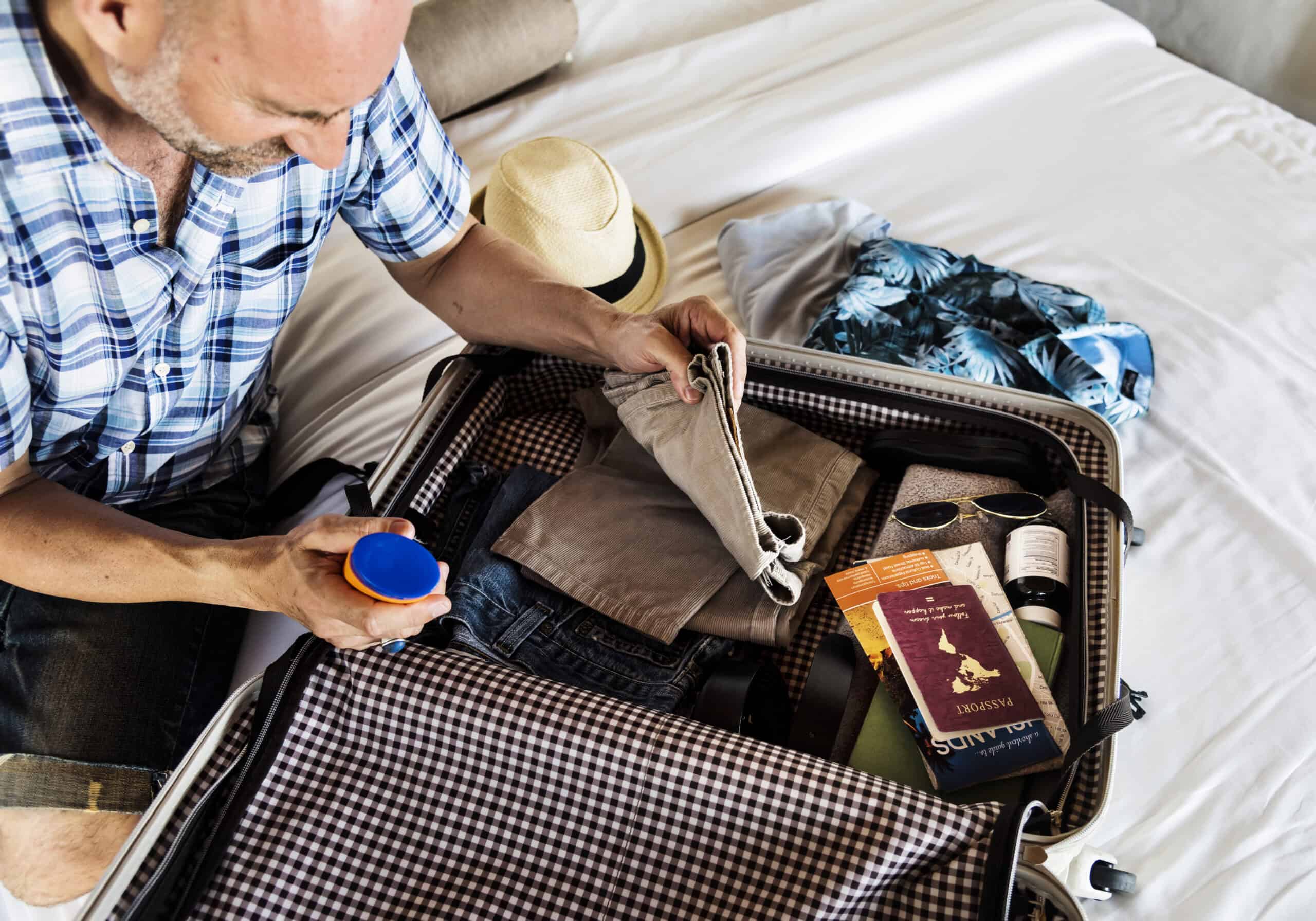
Packing often exposes the same fear loop: uncertainty leads to extra items, extra weight, slower movement, and higher stress at every curb, platform, stairwell, and check-in counter. Steves’ senior-travel guidance consistently favors light packing because smaller loads reduce strain, speed transitions, and make it easier to adapt when plans shift, transport runs late, or hotel layouts require more walking than expected. For older travelers, this is not minimalist posturing but operational freedom, where carrying less means clearer decisions, steadier balance, and fewer moments when luggage management steals attention from the place itself.
Distant Hotels Quietly Drain the Day
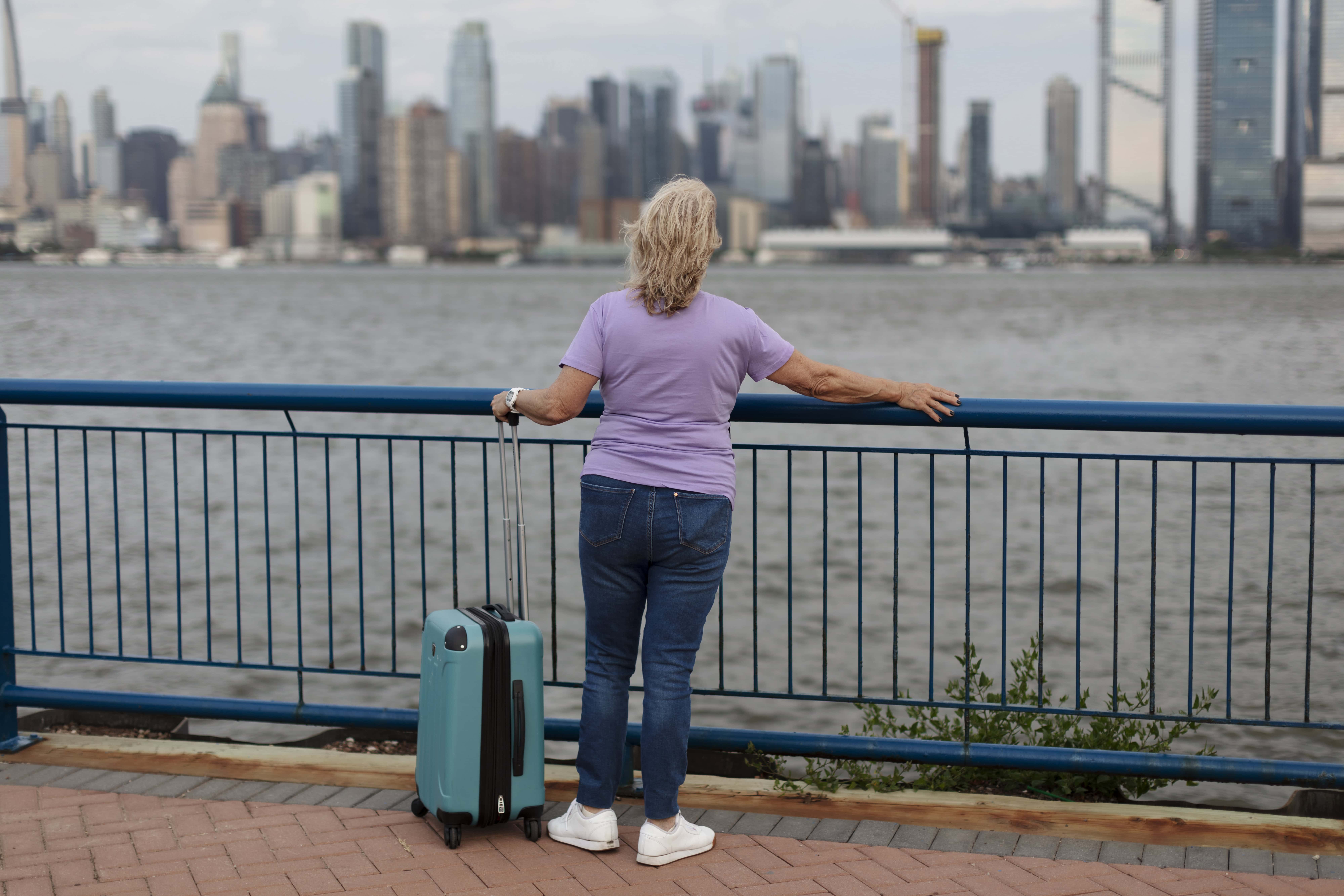
Hotel choice can carry hidden anxiety when travelers book distant bargains and then spend each morning and evening battling long commutes that chip away at energy and spontaneity. Steves emphasizes location as a practical lever, noting that central stays make midday breaks easier, simplify route changes, and reduce the all-or-nothing pressure to remain out for exhausting blocks before returning to the room. His related advice, including strategic taxi use on arrival, reflects the same principle: calmer geography lowers daily friction, protects stamina, and helps older travelers sustain a steady rhythm and better mood across the entire trip.