We may earn money or products from the companies mentioned in this post. This means if you click on the link and purchase the item, I will receive a small commission at no extra cost to you ... you're just helping re-supply our family's travel fund.
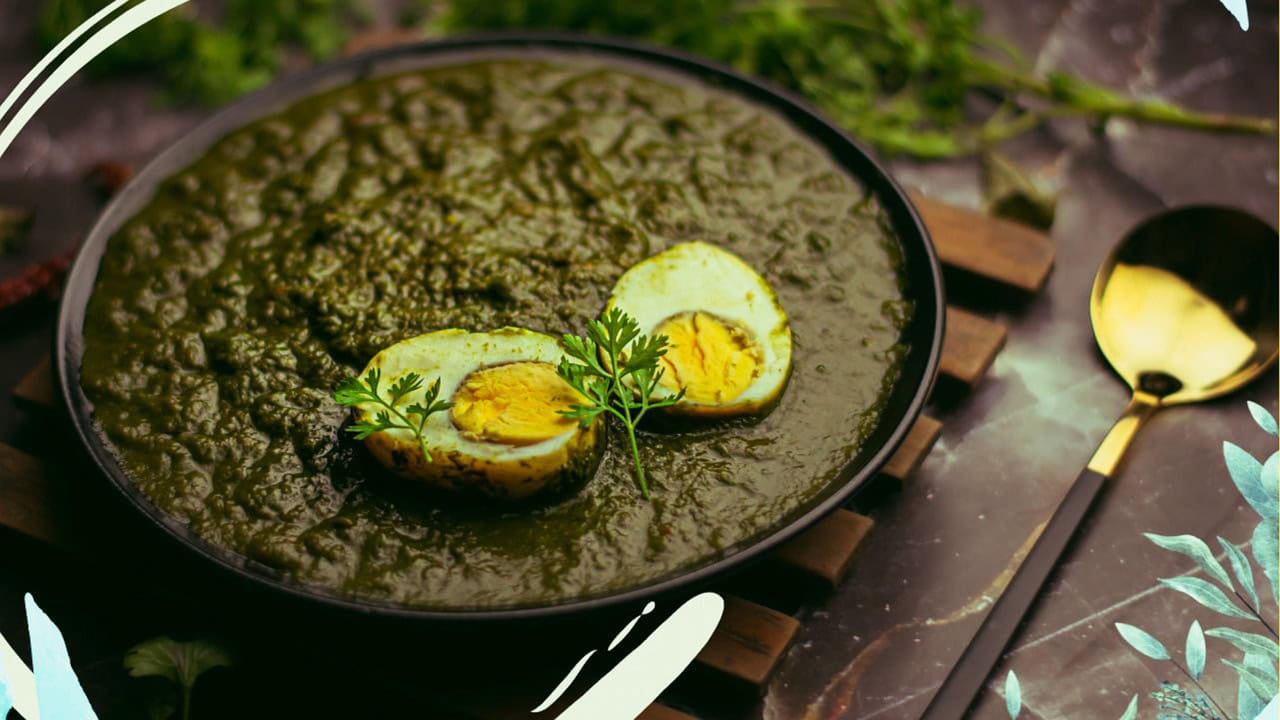
Food is one of the clearest mirrors of culture, geography, history, and daily life. The world’s greatest cuisines are not judged only by popularity, but by depth of tradition, ingredient diversity, technique, and how consistently they deliver memorable experiences. This ranking blends global influence, regional richness, culinary skill, and everyday appeal. Each cuisine below has fed generations, evolved over centuries, and crossed borders without losing its identity. From refined techniques to street-level comfort, these ten cuisines represent the highest expressions of cooking anywhere on Earth.
1. Italian Cuisine

Italian cuisine is built on restraint, precision, and an almost obsessive respect for ingredients. With over 400 documented regional dishes and more than 350 recognized pasta shapes, Italy’s food culture varies dramatically by region. Olive oil, wheat, tomatoes, and cheese form the backbone, but quality defines success. A classic dish often uses fewer than six ingredients, yet demands exact timing and balance. Italy produces over 600 varieties of cheese and ranks among the top five global wine producers. Meals emphasize freshness, seasonality, and structure, turning simplicity into sophistication that consistently delivers comfort and elegance.
2. Japanese Cuisine
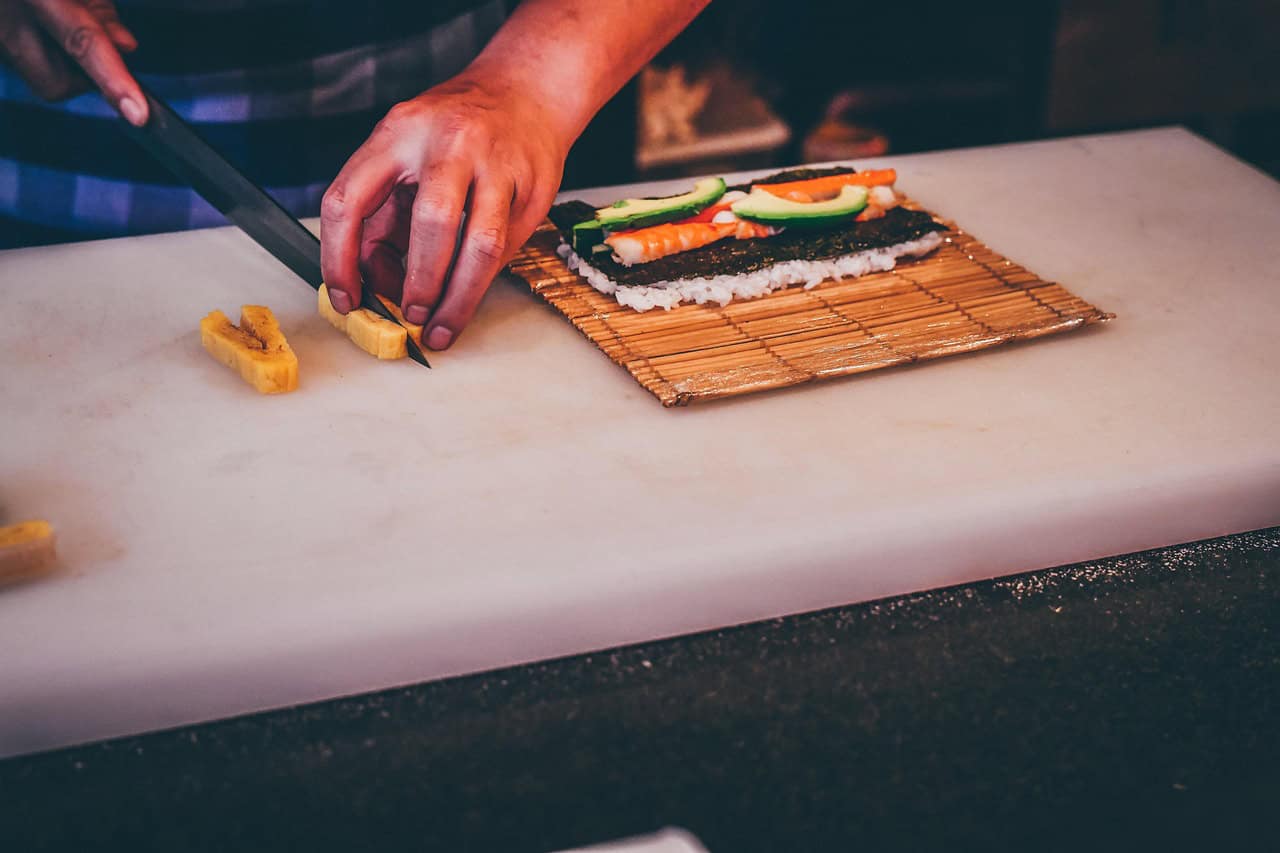
Japanese cuisine centers on harmony, seasonality, and meticulous technique. Japan has more Michelin-starred restaurants than any other country, reflecting its precision-driven food culture. Rice is the foundation, consumed in over 90 percent of meals, paired with seafood, vegetables, and fermented elements. Sushi, ramen, tempura, and kaiseki each represent different culinary philosophies. Knife skills, broth clarity, and texture control are critical, with chefs often training for over a decade. Japan consumes roughly 45 kilograms of seafood per person annually, reinforcing its deep relationship with the ocean and clean, balanced flavors.
3. Mexican Cuisine
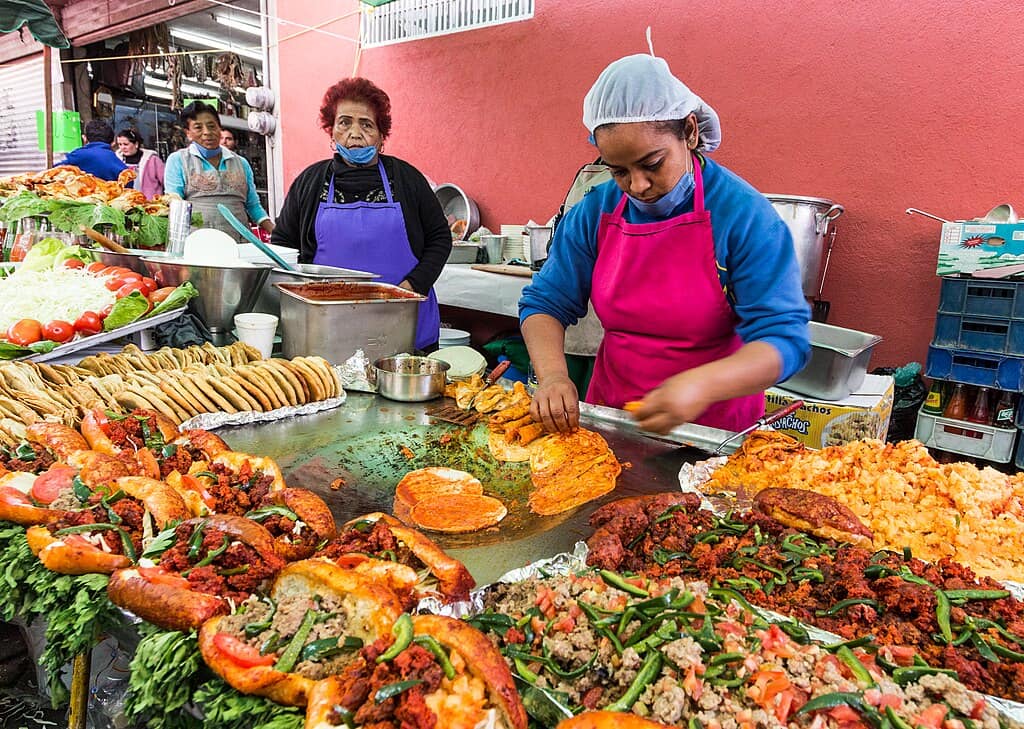
Mexican cuisine is one of the world’s oldest continuously practiced food traditions, with roots stretching back over 7,000 years. Corn alone appears in more than 600 documented preparations. The cuisine relies on complex sauces, especially mole, which can contain over 30 ingredients. Mexico uses more than 200 varieties of chili peppers, creating layered heat rather than blunt spice. Street food dominates daily life, while regional cuisines such as Oaxaca and Yucatán add depth. Recognized by UNESCO, Mexican cooking balances smoke, acid, and spice with remarkable consistency and cultural continuity.
4. Indian Cuisine
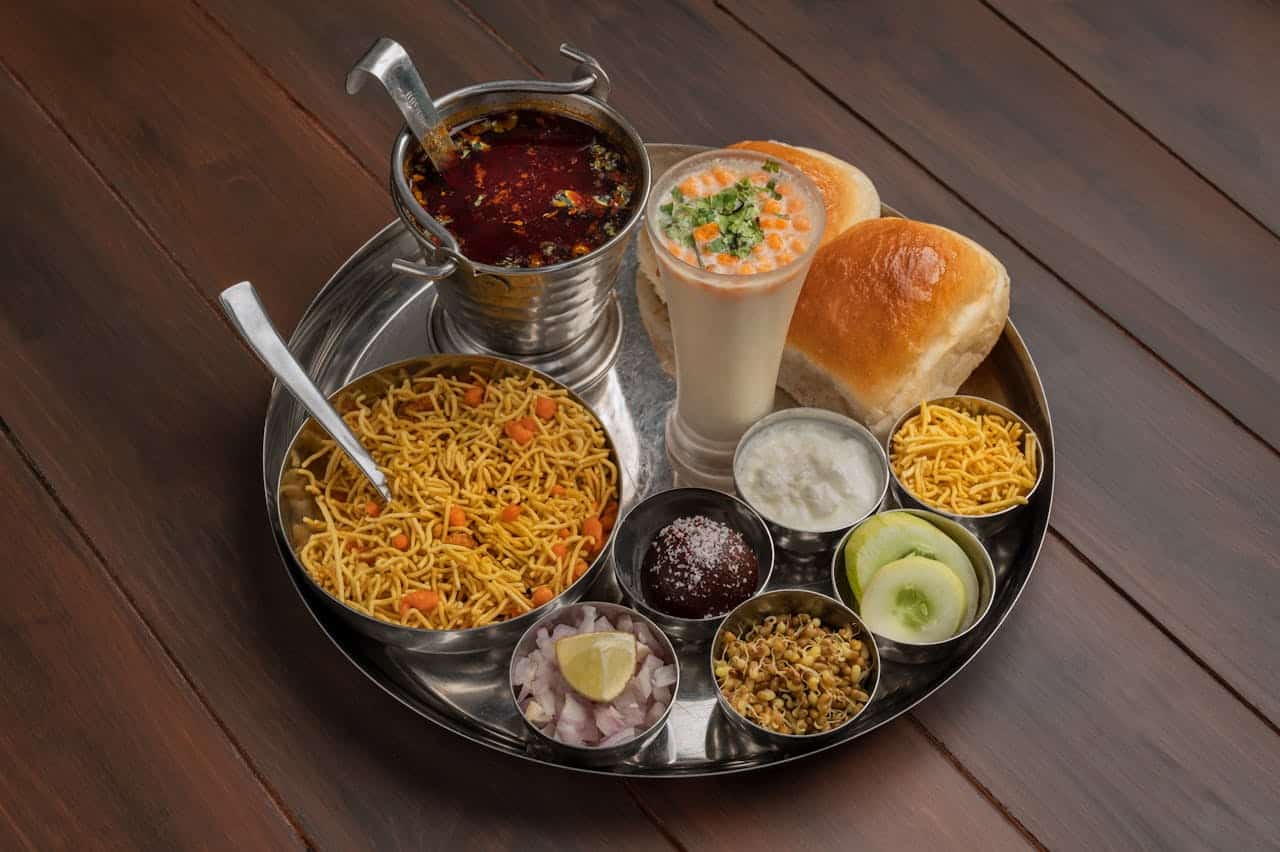
Indian cuisine functions as a vast network of regional food systems rather than a single style. India uses over 40 commonly traded spices, many for aroma and digestion rather than heat. Rice dominates the south, wheat the north, while coastal regions rely heavily on seafood and coconut. Vegetarian dishes account for nearly 30 percent of traditional recipes. Meals often include multiple components, such as a thali, offering varied textures and flavors in one sitting. India produces over 1.5 million metric tons of spices annually, underscoring its global culinary influence.
5. French Cuisine
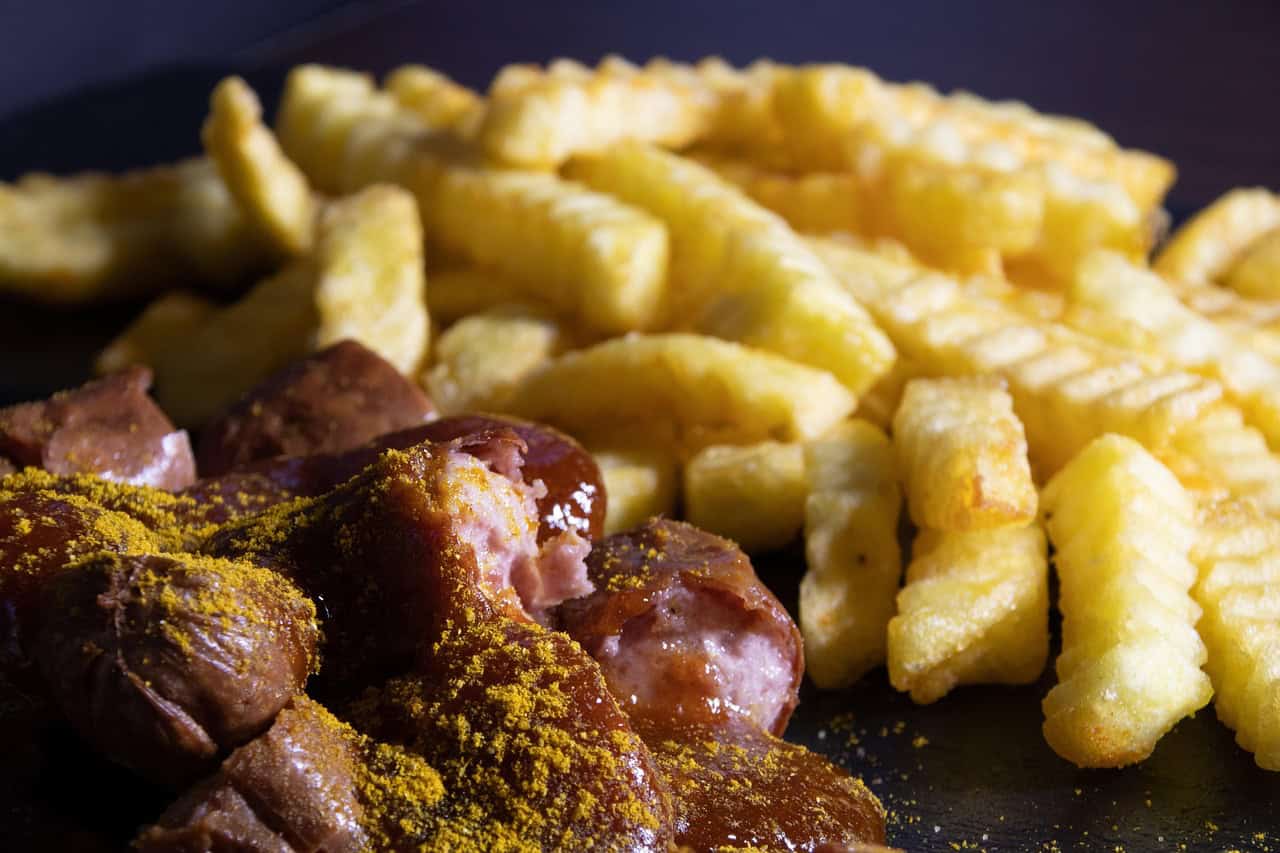
French cuisine is the backbone of modern Western culinary technique. Codified methods such as sautéing, emulsifying, and sauce reduction originated here. France recognizes more than 1,200 cheese varieties and consumes nearly 25 kilograms per person annually. Bread and pastry traditions are tightly regulated, with strict standards for labeling. Regional cooking ranges from butter-heavy northern dishes to olive-oil-driven southern fare. France exports billions of dollars in wine each year, reinforcing food as both art and industry. Precision, structure, and discipline define a cuisine that shaped how the world cooks.
6. Chinese Cuisine
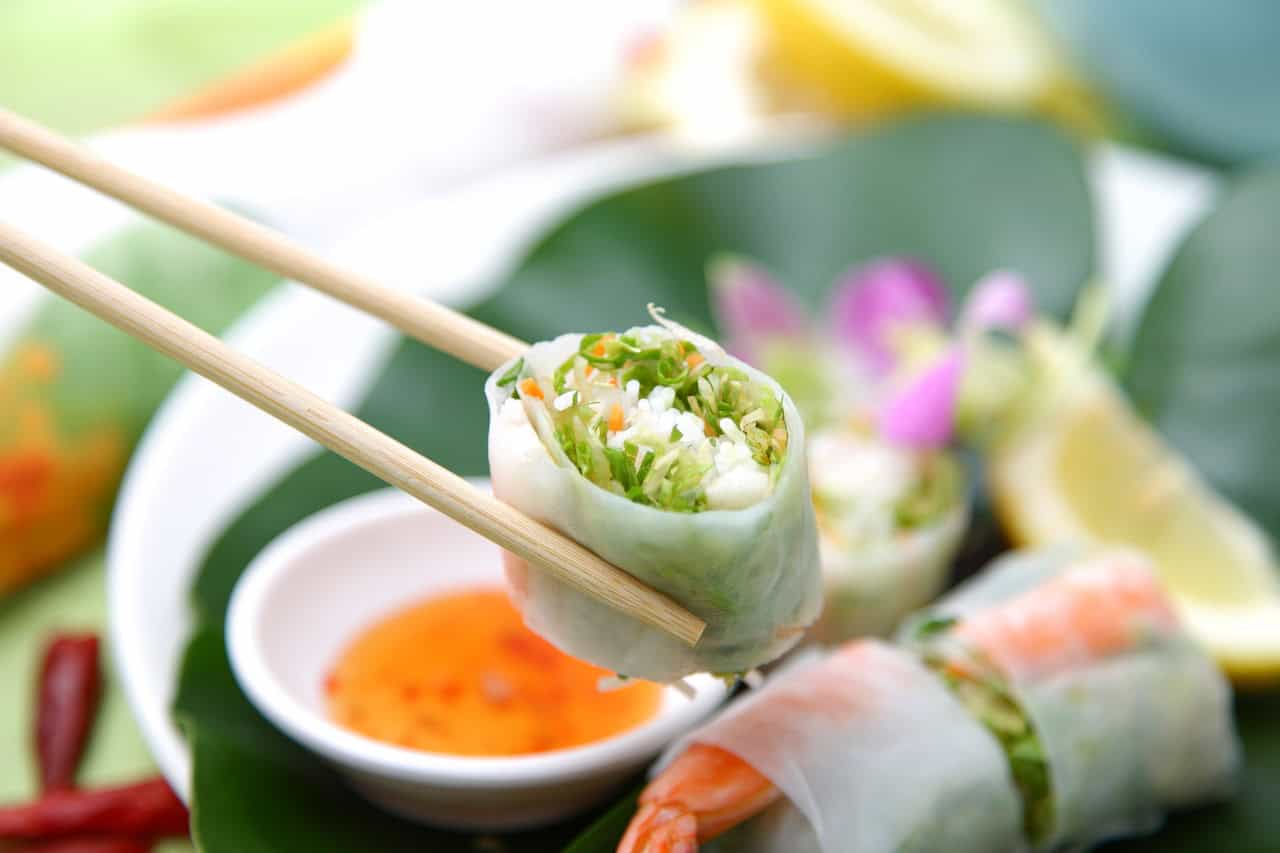
Chinese cuisine is defined by scale and diversity, spanning eight major culinary regions and thousands of localized styles. Rice and noodles anchor most meals, while cooking techniques include stir-frying, steaming, braising, and fermenting. China produces more than 65 percent of the world’s vegetables, influencing ingredient availability and variety. Regional flavor profiles range from fiery Sichuan peppercorns to delicate Cantonese steaming. Meals emphasize balance between textures and temperatures. With over 1.4 billion people contributing to its evolution, Chinese cuisine remains one of the most adaptive and influential globally.
7. Thai Cuisine
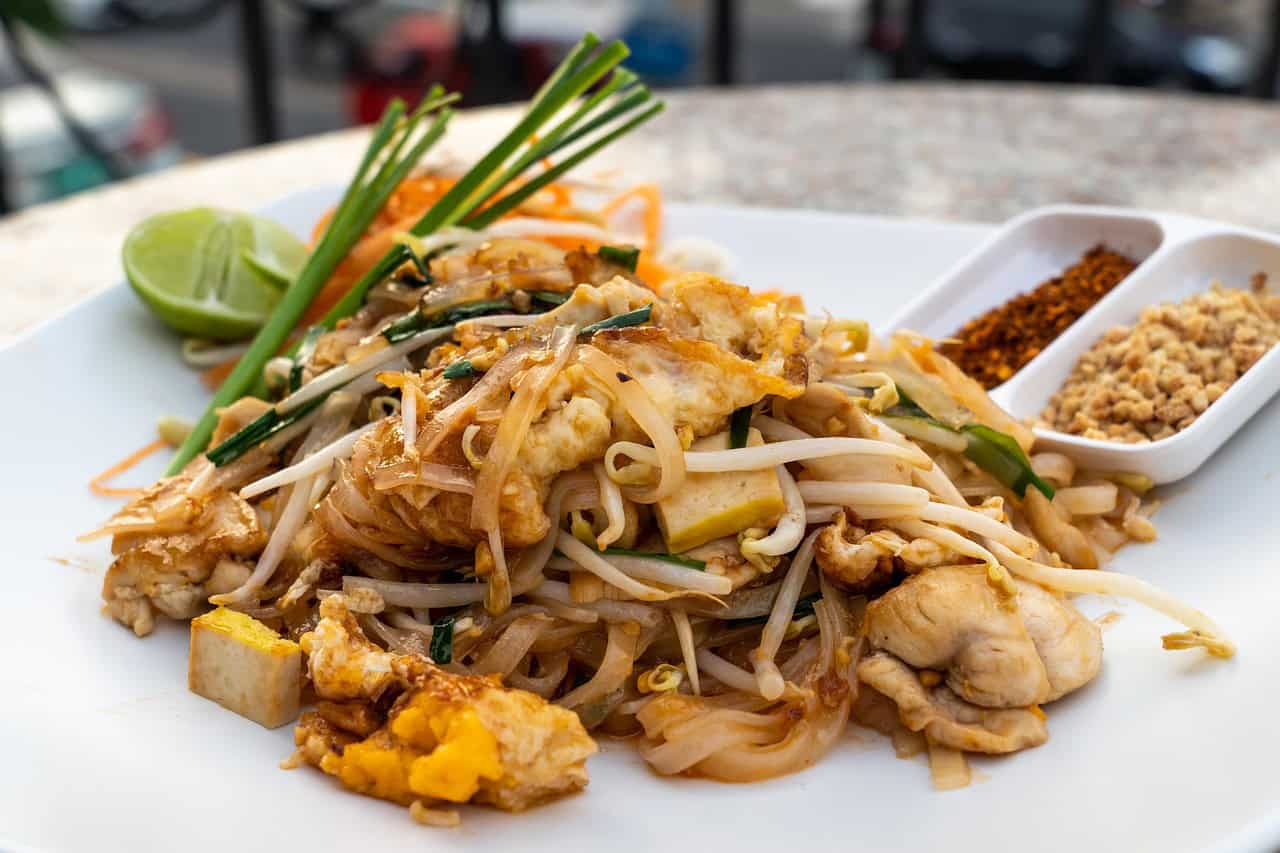
Thai cuisine is built on contrast and intensity, combining sweet, sour, salty, bitter, and spicy elements in a single dish. Fresh herbs such as lemongrass, basil, and galangal drive aroma and brightness. Rice is consumed daily by over 90 percent of the population. Thai curries rely on freshly pounded pastes, not dried powders, demanding skill and timing. Street food culture is central, with millions of meals sold daily nationwide. Thailand exports food products worth over 40 billion dollars annually, reflecting its strong global culinary footprint.
8. Spanish Cuisine
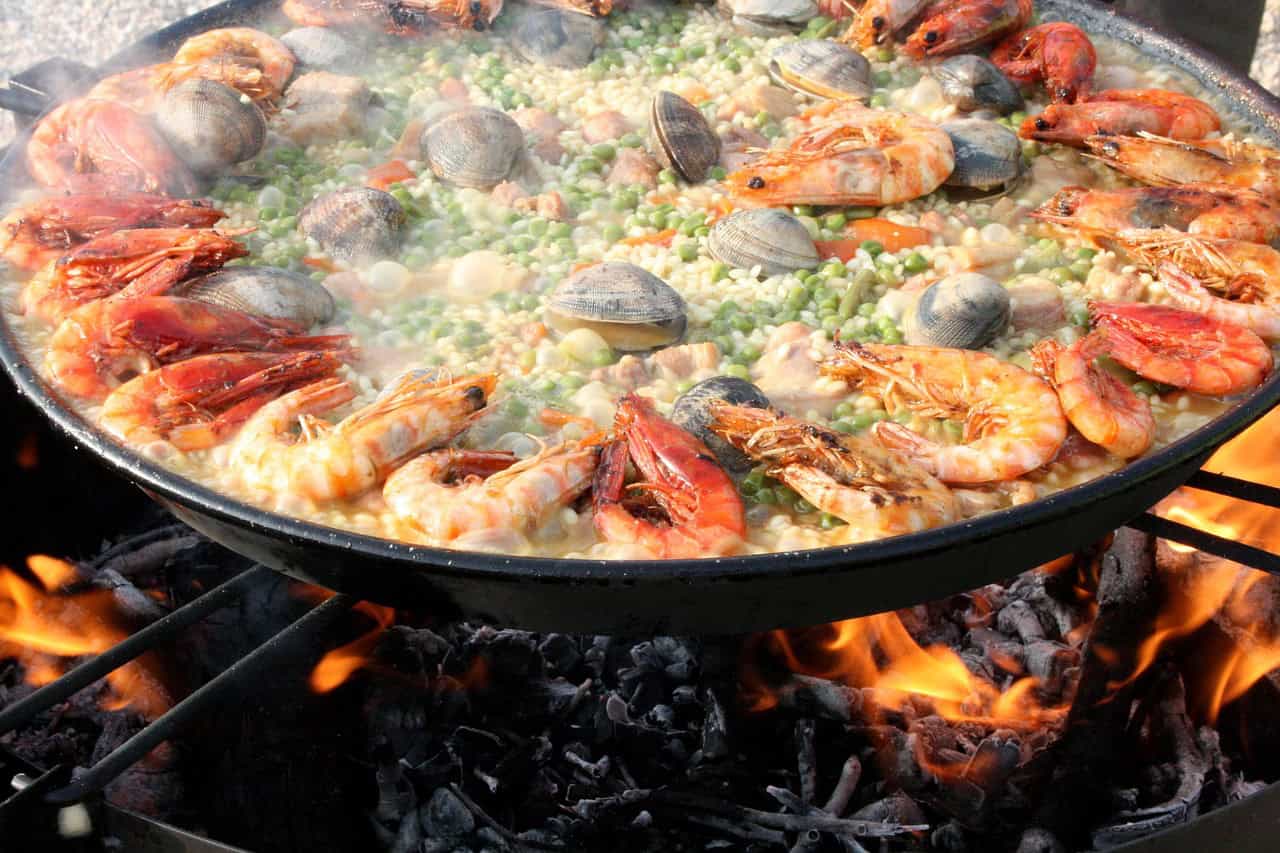
Spanish cuisine emphasizes simplicity, social eating, and ingredient quality. Olive oil is used in nearly every savory dish, with Spain producing about 45 percent of the world’s supply. Tapas culture encourages variety and shared dining, while regional dishes like paella and pintxos reflect local geography. Cured meats, especially jamón ibérico, require years of aging. Seafood plays a major role along coastal regions. Spanish meals are structured around long dining hours, reinforcing food as a social experience rather than just sustenance.
9. Korean Cuisine
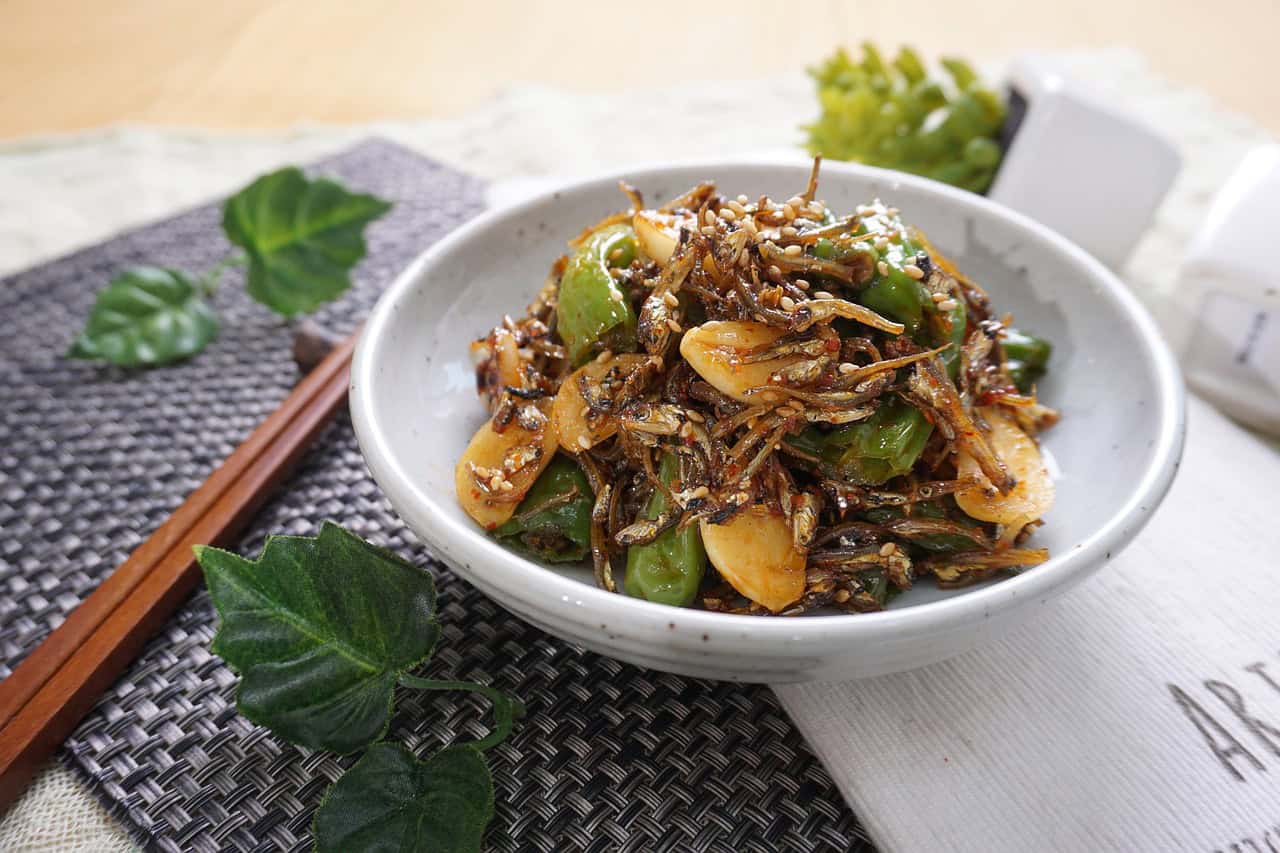
Korean cuisine is driven by fermentation, heat, and communal dining. Kimchi alone has over 200 documented variations and appears in nearly every meal. Chili paste, soybean paste, and fermented sauces provide depth and longevity. Rice remains the primary staple, accompanied by multiple side dishes known as banchan. Korean barbecue emphasizes table-side cooking and shared participation. The average Korean consumes more than 40 kilograms of fermented foods annually, reflecting a cuisine focused on preservation, gut health, and bold, comforting flavors.
10. Middle Eastern Cuisine
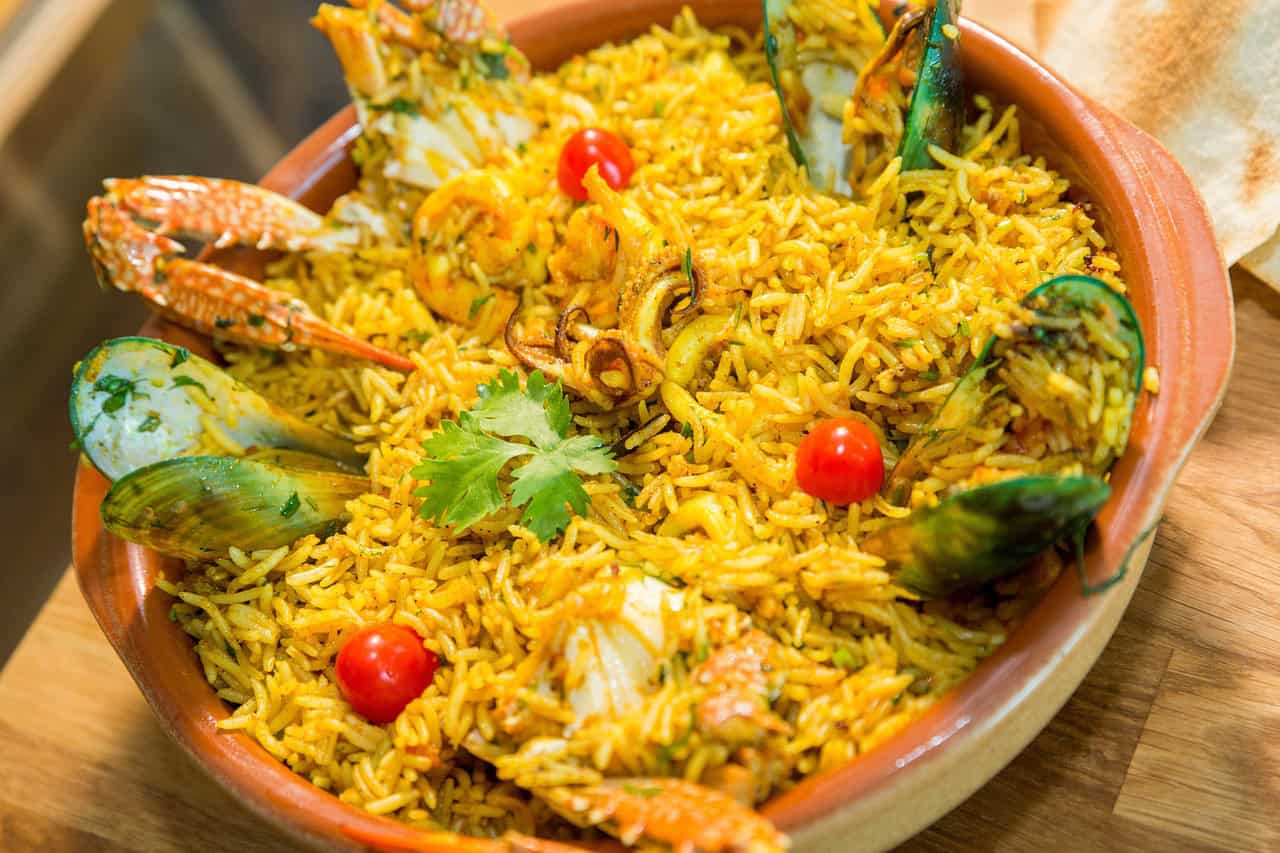
Middle Eastern cuisine spans multiple cultures but shares common foundations of grains, legumes, herbs, and slow cooking. Chickpeas, lentils, and rice dominate daily meals, while spices such as cumin, coriander, and sumac add warmth. Flatbreads are consumed at nearly every meal. Persian cooking introduces saffron and fruit-based balances, while Levantine food highlights freshness. The region produces millions of tons of dates annually, a staple ingredient. Hospitality is central, with meals designed for generosity, abundance, and shared enjoyment.