We may earn money or products from the companies mentioned in this post. This means if you click on the link and purchase the item, I will receive a small commission at no extra cost to you ... you're just helping re-supply our family's travel fund.

Raising a family in 2026 can feel like running a small city on a household budget. Housing, child care, school quality, safety, and commute time all tug on the same limited hours. A WalletHub ranking compares states across affordability, family fun, health and safety, education and child care, and broader socioeconomic measures. The states near the top tend to pair stronger services with steadier finances. The ones near the bottom ask families to improvise more, where small problems cost real time. It is not destiny, but it is a helpful map for families weighing a move or wondering why daily life feels heavy.
Massachusetts

Massachusetts holds No. 1 in WalletHub’s 2026 ranking, powered by strong education and child care results plus solid health and safety measures. The downside is cost, especially near major job hubs, where housing and child care can test even stable incomes. Still, the state’s concentration of hospitals, employers, and public services often makes everyday life feel more predictable. When support is close and options are real, families can plan long term instead of constantly patching gaps. Strong schools plus deep medical access can shorten the distance between a problem and a solution.
Minnesota

Minnesota ranks No. 2, reflecting a balance that shows up in routine life: steadier economics, strong civic infrastructure, and communities built around kids. Winters are long, but many towns counter that with parks, libraries, and youth programs that keep families busy without nonstop spending. The state often rewards planning, with services that feel consistent from season to season. When school schedules, appointments, and work calendars collide, that reliability matters more than hype. It is the kind of place where planning pays off, and weekends do not have to be expensive to feel full.
North Dakota

North Dakota lands at No. 3, and the appeal is straightforward: affordability that buys space, breathing room, and fewer housing shocks. Smaller cities and longer drives shape the rhythm, yet that trade can mean calmer commutes and less budget stress month to month. For families who prefer quiet weekends and a lower-cost baseline, the simplicity can be a real advantage. It is not a state that sells glamour. It sells steadiness, which supports long-term planning. When costs stay reasonable, parents can invest in lessons, trips, and savings without living on edge. That cushion changes how stress shows up at home.
Wisconsin

Wisconsin comes in at No. 4, offering a rare middle lane in 2026: manageable costs paired with plenty of family-friendly towns and mid-sized cities. In many places, parks, lakes, libraries, and youth sports are part of the local fabric, which helps families build community without driving all weekend. Seasons shape the calendar, from fall festivals to winter rinks, creating a rhythm kids remember. The overall feel is grounded, with enough options to grow into without constant financial strain. Even in colder months, community spaces keep families connected, which matters when work feels nonstop.
Nebraska

Nebraska rounds out the top five at No. 5, helped by a cost structure that often lets paychecks go further than expected. Housing is typically less punishing than in many coastal markets, freeing money for child care, activities, and a cushion for surprise expenses. The pace can be quieter, but community ties often run deep, and youth sports and school events fill calendars fast. For families chasing stability over status, Nebraska reads like a practical, steady choice. The stability shows up in small ways, like fewer rent shocks and more room to say yes to kids’ interests. It can also make it easier to buy time, not just things.
Oklahoma

Oklahoma sits at No. 46, signaling that family life can feel uneven depending on location and how much support a household can purchase privately. Some communities have strong local networks, but statewide challenges can show up in school resources, healthcare access, and economic stability. When the margin for error is thin, small disruptions cost more in time and energy, not just money. Oklahoma can still work well for many families, yet the ranking suggests it often requires tighter planning and fewer assumptions. Families who thrive there often choose specific pockets carefully, rather than assuming the whole map feels the same.
Nevada

Nevada ranks No. 47, and the stress often comes from fast growth outpacing the family infrastructure needed to match it. Housing pressure, long commutes, and crowded systems can turn simple logistics into a daily grind. The state offers jobs and entertainment, but raising kids is not a weekend trip. When child care, schools, and healthcare feel stretched, families pay in time as much as dollars. Over time, that grind can shrink family time, even when paychecks look decent on paper. The pressure is felt in commutes, waits, and crowded classrooms.
West Virginia
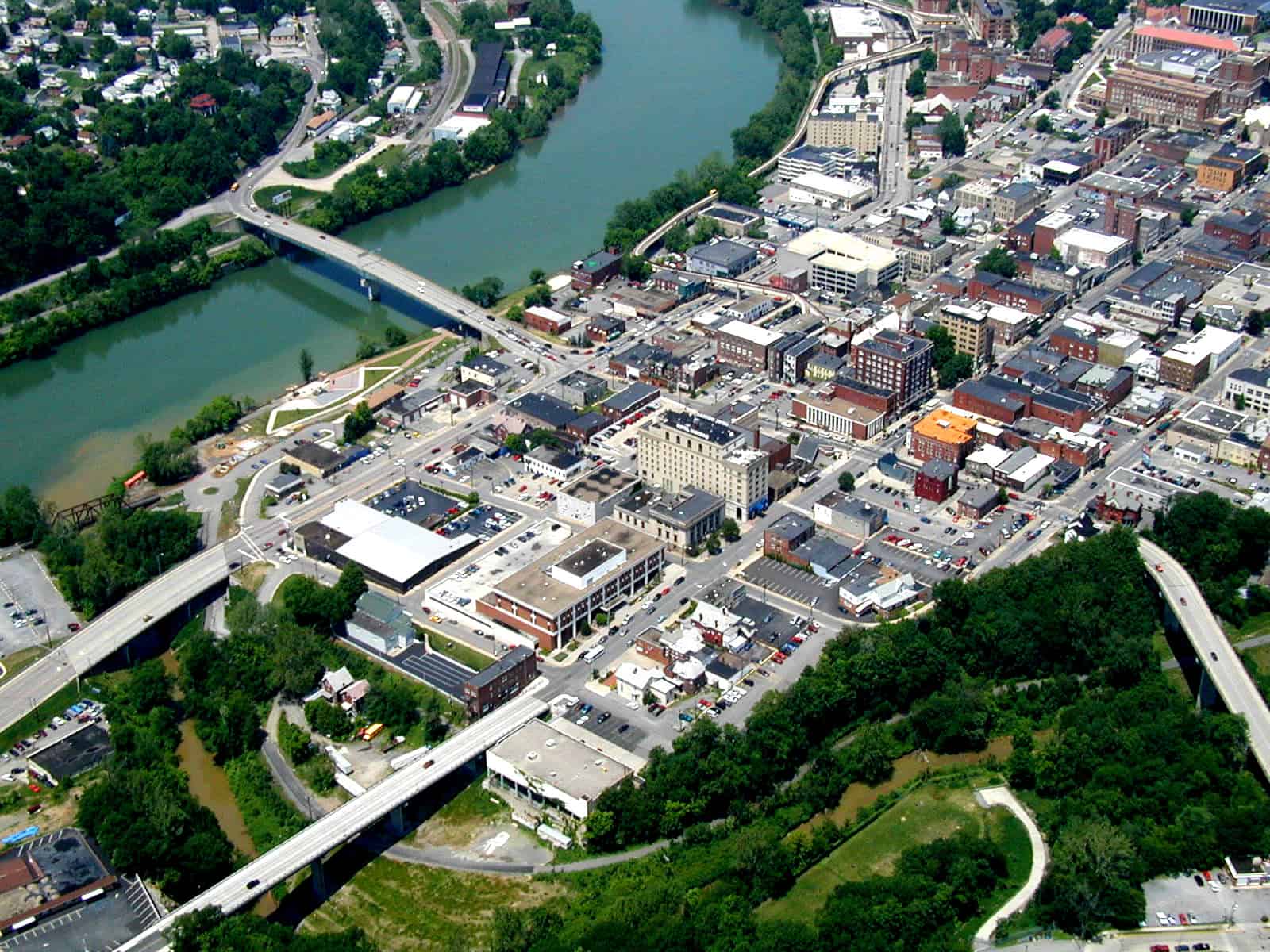
West Virginia comes in at No. 48, and the challenge is often geography paired with limited economic momentum in many areas. Mountain scenery can be stunning, yet distance can complicate access to specialized healthcare, varied job markets, and reliable child care. Lower housing costs may help on paper, but fewer nearby services create a quiet tax in driving time and missed opportunities. Many families lean on relatives and community, but relying on patchwork solutions year after year can wear people down. The best outcomes often come from finding a strong local pocket and building a dependable circle early.
Mississippi

Mississippi ranks No. 49, reflecting an environment where low wages and uneven access to services can erase the advantage of cheaper housing. Close-knit networks can be a real strength, yet the need to depend on them also reveals gaps in wider support. When healthcare options are limited and school outcomes vary sharply by area, parents carry extra load more often. Decisions become triage: what is available, what is affordable, and what can be reached in time. That extra strain can steal attention from kids, because parents are always solving the next practical problem.
New Mexico

New Mexico sits at No. 50 in the 2026 ranking, pointing to deep pressure points around education, child care, safety, and broader economic stability. The state’s culture and landscapes are vivid, but beauty does not fix strained systems. When options are limited, parents spend more time driving, coordinating, and compensating, and that effort stacks up over years. Some communities shine, yet the statewide picture suggests many households feel stretched before they even reach the fun parts of family life. When the baseline is this tight, resilience becomes a requirement, not a personality trait.