We may earn money or products from the companies mentioned in this post. This means if you click on the link and purchase the item, I will receive a small commission at no extra cost to you ... you're just helping re-supply our family's travel fund.
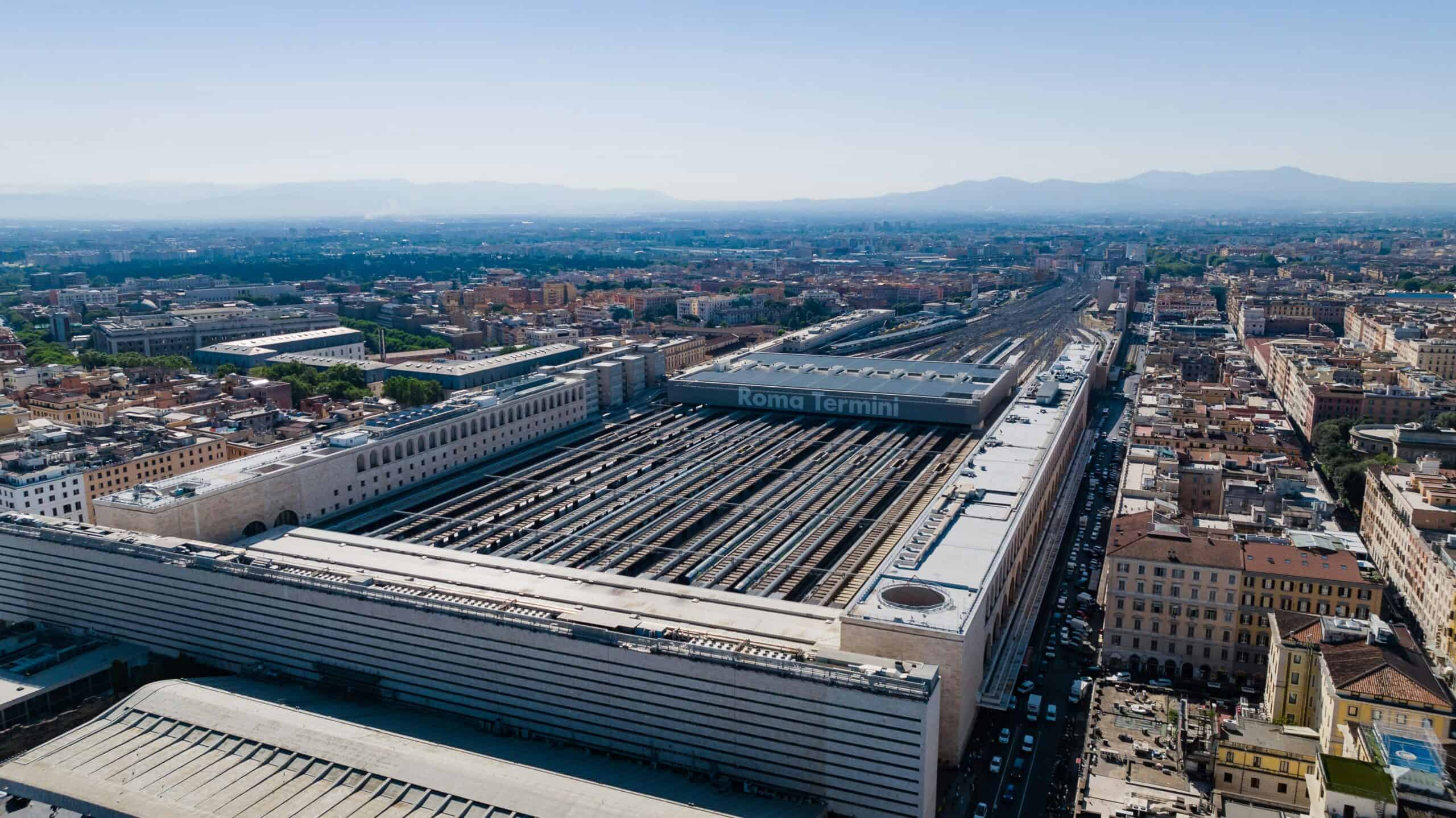
A railway station can make a journey feel effortless or quietly exhausting. In Europe, the difference is often clear within minutes: intuitive layouts, frequent departures, and comfortable waiting areas on one side; bottlenecks, confusing transfers, and chronic delays on the other. Recent station rankings and passenger-convenience reports show that excellence is possible even in busy hubs, while weak design and operational strain still drag down others. This gallery pairs standout performers with tougher stations, not to shame places, but to show what works when rail travel is built around real people.
Zürich HB, Switzerland (Best)

Zürich Hauptbahnhof keeps earning praise because it combines volume with clarity. It ranks at the top in the 2024 European Railway Station Index, with strong performance on delays, station services, accessibility, and onward connections, and that balance shows in daily use. The station feels legible even at peak hours, with clear flows between suburban, long-distance, and international lines, plus retail and food options that support long layovers without chaos. It is busy, but it rarely feels disorganized, which is exactly what great hub design should accomplish.
Bern Hauptbahnhof, Switzerland (Best)
Ismael Lima/Unsplash
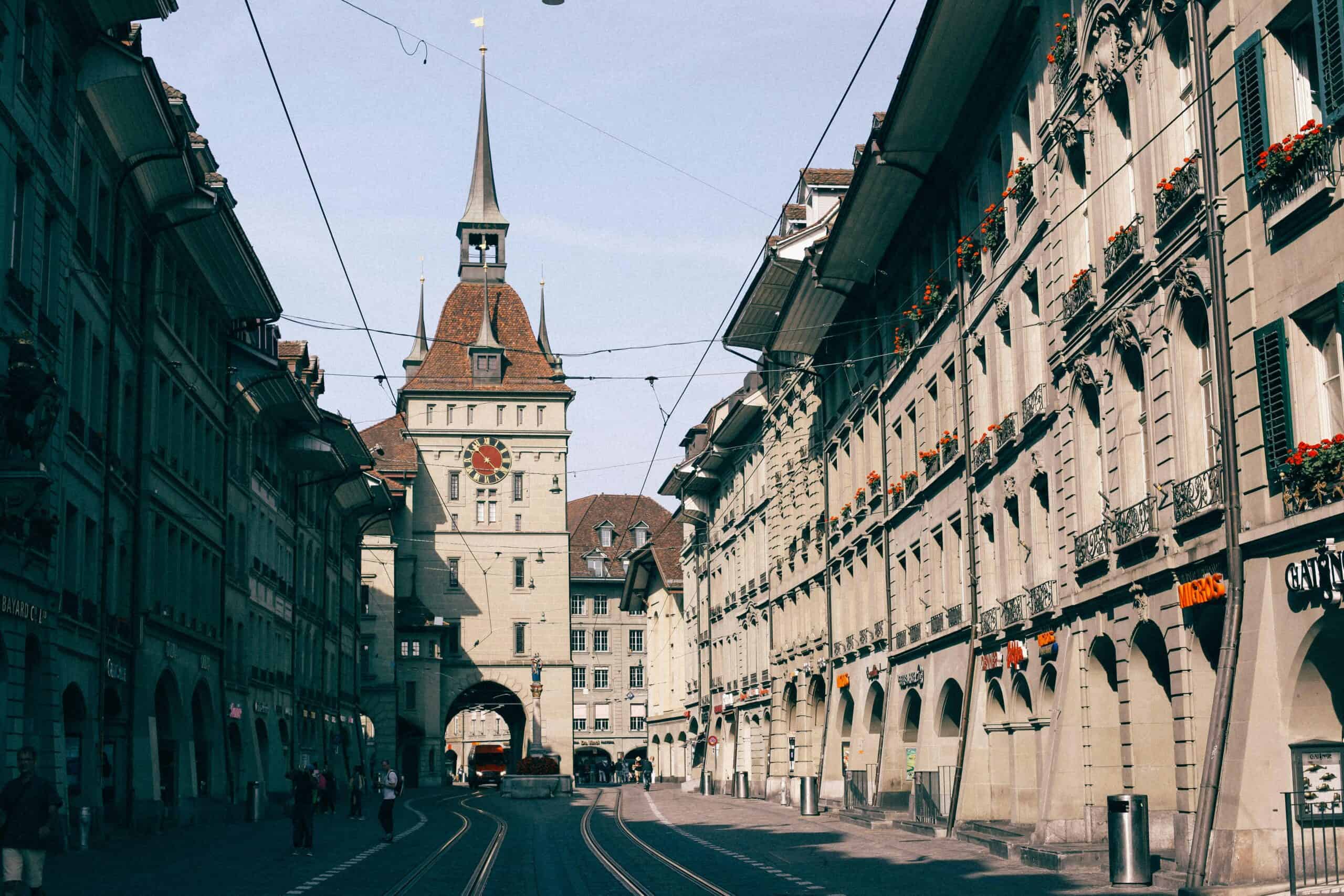
Bern stands out for reliability and passenger comfort in a compact national capital context. In the same Europe-wide index, it sits near the top thanks to strong punctuality, straightforward circulation, and service quality that does not collapse during rush periods. What makes Bern special is proportion: large enough to be useful for regional and national travel, yet small enough to remain readable without constant wayfinding stress. For travelers carrying luggage or making quick transfers, that predictability lowers anxiety and turns connection time into breathing room rather than a sprint.
Utrecht Centraal, Netherlands (Best)
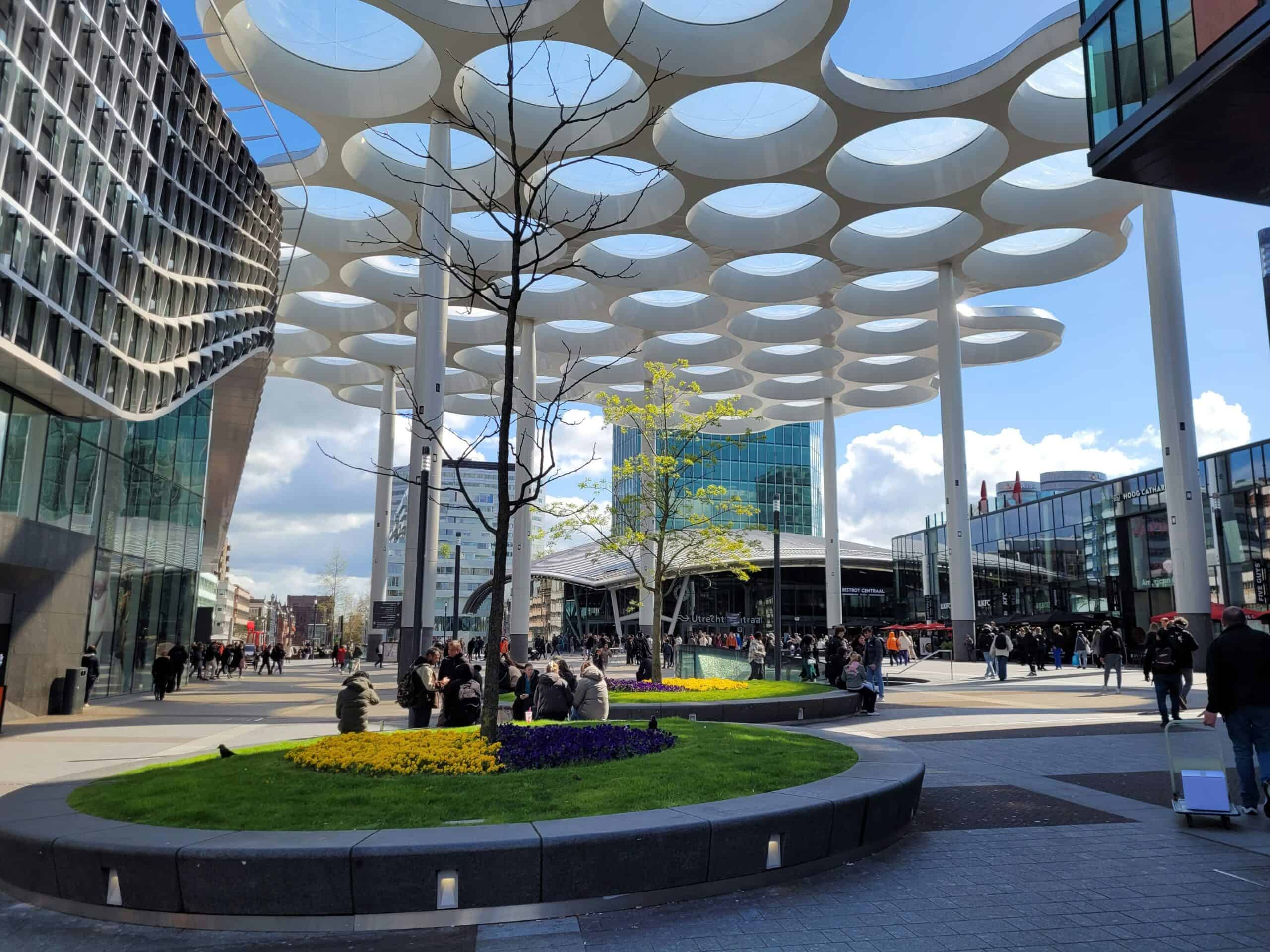
Utrecht Centraal has become a model of modern interchange planning. It consistently scores high in European rankings because it links rail, local transit, and active travel through a coherent, high-capacity design that still feels navigable. The station handles heavy flows, yet movement remains intuitive, with wide concourses, legible signage, and strong service density that supports both commuters and long-distance passengers. It is not just architecturally updated; it works operationally. That practical success is why it keeps appearing among Europe’s strongest station experiences year after year.
Roma Termini, Italy (Best)
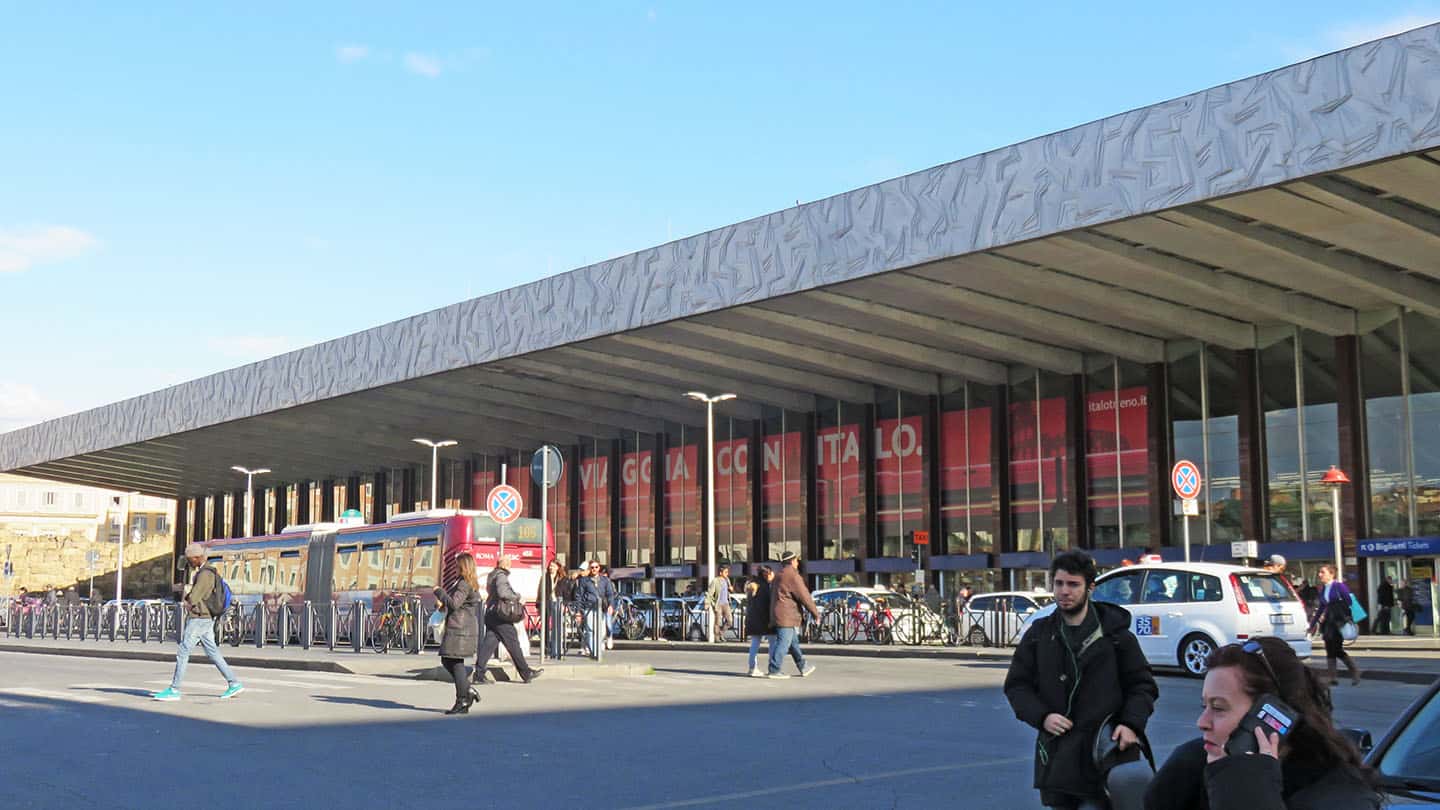
Roma Termini performs well because it combines national importance with strong station utility. In recent rankings it places in the top group, reflecting a broad mix of rail coverage, station amenities, and accessibility options that matter in real travel scenarios. Termini can be crowded, but it remains functional for intercity trips, airport links, and local transfers, with enough services on-site to absorb delays without turning uncomfortable fast. It is a classic big-hub success story: imperfect at peak, but consistently effective at getting large numbers of people where they need to go.
Paris Gare Saint-Lazare, France (Best)
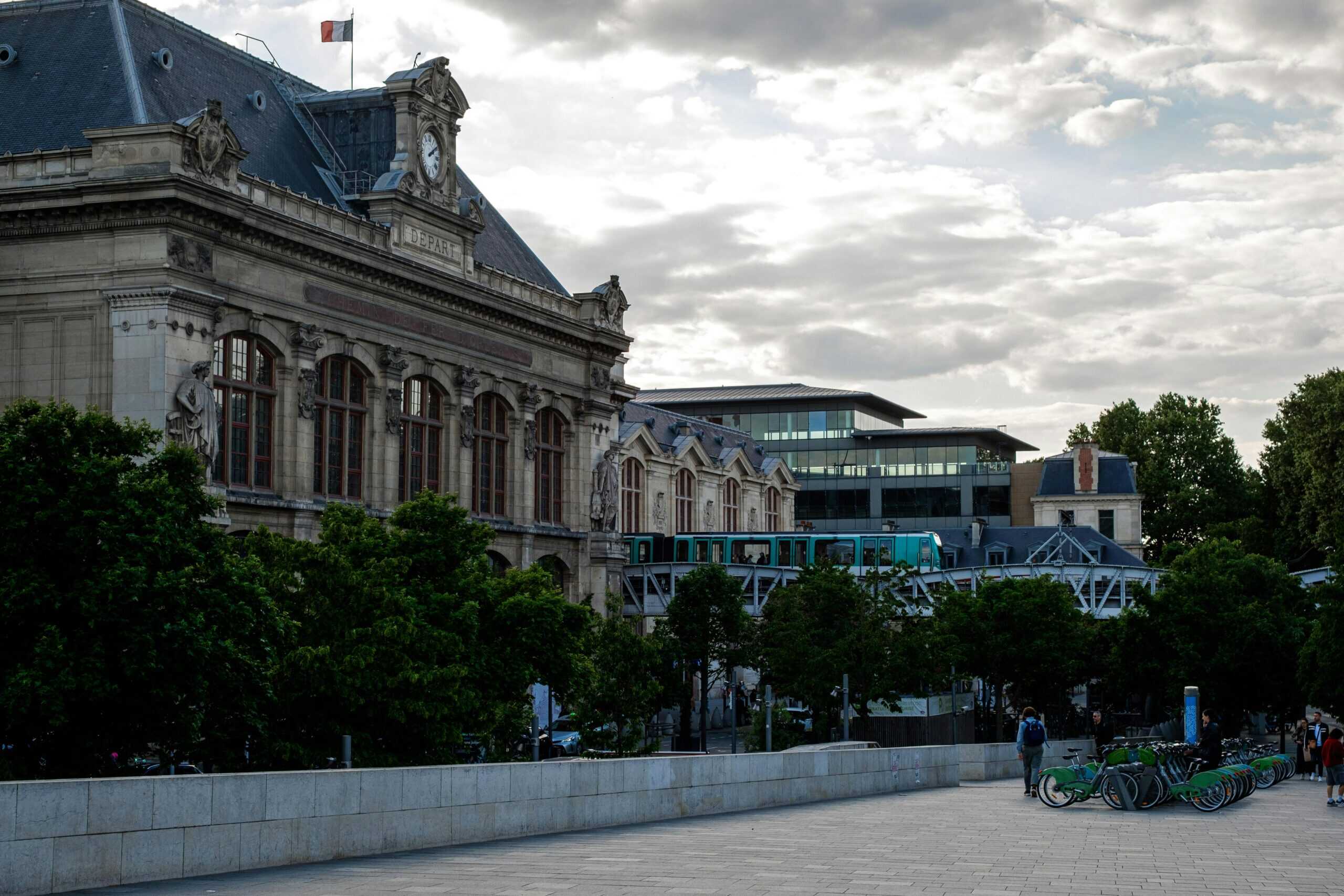
Saint-Lazare’s strength is how it supports massive commuter demand while keeping a usable passenger environment. The station appears in the upper tier of European station rankings, supported by service variety and network importance, but its real advantage is operational rhythm: frequent departures, strong city integration, and clear urban access. Even when platforms fill quickly, the station’s structure and surrounding transit links help maintain flow. It may not feel quiet, but it feels purposeful, and that matters more for daily travelers than architectural spectacle alone.
Bremen Hauptbahnhof, Germany (Worst)
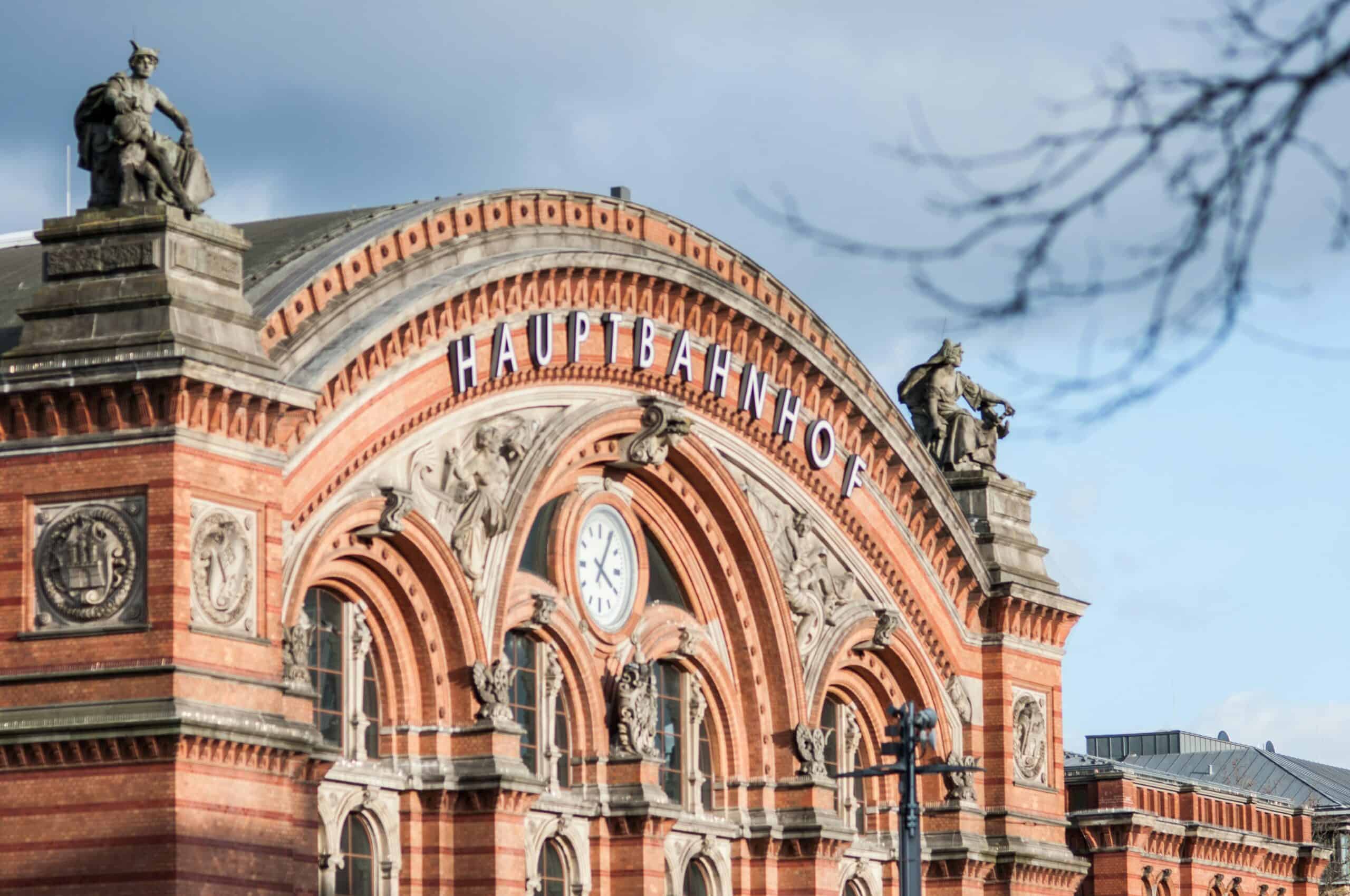
Jürgen Grunau/Unsplash
Bremen has repeatedly appeared near the bottom of Europe-focused convenience rankings, and the criticism centers on passenger experience rather than symbolism. Reports point to weaker scores on comfort factors, station services, and reliability-related stress compared with leading hubs. The result is a station that can feel more draining than its size suggests, especially when crowding and delay ripple through platforms and waiting zones. It still functions as an important node, but in head-to-head comparisons it underperforms on the qualities that make rail travel feel calm and manageable.
Berlin Ostkreuz, Germany (Worst)
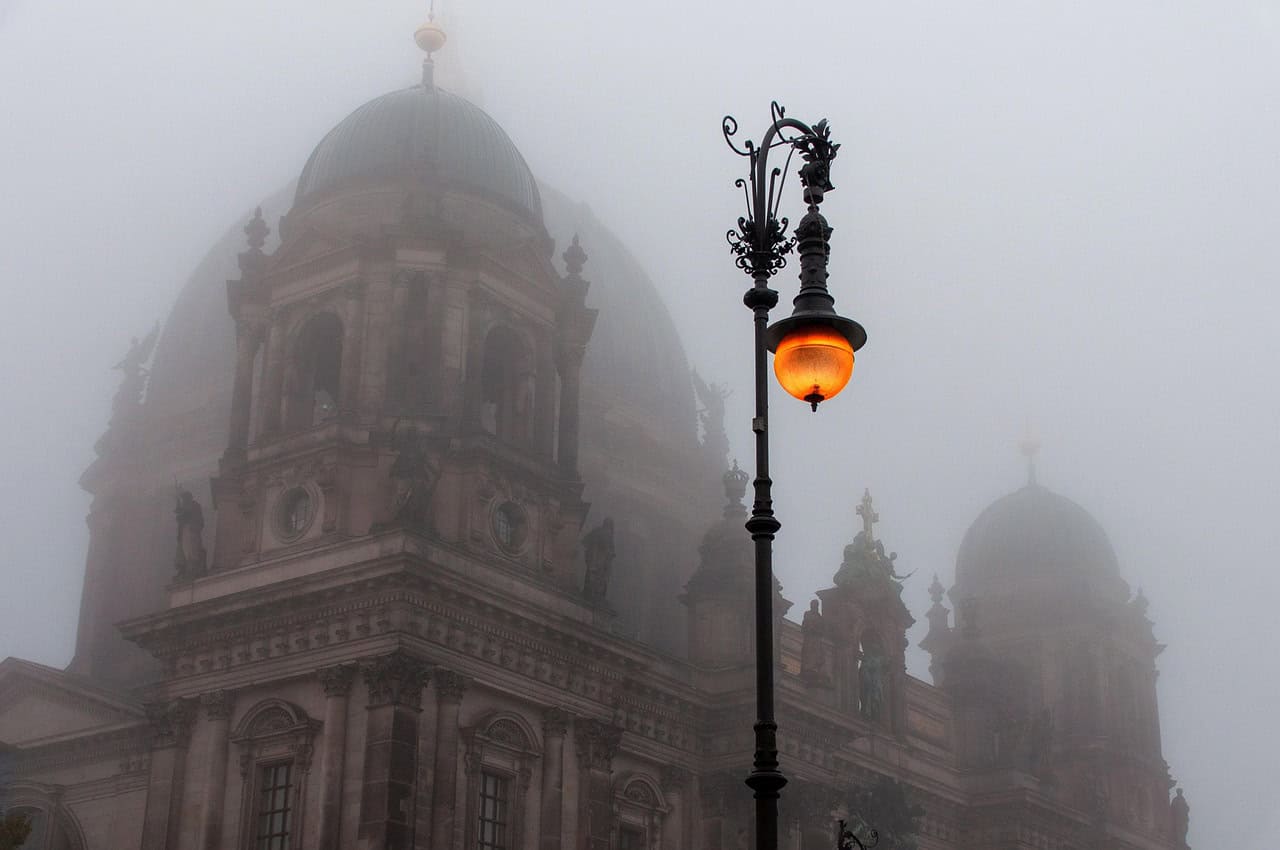
Berlin Ostkreuz is a critical interchange, yet it is often cited among weaker performers in popular summaries of station rankings because passenger comfort and convenience can lag behind throughput demands. The station’s role in the network is undeniable, but heavy commuter pressure, transfer complexity, and the feel of constant motion can make it harder to navigate for non-regular users. In practice, it works best for people who already know their routes. For occasional travelers, the environment can feel functional but unforgiving, especially during disruptions.
Châtelet-Les Halles, Paris (Worst)\

Châtelet-Les Halles is one of Europe’s busiest underground interchanges, and that scale is exactly why many travelers find it stressful. In lower-ranked lists, it is often flagged for complexity rather than lack of importance: long underground corridors, multilayered transfers, and high passenger density that can overwhelm first-time users. It is indispensable to Paris mobility, but convenience is uneven when wayfinding pressure and crowd intensity peak together. For confident commuters it is routine; for occasional visitors it can feel like navigating a moving maze under time pressure.
Roma Tiburtina, Italy (Worst)
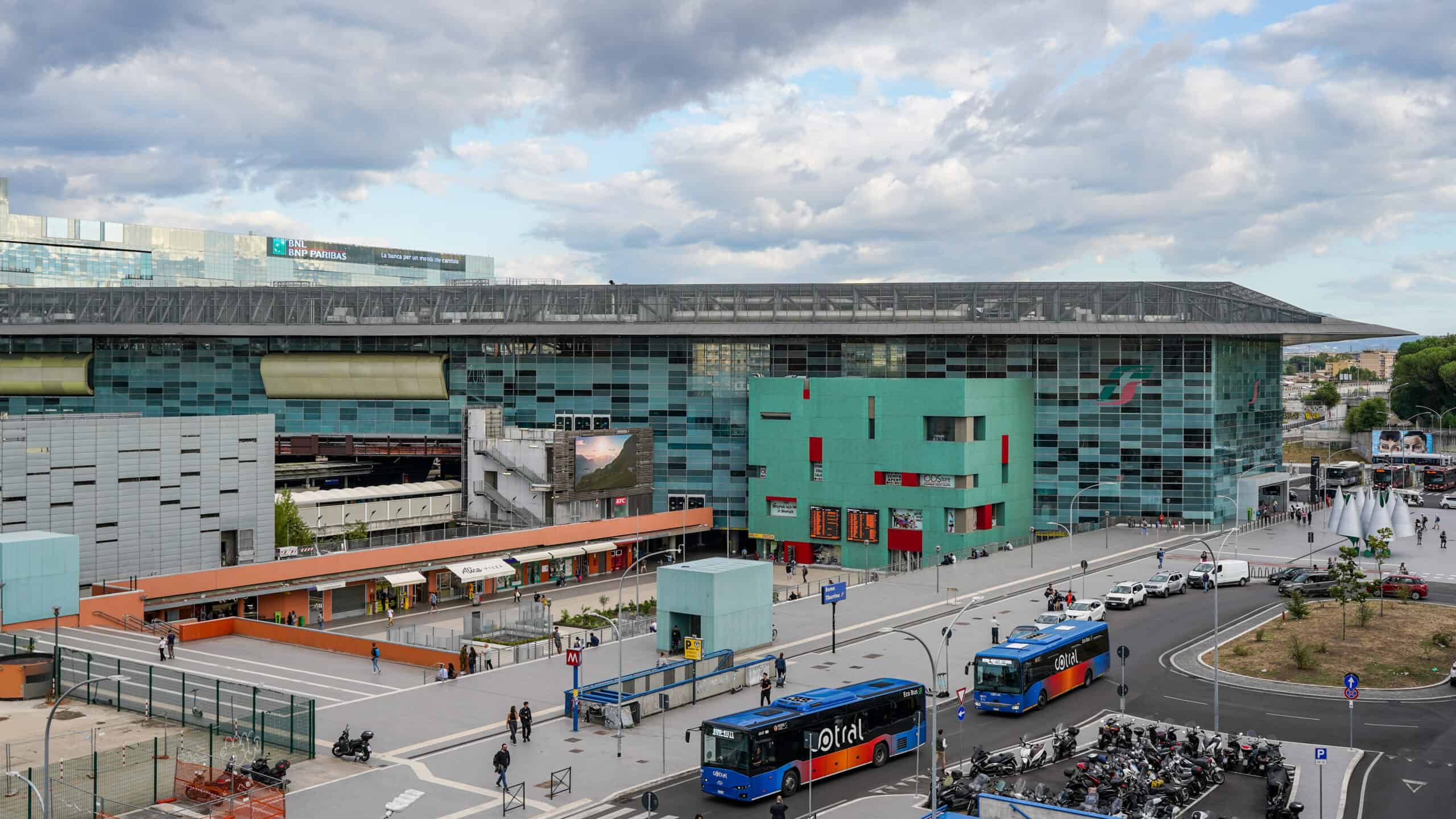
Roma Tiburtina is modern in appearance but still appears in lower-tier assessments of passenger convenience. Commentary around its ranking points to transfer friction and a less intuitive experience compared with stronger Italian hubs. The station serves important high-speed and regional functions, yet usability can drop when platform changes, circulation gaps, and waiting-area constraints combine during busy periods. It is a reminder that contemporary architecture alone does not guarantee passenger ease. Operational clarity, signage logic, and comfort under load are what ultimately determine whether a station feels good to use.
London Euston, United Kingdom (Worst)
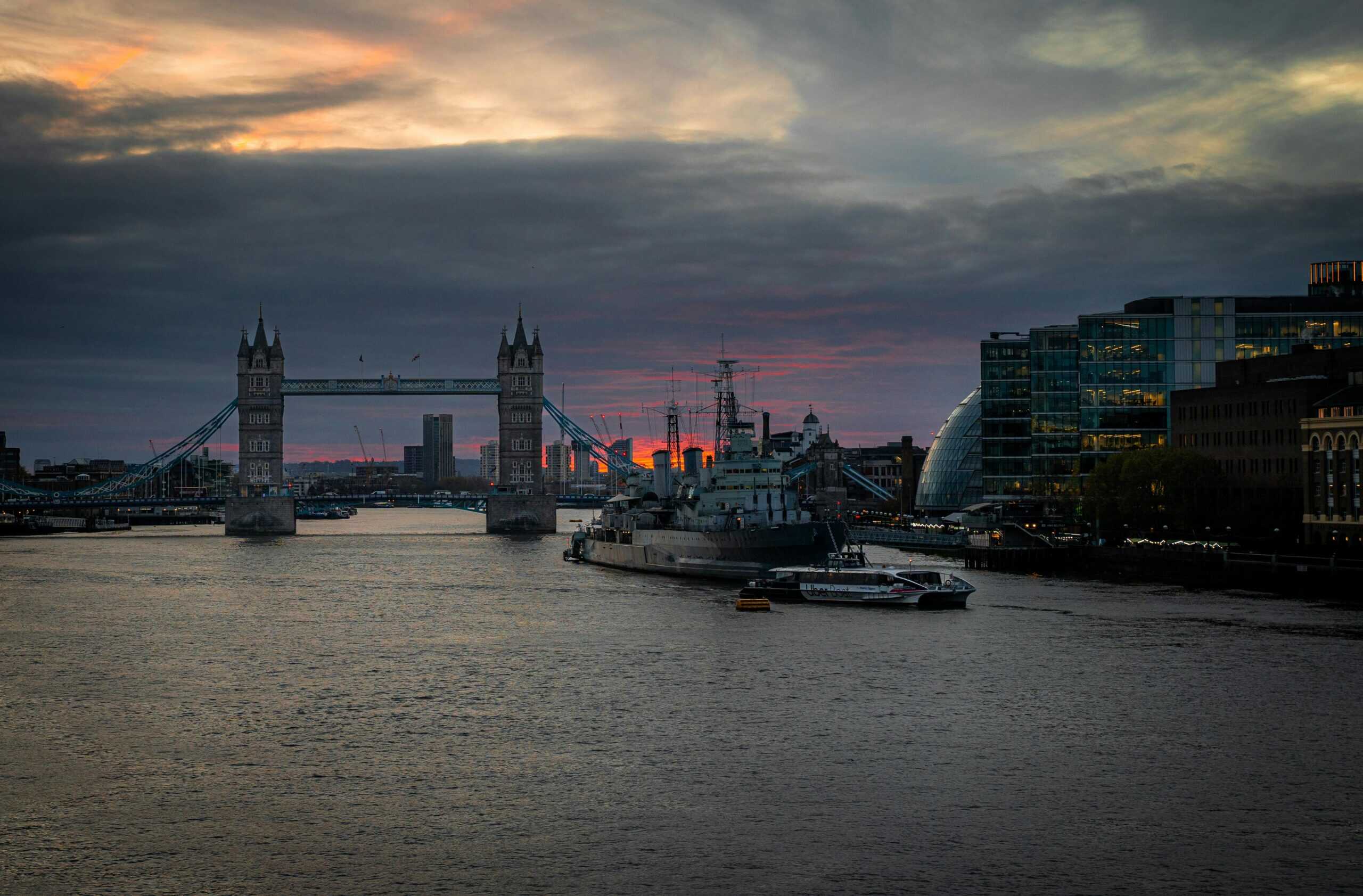
Euston’s problems are widely discussed in UK passenger debates, especially around overcrowding during disruption windows. A London TravelWatch report warned crowding can create safety concerns when late platform announcements trigger sudden surges in a station handling far more passengers than it was originally designed for. Even with incremental improvements, the core issue remains capacity stress at exactly the moments travelers need clarity most. Euston is vital to the network, but right now it often feels like infrastructure running at its limits, not comfortably within them.