We may earn money or products from the companies mentioned in this post. This means if you click on the link and purchase the item, I will receive a small commission at no extra cost to you ... you're just helping re-supply our family's travel fund.

Cultural influence is not just about fame. It is about what travels across borders and stays: language, music, cuisine, film, fashion, design, rituals, and ideas people adopt into everyday life. The countries below appear consistently in modern soft-power and cultural influence frameworks, while also showing durable impact through institutions, creative industries, and global audiences. Influence here is treated as living exchange, not a trophy. These nine countries shape what people watch, hear, taste, wear, and discuss, often far beyond their size or geography.
United States
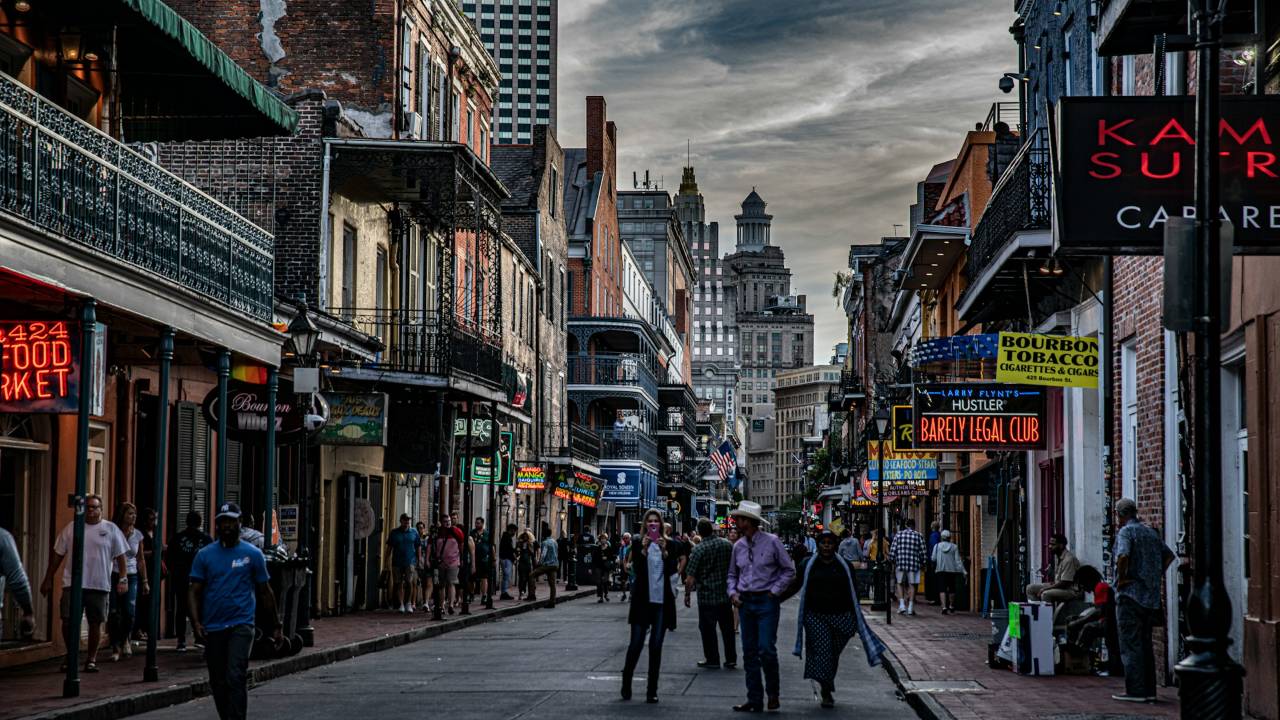
The United States remains a cultural super-exporter through film, television, music, digital platforms, and university ecosystems that attract global talent. Hollywood, streaming media, and social platforms continue to set visual language and narrative pace for international entertainment markets. U.S. brands also shape lifestyle norms in sports, fashion, and food at scale, while English-language media distribution amplifies reach. In current soft-power studies, the U.S. still ranks at the top overall, with influence and familiarity metrics that are hard for any other country to match consistently.
France

France’s cultural reach comes from depth and continuity: cuisine, art, cinema, philosophy, fashion, and heritage preservation all reinforce one another. Paris remains a global reference point for luxury and design, while French cultural institutions, museums, and language networks sustain long-term visibility across continents. The country also benefits from a strong diplomatic culture that frames creativity as national strategy, not side output. In influence rankings, France repeatedly performs near the top because its identity translates clearly across both high culture and everyday consumer culture.
United Kingdom
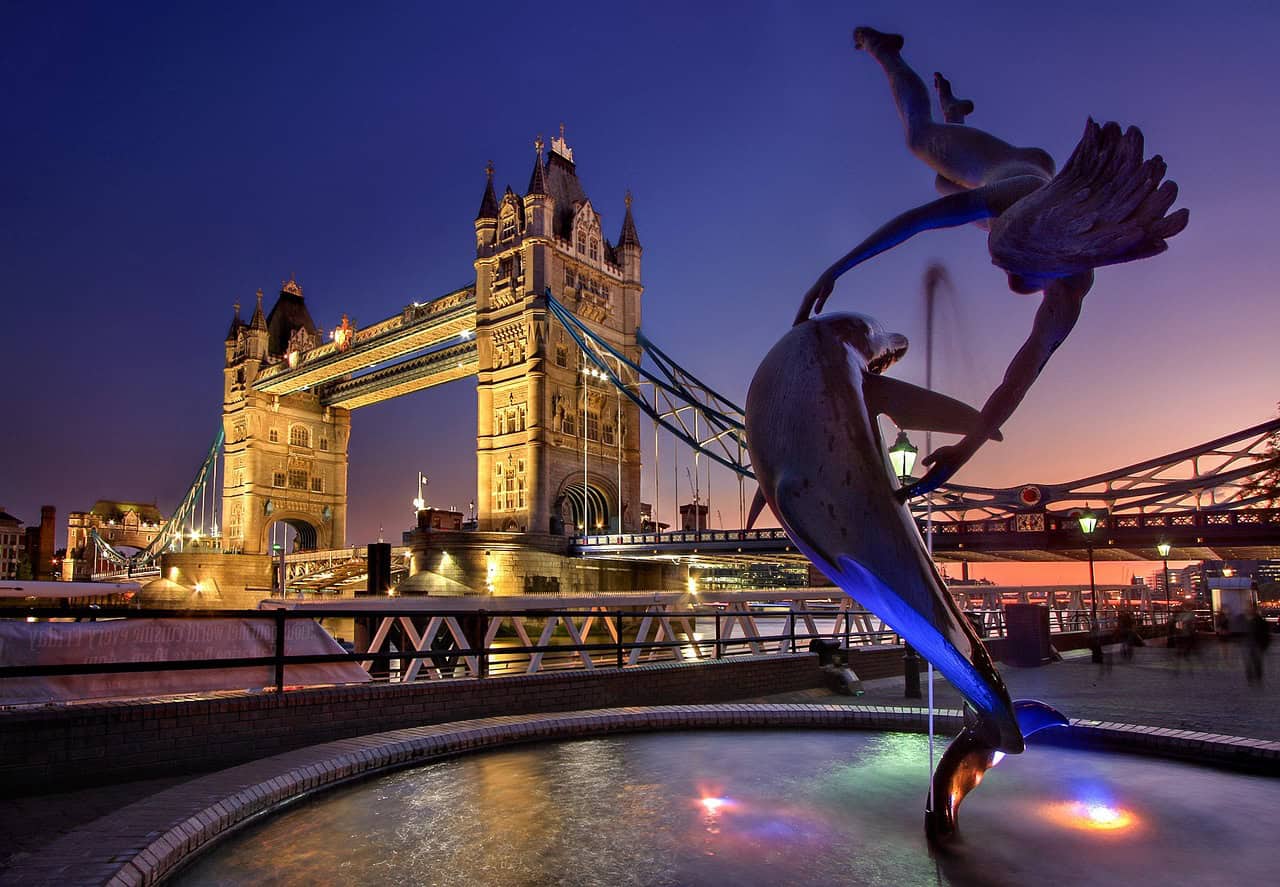
The U.K. projects culture through an unusual mix of tradition and reinvention. British music, literature, television formats, theater, and fashion labels travel widely, while institutions such as the BBC and major universities deepen credibility. London’s creative economy acts as a global amplifier where art, finance, and media intersect in one ecosystem. The country’s cultural output also benefits from linguistic reach and a strong archive of globally known symbols, from Shakespeare to contemporary pop acts, keeping Britain central in influence indices and public imagination alike.
Japan
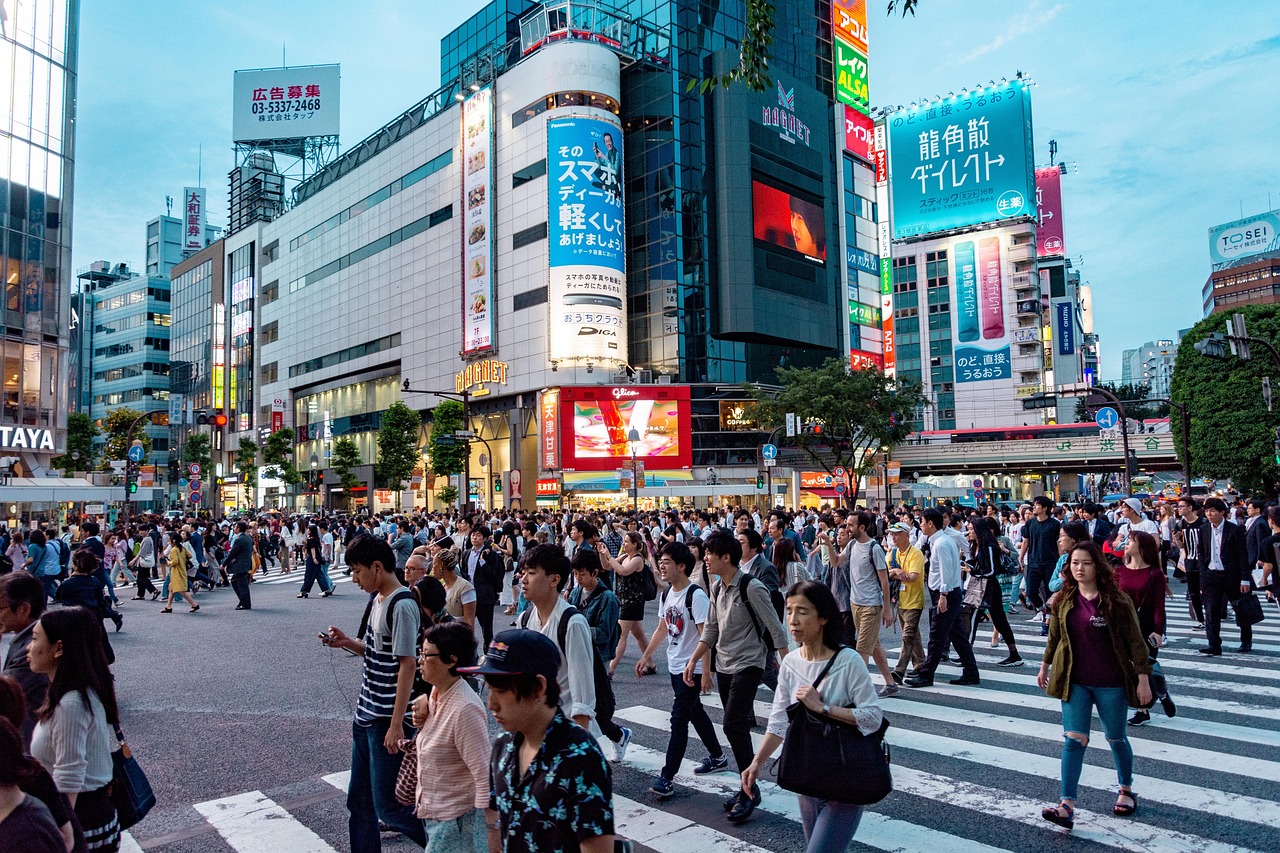
Japan’s influence is precise and far-reaching: anime, manga, gaming, architecture, design minimalism, cuisine, and craftsmanship have shaped global tastes for decades. What makes Japan distinctive is consistency across generations, legacy forms and new formats coexisting without dilution. Japanese pop culture communities are deeply global, while food and design aesthetics are integrated into daily life far beyond Asia. In soft-power terms, Japan performs strongly because its culture is both highly recognizable and highly adaptable, moving fluidly between niche fandom and mainstream consumption across regions.
South Korea

South Korea’s rise is one of the defining cultural stories of the past decade. K-pop, Korean drama, film, beauty, and food have expanded from regional popularity to true global influence, with fandom systems that convert attention into sustained participation. The country’s media exports are now major drivers of language learning, tourism interest, and beauty trends worldwide. Industry reports also highlight K-pop’s growing role in global recorded music momentum. South Korea’s influence now rests on a full ecosystem, not a single trend cycle.
Italy
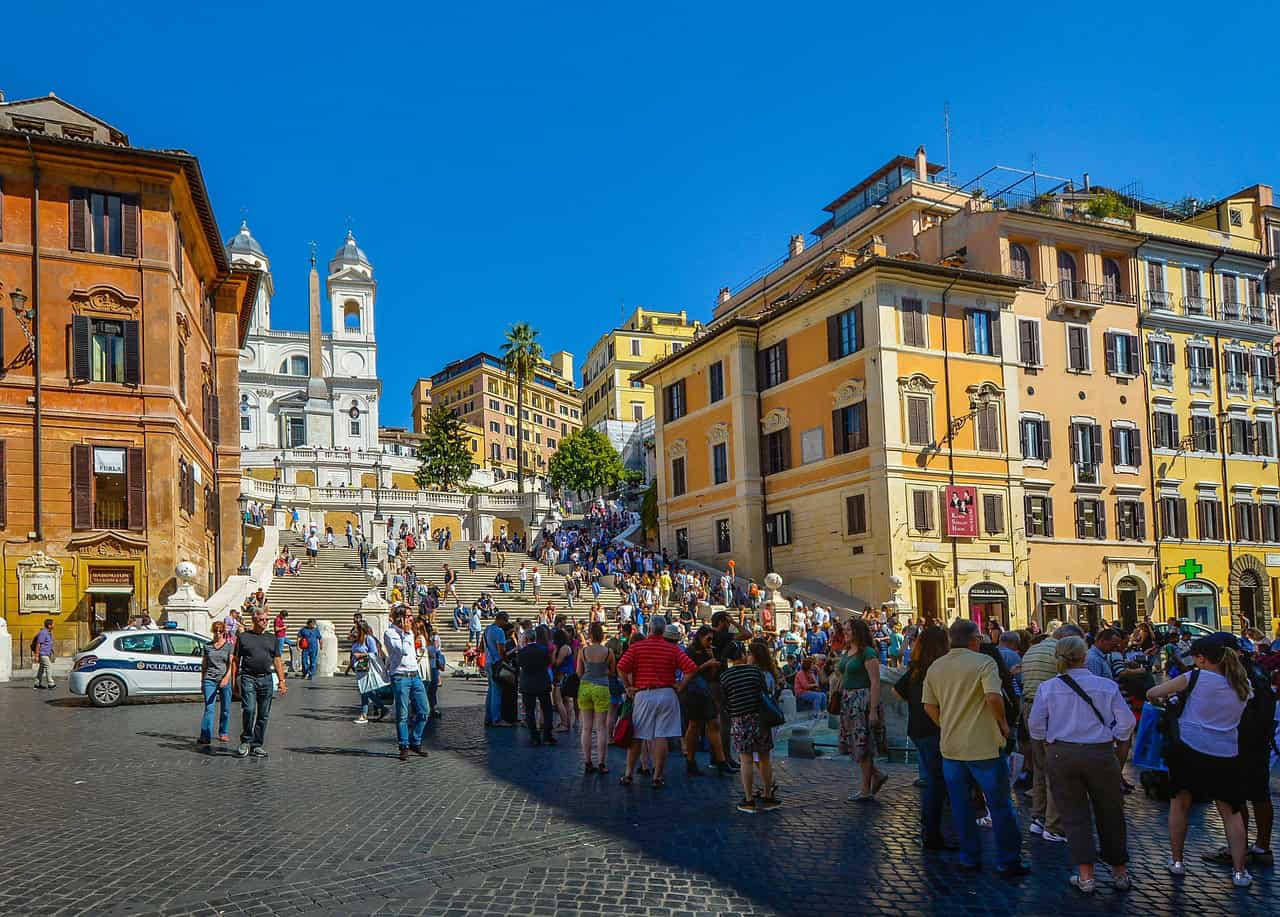
Italy influences the world through a rare blend of visual heritage and living lifestyle culture. Italian cuisine, fashion, industrial design, and architecture remain reference standards in both luxury and everyday contexts. Cultural influence here is tactile and visible, from food rituals and city form to craftsmanship and cinema history. Italy also carries one of the deepest heritage footprints in global institutions, which sustains long-term symbolic power alongside commercial relevance. The country’s strength is not novelty alone, but enduring desirability across multiple generations and markets.
Spain

Spain’s cultural influence is built through language reach, music, gastronomy, festivals, and strong visual identity across both Europe and Latin America. Spanish is a major global language of media and everyday exchange, giving cultural products natural cross-border velocity. The country also exports high-impact food culture, design, and destination storytelling that shape travel aspirations worldwide. Spain performs strongly when culture is measured as both heritage and lifestyle, where historic continuity meets contemporary creative output in ways that remain accessible and widely adopted.
China
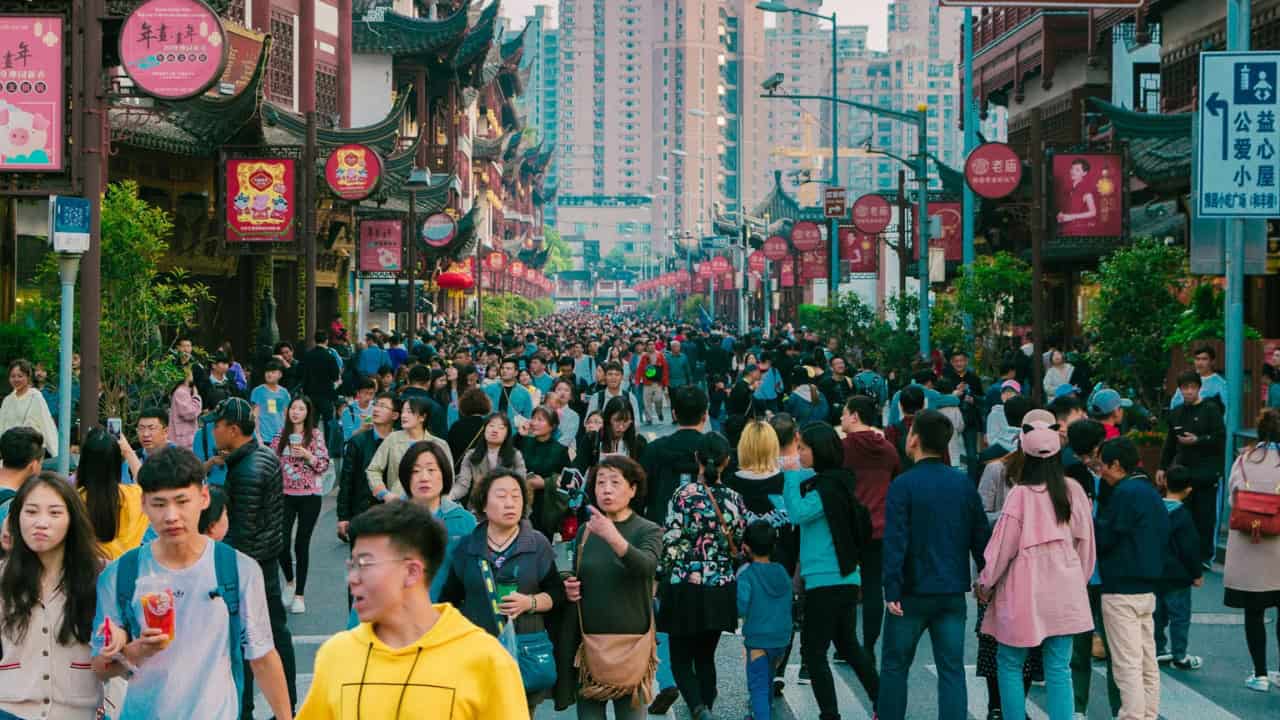
China’s cultural influence operates through civilizational depth and growing contemporary media reach. Traditional arts, philosophy, cuisine, and festivals remain globally visible through diaspora networks, while modern film, fashion, gaming, and digital platforms are expanding China’s newer cultural footprint. Language learning demand and cultural-institute networks also support long-horizon influence. In soft-power analyses, China scores strongly on familiarity and scale, reflecting a cultural presence that is increasingly shaped by both historical legacy and modern content industries built for global circulation.
India

India’s influence is expansive, plural, and emotionally resonant. Bollywood, regional cinema, music, dance, cuisine, literature, and spiritual traditions create a cultural presence that moves through diaspora communities and digital platforms alike. Indian food and festival culture are now deeply embedded in global urban life, while yoga and wellness practices continue to travel across generations and regions. India’s influence is also linguistic and narrative, with multiple creative industries producing distinct voices at scale. Its cultural strength comes from diversity that travels without losing local roots.