We may earn money or products from the companies mentioned in this post. This means if you click on the link and purchase the item, I will receive a small commission at no extra cost to you ... you're just helping re-supply our family's travel fund.

Pickpocketing rarely happens in the places travelers imagine. It usually unfolds in bright, ordinary settings where people feel relaxed, busy, or mildly distracted for a few seconds too long. That is what makes it so effective. The real risk tends to appear in transition spaces: arrivals halls, breakfast rooms, security lines, ticket machines, and scenic stops where attention shifts from personal belongings to the next task. The theft itself is often quiet, fast, and almost forgettable until the missing wallet or phone turns a routine moment into a hard lesson.
Airport Arrivals Halls
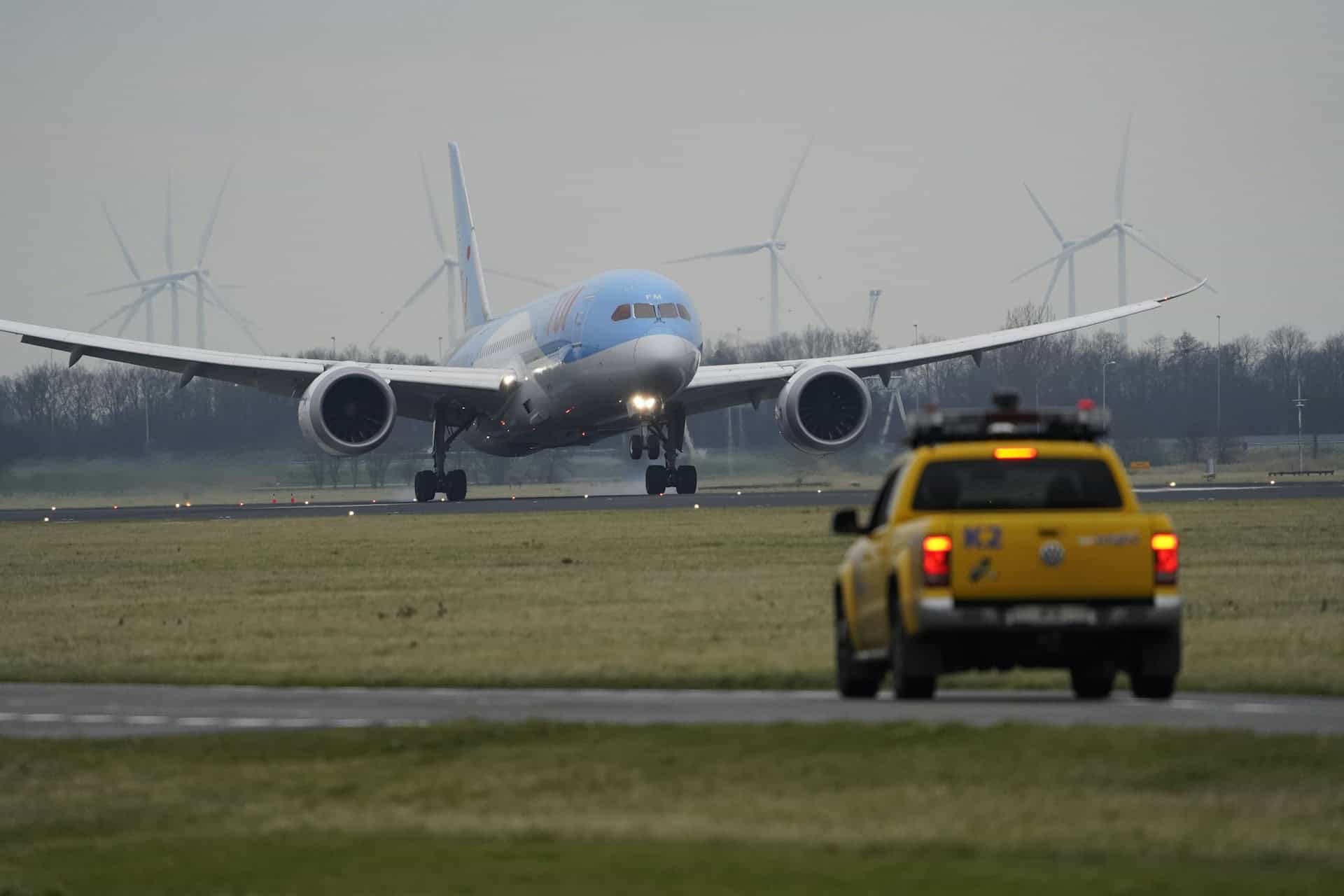
Arrivals halls feel safe because they are bright, organized, and full of other travelers doing the same tired little dance of bags, phones, and directions. That surface order can be misleading. People are often jet-lagged, relieved to have landed, and focused on ride apps, passports, or baggage carts instead of the open tote at their side or the phone pushed halfway into a pocket. For a skilled thief, that first soft exhale after landing is not random at all. It is one of the easiest moments in the whole trip to read, because relief tends to loosen judgment before the city has even properly begun.
Security Checkpoint Trays
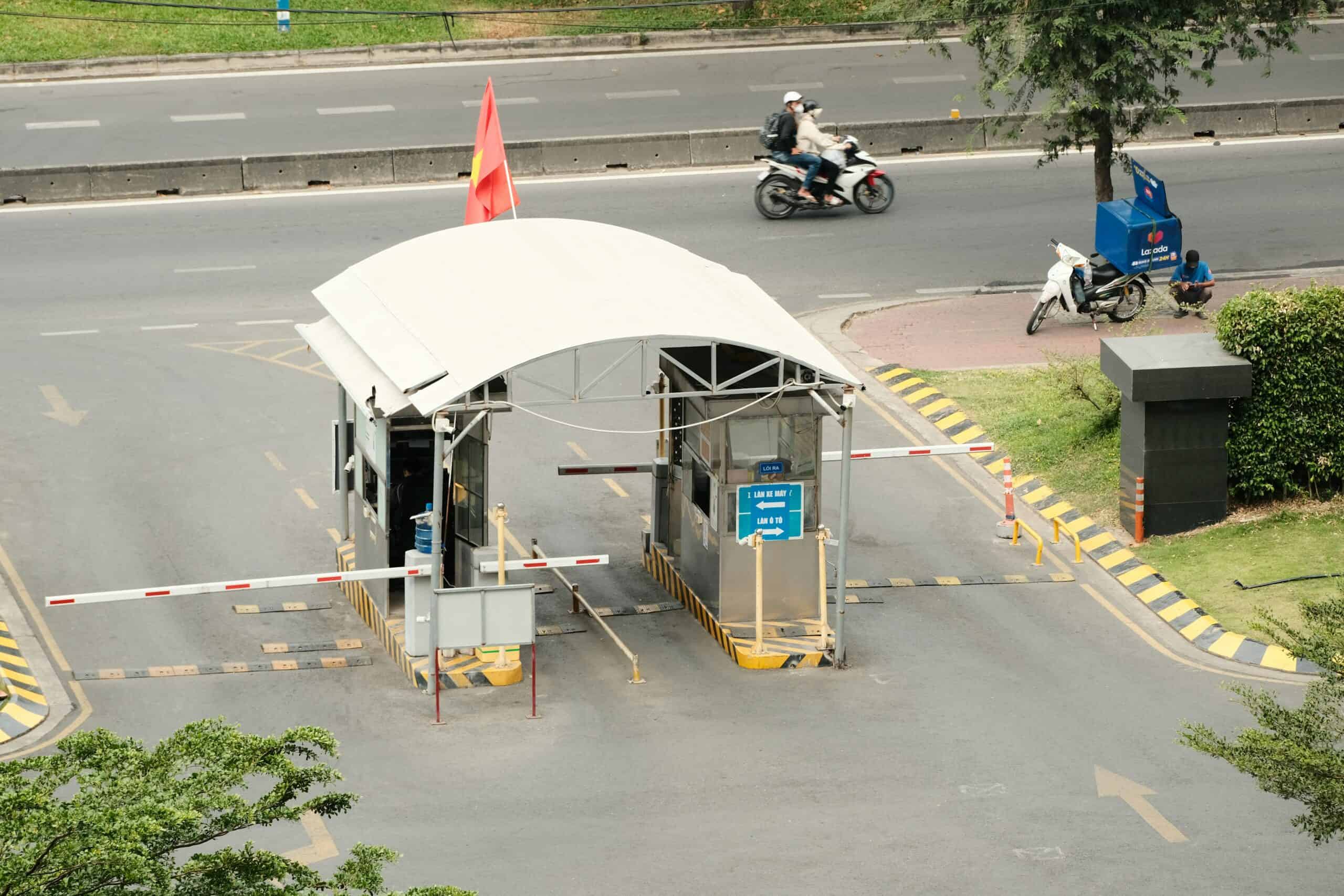
Security lines create a strange weakness because everyone is asked to do the exact thing they usually avoid: take out valuables and let them move out of reach. Shoes come off, laptops go into bins, pockets are emptied, and attention gets pulled toward instructions, belts, and the line ahead. A brief delay on the other side is all it takes for confusion to do the rest. In a place built around control, small personal items can become surprisingly exposed the second they stop feeling attached to the body. That tiny handoff is what makes the moment so deceptively fragile. It happens quickly.
Train Station Ticket Machines
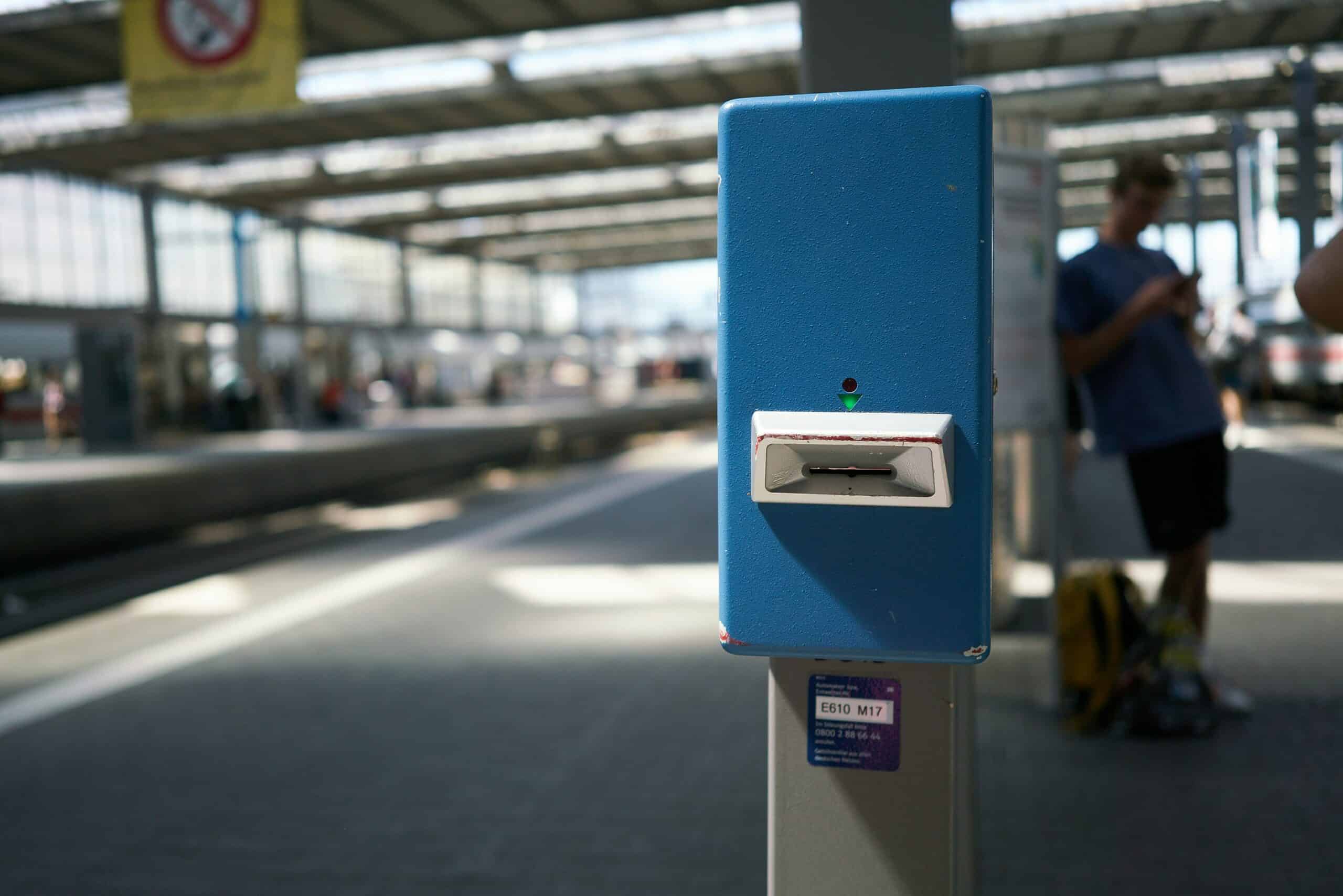
Ticket machines look harmless, but they quietly combine hesitation, payment cards, route confusion, and luggage that cannot be watched from every angle at once. One hand taps the screen, one eye scans station names, and the mind jumps ahead to platform numbers, departure times, and whether the right fare was selected. That mental split matters. A staged offer to help, a quick shoulder brush, or a bag nudged a little too far away can turn an ordinary purchase into the start of a very expensive day before the train even arrives. The machine holds attention still longer than most travelers realize.
Hotel Breakfast Buffets And Lobbies

Hotels lower defenses faster than almost anywhere else because they feel like temporary home ground. That feeling can be costly. Guests set phones on tables, hang bags behind chairs, leave luggage beside sofas, or walk a few steps away to pour coffee or speak to the front desk without thinking twice. Nothing about the room seems threatening, which is exactly why it works so well for opportunistic theft. Comfort has a way of softening the sharp little habits that usually keep belongings close, zipped, and fully visible. Safety often feels strongest in the very places where vigilance drops first.
Outdoor Cafe Tables
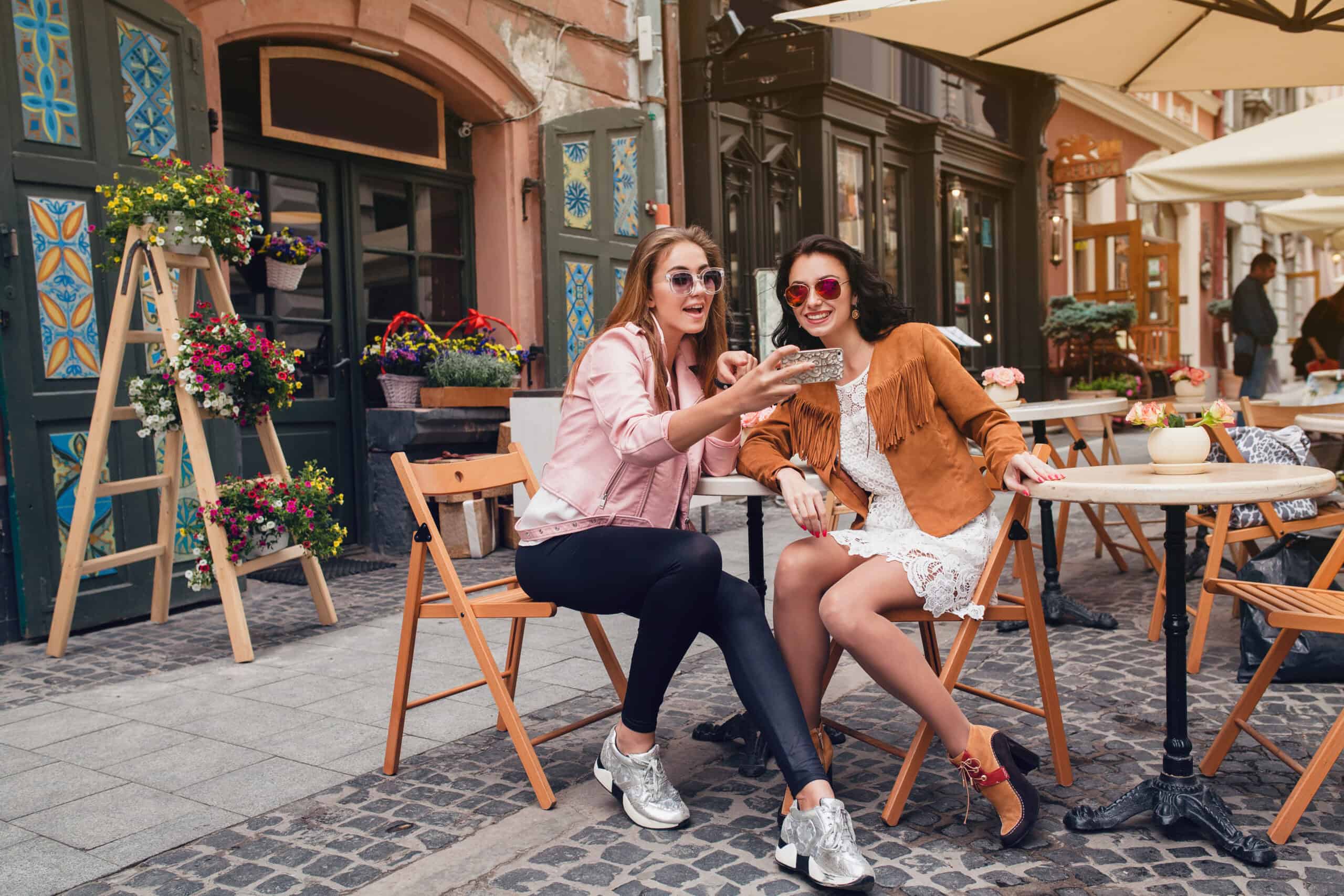
Cafe tables invite people to settle in, loosen up, and let objects drift out of their usual protected orbit. A phone lands beside a cup, a wallet comes out too early, or a backpack hangs loosely from a chair instead of resting against a leg. The setting feels open and civilized, so movement nearby reads as background noise rather than risk. Then a map appears, a jacket passes, or a chair shifts for one ordinary second, and something small is simply gone before the table even realizes it has changed. That is what makes these thefts feel almost unreal at first. The loss often registers a beat too late.
Scenic Photo Stops
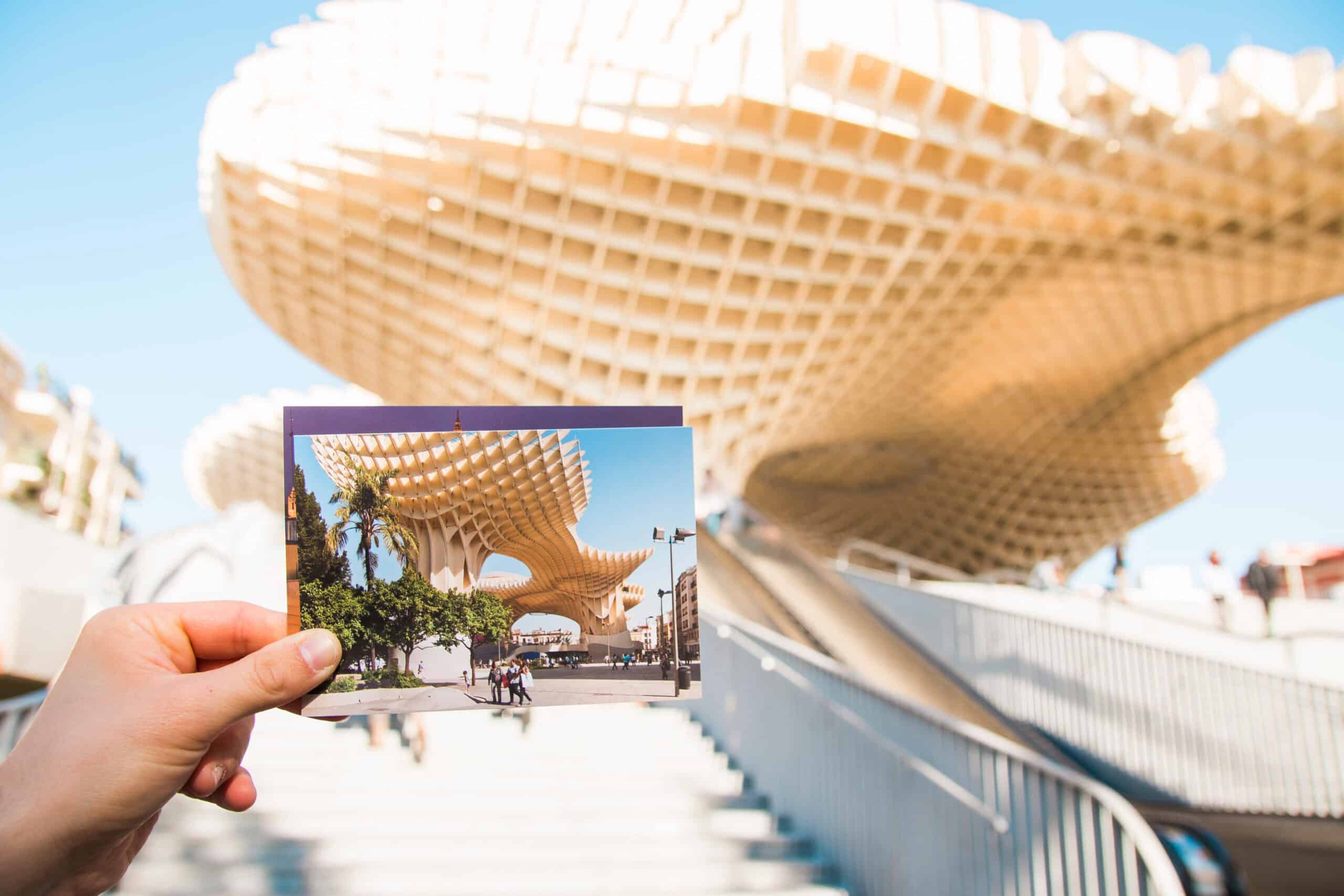
Scenic overlooks and famous landmarks create the kind of distraction that does not feel like distraction at all. It feels like wonder, and that is why people miss the danger. At those spots, attention narrows to light, angles, poses, and the impulse to capture the moment before the crowd thickens or the clouds change. Bags slide to the side, phones stay visible, and strangers move closer without raising suspicion. The beauty of the place does half the work, because awe can quiet the careful instincts that normally stay alert. Admiration can lower defenses without ever looking careless.
Crowded Buses And Subway Doors
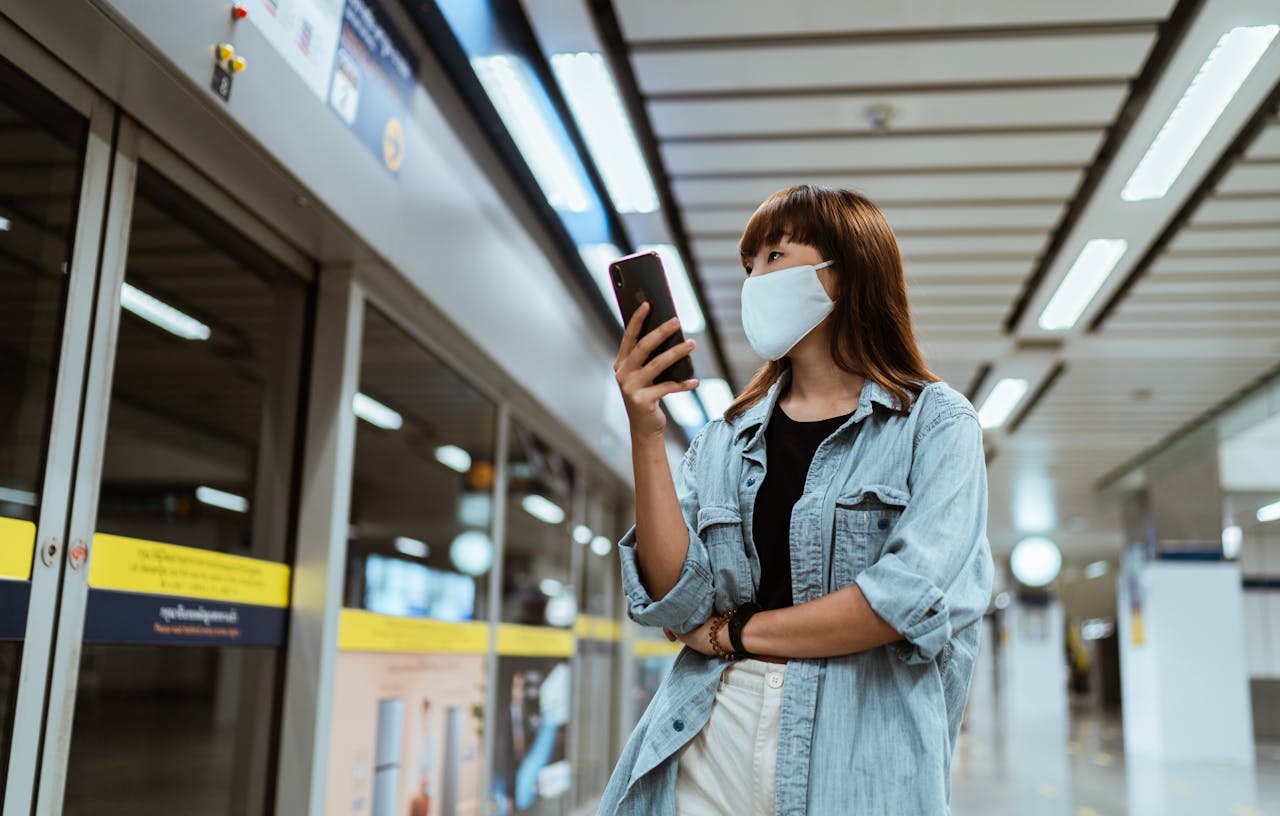
Transit crowds are perfect for pickpockets because forced closeness makes every bump feel ordinary. Near the doors, people are balancing bags, cards, phones, and their own body weight while trying not to miss the stop. That is a lot of motion and very little certainty. A block at the entrance, a press from behind, or a timed jostle during boarding can hide a practiced theft inside what feels like routine commuter friction. By the time the space opens up again, the crowd has already carried the moment away. In that blur, intent hides easily. Confusion does the rest before memory catches up.
ATMs And Currency Exchange Counters
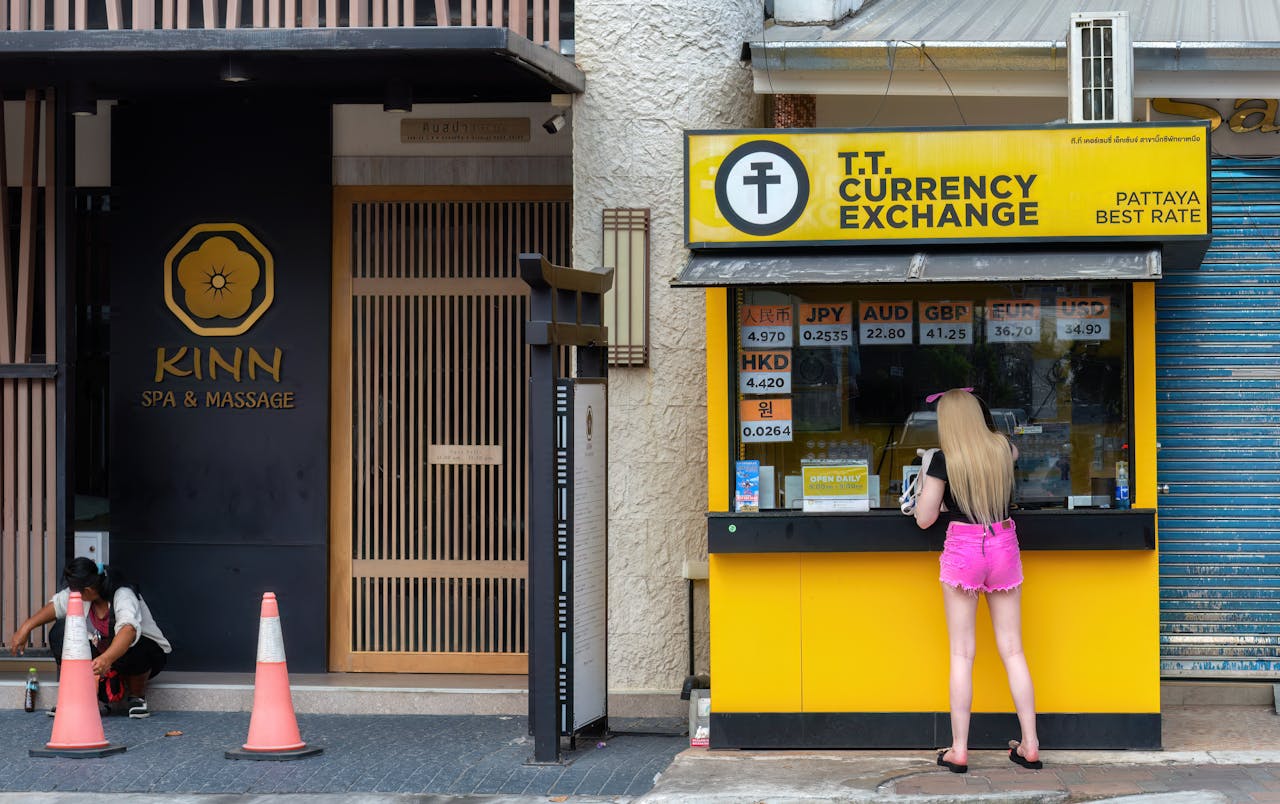
Cash machines and exchange counters attract attention for a simple reason: they reveal where money is, how it is stored, and where it goes next. The danger is not always at the machine itself. It often appears in the seconds after, when bills are counted, receipts are checked, cards are returned to a wallet, or a traveler steps aside to reorganize a bag. That little after-moment feels private, but it is often the clearest signal in the area. The transaction may be over, yet the real opportunity has only just appeared for someone observant and patient. Quiet observation is often all a thief needs there.