We may earn money or products from the companies mentioned in this post. This means if you click on the link and purchase the item, I will receive a small commission at no extra cost to you ... you're just helping re-supply our family's travel fund.

As U.S. cities grow more congested and transportation systems increasingly rely on digital tools, states are accelerating their shift toward automated enforcement. By 2026, several jurisdictions plan to dramatically expand license-plate-based ticketing to improve compliance, reduce staffing strain, and capture revenue lost to violations. Here are the seven states moving fastest, each tripling deployment or enforcement volumes through legislative mandates, municipal investment, or statewide networks that plug directly into upgraded ALPR systems.
1. California

California plans the most dramatic ramp-up, expanding automated ticketing capacity by nearly 210% across urban corridors. The state’s network, which already fields over 2.5 billion annual plate scans, will multiply camera nodes along freeways, bridges and high-traffic city zones by 2026. Authorities aim to reduce hit-and-run violations, toll evasions and expired registrations, which grew 32% since 2021. The state argues the upgrade will ease patrol workloads and raise compliance rates without adding new officers.
2. Texas
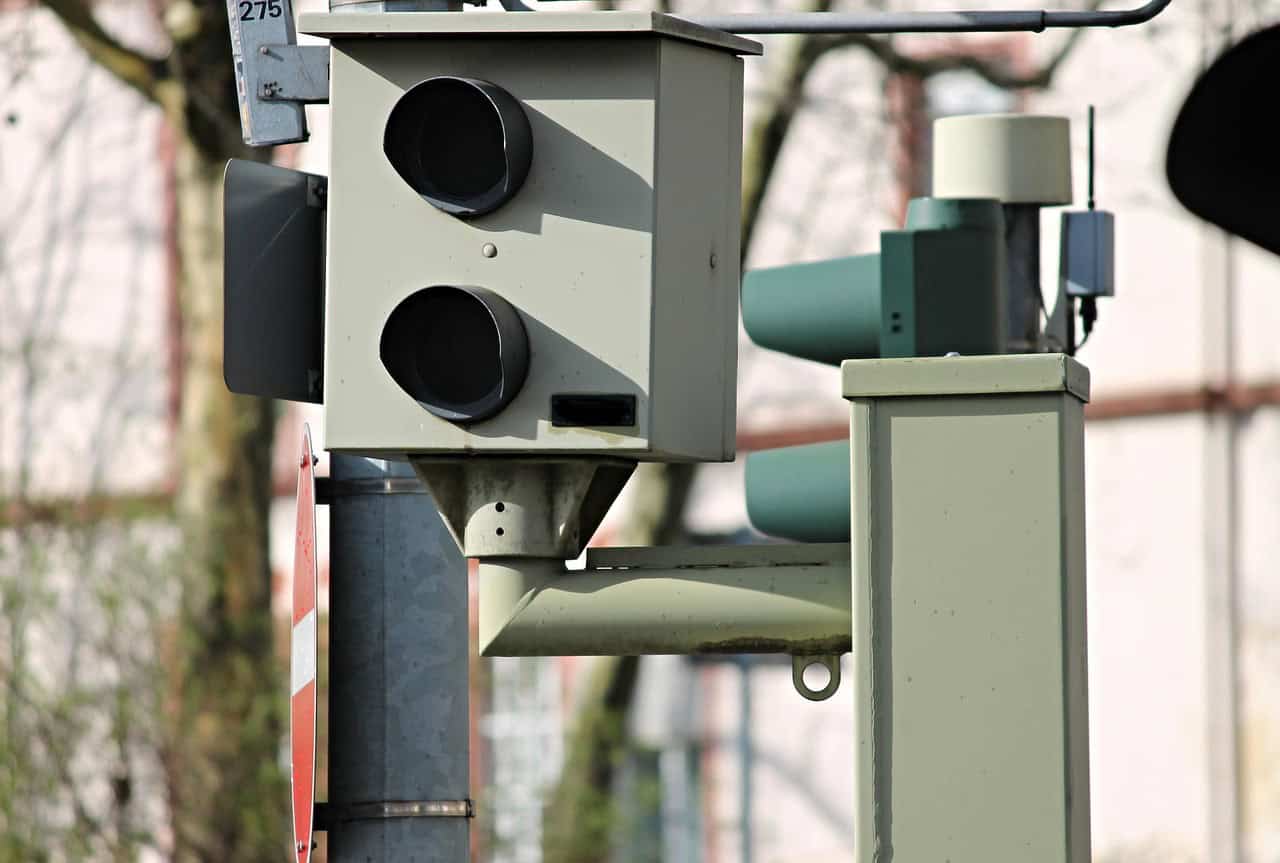
Texas is preparing a threefold increase in automated ticketing by linking municipal ALPR grids into one statewide data system. Currently handling 1.4 billion scans a year, the expanded network will exceed 4 billion by 2026 as suburban counties adopt shared cloud dashboards. Officials cite a 27% jump in unregistered vehicles and a 19% rise in unpaid tolls as justification. They claim the unified system will close enforcement gaps between rural and urban zones while improving interagency coordination.
3. Florida

Florida’s 2026 rollout will triple automated ticket issuance after the state approved funds to place new ALPR units along 1,200 miles of major routes. With over 18 million registered vehicles and seasonal traffic spikes surpassing 35%, officials say manual enforcement can’t keep pace. Early pilot regions reported a 43% decline in repeated toll violators. The expansion focuses on coastal evacuation routes, major commuter arteries and zones where registration fraud cases rose sharply since 2020.
4. Georgia
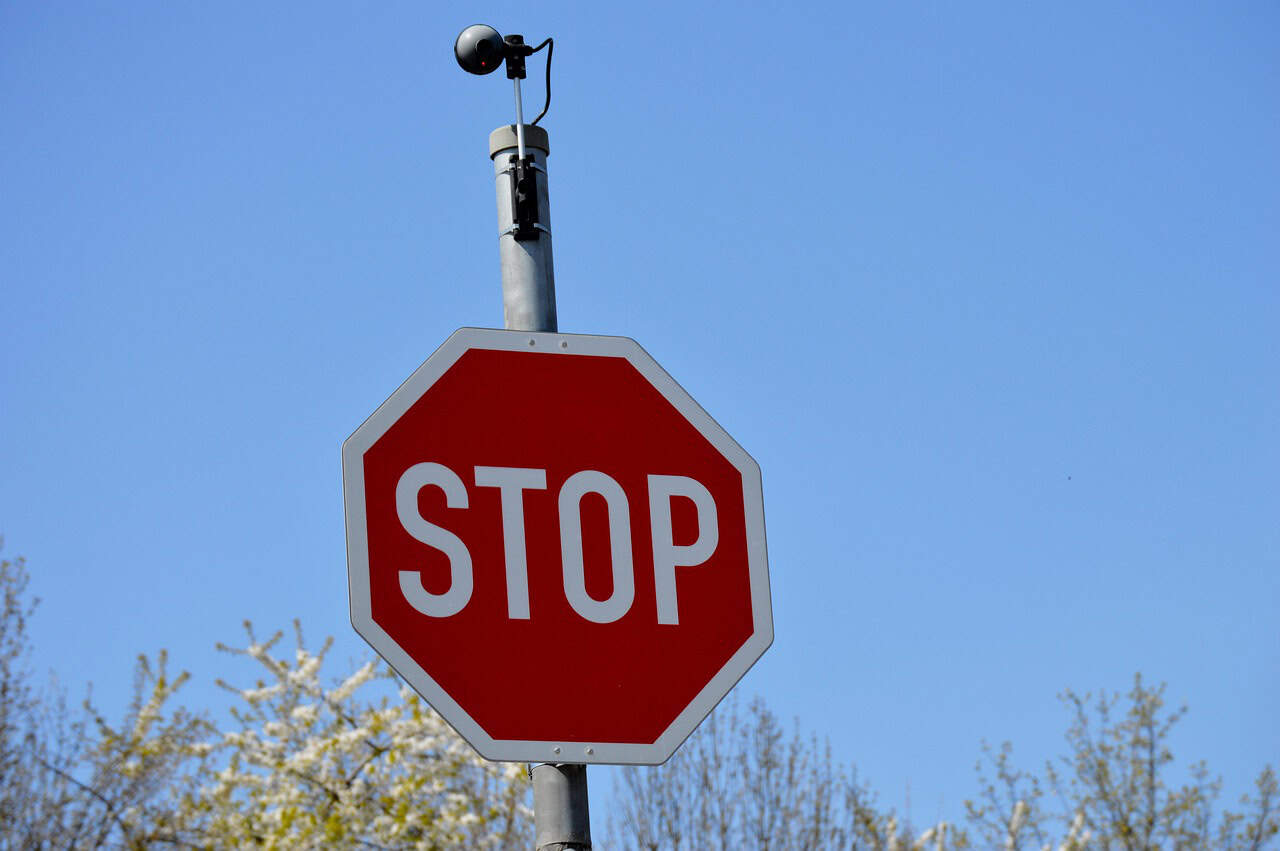
Georgia is gearing up for a substantial expansion, targeting a 200–220% rise in automated citations driven by plate-based speed and uninsured-vehicle detection. Since 2022, uninsured vehicle rates climbed to nearly 12%, prompting pressure on state patrol resources. Legislators authorized a major increase in fixed roadside readers and school-zone cameras, which already issued over 1.3 million warnings last year. The 2026 upgrade aims to boost compliance while reducing officer-initiated stops to improve overall safety.
5. New York

New York’s automated ticketing network is set to triple after agencies reported over 300,000 toll-evasion incidents in a single year. By 2026, camera density across bridges, tunnels and arterial roads will rise by 180–220%, targeting chronic evaders. Metropolitan areas will integrate ALPR streams into transit-authority hubs, enabling faster cross-borough enforcement. The state also plans to expand data-sharing among agencies to counter fraudulent plates, a problem that increased nearly 40% since 2019.
6. Illinois

Illinois expects a threefold surge in automated ticketing by expanding ALPR coverage into 70 additional municipalities. Current systems process around 900 million annual scans; this will surpass 2.6 billion after full deployment. Officials highlight a 28% rise in expired registrations and widespread toll-booth bypassing as key motivators. The state intends to improve real-time alerts for local agencies, streamline citation workflows and reduce administrative backlogs that grew significantly over the past three years.
7. Arizona

Arizona’s 2026 plan will triple automated enforcement by upgrading its desert-corridor camera network, which now captures roughly 350 million scans yearly. With projected growth to over 1 billion annual scans, the state hopes to address persistent issues including fake temporary tags, which surged 31% since 2021. Expanded ALPR use will focus on corridors surrounding Phoenix and Tucson, where traffic volume increases by 15–18% each year. Officials say the upgrade will help stabilize enforcement workloads and improve regional traffic integrity.