We may earn money or products from the companies mentioned in this post. This means if you click on the link and purchase the item, I will receive a small commission at no extra cost to you ... you're just helping re-supply our family's travel fund.

The United States draws more than 75 million international visitors each year, along with hundreds of millions of domestic travelers. While most trips unfold without incident, certain destinations consistently report elevated risks tied to crime rates, environmental hazards, or accident statistics. Experts typically assess danger using FBI crime data, CDC injury reports, Coast Guard rescue numbers, and local emergency response trends. Below are eight vacation spots where visitors should exercise added caution, each evaluated through measurable risk factors and documented patterns.
1. MEMPHIS, TENNESSEE
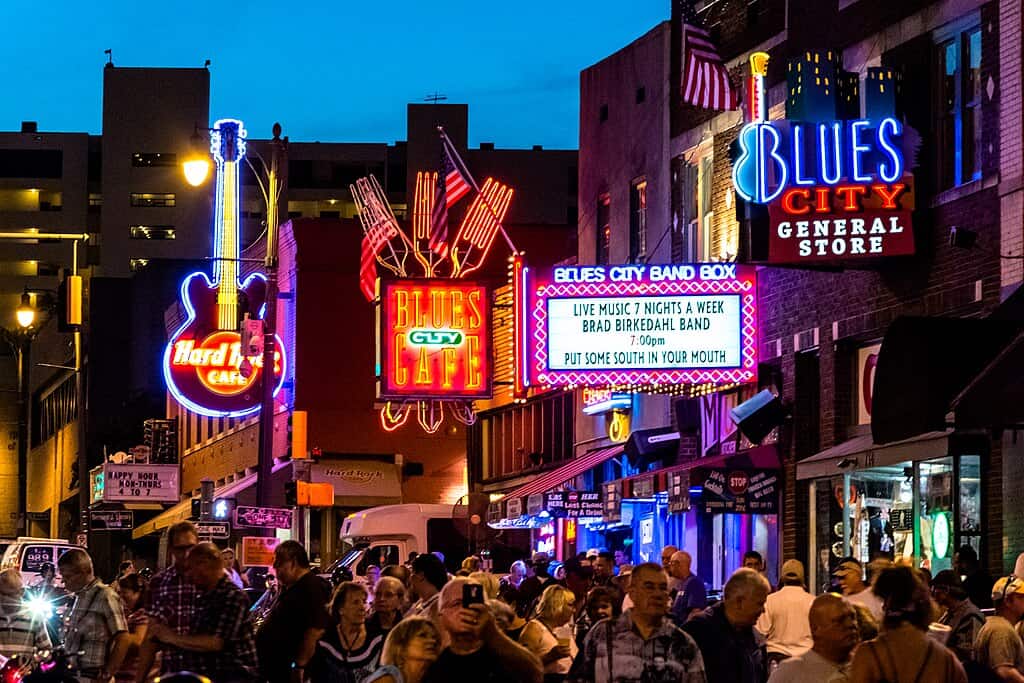
Memphis frequently records one of the nation’s highest violent crime rates, exceeding 2,300 incidents per 100,000 residents in recent reports. Aggravated assaults and armed robberies account for a significant share of those numbers. Tourist districts like Beale Street draw thousands nightly, increasing petty theft risk during peak seasons. Property crime rates hover near 5,500 per 100,000 residents, well above the national average. While attractions such as Graceland welcome over 600,000 visitors annually, travelers are advised to remain within well-patrolled areas and avoid poorly lit neighborhoods after dark.
2. ST. LOUIS, MISSOURI
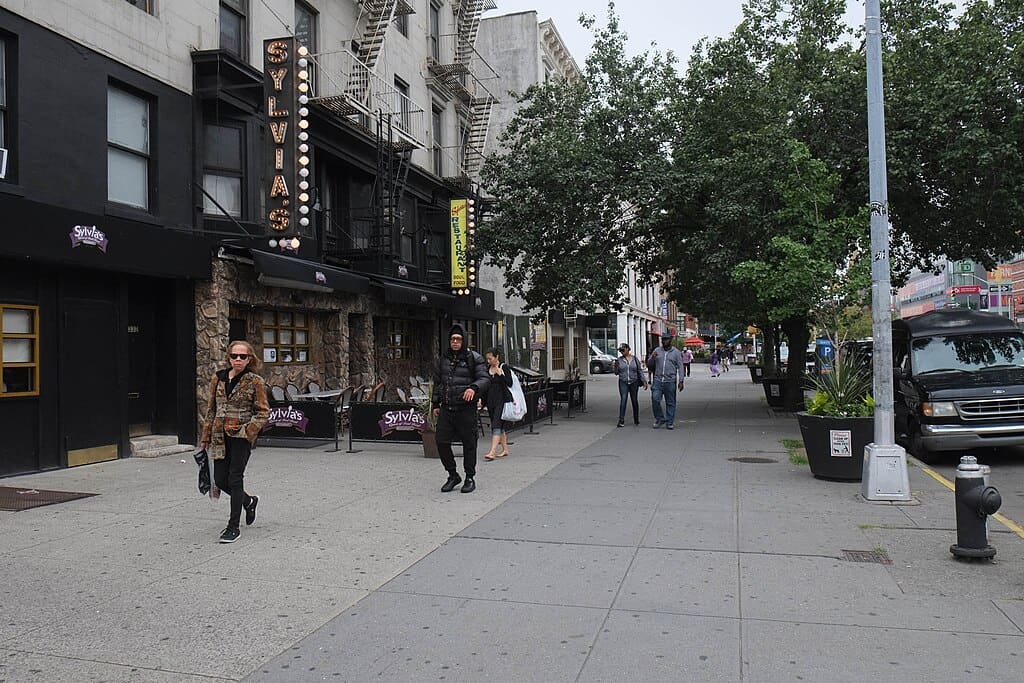
St. Louis often appears near the top of per-capita crime rankings, with violent crime rates reported above 1,800 per 100,000 residents. Homicide totals have surpassed 150 in some recent years, a striking figure for a city of roughly 300,000 people. Although the Gateway Arch alone attracts nearly 2 million visitors annually, crime remains concentrated in specific districts. Car break-ins and theft are common concerns for tourists. Experts emphasize situational awareness, secure parking, and staying in centrally monitored zones to reduce exposure to risk.
3. DETROIT, MICHIGAN

Detroit has undergone visible revitalization, yet crime statistics still exceed national benchmarks. Violent crime rates often top 2,000 incidents per 100,000 residents, while property crime can approach 4,000 per 100,000. Downtown sees heavy visitor traffic during major sporting events that draw crowds of 40,000 or more, creating opportunities for pickpocketing and vehicle theft. Though many areas are actively redeveloping, some neighborhoods remain high-risk after dark. Travelers benefit from using secure garages, rideshare services, and avoiding unfamiliar streets late at night.
4. BALTIMORE, MARYLAND

Baltimore reports violent crime rates above 1,500 per 100,000 residents, with homicide numbers often exceeding 300 annually. Popular waterfront areas such as the Inner Harbor welcome millions of tourists each year, yet crime patterns shift only a few blocks away. Auto theft and robbery are persistent concerns, and police data indicates property crime remains significantly higher than the national average. Visitors should remain within established tourist corridors and avoid isolated areas after evening hours. Careful lodging selection greatly improves safety outcomes.
5. NEW ORLEANS, LOUISIANA
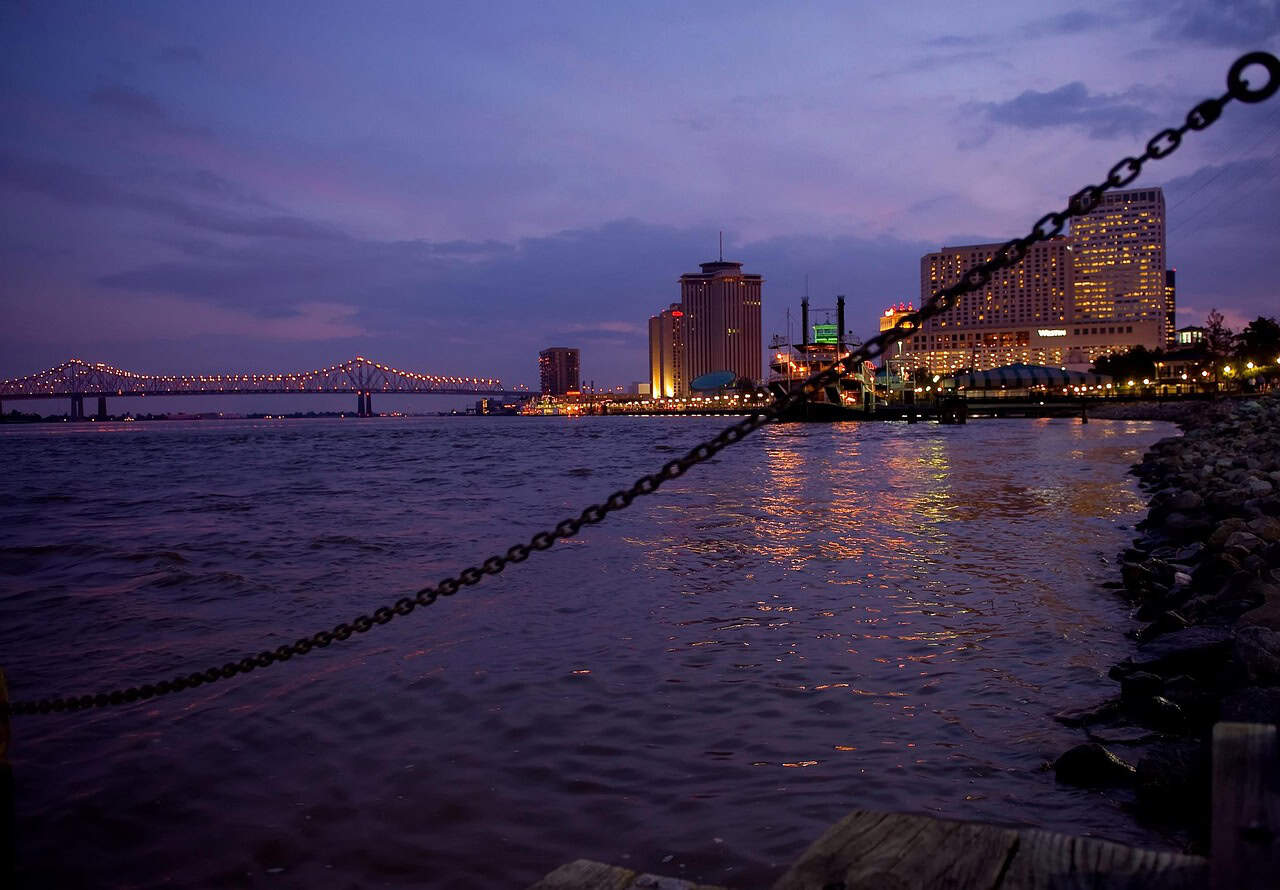
New Orleans combines vibrant culture with elevated crime metrics, including violent crime rates surpassing 1,400 per 100,000 residents in recent assessments. During Mardi Gras, crowds can exceed 1 million participants, increasing opportunities for theft and assault. Police reports often cite spikes in car burglaries and armed robbery within entertainment districts. Although the French Quarter remains heavily patrolled, adjacent neighborhoods may present higher risk. Experts recommend group travel at night, secure transportation, and heightened awareness during major festivals and late-night celebrations.
6. ALBUQUERQUE, NEW MEXICO
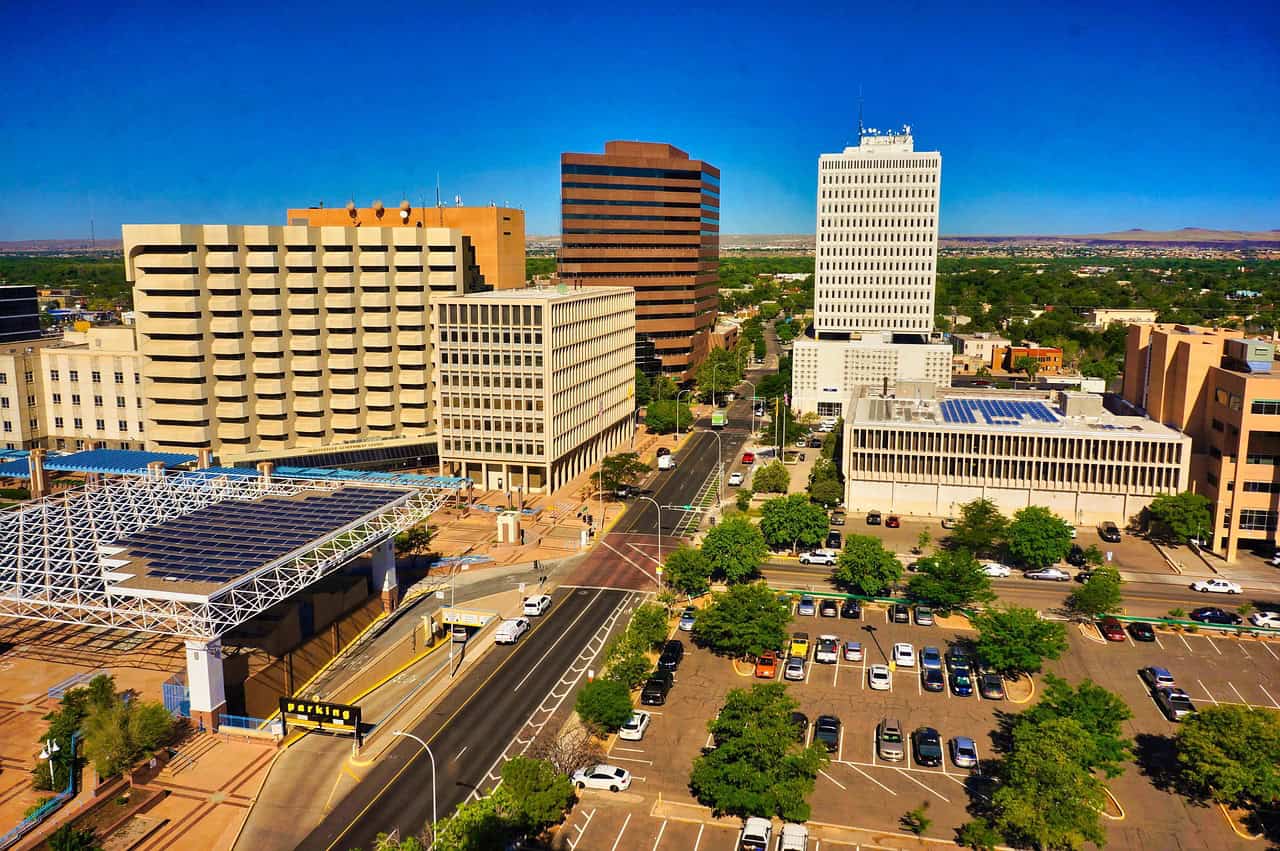
Albuquerque consistently reports property crime rates above 6,000 incidents per 100,000 residents, among the highest in the country. Vehicle theft alone has exceeded 1,000 cases per 100,000 in certain years. While the annual International Balloon Fiesta attracts over 800,000 visitors, crowded parking areas have historically seen theft spikes. Violent crime rates also remain above national averages. Travelers are urged to secure valuables, avoid leaving items in vehicles, and stay in well-reviewed accommodations with visible security measures.
7. MYRTLE BEACH, SOUTH CAROLINA
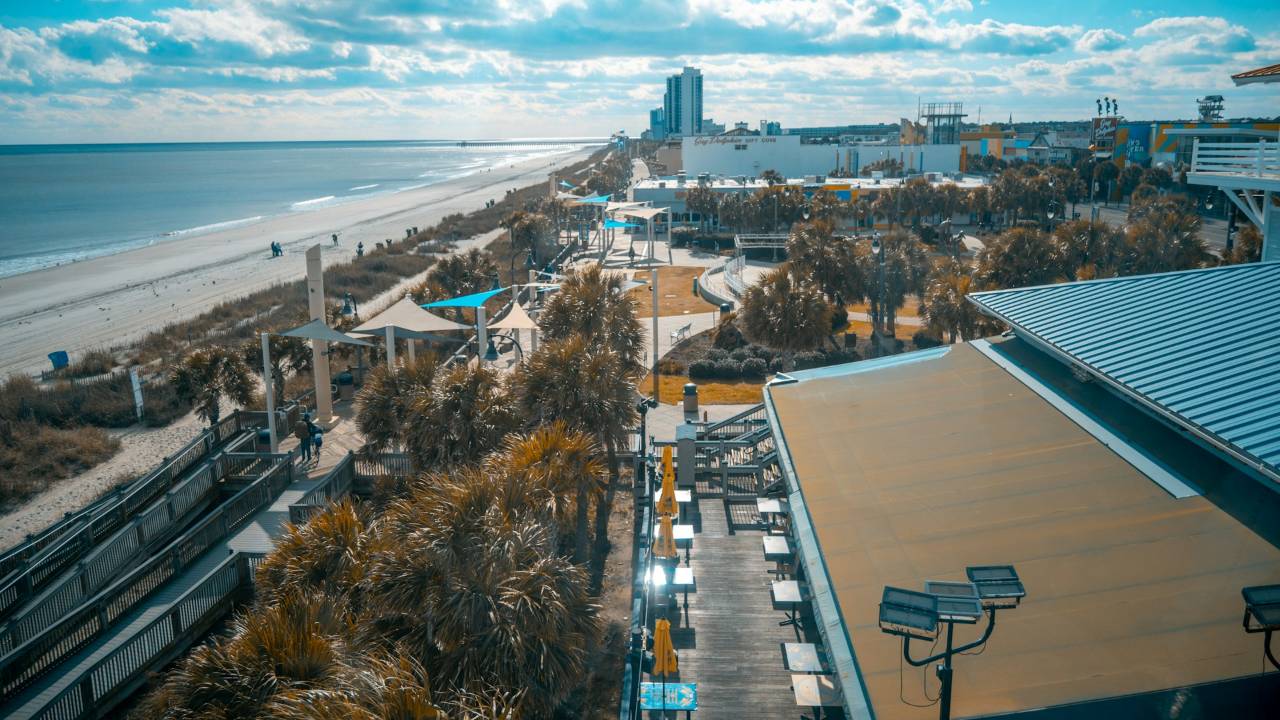
Myrtle Beach welcomes more than 20 million visitors annually, yet it records elevated rates of assault and property crime compared to similar-sized communities. During peak summer months, emergency responders handle hundreds of water rescues, with rip currents responsible for multiple fatalities each year. Alcohol-related incidents also rise sharply during holiday weekends. While the tourism economy thrives, experts advise swimmers to heed flag warnings and remain near lifeguard stations. Staying in reputable beachfront properties further reduces avoidable safety concerns.
Las Vegas hosts over 38 million visitors annually, concentrating vast crowds along the 4-mile Strip corridor. Though violent crime per capita is moderate compared to some cities, the sheer visitor volume drives high numbers of theft, fraud, and assault cases. Metropolitan data shows property crime rates exceeding 3,000 per 100,000 residents. Heat also presents a measurable hazard, with summer temperatures frequently surpassing 105°F and causing dozens of heat-related emergencies each season. Travelers should hydrate consistently and safeguard personal belongings.