We may earn money or products from the companies mentioned in this post. This means if you click on the link and purchase the item, I will receive a small commission at no extra cost to you ... you're just helping re-supply our family's travel fund.
Travel in 2026 is shaping up to be bold, immersive, and refreshingly diverse. From tropical islands and cultural capitals to wild coastlines and alpine escapes, travelers are prioritizing depth over checklists and meaningful experiences over quick snapshots. This year’s standout destinations combine rising visitor numbers, improved infrastructure, and unmistakable character. Below are seven places generating strong global interest, each offering measurable momentum and unforgettable moments.
1. Bali, Indonesia
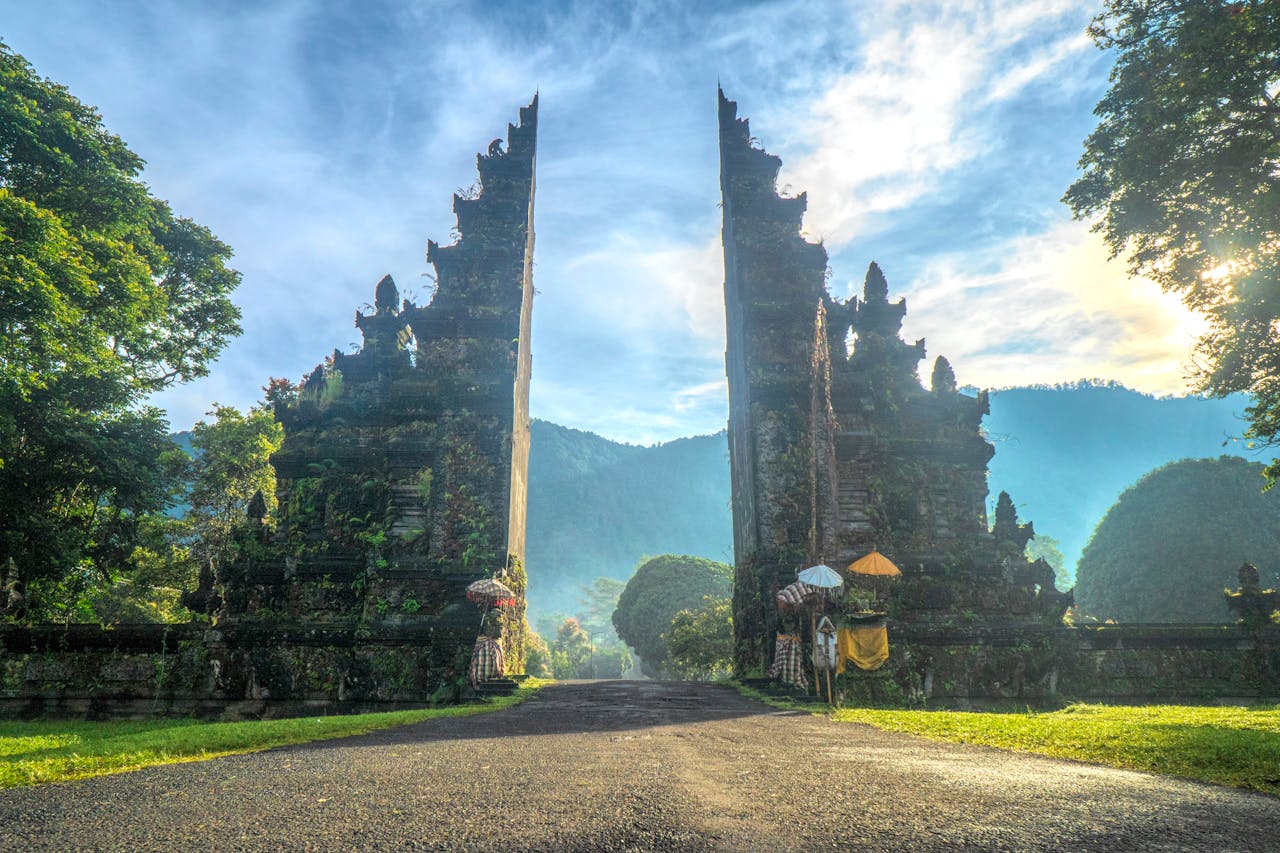
Visitor demand for Bali has surged by over 30% year-on-year, driven by expanded flight routes and new eco-luxury resorts. The island balances surf beaches in Uluwatu, spiritual calm in Ubud, and volcanic hikes up Mount Batur, rising 1,717 meters above sea level. Travelers can explore more than 20,000 temples, including Tanah Lot, while average nightly stays now exceed 5.2 days longer than pre-2020 trends.
Wellness tourism continues to grow at nearly 18% annually, with yoga retreats and plant-based dining drawing global crowds. With dry season temperatures averaging 27°C and improving infrastructure across Denpasar, Bali remains both accessible and deeply atmospheric.
2. Quy Nhon, Vietnam
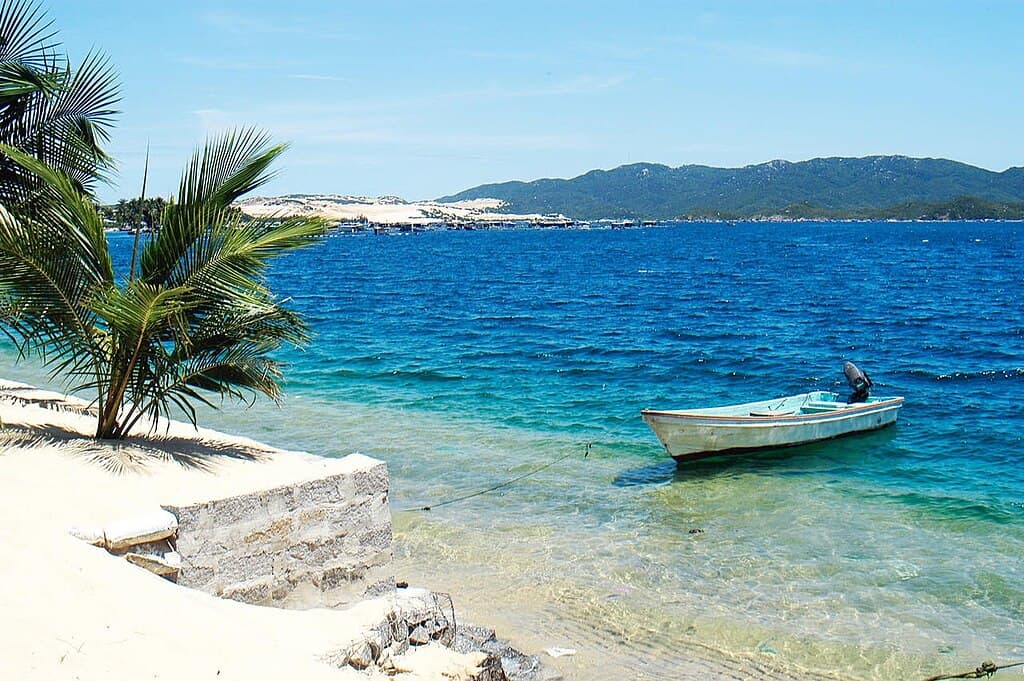
Coastal calm defines Quy Nhon, where visitor numbers have climbed by nearly 25% thanks to new domestic air links. The city boasts over 42 kilometers of largely uncrowded shoreline, framed by fishing villages and emerald hills. Seafood markets brim with daily catches, and nearby Cham towers, some dating back to the 11th century, add historical depth.
Hotel capacity has expanded by 15% in two years, yet nightly rates remain 30–40% lower than Vietnam’s larger beach hubs. Average sea temperatures hover around 26°C, making swimming comfortable year-round. For travelers seeking authenticity without sacrificing comfort, Quy Nhon is a compelling alternative.
3. Antalya, Turkey
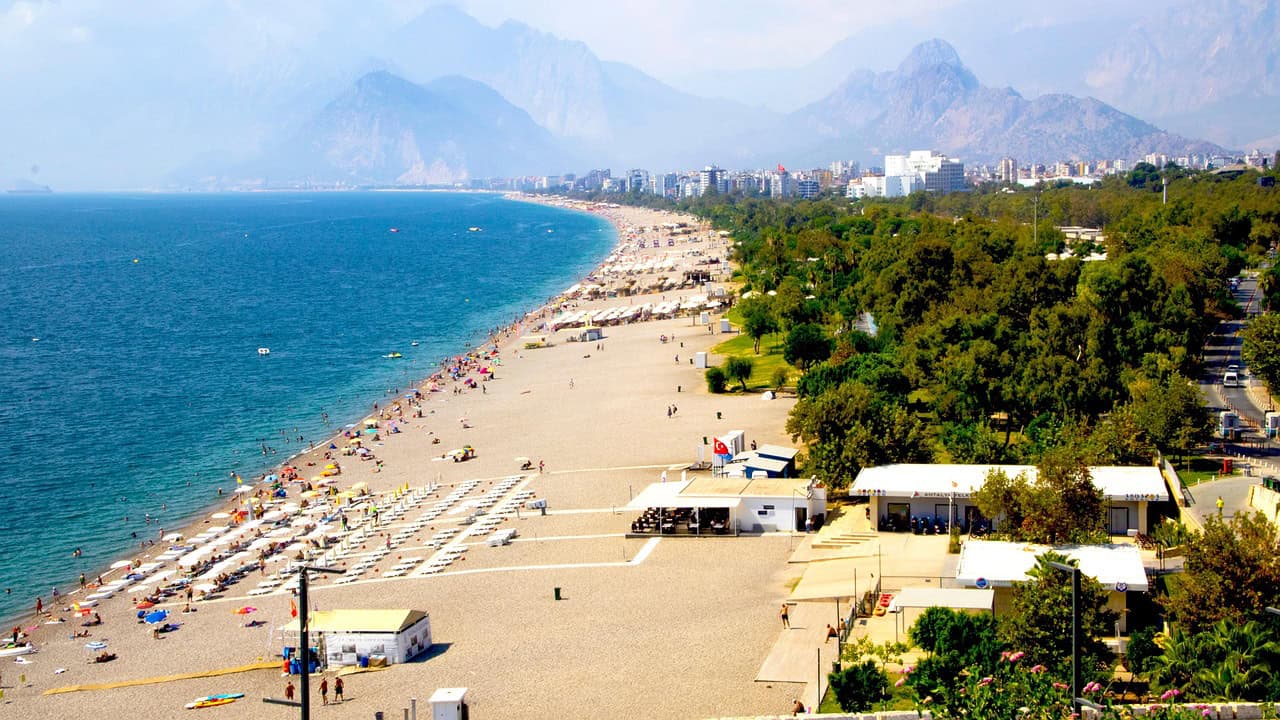
Mediterranean magnetism fuels the rise of Antalya, welcoming over 15 million visitors annually. With 300 days of sunshine and summer highs averaging 31°C, it blends resort luxury with Roman ruins and Ottoman-era streets in Kaleiçi. The Turquoise Coast stretches more than 600 kilometers, offering yacht charters and dramatic cliff-lined beaches.
Recent airport expansions increased passenger capacity by nearly 35%, easing peak-season congestion. Five-star properties now account for over 40% of accommodations, yet boutique hotels remain plentiful. From ancient Aspendos Theater to cascading Düden Waterfalls, Antalya merges history and seaside ease in a single, sun-drenched setting.
4. Madeira, Portugal
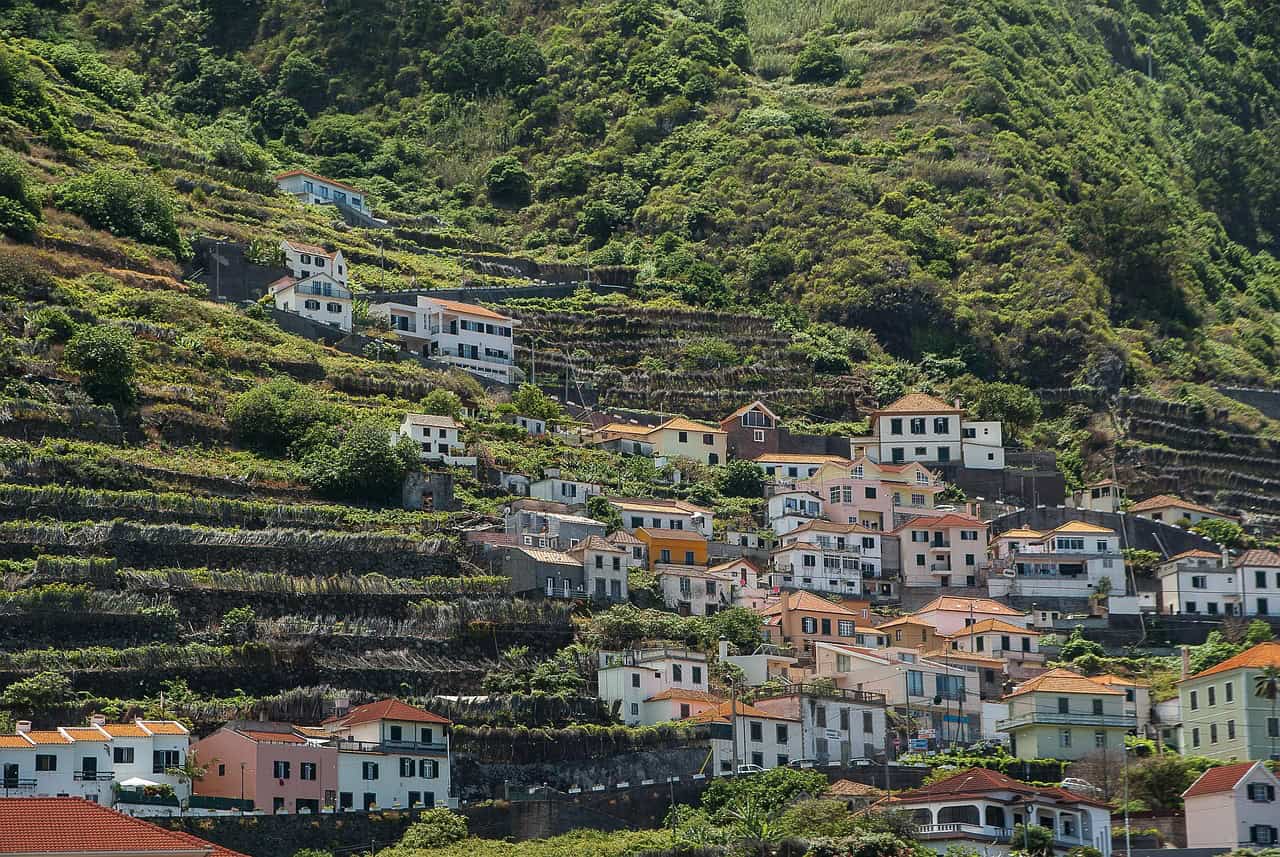
Atlantic drama and year-round mild weather are driving new attention toward Madeira. Visitor arrivals have increased by roughly 20%, supported by expanded European routes and boutique hotel openings. The volcanic island rises sharply from the ocean, with Pico Ruivo reaching 1,862 meters, while over 2,000 kilometers of levada walking trails trace lush valleys and cliffs.
Average temperatures range between 19°C and 26°C, making it a four-season destination. Whale-watching excursions report sightings on nearly 80% of tours, and farm-to-table dining highlights local wine and black scabbardfish. Madeira balances adventure, gastronomy, and scenery in one compact setting.
5. Rajasthan, India
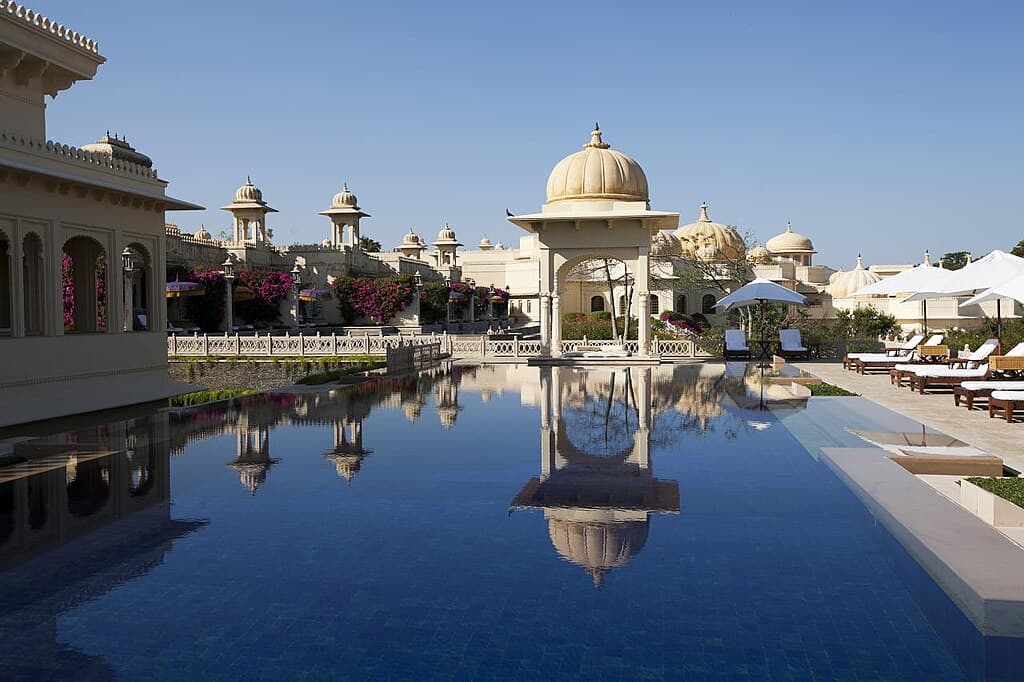
Cultural grandeur drives renewed interest in Rajasthan, where tourism revenue has risen nearly 22% in the past year. The state spans over 342,000 square kilometers, encompassing desert dunes, tiger reserves, and ornate palaces in Jaipur and Udaipur. Winter temperatures average 24°C, ideal for exploring forts like Mehrangarh, perched 122 meters above Jodhpur.
Luxury heritage hotels now exceed 150 properties, blending royal architecture with modern comfort. Festivals such as Pushkar Camel Fair attract tens of thousands annually. Improved highway connectivity has cut travel times between major cities by up to 30%, making multi-city itineraries smoother than ever.
6. Saint-Gervais-les-Bains, France
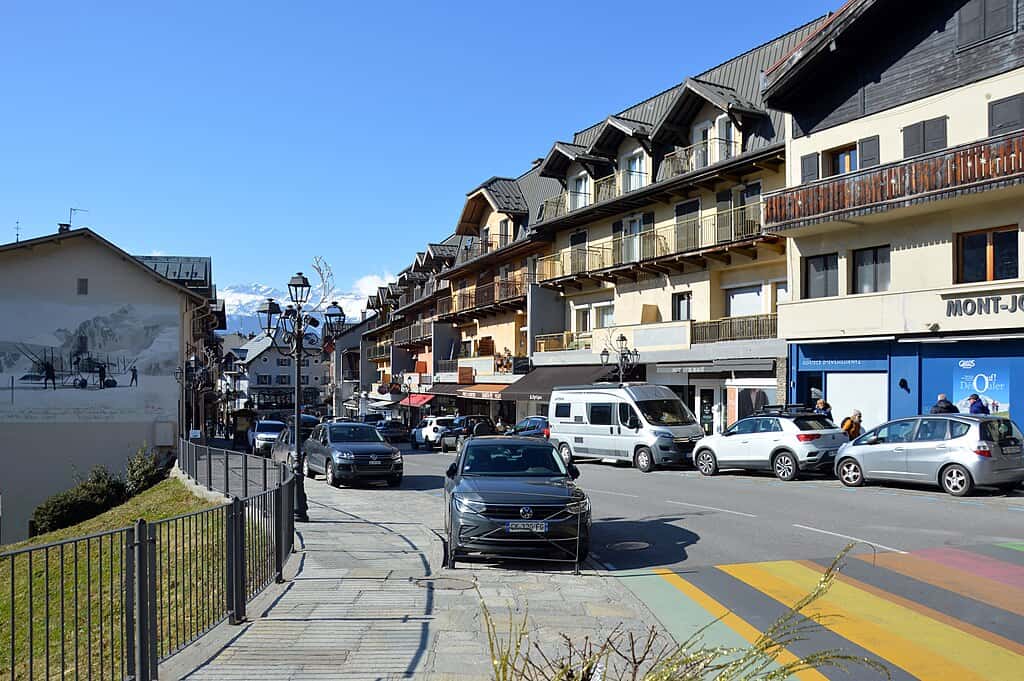
Alpine allure places Saint-Gervais-les-Bains firmly on 2026 radar lists. Nestled at 850 meters elevation near Mont Blanc, the town pairs Belle Époque charm with thermal spa traditions dating back to 1806. Visitor numbers have climbed 18% as travelers seek quieter alternatives to busier ski resorts.
The region offers over 400 kilometers of ski terrain in winter and extensive hiking routes in summer, with average July temperatures around 20°C. A renovated mountain tram has improved summit access capacity significantly. Culinary tourism also thrives, spotlighting Savoyard cuisine and locally produced cheeses.
7. Okinawa, Japan
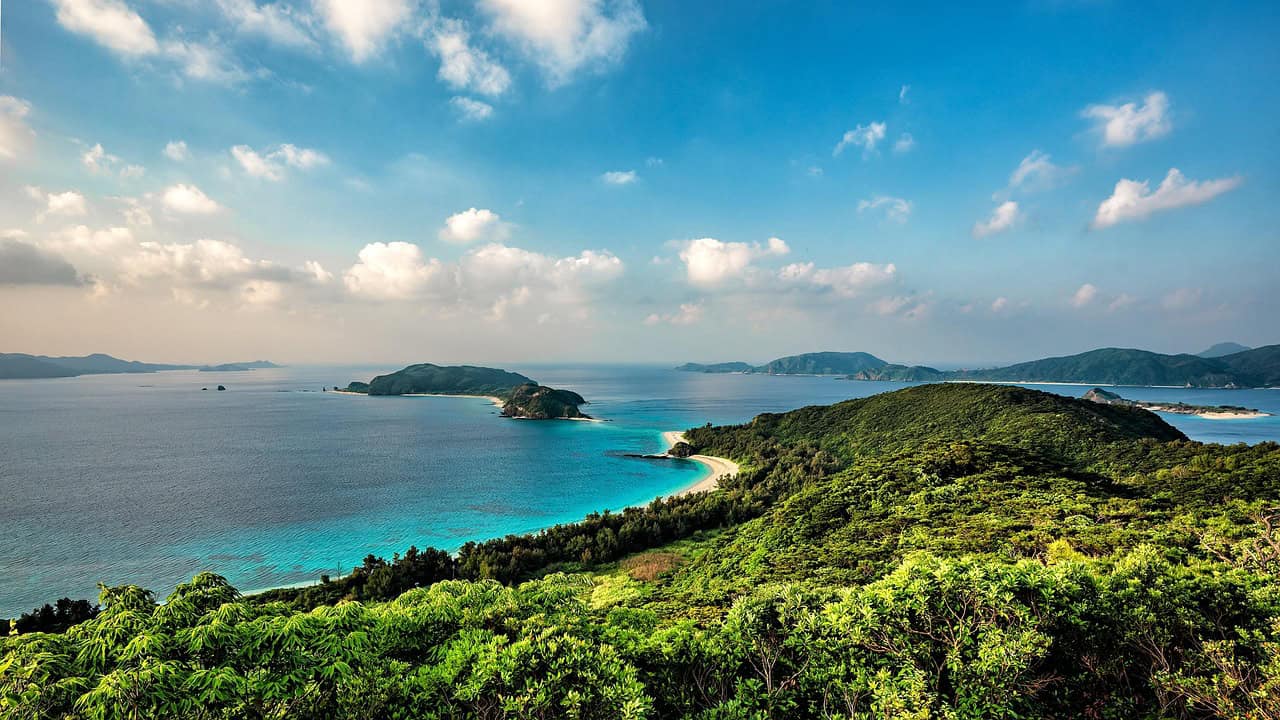
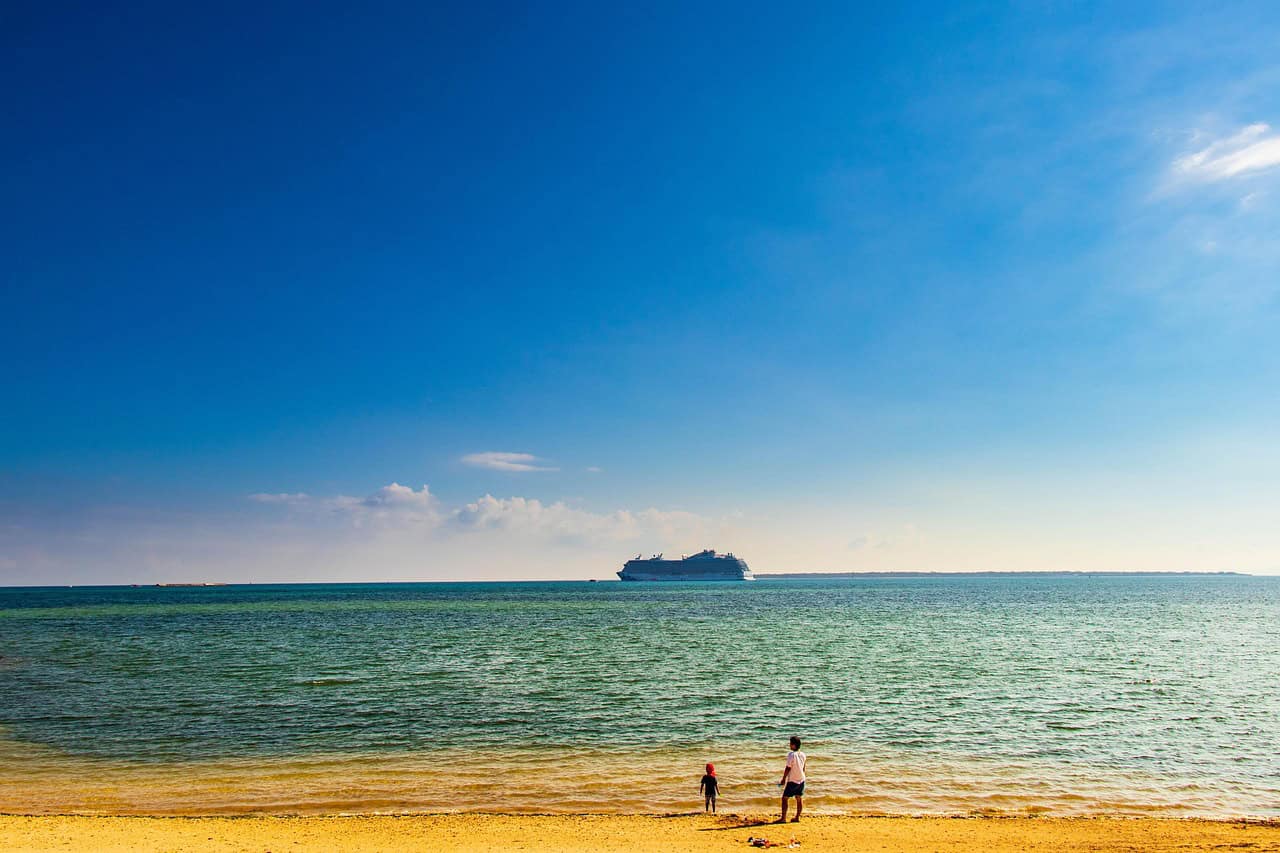
Subtropical serenity defines Okinawa, an island chain stretching over 1,000 kilometers between mainland Japan and Taiwan. Visitor arrivals have rebounded by 28%, supported by expanded regional flights. Coral reefs, white-sand beaches, and 160 islands create extraordinary marine biodiversity, with water temperatures averaging 25°C.
Culturally distinct from Tokyo or Kyoto, Okinawa preserves Ryukyuan heritage through music and architecture. The region is also famed for longevity statistics, with one of the world’s highest concentrations of centenarians. Resort development remains measured, ensuring a balance of modern comfort and preserved island identity.