We may earn money or products from the companies mentioned in this post. This means if you click on the link and purchase the item, I will receive a small commission at no extra cost to you ... you're just helping re-supply our family's travel fund.

Some states don’t just attract newcomers, they quietly convince them to stay for decades. Whether it’s strong job markets, access to nature, lower crime rates, or tight-knit communities, these five states consistently rank high for overall well-being. From mountain towns to ocean coastlines, they offer measurable advantages and lifestyle perks that make moving away feel unnecessary. Here’s a closer look at five states where residents often plant roots for good.
1. Hawaii

Life in Hawaii revolves around climate, culture, and connection. With average temperatures between 75–85°F year-round and over 270 sunny days annually, outdoor living is effortless. The state’s population sits at roughly 1.4 million, fostering close community ties and a strong local identity. Tourism drives nearly 20% of the economy, yet healthcare and defense sectors provide stable employment. Crime rates remain below the national average in several counties. While median home prices exceed $800,000, many residents value safety, ocean access within minutes, and the enduring “aloha spirit” that shapes daily life and keeps families rooted for generations.
2. Colorado

Colorado blends economic opportunity with outdoor freedom. Home to about 5.8 million residents, the state enjoys more than 300 days of sunshine annually. Major hubs like Denver and Boulder anchor a job market fueled by aerospace, tech, and clean energy, with median household incomes hovering near $90,000. The state boasts over 4,000 miles of hiking trails and 58 mountain peaks above 14,000 feet. Health rankings consistently place Colorado among the fittest states nationwide. Though housing costs have climbed above the national median, many residents stay for career growth paired with unmatched access to the Rockies.
3. Vermont
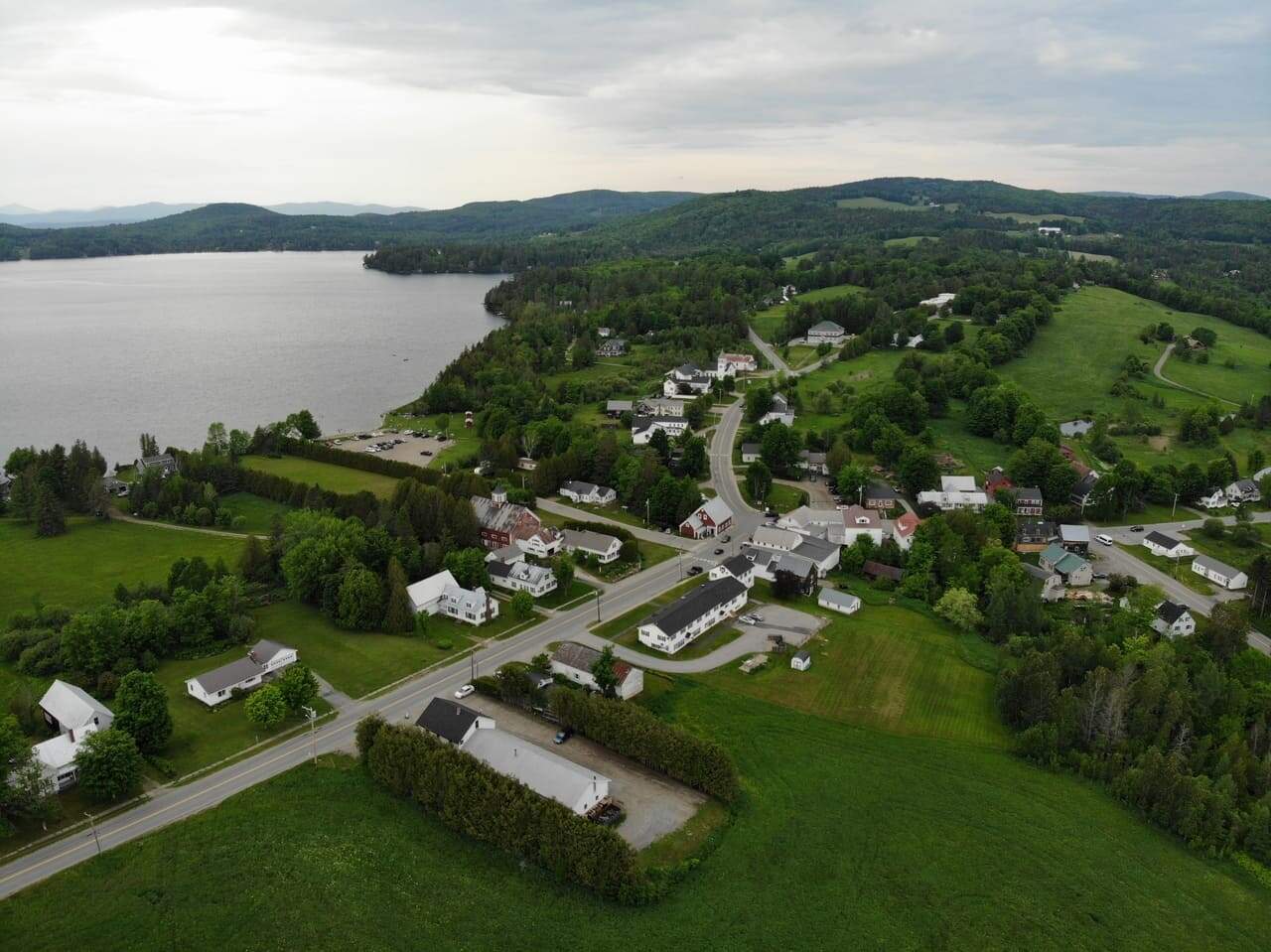
With a population of just 650,000, Vermont offers space, safety, and strong civic engagement. It routinely ranks among the top states for low violent crime and voter participation. The median household income is around $75,000, supported by healthcare, education, tourism, and a thriving small-business culture. Cities like Burlington balance youthful energy with lakeside calm along Lake Champlain. Winter snowfall averages 60–90 inches annually, fueling a robust ski economy. Residents value sustainability, local food systems, and neighborly familiarity. For many, the slower pace and deep community roots outweigh the long winters.
4. North Carolina
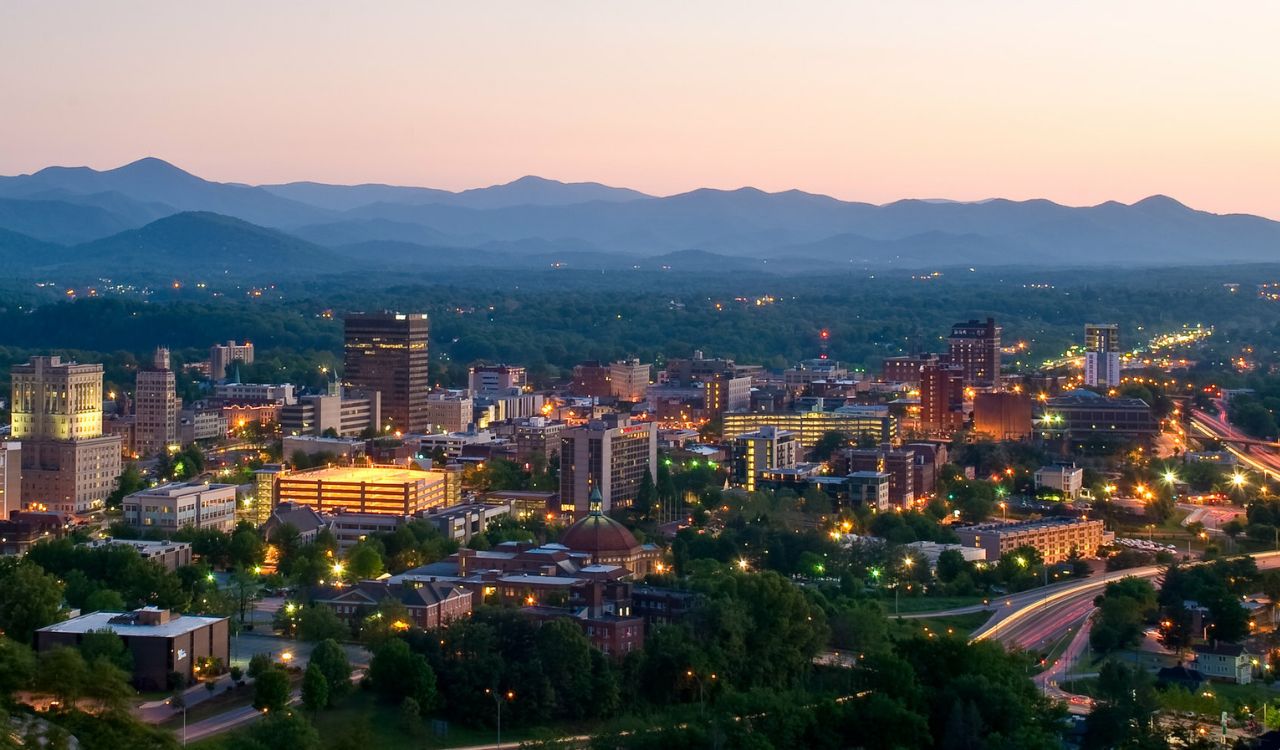
North Carolina combines affordability with economic momentum. Its population exceeds 10.7 million, yet housing costs remain below many northeastern and west coast markets, with median home prices near $320,000. Financial services thrive in Charlotte, while tech and biotech anchor the Research Triangle near Raleigh. The state stretches from 300 miles of Atlantic coastline to the Appalachian Mountains, offering diverse recreation year-round. Mild winters and a growing job market attract newcomers, but many ultimately stay for the balance of opportunity, community, and manageable living expenses.
5. Minnesota
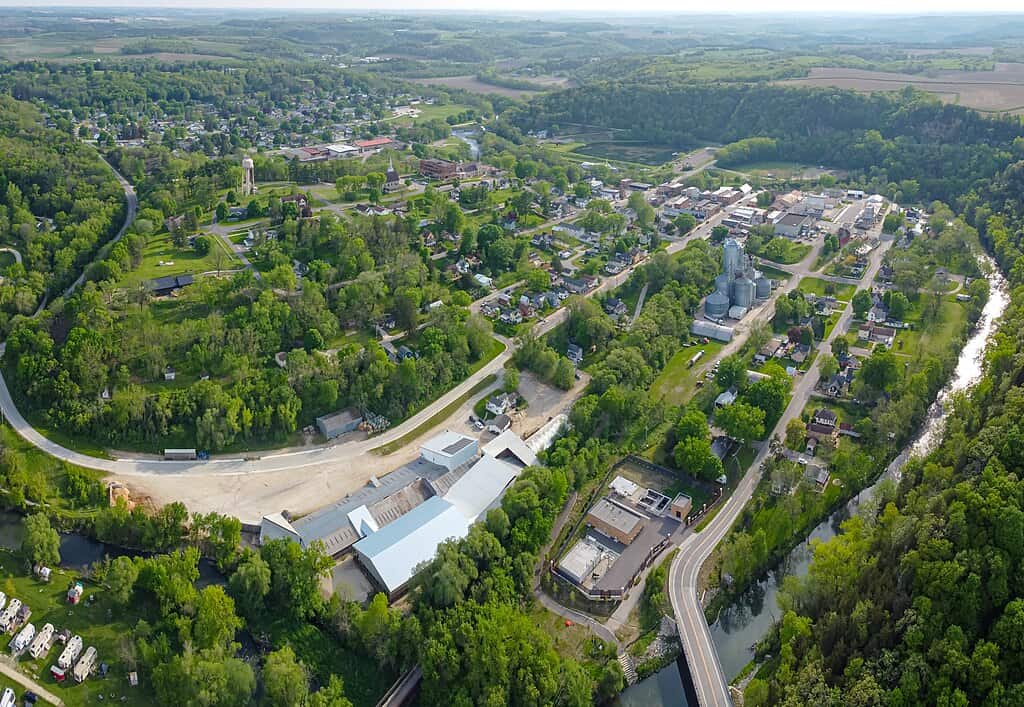
Minnesota consistently earns high marks for education, healthcare access, and civic trust. About 5.7 million residents call it home, with median household incomes near $85,000. The Twin Cities, Minneapolis and Saint Paul anchor a diverse economy spanning finance, manufacturing, and medical technology. The state features over 10,000 lakes and more than 70 state parks, encouraging year-round outdoor life. Winters can dip below 0°F, yet strong infrastructure and community programs soften the extremes. For many families, stability, safety, and opportunity make staying an easy decision.