We may earn money or products from the companies mentioned in this post. This means if you click on the link and purchase the item, I will receive a small commission at no extra cost to you ... you're just helping re-supply our family's travel fund.
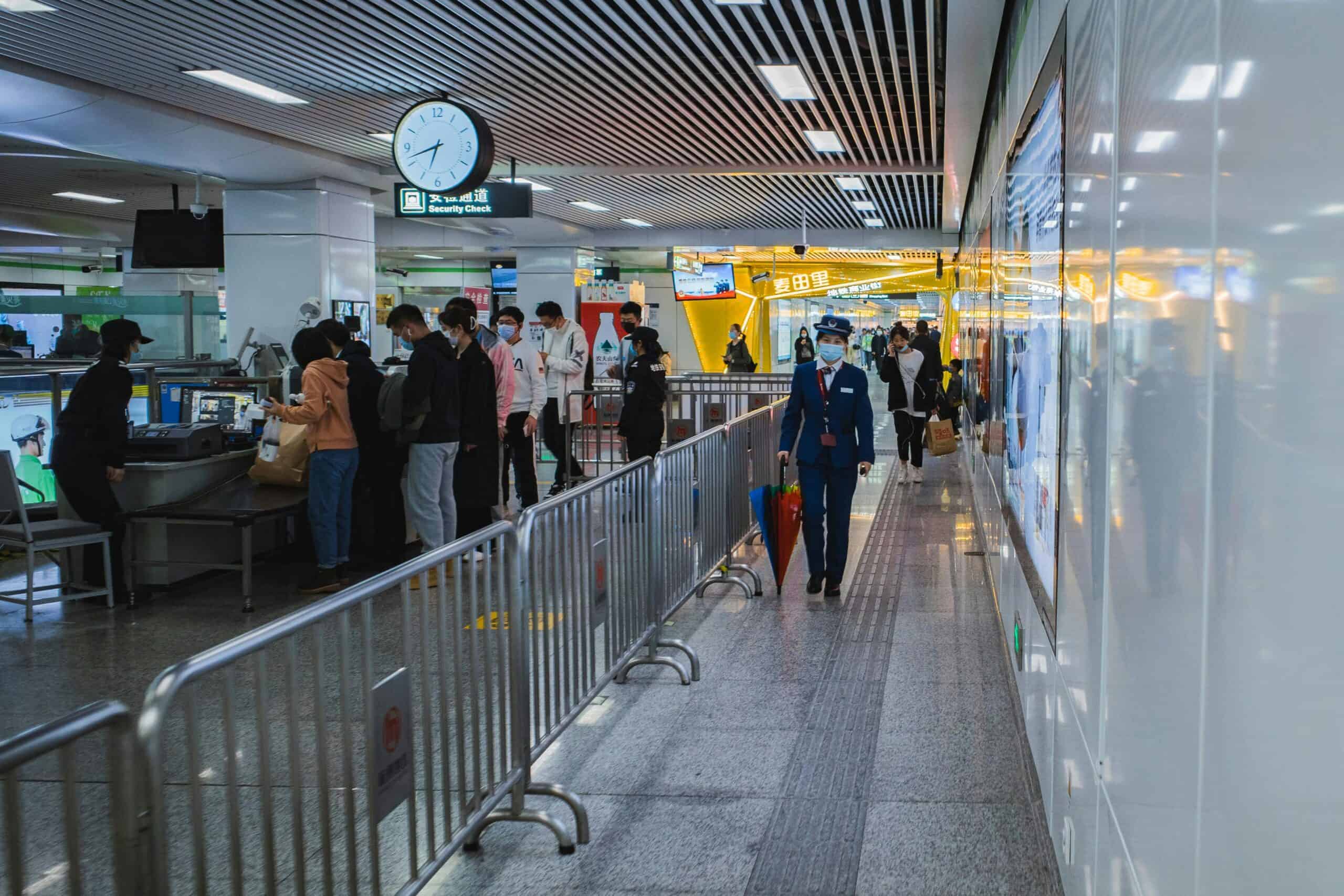
Airport delays rarely start with anything dramatic. More often, a bag is pulled because an everyday item looks unclear on an X-ray: a dense powder, a smearable snack, or a sealed souvenir with liquid inside. TSA screeners are trained to resolve uncertainty, and tight packing makes uncertainty more common. The good news is that most surprises follow a pattern. When the usual triggers are kept visible and within the rules, secondary screening becomes quick, not chaotic, and the trip begins with momentum.
Large Powders Like Protein And Coffee
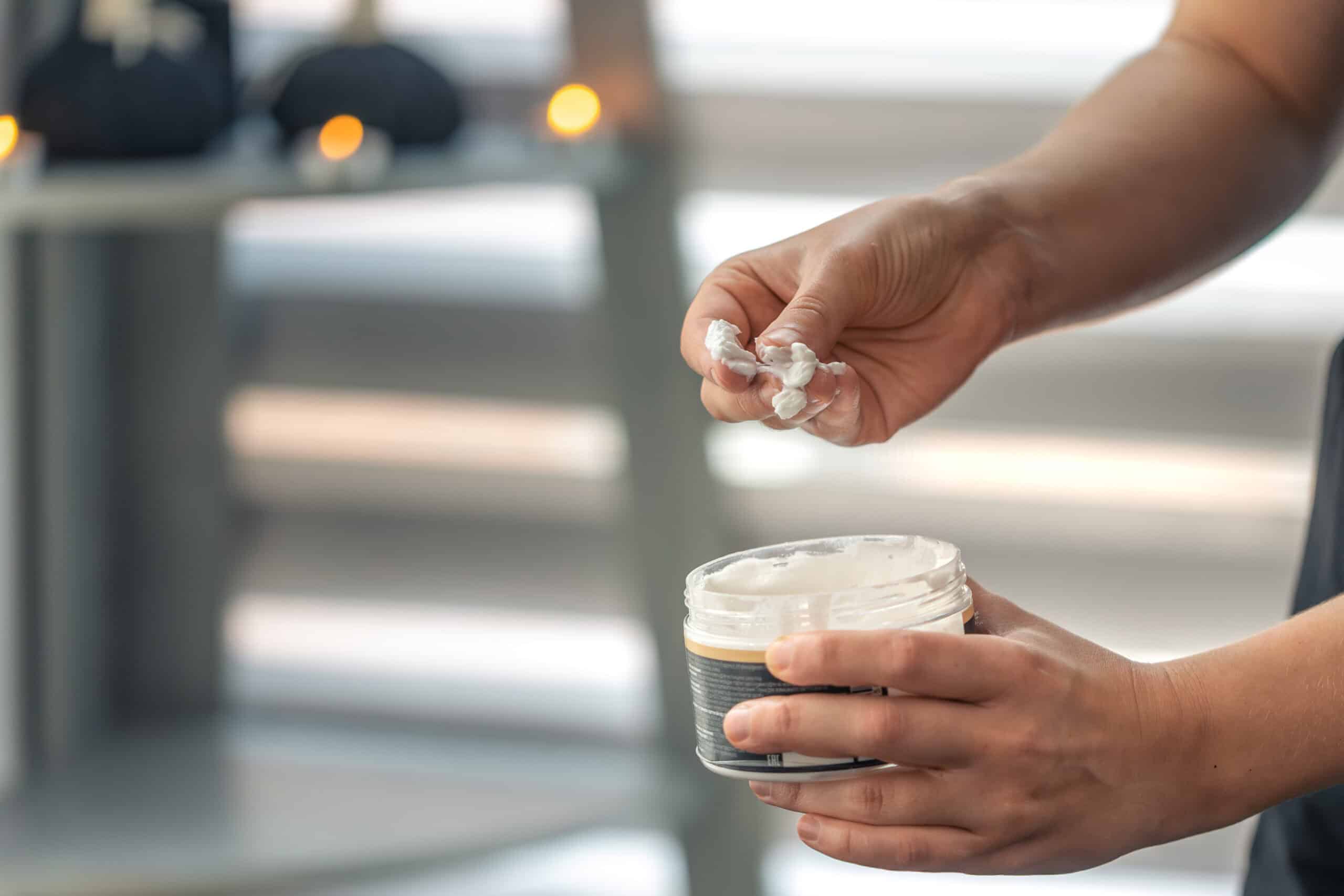
Large powders often trigger bag checks because they appear on the scanner as a dense, uniform block that can mask other shapes, like batteries, chargers, or tools. TSA says powder-like substances over 12 oz. or 350 mL in carry-on bags may require additional screening and may be placed in a separate bin for X-ray review. The smooth approach is simple: keep powders sealed in a clearly labeled container near the top of the bag, avoid stacking multiple tubs together, and separate them from electronics and toiletries so the image clears fast without swabbing, extra questions, and a full unpack at the table.
Spreadable Foods Like Peanut Butter And Hummus
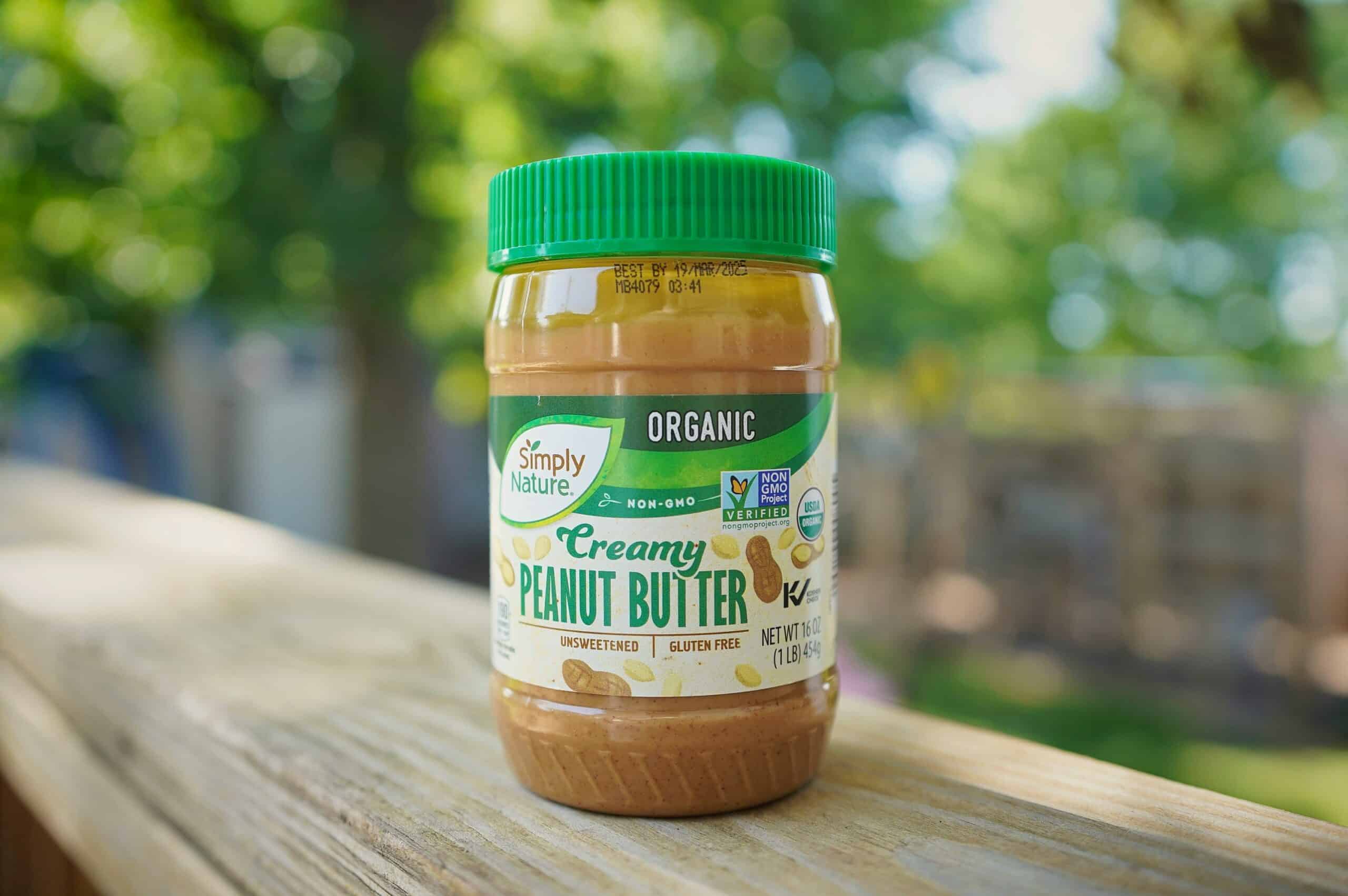
Peanut butter, hummus, cream cheese, and similar spreads get stopped because they behave like liquids at screening, even when they look like snacks. TSA applies liquids and gels rules to many smearable foods, so containers over 3.4 oz in a carry-on can trigger extra inspection, swabbing, or surrender. Portioning spreads into travel-size containers that fit the quart bag, or checking the full-size tub, prevents the awkward moment when a simple lunch plan turns into a public repack, sticky hands, a delayed walk to the gate, and a stalled line before the trip even feels started, with the bin still moving and eyes watching.
Snow Globes That Look Small Enough
Snow globes confuse scanners because they combine liquid, glass, and a dense base inside a sealed object that is hard to read cleanly in a crowded bag. TSA treats them like other liquids: a carry-on snow globe must meet the 3.4 oz limit and fit in the quart-size liquids bag, otherwise it belongs in checked baggage. The trap is scale, since a compact dome can still exceed the limit, and discovering that at security often means rushed handling of a fragile souvenir, hurried decisions, and a broken memory. Padding it, keeping it accessible, and checking it when unsure protects both time and glass.
Gel Ice Packs That Are Not Frozen Solid
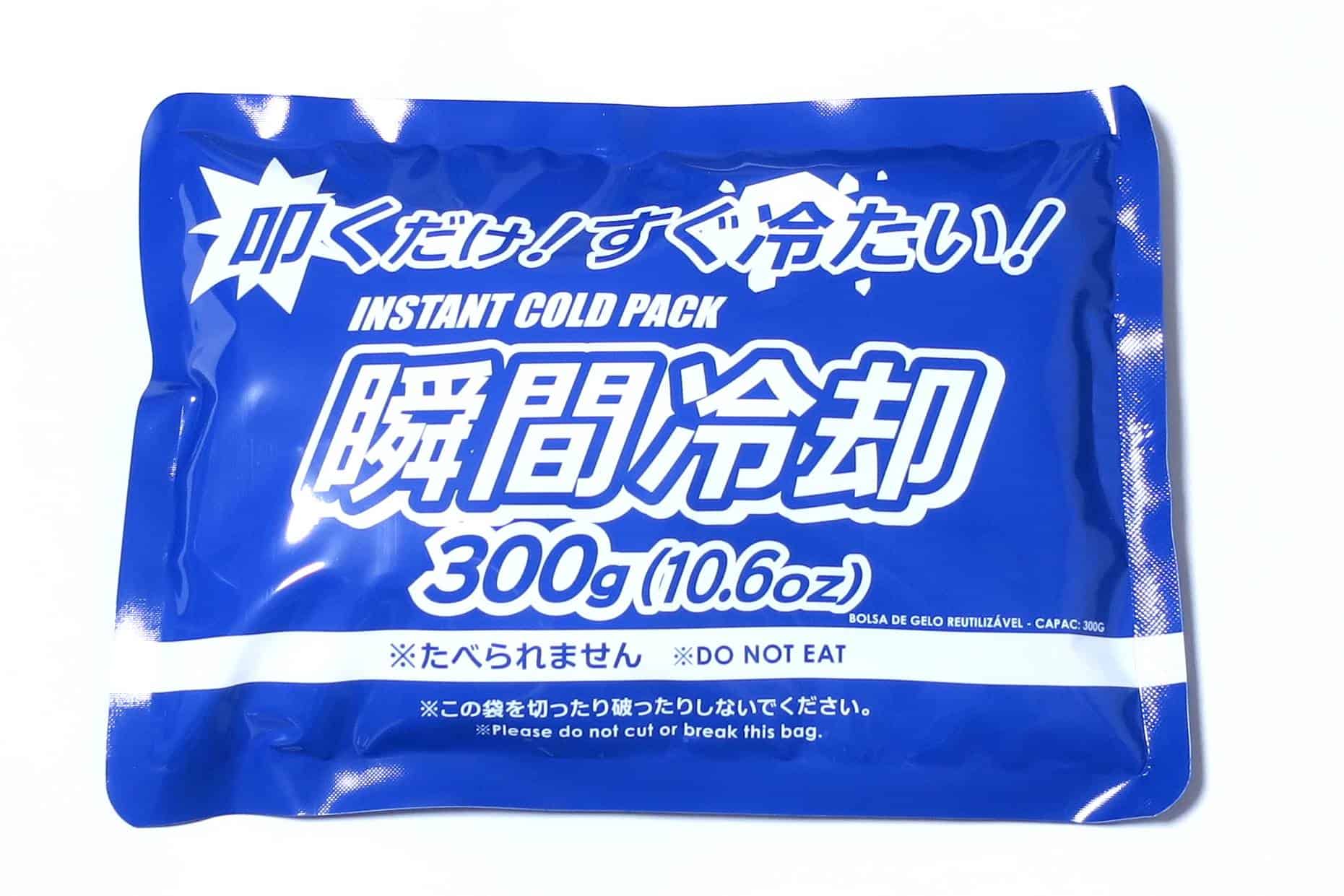
Gel ice packs are allowed through security only when they are frozen solid at the time of screening, which is where many travelers get surprised. TSA notes that packs that are partially melted, slushy, or have liquid at the bottom are treated like liquids and must meet standard limits unless an exception applies. A long drive, a warm curb wait, or a slow line can soften a pack enough to trigger a search, so grouping packs in an easy-to-remove pouch, separate from food and cords, keeps inspection quick and helps cold items stay cold until boarding, especially on long summer travel days at crowded checkpoints.
Wrapped Gifts That Block The X-ray
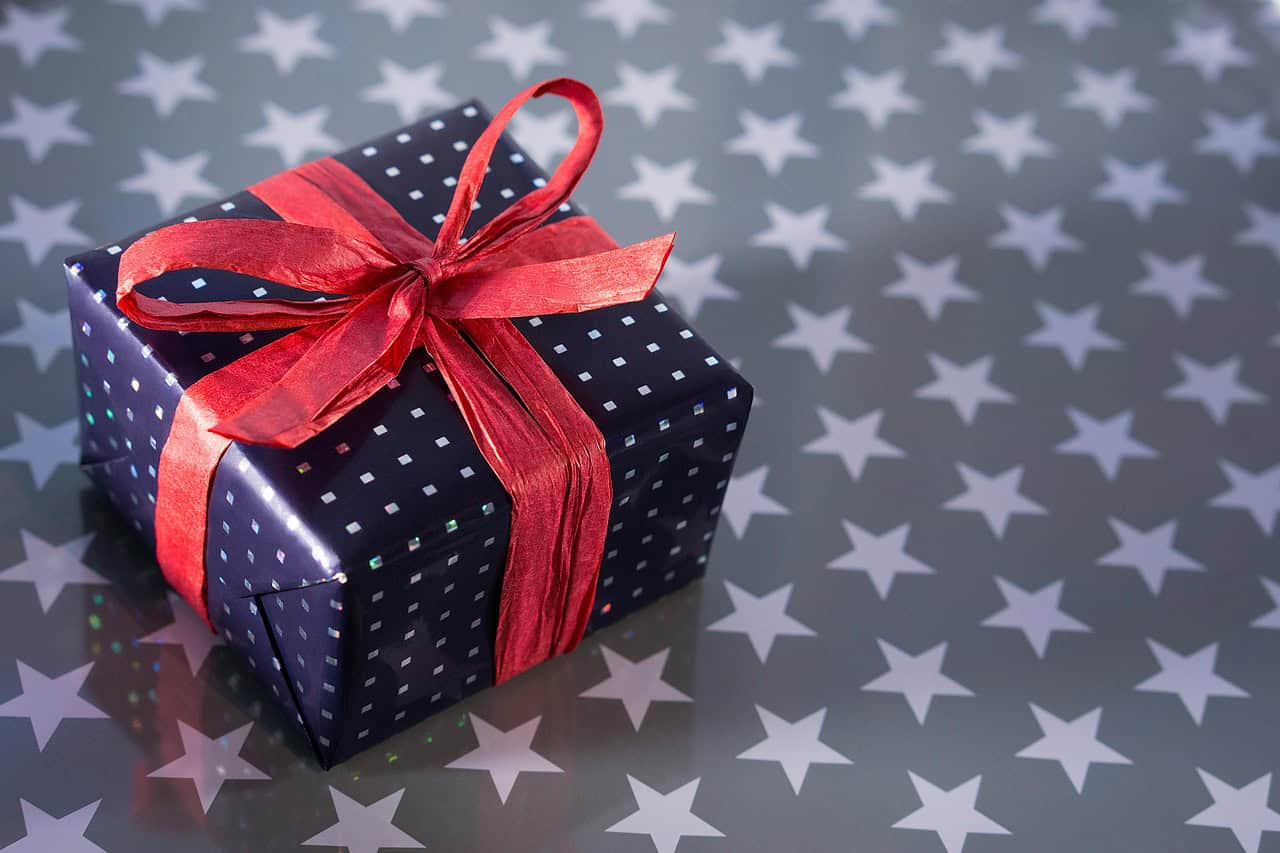
Wrapped gifts often get pulled because paper, tape, bows, and foil can hide the outline of what is inside, forcing screeners to resolve uncertainty by opening the bag. TSA advises packing gifts unwrapped or using gift bags or lidded boxes that can be opened easily, since items that cannot be identified on the scan may need inspection. Traveling with gifts accessible, then wrapping at the destination, preserves the surprise and avoids the messy scene where a perfect package is torn open under bright lights while trays pile up, shoes scatter, and patience runs out fast in the holiday crush at major hubs.